Our verdict
Le Poisson d'Or occupies a park-side address in Mâcon, placing it within a city where Burgundian formality and Bressane informality have long negotiated at the same table. The restaurant sits in a dining tier defined by ritual and regional produce, making it a reference point for understanding how Saône-et-Loire approaches the unhurried midday meal. Reserve ahead and arrive with time to spare.

Pearl is the En Primeur Club membership app — saves, bookings, and concierge access live there. Same editors, same standards.
- Address
- All. du Parc, 71000 Mâcon, France
- Phone
- +33385380088
- Hours
- Mon 12–1:15 PMTue–Wed ClosedThu 12–1:15 PM, 7:30–8:30 PMFri–Sat 12–1:15 PM, 7:30–8:45 PMSun 12–1:15 PM
- Website
- lepoissondor.com
- Directions
- Get directions
- Booking
- Book on Zenchef
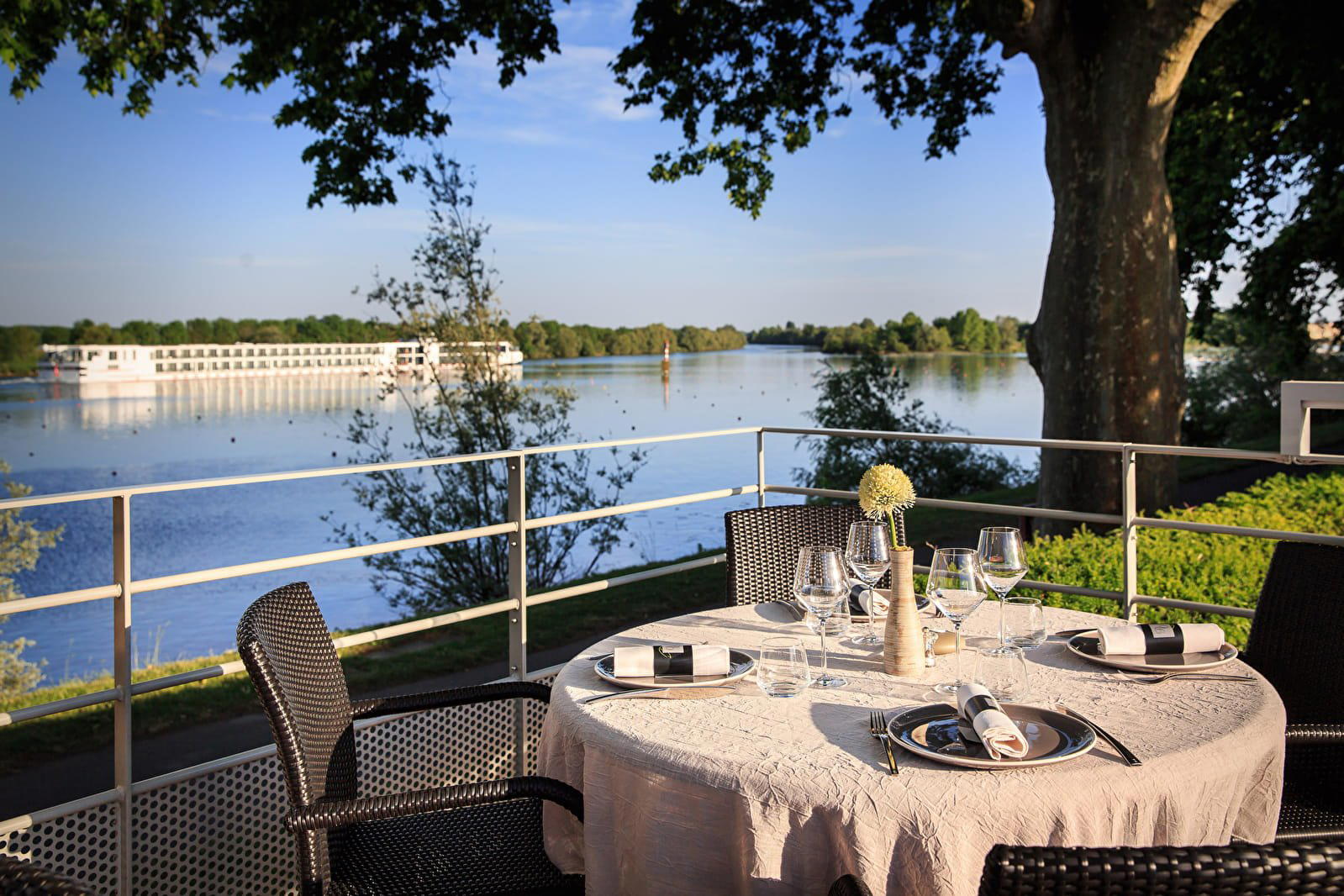
The Approach: Park, River, Table
Mâcon sits at a geographic hinge point — the southern limit of Burgundy proper, where the Saône widens and the vine rows begin their gradual descent toward Beaujolais. The city's dining culture reflects that liminality: it is neither the austere formalism of Dijon nor the casual warmth of Lyon, but something calibrated between the two. A restaurant positioned on Allée du Parc, the tree-lined promenade that runs along the riverbank, inherits that geography directly. The setting conditions the meal before a single dish arrives: open air, measured pace, a view that does not compete with the plate but frames it.
Le Poisson d'Or takes its name and its character from this context. The "golden fish" register in French dining nomenclature has a long history — it signals a kitchen with river or lake produce at its centre, a tradition with deep roots in the Saône corridor, where freshwater species once anchored bourgeois tables before land-based protein dominated menus. That historical framing matters in Mâcon, a city that has always drawn culinary identity from what its river and its surrounding hills produce, not from imported prestige.
Dining as Ritual: How the Meal Moves Here
The editorial question worth asking about any French provincial restaurant is not what it serves, but how it serves: what pace does it demand of the diner, and what customs does it reinforce? In Mâcon, the midday meal retains a social weight that has largely evaporated from larger French cities. The two-hour lunch is not an anachronism here; it is still the default mode for tables that take the meal seriously. A restaurant occupying a parkside address in that context is not competing on speed. It is competing on ceremony.
French dining ritual at this register follows a logic that rewards patience. The entrée is not a preamble, it is an argument for the kitchen's relationship with the season. The plat principal arrives when the entrée has finished its work, not before. The cheese course, if present, is not optional theatre; it is a structural element that bridges the savoury and the sweet and gives the wine a final occasion to speak. Dessert closes the sequence with something deliberately lighter or more playful, and café follows as punctuation rather than rush. For visitors arriving from cities where the two-course lunch is already a concession, this rhythm can feel almost counter-cultural. In Mâcon's better restaurants, including those that share Le Poisson d'Or's park-adjacent positioning, it remains standard practice.
Across Mâcon's mid-range and upper-mid dining tier, the comparison set for Le Poisson d'Or includes addresses with distinct editorial identities. Pierre (Classic Cuisine) operates at the €€€ tier with a classical French kitchen that skews formal. Cassis (Modern Cuisine) occupies the €€ bracket with a more contemporary approach to regional produce. L'Ambroisie Mâconnaise, L'Ethym'Sel, and Le Lamartine each pull from the same regional larder but with different editorial propositions. Le Poisson d'Or's park address sets it apart spatially from this group, even where the menus may converge on similar Burgundian and Bressane ingredients.
The French Provincial Restaurant in National Context
Understanding Le Poisson d'Or requires some calibration of what French provincial dining actually means at the national level. France's most decorated kitchens are disproportionately concentrated in Paris, Lyon, and the Côte d'Azur. Alléno Paris au Pavillon Ledoyen and Mirazur in Menton operate in a register of international recognition that provincial Burgundy rarely reaches. Troisgros in Ouches, Auberge de l'Ill in Illhaeusern, and Bras in Laguiole are the exceptions that prove the rule: deeply rooted provincial kitchens that have achieved recognition without migrating to a capital. Mâcon's dining scene sits further down this hierarchy, which is not a criticism. It is an accurate reading of a city where the pleasure of the table is local and unhurried by design.
The Lyon comparison is particularly instructive. Paul Bocuse's Auberge du Pont de Collonges represents the apex of what the Rhône corridor can produce at full institutional scale. Mâcon's restaurants, including Le Poisson d'Or, operate without that institutional weight, and without the crowds that come with it. The dining ritual is the same in its architecture; the pressure to perform or be seen is considerably lower. For diners who prefer the structure of classical French service without the associated theatre, that distinction carries real value.
Internationally, the pacing and etiquette of a French parkside restaurant also invites comparison with precision-focused formats in very different cities. Le Bernardin in New York City and Atomix apply comparable levels of course-by-course ritual discipline, but within a compressed urban format that changes the social register entirely. French provincial dining at a river address remains a specific genre: the meal is the afternoon, not a slot within it.
Regional Wine and the Saône Table
No reading of Mâcon's restaurant scene is complete without its wine context. Mâcon-Villages, Pouilly-Fuissé, and Saint-Véran are the appellations that frame this city's identity on the international wine map, and any serious kitchen in the area treats the local Chardonnay as an essential structural element of the meal rather than an optional pairing. Flocons de Sel in Megève and Assiette Champenoise in Reims demonstrate how regional wine integration can function at the highest level; Mâcon's mid-tier restaurants pursue the same logic at a more accessible price point. At a restaurant named for its relationship with the water, the white wine list is the first signal of how seriously the kitchen reads its own geography.
Practical Notes for Planning Your Visit
Le Poisson d'Or is located at Allée du Parc in Mâcon, 71000, within easy reach of the city centre on foot. Mâcon-Loché TGV station is served by direct trains from Paris Gare de Lyon in under two hours, and from Lyon Part-Dieu in approximately thirty minutes, making the city accessible for a day visit from either direction. Given the park-side address and the pace typical of restaurants in this category, a midday reservation makes better use of the setting than an evening slot. Booking ahead is advisable, particularly through the warmer months when terrace covers are in demand. For a broader view of where Le Poisson d'Or fits within Mâcon's dining options, see our full Mâcon restaurants guide. Diners exploring the region's wider French table should also consider AM par Alexandre Mazzia in Marseille and Au Crocodile in Strasbourg for contrasting regional expressions of the same classical French dining tradition.
Frequently asked questions
Where is Le Poisson d'Or in Mâcon?
Le Poisson d'Or is located at All. du Parc, 71000 Mâcon, France, Mâcon.
Is Le Poisson d'Or a good choice for wine pairing with Mâcon appellations?
A restaurant located in Mâcon, at the geographic centre of the Mâcon-Villages, Pouilly-Fuissé, and Saint-Véran appellations, is positioned to offer these wines closer to source than almost anywhere outside the vineyard communes themselves. Whether the list is curated by a dedicated sommelier or organised around regional producers is not documented, but the surrounding wine country makes Mâcon restaurants a natural point of access for these southern Burgundy whites. The address at Allée du Parc places the restaurant within the city's core, making it a practical base for visitors combining regional wine exploration with a provincial meal.
What should I order at Le Poisson d'Or?
The restaurant's name — 'The Golden Fish' — points toward the kitchen's relationship with river and freshwater produce, a logical emphasis given its position alongside the Saône in Mâcon. Beyond that, a French provincial table at this latitude will typically organise itself around the seasons, so the most reliable approach is to follow what the kitchen leads with on the day. Mâcon's position at the southern limit of Burgundy also means the wine list is worth interrogating: Pouilly-Fuissé and Mâcon-Villages are the natural frame for whatever is on the plate.
Do they take walk-ins at Le Poisson d'Or?
No booking data is published for Le Poisson d'Or, so walk-in policy can change in advance. For a park-side address in Mâcon — a city that draws visitors travelling the Burgundy corridor, particularly those arriving via Mâcon-Loché TGV — arriving without a reservation carries risk, especially at lunch on weekdays when local trade tends to fill the room. Calling ahead or visiting the restaurant directly at Allée du Parc, 71000 Mâcon, is the practical approach. Check the venue's official channels for the latest details.
Cuisine Context
Comparable venues nearby, for context on price, style, and recognition.
| Venue | Cuisine | Price | Awards | Notes |
|---|---|---|---|---|
| Le Poisson d'OrThis venue — the venue you are viewing | French Gastronomic Seafood | $50–100 | Not listed | Not listed |
| L'Ethym'Sel | Modern French Bistronomic | $30–50 | Not listed | Centre-ville |
| L'Ambroisie Mâconnaise | French Bistronomique | $30–50 | Not listed | Centre-ville |
| Le Lamartine | Traditional French Maconnaise Bistro | $30–50 | Not listed | Quai Lamartine |
| Ma Table en Ville | Traditional French Bistro | $30–50 | Michelin Plate | Centre-ville |
| Cassis | Modern French Bistro | $30–50 | Michelin Plate | Centre-ville |
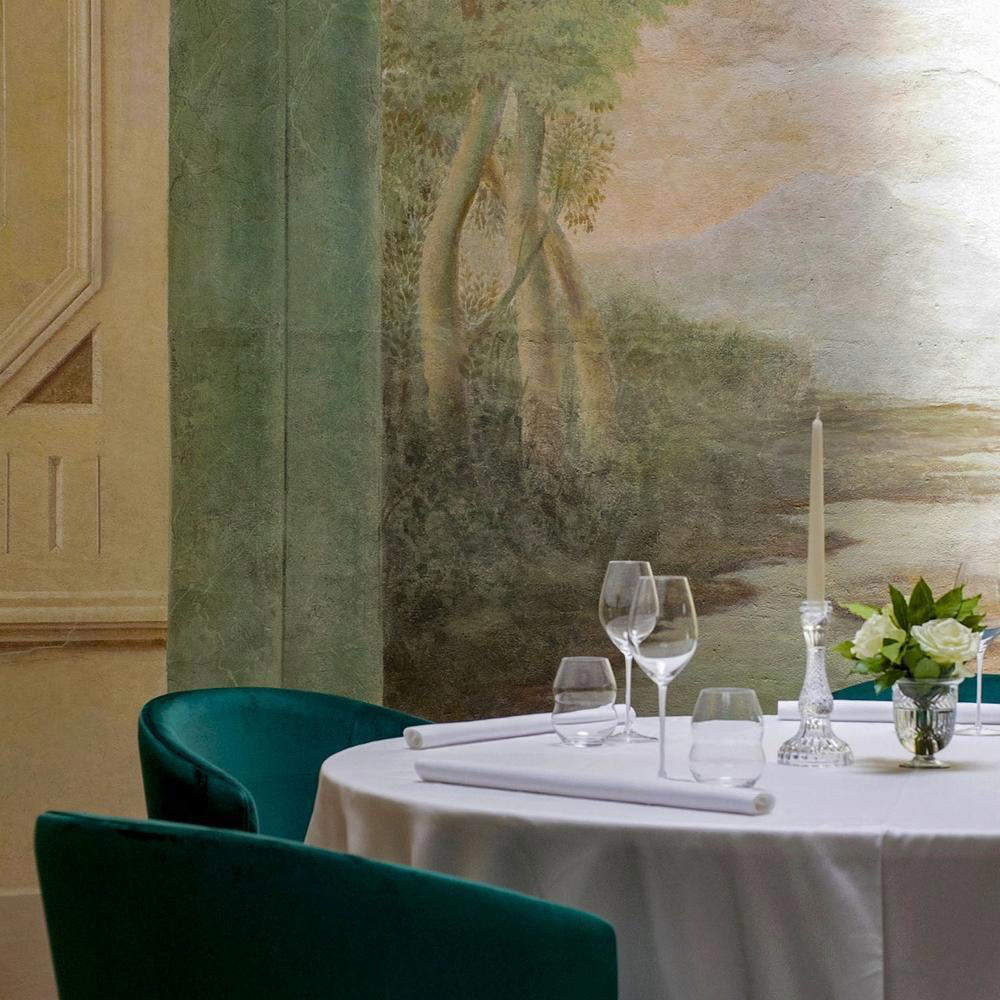
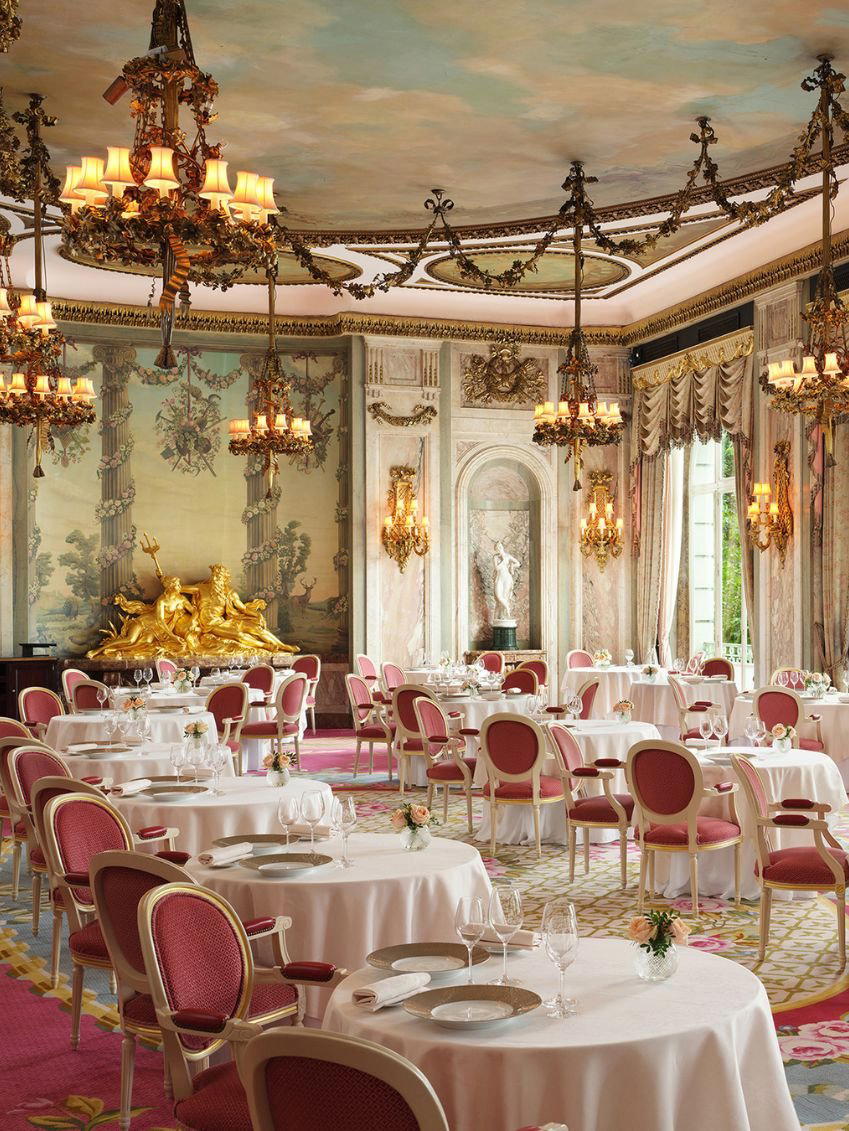
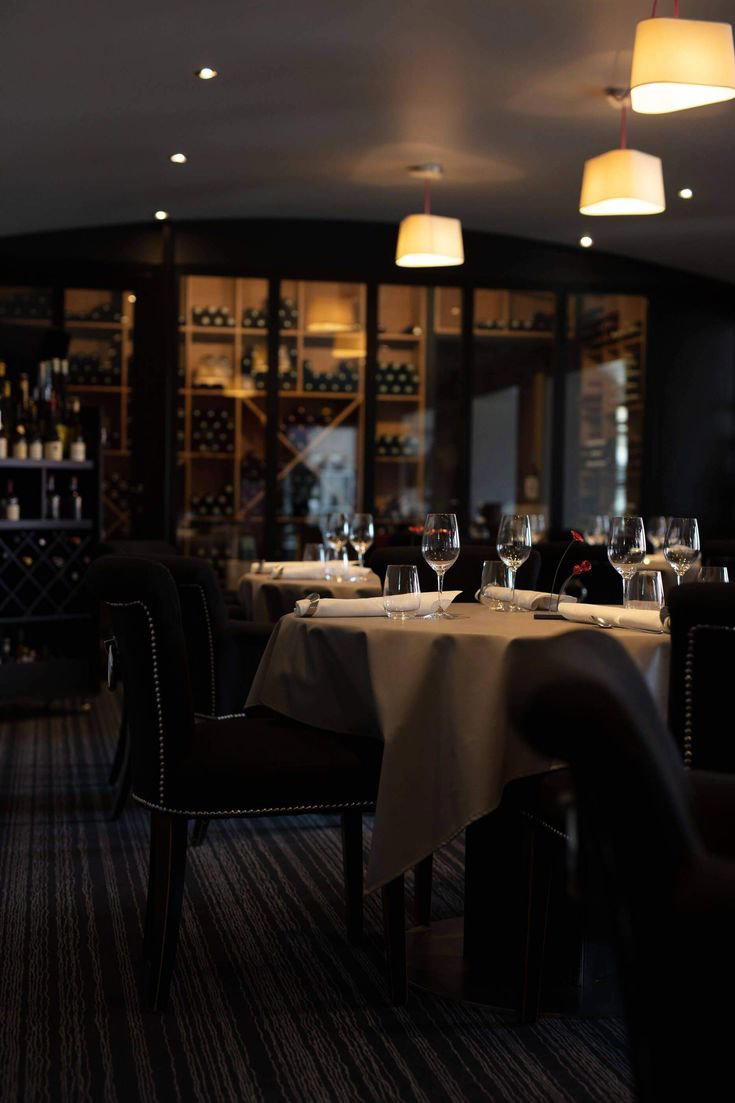
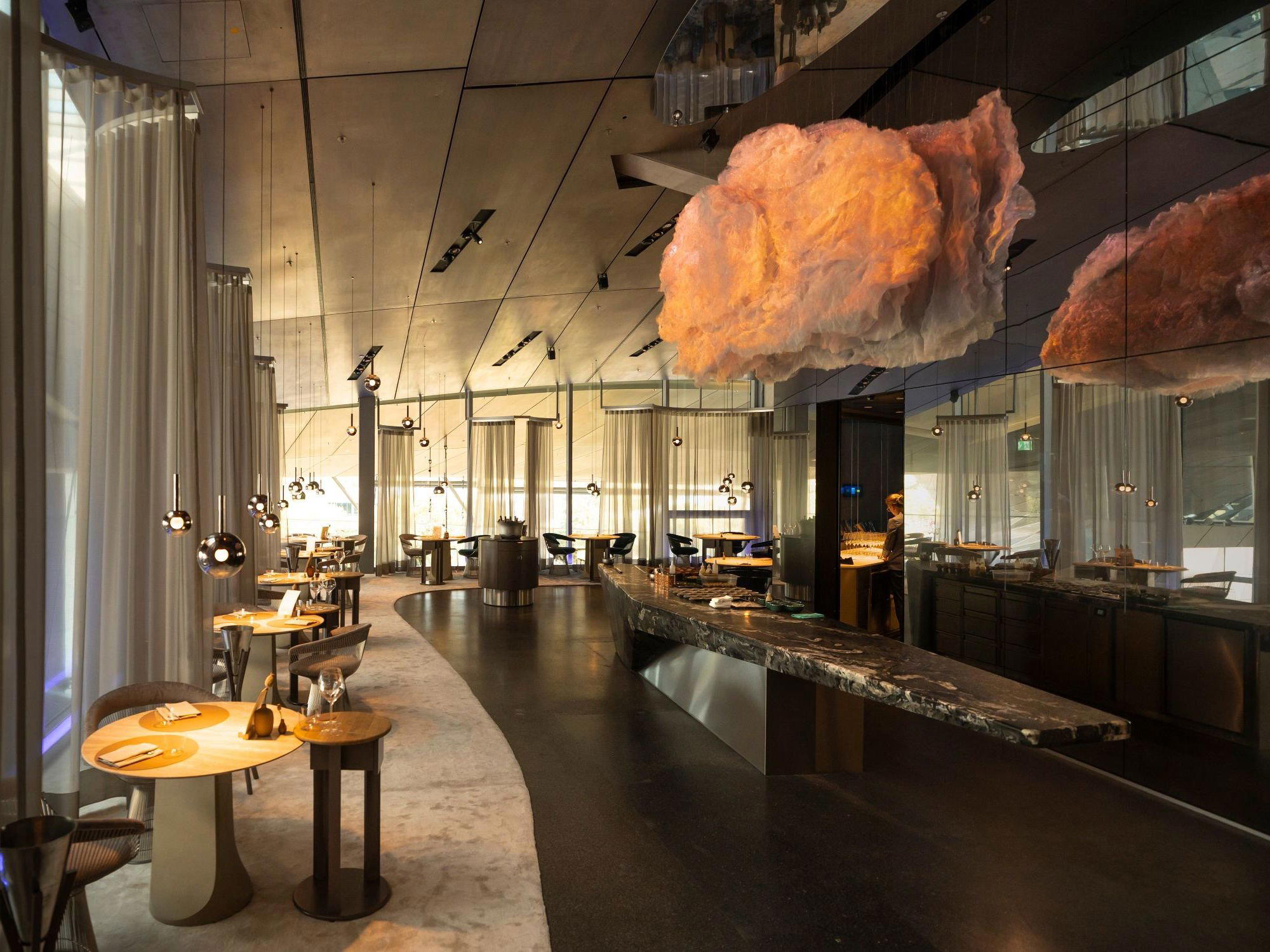
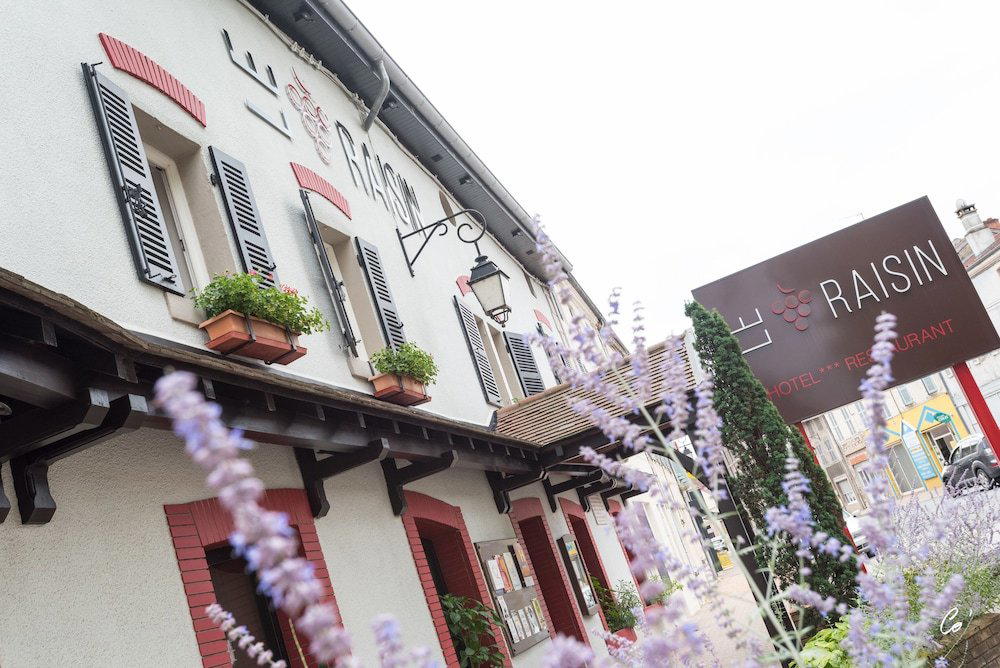
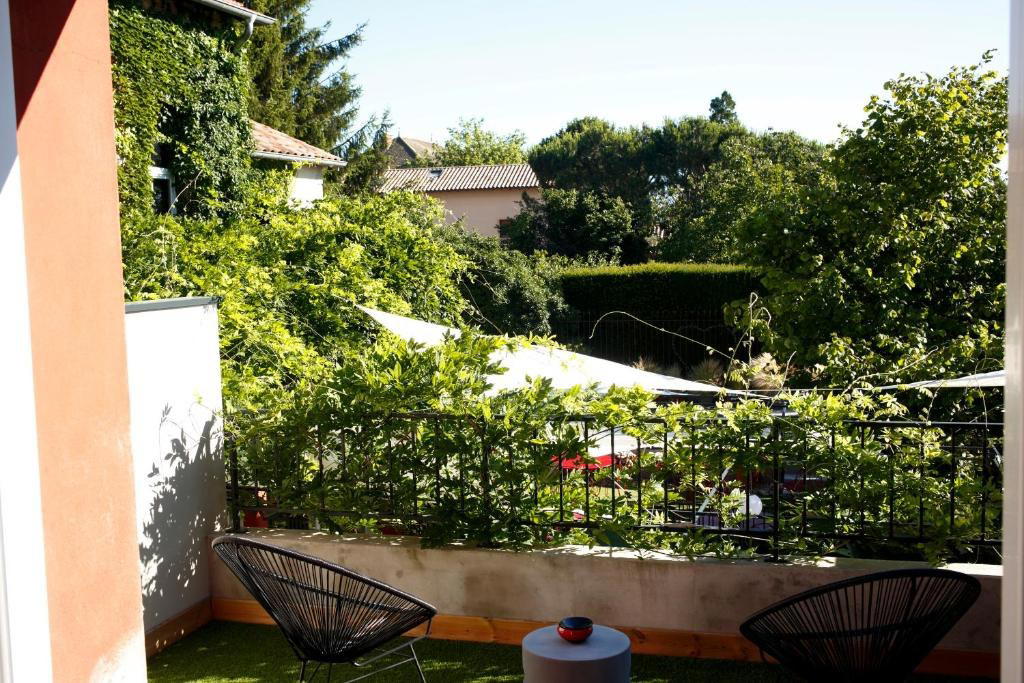
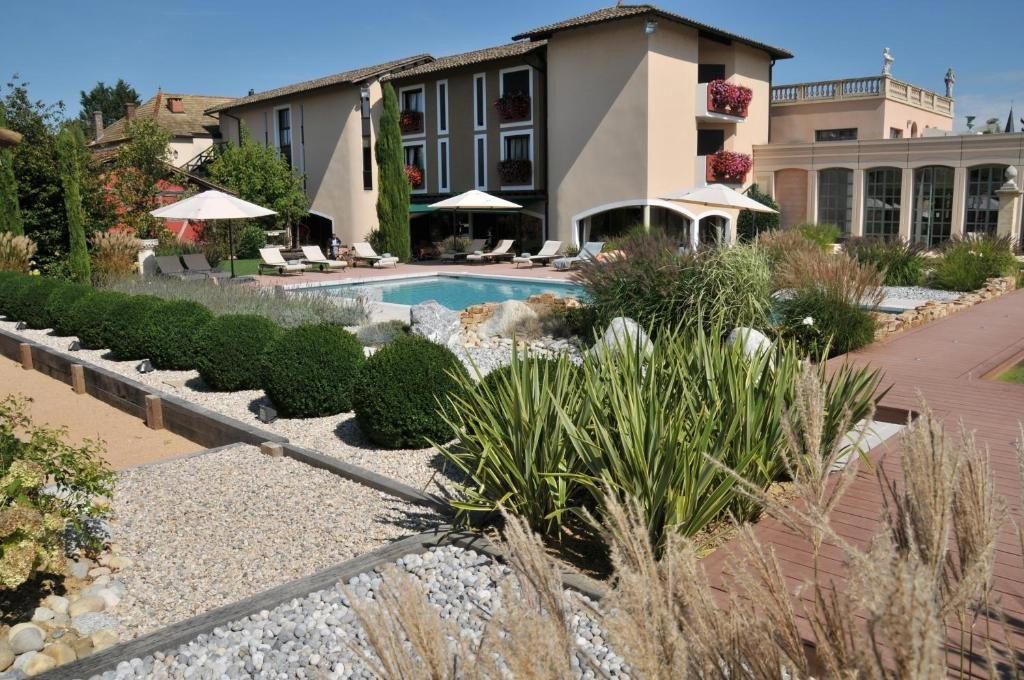
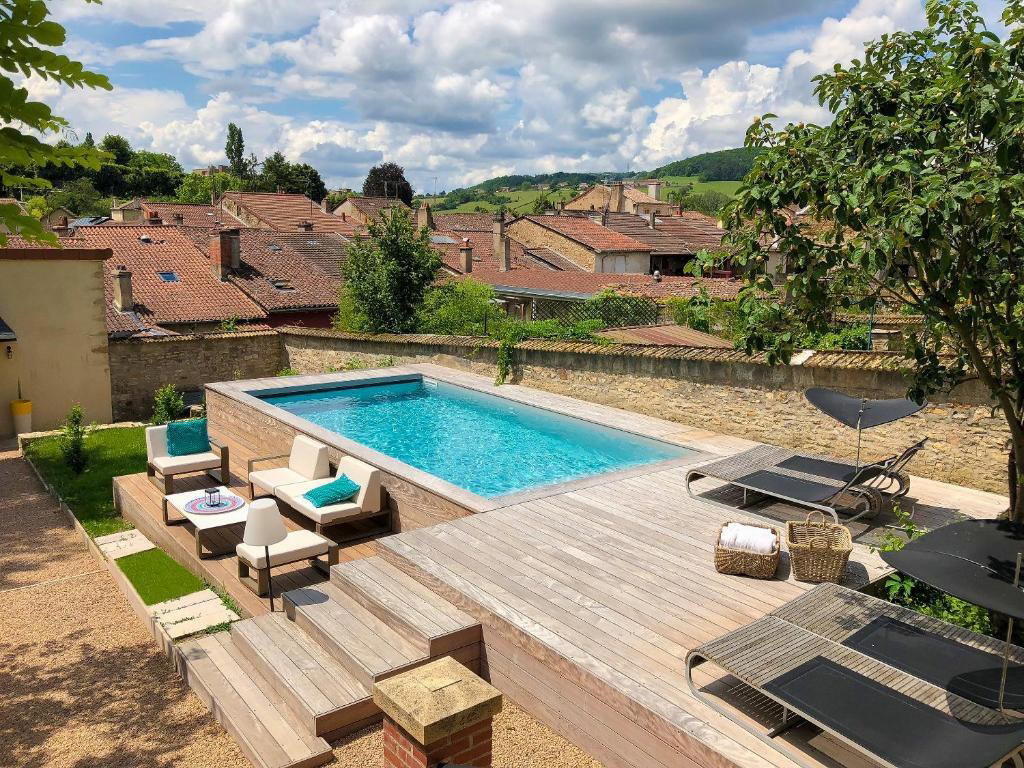
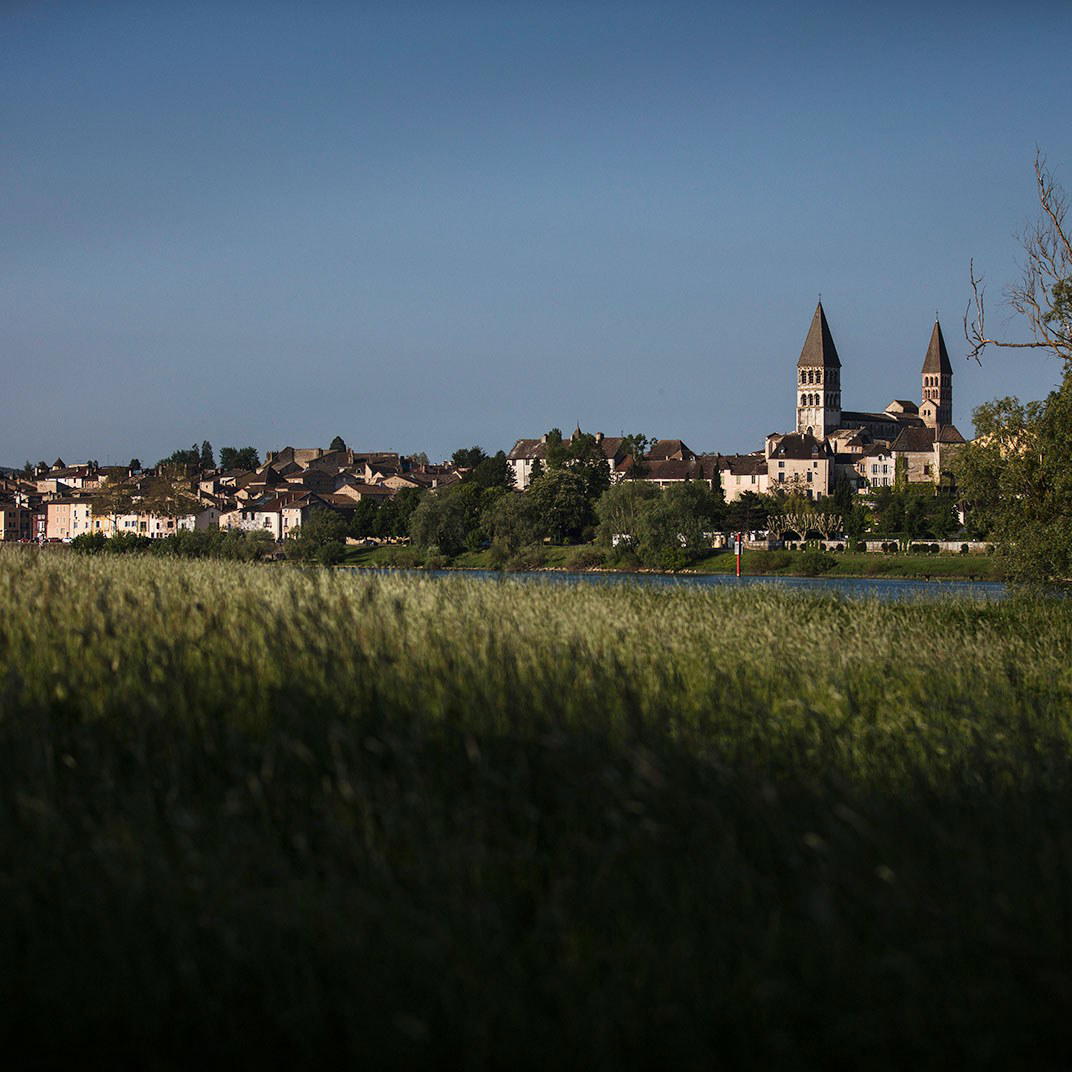
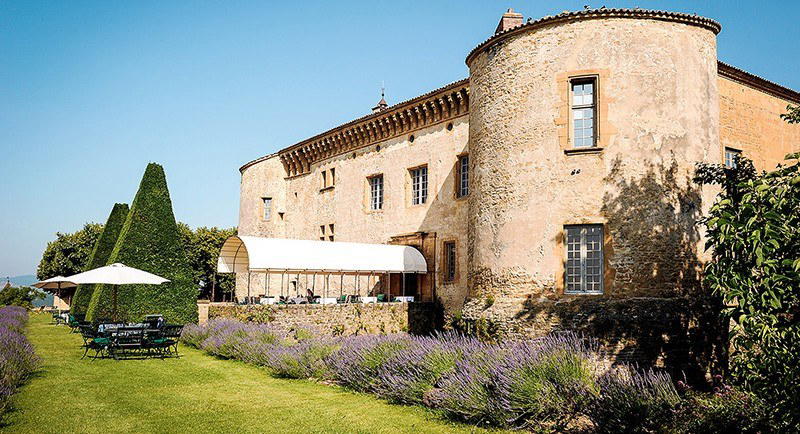
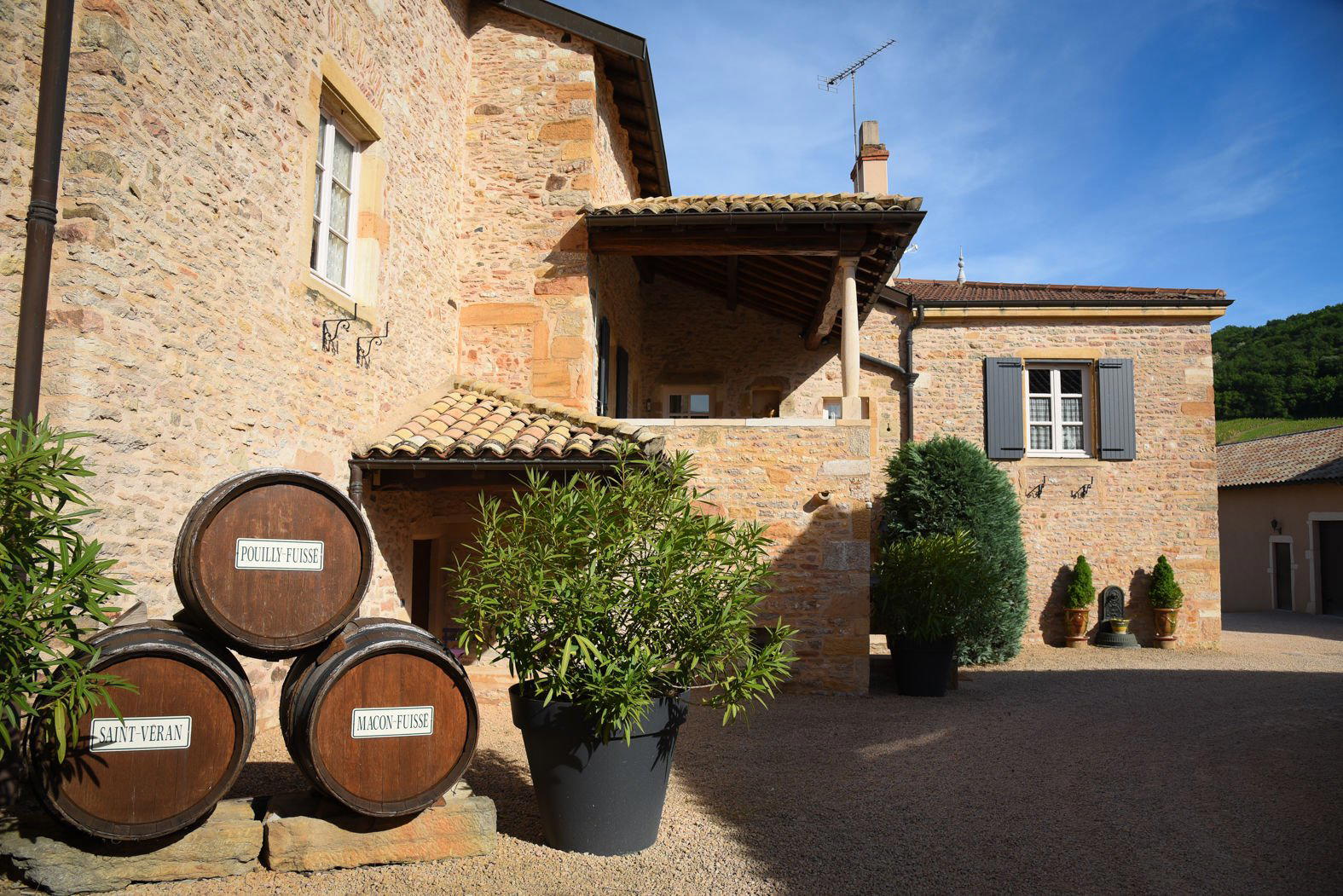
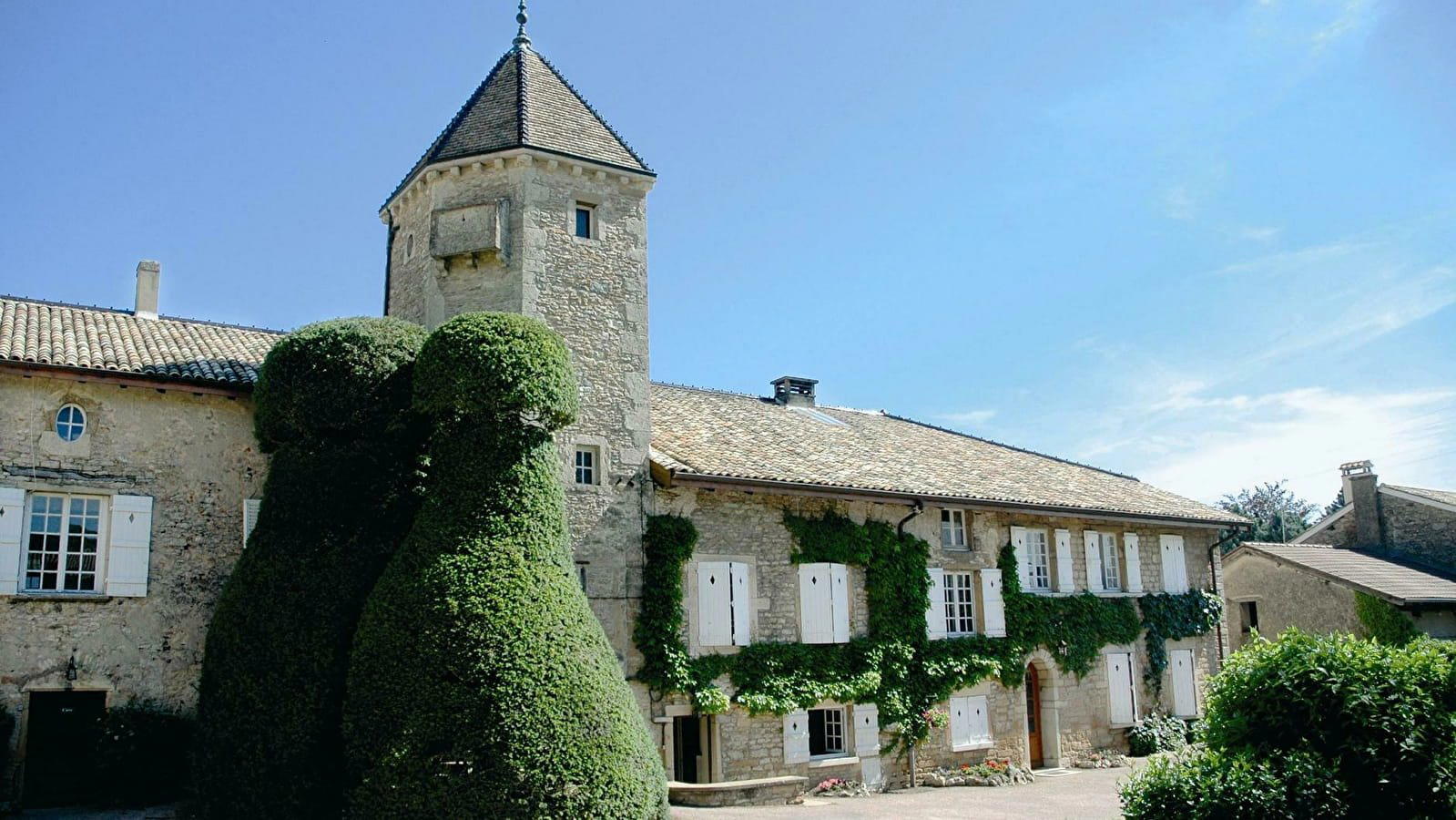
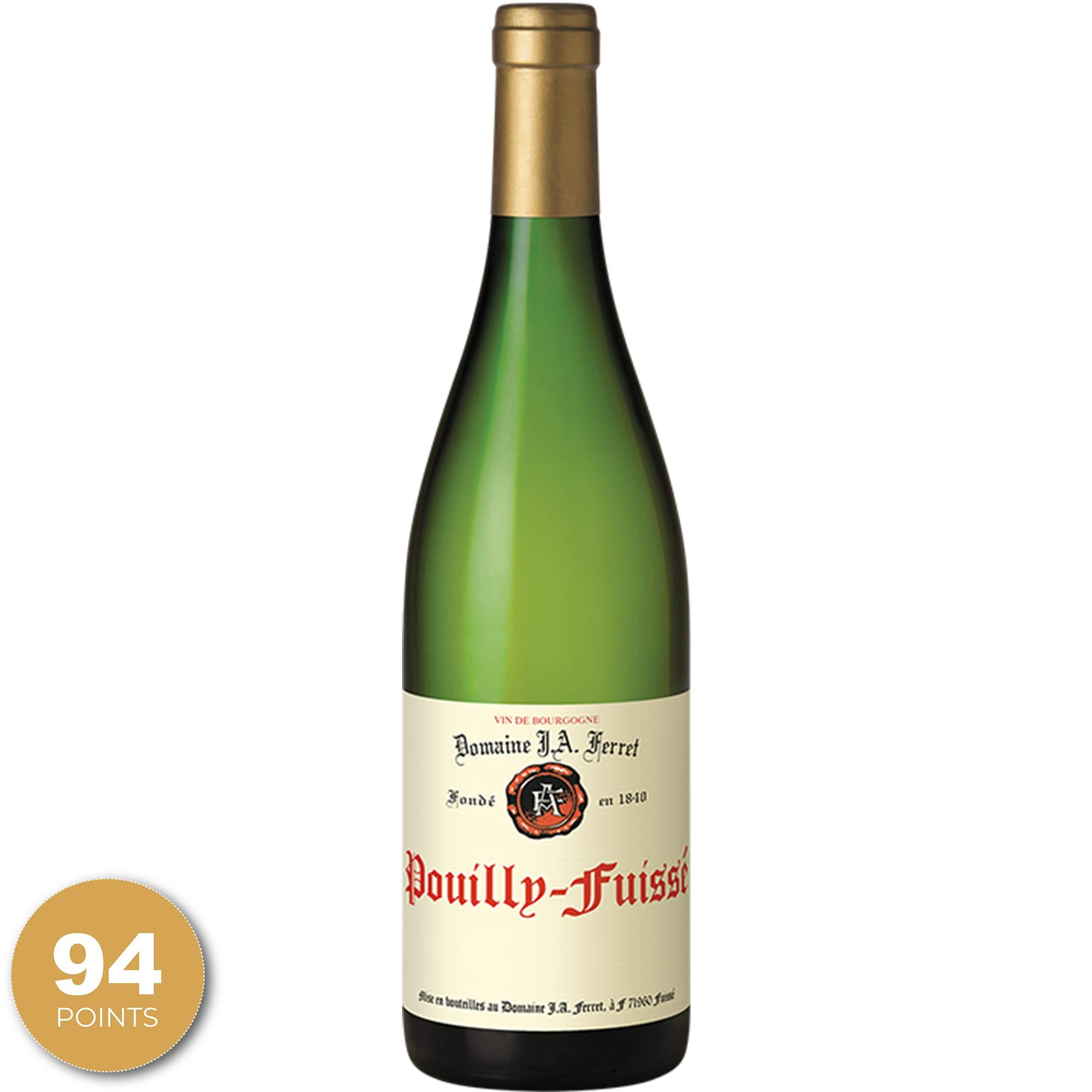
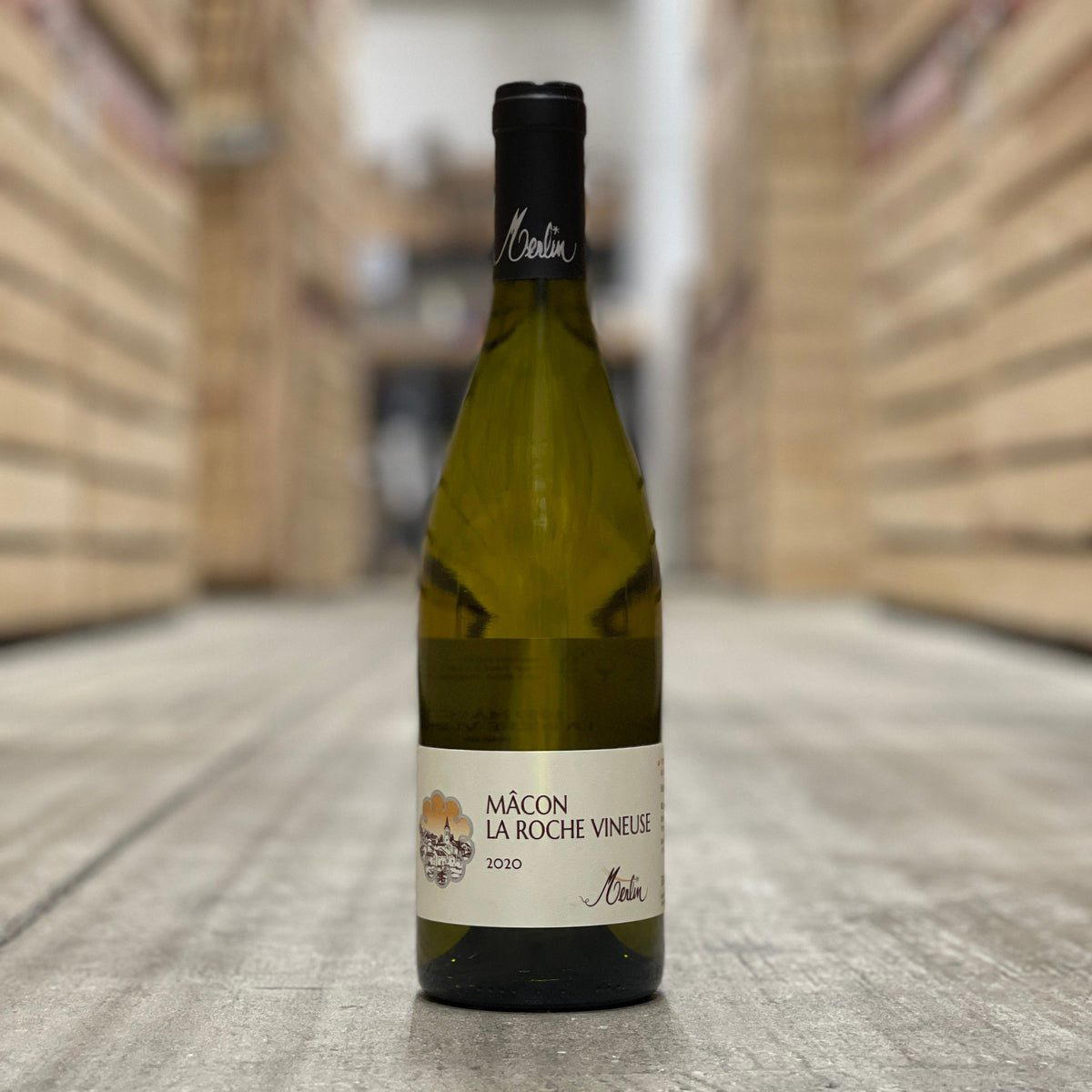
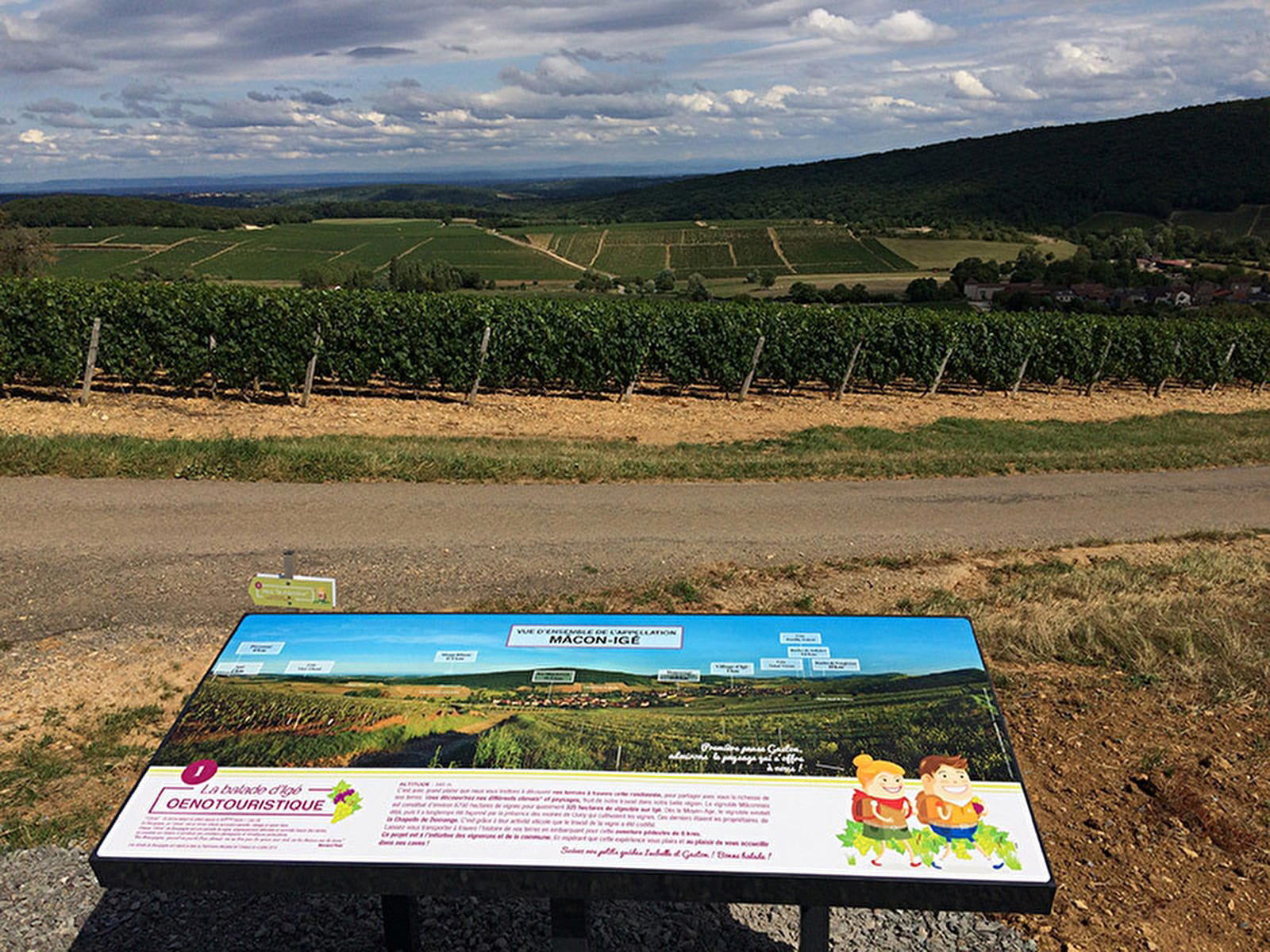
Le Poisson d'Or
The wine
- Wine program
- Curated wine list
- Extensive wine list
Details
- Elegant
- Lively
- Sophisticated
- Date Night
- Family
- Special Occasion
- Terrace
- Waterfront
- Private Dining
- Extensive Wine List
- Local Sourcing
- Waterfront
- A La Carte
- Vegetarian Friendly
Current opening hours
- Monday
- 12–1:15 PM
- Tuesday
- Closed
- Wednesday
- Closed
- Thursday
- 12–1:15 PM, 7:30–8:30 PM
- Friday
- 12–1:15 PM, 7:30–8:45 PM
- Saturday
- 12–1:15 PM, 7:30–8:45 PM
- Sunday
- 12–1:15 PM
Hours can change for holidays and private events. Last verified .
Contemporary and warm panoramic rooms with river views, convivial family atmosphere, shaded terrace.