On the Champs-Élysées since the brasserie era that defined Parisian boulevard dining, L'Alsace brings Alsatian tradition to one of the city's most trafficked addresses. Choucroute, oysters, and a wine list anchored in Alsace's grand cru villages sit alongside the spectacle of avenue life. The address suits both planned lunches and late arrivals, with service structured around the rhythms of a true brasserie.
Pearl is the En Primeur Club membership app — saves, bookings, and concierge access live there. Same editors, same standards.
- Address
- 39 Av. des Champs-Élysées, 75008 Paris, France
- Phone
- +33153939700
- Website
- restaurantalsace.com
- Directions
- Get directions
 Saves & bookings on Pearl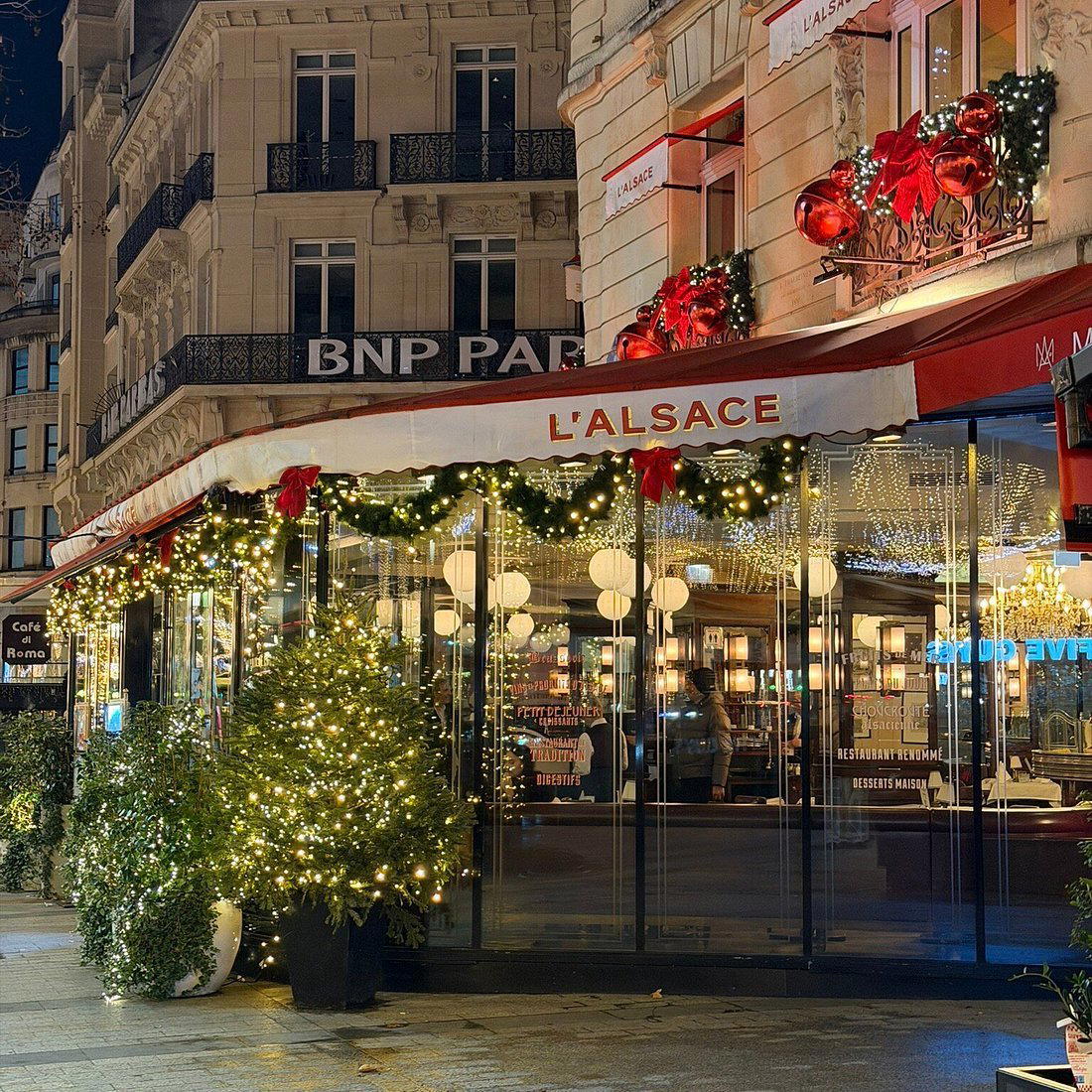
Boulevard Dining and the Alsatian Counter-Tradition
L'Alsace is an Alsatian brasserie at 39 Av. des Champs-Élysées, 75008 Paris, France,078 reviews and a price tier around $35 per person. The Champs-Élysées has never been a street that rewards the culinarily cautious. Lined with tourist-facing cafés and flagship brand restaurants, the avenue operates as a kind of stress test for any serious dining address trying to hold its ground. L'Alsace, at number 39, has been making that argument for decades, anchoring a style of cooking that originates not in Parisian haute cuisine but in the Rhine valley brasserie tradition that travelled west with Alsatian migrants and established itself firmly in the capital's dining vernacular during the nineteenth and early twentieth centuries.
That tradition is worth understanding on its own terms. Alsatian brasserie cooking emerged from a region that spent centuries moving between French and German jurisdiction, and its food reflects both inheritances: the choucroute garnie, the tarte flambée, the platters of cured and braised pork, and the white wines grown in the foothills of the Vosges mountains. When Alsatian restaurateurs brought this format to Paris, they created a category distinct from both the grand French restaurant and the neighbourhood bistro. The brasserie, as a form, is built for volume and duration: it stays open when kitchens elsewhere have closed, it accommodates the solo diner and the large table with equal ease, and it treats certain dishes as institutions rather than seasonal experiments. L'Alsace operates squarely within that model.
The Wine Program: Alsace at the Source
For a restaurant whose name and identity are regional, the wine list is where the editorial argument either holds or collapses. Alsace's wine geography is more specific than its general reputation suggests: grand cru sites like Rangen, Schlossberg, and Brand produce Riesling and Gewurztraminer that age at a pace closer to white Burgundy than to everyday bistro fare, and the leading producers in the region, names like Zind-Humbrecht, Trimbach, and Weinbach, operate at a price and complexity tier that few Parisian lists explore in depth.
A restaurant in the Alsatian brasserie tradition on the Champs-Élysées has a particular opportunity and obligation here. The wine list at an address like L'Alsace functions as a form of advocacy: it either makes the case that Alsatian wine is a serious category with vertical depth and cuvée-level variation, or it reduces the region to a generic white wine pairing for sauerkraut. Regional specificity in the cellar, rather than breadth across all French appellations, is what separates a restaurant with genuine curatorial conviction from one that simply reflects its address. Alsace's dry Rieslings and late-harvest Vendanges Tardives occupy different occasions; a list that covers both with producer-level specificity is the signal to look for.
Pairing logic at a brasserie of this type follows predictable but sound principles. Choucroute garnie, the signature dish of the tradition, works with the acidity and slight residual structure of a Pinot Gris or an off-dry Riesling in a way that heavier red wines cannot replicate. Oysters from Brittany or Normandy, common on Alsatian-format brasserie menus, call for something leaner: a young Riesling from a limestone-heavy site, or a Sylvaner if the list reaches that far. The sommelier function at this kind of address is less about navigating an abstract global cellar than about knowing the region's own hierarchy well enough to guide guests through it.
What Arrives on the Plate
The Alsatian brasserie format places considerable weight on a small set of anchor dishes that are expected to perform consistently rather than to surprise. Choucroute garnie is the central test: slow-braised cabbage with a selection of cured and cooked pork cuts, the balance of acidity and fat the measure of kitchen discipline. Tarte flambée, the thin-crusted Alsatian flatbread finished with crème fraîche, lardons, and onion, is the format's equivalent of a wood-fired pizza, and its quality depends almost entirely on dough hydration, oven temperature, and the quality of the crème fraîche. Oysters, often served as a plateau de fruits de mer in the brasserie setting, offer the kitchen a second register entirely, one governed by sourcing and service temperature rather than cooking.
These dishes appear across the French brasserie tradition in Paris broadly, at addresses ranging from the grand historic rooms of La Coupole and Brasserie Lipp to smaller neighbourhood formats. What distinguishes an explicitly Alsatian address is the depth of commitment to the regional repertoire rather than a generalised brasserie menu. The restaurant maintains that disciplinary focus through its regional repertoire.
Where L'Alsace Sits in the Paris Dining Map
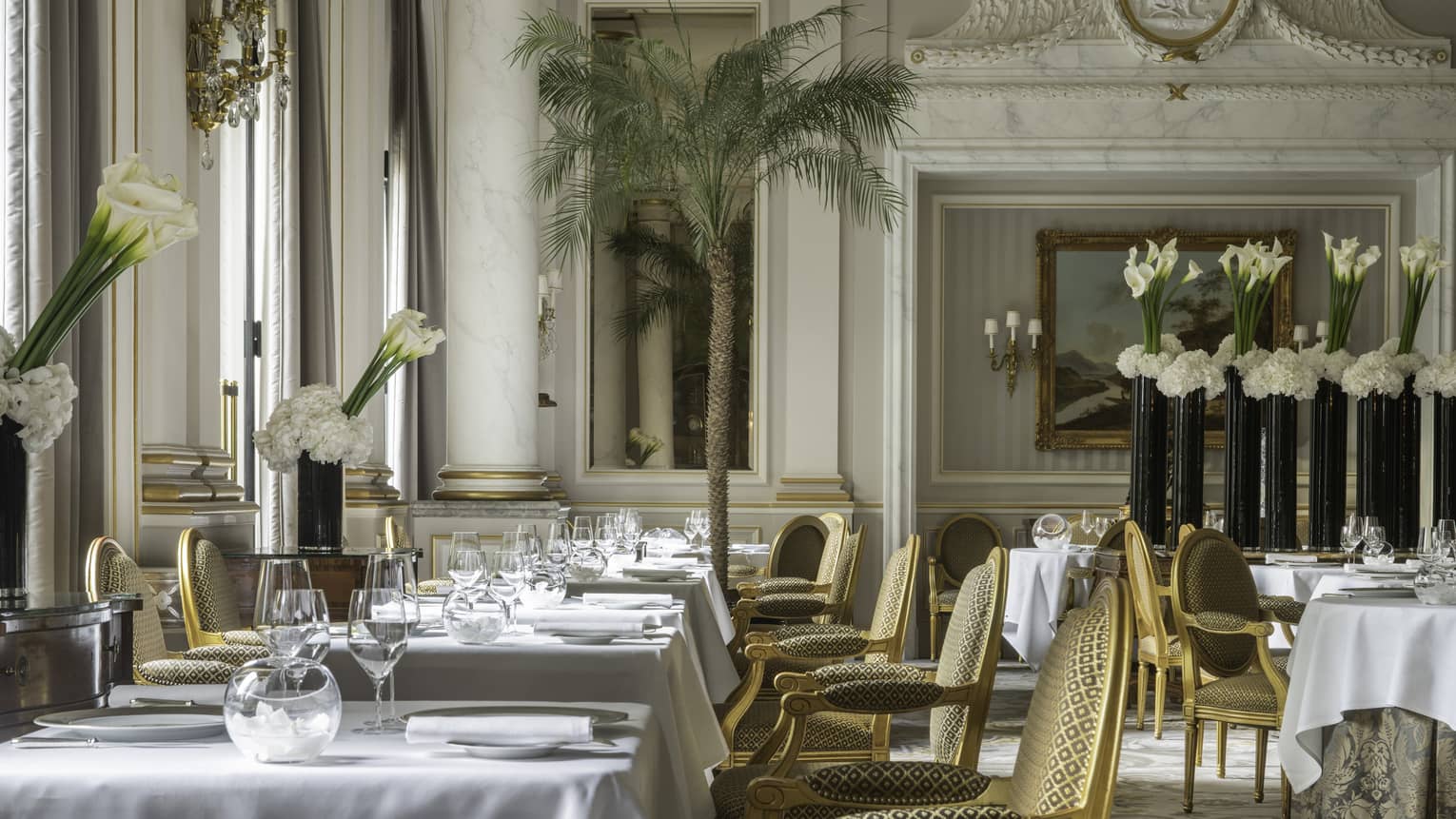
The 8th arrondissement houses some of Paris's most formally structured dining rooms: Le Cinq at the Four Seasons Hôtel George V operates at the summit of the modern French register, while Alléno Paris au Pavillon Ledoyen represents the creative end of the city's three-star field. The restaurant occupies a structurally different position: not competitive with those rooms on tasting menu terms, but serving a different function in the dining week. The Champs-Élysées address makes it geographically accessible in a way that the Left Bank Alsatian tradition represented by addresses near the Marais or Saint-Germain is not.
For context on what the regional cooking tradition looks like at its most formally recognised level, Auberge de l'Ill in Illhaeusern and Au Crocodile in Strasbourg represent the Alsatian fine dining lineage at source. Elsewhere in the French regions, Flocons de Sel in Megève, Mirazur in Menton, and Troisgros in Ouches show the range of what serious regional cooking looks like when it operates at the highest level of ambition. On the Paris side, Arpège, Kei, and L'Ambroisie define the formal end of the city's dining register, while Further afield, Bras in Laguiole, Paul Bocuse in Collonges-au-Mont-d'Or, Assiette Champenoise in Reims, AM par Alexandre Mazzia in Marseille, and Auberge du Vieux Puits in Fontjoncouse trace the depth of France's regional cooking tradition. Internationally, Le Bernardin in New York City and Atomix in New York City offer useful counterpoints on how European culinary traditions translate across Atlantic contexts.
Know Before You Go
Address: 39 Avenue des Champs-Élysées, 75008 Paris, France
Neighbourhood: 8th arrondissement, directly on the Champs-Élysées
Format: Alsatian brasserie, suited to extended meals, solo diners, and late sittings
What to prioritise: Regional Alsatian wine list, choucroute garnie, plateau de fruits de mer
Recognition, Side-by-Side
Comparable venues nearby, for context on price, style, and recognition.
| Venue | Cuisine | Price | Notes |
|---|---|---|---|
| L'AlsaceThis venue — the venue you are viewing | Alsatian Brasserie | $$ | Not listed |
| Le Bizetro | Traditional French Bistro | $$ | 16e Arrondissement |
| Le comptoir de la traboule | Creative French Bistro | $$ | Gros-Caillou |
| Les Amours in paris | Traditional French Bistro | $$ | 7th arrondissement |
| Le Scheffer | Classic French Bistro | $$ | 16e Arr. - Passy |
| Daimant Saint-Honoré | Modern Vegan French Rotisserie | $$ | Place du Marché Saint-Honoré |
Continue exploring
More in Paris
Restaurants in Paris
Browse all →
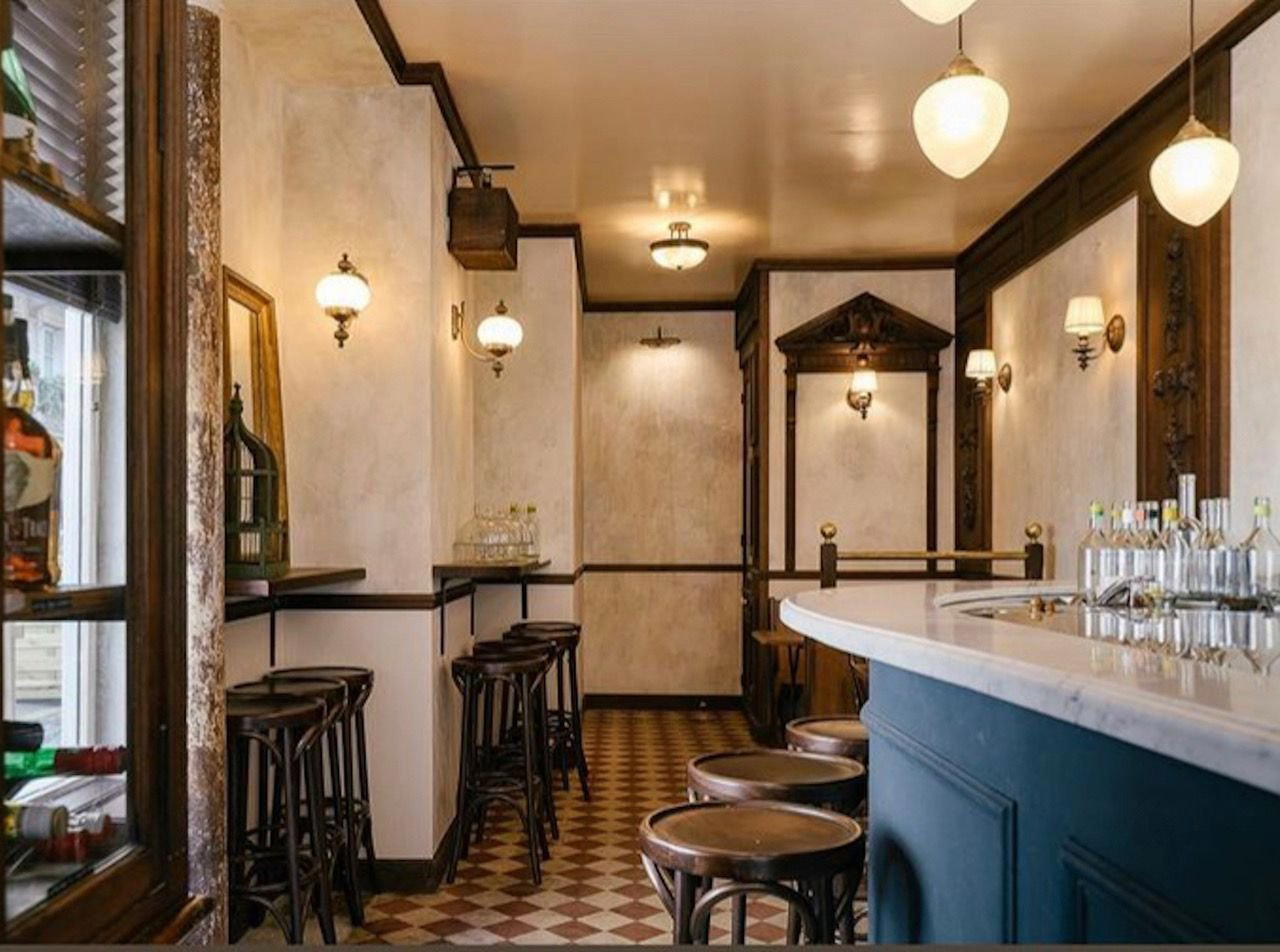
Hotels in Paris
Browse all →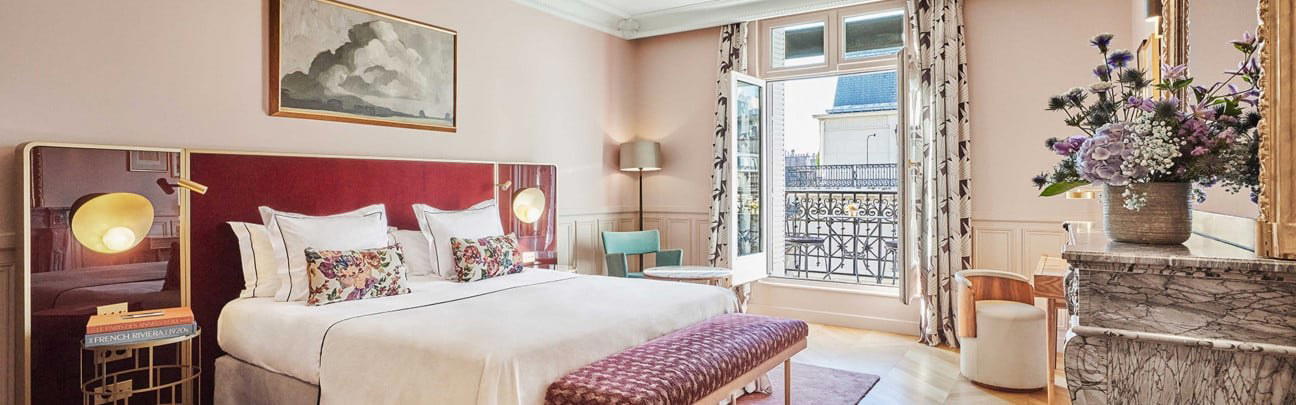
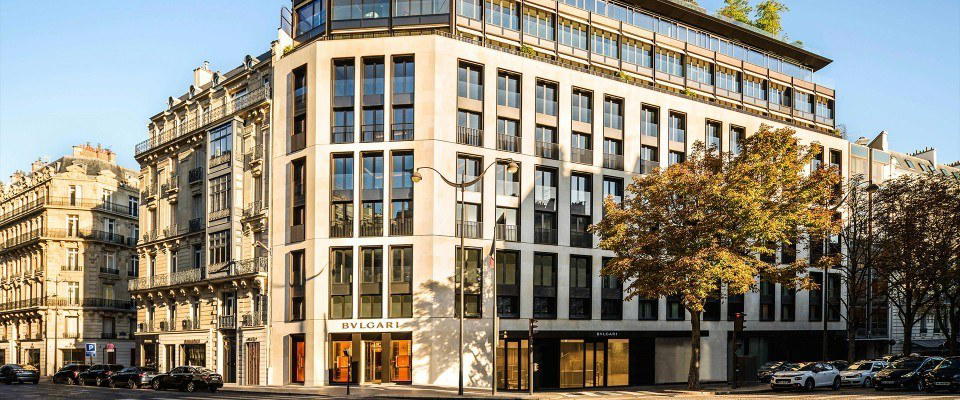
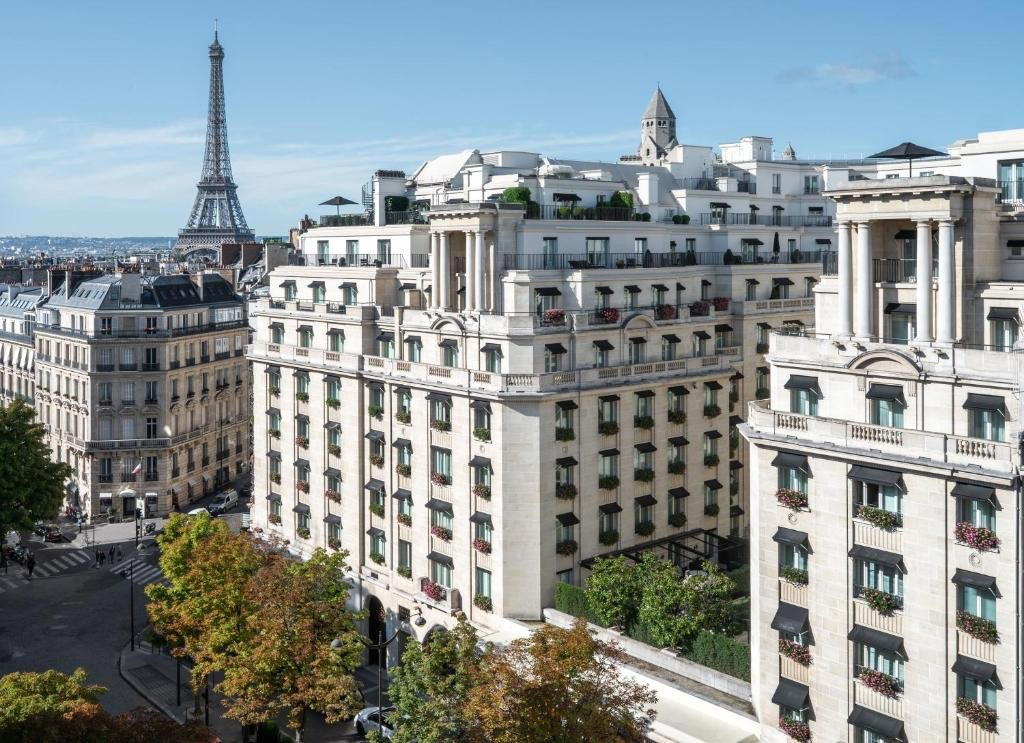
Wineries in Paris
Browse all →
At a Glance
- Classic
- Elegant
- Lively
- Late Night
- Celebration
- Standalone
- Terrace
- Extensive Wine List
- Street Scene
Current opening hours
- Monday
- 7 AM–2 AM
- Tuesday
- 7 AM–2 AM
- Wednesday
- 7 AM–2 AM
- Thursday
- 7 AM–2 AM
- Friday
- 7 AM–4 AM
- Saturday
- 7 AM–4 AM
- Sunday
- 7 AM–2 AM
Hours can change for holidays and private events. Last verified .
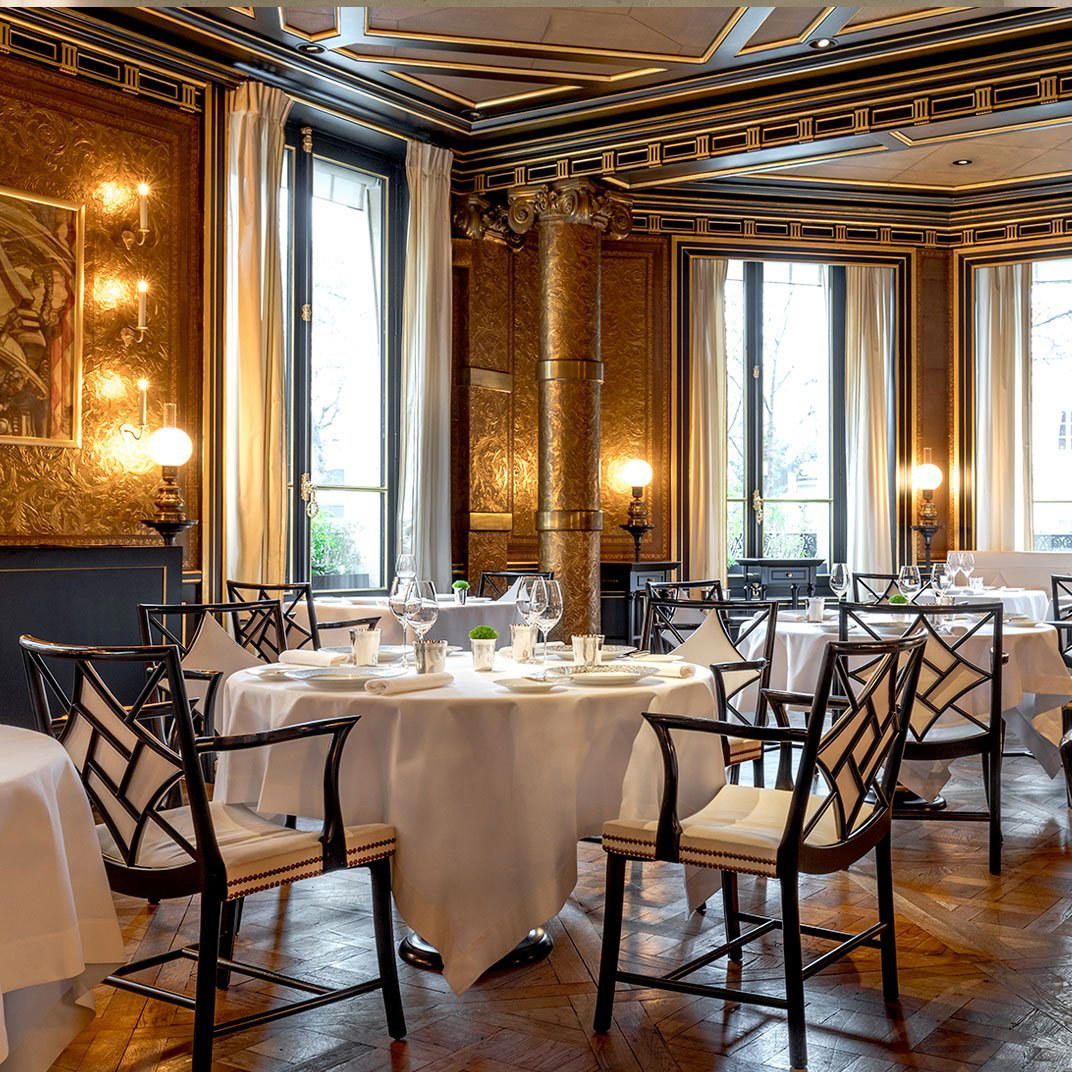
Chic and busy Parisian brasserie atmosphere with warmth and authenticity amid the lively Champs-Élysées district.