Au Petit Riche on Rue Le Peletier has anchored the 9th arrondissement's bistro tradition since the 19th century, occupying a tier of Parisian dining defined by continuity and craft rather than reinvention. Where the city's €€€€ creative houses pursue spectacle, this address trades in the kind of unhurried, room-led hospitality that the grands boulevards neighbourhood once made its signature. For visitors oriented toward culinary heritage over innovation, it represents a deliberate counterpoint to contemporary Paris.
Pearl is the En Primeur Club membership app — saves, bookings, and concierge access live there. Same editors, same standards.
- Address
- 25 Rue Le Peletier, 75009 Paris, France
- Phone
- +33147706868
- Website
- restaurant-aupetitriche.com
- Directions
- Get directions
 Saves & bookings on Pearl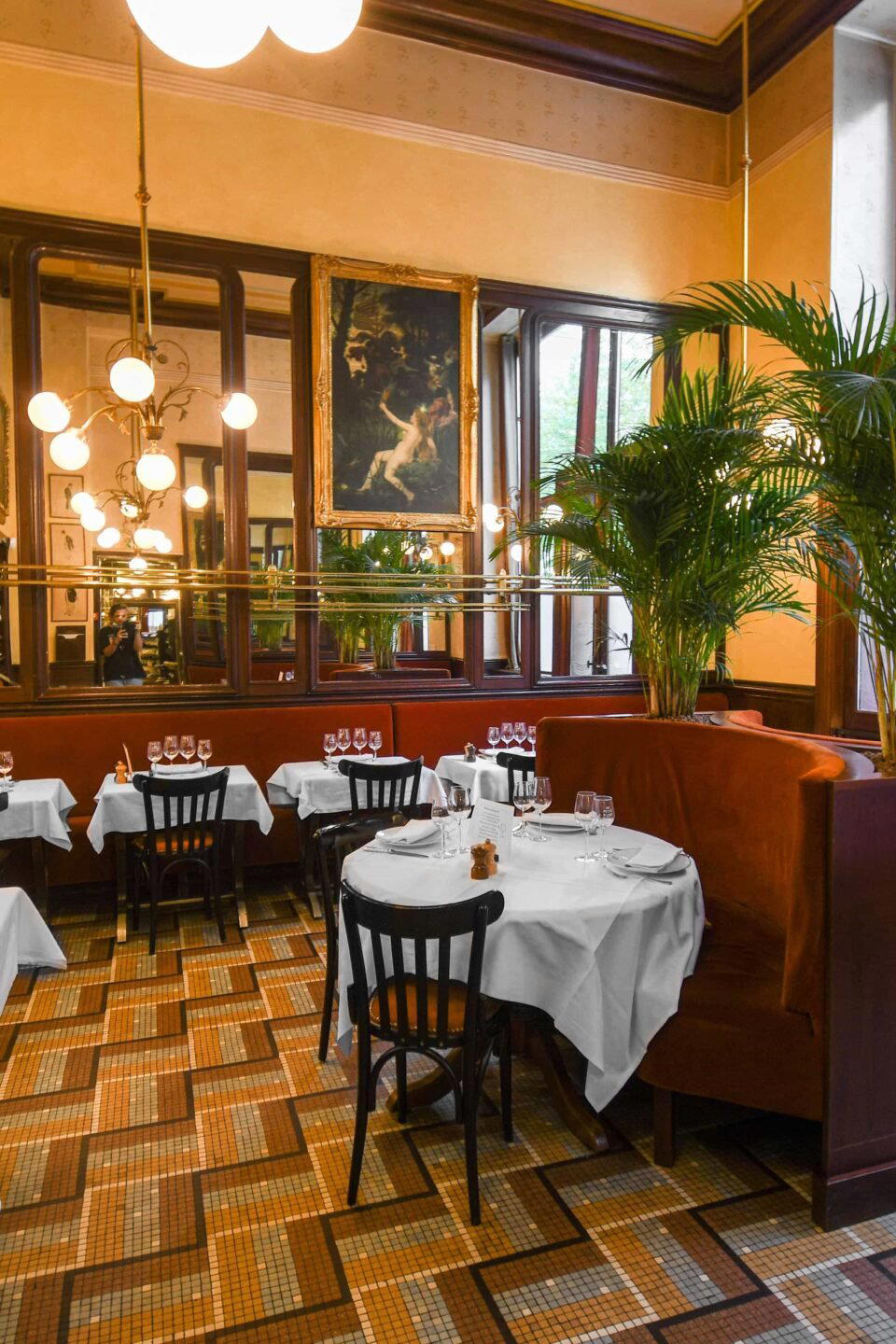
Where the 9th Arrondissement Keeps Its Composure
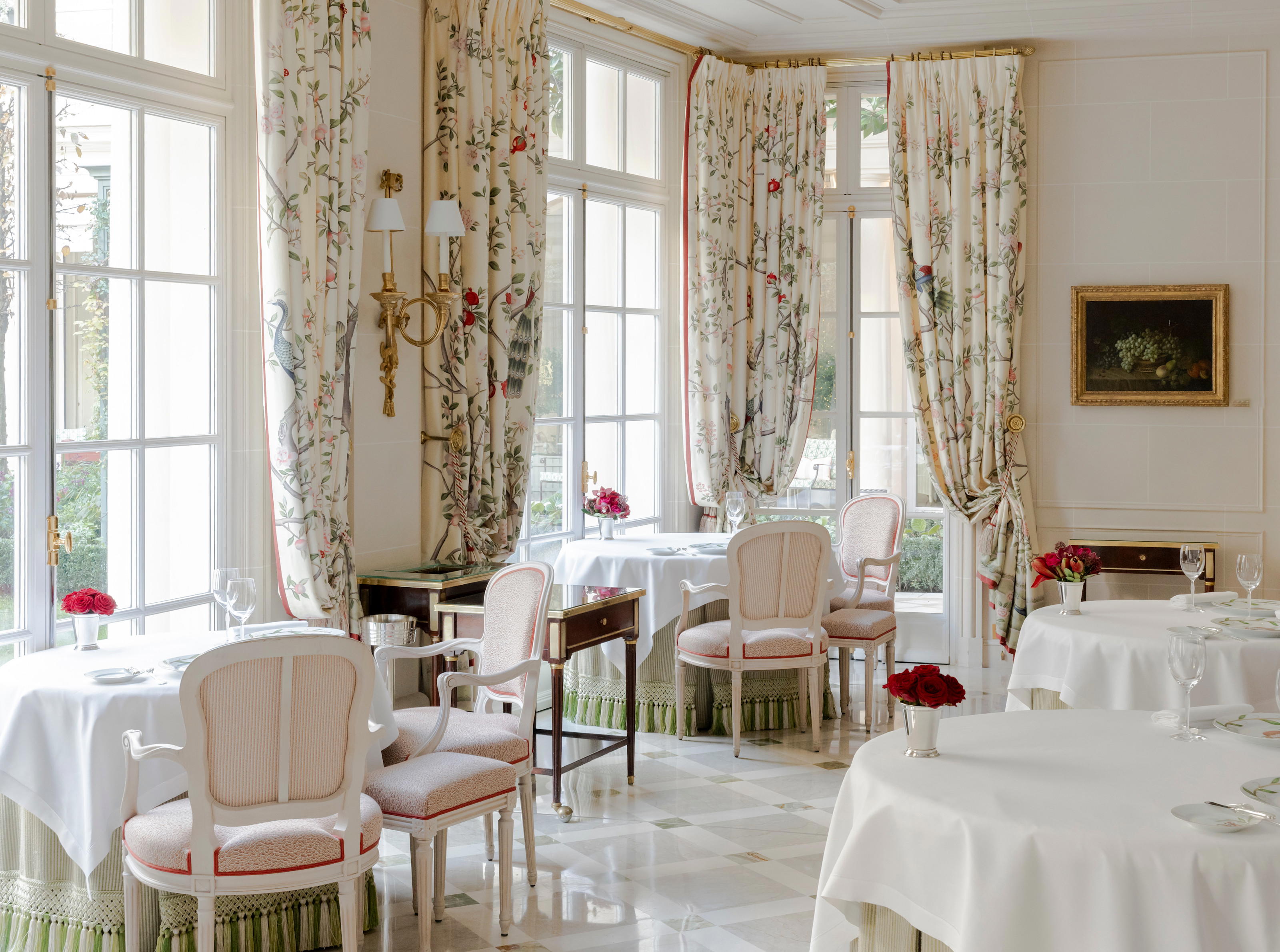
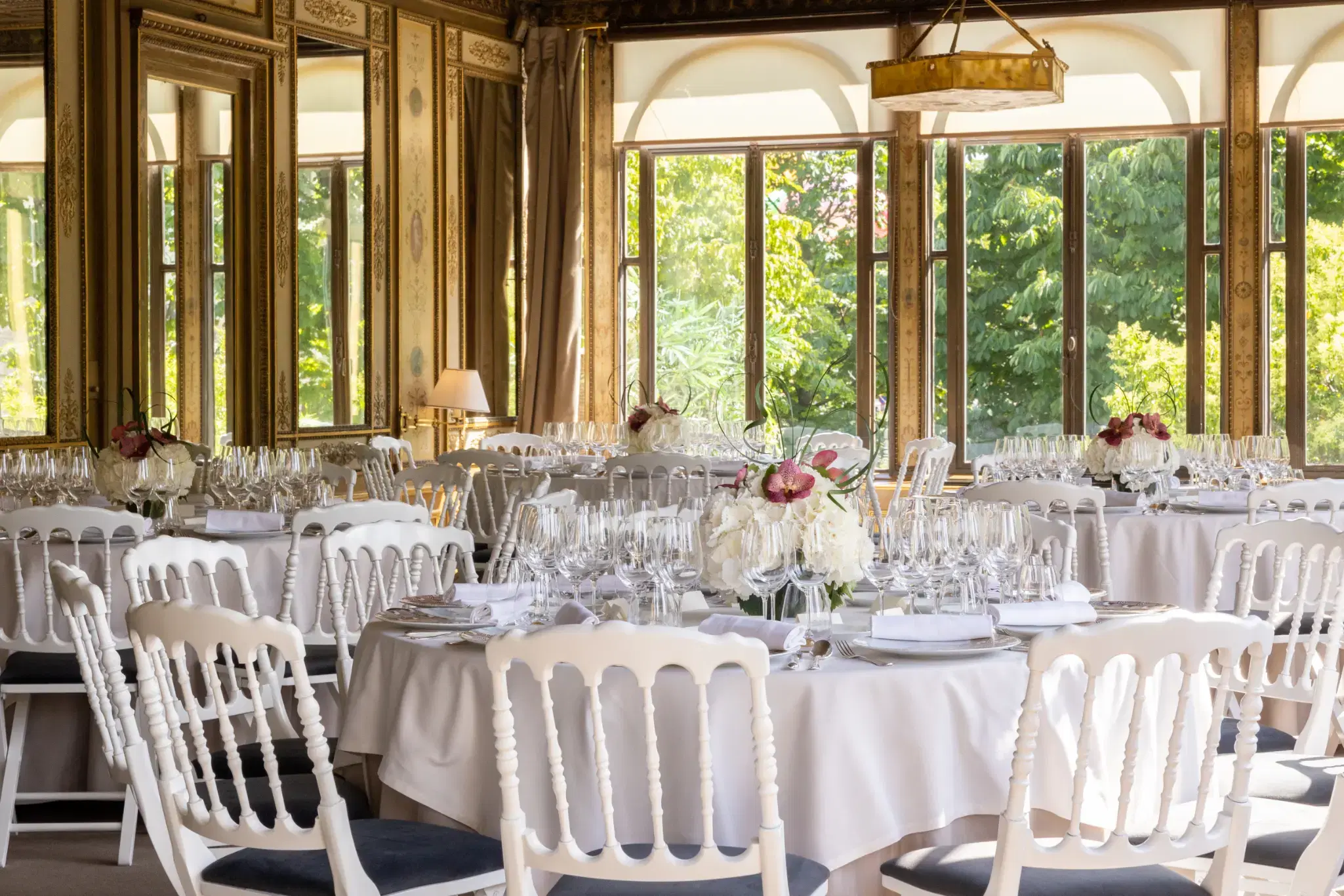
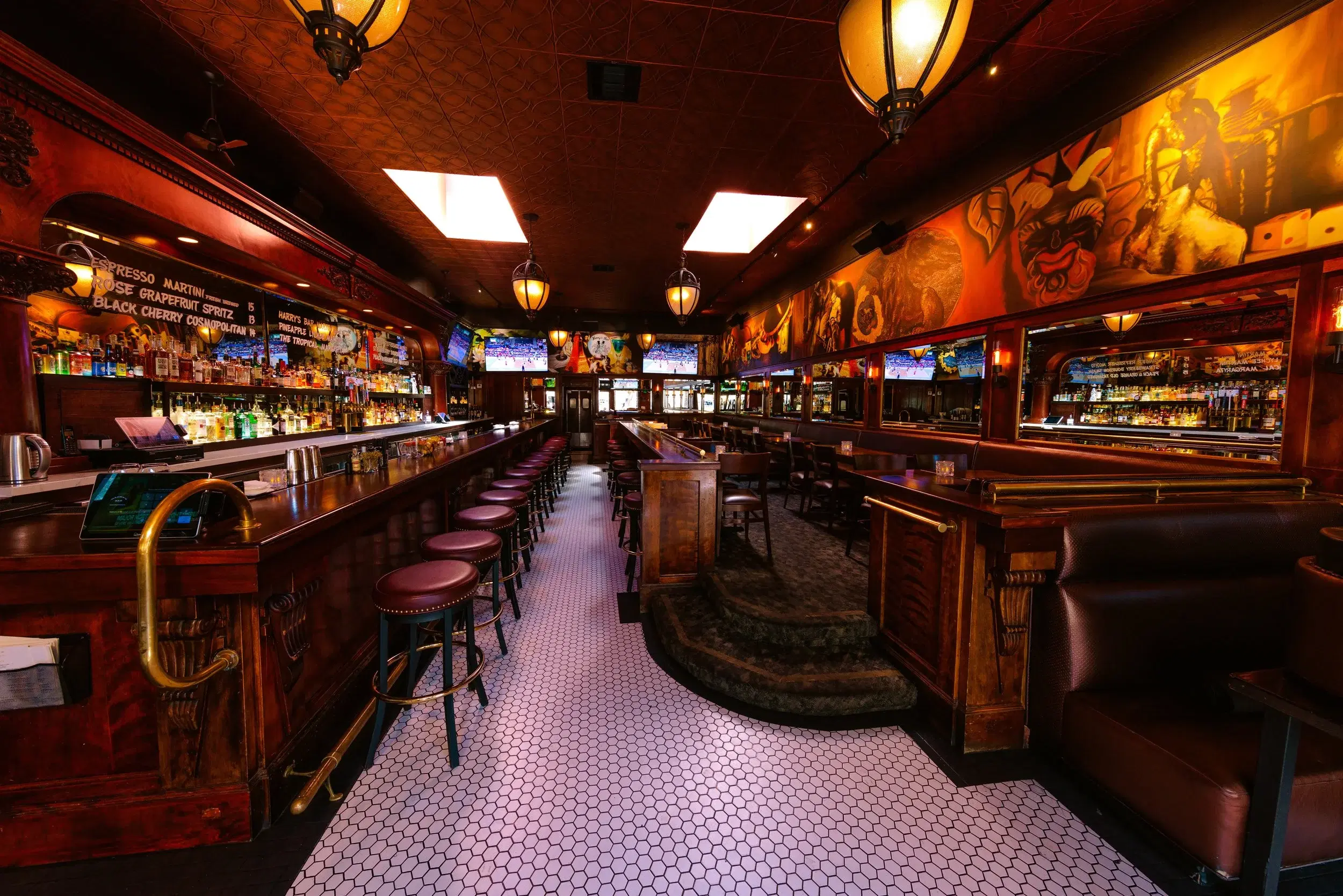
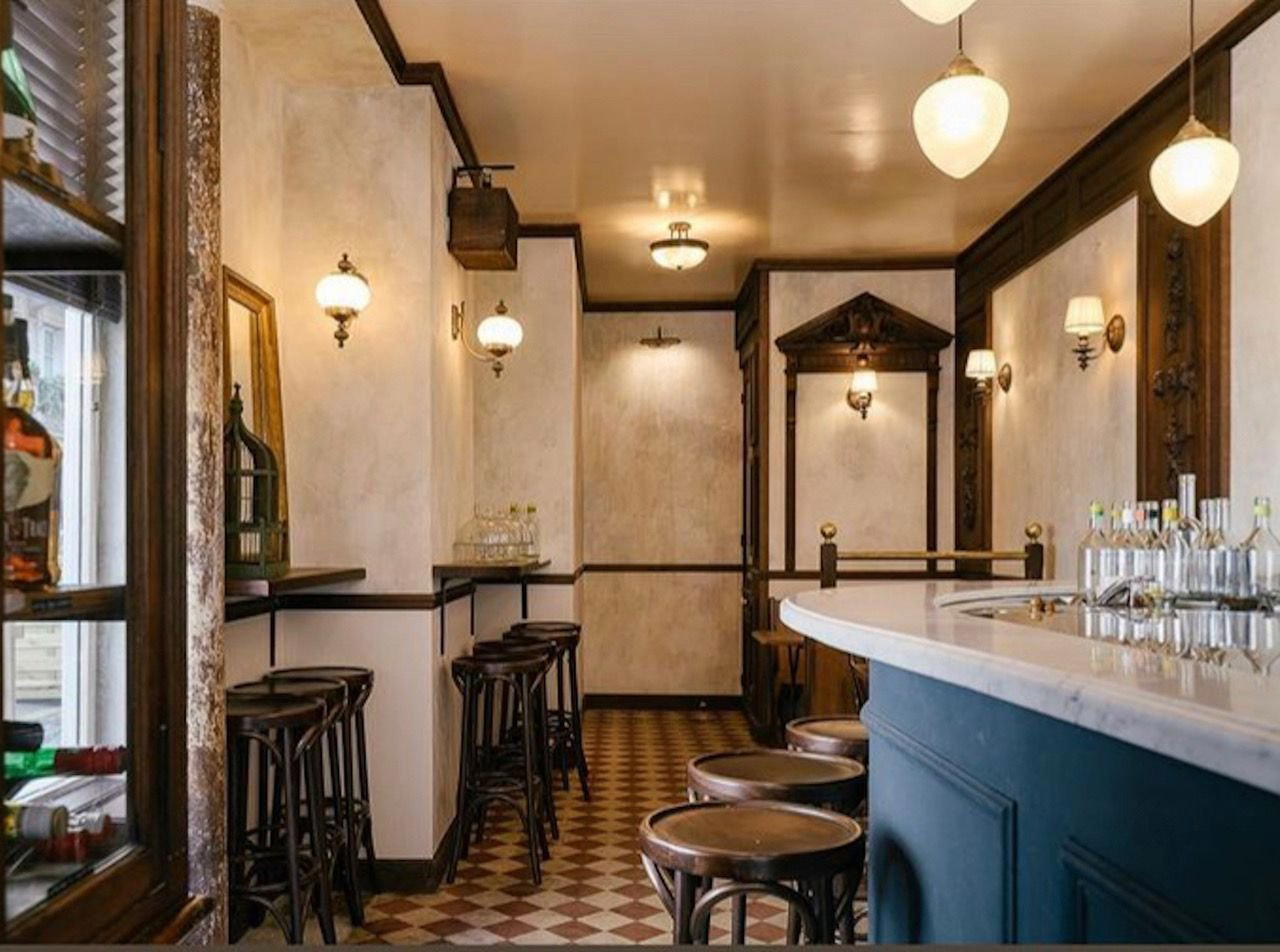
There is a particular quality of light in the old brasseries and bistros along the grands boulevards corridor of Paris's 9th arrondissement — amber, low, filtered through decades of lacquered wood and etched glass. Au Petit Riche, at 25 Rue Le Peletier, sits inside that tradition with the ease of a building that has never needed to announce itself. The room speaks first: banquette seating worn to the right degree of softness, ceiling mouldings that accumulate shadow in the evenings, and the ambient percussion of a full dining room operating at the unhurried tempo that defines this particular register of Parisian hospitality. This is not the hush of a two-Michelin-star tasting counter, nor the studied informality of a neo-bistro in the 11th. It occupies its own atmospheric frequency.
A Room That Operates as Evidence
The grands boulevards district developed its restaurant density in the latter half of the 19th century, when the Opéra Garnier and the surrounding theatre culture pulled a well-heeled Parisian public into the neighbourhood each evening. The restaurants that survived that era share certain physical characteristics: proportioned dining rooms built for sustained occupation, wine lists organised around the Loire and Bordeaux rather than natural producers, and a service tempo calibrated to conversation rather than throughput. Au Petit Riche is among the clearest surviving examples of this format in central Paris, which places it in a different competitive conversation than the city's celebrated creative houses.
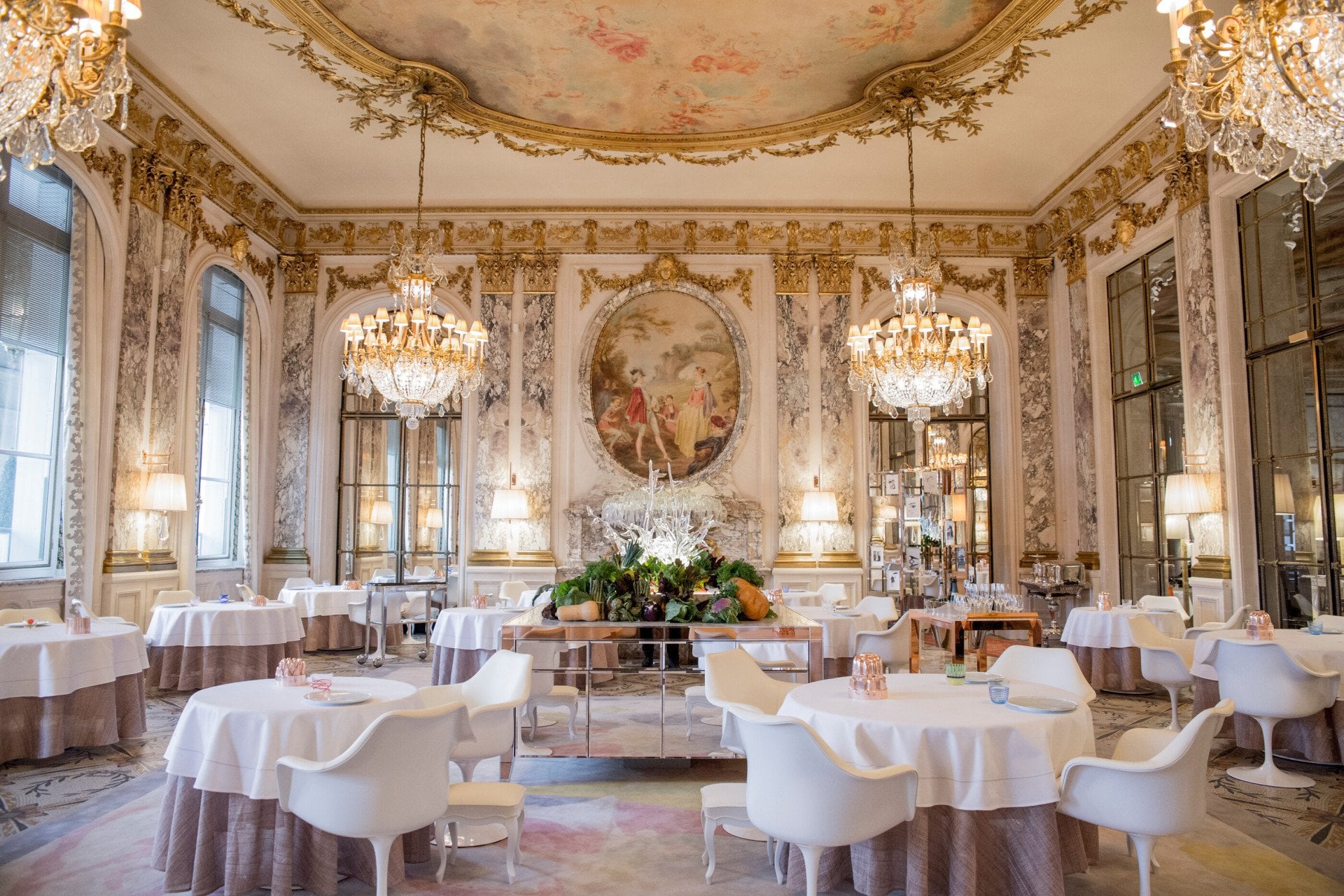
To draw a direct contrast: Alléno Paris au Pavillon Ledoyen and Le Cinq at the Four Seasons Hôtel George V operate in a register defined by technical ambition and formal ceremony, with price points and booking windows to match. Kei and Arpège push the creative boundaries of what French cuisine can absorb from other traditions. L'Ambroisie, in the Place des Vosges, occupies the apex of classic French technique at prices that reflect that position. Au Petit Riche asks a different question entirely: what does French bourgeois dining look and feel like when it has not been renovated into something else?
The Sensory Logic of the Traditional Bistro
The atmospheric argument for places like this rests on accumulation rather than curation. A room that has been seating Parisians for generations carries a kind of sensory sediment that designed interiors cannot replicate. The smell of warm bread and braised meat, the sound of wine being poured into broad-bowled glasses, the slight resistance of heavy cutlery — these are not incidental details. They are the product of operational continuity, of a kitchen and front-of-house working within a defined tradition rather than against it.
This kind of continuity has become increasingly rare in central Paris, where property pressures and the premium placed on renovation have thinned the ranks of establishments that have survived intact. The 9th arrondissement retains more of this character than most central arrondissements, partly because it sits slightly outside the densest tourist circuits and partly because its theatre and opera heritage gave it a local dining culture that persisted after the tourist economy shifted elsewhere. The Opéra Garnier remains the district's architectural anchor, but the restaurants in its orbit have evolved at different speeds, with a cohort of traditional addresses that have absorbed very little of the contemporary dining vocabulary now dominant further east.
France's most celebrated dining addresses outside Paris operate in a similarly tradition-conscious register, even when they hold significant Michelin recognition. Auberge de l'Ill in Illhaeusern and Les Prés d'Eugénie in Eugénie-les-Bains have maintained their identities across generations. Paul Bocuse's Auberge du Pont de Collonges, Georges Blanc in Vonnas, and Troisgros in Ouches each embody a regional French hospitality tradition that prioritises rootedness. Bras in Laguiole and Auberge du Vieux Puits in Fontjoncouse extend the argument to terroir-driven cooking in rural settings. Flocons de Sel in Megève and Mirazur in Menton add the dimension of landscape to that equation, while La Table du Castellet anchors Provence's fine dining geography. All of these addresses share a commitment to place over trend, which is precisely the conversation Au Petit Riche belongs to within its Parisian context.
The contrast extends internationally. Le Bernardin in New York demonstrates that classical French discipline can travel and hold; Lazy Bear in San Francisco represents a different model entirely, where the communal format reinvents the dining event from the ground up. Neither of those registers is what Rue Le Peletier offers. The value proposition here is the original, not an adaptation.
Planning a Visit: Practical Context
| Venue | Tier | Booking Lead Time | Atmosphere | Price Range |
|---|---|---|---|---|
| Au Petit Riche | Classic Parisian bistro | Short to moderate | Traditional, room-led | Mid-range |
| L'Ambroisie | Classic haute cuisine | Weeks to months | Formal, intimate | €€€€ |
| Kei | Contemporary French | Weeks ahead | Refined, modern | €€€€ |
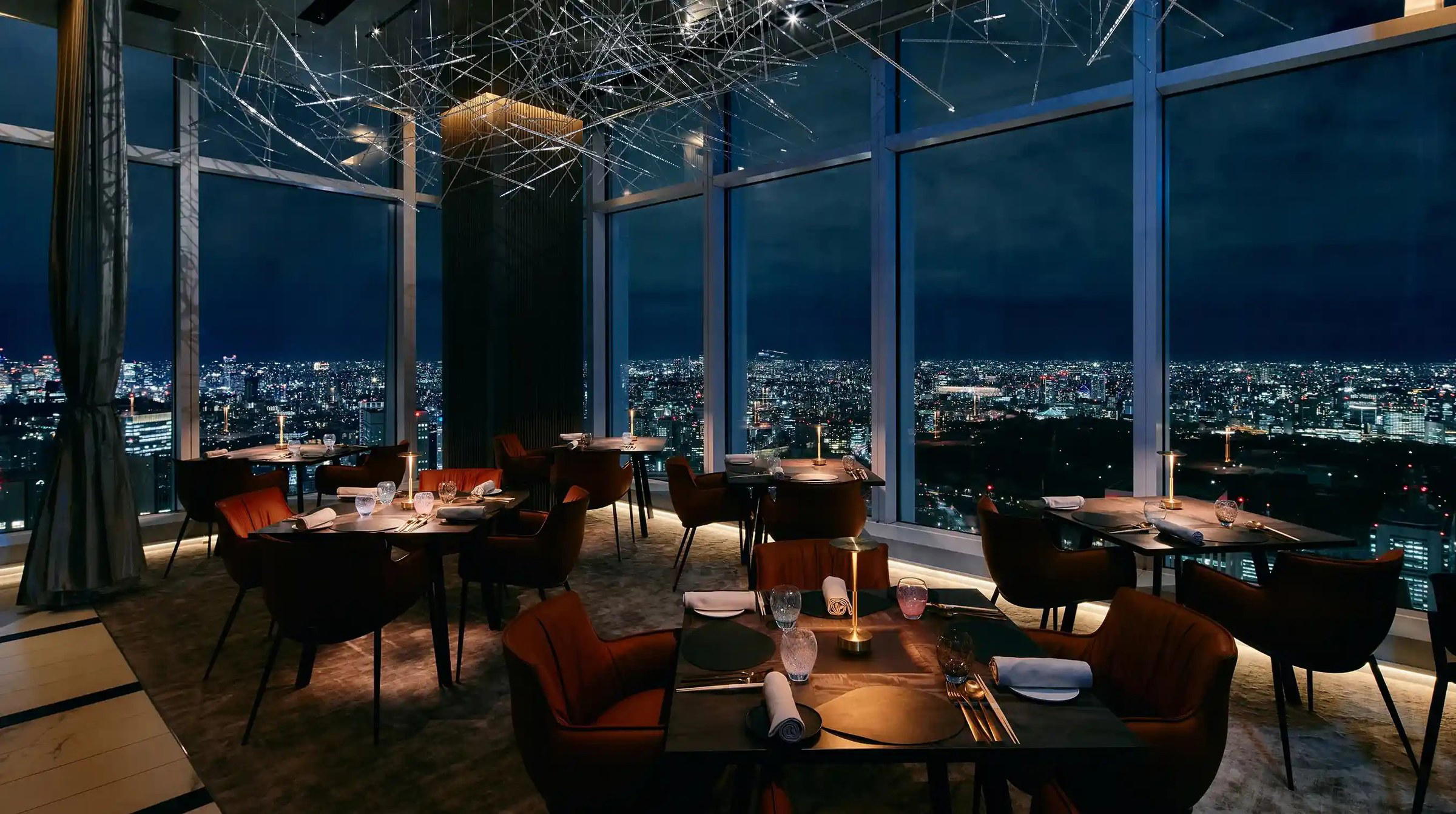
| Alléno Paris | Creative fine dining | Months ahead | Grand, theatrical | €€€€ |
For a broader orientation to Paris dining across all tiers and neighbourhoods, the EP Club Paris restaurants guide maps the full competitive set.
How Au Petit Riche Paris compares with similar nearby venues.
| Venue | Cuisine | Price |
|---|---|---|
| Louis | Modern Cuisine | €€€€ |
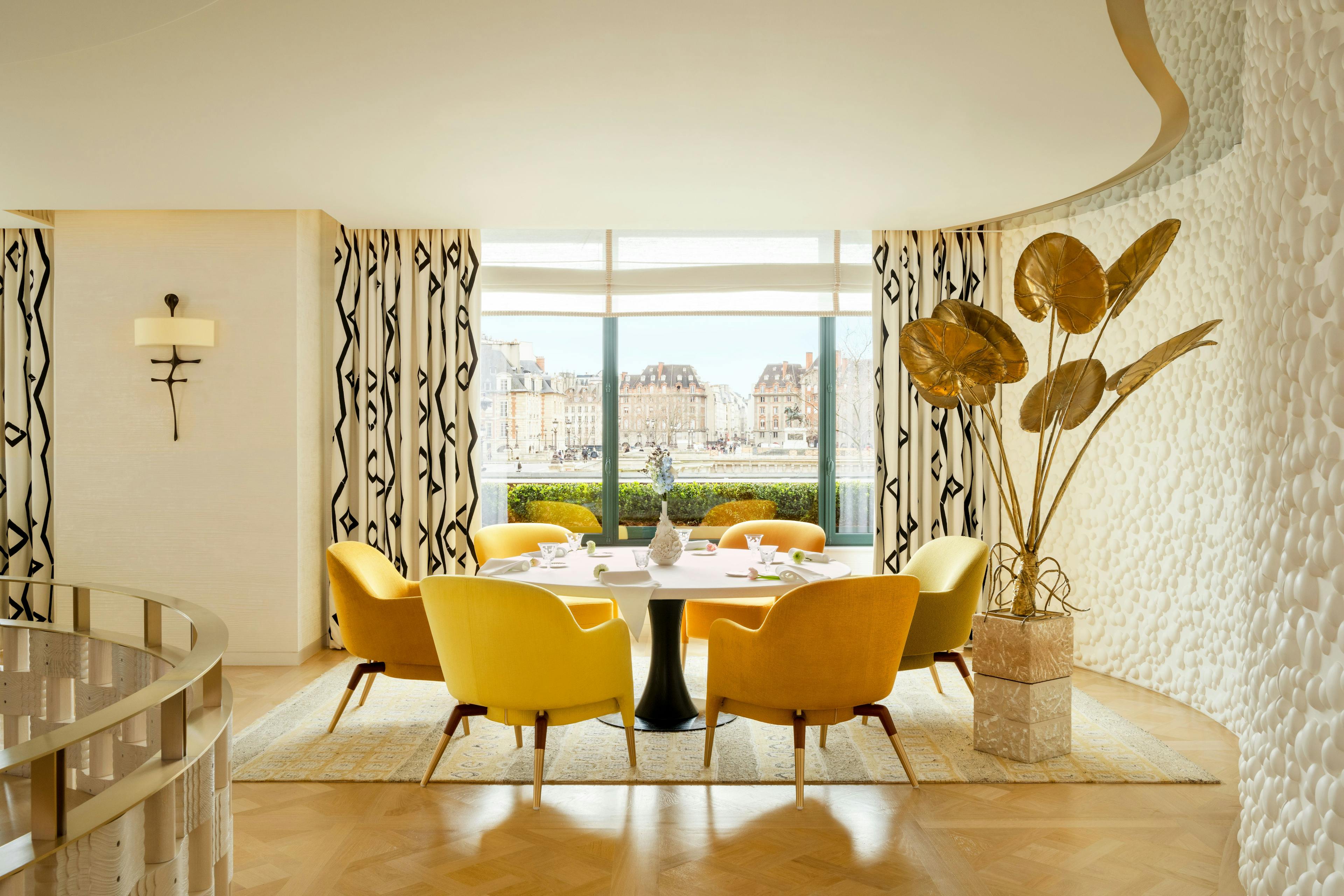
| Jeanne-Aimée | Modern Cuisine | €€€ |





At a Glance
- Classic
- Elegant
- Historic
- Well Known
- Cozy
- Date Night
- Business Dinner
- Casual Hangout
- Historic Building
- Extensive Wine List
- Local Sourcing
Current opening hours
- Monday
- 12–2:30 PM, 7–10:30 PM
- Tuesday
- 12–2:30 PM, 7–10:30 PM
- Wednesday
- 12–2:30 PM, 7–10:30 PM
- Thursday
- 12–2:30 PM, 7–10:30 PM
- Friday
- 12–2:30 PM, 7–10:30 PM
- Saturday
- 12–2:30 PM, 7–10:30 PM
- Sunday
- 12–2:30 PM, 7–10:30 PM
Hours can change for holidays and private events. Last verified .
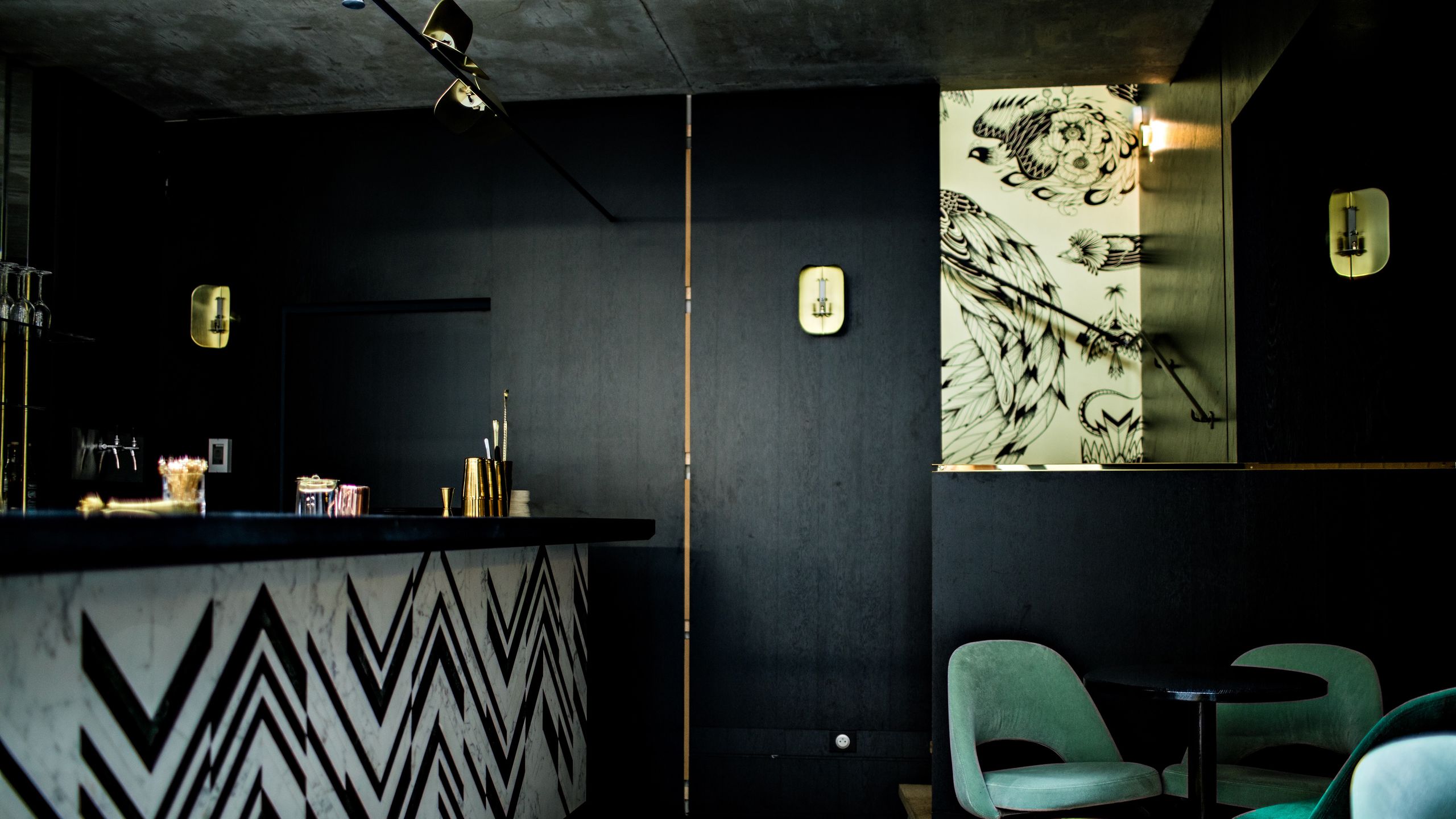
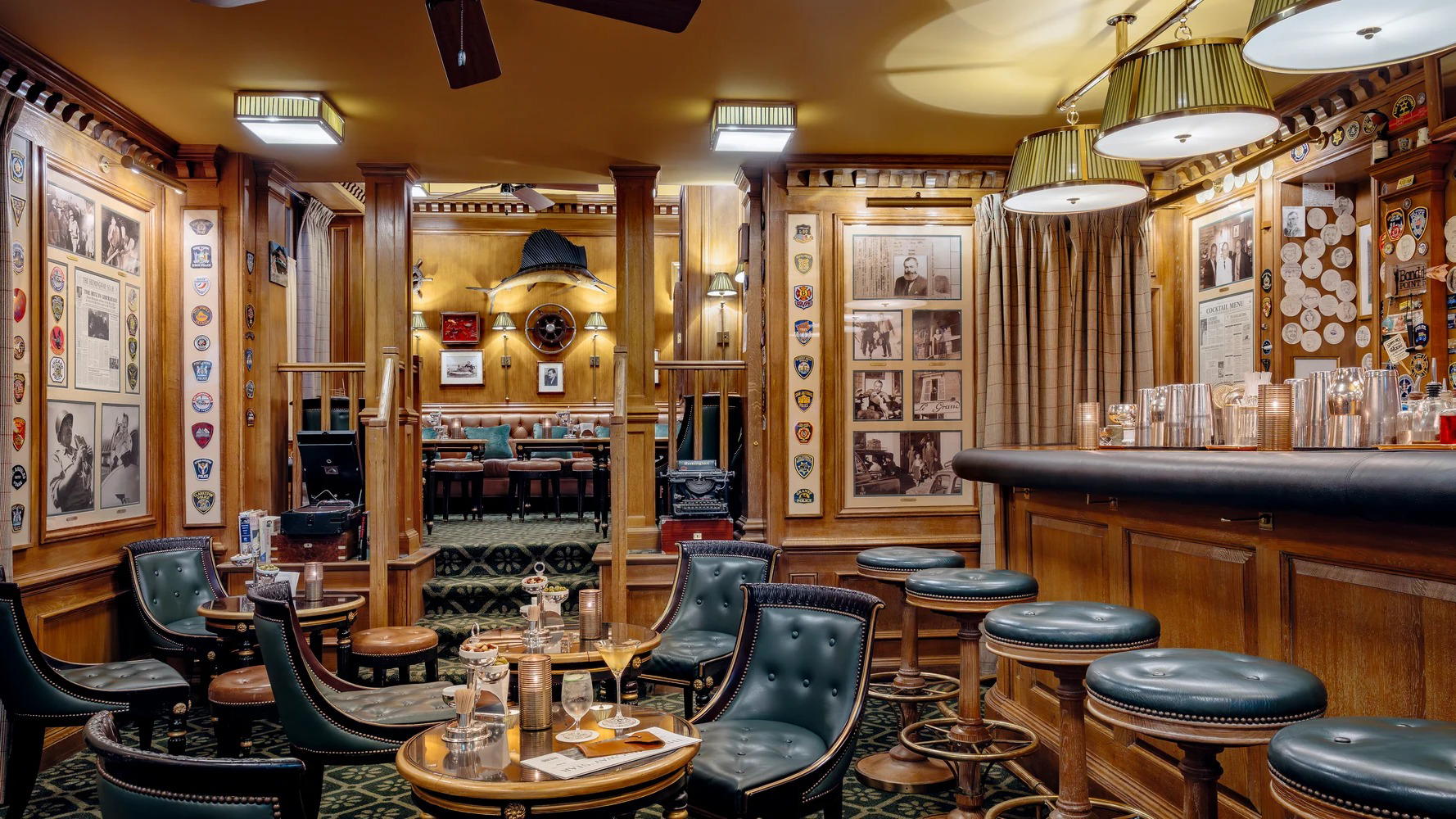
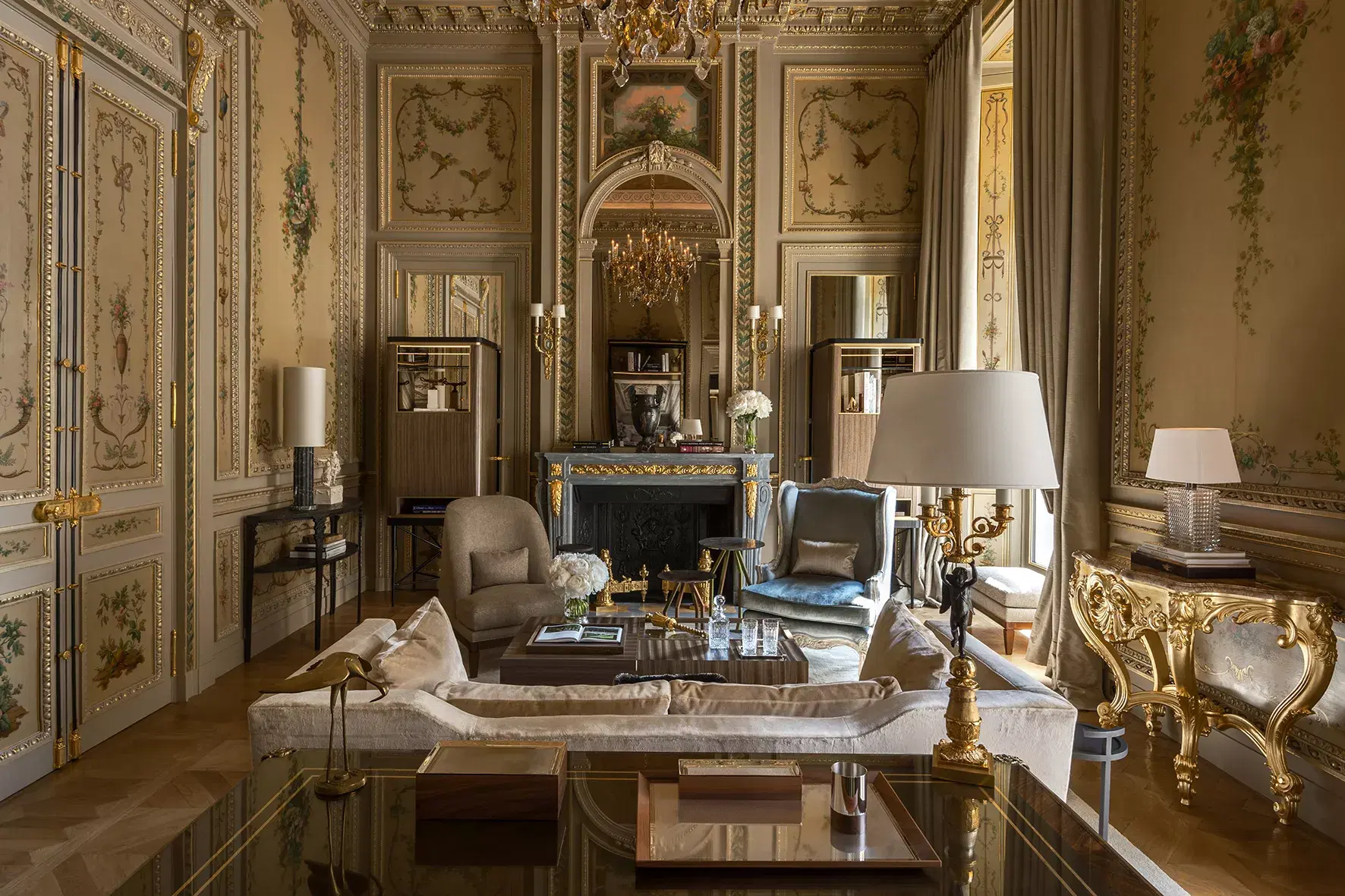
Belle Époque decor with brass trim, mirrors, woodwork, Art Nouveau furniture, antique tiles, and a tender, nostalgic Parisian atmosphere.
Know Before You Go
- Getting there
- 25 Rue Le Peletier, 75009 Paris, France