Positioned at Vlichada Marina on Santorini's quieter southern coast, To Psaraki operates in a seafood tradition shaped by what the Aegean delivers rather than what a set menu demands. The marina setting removes the caldera-view premium and replaces it with proximity to working boats and the fish they land. For visitors oriented around ingredient quality over spectacle, this is a meaningful distinction.
Pearl is the En Primeur Club membership app — saves, bookings, and concierge access live there. Same editors, same standards.
- Address
- Vlichada Marina, Santorini, Vilcahda, 847 00, Greece
- Phone
- +30 2286 082783
- Website
- topsaraki.gr
- Directions
- Get directions
 Saves & bookings on Pearl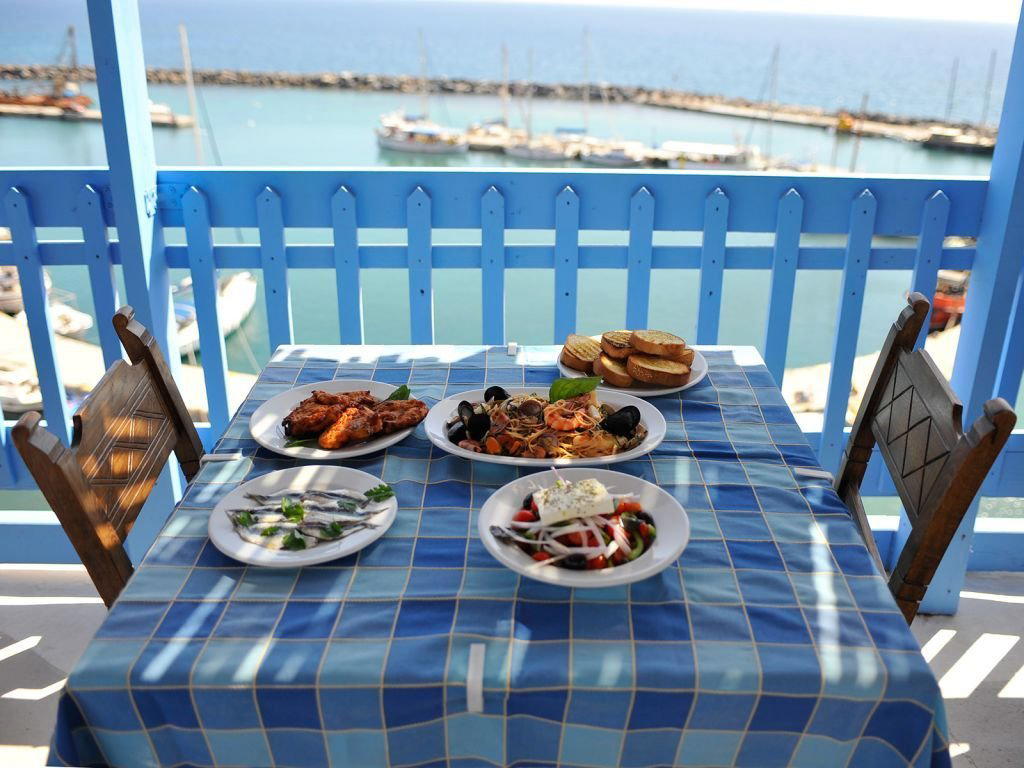
Where the Southern Coast Changes the Conversation
Santorini's dining reputation is built almost entirely on the caldera's western rim, where restaurants at Lycabettus in Oia and Koukoumavlos in Fira have spent decades pricing against the view as much as the plate. Vlichada Marina, on the island's southern edge, operates on different logic. There is no caldera here, no sunset queue, no tourist circuit to anchor the foot traffic. What the area has instead is a working marina, the smell of salt and diesel that comes with it, and restaurants that draw their identity from the water in front of them rather than the volcano behind them.
To Psaraki sits inside this alternative geography. Approaching along the marina's low waterfront, the scene is practical before it is picturesque: moored fishing vessels, the sounds of rigging, a coastline that the island's promotional material rarely features. That context is not incidental. It shapes what the kitchen is positioned to do and what a meal here is actually about.
Sourcing as the Central Argument
Greek seafood dining has always been divided between two models. The first is the harbour-front taverna that buys from whoever arrives that morning, cooks simply, and prices accordingly. The second is the contemporary fish restaurant that treats the Aegean as a larder for technique-led menus, often at price points aligned with hotel dining rooms. The leading versions of this second category, including coastal venues at properties like Avaton Luxury Beach Resort in Halkidiki and Myconian Ambassador Thalasso Spa in Platis Gialos, make the case that proximity to the source can coexist with precision cooking.
A marina address gives To Psaraki a structural advantage in the sourcing argument. The distance between the boat and the kitchen is, in some cases, measurable in metres. That compression matters in fish cookery more than almost any other culinary category. The difference between a sea bream landed this morning and one transported by refrigerated truck from a wholesale market two days earlier is not a matter of preference; it shows in the flesh's texture, its ability to hold heat evenly, and the way it tastes against simple olive oil and lemon. Restaurants in the Aegean that can point to the water outside their window as their primary supplier operate with a credibility that urban fish restaurants, however technically accomplished, cannot replicate. Venues like Le Bernardin in New York City have built international reputations on sourcing discipline at scale; the marina model achieves a version of that argument through proximity rather than procurement infrastructure.
The Vlichada Setting in Context
Vlichada is one of Santorini's less-trafficked areas, which is both a practical and an editorial fact. The village sits near the island's southern tip, past the pumice beaches and away from the main tourist arteries that connect Fira, Oia, and Perissa. Visitors who make it here are generally either staying nearby, arriving by boat, or making a deliberate choice to seek out a different version of the island. That self-selection tends to produce a different atmosphere in the restaurants that serve this catchment: fewer groups on organised excursions, more people who have read past the first page of recommendations.
For accommodation context, our full Vilcahda hotels guide covers the southern coast's options, which skew toward quieter properties rather than the cliff-edge resort format dominant elsewhere on the island. Pair a meal at To Psaraki with an evening spent exploring Vilcahda's bar scene or one of the area's curated local experiences for a more grounded version of Santorini than the caldera corridor provides.
Seafood Tradition and What It Demands of the Kitchen
The Greek island seafood tradition is one of Europe's most disciplined in its apparent simplicity. The cooking methods most associated with it, grilling over charcoal, roasting in olive oil, baking in salt crust, are all designed to stay out of the way of the ingredient. That restraint is harder to execute than it looks. Without rich sauces or complex preparations to compensate, every element of sourcing, timing, and seasoning is exposed. Kitchens that work in this tradition and do it honestly are making a case for ingredient quality every single service.
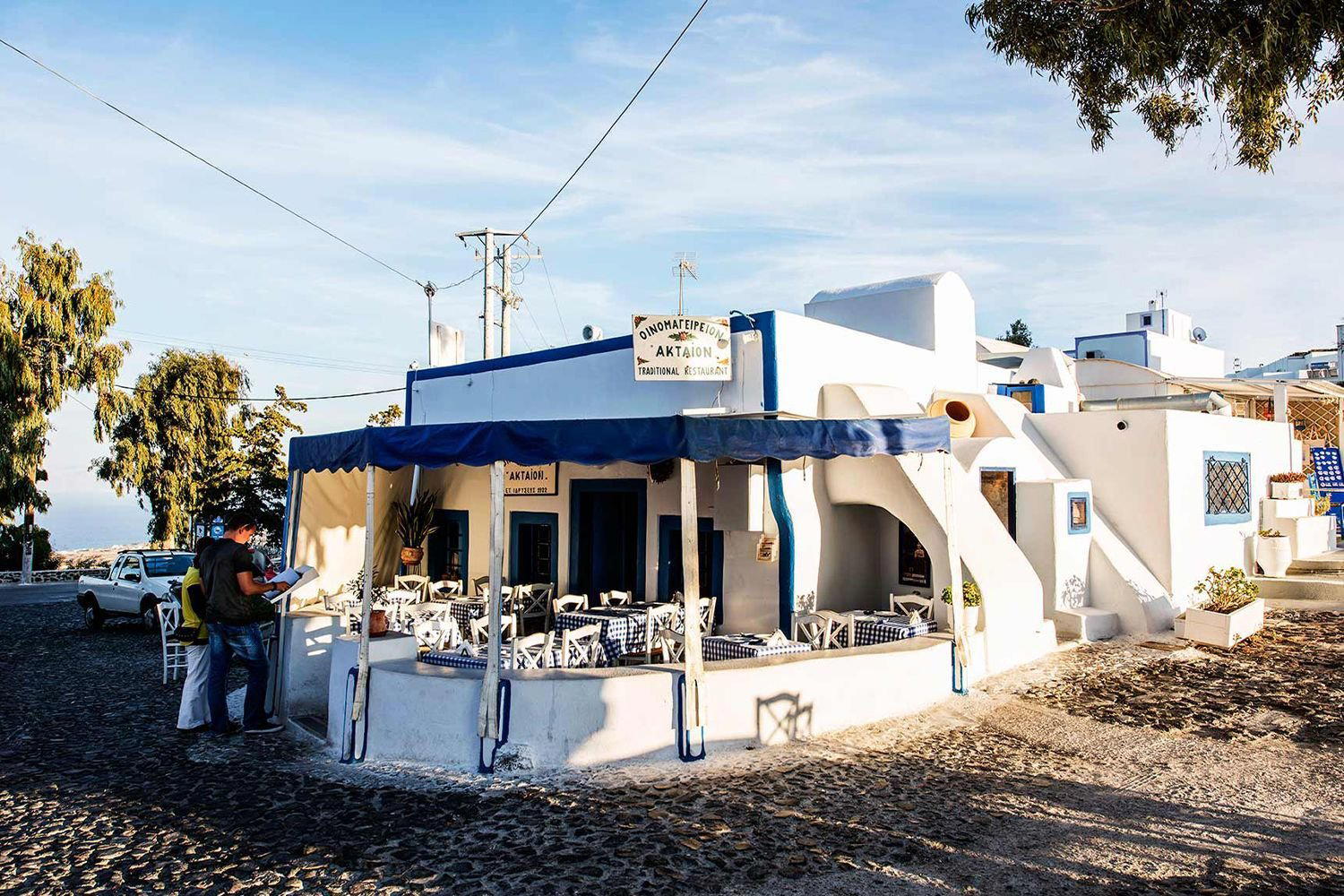
This is the category context in which To Psaraki operates. Across the wider Aegean dining scene, the comparison set includes places like Almiriki in Mykonos, where marina-adjacent seafood tables have built followings through similar sourcing-first positioning. In Santorini specifically, the island's volcanic soil and black sand beaches produce distinct local ingredients beyond fish, including the island's cherry tomatoes, fava, and white eggplant, which the better local kitchens integrate into their plates as a further marker of place. Restaurants that draw on both the sea and the island's agricultural specificity, as venues like Aktaion in Firostefani do on the caldera side, offer one complete argument for eating locally in this part of Greece.
For a broader read on how Greek fine dining handles this sourcing-meets-technique balance at the mainland level, Delta in Athens represents the contemporary benchmark, with a kitchen that treats Greek producers as the foundation of a modern cooking language. The island version of that approach is less formal but no less considered when it works. Comparable Ionian approaches can be found at Olais in Kefalonia and Etrusco in Kato Korakiana, both of which demonstrate how regional Greek kitchens can build serious reputations away from the main tourist centres. For Cretan context, Old Mill in Elounda offers a comparable example of a waterfront setting doing considered work. See also Myconian Utopia Resort in Elia and Atomix in New York City for how sourcing narratives translate across different restaurant formats and price points.
Planning a Visit
Vlichada Marina is reachable by car or scooter from Fira in roughly twenty minutes along the southern coastal road. The drive is not the island's most scenic, but that is precisely the point: arriving here requires a small commitment that functions as a natural filter on the crowd. Santorini's peak summer season runs from late June through August, when island-wide demand pushes wait times at popular tables significantly. The shoulder months of May, early June, and September offer more manageable conditions and, often, better fish as supply chains are less stretched by tourist volume. For a fuller read on where To Psaraki sits among Vilcahda's dining options, our full Vilcahda restaurants guide covers the area's range. The island also produces wines worth seeking out; our Vilcahda wineries guide maps the local Assyrtiko producers whose mineral-driven whites are the natural pairing for the kind of seafood the restaurant serves.
Continue exploring
More in Vilcahda
Restaurants in Vilcahda
Browse all →
Bars in Vilcahda
Browse all →
Hotels in Vilcahda
Browse all →
At a Glance
- Scenic
- Rustic
- Cozy
- Special Occasion
- Casual Hangout
- Waterfront
- Terrace
- Local Sourcing
- Waterfront
Current opening hours
- Monday
- 1:30–10:30 PM
- Tuesday
- 1:30–10:30 PM
- Wednesday
- 1:30–10:30 PM
- Thursday
- 1:30–10:30 PM
- Friday
- 1:30–10:30 PM
- Saturday
- 1:30–10:30 PM
- Sunday
- 1:30–10:30 PM
Hours can change for holidays and private events. Last verified .
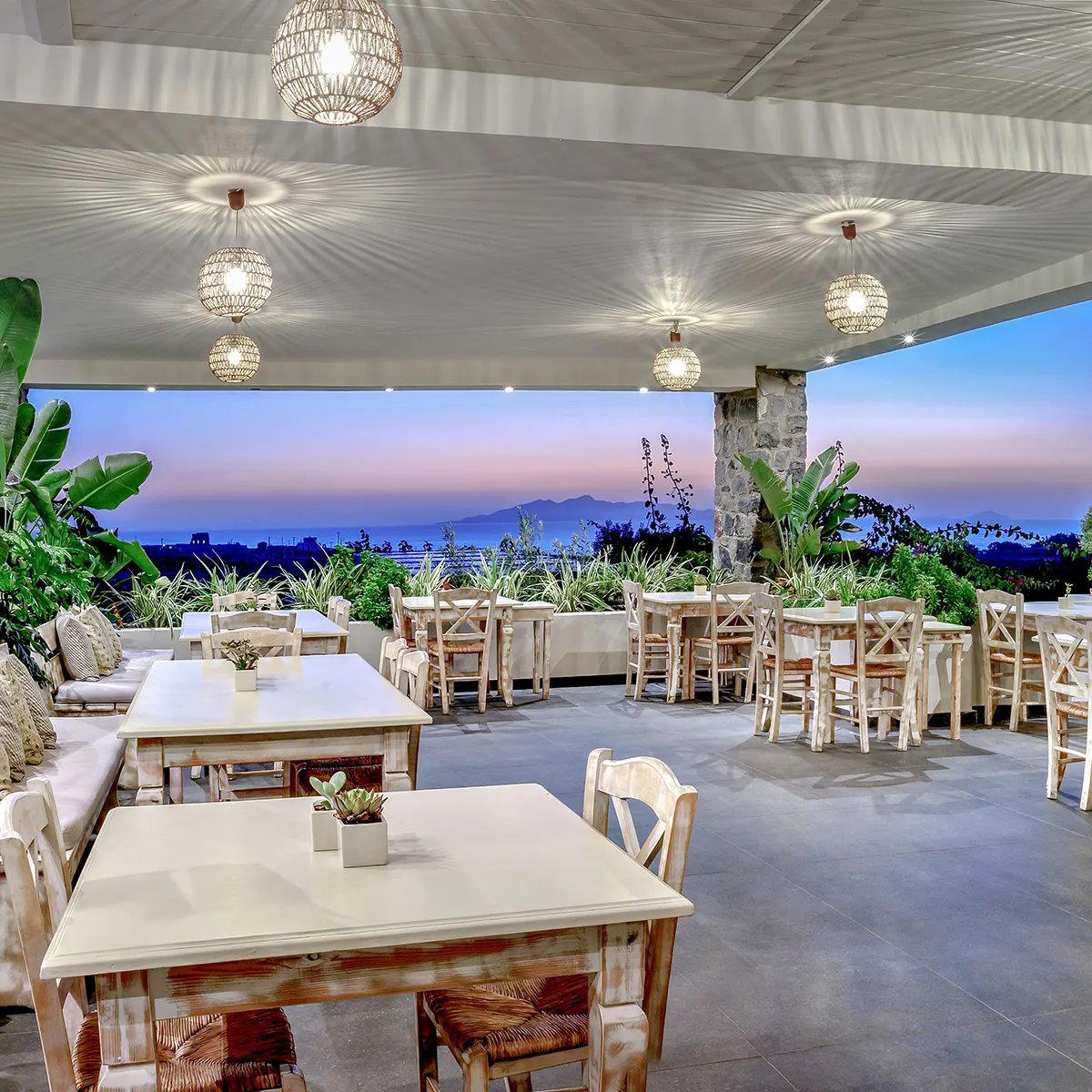
Picturesque garden and terrace seating overlooking the sea, with a relaxed taverna atmosphere.