Cantina

Sitting above the medieval village of Kastro on Sifnos, Cantina has built its reputation around two non-negotiable commitments: sustainability and local sourcing. The setting alone, overlooking the Aegean from one of the Cyclades' most historically layered villages, sets the scene for food that reads as an argument for why island ingredients deserve the attention they're getting across Greek cuisine right now.
Pearl is the En Primeur Club membership app — saves, bookings, and concierge access live there. Same editors, same standards.
- Address
- Seralia, Kastro 840 03, Greece
- Phone
- +30 2284 035395
- Website
- cantinasifnos.gr
- Directions
- Get directions
 Saves & bookings on Pearl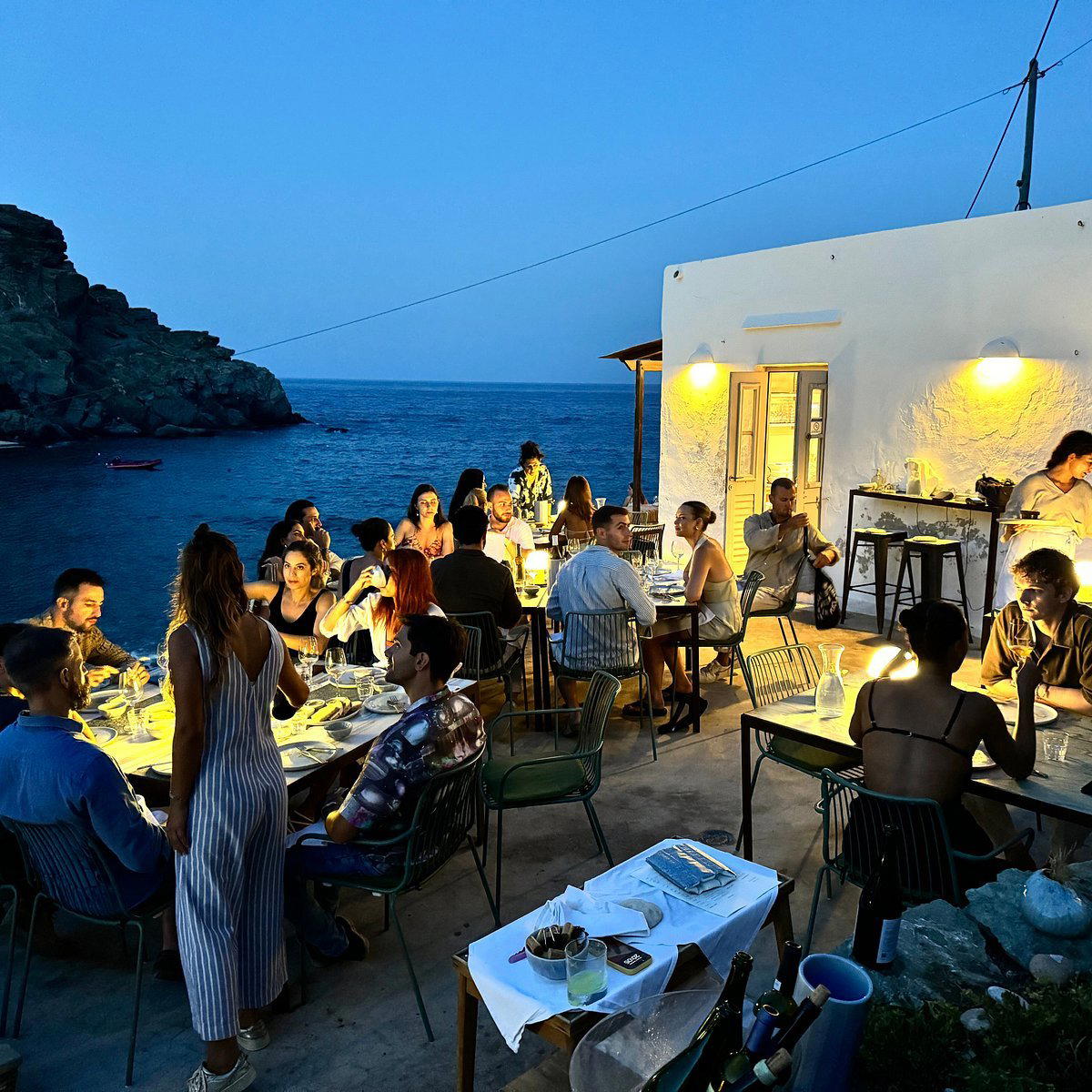
Stone, Sea, and the Case for Eating Locally on Sifnos
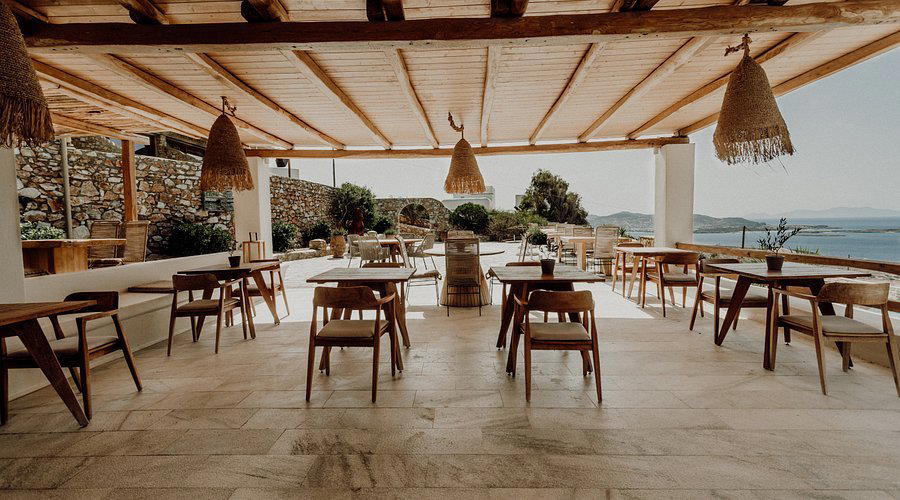
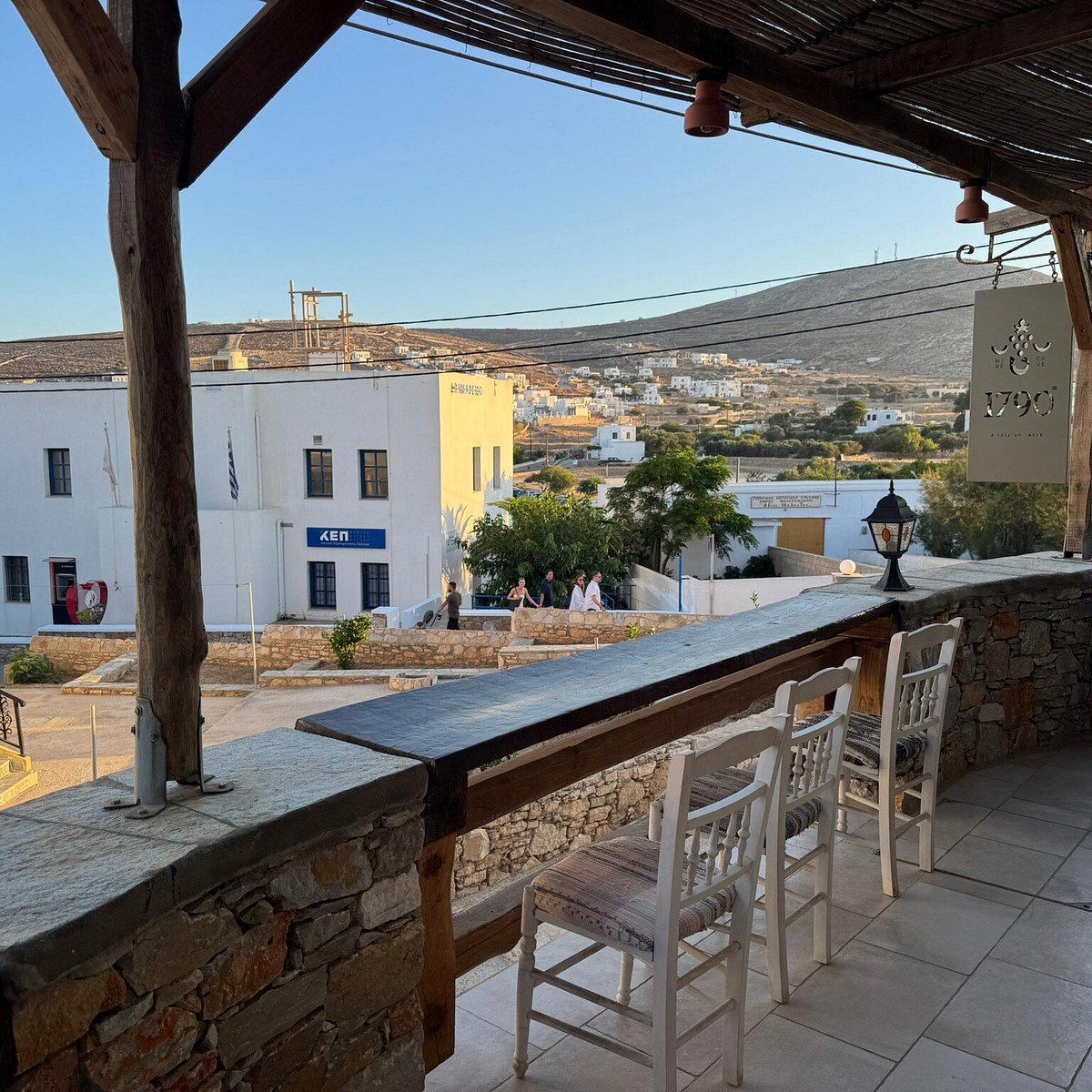
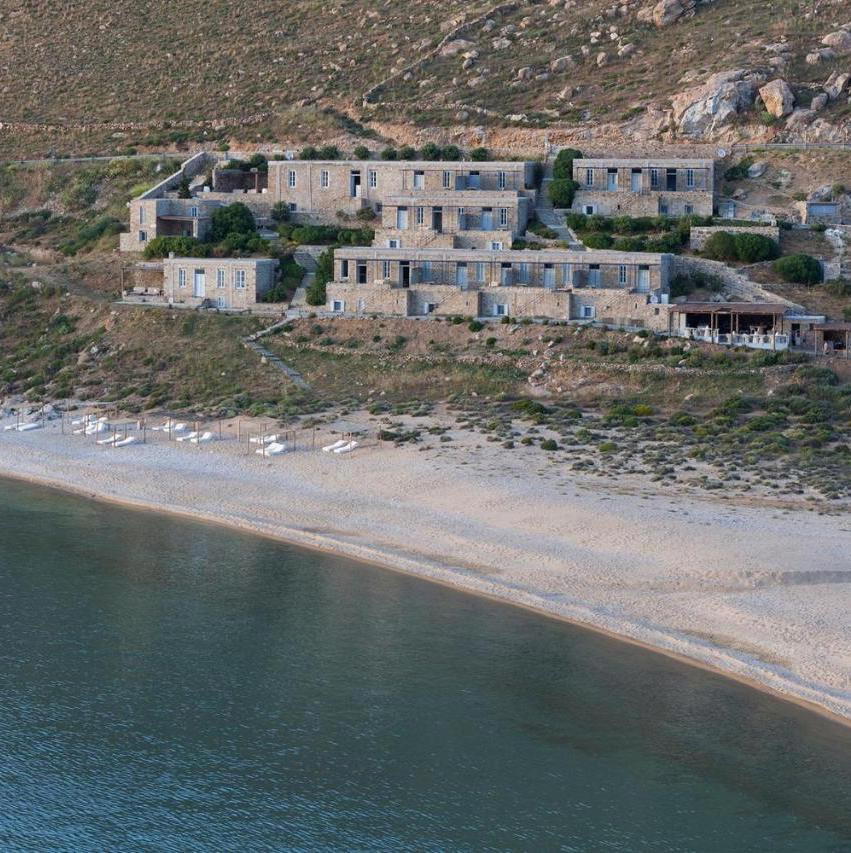
Kastro, the fortified medieval capital of Sifnos, sits on a ridge above the Aegean with the kind of physical authority that makes everything happening at its base feel incidental. The approach from Seralia, the small harbour district below, takes you past whitewashed walls and Byzantine church towers before the landscape opens to water on three sides. Cantina is a restaurant in Kastro, Sifnos Island, serving Modern Sifnian Greek Fine Dining with a smart casual dress code and an essential reservation policy. The physical environment is not a backdrop engineered for effect; it is the actual setting, and the food served here is understood in relation to it.
Sifnos has a culinary identity that predates the modern Greek restaurant scene by centuries. The island has long been considered among the more food-serious places in the Cyclades, with a tradition of slow-cooked chickpea dishes, local honey, and a general orientation toward what the land and sea produce rather than what can be imported. Cantina operates within that tradition rather than against it, which is what separates it from the category of restaurants that merely use local provenance as a marketing frame.
What the Kitchen Is Built On
The two structural principles at Cantina are sustainability and local ingredients. These are terms that appear on enough menus across the Aegean that they risk becoming meaningless, but on Sifnos they carry specific weight. The island has limited arable land, a small fishing community, and seasonal rhythms that are more constrained than those of a larger destination. Committing to local sourcing here means working with actual scarcity, adjusting to what the season produces, and building relationships with producers whose scale is genuinely small.
That constraint shapes what a kitchen can and cannot do. Greek island cooking at its most honest is not about technical elaboration; it is about compression, about getting full value from ingredients that arrive in limited quantities at specific times of year. The restaurants in the Greek island dining circuit that have generated critical attention in recent years, including Selene in Santorini and Lycabettus in Oia, have largely made their case by treating Cycladic produce as a starting point for serious cooking rather than a decorative touch. Cantina sits in that broader movement, operating at the more intimate and ingredient-focused end of the spectrum.
For context, the contemporary Greek scene in Athens, represented by venues like Delta, tends toward technical elaboration and formal tasting formats. Island restaurants working with local sourcing are making a different argument, one rooted in place and season rather than technique for its own sake. You can see parallel thinking in other Greek island contexts at Olais in Kefalonia and Aktaion in Firostefani, each working within the constraints of their specific island supply chains.
The Kastro Setting and What It Means in Practice
Seralia, the address on record, sits at the foot of Kastro's rocky promontory. Dining here puts you physically close to the original settlement of the island, a detail that is more relevant than it might seem. Sifnos's food culture developed in villages like Kastro, not in coastal tourist strips, and restaurants that choose this geography over the more accessible port towns at Kamares or Apollonia are making an implicit statement about who they are cooking for and why.
The medieval village setting also limits scale. Kastro is not a place that accommodates high-volume operations. The restaurants that function here tend to be small-format, which aligns with Cantina's sourcing model. Small-format Greek island restaurants have become a more defined category in recent years, partly because visitors arriving from Athens or European capitals are increasingly specifically seeking that kind of experience rather than landing on it by accident.
Sifnos in the Aegean Dining Conversation
The Greek islands have a fragmented dining scene. Mykonos operates on international celebrity-restaurant logic, with venues like Almiriki and the Myconian Ambassador positioning against a global luxury visitor base. Santorini has developed a tier of view-destination fine dining. Sifnos occupies a different register entirely: quieter, less photographed, with a food culture that runs deeper than its visibility in international travel media would suggest.
Among Aegean islands that have developed genuine culinary reputations built on local produce rather than imported spectacle, Sifnos consistently appears in the conversation. Revithada, the slow-cooked chickpea dish traditionally baked overnight in the residual heat of the communal oven, is the island's most cited example of a cuisine with actual historical depth. Restaurants that situate themselves within that tradition, as Cantina does, are participating in something that predates the current wave of Greek gastro-tourism by generations.
The comparison to how other cuisines have handled this dynamic is instructive. At the international level, kitchens at places like Le Bernardin in New York have built reputations on ingredient integrity as a core proposition rather than an add-on. At the regional Greek level, Etrusco in Kato Korakiana and Old Mill in Elounda demonstrate what happens when kitchens commit to local supply chains over time. Cantina operates at a smaller scale, but the underlying logic is the same.
Side-by-Side Snapshot
Comparable venues nearby, for context on price, style, and recognition.
| Venue | Cuisine | Price | Notes |
|---|---|---|---|
| CantinaThis venue — the venue you are viewing | Modern Sifnian Greek Fine Dining | $$$$ | Not listed |
| Myconian Utopia Resort | Creative Greek Fine Dining | $$$$ | Elia |
| Nōema | Modern Greek Cycladic | $$$$ | Mikonos |
| Oia Oenosart | Modern Greek with Santorini Wines | $$$ | El_60010201 |
| Blue Note | Traditional Greek & Mediterranean Seafood | $$ | Imerovigli |
Recognition history
Dated appearances from independent guides and award organizations, with the underlying list record or original source where available.
Star Wine List
Star Wine List
Continue exploring
More in Sifnos Island
Restaurants in Sifnos Island
Browse all →
Bars in Sifnos Island
Browse all →
At a Glance
- Scenic
- Rustic
- Intimate
- Elegant
- Special Occasion
- Date Night
- Waterfront
- Terrace
- Extensive Wine List
- Farm To Table
- Local Sourcing
- Organic
- Zero Waste
- Waterfront
Current opening hours
- Monday
- 4–11 PM
- Tuesday
- 4–11 PM
- Wednesday
- 4–11 PM
- Thursday
- 4–11 PM
- Friday
- 4–11 PM
- Saturday
- 4–11 PM
- Sunday
- 9 AM–5 PM
Hours can change for holidays and private events. Last verified .
Relaxed outdoor setting with Cycladic charm, dramatic sea views, and a welcoming atmosphere enhanced by excellent service.