Margiora

Housed in a mansion built in 1866 and revived by a descendant of the original owning family, Margiora brings a rare historical anchor to Kythnos Island's dining scene. The kitchen draws on the island's own produce and Cycladic pantry, serving food shaped by place rather than trend. For anyone spending time on Kythnos, this is where the island's culinary identity is most legible.
Pearl is the En Primeur Club membership app — saves, bookings, and concierge access live there. Same editors, same standards.
- Address
- Κύθνος 840 06, Greece
- Phone
- +30 2281 031809
- Website
- margiora.gr
- Directions
- Get directions
 Saves & bookings on Pearl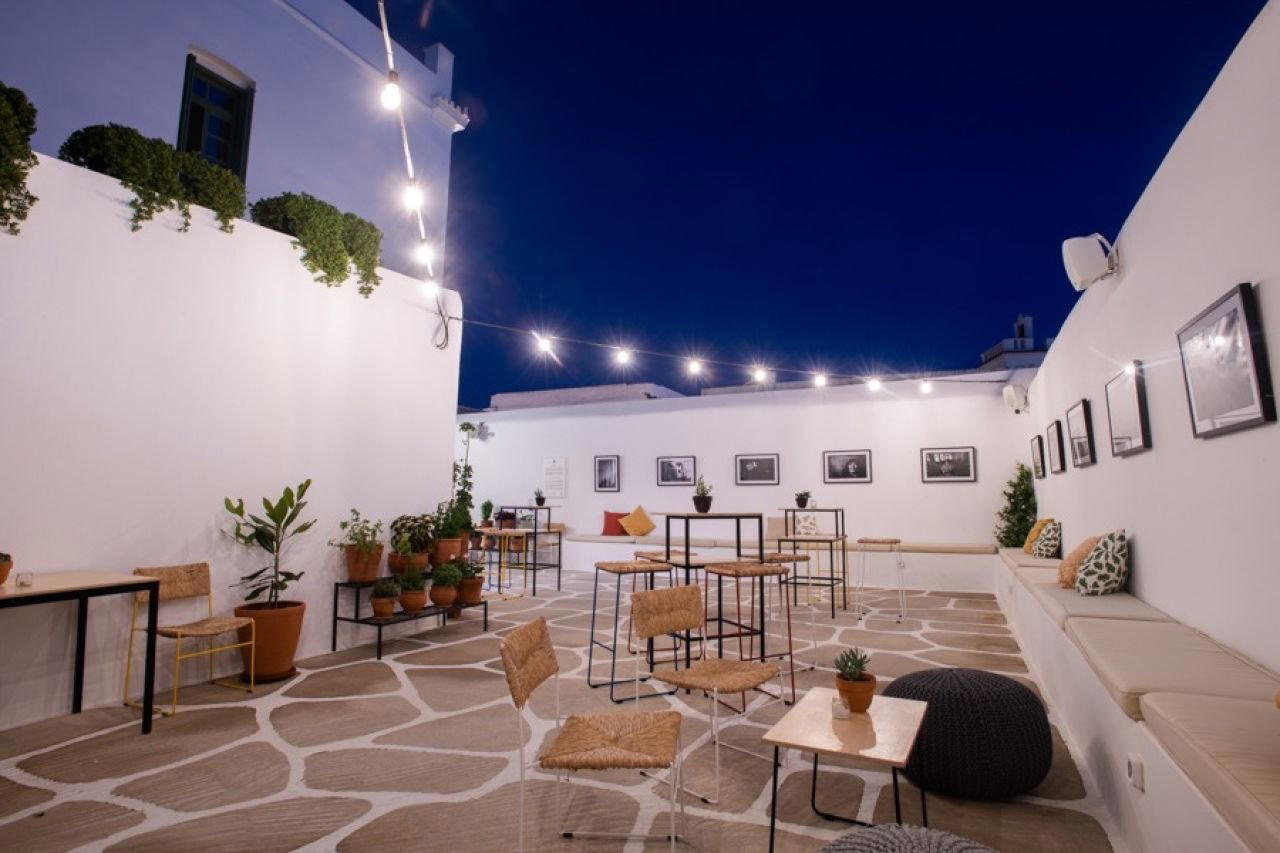
A Nineteenth-Century Mansion, a Family Name, and an Island's Pantry
Arriving at Margiora, the building registers before the menu does. The mansion dates to 1866, an era when Kythnos had a more pronounced mercantile life, and when prosperous island families built in stone to signal permanence. Fondas Dialeismas, a member of the family that originally owned the structure, is responsible for its revival, and the restaurant takes its name from his great-grandmother. That lineage is not incidental detail: it shapes the logic of the kitchen, which treats the island's own ingredients as the starting point rather than the supplement.
Kythnos sits in the western Cyclades, less visited than Mykonos or Santorini and significantly quieter for it. The island has no major resort infrastructure, which means its food culture has evolved without the pressure to perform for mass tourism. Restaurants here work from a narrower, more locally grounded ingredient base, and Margiora, with its roots in a family property that predates the modern tourism economy by roughly a century, sits at the more deliberate end of that tradition.
What the Cycladic Pantry Actually Means on Kythnos
The phrase "local ingredients" has been used so liberally across Greek island tourism that it risks losing meaning. On Kythnos, the specifics are worth stating clearly. The island produces its own cheese, kythniotiki skordalia, a garlic-forward preparation, appears in various forms across island kitchens, and has a long tradition of small-scale fishing along a coastline that runs to nearly 100 kilometres despite the island's modest size of around 99 square kilometres. Meat from the interior, pulses, foraged herbs from the scrubby hillsides, and honey from local apiaries form the structural backbone of Cycladic cooking at this level.
That ingredient logic distinguishes Margiora from the higher-intervention Greek contemporary kitchens operating in Athens and on larger islands. At restaurants like Delta in Athens or the more formally structured Selene in Santorini, the kitchen often applies modern technique to local produce in ways that create deliberate distance from the source material. The island taverna tradition does the opposite: shorter distance from field or sea to plate, less manipulation, and a more direct reliance on the quality of the raw ingredient. Margiora's position in a family-owned historic property suggests it leans toward the latter approach rather than the contemporary Greek fine-dining register.
This places it in an interesting comparable set when viewed across the Greek islands more broadly. Properties like Old Mill in Elounda and Olais in Kefalonia occupy a similar space: historically grounded settings with kitchens that argue for regional specificity over generic Mediterranean range. Meanwhile, resort-anchored restaurants such as Myconian Ambassador Thalasso Spa in Platis Gialos or Myconian Utopia Resort in Elia operate with broader mandates and a different guest base. Margiora's identity is more particular, and more tied to the specific ecology of one island.
The Setting as Argument
Dining inside a mansion built in 1866 on a Cycladic island that sees a fraction of the visitor numbers of its more photographed neighbours carries a specific atmospheric charge. Stone walls of that age retain heat in winter and stay cool into the summer evening, which gives interior spaces a sensory quality that purpose-built restaurant rooms rarely achieve. The building's survival across a century and a half of island history, through periods of prosperity, depopulation, and the eventual arrival of tourism, adds a layer of context that sits behind every meal served there.
Fondas Dialeismas reviving the family property rather than selling or converting it follows a pattern visible in other parts of Greece, where families with historic buildings are finding that restoration and hospitality represent a more sustainable relationship with the property than alternatives. The restaurant's name, drawn from the great-grandmother, signals that the project is as much about family memory as commercial hospitality. Whether that translates into the food's character is something a visitor would need to assess in person, but the structural conditions, old building, family ownership, island location, point toward a certain kind of place.
Placing Kythnos in the Broader Greek Islands Dining Map
The Greek islands have developed highly uneven dining cultures. Santorini and Mykonos host restaurants that price and perform at levels comparable to major European cities, Lycabettus in Oia and Almiriki in Mykonos represent the higher end of those island food cultures. Corfu has its own distinct Venetian-influenced tradition, with Etrusco in Kato Korakiana among the more formally recognised kitchens there. The western Cyclades, of which Kythnos is part, occupy quieter territory, with fewer international visitors and a food culture that has been less exposed to the economic pressures that push restaurants toward more polished, tourist-oriented formats.
That relative obscurity shapes a restaurant like Margiora. The island's visitor base trends toward Greek families, sailing travellers, and a cohort of international visitors specifically seeking the less-commercialised Cyclades. That audience generally supports kitchens that take local ingredients seriously rather than those optimising for broad international palatability.
Margiora makes most sense as part of a longer stay on the island rather than a standalone day-trip destination.
Planning a Visit
Kythnos is accessible by ferry from Piraeus, with crossing times generally in the two-to-three-hour range depending on the service. The island's main settlements are Chora (the capital), Loutra (known for its thermal springs), and Merichas (the port). Margiora is located in Kithnos, which refers to the broader island address. Reservations are recommended. The summer season, roughly June through September, represents peak visiting period; the shoulder months of May and October offer quieter conditions and the same ingredient-driven kitchen.
Aktaion in Firostefani. The draw here is its historic setting and island context.
Side-by-Side Snapshot
Comparable venues nearby, for context on price, style, and recognition.
| Venue | Cuisine | Price | Notes |
|---|---|---|---|
| MargioraThis venue — the venue you are viewing | Modern Greek Cycladic | $$$ | Not listed |
| Avli tou Thodori (Αυλή του Θοδωρή) | Modern Greek Beachside | $$$ | Platys Gialos |
| Alykes | Greek Seafood | $$ | Palaio Faliro |
| Amber Cellar | Modern Greek with Seafood | $$$ | Piraeus Port |
| Kuzina | Modern Greek Fusion | $$$ | Thiseio |
| Marymary restaurant | Modern Greek with International Twist | $$ | Armenistis |
Recognition history
Dated appearances from independent guides and award organizations, with the underlying list record or original source where available.
Star Wine List
Star Wine List
Continue exploring
More in Kythnos Island
Restaurants in Kythnos Island
Browse all →
Bars in Kythnos Island
Browse all →
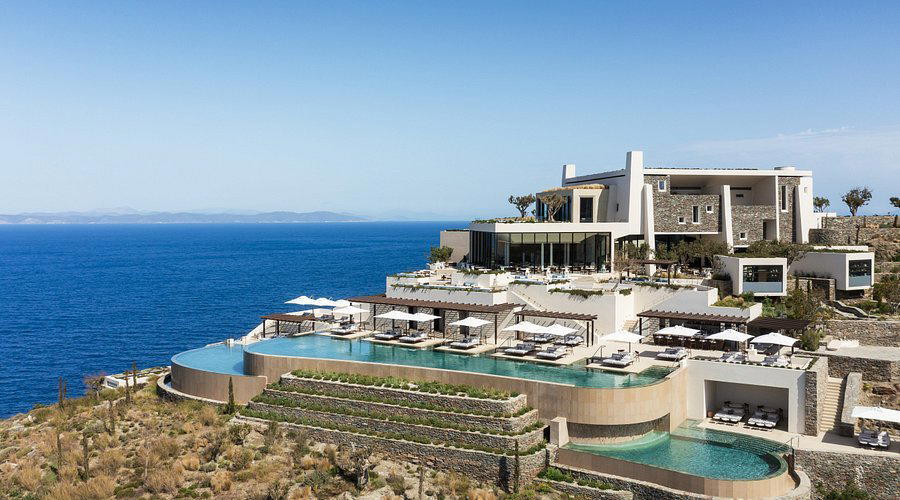
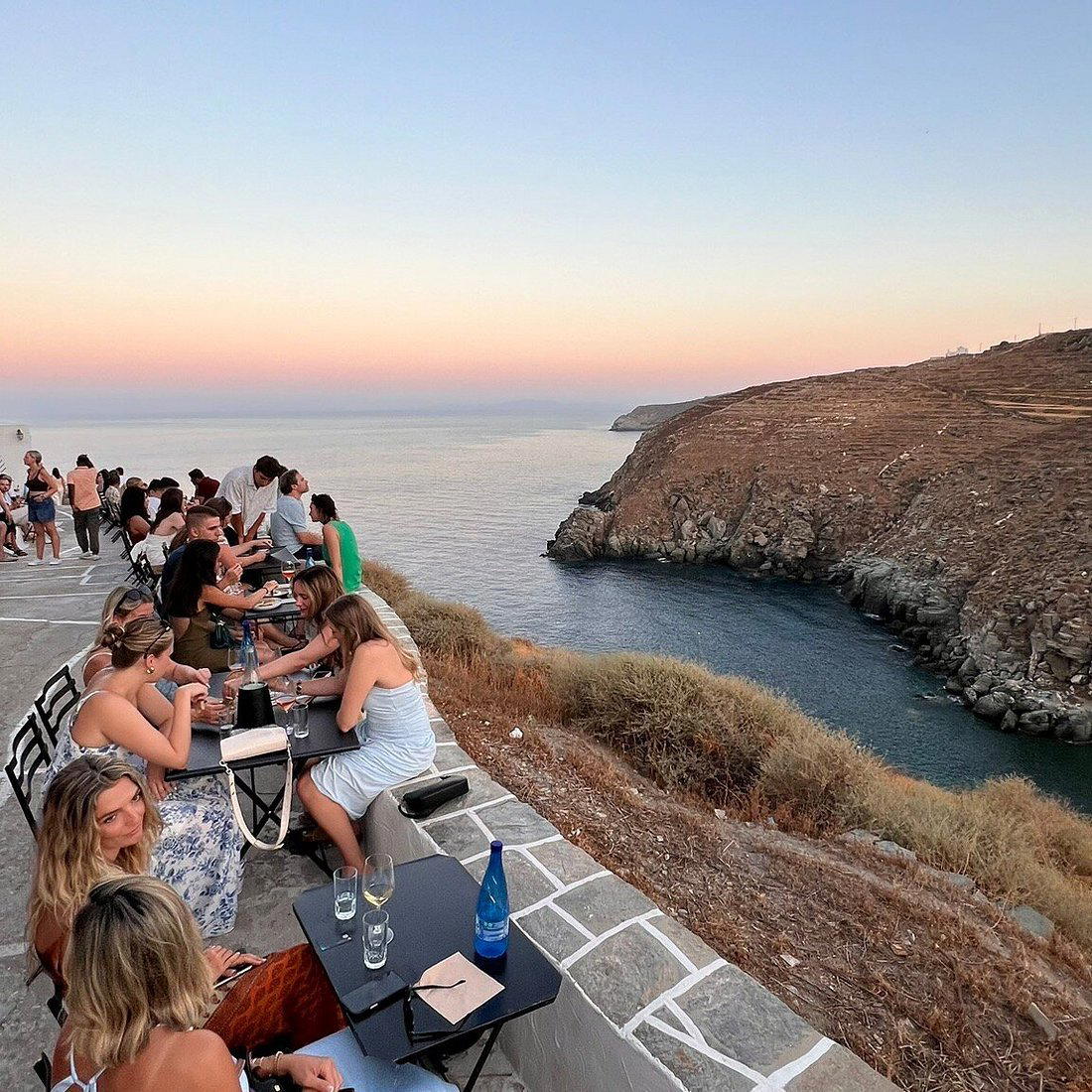
Hotels in Kythnos Island
Browse all →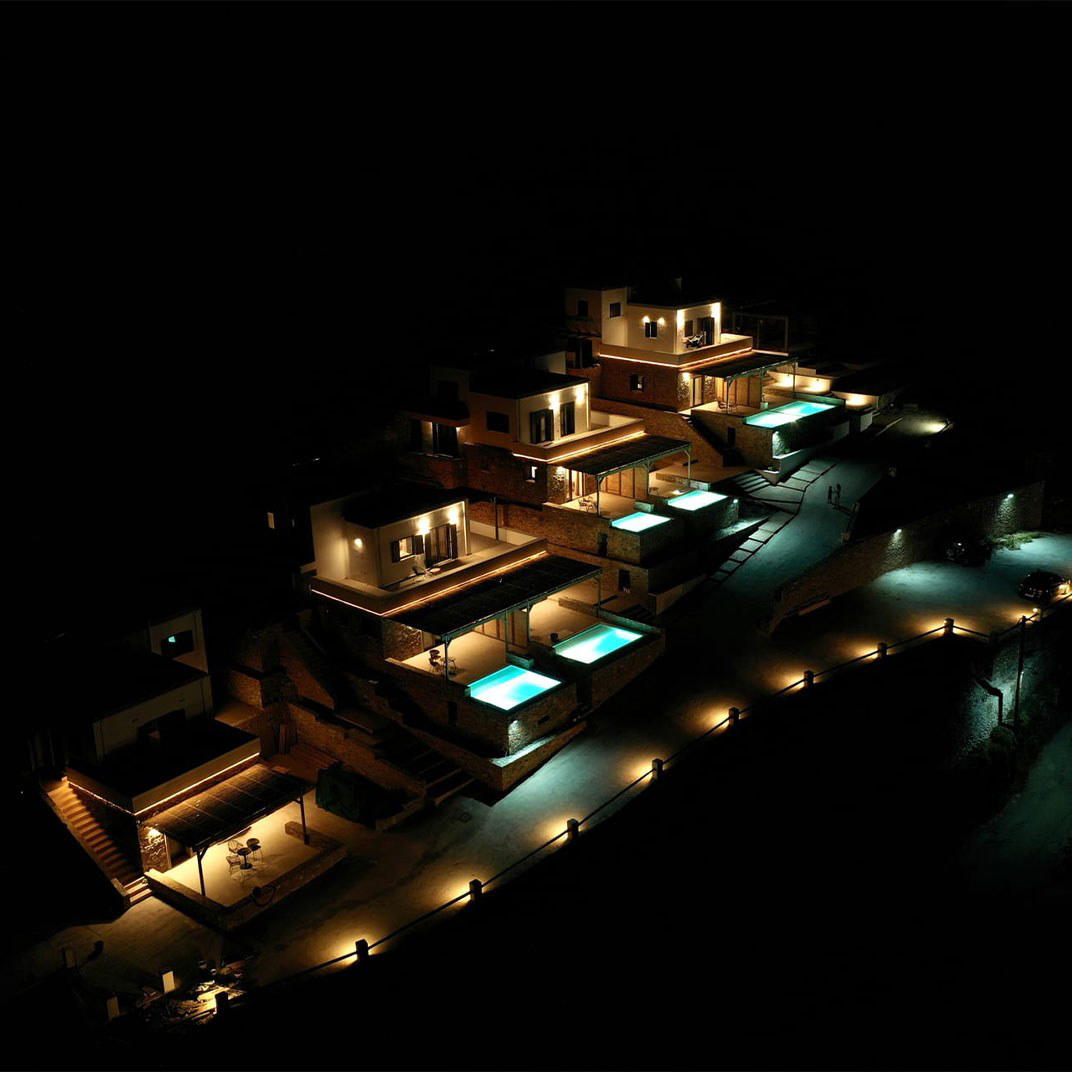
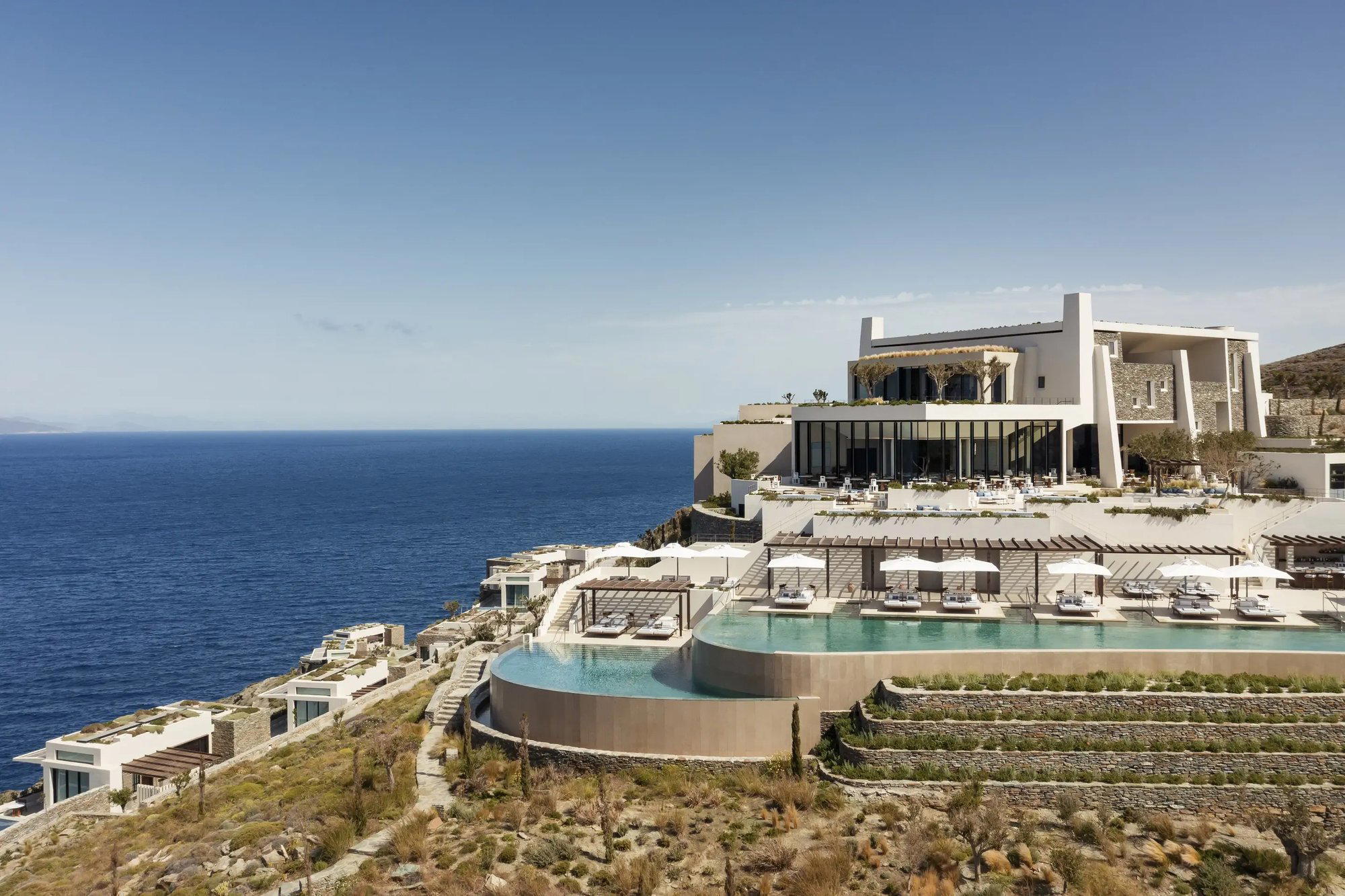
Wineries in Kythnos Island
Browse all →
At a Glance
- Elegant
- Cozy
- Sophisticated
- Rustic
- Date Night
- Special Occasion
- Wine Cellar
- Extensive Wine List
- Local Sourcing
Current opening hours
- Monday
- Closed
- Tuesday
- Closed
- Wednesday
- Closed
- Thursday
- Closed
- Friday
- 6 PM–12 AM
- Saturday
- 6 PM–12 AM
- Sunday
- 6 PM–12 AM
Hours can change for holidays and private events. Last verified .
Atmospheric and elegant with a cozy courtyard setting in a historic renovated house.