La Wagyeria - Austin
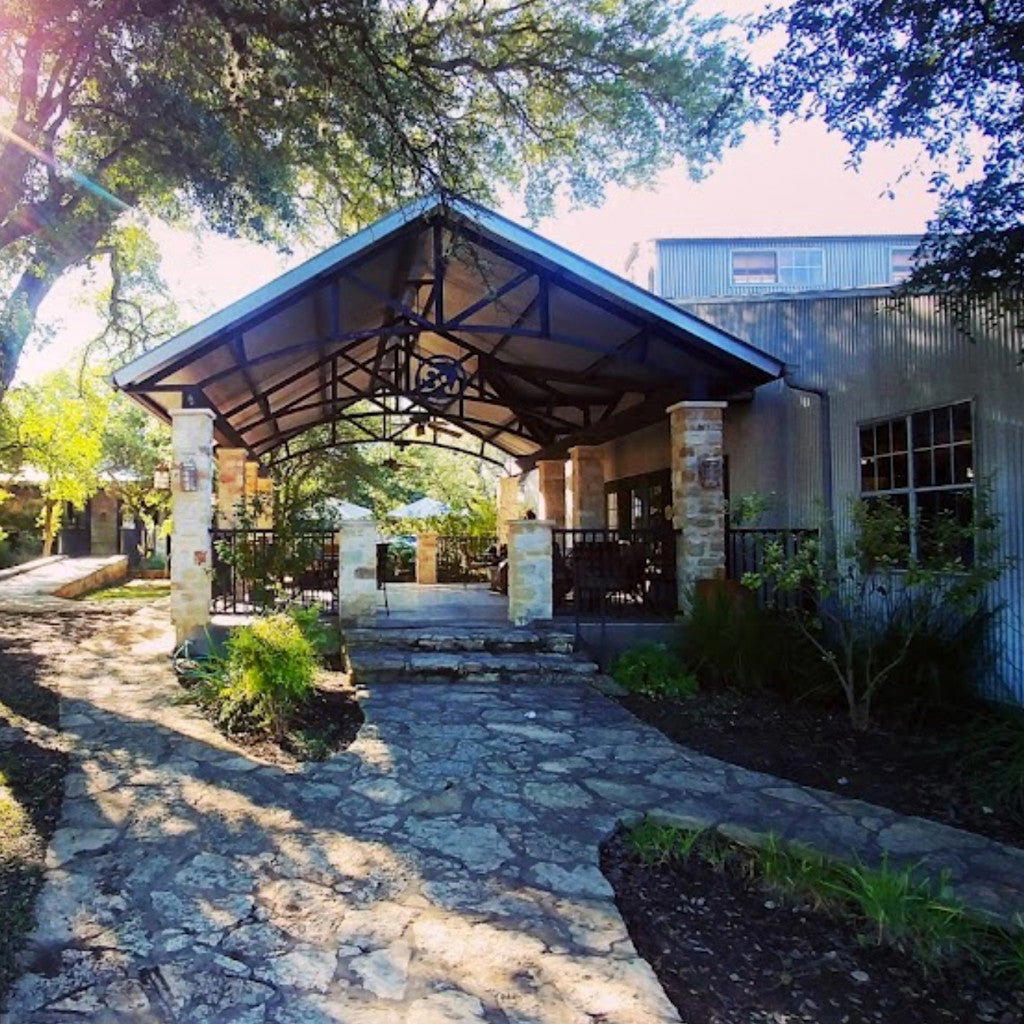
La Wagyeria brings a focused wagyu-centric menu to Austin's south side, operating from an address on East St. Elmo Road that sits well outside the downtown dining corridor. The concept positions itself at the intersection of premium beef culture and accessible format, in a city where barbecue has long defined the conversation around serious meat. For Austin diners tracking where the wagyu wave is landing beyond steakhouse menus, this is a relevant address.
Pearl is the En Primeur Club membership app — saves, bookings, and concierge access live there. Same editors, same standards.
- Address
- 440D E St Elmo Rd Building D, Austin, TX 78745
- Phone
- +15129052421
- Website
- wagyeria.com
- Directions
- Get directions
 Saves & bookings on Pearl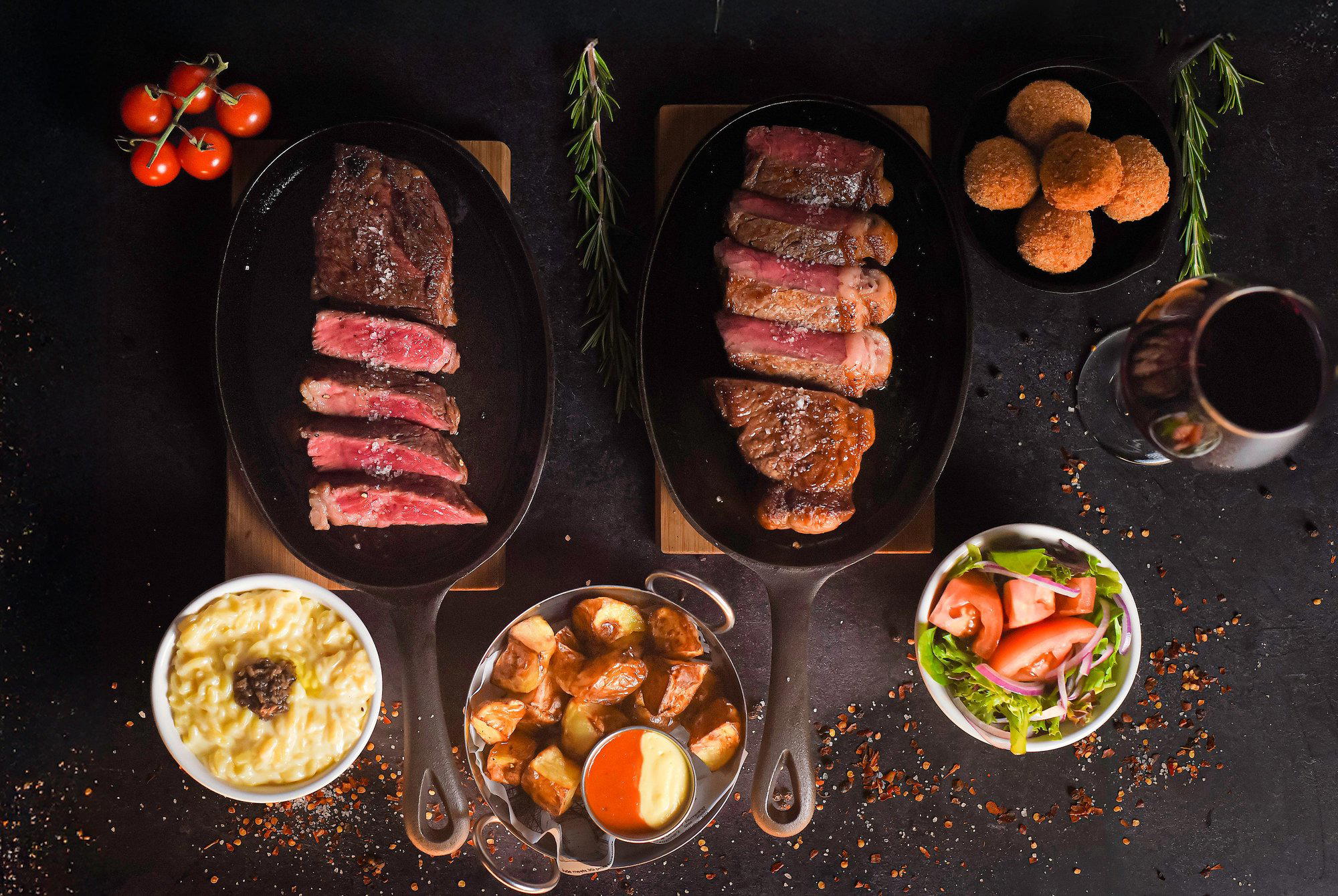
South Austin and the Premium Beef Shift
Austin's reputation for serious meat has always been anchored in smoke and oak. The pitmasters at la Barbecue and InterStellar BBQ set the standard for how the city thinks about sourcing, preparation, and patience in beef cookery. But over the past several years, a parallel track has been developing: wagyu-focused concepts that pull from Japanese grading traditions and apply them to formats that don't necessarily look like a steakhouse or an omakase counter. La Wagyeria, operating out of a building on East St. Elmo Road in the 78745 zip code, is part of that second track. The address places it south of the Colorado River, away from the downtown corridor and the Rainey Street cluster, in a part of the city where industrial and residential uses share the block.
What the Menu Architecture Reveals
The organizing principle of a wagyu-focused menu is, by definition, the beef itself. Where a New American kitchen like Barley Swine structures its menu around seasonal produce relationships, or a live-fire program like Hestia organizes around technique and heat source, a wagyu-centric format places the grading and origin of the animal at the center of every decision. The menu at a venue with this name and concept signals something specific: cuts are likely stratified by marbling grade, preparation method, or both, and the ordering logic probably requires some literacy around what distinguishes A5 Japanese wagyu from American-raised wagyu crosses. That distinction is not trivial. Full-blood Japanese A5, graded by the Japan Meat Grading Association on a scale that tops out at five across yield and quality, carries a significantly different price point and eating profile than domestic wagyu or Wagyu-Angus cross programs. A menu that takes this seriously will make that hierarchy visible rather than collapsing everything under a single branded term.
The broader pattern in wagyu-focused dining is that menus tend to split across two formats. The first is a tasting or omakase-adjacent structure, where the kitchen controls progression and cut selection, steering diners through a sequence that moves from lighter preparations toward richer, heavily marbled pieces. The second is a more open a la carte grid, where the diner selects grade, cut, and preparation independently. Both approaches have merit; the tasting format favors venues with strong editorial control and a kitchen confident in its sequencing logic, while the a la carte approach suits a customer base that already knows what it wants. For reference, Craft Omakase in Austin demonstrates how the chef-driven sequence model can work in a premium format with Japanese influence. Where La Wagyeria falls in this split is relevant to how a first visit should be approached.
Austin's Broader Fine Dining Context
Austin sits in a tier of American dining cities that generates serious critical attention without yet concentrating the density of Michelin-starred addresses found in New York, Chicago, or San Francisco. The restaurants that have drawn sustained recognition in the city tend to operate at the intersection of strong sourcing and format clarity. Nationally, tasting-menu programs at places like Lazy Bear in San Francisco, Alinea in Chicago, or Blue Hill at Stone Barns in Tarrytown have set the template for how ingredient-led narrative can anchor a premium dining experience. At the pure fine-dining apex, references like The French Laundry in Napa, Le Bernardin in New York City, and Providence in Los Angeles define what sustained sourcing excellence looks like at the highest price tier. Austin's wagyu-focused concepts are working in a different register, but the underlying logic, that premium ingredient sourcing should be the organizing principle of the menu, is shared across those categories.
Closer in format, the wagyu boom that has moved through major American cities over the past decade has produced a range of outcomes. Some concepts have used the wagyu label loosely, applying it to cross-bred programs with minimal marbling differentiation. Others have built rigorous sourcing hierarchies and trained their teams accordingly. The difference shows in the menu text: a serious program names the farm, the breed, the grade, and the preparation method. A less rigorous one leads with the word wagyu and stops there. Diners in cities with developed wagyu culture, including segments of the Japanese dining community that compare Austin's offering against reference points like 8 1/2 Otto e Mezzo Bombana in Hong Kong or Atomix in New York City, apply a reasonably demanding filter when assessing whether a concept earns its positioning.
Planning a Visit
La Wagyeria is located at 440D East St. Elmo Road, Building D, in South Austin's 78745 corridor. The area is primarily accessed by car; the address sits in a light-industrial precinct where parking is generally not the constraint it becomes closer to downtown. Visitors arriving from central Austin should budget for a fifteen-to-twenty-minute drive depending on traffic. La Wagyeria is recommended for reservations and opens Thursday through Saturday from 5 to 11 PM. South Austin's dining scene has developed enough secondary infrastructure, including Hestia and other anchors further north, that the area rewards exploratory evenings built around a primary reservation with flexibility for what follows. Additional reference points for high-commitment tasting formats in the American market include Single Thread Farm in Healdsburg, Addison in San Diego, The Inn at Little Washington, and Emeril's in New Orleans.
Just the Basics
Comparable venues nearby, for context on price, style, and recognition.
| Venue | Cuisine | Price | Notes |
|---|---|---|---|
| La Wagyeria - AustinThis venue — the venue you are viewing | East Congress, American Wagyu Steakhouse | $$$$ | Not listed |
| Vince Young Steakhouse | South Congress, Classic Texas Steakhouse | $$$$ | Not listed |
| J Carver's | Not listed | $$$$ | Market District, Premium Steakhouse & Oyster Bar |
| Kappo Kappo | Downtown, French Japanese Omakase | $$$$ | Not listed |
| Mattie's | Not listed | $$$$ | Bouldin Creek, Seasonal American with Southern Influences |
| III Forks | Warehouse District, Prime Steakhouse | $$$$ | Not listed |
Continue exploring
More in Austin
Restaurants in Austin
Browse all →

Bars in Austin
Browse all →
Hotels in Austin
Browse all →
At a Glance
- Trendy
- Sophisticated
- Intimate
- Celebration
- Special Occasion
- Date Night
- Open Kitchen
- Byob
- Corkage Allowed
- Local Sourcing
Current opening hours
- Monday
- Closed
- Tuesday
- Closed
- Wednesday
- Closed
- Thursday
- 5–11 PM
- Friday
- 5–11 PM
- Saturday
- 5–11 PM
- Sunday
- Closed
Hours can change for holidays and private events. Last verified .
Sophisticated and inviting atmosphere focused on premium Wagyu beef with a warm, memorable dining vibe.