Vince Young Steakhouse
A Downtown Austin steakhouse carrying the name of a celebrated University of Texas quarterback, Vince Young Steakhouse at 301 San Jacinto Blvd occupies the serious end of Austin's beef-and-wine dining tier. The room draws a consistent crowd of sports figures, business diners, and out-of-towners looking for a polished red-meat experience within walking distance of the Capitol.
- Address
- 301 San Jacinto Blvd, Austin, TX 78701
- Phone
- +15124578325
- Website
- vinceyoungsteakhouse.com
- Directions
- Get directions
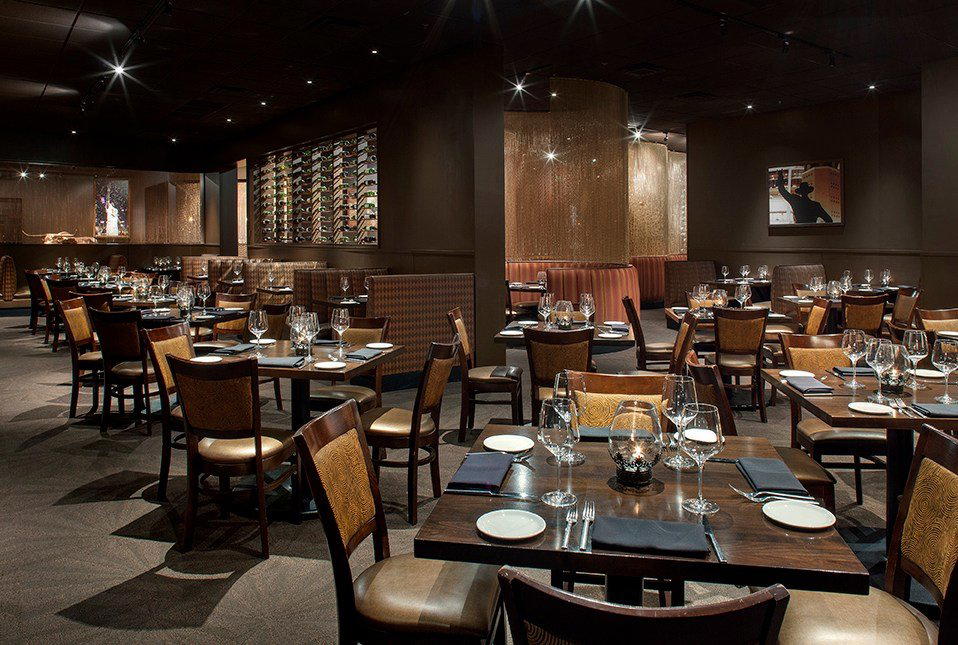
Beef, Ceremony, and the Weight of a Name in Downtown Austin
Austin's steakhouse tier operates in a city that has, over the past decade, developed a more complicated relationship with red meat than its Texas reputation suggests. The live-fire programs at places like Hestia have pushed the conversation toward wood smoke and technique, while the barbecue canon represented by la Barbecue and InterStellar BBQ holds its own cultural authority at a different price point entirely. Into that environment, the classic American steakhouse format, white tablecloths, formal service, wine lists priced for expense accounts, occupies a specific and unapologetic lane. Vince Young Steakhouse at 301 San Jacinto Blvd sits squarely in that lane, trading on a name with genuine cultural weight in Austin and on a room designed to feel ceremonial rather than casual. It is a permanently closed restaurant.
The name matters here in a way that goes beyond branding. Vince Young's tenure as University of Texas quarterback produced among the more discussed moments in college football history, and that cultural currency translates into a dining room that draws a consistent crowd of sports figures, business development dinners, and visiting professionals who want a formal setting that also feels locally rooted rather than imported from a national chain playbook. That combination, local identity inside a classically American dining format, is the operating logic of the place.
The Room as Signal
Downtown Austin's dining corridor along and near San Jacinto has shifted considerably as the city's population and ambition have grown. The address places the restaurant within easy reach of the Convention Center, the major hotels clustered around Congress Avenue, and the State Capitol complex, which means the clientele skews toward people with somewhere to be afterward, conferences, evening events, early flights the next morning. That geography shapes the room's energy in observable ways: the pace is purposeful, the noise level stays at conversation-friendly, and the visual register is darker wood and warmer light rather than the bright, open formats that define much of Austin's newer dining stock.
In the broader American steakhouse tradition, a format that ranges from the theatrical excess of Las Vegas casino rooms to the hushed, almost club-like atmosphere of older New York houses, the Austin iteration tends toward the latter. The room at Vince Young Steakhouse functions as a signal to the diner before any food arrives: this is not a casual stop. Contrast this with the more experimental registers of Barley Swine or the Japanese precision of Craft Omakase, and the steakhouse format is making a deliberately different argument about what a dinner out should feel like.
Steakhouse Format in a Changing City
The classic American steakhouse has proven more durable than many expected as American dining shifted toward casual, chef-driven, and globally inflected formats. The format's durability rests on a few structural facts: the price ceiling allows for wine programs with genuine depth, the format supports long tables and private dining rooms that other concepts struggle to provide, and the shared-plate convention of steakhouse sides creates a natural social rhythm that works for groups. Nationally, the category has also proven that it can anchor serious critical attention when execution is consistent, see the multi-decade runs of steakhouses in cities like New York and Chicago that remain on short lists alongside tasting-menu destinations like Alinea or coast-to-coast fine dining benchmarks like Le Bernardin in New York City and The French Laundry in Napa.
Austin's steakhouse tier has not historically produced the same critical density as cities like San Francisco, where Lazy Bear and farm-to-table-anchored formats like Blue Hill at Stone Barns in Tarrytown set much of the agenda, but it has maintained a steady business in the category. The demand driver is partly tourism and conference business, and partly a local culture that has never entirely abandoned the formal dinner as a marker of a significant occasion. Texas's cattle-ranching identity provides an ambient credibility that steakhouses in other cities have to work harder to establish.
Who Eats Here and Why
The guest profile at a downtown Austin steakhouse in the Vince Young mold tends to be weighted toward business travelers, sports and entertainment industry figures drawn by the namesake's continued presence in Austin's public life, and local professionals marking occasions that call for a room with tablecloths. The format also functions well for sports-adjacent hospitality, which Austin generates in volume given the University of Texas athletic calendar and the city's growing roster of major events. A dinner here before or after a game at Darrell K Royal–Texas Memorial Stadium is a coherent itinerary in a way that a tasting-menu evening at a more progressive address would not be.
For visitors constructing a broader Austin dining picture, the steakhouse occupies a specific node. It is neither the entry point to Austin's barbecue tradition, for that, la Barbecue and InterStellar BBQ are more instructive stops, nor is it chasing the chef-driven innovation represented by Hestia. It is, instead, the address you go to when the occasion requires formality and the steak itself is the point rather than a component in a larger narrative. maps the broader range of what the city offers across categories and price tiers.
Planning a Visit
The restaurant sits at 301 San Jacinto Blvd in Downtown Austin, walkable from the major Convention Center hotels and the Congress Avenue corridor. For visitors comparing Austin's formal dining tier to what they might find in cities with denser fine-dining ecosystems, Providence in Los Angeles, Addison in San Diego, or Emeril's in New Orleans, the relevant frame is less about technique competition and more about format: the steakhouse serves a social function those other addresses do not. Booking ahead is advisable on weeknights tied to UT events or major conference dates, when downtown Austin's hospitality infrastructure runs at capacity.
Reputation Context
Comparable venues nearby, for context on price, style, and recognition.
| Venue | Cuisine | Price | Notes |
|---|---|---|---|
| Vince Young SteakhouseThis venue — the venue you are viewing | Classic Texas Steakhouse | $$$$ | Not listed |
| J-Prime Steakhouse | Modern Steakhouse | $$$$ | South Congress |
| Mattie's | Seasonal American with Southern Influences | $$$$ | Bouldin Creek |
| Ember Kitchen | Bold Latin Steakhouse with Josper Oven | $$$$ | Market District |
| Austin Sports Club | Modern American Sports Bar | $$$ | South Congress |
| Here Nor There | Craft Cocktails & Experiential Mixology | $$$$ | Congress Ave District |
Continue exploring
More in Austin
Restaurants in Austin
Browse all →
Bars in Austin
Browse all →
Hotels in Austin
Browse all →
At a Glance
- Elegant
- Sophisticated
- Intimate
- Classic
- Date Night
- Business Dinner
- Special Occasion
- Celebration
- Standalone
- Extensive Wine List
- Craft Cocktails
- Local Sourcing
- Street Scene
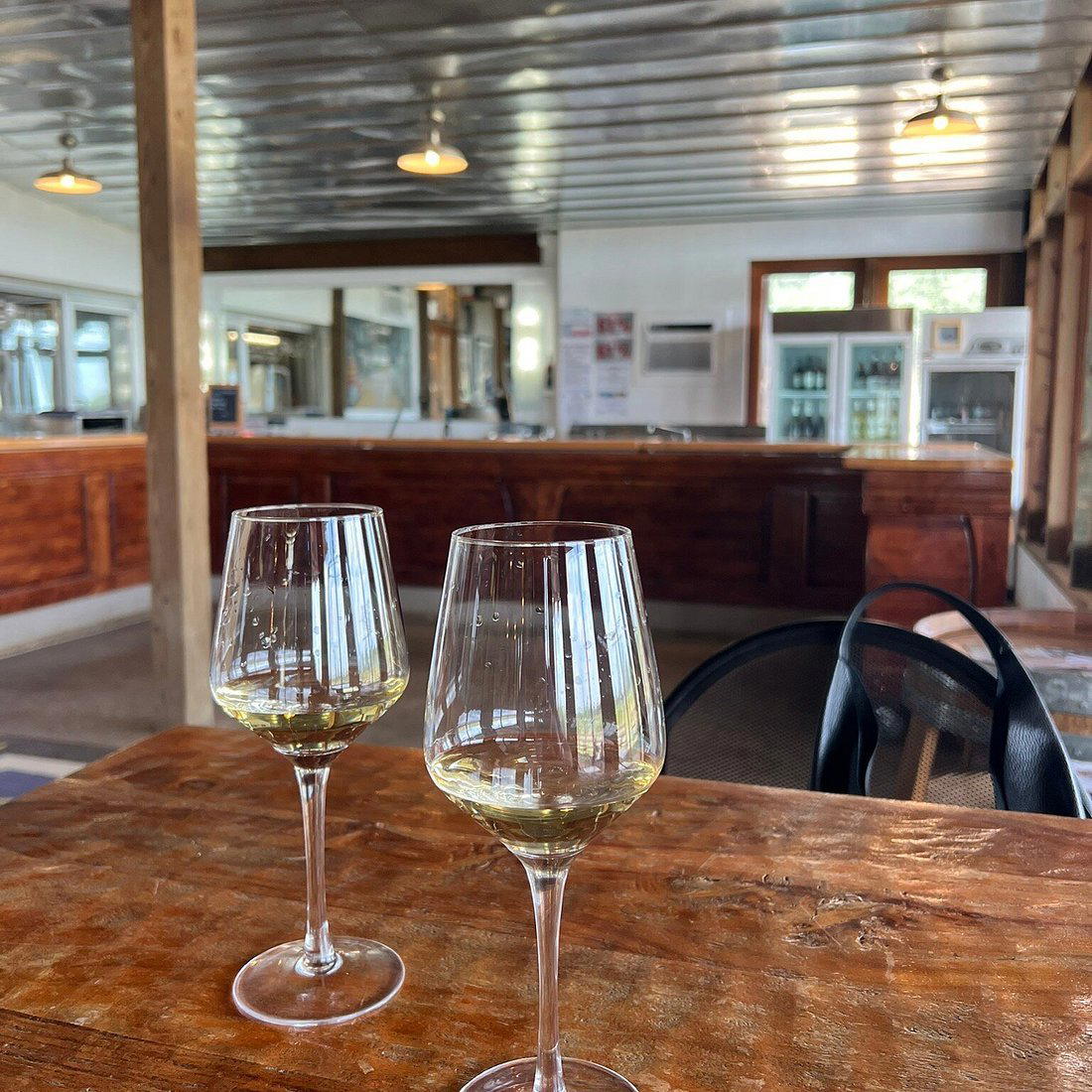
Warm and inviting with relaxed, intimate decor featuring orange and brown hues, evoking a comfortable lodge or country club atmosphere.