Kappo Kappo

Kappo Kappo brings the counter-seated, chef-directed kappo format to downtown Austin at 600 W 2nd St, placing an intimate Japanese tasting menu tradition inside one of the country's least expected cities for it. The format sits above casual omakase and below the full kaiseki theatrical register, occupying a middle tier that rewards guests who want technique and seasonal discipline without the ceremony of a formal multi-hour production.
Pearl is the En Primeur Club membership app — saves, bookings, and concierge access live there. Same editors, same standards.
- Address
- 600 W 2nd St, Austin, TX 78701
- Phone
- (512) 628-1441
- Website
- kappokappo.com
- Directions
- Get directions
 Saves & bookings on Pearl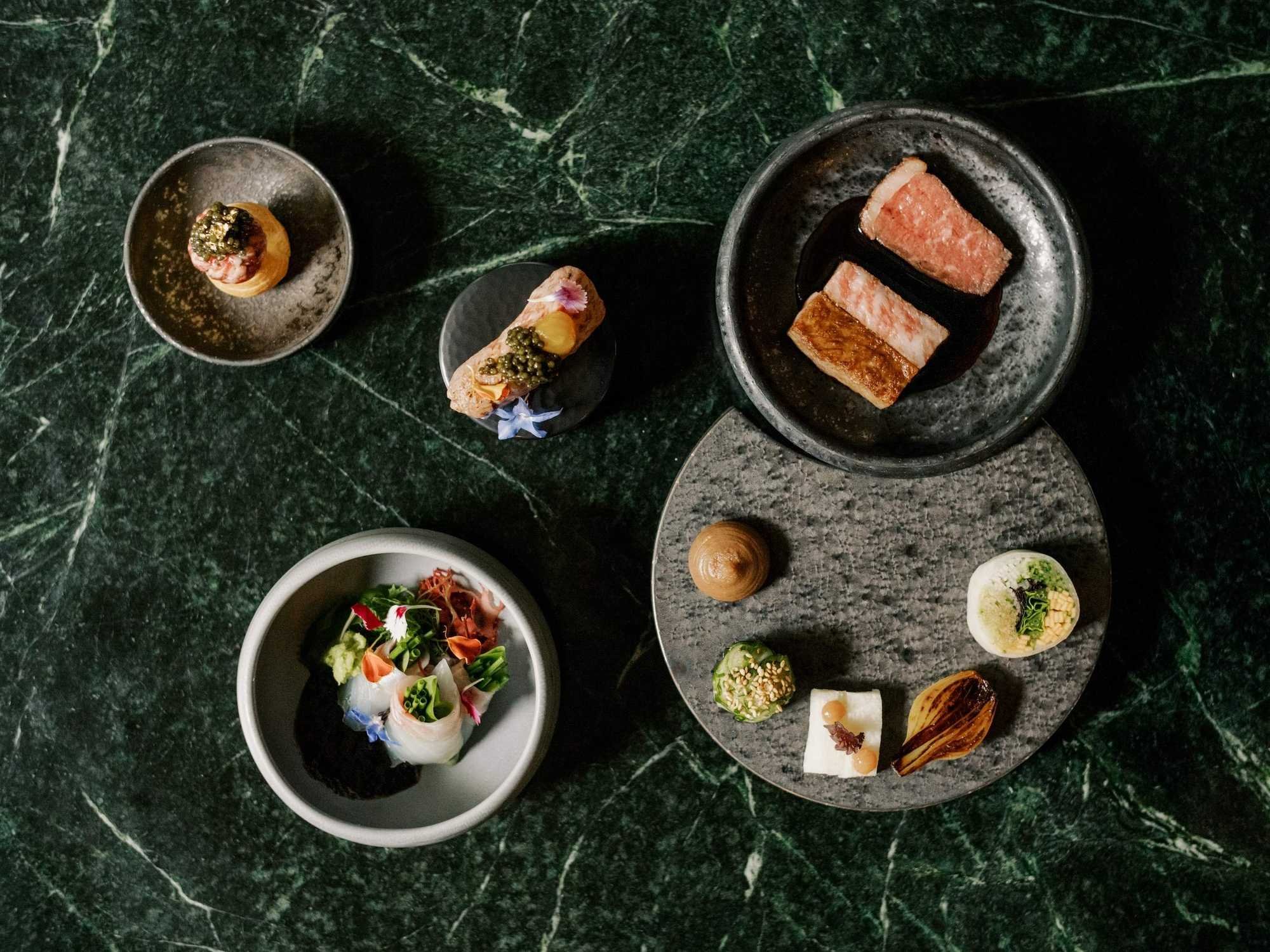
A Japanese Tasting Counter in a City Better Known for Smoke
Austin's fine dining conversation has long been dominated by live-fire cooking, Southern ingredients, and a New American sensibility that prizes local sourcing over imported technique. Against that backdrop, the kappo format represents a distinct counterpoint: chef-directed, counter-seated, and governed by a philosophy of seasonal restraint that has little in common with the brisket programs at la Barbecue or the grain-to-table ambition of Barley Swine. Kappo Kappo, at 600 W 2nd St in downtown Austin, occupies that counterpoint directly.
Kappo as a format sits between the formal kaiseki progression and the more relaxed izakaya register. Where kaiseki prescribes a rigid sequence of courses governed by season, vessel, and aesthetic principle, kappo allows the chef to read the counter, adjust pacing, and introduce dishes as ingredients dictate. The result tends to feel more conversational than ceremonial, though the underlying discipline is no less rigorous. Austin already has a small but serious Japanese dining tier — Craft Omakase operates in the city's upper omakase bracket — and Kappo Kappo represents a different node in that same cluster: more fluid in sequence, more visible in execution, with the counter itself functioning as the primary stage.
What the Kappo Tradition Demands
The kaiseki principles that underpin kappo cooking are worth understanding before arriving. Japanese seasonal cuisine, in its formal register, organizes a meal around shun: the precise peak moment of an ingredient's season. A spring counter will read differently from an autumn one not because a chef has changed their style, but because the ingredients themselves have changed what is possible. Vessels, temperature, and cutting technique are all considered part of the composition, not background logistics. This is why kappo counters tend to be sparse in decoration and deliberate in lighting: the food itself is expected to carry the visual argument.
Nationally, the counter-seated Japanese tasting format has produced some of the country's most decorated restaurants. Atomix in New York City operates a Korean fine dining equivalent with similar counter-driven intimacy. Single Thread Farm in Healdsburg applies Japanese-influenced kaiseki principles to Northern California produce. What distinguishes the mid-tier kappo format from those top-bracket operations is not ambition but access: the kappo counter is designed to feel immediate, not aspirational.
The Counter as the Room
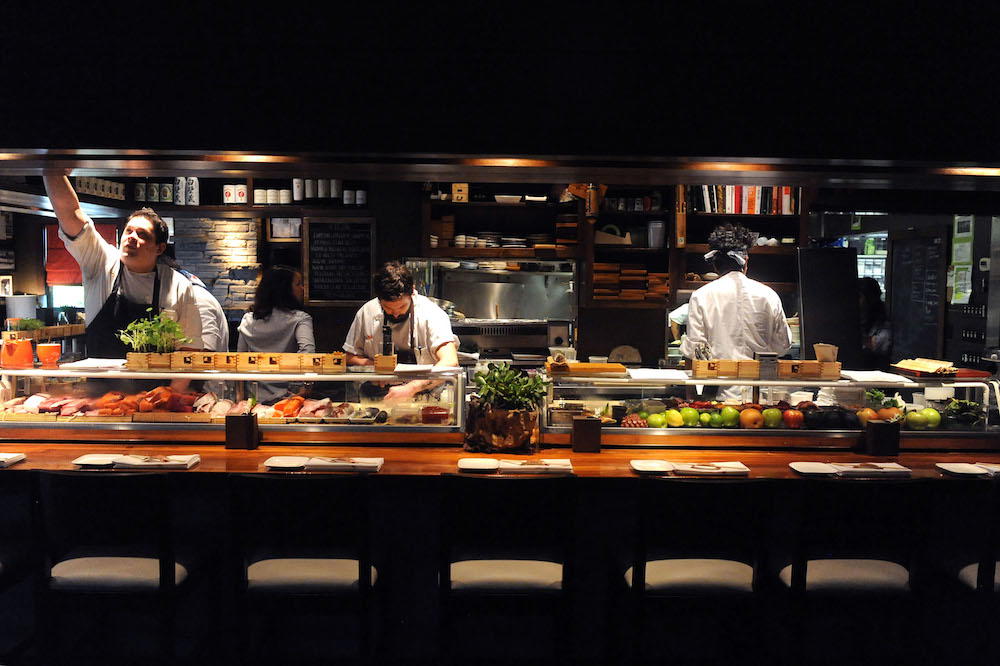
Walking into a kappo space, the architecture communicates the format's priorities before a single dish arrives. The counter is the room. There are no ancillary dining areas designed to absorb overflow. The sightline runs directly to the preparation area, so the movement of the kitchen is part of what the guest experiences. This matters because kappo cooking is not meant to be invisible: the sequence of hot and cold preparations, the handling of fish and vegetable at different stages, the timing of stock reductions, these are all part of the composition a seated guest can observe from the counter.
Downtown Austin at 600 W 2nd St places Kappo Kappo in a neighborhood that has shifted considerably over the past decade, moving from a bar-district energy toward a more mixed-use dining and hotel corridor. The address puts it within reasonable distance of the city's other serious dining operations, including Hestia, which operates in the live-fire New American register nearby. The physical proximity of such different culinary approaches within a compact area reflects how quickly Austin's upper dining tier has diversified since roughly 2018.
Situating Kappo Kappo in Austin's Tasting Menu Tier
Austin's premium tasting menu scene is still consolidating. The city does not yet have the depth of a San Francisco, where Lazy Bear operates a communal tasting format with years of reservation demand behind it, or a Chicago, where Alinea has defined the modernist end of the spectrum for nearly two decades. Nor does it have the credential infrastructure of New York, where Le Bernardin and others set a formal benchmark. What Austin has instead is a smaller, faster-moving tier of ambitious concepts arriving in quick succession, which means the competitive set for any given format is thinner but also less entrenched.
For Japanese tasting formats specifically, that creates both an opportunity and a challenge. The opportunity is that a well-executed kappo counter faces limited direct competition in the city. The challenge is that the format requires an educated audience to sustain demand: guests need to understand why a 10-course progression at a counter price point offers something that a high-end sushi bar or an izakaya like Kemuri Tatsu-ya does not. That educational gap is narrowing in Austin as the city's dining population has grown more traveled and more attentive to format distinctions. Compared to the broader range of Japanese fine dining in the US, Austin is still early in that curve.
Planning a Visit
Kappo Kappo is located at 600 W 2nd St, Austin, TX 78701, in the western edge of the downtown core. The format is a seated tasting menu at a counter, which means walk-in availability is structurally unlikely; advance reservations are the operative assumption for any visit. The counter-seated, chef-directed format rewards arriving without tight time constraints: kappo meals are paced by the kitchen, not the clock, and the conversation that tends to develop across the counter is part of the format rather than incidental to it. For visitors building a broader Austin itinerary, the full Austin restaurants guide maps the city's dining tier in more detail, while the Austin hotels guide, bars guide, and experiences guide cover the surrounding picture. The Austin wineries guide is worth consulting if pairing interests extend to the Texas Hill Country AVA, which produces a range of bottles now appearing on serious local lists.
For comparison across the broader US tasting menu tier, The French Laundry in Napa, Emeril's in New Orleans, and Alain Ducasse at Louis XV in Monte Carlo represent the formal European and American fine dining poles against which a counter-seated kappo experience reads as deliberately intimate and direct. The difference is architectural as much as culinary: those rooms are designed to frame the guest; the kappo counter is designed to include them. That is not a lesser ambition. It is a different one.
Austin's barbecue identity is durable, InterStellar BBQ and others have made the city's smoke-and-patience tradition a national reference point, but the city's upper dining tier is no longer defined by any single format. Kappo Kappo's presence at a downtown address is part of that diversification, and in the context of Austin's compressed dining history, arriving early to a format that is well-established elsewhere carries its own logic.
How Kappo Kappo Austin compares with similar nearby venues.
| Venue | Cuisine |
|---|---|
| Kappo Kappo | Kappo / Japanese tasting menu |
| Restaurant Francois | French |
| Lambert’s Downtown Barbecue | Barbecue |
Recognition history
Dated appearances from independent guides and award organizations, with the underlying list record or original source where available.
Wine Spectator Best of Award of Excellence
Wine Spectator
Continue exploring
More in Austin
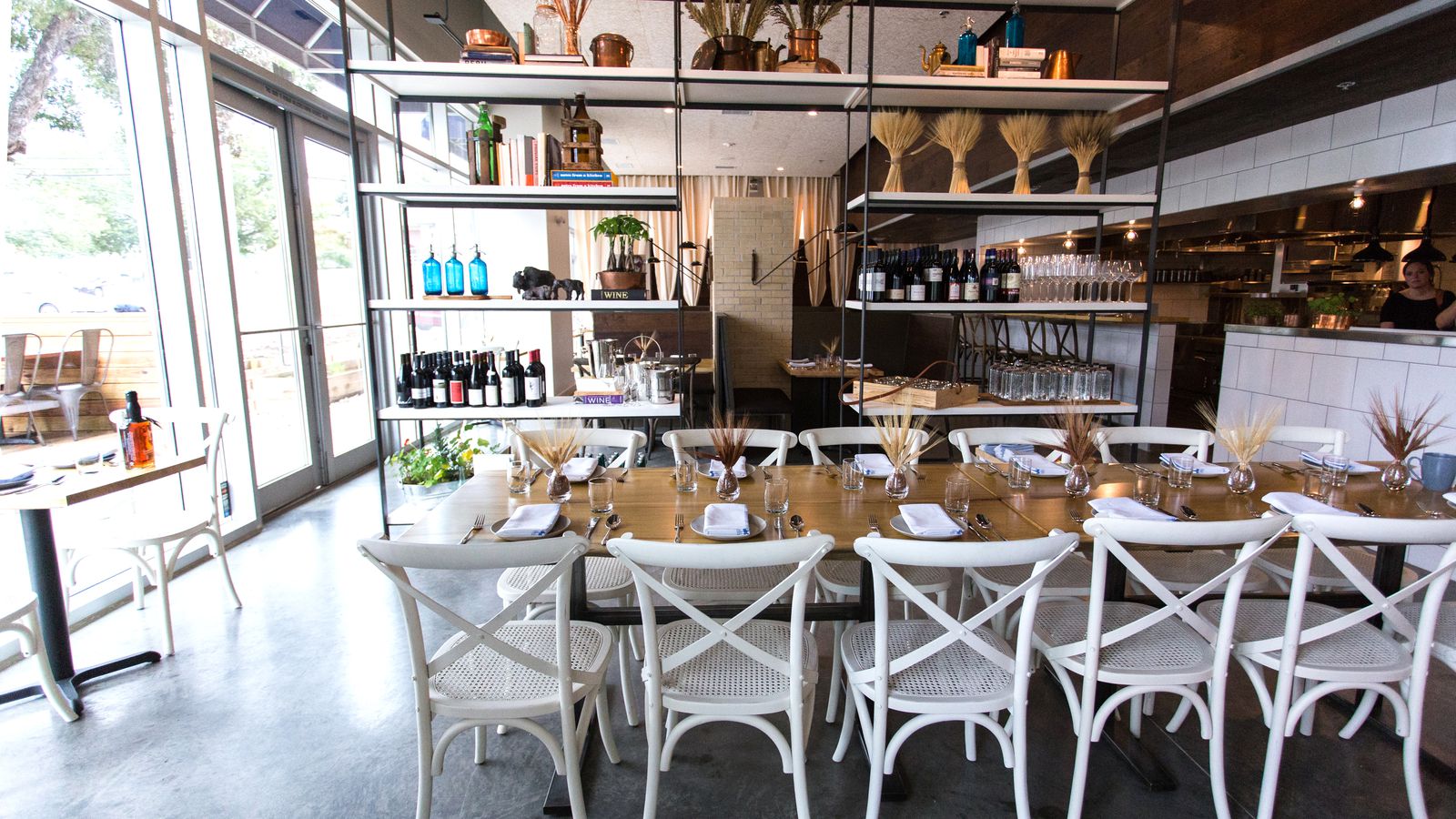
Restaurants in Austin
Browse all →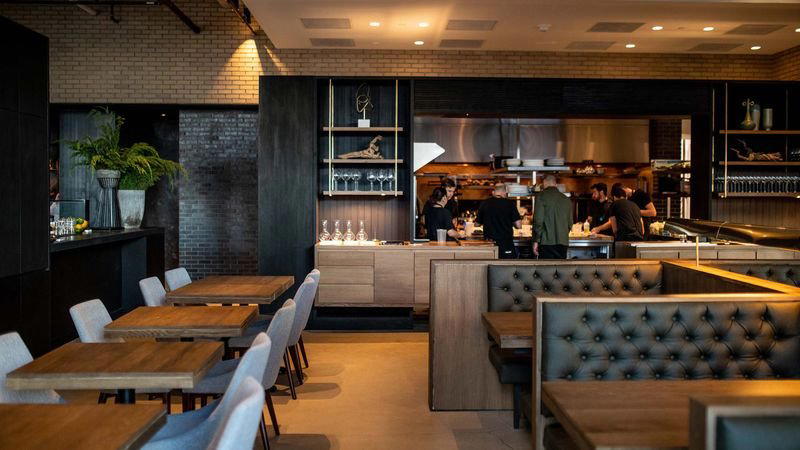
Bars in Austin
Browse all →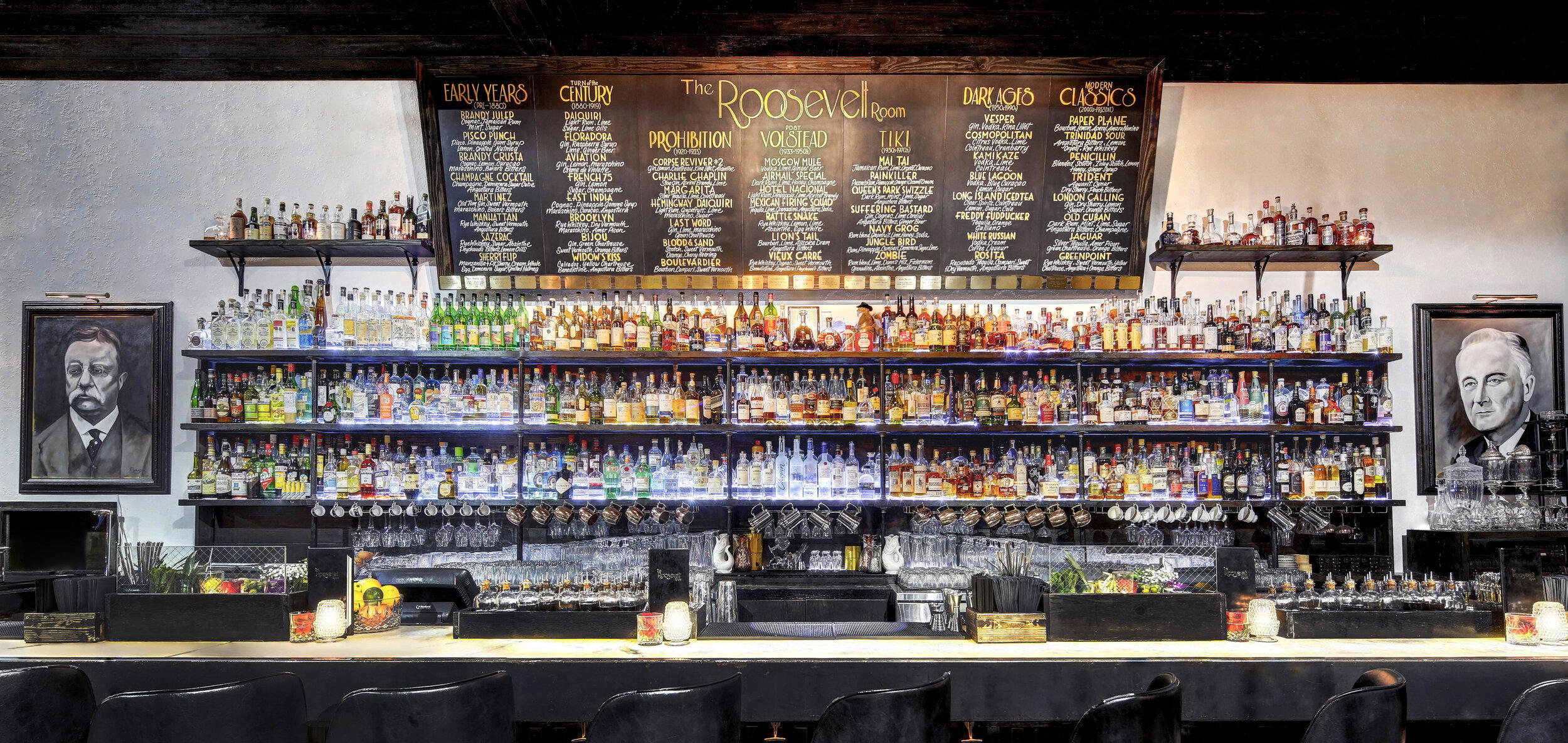
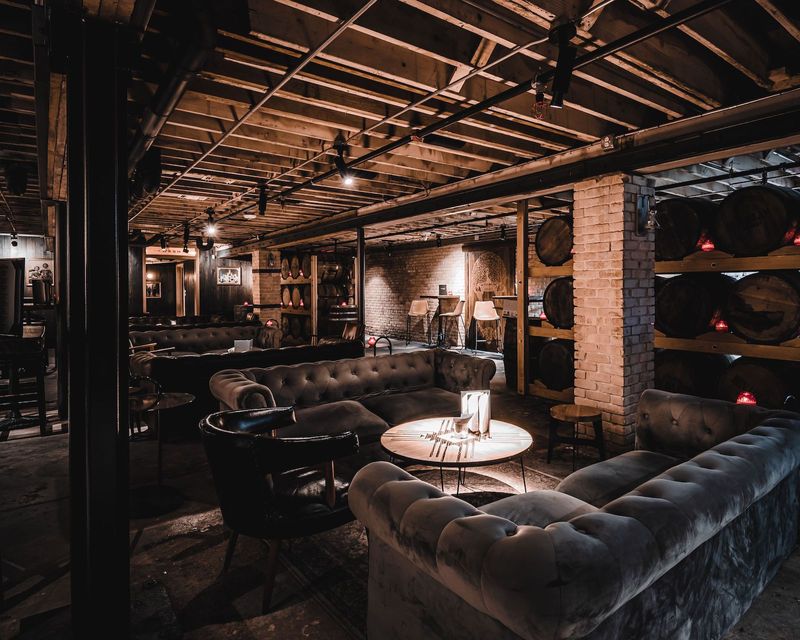
Hotels in Austin
Browse all →
At a Glance
- Elegant
- Sophisticated
- Intimate
- Modern
- Date Night
- Special Occasion
- Chefs Counter
- Open Kitchen
- Sake Program
Current opening hours
- Monday
- Closed
- Tuesday
- 6–9 PM
- Wednesday
- 6–9 PM
- Thursday
- 6–9 PM
- Friday
- 5–11 PM
- Saturday
- 5–11 PM
- Sunday
- Closed
Hours can change for holidays and private events. Last verified .
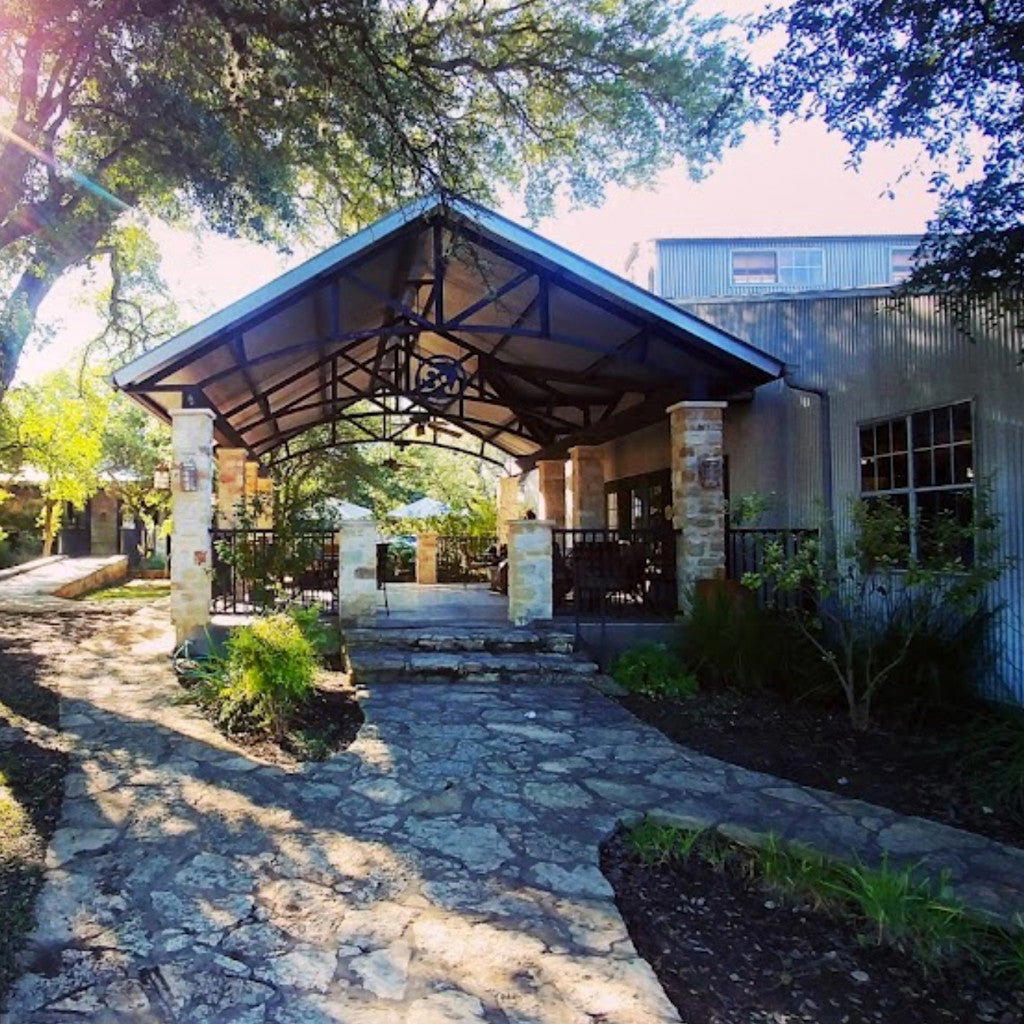
Kelly Wearstler-designed space with moderate noise, refined yet relaxed elegance, and an intimate atmosphere focused on the chefs' performance.
Know Before You Go
- Getting there
- 600 W 2nd St, Austin, TX 78701