Our verdict
La Vieille Tour occupies a medieval address in Noyers, one of the most carefully preserved bastide towns in Burgundy. Dining here connects the table to the surrounding Yonne countryside in ways that few village restaurants manage with comparable seriousness. It is the kind of place that rewards travellers who have already done Paris and are ready to eat closer to the source.

Pearl is the En Primeur Club membership app — saves, bookings, and concierge access live there. Same editors, same standards.
The menu
What to order
- Tarte au gingembre confit
- Oeufs en meurette
- Tête de veau
Stone Walls and Sourced Plates: Eating in Noyers
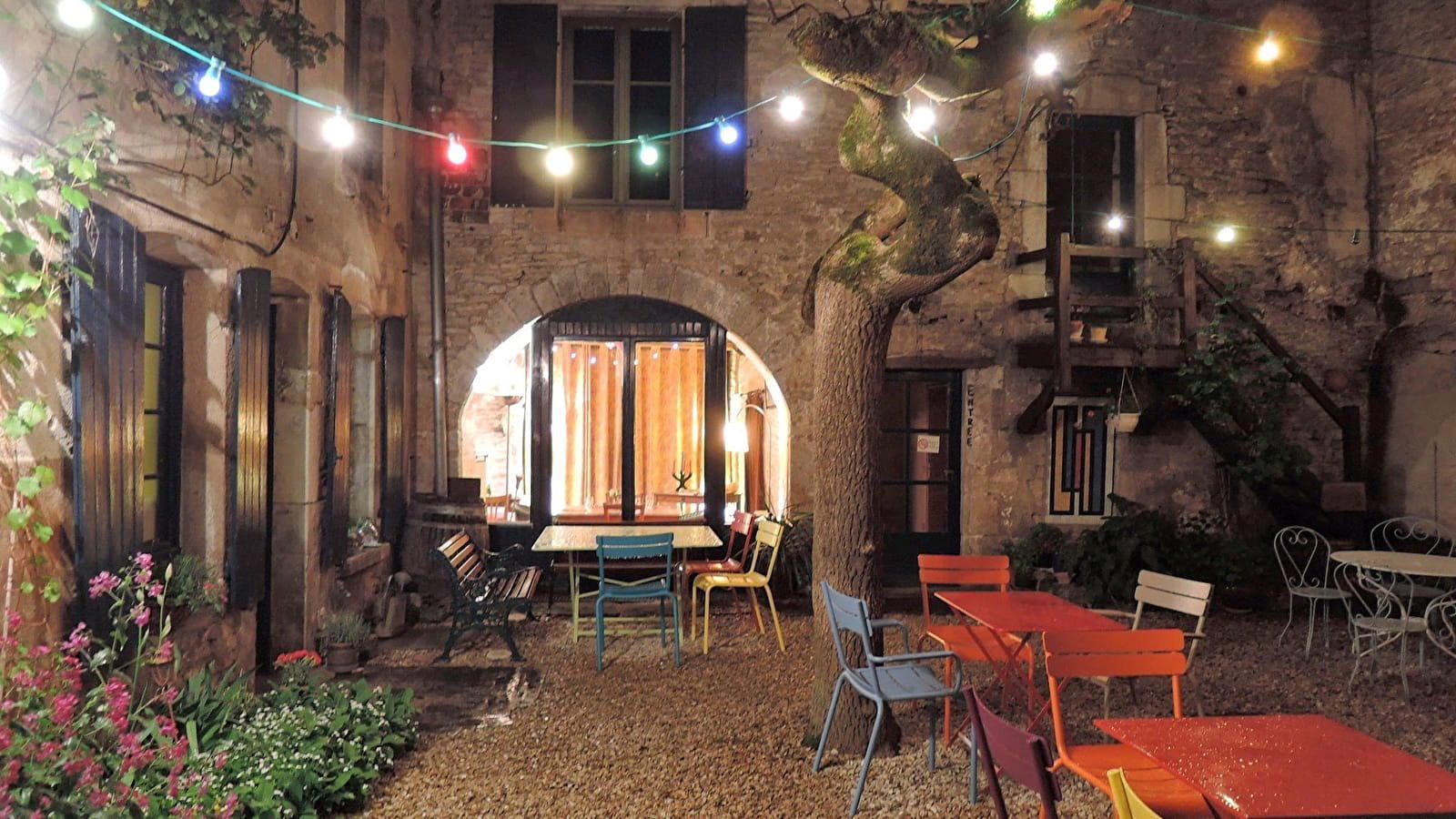
Noyers-sur-Serein sits in the Yonne department of Burgundy, about forty kilometres south of Auxerre, and it belongs to a specific category of French village that has resisted modernisation as though resisting it were a civic duty. The ramparts are largely intact. The half-timbered houses lean slightly into the narrow lanes. The Serein river bends around the town on three sides, and the overall effect is of a place that compressed itself into the fifteenth century and never fully expanded back out. Eating at La Vieille Tour, addressed at 1 Rue de la Porte Peinte, means eating inside that context rather than beside it. The building and the village read as the same sentence.
The address itself communicates something before any dish arrives. Rue de la Porte Peinte — the street of the painted gate — runs close to one of Noyers' medieval entry towers, and the surrounding stonework is the kind that keeps dining rooms cool in July and gives them a particular gravity regardless of the season. Village restaurants in France often struggle to distinguish themselves from the physical charm of their containers, letting the setting do the editorial work that the kitchen should. The more serious question at a place like La Vieille Tour is whether the sourcing and cooking are proportionate to the setting's weight. For the kind of traveller consulting our full Noyers restaurants guide, that question is always the one worth asking first.
What Yonne Sourcing Looks Like in Practice
Burgundy's culinary reputation is built overwhelmingly on the Côte d'Or corridor, on Dijon mustard, on the wines that run from Gevrey to Meursault, and on grand tables like those at Troisgros in Ouches or Auberge de l'Ill in Illhaeusern across the border in Alsace. The Yonne sits at Burgundy's northern edge, and its agricultural character differs from the wine-dominant south: more market gardens, more river produce, more of the quiet cereal and livestock farming that defines the Puisaye and Tonnerrois areas nearby. A restaurant committed to drawing from that base is working with a larder that is less celebrated but no less specific.
French village restaurants that take sourcing seriously tend to organise their identity around a short radius. The logic is that proximity reduces the abstraction between field and plate, that a cook who can name the farm on the Serein valley floor, or the market day in Avallon where the week's produce arrives, is making a different set of decisions than one who orders from a national distributor. This is the sourcing argument that kitchens in places like Bras in Laguiole and Auberge du Vieux Puits in Fontjoncouse have built entire reputations on, both in locations that required a similar commitment to geographical specificity over convenience.
At La Vieille Tour, the Yonne's particular produce profile, which includes Chaource-adjacent dairy from the nearby Aube border, river fish from streams feeding into the Serein and Armançon, and the full range of Burgundian charcuterie tradition, creates a sourcing context that is geographically coherent even where it lacks the glamour of the Côte d'Or. That coherence is a different kind of credential from a starred kitchen in a major city. It argues for a specific place rather than for universal ambition.
Village Restaurants and the Question of Scale
The broader French dining scene has split into recognisable tiers. At the leading end, three-Michelin-star operations like Alléno Paris au Pavillon Ledoyen or Mirazur in Menton operate with the budgets, brigade structures, and international audiences that come with that level of recognition. Regional two-star tables like Assiette Champenoise in Reims or Georges Blanc in Vonnas anchor their towns and become destinations in themselves. Village restaurants in Burgundy's quieter departments occupy a smaller, less scrutinised tier, one where the economics of a forty-seat room in a town of seven hundred people require a specific kind of discipline, and where the absence of a trophy cabinet can be either a liability or a liberating clarification of purpose.
La Vieille Tour operates in that smaller tier, in a village where the visitor count climbs sharply in July and August as French and European travellers rediscover the bastide towns of northern Burgundy, then drops to near-nothing in the colder months. Seasonality here is not a menu concept borrowed from Scandinavian fine dining; it is an operational reality. What grows, what travels, and what the local markets can supply in a given week are the parameters within which the kitchen works. That constraint, properly respected, produces cooking with a clearer logic than many urban restaurants claiming the same sourcing credentials at twice the price point.
For comparison: Christopher Coutanceau in La Rochelle built a multi-starred identity around direct Atlantic sourcing, and La Marine in Noirmoutier achieved similar recognition from a similarly remote position on the Atlantic coast. The pattern suggests that French gastronomy's most persuasive regional cases are made not in spite of geographic isolation but because of it. The Yonne has the ingredients for a comparable argument; La Vieille Tour's location in Noyers places it at the geographic centre of that potential.
Planning a Visit
Noyers is accessible by car from Auxerre in under an hour and from Paris in approximately two and a half hours via the A6 autoroute toward Nitry, then southeast on secondary roads. There is no rail connection to the village itself; the nearest stations are Tonnerre and Avallon, both requiring onward transport. Given the village's compact scale and the absence of substantial accommodation within Noyers proper, most visitors staying for dinner arrive from a base in the wider Yonne, Auxerre, Vézelay, or Chablis are the most practical options, each with a range of accommodation suited to an overnight itinerary. Dining in Noyers makes most sense as part of a broader Burgundy routing rather than as a standalone trip from Paris, and the surrounding area rewards a two- or three-day circuit that includes the Abbaye de Fontenay and the wine villages of the Tonnerrois. Contact details and current hours for La Vieille Tour are not available through EP Club at time of writing; travellers should confirm directly through local tourism resources before planning around a specific meal. For further context on how France's most seriously sourced village restaurants compare at the highest tier, the kitchens at Paul Bocuse in Collonges-au-Mont-d'Or, Flocons de Sel in Megève, AM par Alexandre Mazzia in Marseille, Au Crocodile in Strasbourg, L'Oustau de Baumanière in Les Baux, Le Bernardin in New York, and Atomix in New York each demonstrate, in their different geographies, what deep sourcing commitment looks like when it reaches full expression.
Frequently asked questions
Can I bring kids to La Vieille Tour?
Noyers is a small medieval bastide town in the Yonne department, and its restaurants tend toward unhurried, adult-paced meals. Younger children are likely to find the format and pace difficult. Families with older children who are comfortable at a deliberate table may find it workable, but this is not a venue built around a family-friendly format.
What's the vibe at La Vieille Tour?
Noyers sets the tone before you sit down: intact ramparts, narrow stone lanes, and a town centre that has changed little in centuries. La Vieille Tour, addressed on Rue de la Prte Peinte, sits within that fabric, and the atmosphere inside follows from it — quiet, unhurried, and rooted in the village rather than performing anything beyond it. Expect a room where the pace of the Yonne countryside is the point.
Is La Vieille Tour a good base point for exploring Burgundy's lesser-known Yonne wine villages?
Noyers sits roughly forty kilometres south of Auxerre, placing it within easy reach of the Chablis appellation to the northwest and the Tonnerrois to the northeast — two areas that rarely appear on standard Côte d'Or itineraries. A meal at La Vieille Tour on Rue de la Prte Peinte fits naturally into a route that treats the Yonne as a destination rather than a corridor to Dijon. Drivers from Paris via the A6 toward Nitry can reach Noyers in under two and a half hours.
What should I order at La Vieille Tour?
As a general orientation, Burgundy's Yonne department produces Chablis and Irancy wines alongside strong charcuterie and freshwater fish traditions — dishes drawing on those regional threads are a reasonable expectation. Confirm current offerings directly with the restaurant before visiting.
Where exactly is La Vieille Tour?
La Vieille Tour is located at 1 Rue de la Prte Peinte, 89310 Noyers, France, Noyers.
At-a-Glance Comparison
Comparable venues nearby, for context on price, style, and recognition.
| Venue | Cuisine | Price | Notes |
|---|---|---|---|
| La Vieille TourThis venue — the venue you are viewing | Traditional French Bistro | $30–50 | Not listed |
| Restaurant de l'Ecluse | Traditional French Burgundian | $20–30 | Chassignelles |
| Le Rocher | Traditional French Bistro with Regional Specialties | $30–50 | Troyes center |
| Le Bouchon | Traditional French Burgundian Bistro | $20–30 | Meursault |
| Au Petit Comptoir | French Bistronomique | $30–50 | Halles du Boulingrin |
| Le Gustalin | Traditional Jura Regional Bistro | $20–30 | Centre-ville (near covered market) |
Continue exploring
More in Noyers
Restaurants in Noyers
All restaurants in Noyers →
Bars in Noyers
Browse all →Hotels in Noyers
Browse all →
La Vieille Tour
The wine
- Wine program
- Curated wine list
- Extensive wine list
Details
- Rustic
- Cozy
- Romantic
- Classic
- Date Night
- Family
- Casual Hangout
- Terrace
- Historic Building
- Extensive Wine List
- Local Sourcing
- Street Scene
- A La Carte
- Vegetarian Friendly
Current opening hours
- Monday
- 12–2 PM, 7:15–8:45 PM
- Tuesday
- 12–2 PM, 7:15–8:45 PM
- Wednesday
- Closed
- Thursday
- Closed
- Friday
- 12–2 PM, 7:15–9 PM
- Saturday
- 12–2 PM, 7:15–9 PM
- Sunday
- 12–2 PM, 7:15–8:45 PM
Hours can change for holidays and private events. Last verified .
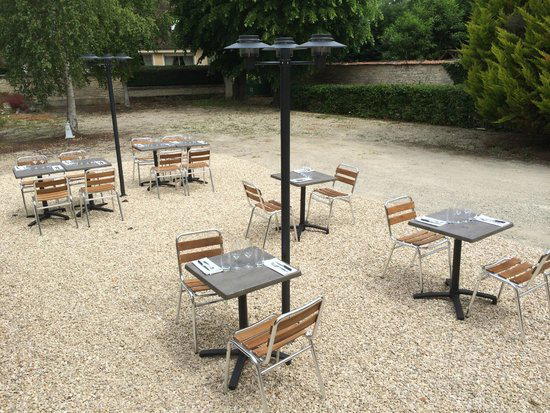
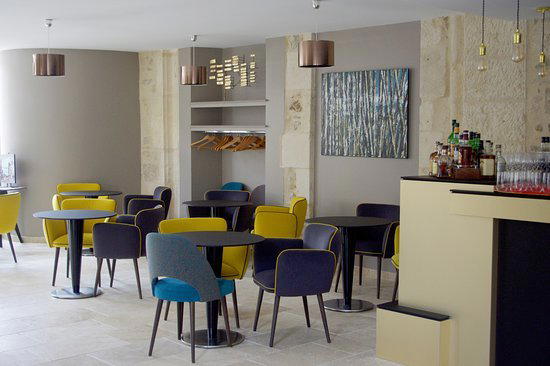
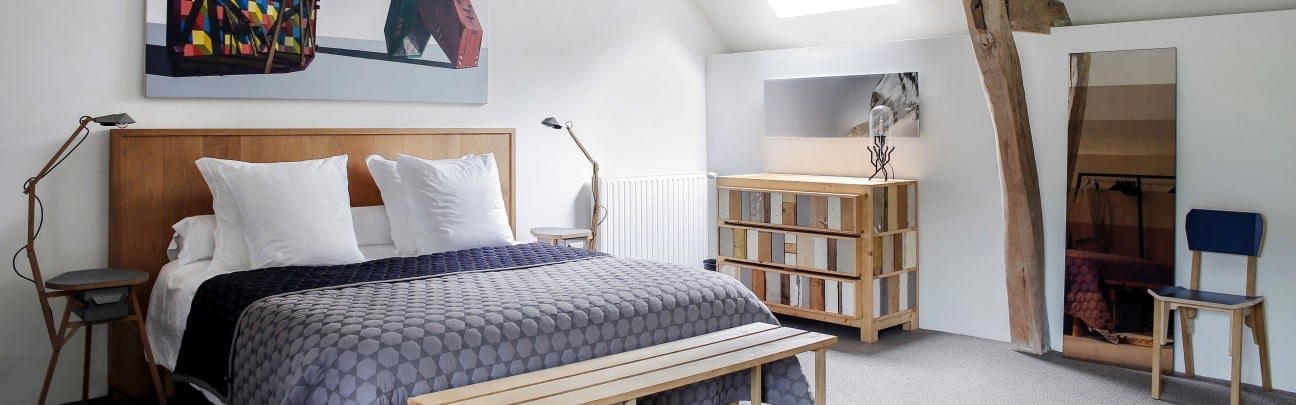
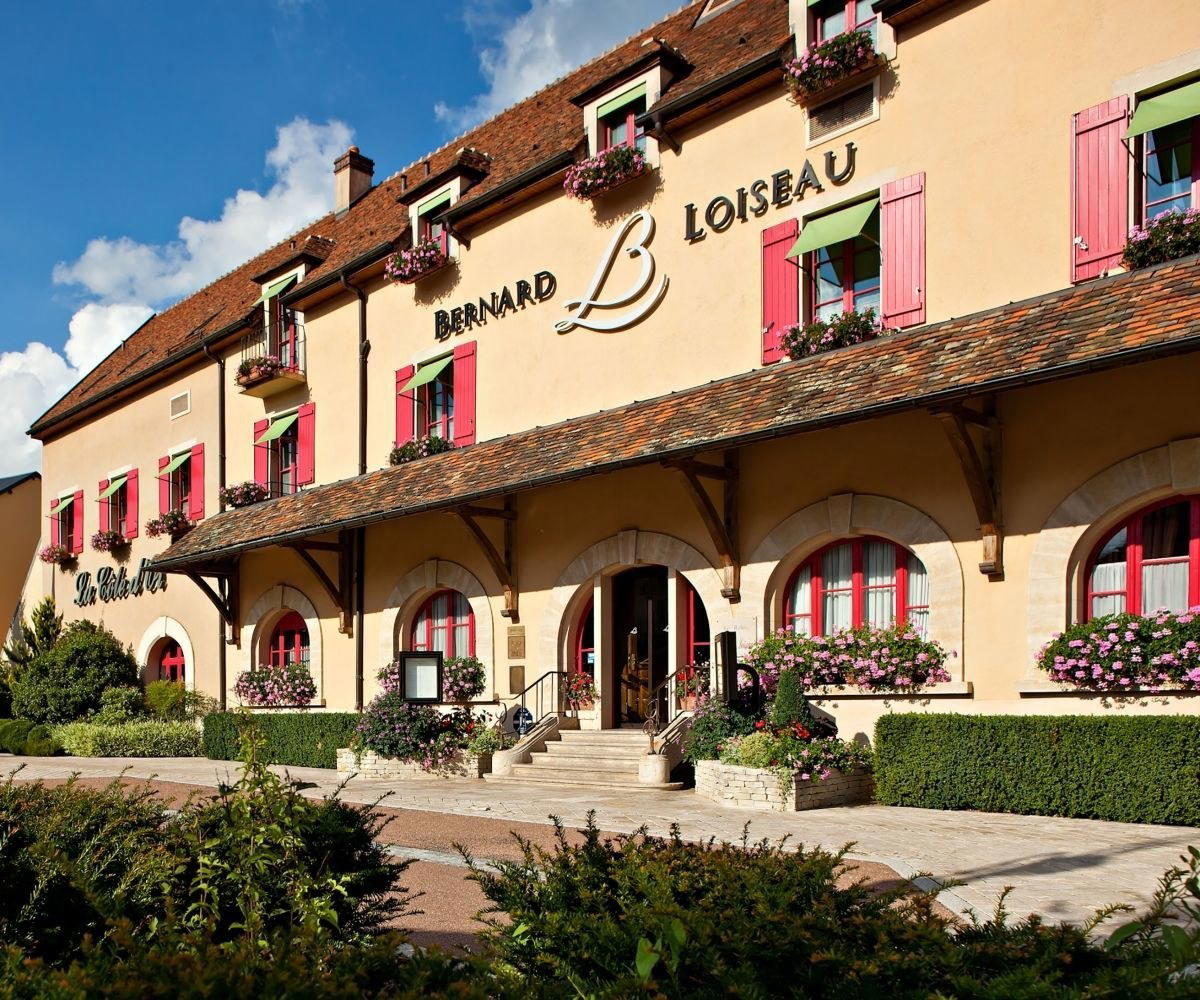
Apparent stones, vaulted ceilings, open hearth, and shaded terrace creating a charming, authentic medieval atmosphere.