Our verdict
Le Gustalin occupies a measured position in Dole's dining scene, at 1 Rue Antoine Brun in the historic heart of a city that sits at the crossroads of Burgundy and Franche-Comté. In a town where fine dining options are deliberate rather than abundant, it draws visitors looking for something considered and local rather than tourist-facing. Check the venue directly for current hours, pricing, and reservations.

Pearl is the En Primeur Club membership app, where members save venues, book tables and use the concierge.

The menu
What to order
- Mousseline of Jura trout with baby vegetables
- Market fish with asparagus duo and hollandaise
- Confit shoulder of pork with Champdivers lentils
- Hot soufflé with yellow wine and walnut ice cream
Dole's Dining Character and Where Le Gustalin Fits
Dole occupies an underappreciated position in the French provincial dining hierarchy. As the historical capital of Franche-Comté, it sits in a region defined by serious, product-driven cooking: Comté cheese aged for months in mountain caves, Morteau sausage, freshwater fish from the Doubs, and wines from the Jura just to the east. Yet Dole lacks the critical mass of a Dijon or a Lyon, which means its restaurant scene is compact and every address carries weight. Travellers who know eastern France's food traditions well tend to approach the town as a quieter complement to its louder neighbours rather than as a secondary option. Le Gustalin, at 1 Rue Antoine Brun, is positioned squarely within that context: a table in a city where deliberate, regional-rooted cooking has real cultural currency.
The broader regional tradition here draws from both Burgundian discipline and the more alpine, assertive flavours of Franche-Comté. That dual inheritance gives Dole's better kitchens a distinct identity. Where Burgundy favours elegance and reduction, Franche-Comté cooking tends toward depth, smoke, and preserved flavours. Restaurants that work the boundary between those two traditions occupy a particularly interesting space, one that is less reliant on imported luxury product and more engaged with what the land immediately around them produces. For context on how the wider Dole scene works, our full Dole restaurants guide maps the city's current options by format and price tier.
The Address and Its Setting
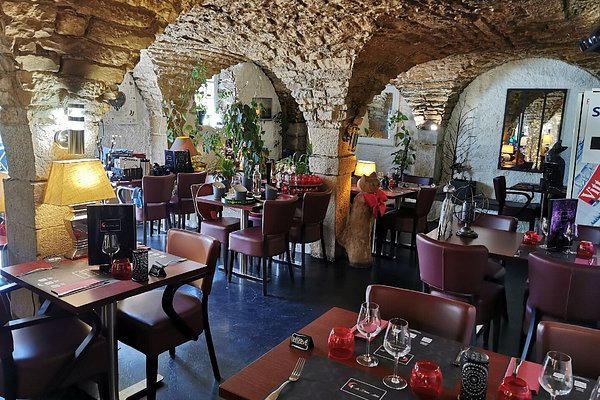
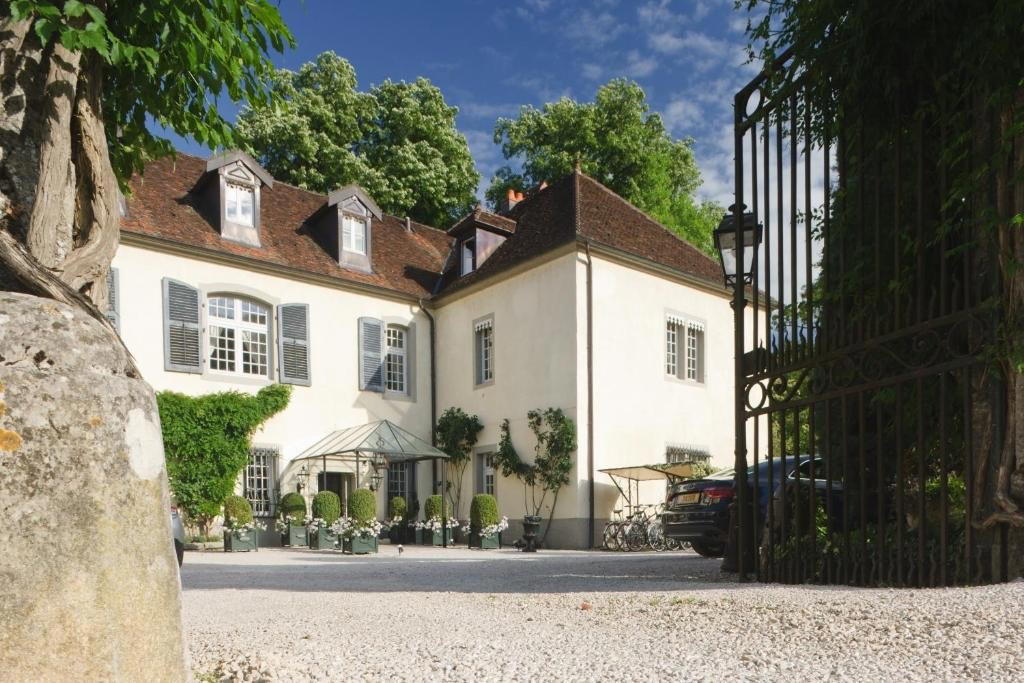
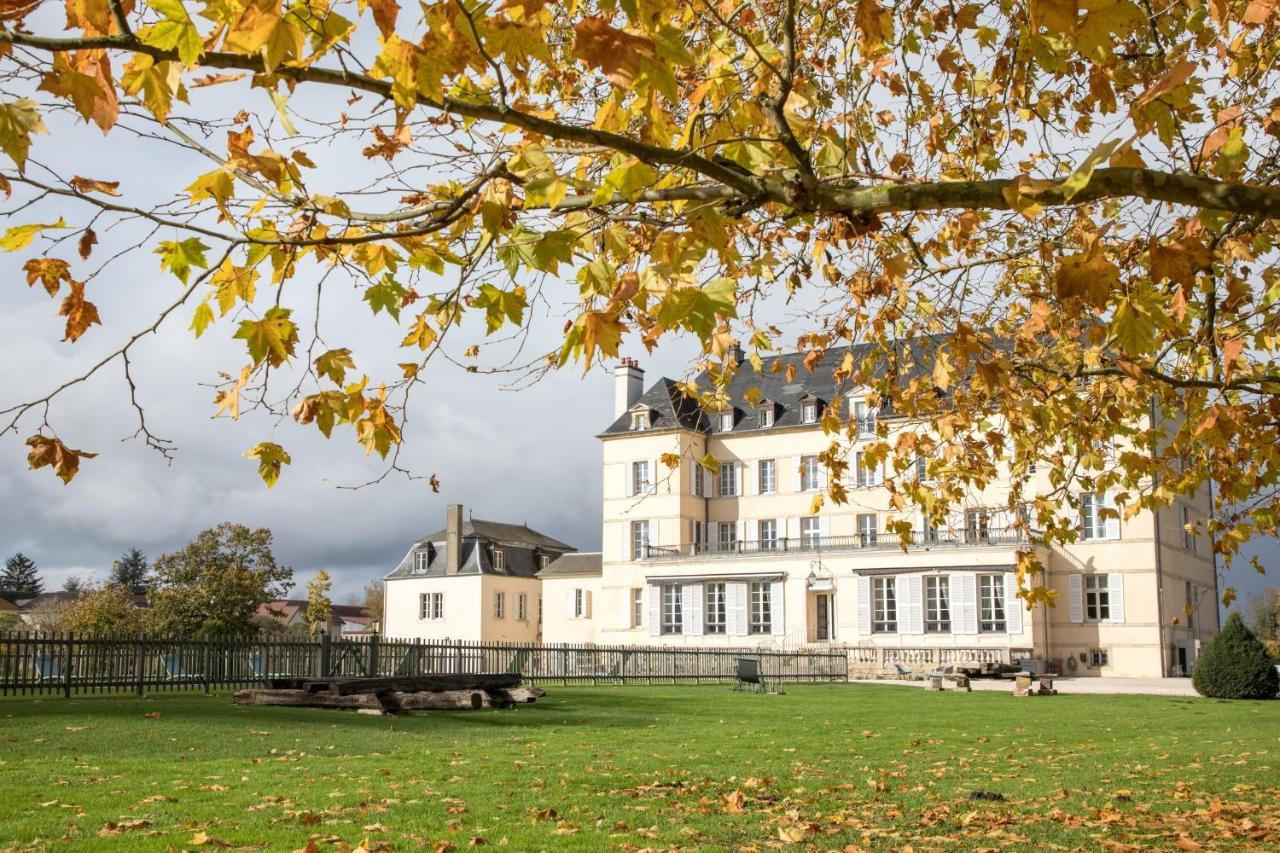
Rue Antoine Brun sits in Dole's older urban core, close to the collegiate church of Notre-Dame and the canal network that gave the city its medieval commercial importance. Arriving on foot through these streets, you pass stone facades and narrow passages that have changed little in their architectural bones for centuries. This is not the kind of neighbourhood where restaurants use the setting as a substitute for cooking; the physical context is simply the given condition of operating in a historic French provincial town. What it does mean is that the approach to a table here carries a different register from a purpose-built dining destination in a larger city. There is no valet line, no grand entrance sequence. The architecture does its own quiet work.
Regional Cooking Traditions and What They Demand
French provincial cooking at the level Le Gustalin appears to operate within places a premium on sourcing fidelity. In the Jura and Franche-Comté corridor, that means an expectation that the kitchen engages with local producers rather than relying on generic luxury supply chains. Vin Jaune from the Jura, for instance, is not an optional regional flourish; it is a foundational cooking ingredient in this tradition, used to finish sauces and pair with Comté in ways that have no real substitute. Similarly, the region's freshwater fish tradition, rooted in rivers like the Doubs and the Loue, gives serious local kitchens access to ingredients that larger metropolitan addresses cannot replicate without significant effort and cost.
The demand that regional French cooking places on its practitioners is worth understanding before you arrive. A table in this tradition is not primarily about technical virtuosity for its own sake. The measure of quality in places like Dole is more often whether the kitchen understands what it has access to and uses it with intelligence. Compared to something like Mirazur in Menton or Troisgros in Ouches, where kitchen ambition operates at a documented international scale, Dole's better tables are working a different register: smaller, more rooted, and measured by different criteria. That is not a lesser proposition; it is a different one, and one that suits a different kind of traveller.
Le Gustalin Relative to Other Dole Tables
Dole's restaurant options span a range that, while compact, covers distinct approaches. Grain de Sel works modern cuisine at the €€ tier, which places it in a different price conversation. La Chaumière operates at the €€€€ level with a creative format, representing the ceiling of the local market. Iida-Ya brings a Japanese perspective at the €€ level, which is an unusual presence for a city this size. La Bagatelle and La Romanée round out the local set. What the address and the broader context suggest is a table pitched at visitors who want something rooted in French provincial tradition rather than a more experimental or internationally inflected format.
For a sense of the range that serious French regional cooking spans nationally, it is useful to hold Dole's options alongside tables like Auberge de l'Ill in Illhaeusern, Au Crocodile in Strasbourg, or Assiette Champenoise in Reims. Those addresses operate at documented award levels and in larger cities. Le Gustalin is not in direct competition with that tier, but the culinary tradition it draws from is the same lineage: eastern and northeastern France's long-running investment in serious, produce-led cooking that does not require a metropolitan address to be worth travelling for.
Planning a Visit
For context on the wider French dining scene and what informs the kind of cooking found in towns like Dole, tables such as Bras in Laguiole, Flocons de Sel in Megève, and Paul Bocuse in Collonges-au-Mont-d'Or offer a useful frame for understanding French provincial cooking at its more documented upper registers. At the international scale, Alléno Paris au Pavillon Ledoyen, AM par Alexandre Mazzia in Marseille, Le Bernardin in New York, and Atomix in New York represent the kind of benchmark precision against which any serious table is ultimately measured. Dole is not competing at that scale, but the cooking tradition that feeds into it is part of the same broader conversation about what French and European fine dining means in the present moment.
Frequently asked questions
Is Le Gustalin suitable for children?
Dole's provincial restaurant culture generally accommodates families, and a table at 1 Rue Antoine Brun in the city's older urban core suggests a traditional French dining room rather than a high-tempo modern venue. French regional restaurants at this address tier typically offer flexibility for younger guests at lunch more than dinner.
Is Le Gustalin better for a quiet night or a lively one?
The address on Rue Antoine Brun, close to Dole's collegiate church and historic canal quarter, places Le Gustalin in a part of the city that runs at a measured pace rather than a late-night register. Provincial French tables in this kind of neighbourhood setting tend toward the convivial rather than the raucous. Expect conversation-level noise rather than a buzzing bar room.
How does Le Gustalin fit into the broader Dole and Jura dining scene?
Dole sits in the historical heart of Franche-Comté, a region whose culinary identity is shaped by the Jura's distinctive wine production, aged cheeses, and smoked meats. Le Gustalin's address on Rue Antoine Brun places it in the city's older core, where the most established local tables tend to operate. Among Dole's dining options, it occupies a position that points toward regional tradition rather than contemporary reworking.
What do regulars order at Le Gustalin?
What the Franche-Comté corridor reliably produces at restaurants operating in this tradition are preparations built around Comté cheese, Morteau sausage, and vin jaune from the nearby Jura appellations. Contacting the restaurant directly will confirm what's currently on the menu.
What part of town is Le Gustalin in?
Le Gustalin is located at 1 Rue Antoine Brun, 39100 Dole, France, Dole.
What's the best way to book Le Gustalin?
The most direct route is to visit the restaurant at 1 Rue Antoine Brun, 39100 Dole, or search for current contact information through Google Maps or the French restaurant directory LaFourchette. For a weekend table, booking at least a week ahead is standard practice at Dole restaurants of this standing.
What do critics highlight about Le Gustalin?
Within Dole's compact dining scene, restaurants that hold local attention typically do so through sourcing fidelity and consistency rather than theatrical format.
Cost and Credentials
Comparable venues nearby, for context on price, style, and recognition.
| Venue | Cuisine | Price | Awards | Notes |
|---|---|---|---|---|
| Le GustalinThis venue (the venue you are viewing) | Traditional Jura Regional Bistro | $20–30 | Not listed | Not listed |
| La Romanée | Traditional Regional French | $30–50 | Not listed | vieux Dole, Traditional Regional French |
| Iida-Ya | Gastronomic Japanese-French Fusion | $50–100 | Michelin Bib Gourmand | centre-ville, Gastronomic Japanese-French Fusion |
| La Bagatelle | Modern Bistronomic French | $30–50 | Michelin Plate | Dole, Modern Bistronomic French |
| Grain de Sel | Modern French Bistro | $30–50 | Michelin Bib Gourmand | Saint Ylie, Modern French Bistro |
| La Chaumière | Modern French Fine Dining | $150–200 | 1 Michelin Star · We're Smart World 3 Radishes | Dole, Modern French Fine Dining |
Continue exploring
More in Dole
Restaurants in Dole
All restaurants in Dole →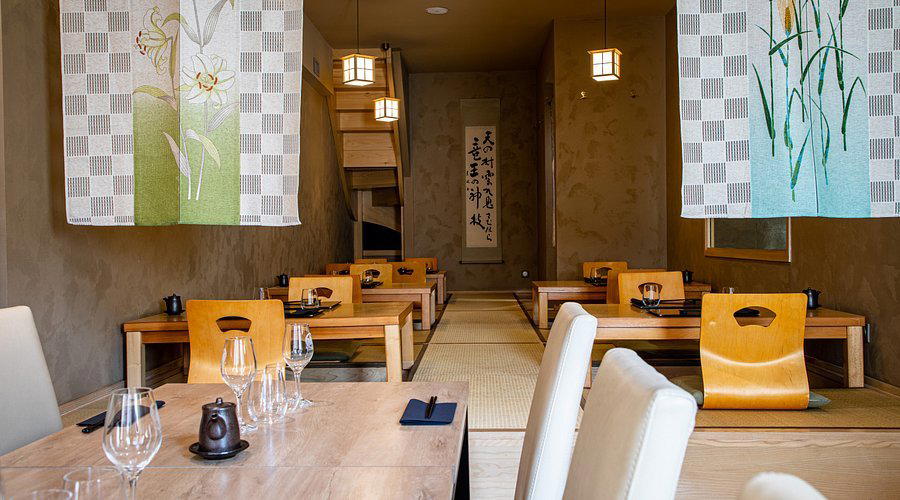

Details
- Cozy
- Classic
- Intimate
- Rustic
- Date Night
- Casual Hangout
- Family
- Terrace
- Historic Building
- Standalone
- Beer Program
- Local Sourcing
- A La Carte
- Prix Fixe
- Set Menu
- Regional Wine
- Yellow Wine
- Vegetarian Friendly
- Gluten Free Options
Current opening hours
- Monday
- 12–1:30 PM
- Tuesday
- 12–1:30 PM, 7–8:30 PM
- Wednesday
- 12–1:30 PM, 7–8:30 PM
- Thursday
- 12–1:30 PM, 7–8:30 PM
- Friday
- 12–1:30 PM, 7–9 PM
- Saturday
- 12–1:30 PM, 7–9 PM
- Sunday
- Closed
Hours can change for holidays and private events. Hours as of .
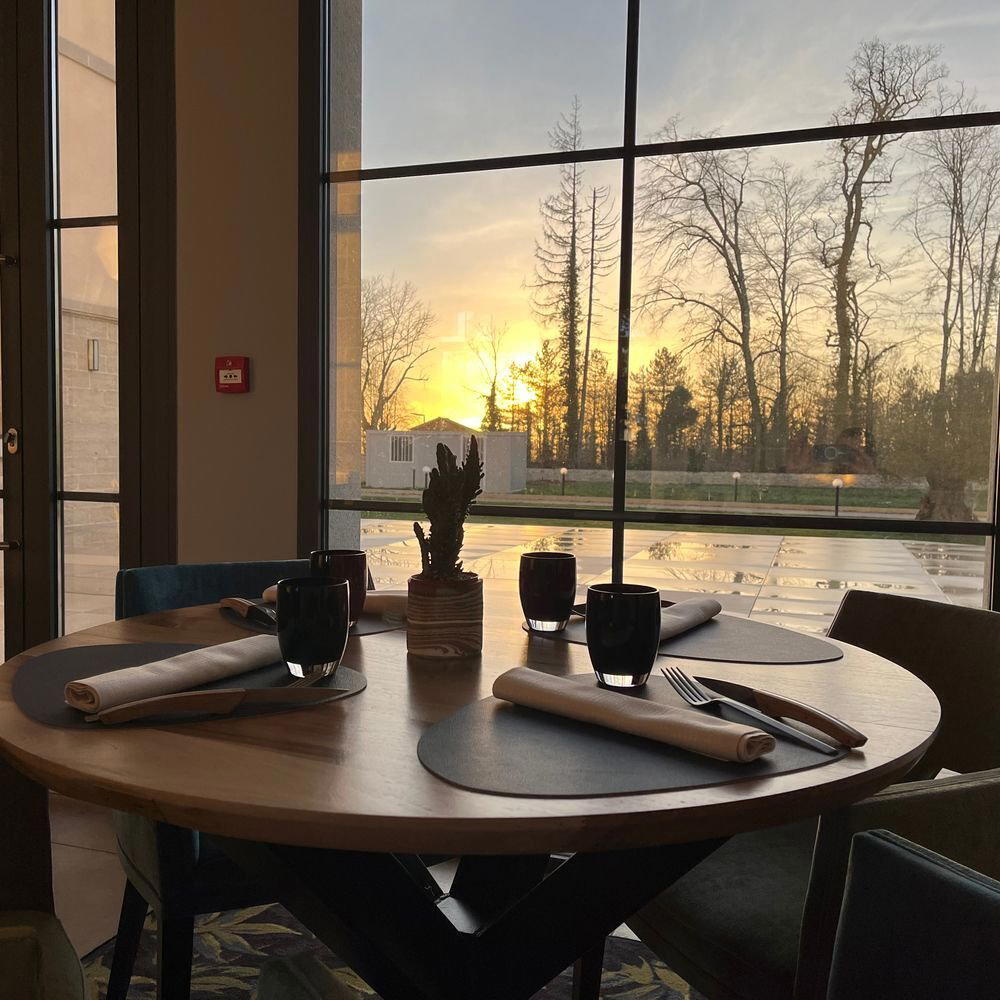
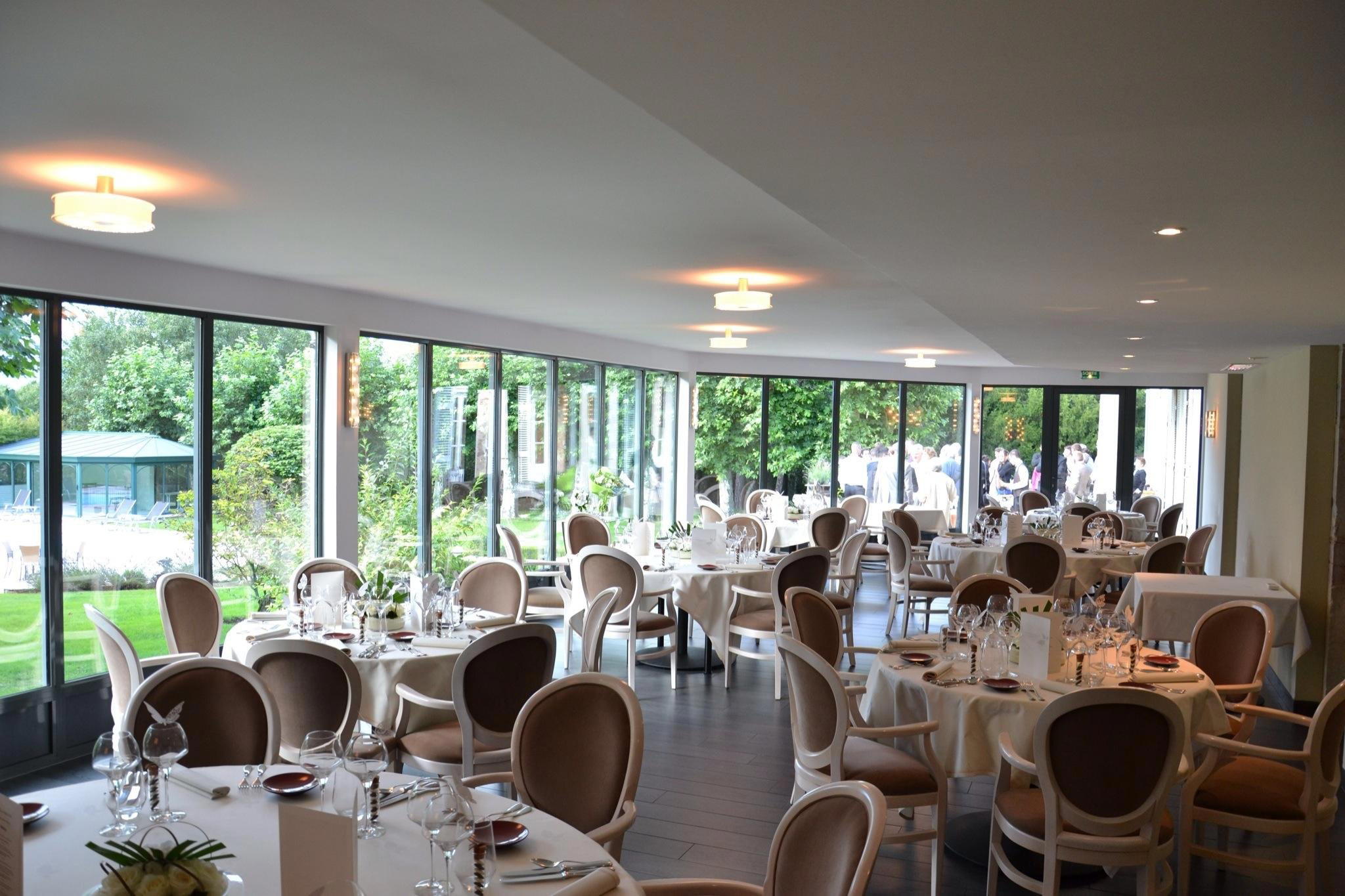
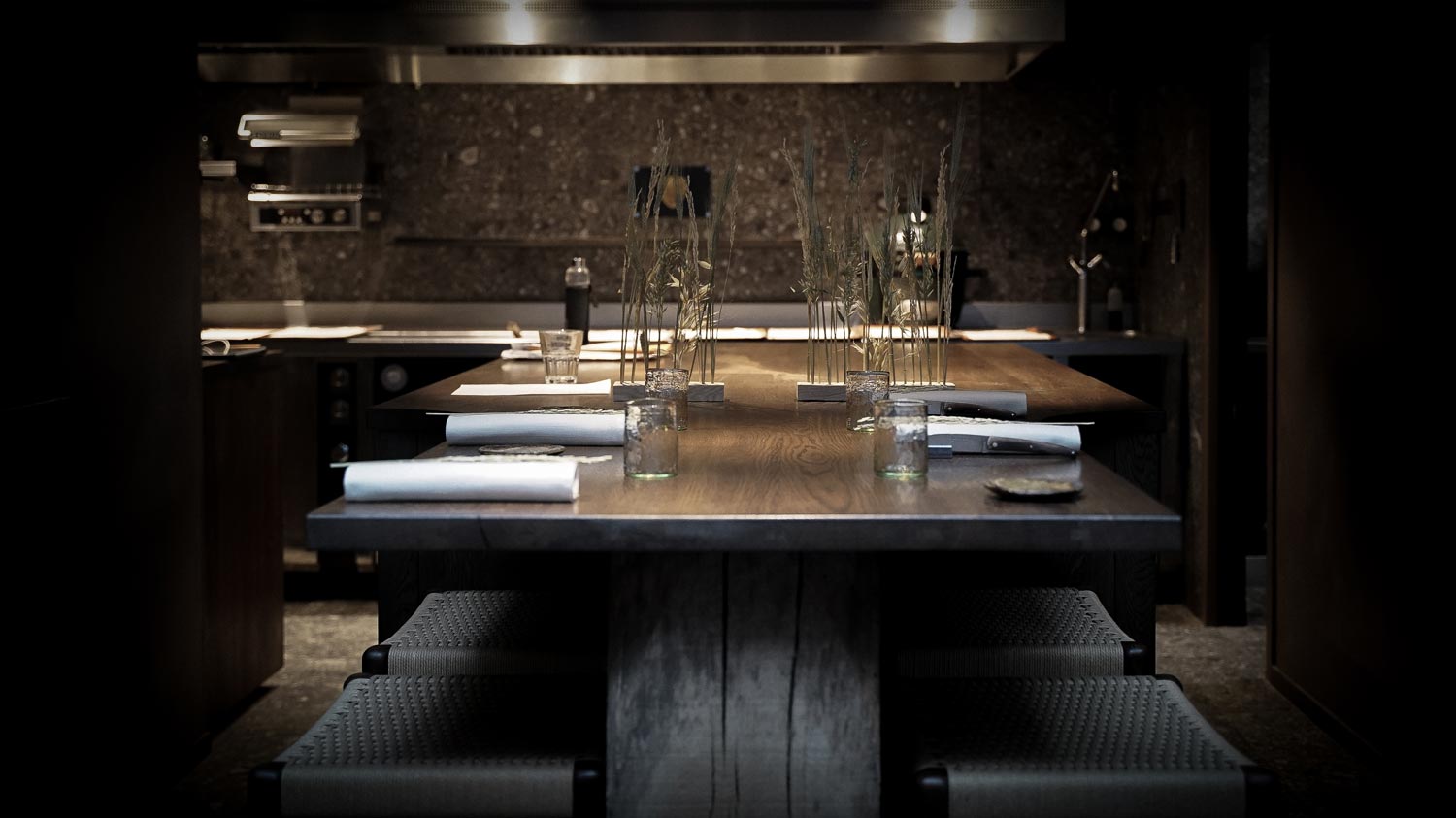
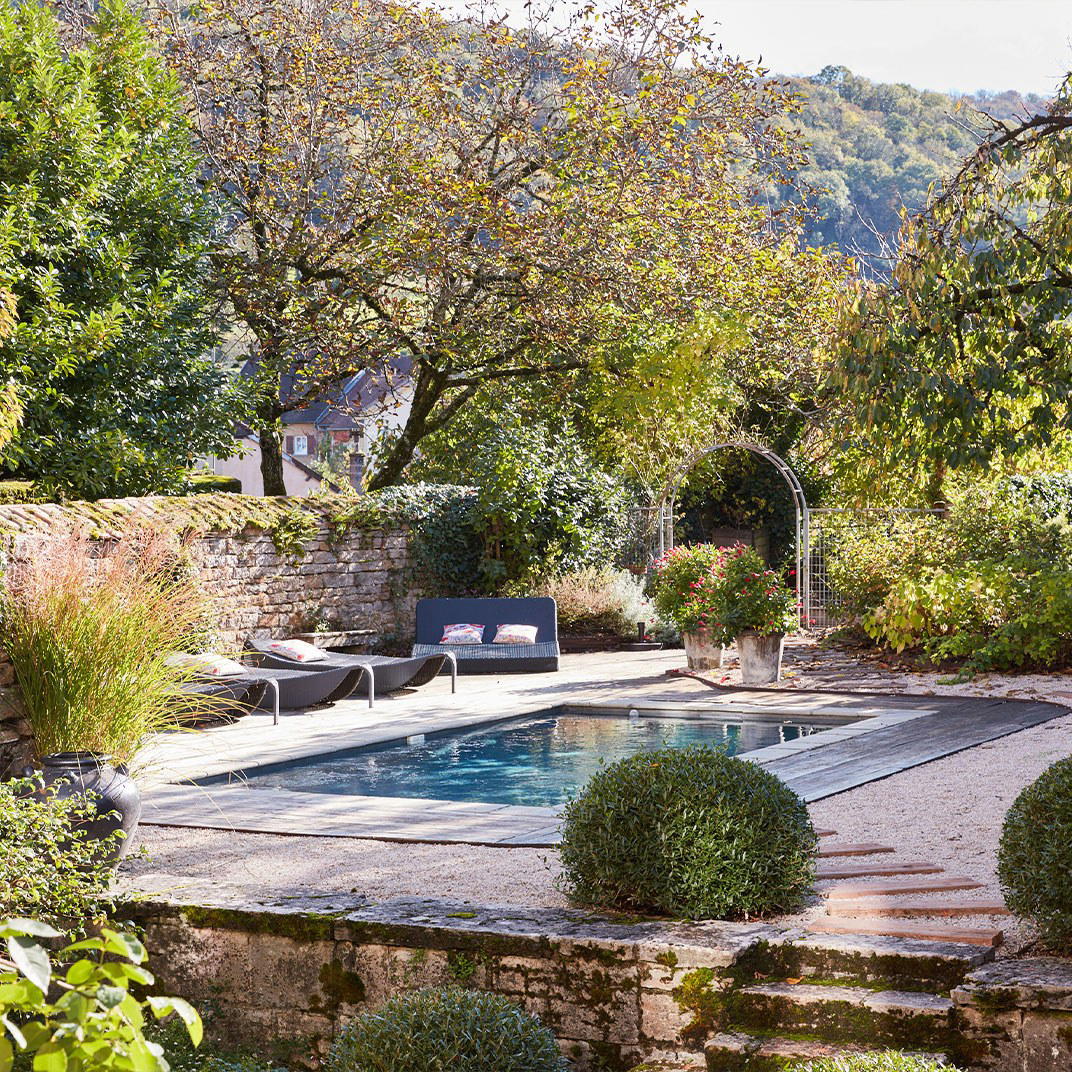
Warm, welcoming atmosphere in a cozy old building with old-world charm and elegant decor; intimate setting ideal for quiet lunches or romantic dinners.