Restaurant de l'Ecluse
On the Canal de Bourgogne in the village of Chassignelles, Restaurant de l'Ecluse occupies the kind of rural French setting where the sourcing story writes itself: waterway, farmland, and forest within close reach. It sits outside the circuits that draw destination diners to Burgundy's larger towns, making it a reference point for understanding how provincial French cooking operates at a remove from Michelin pressure.
Pearl is the En Primeur Club membership app — saves, bookings, and concierge access live there. Same editors, same standards.
- Address
- 2 Chem. de Ronde, 89160 Chassignelles, France
- Phone
- +33386751388
- Website
- logishotels.com
- Directions
- Get directions
 Saves & bookings on Pearl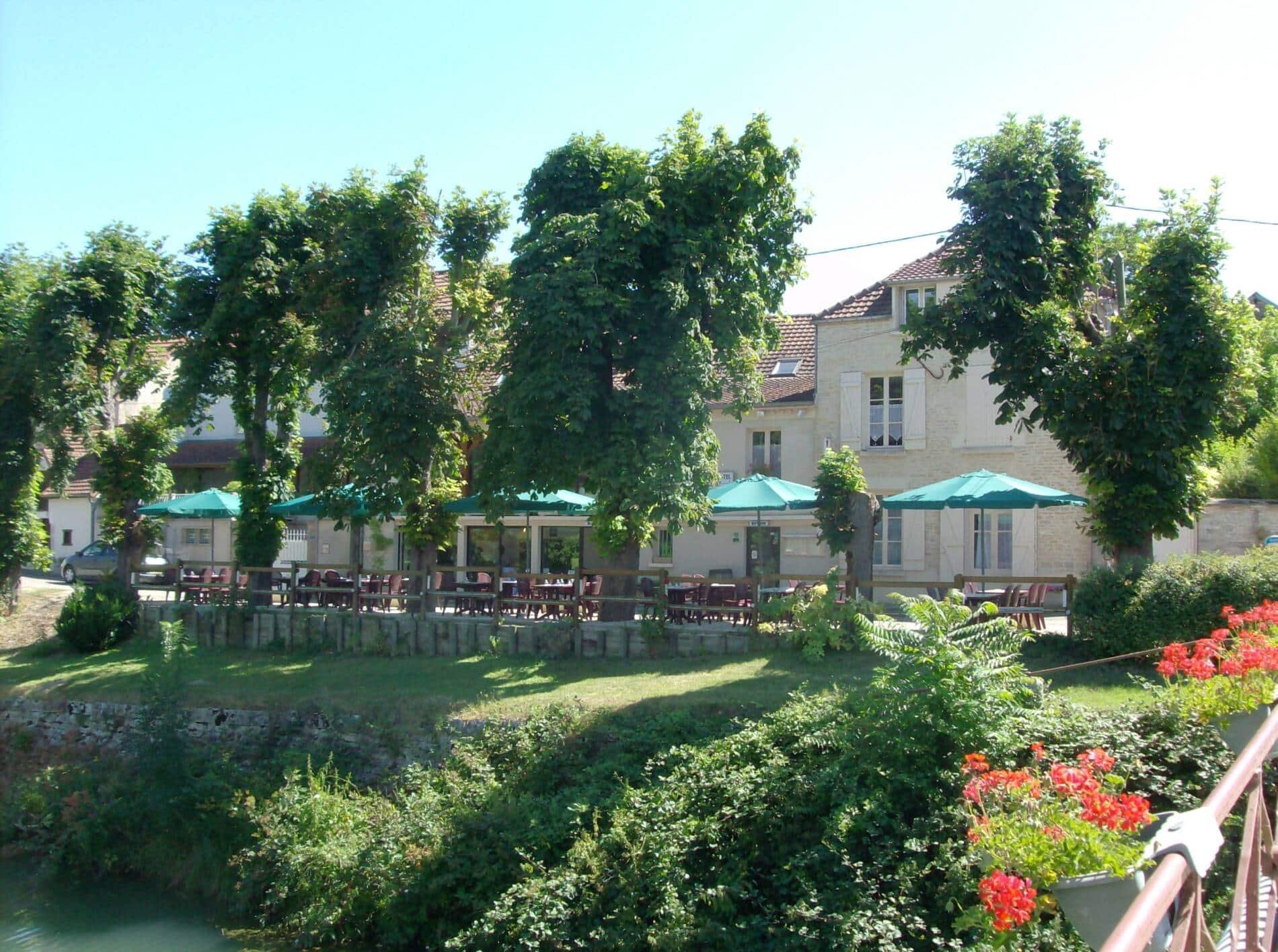
Water, Land, and the Logic of a Canal-Side Kitchen
The Canal de Bourgogne moves slowly through the Yonne department, cutting through agricultural land that has supplied French kitchens for centuries. At Chassignelles, a village of a few hundred residents where the canal locks punctuate an otherwise unhurried rhythm, Restaurant de l'Ecluse takes its name directly from its setting: écluse means lock in French, and the reference is geographical, not decorative. Approaching along the towpath, the waterway sets the register before you reach the door. This is provincial France operating on its own terms, far from the institutional pressure of Paris or the destination-dining circuits that cluster around Beaune and Dijon.
That distance from the major Burgundian nodes is worth understanding structurally. The high end of French regional cooking, represented by addresses like Troisgros in Ouches or Bras in Laguiole, has built its identity around a specific relationship between kitchen and territory: sourcing defined by proximity, menus that shift with what the surrounding land produces, and a philosophical commitment to place that has become a recognizable French fine-dining signature. Restaurant de l'Ecluse inhabits a quieter register of that same tradition. The canal-side position is not incidental. Kitchens in this part of Burgundy have historically drawn on river fish, riparian vegetables, and the dairy and grain agriculture of the Yonne valley. The setting implies a sourcing logic before a single dish arrives.
The Ingredient Geography of the Yonne
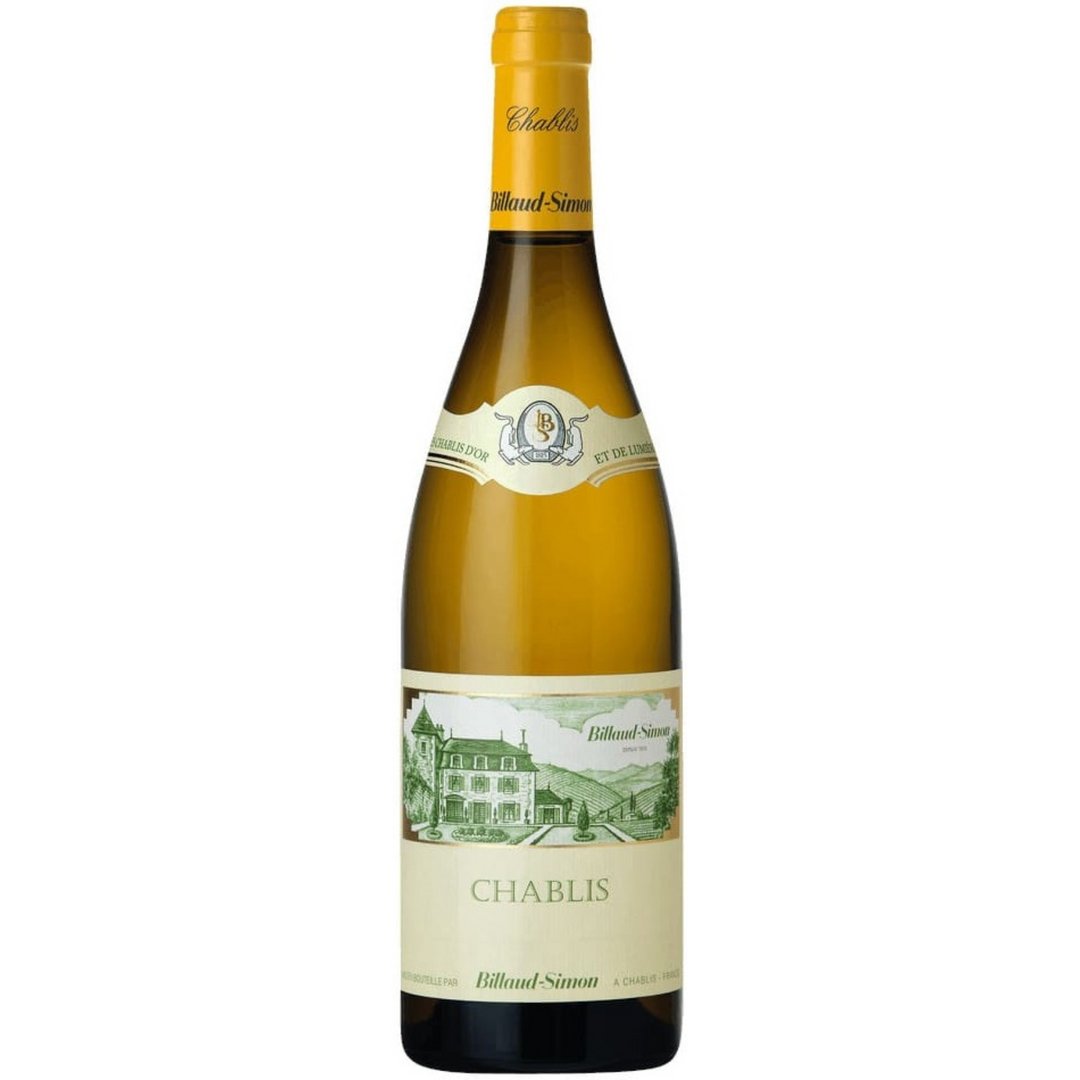
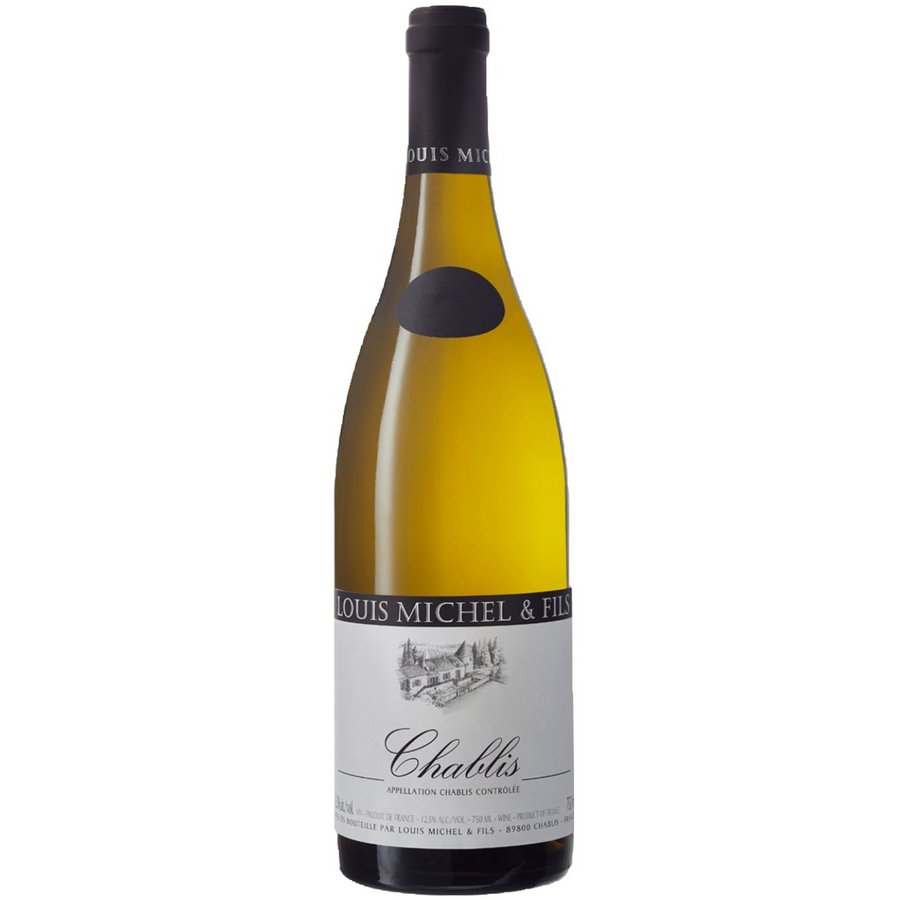
Burgundy's culinary identity is usually discussed through its wine, but the food geography of the Yonne department runs deeper than that framing suggests. The northern part of Burgundy, which includes Chassignelles and the surrounding Auxerrois, sits in a zone where market gardening, freshwater fishing, and livestock farming have long defined what local kitchens work with. Chablis, the white wine capital of the region, is close enough to orient the palate toward the kind of mineral, acid-forward wines that work with river fish and cream-based preparations. The broader Burgundian canon, chaource cheese from the Aube border, Époisses from further south, Charolais beef from the Saône corridor, represents a larder that canal-side restaurants in this corridor have drawn on for generations.
This ingredient geography matters because it explains what distinguishes the cooking tradition here from the more internationally legible formats of destination restaurants. At Mirazur in Menton or AM par Alexandre Mazzia in Marseille, the sourcing story is told through a high-production lens, with formal tasting menus and teams of cooks translating terroir into technique. In smaller provincial settings like Chassignelles, the same sourcing logic operates without the apparatus, and the result is a more direct relationship between what the region produces and what appears on the plate. For the reader who has covered the major French regional addresses, from Auberge de l'Ill in Illhaeusern to Georges Blanc in Vonnas, the interest in a place like l'Ecluse lies precisely in that absence of apparatus.
How Canal-Side Dining Works in Rural Burgundy
The practical reality of eating in a village like Chassignelles is that the rhythms differ from urban restaurant culture. Rural French restaurants in this category typically operate on seasonal hours, close on certain weekday services, and assume a clientele that has made a specific journey rather than wandering in from a nearby hotel district. Booking ahead is the correct assumption for any weekend visit, and confirming closer to the date is advisable given that smaller provincial kitchens adjust service schedules around local demand and seasonal patterns. Chassignelles is accessible by car from Auxerre, roughly 35 kilometres to the northwest, and from Montbard, which sits on the main TGV line between Paris and Dijon and is the closest rail connection for visitors arriving without a vehicle.
The village sits on the canal at a point where cycling tourism, driven by the well-established towpath routes along the Canal de Bourgogne, brings visitors who may not otherwise encounter a restaurant at this postcode. That overlap between cycling culture and canal-side dining has become a feature of the Yonne's rural hospitality economy, and it shapes the clientele mix in ways that distinguish these addresses from the strictly destination-dining crowd. For context on how French regional addresses at a higher price point handle similar location challenges, the approach taken by Auberge du Vieux Puits in Fontjoncouse, a three-Michelin-star address in an equally remote village, is instructive: the cooking justifies the detour independently of the setting, and the setting reinforces rather than substitutes for the quality of what is served.
Reading l'Ecluse in the Broader French Provincial Map
France's provincial restaurant culture occupies a wide spectrum, from the institutionally recognized addresses with decades of Michelin history to the working local tables that serve a community without any formal recognition. Restaurant de l'Ecluse sits in the middle range of that spectrum, in a category that French food culture has traditionally valued: the restaurant de terroir with a clear geographical identity and a format that serves the region rather than marketing itself to international destination diners. This category is under pressure across France as the economics of small-village hospitality tighten, which is part of what makes addresses like this worth attention in the editorial record.
For readers who have covered France's higher-profile regional addresses, including Assiette Champenoise in Reims, L'Oustau de Baumanière in Les Baux, or Au Crocodile in Strasbourg, l'Ecluse represents a different proposition: not a destination in the formal sense, but a locator for the kind of French regional cooking that the destination circuit references but rarely replicates. The canal-side format, the Yonne ingredient geography, and the village scale all point toward a type of French hospitality that is easier to describe in terms of what it is not than what it is. It is not producing the technically driven tasting menus of Alléno Paris au Pavillon Ledoyen or the coastal precision of Christopher Coutanceau in La Rochelle. It is working from a different set of premises, and that difference is the point.
See our full Chassignelles restaurants guide for additional context on dining in the village and surrounding Yonne corridor.
How Restaurant de l'Ecluse Chassignelles compares with similar nearby venues.
| Venue | Cuisine | Price |
|---|---|---|
| Chablis Wine Not | Meats and Grills | €€ |
| Au Fil du Zinc | Modern Cuisine | €€€ |
Continue exploring
More in Chassignelles
Restaurants in Chassignelles
Browse all →
Bars in Chassignelles
Browse all →Hotels in Chassignelles
Browse all →
At a Glance
- Cozy
- Rustic
- Scenic
- Casual Hangout
- Family
- Waterfront
- Terrace
- Historic Building
- Local Sourcing
- Waterfront
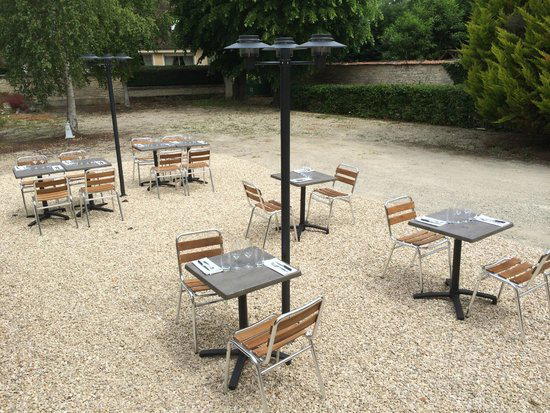
Joyful and good-humored atmosphere with live music in summer evenings, quiet and silent indoors, scenic canal views from the terrace and veranda.
Know Before You Go
- Getting there
- 2 Chem. de Ronde, 89160 Chassignelles, France