
Le Bourgogne brings a produce-led sensibility to Auxerre's mid-range dining scene, pairing seasonal vegetables and fruit with well-sourced proteins in a setting that includes terrace seating. Dishes like monkfish with green cabbage and vitelotte potatoes signal a kitchen that thinks in colour and texture as much as flavour. It sits comfortably within the cluster of modern-leaning restaurants defining the city's current dining character.
Pearl is the En Primeur Club membership app — saves, bookings, and concierge access live there. Same editors, same standards.
- Address
- 15 Rue de Preuilly, 89000 Auxerre, France
- Phone
- +33 3 86 51 57 50
- Website
- lebourgogne.fr
- Directions
- Get directions
 Saves & bookings on Pearl
Where Burgundy's Produce Does the Talking
Auxerre occupies an odd position in the French dining imagination. It sits at the northern edge of Burgundy, close enough to Chablis to take the region's agricultural seriousness for granted, yet rarely discussed in the same breath as the grand-table towns further south. That quiet position has allowed a cohort of mid-range restaurants to develop without the pressure of destination-dining expectations, and Le Bourgogne, on Rue de Preuilly, belongs to that cohort. The address is central, the format approachable, and the kitchen's evident focus on fresh produce and seasonal pairings places it squarely within the tradition of honest Burgundian cooking that respects what the land offers rather than trying to override it.
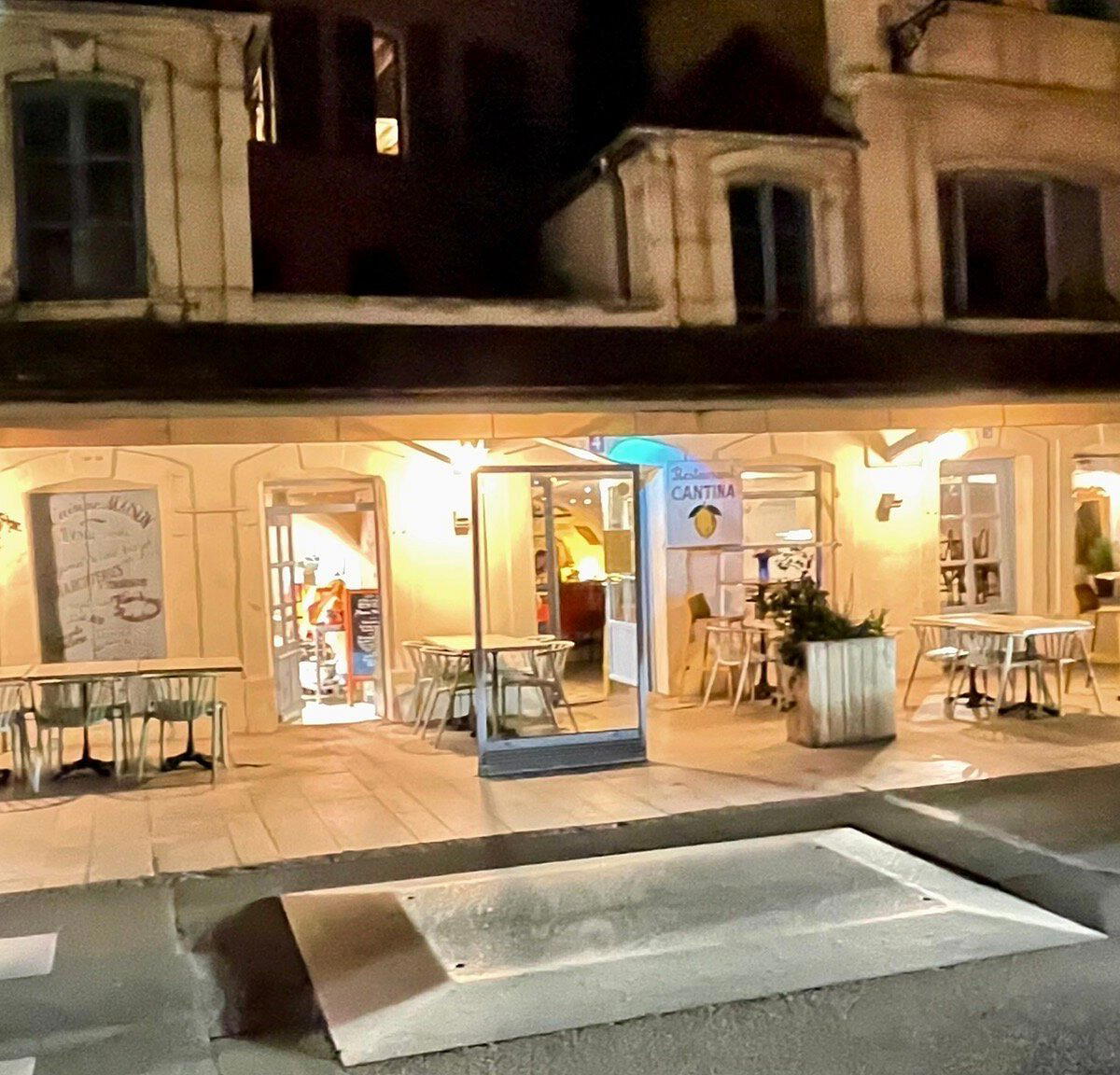
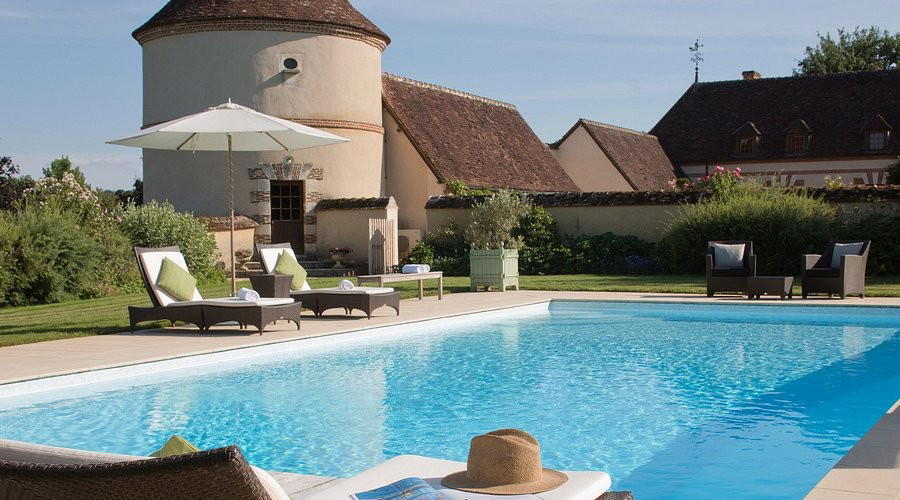
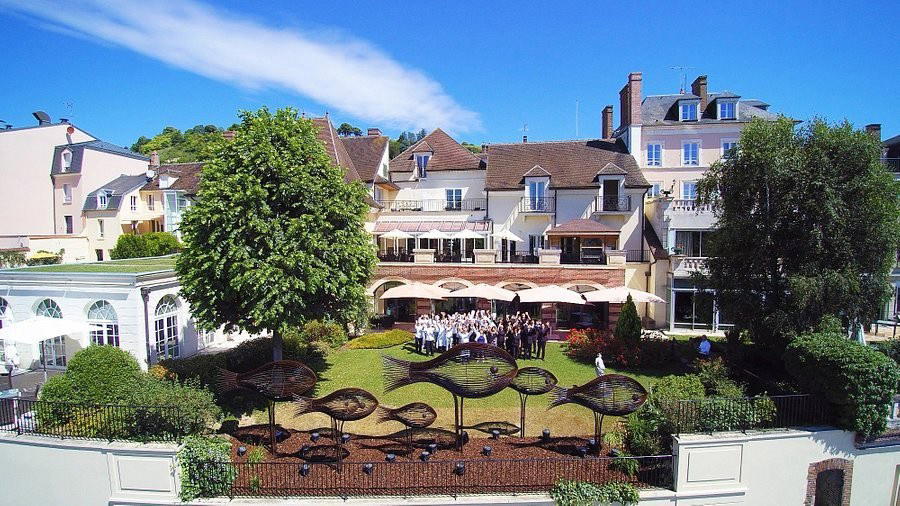
Approaching on a warm afternoon, the terrace asserts itself before the interior does. Outdoor seating in a provincial French town like Auxerre carries its own specific atmosphere: the pace is slower than Paris, the tables are not performatively minimalist, and the conversation at neighbouring tables tends to be about local matters rather than the restaurant itself. That ordinariness is not a flaw. It is evidence that Le Bourgogne functions as a genuine neighbourhood restaurant rather than a stage set for visiting food tourists.
Produce as the Kitchen's Primary Argument
Burgundy's agricultural character runs deeper than its wine. The region's kitchens have long worked with a larder that includes some of France's most carefully grown root vegetables, brassicas, and orchard fruits, and the cooking at Le Bourgogne reflects that inheritance. The awards notation on record describes dishes that "generously associate fruit and vegetables" alongside proteins, which signals a kitchen philosophy centred on abundance and balance rather than minimalism.
That framing matters in the current French dining context. At the top end of the market, places like Mirazur in Menton or Bras in Laguiole have spent years arguing for the vegetable as a primary subject rather than a supporting actor. What distinguishes mid-range Burgundian cooking from those destination formats is that the vegetable-forward approach here is rooted in regional habit and seasonal availability rather than in a declared culinary doctrine. The produce arrives because it is there and good, not because it is making a statement.
Green cabbage and vitelotte potatoes, the latter a heritage variety with a deep purple flesh and a nutty, earthy taste, paired alongside a firm-textured white fish: the combination works because each element is handled with attention to its natural character. Vitelotte potatoes appear in traditional Burgundian cooking precisely because their density and colour hold up against other strong ingredients. Using them alongside monkfish and cabbage is less an act of creativity than an act of knowledge, which is often the more dependable foundation for a satisfying plate.
The beef and vegetable tatin combination noted in the same record points in a similar direction. A tatin format applied to vegetables introduces sweetness and caramelisation that softens what could otherwise be a direct meat course. That kind of attentiveness to how vegetables transform under heat, and how that transformation can rebalance an entire dish, characterises cooking that takes its ingredient sourcing seriously. You cannot produce a good vegetable tatin without starting with vegetables worth eating.
Le Bourgogne in Auxerre's Dining Scene
Auxerre's restaurant scene has developed a recognisable modern tier, with several kitchens working in a contemporary French register at the €€ price point. L'Aspérule and Le Noyo both operate in modern cuisine at comparable pricing, while Le Sarment offers another point of reference in the same category. Cantinallegra and Le Cercle extend the options further. Together these addresses suggest a town that has invested in its mid-range without attempting to compete on the destination-fine-dining terms that apply to the bigger names elsewhere in France.
Where some of the city's other modern kitchens emphasise technique or format, the cooking here is most legible through what it sources and how generously it treats those ingredients. That makes it a natural recommendation for visitors who have come to Auxerre with the regional larder in mind, whether they have spent the morning in a Chablis vineyard or arrived via the Canal du Nivernais with an appetite for something rooted in local habit.
For readers planning a wider tour of Burgundian food and wine culture, the full Auxerre restaurants guide maps the broader options. Accommodation options are covered in the Auxerre hotels guide, and for those who want to extend the evening, the bars guide and wineries guide offer further reference points. The experiences guide covers cultural and activity options in the area.
Planning Your Visit
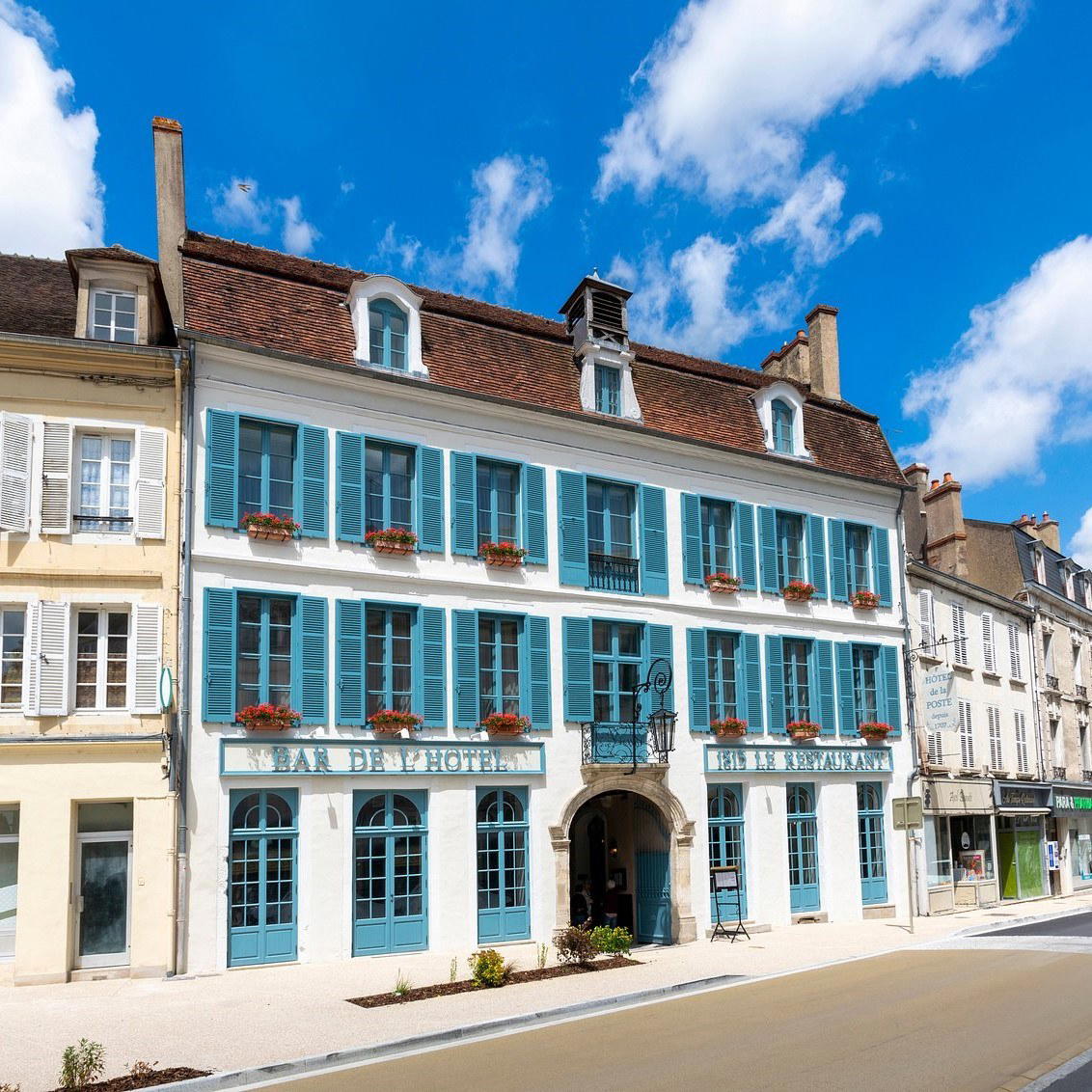
Le Bourgogne is located at 15 Rue de Preuilly in central Auxerre, within walking distance of the old town and the cathedral quarter. The terrace makes it a natural choice during the warmer months, when Auxerre's streets take on the unhurried pace typical of smaller Burgundian towns in summer.
The price positioning places it firmly in the accessible range for the region, where a well-constructed seasonal menu does not require the advance planning or expenditure that destination addresses like Alléno Paris au Pavillon Ledoyen, Flocons de Sel in Megève, or Troisgros in Ouches demand. For visitors comparing French regional cooking at different scales, the contrast between Le Bourgogne's direct seasonal format and the elaborate tasting architectures of Auberge de l'Ill in Illhaeusern is instructive in itself. Both traditions belong to French cooking; they simply make different arguments about how much intervention the ingredient requires.
How Le Bourgogne Auxerre compares with similar nearby venues.
| Venue | Cuisine | Price | Awards |
|---|---|---|---|
| Le Bourgogne | Not listed | Not listed | We're Smart World 2025, 2 Radishes |
| Le Sarment | Modern Cuisine | €€ | Not listed |
Recognition history
Dated appearances from independent guides and award organizations, with the underlying list record or original source where available.
We're Smart World 2 Radishes
We're Smart World
Continue exploring
More in Auxerre
Restaurants in Auxerre
Browse all →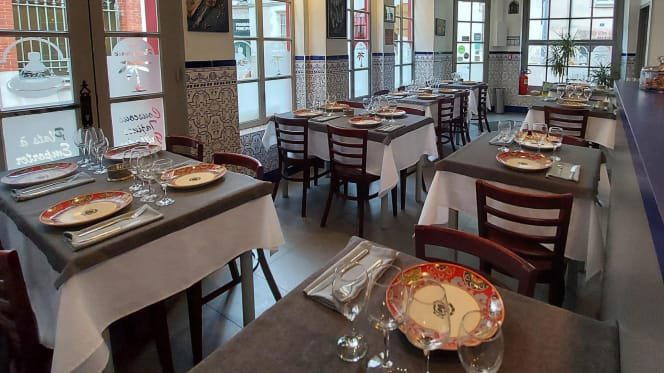
Bars in Auxerre
Browse all →
Hotels in Auxerre
Browse all →

At a Glance
- Elegant
- Cozy
- Sophisticated
- Date Night
- Business Dinner
- Special Occasion
- Terrace
- Private Dining
- Extensive Wine List
- Local Sourcing
Current opening hours
- Monday
- Closed
- Tuesday
- 12–1:30 PM, 7–9 PM
- Wednesday
- 12–1:30 PM, 7–9 PM
- Thursday
- 12–1:30 PM, 7–9 PM
- Friday
- 12–1:30 PM, 7–9 PM
- Saturday
- 12–1:30 PM, 7–9 PM
- Sunday
- Closed
Hours can change for holidays and private events. Last verified .
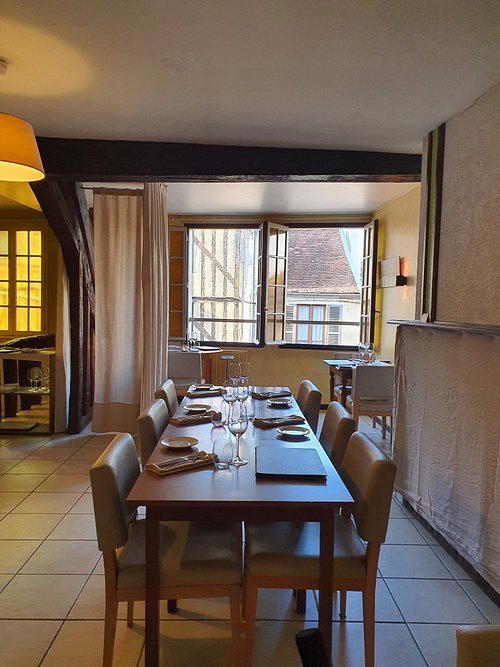
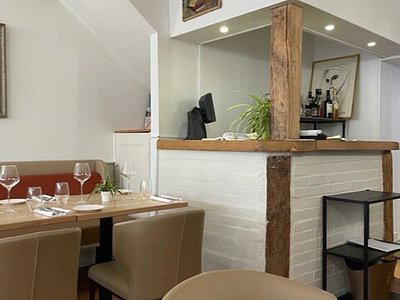
Modern, charming, and cozy interior in brown and taupe tones with a lively atmosphere and shaded terrace.
Know Before You Go
- Getting there
- 15 Rue de Preuilly, 89000 Auxerre, France