La Traviata
On Mission Street in San Francisco's most food-dense corridor, La Traviata occupies a position within a neighbourhood where Italian-American tradition and contemporary California sourcing have long overlapped. The address places it squarely in the Mission District's dining fabric, where proximity to local producers and a culturally layered clientele shape how restaurants operate and what they put on the plate.
Pearl is the En Primeur Club membership app — saves, bookings, and concierge access live there. Same editors, same standards.
- Address
- 2854 Mission St, San Francisco, CA 94110
- Phone
- +14152820500
- Website
- orderlatraviata.com
- Directions
- Get directions
 Saves & bookings on Pearl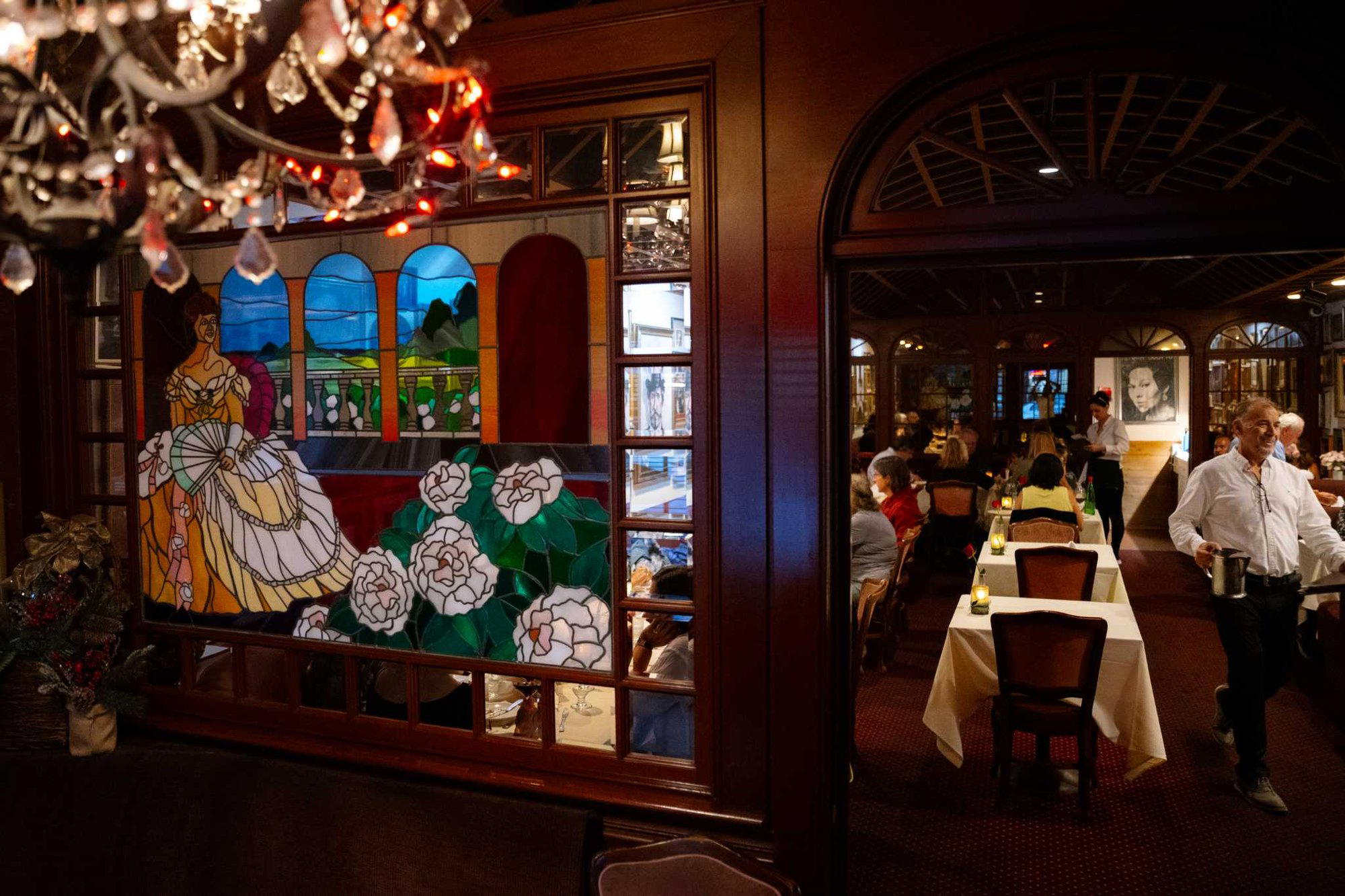
Mission Street and the Italian-American Dining Tradition
San Francisco's Mission District has never been a monolithic dining scene. The corridor running along Mission Street holds taquerias beside wine bars, Salvadoran bakeries beside farm-to-table California kitchens, and, at 2854 Mission, La Traviata, a classic Italian trattoria in San Francisco. Italian-American dining in the Mission predates the city's current fixation with tasting menus and chef-driven fine dining. It carries a different kind of authority: the authority of neighbourhood permanence, of tables that feed the same families across generations rather than chasing seasonal critical attention.
That context matters when placing La Traviata in San Francisco's broader dining picture. The city's fine dining tier, represented by places like Benu, Atelier Crenn, and Quince, operates at the $$$$ price point with extensive tasting formats and Michelin recognition. La Traviata occupies a different register: neighbourhood-anchored Italian dining where the reference points are comfort, familiarity, and the long-standing relationship between the Mission's residential population and its restaurants. These are not competing ambitions; they are different functions, and the Mission performs the latter with more conviction than almost any other San Francisco neighbourhood.
The Environmental Logic of a Mission District Italian Kitchen
California's position as an agricultural state gives San Francisco restaurants an unusual structural advantage. The Bay Area sits within range of some of North America's most productive and diverse farmland, the Central Valley, the Sonoma Coast, Marin's dairy farms, and the market gardens of Watsonville. For an Italian kitchen on Mission Street, this geography creates a natural alignment between the traditions of Italian regional cooking (which have always prized proximity to the source) and the California ethos of producer relationships over commodity supply chains.
Italian cuisine, stripped of its Americanised interpretations, is inherently seasonal. Risotto follows the harvest. Pasta sauces track what the garden produces. The Italian-American traditions that took root in San Francisco carried some of this logic forward, even as they adapted to local ingredients. A Mission District Italian restaurant operating today has access to producers whose practices align with that original logic: small-batch olive oil from Northern California, heritage grain pasta from Central Valley mills, and dairy from farms that predate the organic certification system that now formalises what many of them always did.
Across the broader farm-to-table movement, the restaurants that have made sourcing commitments most legible to their guests are those that treat the supply chain as editorial content, not just operational detail. Properties like Single Thread Farm in Healdsburg and Blue Hill at Stone Barns in Tarrytown have built their entire format around that transparency. Neighbourhood Italian restaurants in cities like San Francisco often do this work more quietly, without the menu annotations and farm visit programmes, but with the same underlying logic embedded in their purchasing decisions.
Where La Traviata Sits in the San Francisco Dining Conversation
San Francisco's restaurant scene in 2024 and 2025 has been shaped by closures, cost pressures, and a recalibration of what the city's dining public will pay and for what. The high-end tasting menu tier, Lazy Bear, Saison, and their peers, has largely held, but the middle tier of neighbourhood dining has faced the sharpest pressure. Restaurants in this bracket have had to make clearer arguments for their own value: through sourcing transparency, through cooking that reflects local ingredient cycles, or through cultural specificity that distinguishes them from generic casual dining.
Italian-American cooking in this context has a particular relevance. It is a cuisine with deep roots in San Francisco's culinary history, and one that translates the farm-abundance logic of California cooking into formats that neighbourhood diners recognise and return to. The pasta that reads as comfort food is also, at its leading, a vehicle for heritage grains, seasonal vegetables, and dairy from specific producers. This dual function, culturally familiar form, sustainably sourced content, is not a new argument, but it is one that a city like San Francisco has been making more explicitly as sourcing ethics move from premium positioning to operational standard.
For readers building a San Francisco itinerary around considered dining, the Mission District Italian tradition offers a counterpoint to the tasting-menu circuit. It is a different speed, a different price conversation, and a different relationship to the city's food culture. The concentration of serious restaurants in San Francisco means that a single trip can hold a night at Atelier Crenn or Benu alongside a neighbourhood dinner on Mission Street without those choices contradicting each other.
Comparing Across the Country
The ethical sourcing conversation is not distinctive to San Francisco. Blue Hill at Stone Barns in New York state and Bacchanalia in Atlanta have built reputations around producer relationships and seasonal discipline. In Los Angeles, Providence has applied similar thinking to its seafood sourcing. What distinguishes the California context is the density of available supply: few American cities have as many farms within a two-hour drive, and fewer still have the cultural history that makes producer relationships feel like a natural extension of how the city has always eaten. Restaurants in this city, from the tasting-menu tier to the neighbourhood trattoria, operate inside that advantage whether or not they make it explicit.
Internationally, the comparison holds in different ways. 8½ Otto e Mezzo Bombana in Hong Kong demonstrates how Italian cooking translates across geographies when the sourcing logic is maintained even at distance. The constraints that Italian chefs in Hong Kong work within, importing specific ingredients to preserve dish integrity, illuminate by contrast how direct the California version of that same integrity should be, given local abundance.
Planning a Visit
The restaurant is located at 2854 Mission Street in San Francisco's Mission District, accessible via the 16th Street BART station. The Mission's dining corridor is walkable, and pairing a visit with the neighbourhood's broader food culture, its bakeries, wine shops, and market stalls, makes sense logistically and contextually. Those interested in how Italian contemporary cooking operates at the fine dining level in the US can look at Quince in San Francisco's Financial District as the clearest local point of comparison.
Just the Basics
Comparable venues nearby, for context on price, style, and recognition.
| Venue | Cuisine | Price | Notes |
|---|---|---|---|
| La TraviataThis venue — the venue you are viewing | Mission, Classic Italian Trattoria | $$ | Not listed |
| Piccino | Not listed | $$ | Potrero Hill, Italian-Inspired California Pizza and Pasta |
| Molinari Delicatessen | Chinatown, Classic Italian Deli | $$ | Not listed |
| Trattoria Contadina | Chinatown, Traditional Italian Trattoria | $$ | Not listed |
| Long Bridge Pizza | Not listed | $$ | Potrero Hill, New York-Inspired Sourdough Pizza |
| Steps of Rome Trattoria | North Beach, Roman Trattoria | $$ | Not listed |
Continue exploring
More in San Francisco
Restaurants in San Francisco
Browse all →
Bars in San Francisco
Browse all →
Hotels in San Francisco
Browse all →

At a Glance
- Cozy
- Classic
- Intimate
- Date Night
- Family
- Casual Hangout
- Standalone
- Extensive Wine List
Current opening hours
- Monday
- Closed
- Tuesday
- 5–9 PM
- Wednesday
- 5–9 PM
- Thursday
- 5–9 PM
- Friday
- 5–9 PM
- Saturday
- 5–9 PM
- Sunday
- 5–9 PM
Hours can change for holidays and private events. Last verified .
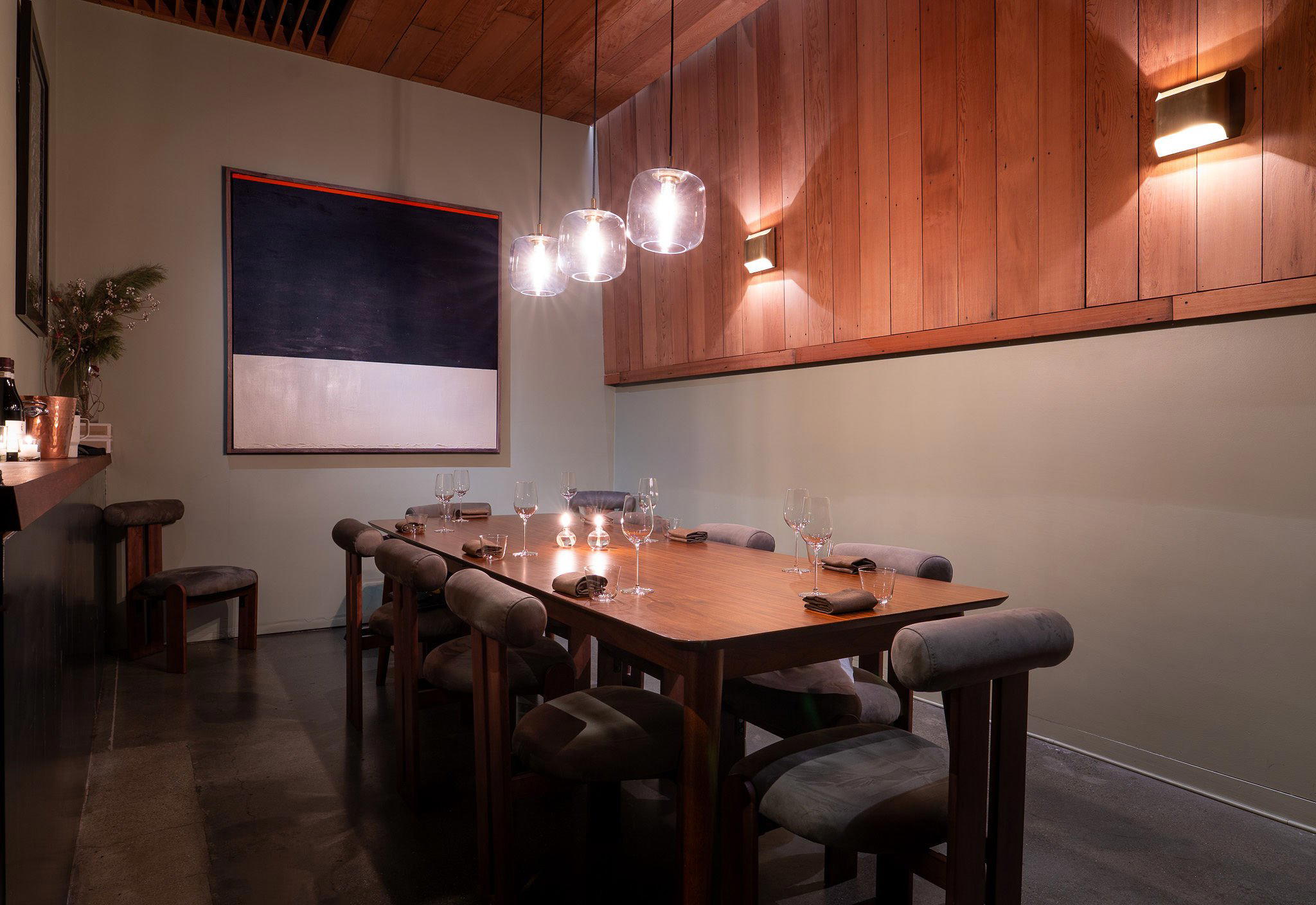
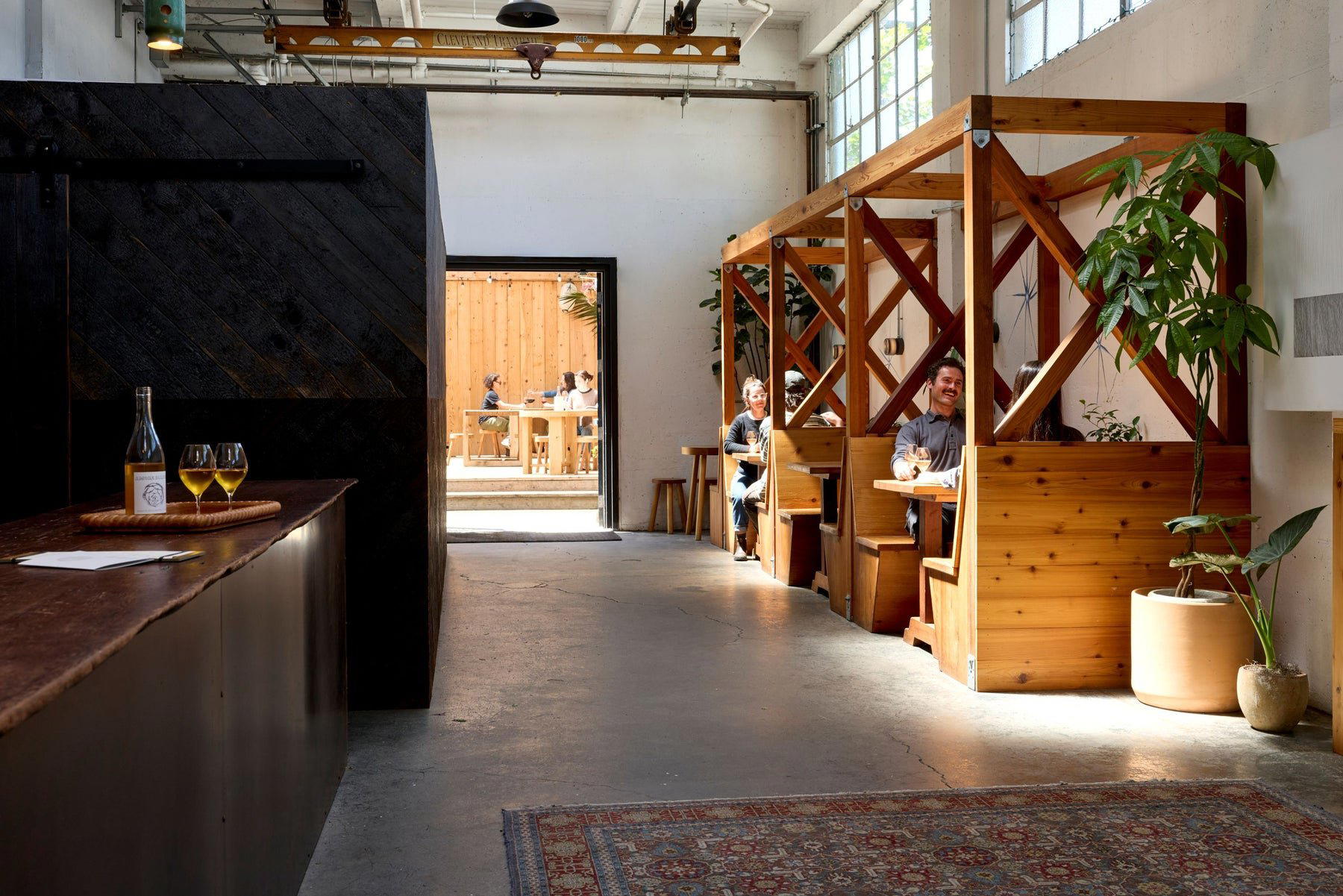
Cozy with barrel wood ceilings, opera-themed decor featuring photos of singers, and background opera music creating a classic, relaxed atmosphere.