
Relais Chateaux Award
Our verdict
A neighborhood bistrot on Via Pietro Bembo in the hilltop town of Asolo, sitting within a dining scene that prizes Treviso-province produce and measured cooking over spectacle. Where Asolo's more ambitious tables push toward contemporary tasting formats, Bistrot occupies the convivial, produce-led middle ground that anchors most serious Italian hill towns. Straightforward to find, harder to categorize simply as casual.

Pearl is the En Primeur Club membership app, where members save venues, book tables and use the concierge.
The menu
What to order
- Risotto scampi
- Lobster tagliolini
- Octopus
- Scallops au gratin
- Raw fish appetizer
Asolo's Dining Register and Where Bistrot Fits
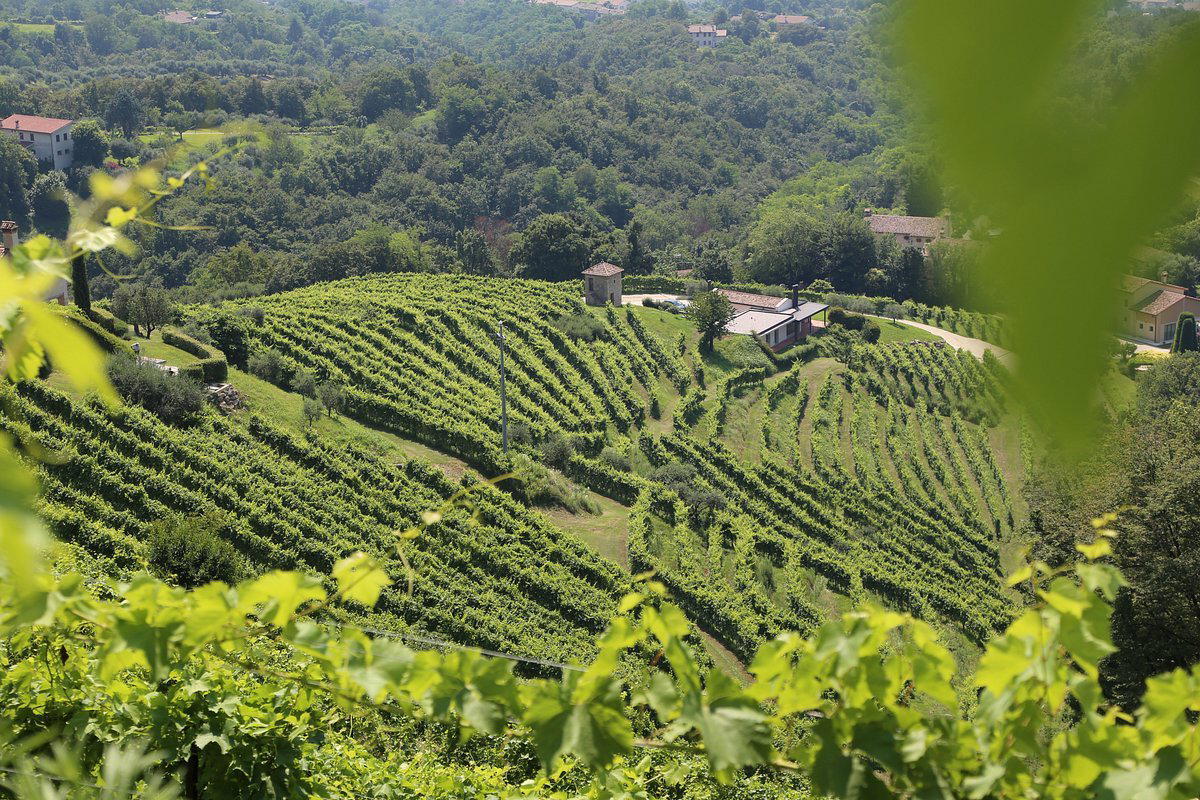
Asolo operates on a different frequency from the Veneto's louder restaurant cities. The hilltop town, a short drive from Treviso and within reach of the Prosecco hills, has built a dining culture shaped by geography: the Alta Marca Trevigiana delivers radicchio, white asparagus from Cimadolmo, Montello mushrooms, and small-farm meat in quantities that reward kitchens willing to work closely with local supply chains. Restaurants here don't need to import prestige ingredients to cook well. The raw material is already competitive.
Within that context, Asolo's restaurant tier splits roughly between destination-format tables that push toward modern tasting menus and neighborhood addresses where the kitchen's strength lies in execution and sourcing rather than conceptual ambition. Bistrot, on Via Pietro Bembo, sits in the second category. That is not a limitation. Across northern Italy, the most durable dining rooms are often the ones that resist format inflation and stay anchored to what the land around them produces each season.
For readers building a picture of Asolo's full range, our full Asolo restaurants guide maps the town's options across price points and styles. Bistrot's immediate neighbors in the local dining conversation include La Terrazza, which operates at a similar price register with a modern cuisine approach, Locanda Baggio, which sits a tier higher and leans toward composed contemporary cooking, Due Mori, and La Trave.
Ingredient Geography: Why the Treviso Province Matters
The editorial angle at a place like Bistrot is not the kitchen's technique in isolation. It is the supply chain behind the plate. The Alta Marca Trevigiana is one of the Veneto's most productive agricultural zones, and restaurants in Asolo are positioned to draw on it directly rather than through intermediaries. Radicchio di Treviso IGP, with its late-season bitterness and crunch, appears on menus across the province from October through February. White asparagus from the sandy plains around Cimadolmo and Badoere carries DOP protection and a growing season concentrated into April and May. Montello truffle, foraged from the wooded slopes east of town, adds further regional specificity.
This is the ingredient logic that shapes serious cooking in smaller Veneto towns: kitchens that work within the seasonal calendar of their immediate province eat differently from kitchens chasing year-round availability through national distribution. The bistrot format, historically, is the vehicle well suited to this approach. It allows a kitchen to rotate dishes as supply shifts, price fairly against what the market delivers each week, and avoid the rigidity of a fixed tasting menu that commits to dishes months in advance.
Italy's most recognized restaurants often signal this sourcing discipline through their menus even when the format is far more elaborate. Dal Pescatore in Runate has built decades of Michelin recognition on deep regional fidelity. Piazza Duomo in Alba has pushed Langhe ingredients into three-star territory. Atelier Moessmer Norbert Niederkofler in Brunico has made South Tyrolean ingredient sovereignty a guiding principle. The neighborhood bistrot version of the same idea operates without those formal signals, but the underlying logic of cooking close to the source holds regardless of price tier or table count.
The Veneto Bistrot Tradition in European Context
The word bistrot travels uneasily across European borders. In France, it carries a specific set of associations: zinc bar, chalkboard menu, daily specials driven by what arrived that morning, service without ceremony. The Italian version, particularly in the northeast, absorbs those cues while layering in the Veneto's own traditions: cicchetti culture from Venice, the osteria's wine-forward informality, and a kitchen discipline shaped by proximity to Austrian and Central European influences in the border regions to the north.
Asolo's position in the Veneto places it at a productive crossroads. The town is near enough to Venice to absorb lagoon-culture influences on how food and wine are sequenced, but far enough inland to prioritize the Alta Marca's terrestrial produce over seafood. The bistrot format in this context functions as a pressure valve for the more elaborate dining options nearby: it gives a town serious about food a place where the cooking is honest and the bill is proportionate to a mid-week meal rather than a special occasion budget.
Internationally, the produce-led bistrot has demonstrated real staying power. Lazy Bear in San Francisco and Le Bernardin in New York City represent very different ends of the format spectrum, but both build their credibility on sourcing as a foundation. Even at the three-star tier, places like Osteria Francescana in Modena, Enoteca Pinchiorri in Florence, and Le Calandre in Rubano root their menus in regional provenance. Bistrot works from the same premise at a completely different scale and price point.
Practical Planning
Bistrot is located at Via Pietro Bembo 85 in Asolo, in the Treviso province of the Veneto. The address places it within walking distance of Asolo's historic center, which is compact enough that most of the town's restaurants and points of interest are reachable on foot from the main piazza. Asolo is accessible by car from Treviso in roughly 40 minutes and from Venice in under an hour and a half depending on traffic; public transport to Asolo requires a connection at Montebelluna or Castelfranco Veneto. Given the scale typical of bistrot-format restaurants in small Italian hill towns, capacity is likely limited, and walk-in availability on weekends during peak season should not be assumed.
For readers exploring the broader Veneto dining circuit, Casa Perbellini 12 Apostoli in Verona, Uliassi in Senigallia, Quattro Passi in Marina del Cantone, Reale in Castel di Sangro, and Enrico Bartolini in Milan represent the region's and country's more formally recognized dining options for trips where a special-occasion table is part of the plan.
Frequently asked questions
How do I find Bistrot?
Bistrot is located at Via Pietro Bembo, 85, 31011 Asolo TV, Italy, Asolo.
Is Bistrot in Asolo a good option for lunch during a day trip from Treviso?
Asolo sits roughly 40 kilometres northwest of Treviso, making it a practical half-day excursion, and Bistrot at Via Pietro Bembo 85 is within walking distance of the town's historic centre. For visitors moving between Treviso, the Prosecco hills, and the Dolomite foothills, Asolo functions as a natural midpoint, and a lunch stop at a locally rooted bistrot aligns with the slower pace the town demands. Confirm current lunch hours directly with the restaurant before travelling.
What do regulars order at Bistrot?
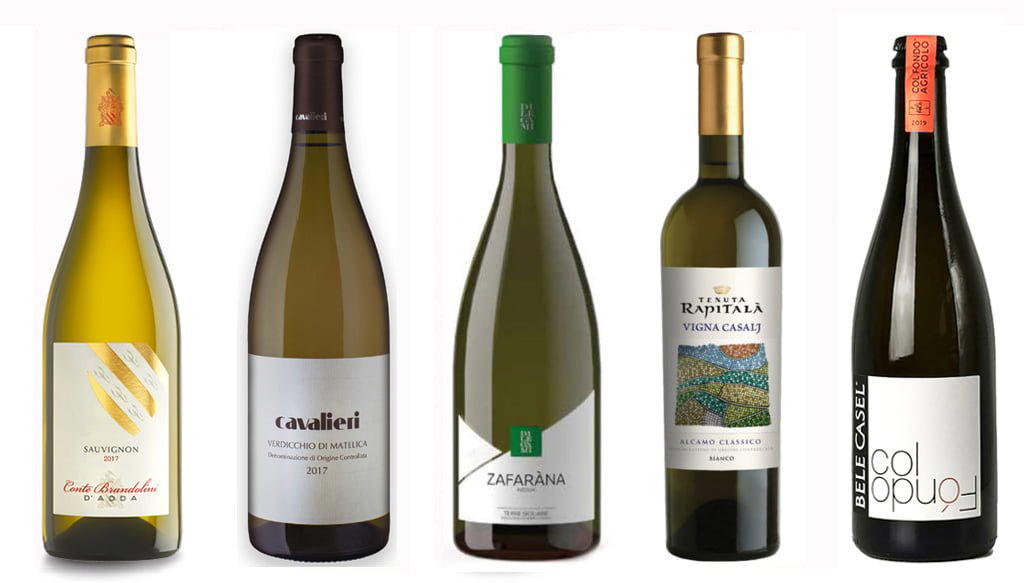
No specific dishes are documented for Bistrot, but its position in the Treviso province points strongly toward seasonal produce from the Alta Marca Trevigiana: radicchio di Treviso, local game, and Veneto wines are the structural backbone of any serious kitchen in this area. The hilltown location in Asolo, away from tourist circuits, typically means menus track the agricultural calendar rather than a fixed repertoire. check the venue's official channels at Via Pietro Bembo 85 for current menu details.
How hard is it to get a table at Bistrot?
Asolo draws a steady flow of visitors despite its small scale, and restaurants of this kind in hilltop Veneto towns often fill on weekends, particularly in spring and autumn harvest periods. No public reservation data is available for Bistrot, so advance contact is advisable, especially for Friday and Saturday evenings. The address is Via Pietro Bembo 85, Asolo.
What's the defining dish or idea at Bistrot?
The editorial identity of a bistrot in this part of the Veneto is almost always ingredient-led rather than technique-driven: proximity to Treviso province suppliers, seasonal rotation, and an absence of formality are the structural choices that define the format. Bistrot on Via Pietro Bembo 85 operates within that tradition, where the sourcing geography of the Alta Marca Trevigiana does more to shape the plate than any single signature dish.
What if I have allergies at Bistrot?
Italian restaurants are legally required under EU Regulation 1169/2011 to provide allergen information on request, so any member of staff should be able to advise before ordering. Contact Bistrot directly at Via Pietro Bembo 85, Asolo, ahead of your visit if your requirements are complex.
Comparable Venues
Comparable venues nearby, for context on price, style, and recognition.
| Venue | Cuisine | Price | Awards | Notes |
|---|---|---|---|---|
| BistrotThis venue (the venue you are viewing) | Veneto Bistro with Fresh Seafood | $50–100 | Relais Chateaux Award | Not listed |
| Due Mori | Modern Trattoria with Venetian Cuisine | $50–100 | Not listed | historic center |
| La Trave | Traditional Veneto Cuisine | $50–100 | Not listed | Pagnano |
| Locanda Baggio | Modern Regional Italian | Not listed | Michelin Plate | Asolo |
| La Terrazza | Modern Italian | $50–100 | Michelin Plate | Asolo historic center |
| Margherita | Traditional Venetian Seafood | Not listed | Not listed | Mira |
Recognition history
Dated appearances from independent guides and award organizations, with the underlying list record or original source where available.
Relais Chateaux Award
Relais Chateaux
Continue exploring
More in Asolo
Restaurants in Asolo
All restaurants in Asolo →
Bars in Asolo
Browse all →

Details
- Romantic
- Cozy
- Intimate
- Elegant
- Classic
- Date Night
- Group Dining
- Special Occasion
- Terrace
- Rooftop
- Live Music
- Private Dining
- Extensive Wine List
- Local Sourcing
- Garden
- A La Carte
- Local Veneto Wines
- Amarone
- Pescatarian Friendly
Current opening hours
- Monday
- 6 PM–12 AM
- Tuesday
- Closed
- Wednesday
- 6 PM–12 AM
- Thursday
- 6 PM–12 AM
- Friday
- 6 PM–12 AM
- Saturday
- 6 PM–12 AM
- Sunday
- 11 AM–3 PM
Hours can change for holidays and private events. Hours as of .
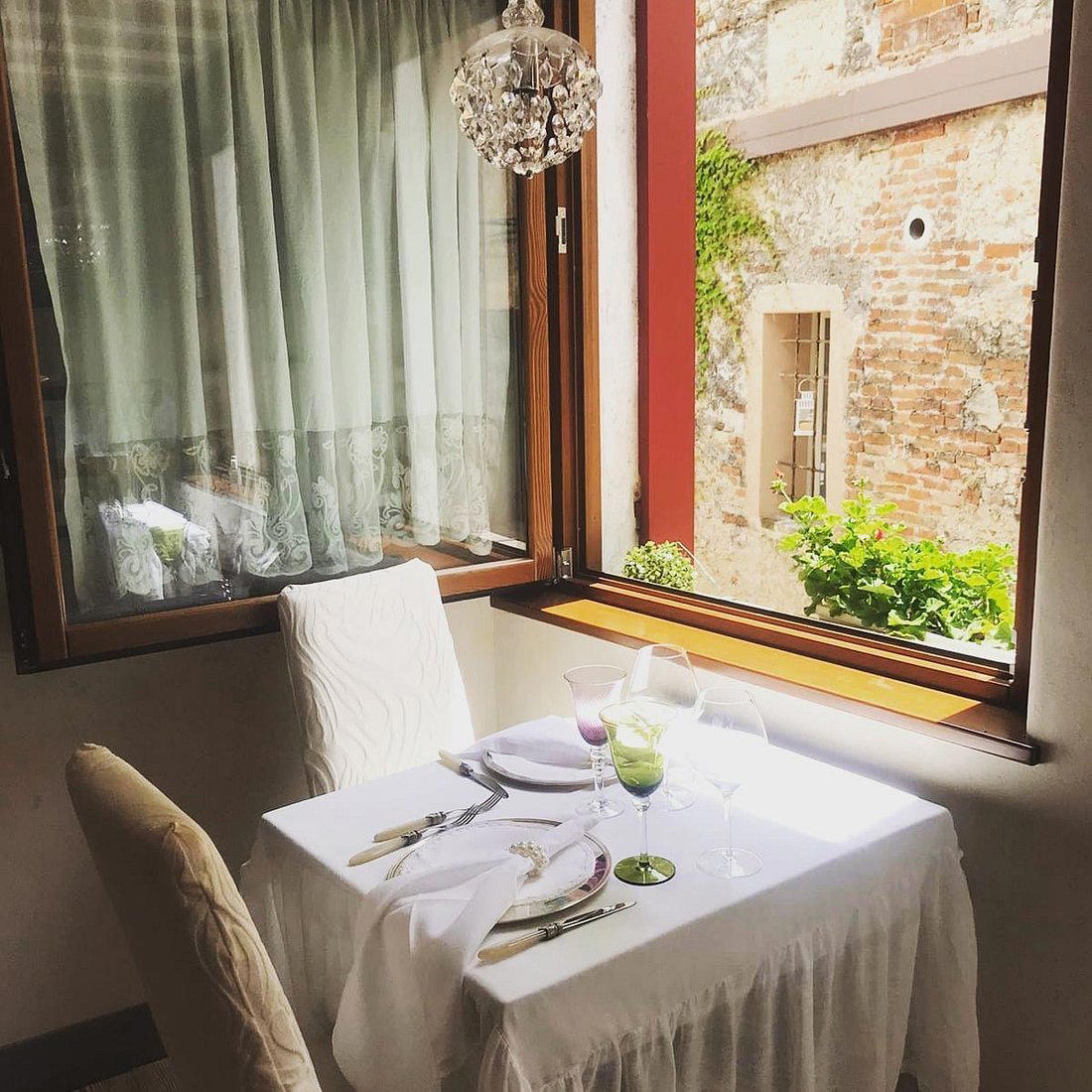
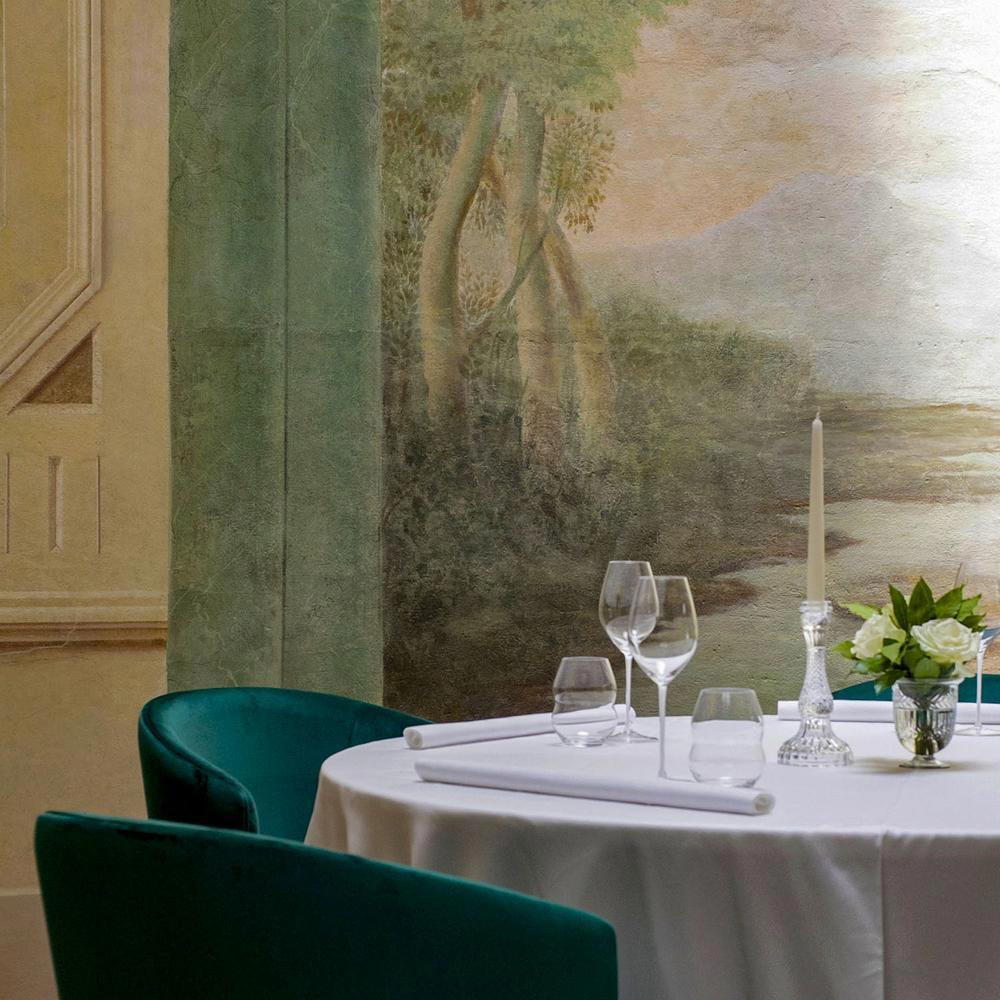
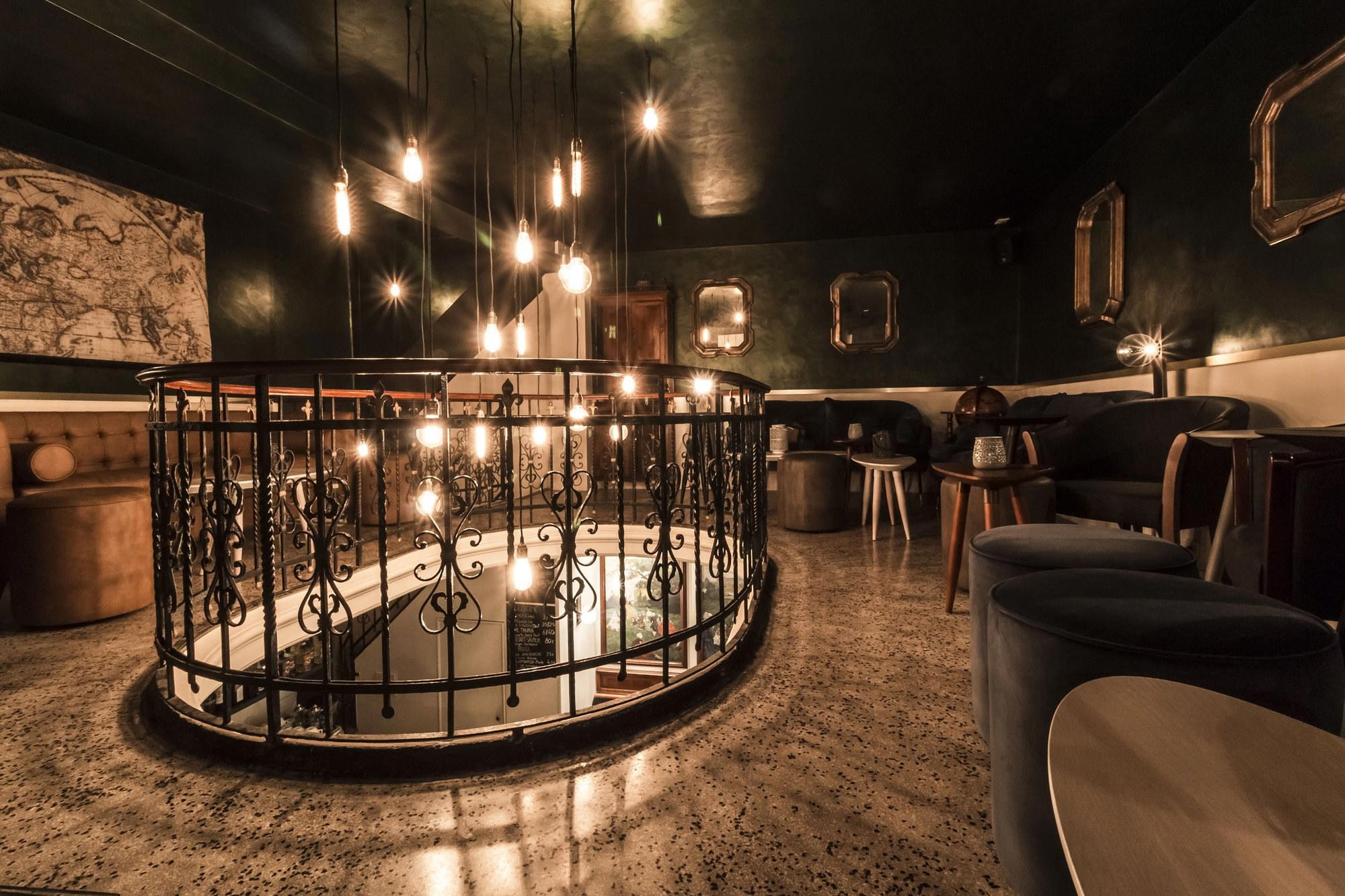
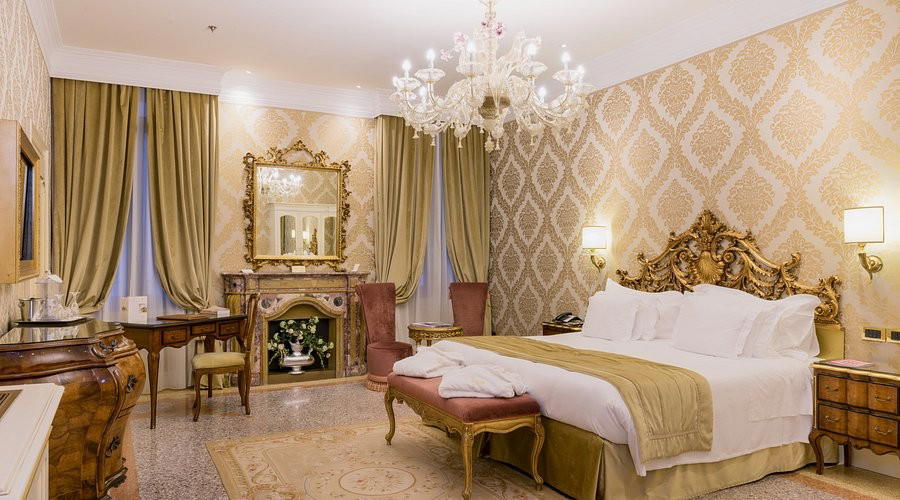
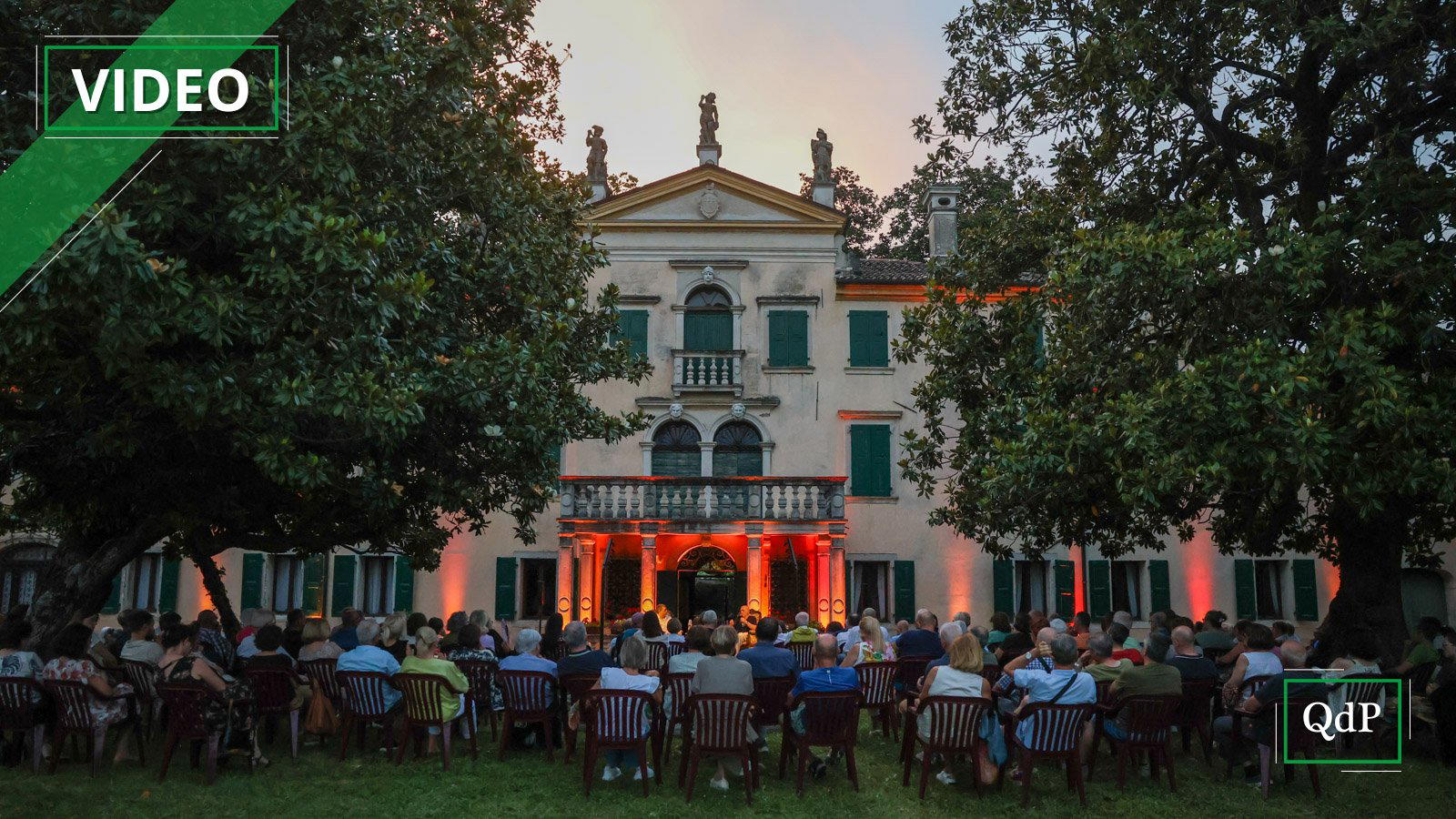
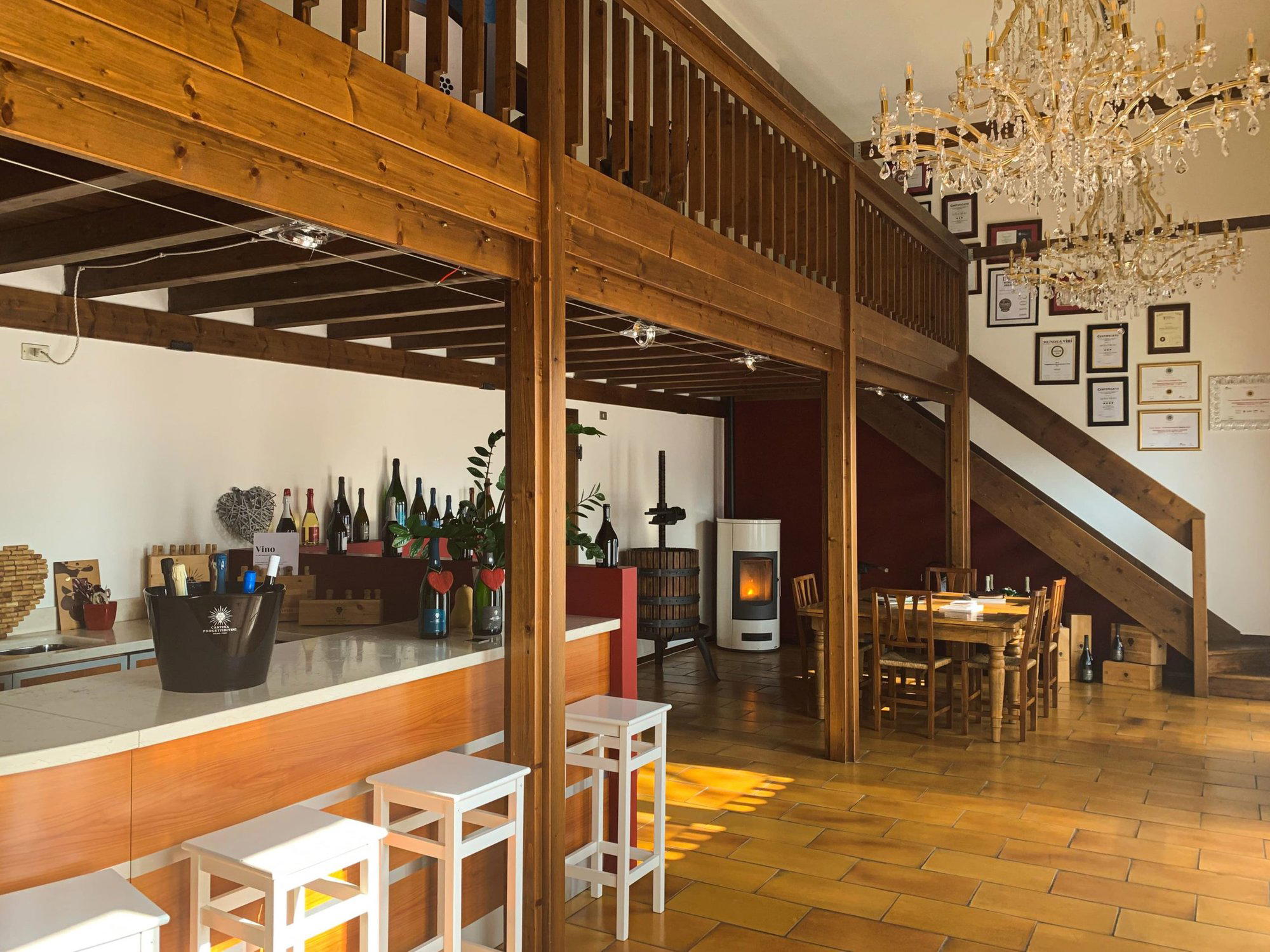
Quaint and formal with vintage décor including doilies and faux pearl accents; cozy rooftop dining area with warm, welcoming atmosphere enhanced by attentive staff and occasional live piano music.