Our verdict
Mela Cotogna sits in Codogné, a quiet commune in the Treviso province of the Veneto, where the agricultural rhythms of the Marca Trevigiana directly shape what reaches the table. The restaurant's name, quince, in Italian, signals an orientation toward old-variety produce and the kind of ingredient sourcing that rural northeastern Italy does quietly and well. It occupies a register distinct from the high-profile creative kitchens of the Italian northeast, prioritising provenance over spectacle.

Pearl is the En Primeur Club membership app, where members save venues, book tables and use the concierge.
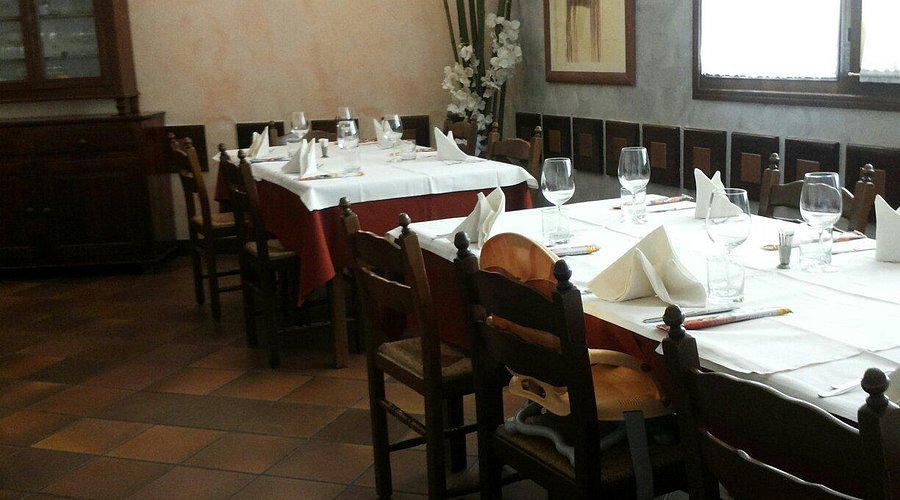
Where the Veneto's Farmland Meets the Table
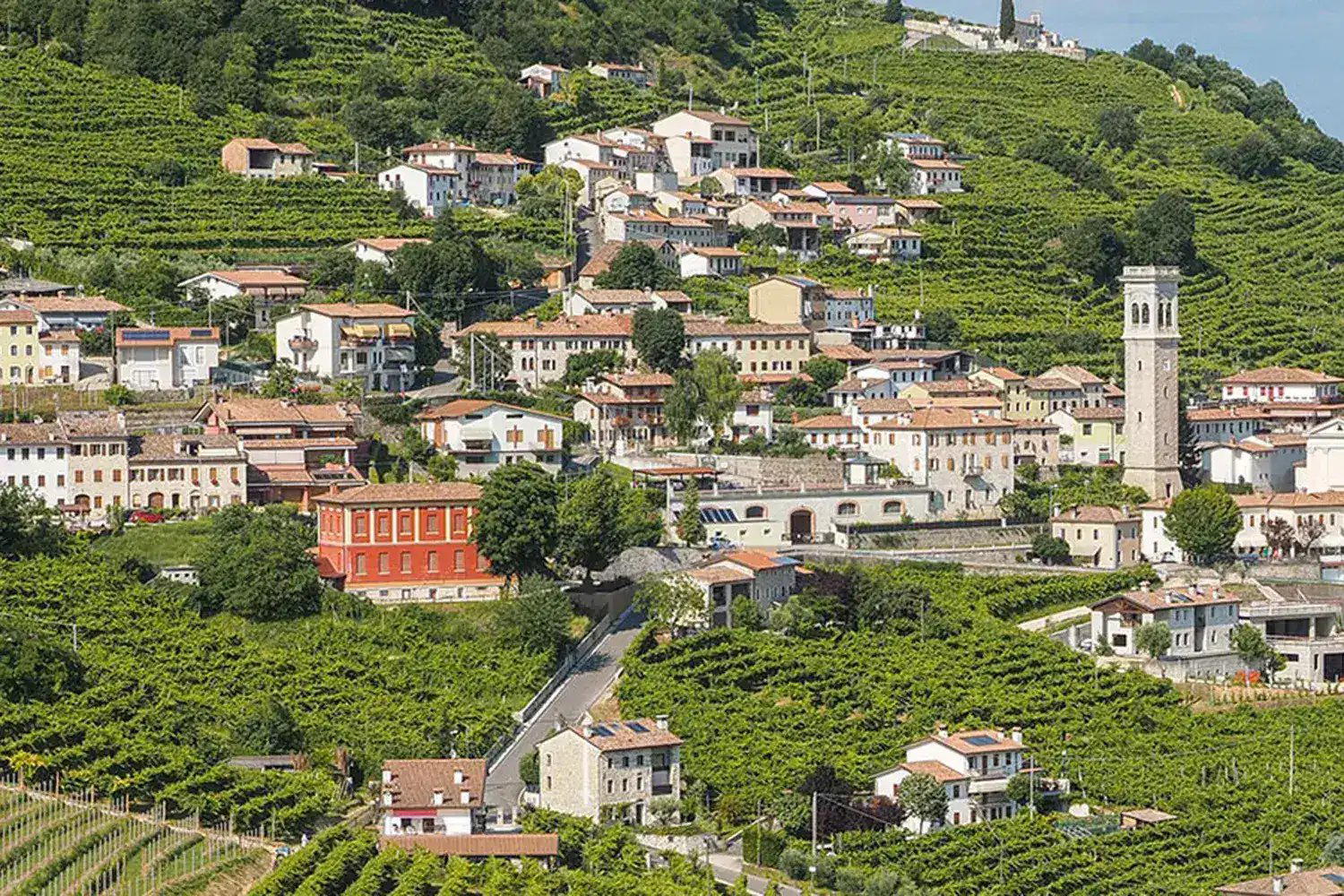
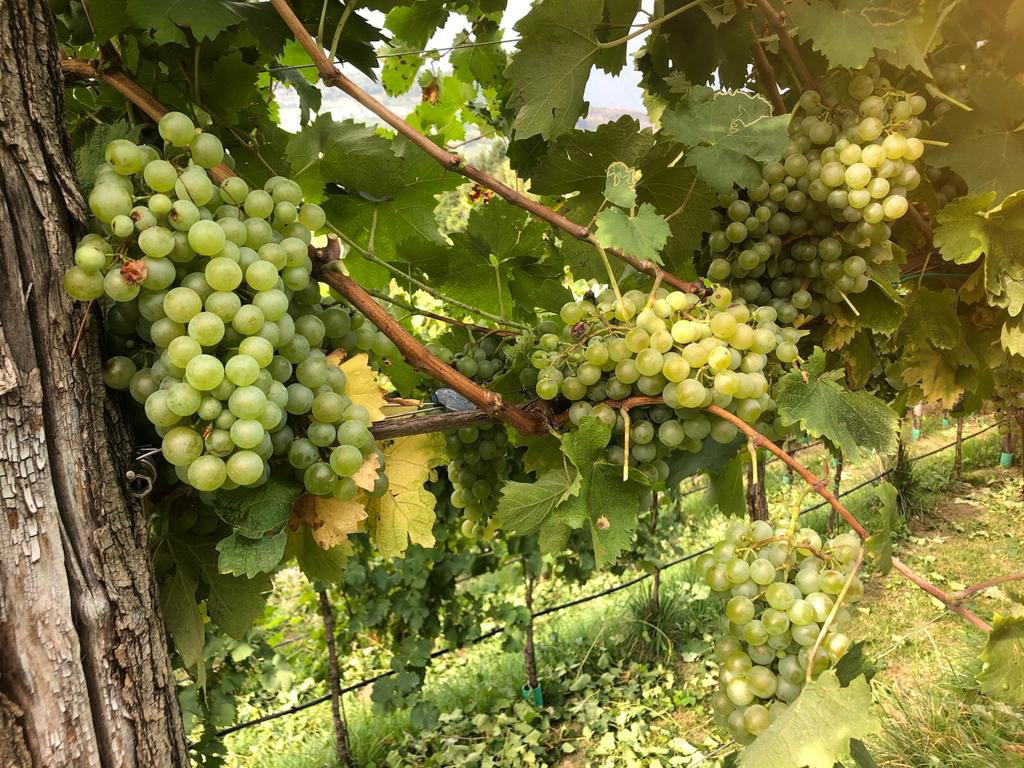
The Treviso province does not announce itself the way the Dolomites or the Venetian lagoon do. Its character is quieter: flat agricultural plains interrupted by low hills, prosecco vineyards climbing the Conegliano-Valdobbiadene corridor to the north, radicchio fields around Treviso itself, and the kind of small-town food culture that rarely makes international headlines but sustains some of Italy's most ingredient-specific cooking. Codogné sits within this framework, a working commune where the distance between field and kitchen is measured in kilometres rather than supply chains. Mela Cotogna, addressed at Via Giannino Ancillotto 51, operates within that agricultural context. The name alone, quince, a fruit that almost disappeared from Italian tables before the slow food movement reclaimed it, tells you something about the restaurant's relationship with provenance and seasonal rhythm. For reference points on how Italy's most awarded regional kitchens operate, see our full Codogné restaurants guide.
The Ingredient Logic of the Marca Trevigiana
In northeastern Italy, the most serious kitchens tend to anchor themselves to a specific agricultural identity rather than borrowing from a diffuse national pantry. Dal Pescatore in Runate built its reputation on the Po Valley's freshwater traditions. Le Calandre in Rubano, just west of Padua, draws on the Veneto's agricultural output while applying a progressive creative lens. The Marca Trevigiana, the historic territory around Treviso, has its own distinct larder: Radicchio di Treviso IGP in its late-autumn and winter forms, white asparagus from Bassano and Cimadolmo, the chestnuts and mushrooms of the foothills, and the river fish of the Piave and Livenza systems. A restaurant taking its name from the quince is positioning itself within this specific regional conversation, where old-variety fruits and vegetables carry as much kitchen weight as prime cuts or imported luxury ingredients.
This kind of sourcing philosophy contrasts sharply with the prestige-product orientation of Italy's most decorated dining rooms. Osteria Francescana in Modena and Enoteca Pinchiorri in Florence operate at the top of Italy's Michelin tier, where the sourcing conversation is often about exceptional single-estate products delivered with considerable technical intervention. The model that appears more relevant to a place like Mela Cotogna is closer to what Atelier Moessmer Norbert Niederkofler in Brunico has formalised in South Tyrol: a kitchen that treats the surrounding landscape as its primary constraint and its primary resource, letting what is grown and raised nearby define the menu's possibilities. That approach tends to produce cooking that is more seasonal in practice than in marketing, the menu shifts because the fields dictate it, not because the calendar has turned.
Codogné as a Dining Destination
Driving into Codogné, the built environment is modest: the kind of Veneto town that functions as a service hub for surrounding agricultural hamlets rather than a destination in its own right. This is not a criticism. Some of northern Italy's most serious eating happens in towns of exactly this scale, where rents do not demand tourist-facing margins and the kitchen can operate on a rhythm set by local producers rather than visitor expectations. The Treviso area has a long tradition of this: trattorias and osterias embedded in agricultural communities, serving local wine, Prosecco Superiore DOCG from the hills to the north, or the lighter Conegliano DOC reds, alongside dishes that reflect whatever the season has made available.
Restaurants at this level of regional specificity often sit in a different competitive framework from the Italian kitchens that attract international attention. Piazza Duomo in Alba and Villa Crespi in Orta San Giulio have built reputations that pull visitors from well outside their regions. A restaurant in Codogné is more likely drawing from a local and regional audience, which typically means the cooking is calibrated to regulars rather than first-time visitors seeking a destination meal, a different and often more demanding calibration.
Planning a Visit
Codogné is in the Treviso Veneto, accessible from Treviso (roughly 30 kilometres to the south) or from the Conegliano rail connection, with Conegliano station serving trains on the Venice-Udine line. Visitors arriving from Venice or Padua by car follow the A27 north toward Vittorio Veneto, exiting before the hills begin to rise toward the Dolomiti Bellunesi foothills. The address, Via Giannino Ancillotto 51, places the restaurant within the commune's central residential fabric. Italy's regional kitchens at this level of agricultural specificity often keep abbreviated service schedules, lunch sittings and a limited number of evening services, which makes advance planning worthwhile regardless of how well-known the venue is.
For comparison with other serious Italian tables in similarly non-metropolitan settings, Reale in Castel di Sangro, Gambero Rosso in Marina di Gioiosa Ionica, and Quattro Passi in Marina del Cantone all demonstrate how Italy's most ingredient-specific cooking frequently operates far from major urban centres. Uliassi in Senigallia offers another model: a coastal town table that draws a national and international audience on the strength of product quality alone. The pattern across all of them is that location becomes an asset rather than a liability when the sourcing is genuinely local.
For those building a broader itinerary around northeastern Italy's serious dining, Casa Perbellini 12 Apostoli in Verona and Da Vittorio in Brusaporto represent the region's more formal fine dining tier, while Enrico Bartolini in Milan and La Pergola in Rome anchor the country's metropolitan end of the spectrum. Outside Italy, Le Bernardin in New York City and Atomix in New York City illustrate how ingredient-focused philosophies translate across very different culinary traditions and city contexts.
Frequently asked questions
Is Mela Cotogna a family-friendly restaurant?
Mela Cotogna sits on Via Giannino Ancillotto in Codogné, a quiet agricultural town in the Treviso province where the pace of life lends itself to relaxed, unhurried meals. The setting is more conducive to that kind of table than a high-pressure urban dining room. Specific family policies are not documented, so calling ahead before visiting with children is advisable.
What's the vibe at Mela Cotogna?
Codogné is a working Veneto town rather than a tourist destination, which shapes the register of restaurants that operate here. Mela Cotogna draws from that agricultural context: expect something closer to a grounded, produce-led environment than a theatrical dining spectacle. The address on Via Giannino Ancillotto places it away from any urban centre bustle.
Is Mela Cotogna worth a detour from Treviso or Conegliano?
Codogné sits roughly 30 kilometres north of Treviso and is accessible via the Conegliano rail connection, making it a feasible excursion for travellers already in the Treviso province. Restaurants that operate in towns like Codogné rather than positioning themselves in tourist circuits often do so because the local agricultural supply chain justifies it. Whether the drive merits the effort depends on current form, which is best assessed through recent local sources before booking.
What should I order at Mela Cotogna?
Kitchens in this area tend to anchor menus to whatever the surrounding agricultural calendar produces. Confirming current offerings directly with the restaurant before your visit is the most reliable approach.
Where exactly is Mela Cotogna?
Mela Cotogna is located at Via Giannino Ancillotto, 51, 31013 Codogné TV, Italy, Codogne.
How hard is it to get a table at Mela Cotogna?
As a restaurant in Codogné rather than a high-profile urban centre, it is unlikely to carry the same reservation pressure as comparable venues in Treviso or Venice. That said, smaller provincial restaurants in the Veneto can fill quickly on weekends, particularly when drawing from the Conegliano and Treviso catchment areas.
Comparable Venues
Comparable venues nearby, for context on price, style, and recognition.
| Venue | Cuisine | Price | Notes |
|---|---|---|---|
| Mela CotognaThis venue (the venue you are viewing) | Traditional Italian Countryside | Not listed | Not listed |
| Monzù Vladì | Creative Regional Italian | Not listed | Trastevere |
| Manà | Italian Pizza and Ristorante | Not listed | San Dona Di Piave |
| Osteria Alle Nazioni | Traditional Friulian Osteria | Not listed | San Quirino |
| Ristorante da Cherubino | Traditional Venetian Trattoria | $30–50 | San Marco |
| Osteria dal Pupi | Traditional Venetian Lagoon Seafood | $30–50 | Ca' Smerghetto |
Continue exploring
More in Codogne
Restaurants in Codogne
All restaurants in Codogne →
Bars in Codogne
Browse all →
Details
- Rustic
- Cozy
- Classic
- Family
- Celebration
- Business Dinner
- Group Dining
- Private Dining
- Local Sourcing
- A La Carte
- Vegetarian Friendly
Current opening hours
- Monday
- 9 AM–2 PM
- Tuesday
- 9 AM–2 PM
- Wednesday
- 9 AM–2 PM
- Thursday
- 9 AM–2 PM
- Friday
- 9 AM–12 AM
- Saturday
- 9 AM–12 AM
- Sunday
- 9 AM–12 AM
Hours can change for holidays and private events. Hours as of .
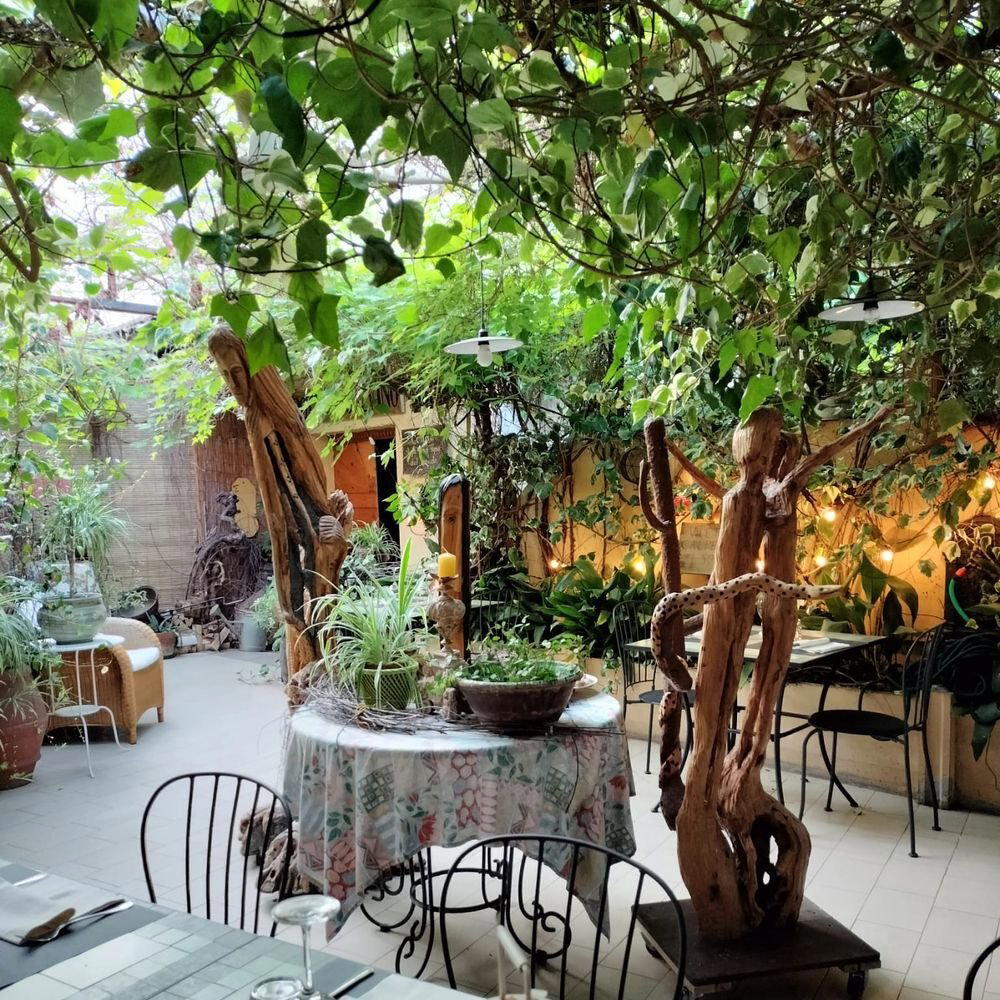
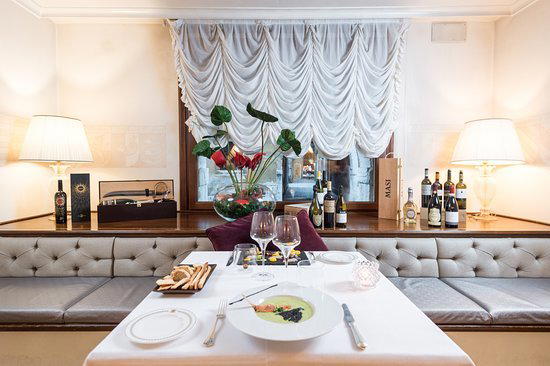
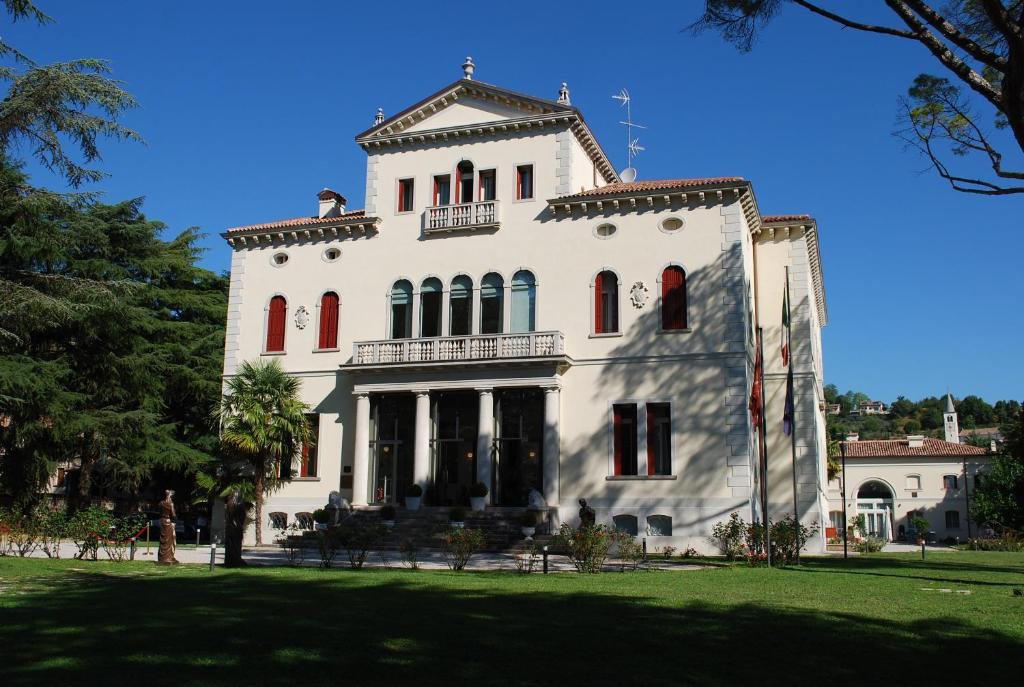
Accogliente e familiare (welcoming and familial) atmosphere in a rustic countryside setting.