
La Tour holds a Michelin Plate (2025), placing it among the more consistent country cooking addresses in the Haute-Loire. Sitting along the Route du Fraisse in Dunières, it operates in a register that prioritises regional produce and unhurried, rural French cooking over theatrical presentation. For travellers crossing this corner of the Auvergne-Rhône-Alpes, it represents a grounded alternative to the region's grander dining circuit.
Pearl is the En Primeur Club membership app — saves, bookings, and concierge access live there. Same editors, same standards.
- Address
- restaurant la tour restaurant la tour, 7 ter Rte du Fraisse, 43220 Dunières, France
- Phone
- +33 4 71 66 86 66
- Website
- hotelrestaurantlatour.com
- Directions
- Get directions
 Saves & bookings on Pearl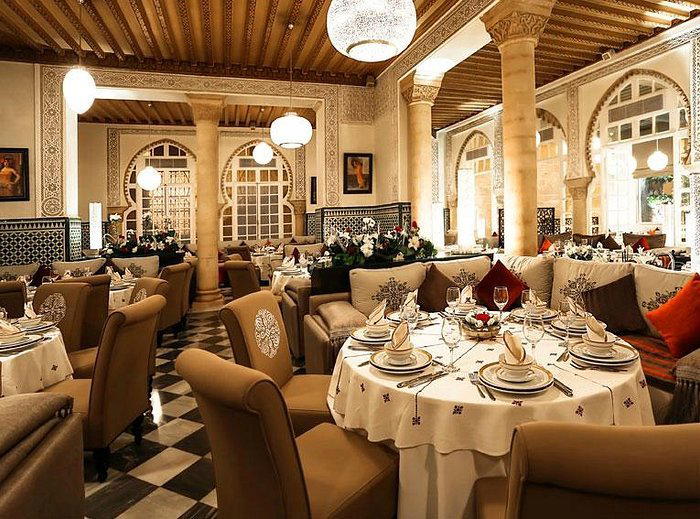
Where the Haute-Loire Feeds Itself
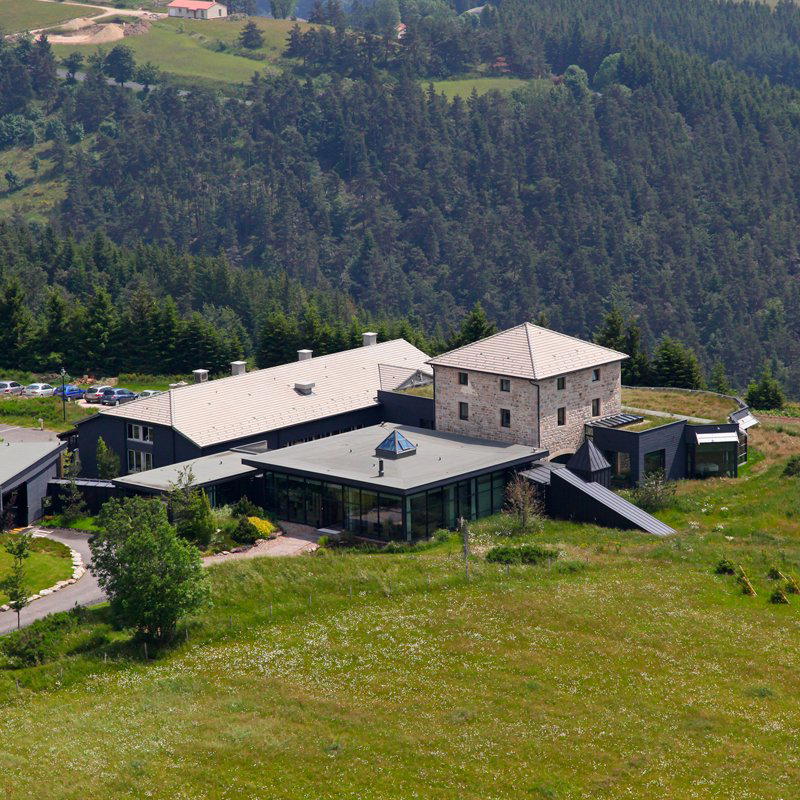
The road into Dunières offers little in the way of the postcard scenery associated with Michelin-annotated restaurants. The Haute-Loire plateau rolls out in working greens and greys, the villages functional rather than decorative, and the approach to La Tour along the Route du Fraisse is more rural lane than destination driveway. That gap between expectation and environment is, in a sense, exactly the point. This is not the kind of address that signals its seriousness through architectural flourish or urban adjacency. It signals it through what ends up on the plate, and, in 2025, through a Michelin Plate that confirms the kitchen is operating at a level the guide considers worth the reader's attention.
Country cooking at this latitude in France means something specific. The Haute-Loire, and the broader Auvergne-Rhône-Alpes region, sits at the crossroads of volcanic highlands and the verdant river valleys that feed both the Loire and the Rhône. Lentils from Le Puy, pork from the Margeride plateau, cheeses shaped by altitude, the larder here is neither exotic nor imported, but it carries a regional identity as distinctive as anything the more-photographed corners of French gastronomy can claim. La Tour operates within that tradition. Its cuisine is Modern French Country Cooking, and the Michelin Plate places it in a category of kitchens where classical regional technique and honest produce are the currency, not innovation for its own sake.
The Logic of the Michelin Plate in Rural France
It is worth understanding what a Michelin Plate actually signals before reading too much or too little into it. In Michelin's current framework, the Plate designation identifies restaurants offering good cooking, kitchens that cleared the bar for quality, consistency, and care but did not reach the Bib Gourmand threshold or star distinction. In the context of rural Haute-Loire, earning that designation at the €€ price point is a different achievement than doing so in Lyon or Paris. The competitive set is thinner, the infrastructure more demanding, and the access to consistent supply chains more variable.
For context, the spectrum of Michelin-recognised French cooking is wide. At one end sit addresses like Alléno Paris au Pavillon Ledoyen, Mirazur in Menton, and the generational temple of Paul Bocuse, three-star operations working with budgets, teams, and reputations built over decades. Further along, regional anchors like Bras in Laguiole or Flocons de Sel in Megève demonstrate what serious mountain-region cooking looks like when ambition and landscape align. La Tour occupies a different register entirely, not competing with that tier, but part of the same French institutional framework that treats rigorous country cooking as deserving of recognition in its own right. That institutional attitude, which runs through the Michelin guide's treatment of regional France, is what makes addresses like this legible to travellers who know how to read the signals.
Sourcing as the Kitchen's Foundation
Country cooking at the €€ level in a region like Haute-Loire does not sustain itself through luxury imports. The logic is the inverse: the kitchen's value proposition depends on close sourcing from the surrounding agricultural territory. The Auvergne-Rhône-Alpes is among the more agriculturally self-sufficient regions in France, livestock, cereals, river fish, wild fungi, and a cheese tradition that stretches from Saint-Nectaire to Fourme d'Ambert. A kitchen rooted in this territory and working at the restaurant's price point is, by practical necessity, cooking with what the immediate landscape produces. That is not a constraint, it is the editorial argument the plate makes to the diner: this is where the food comes from, and that specificity is the dish's context.
This approach connects the restaurant to a broader French tradition of cuisine de terroir that has experienced renewed critical attention. Restaurants like Auberge du Vieux Puits in Fontjoncouse and Auberge de l'Ill in Illhaeusern have long demonstrated that deep regional rootedness and serious culinary ambition are not mutually exclusive, even at opposite ends of the price spectrum. The restaurant's country cooking classification places it in that lineage, kitchens where the sourcing decision is the first creative act, not an afterthought. For travellers who find meaning in that approach, the Haute-Loire is better territory than most.
Comparable country cooking traditions are also visible across the border in northern Italy, where addresses like 21.9 in Piobesi d'Alba and Andrea Monesi - Locanda di Orta in Orta San Giulio work within similar frameworks of hyper-local produce and regional cooking logic. The pattern across these addresses is consistent: the further a kitchen is from a major urban centre, the more its cooking depends on mastery of what is immediately available rather than access to global supply chains.
Planning a Visit
The restaurant sits at 7 ter Route du Fraisse in Dunières, a commune in the southern Haute-Loire. Dunières is not served by high-frequency rail, so arriving by car from Saint-Étienne (roughly 40 kilometres north-west) or Le Puy-en-Velay (around 50 kilometres to the south-west) is the practical approach. The €€ price range positions this as an accessible lunch or dinner without the advance financial planning required at starred addresses, though the Michelin Plate recognition means table availability may be tighter than the rural location implies, particularly at weekends. Checking reservation availability in advance is advisable.
How It Stacks Up
Comparable venues nearby, for context on price, style, and recognition.
| Venue | Cuisine | Price | Awards | Notes |
|---|---|---|---|---|
| La TourThis venue — the venue you are viewing | Modern French Country Cooking | $$ | Michelin Plate | Not listed |
| Le Canut et les Gones | Modern Lyonnaise Bistro | $$ | Michelin Plate | Quartier Croix-Rousse Est et Rhône |
| Restaurant Fond Rose | Traditional French Brasserie | $$ | Michelin Plate | Caluire-et-Cuire |
| Les Chênes | Traditional French with Auvergne Local Flavors | $$ | Michelin Plate | Augerolles |
| Le Pierre Scize | French Bistro | $$ | Michelin Plate | Old Lyon |
| Auberge de Crussol | Wood-Fired French Country Cooking | $$ | Michelin Plate | Crussol |
Recognition history
Dated appearances from independent guides and award organizations, with the underlying list record or original source where available.
Michelin Plate
Michelin
Michelin Plate
Michelin

At a Glance
- Cozy
- Elegant
- Rustic
- Family
- Special Occasion
- Terrace
- Garden
- Farm To Table
- Local Sourcing
- Garden
Current opening hours
- Monday
- Closed
- Tuesday
- 12–1:30 p.m., 7:30–9 p.m.
- Wednesday
- 12–1:30 p.m., 7:30–9 p.m.
- Thursday
- 12–1:30 p.m., 7:30–9 p.m.
- Friday
- 12–1:30 p.m., 7:30–9 p.m.
- Saturday
- 12–1:30 p.m., 7:30–9 p.m.
- Sunday
- Closed
Hours can change for holidays and private events. Last verified .
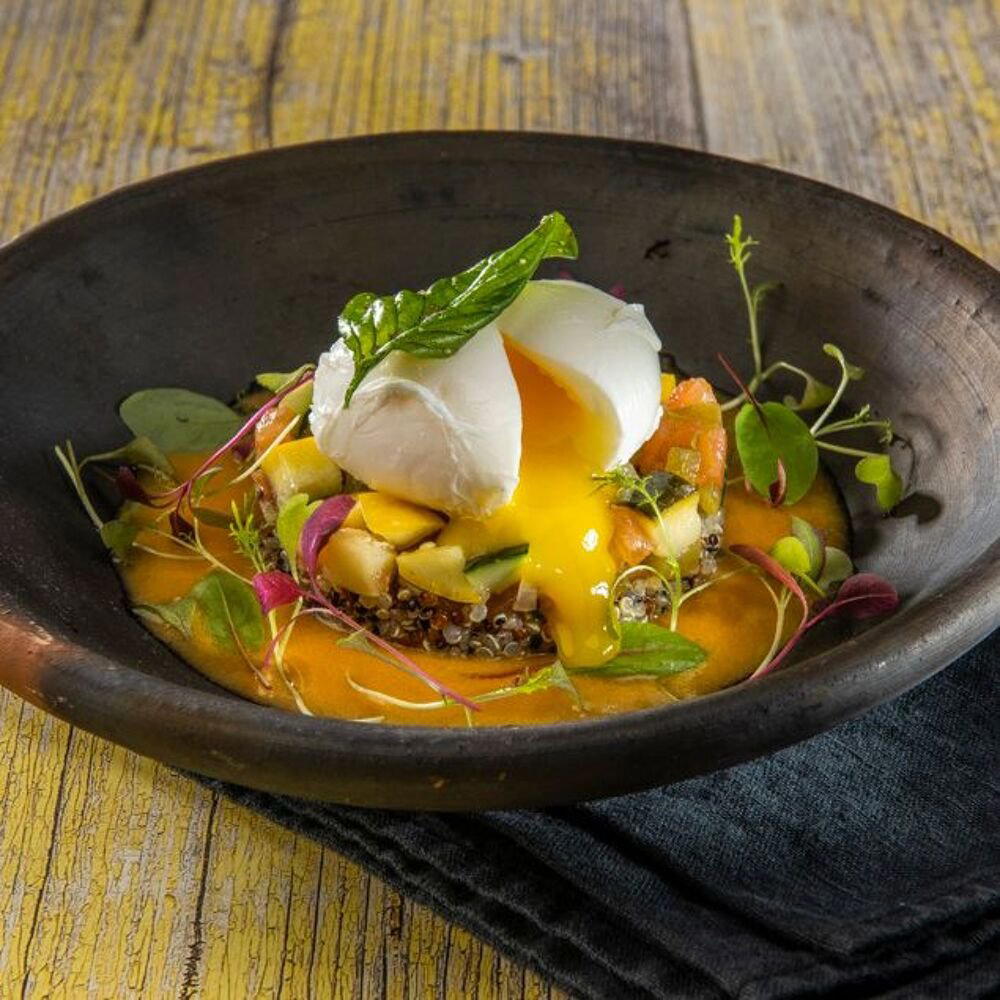
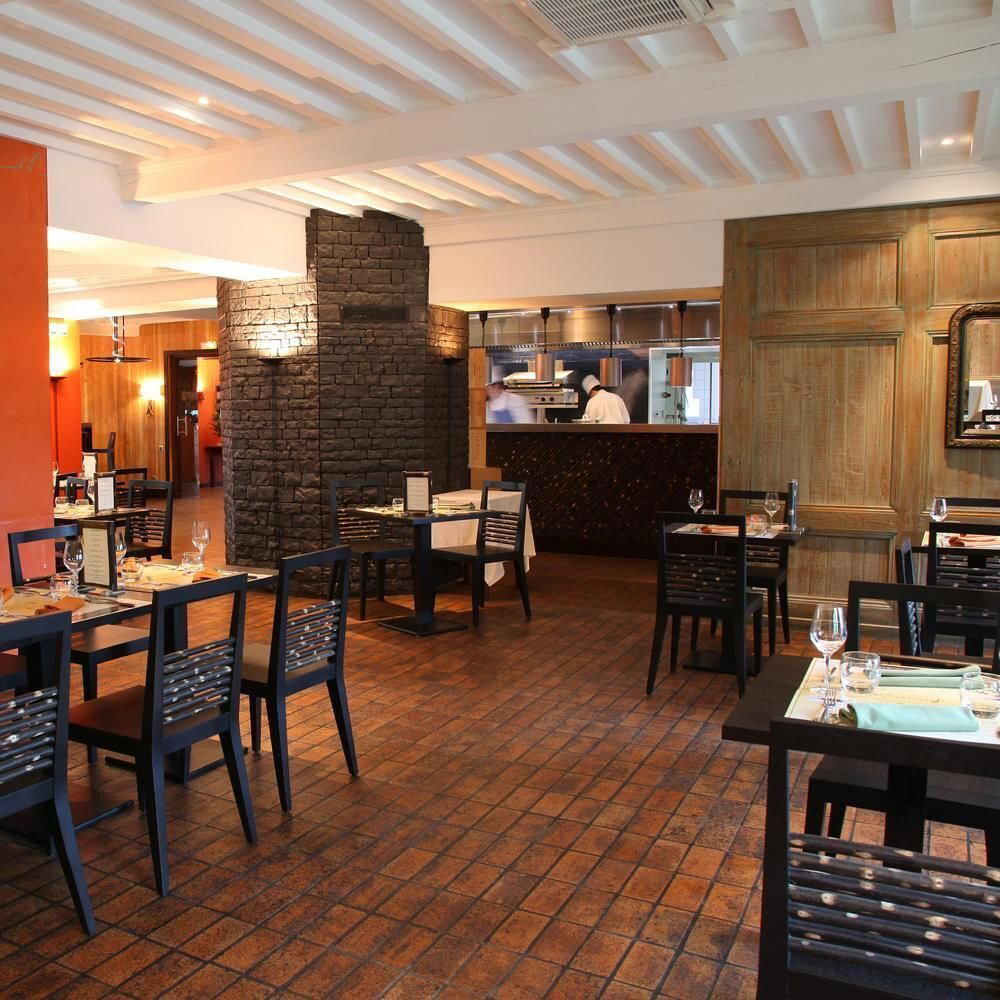
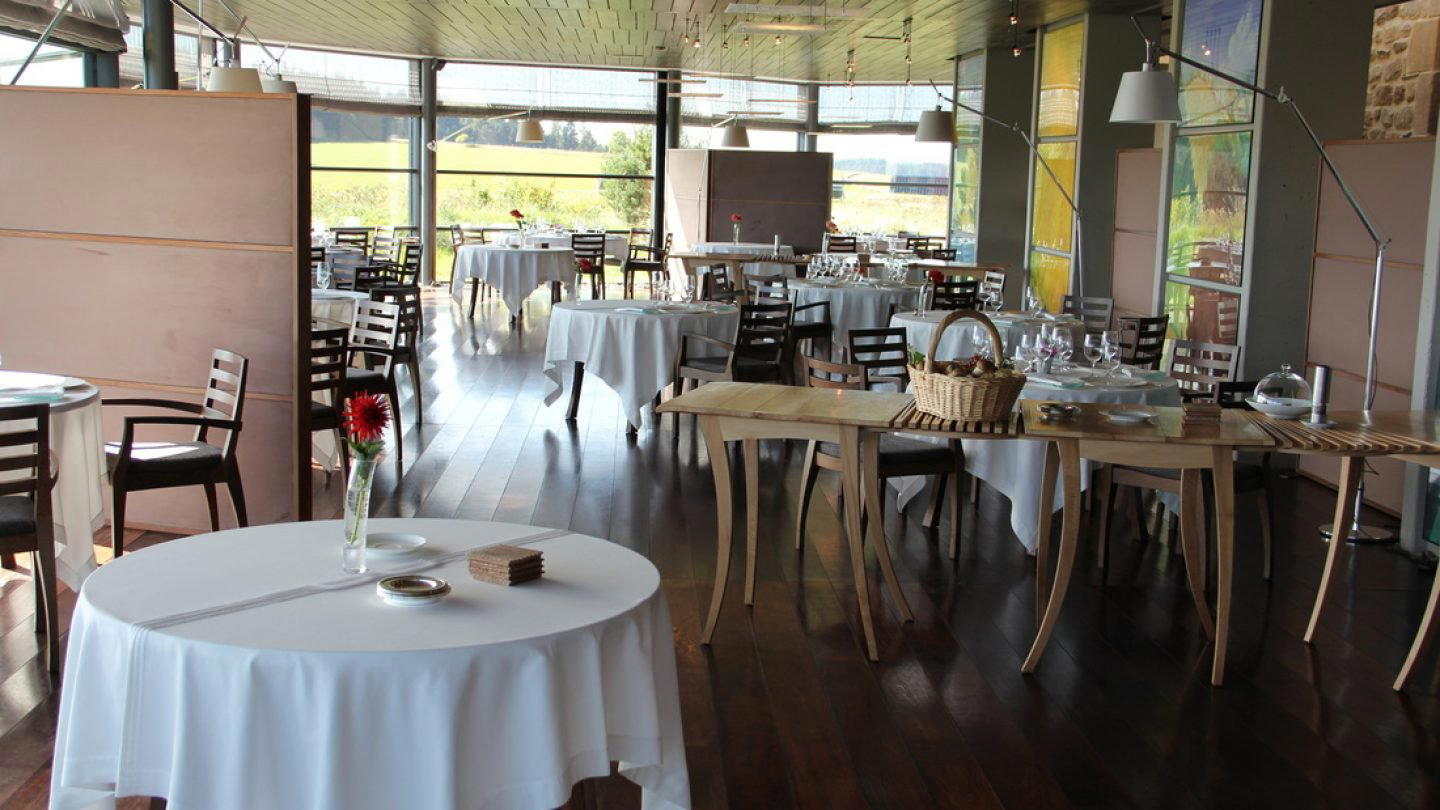
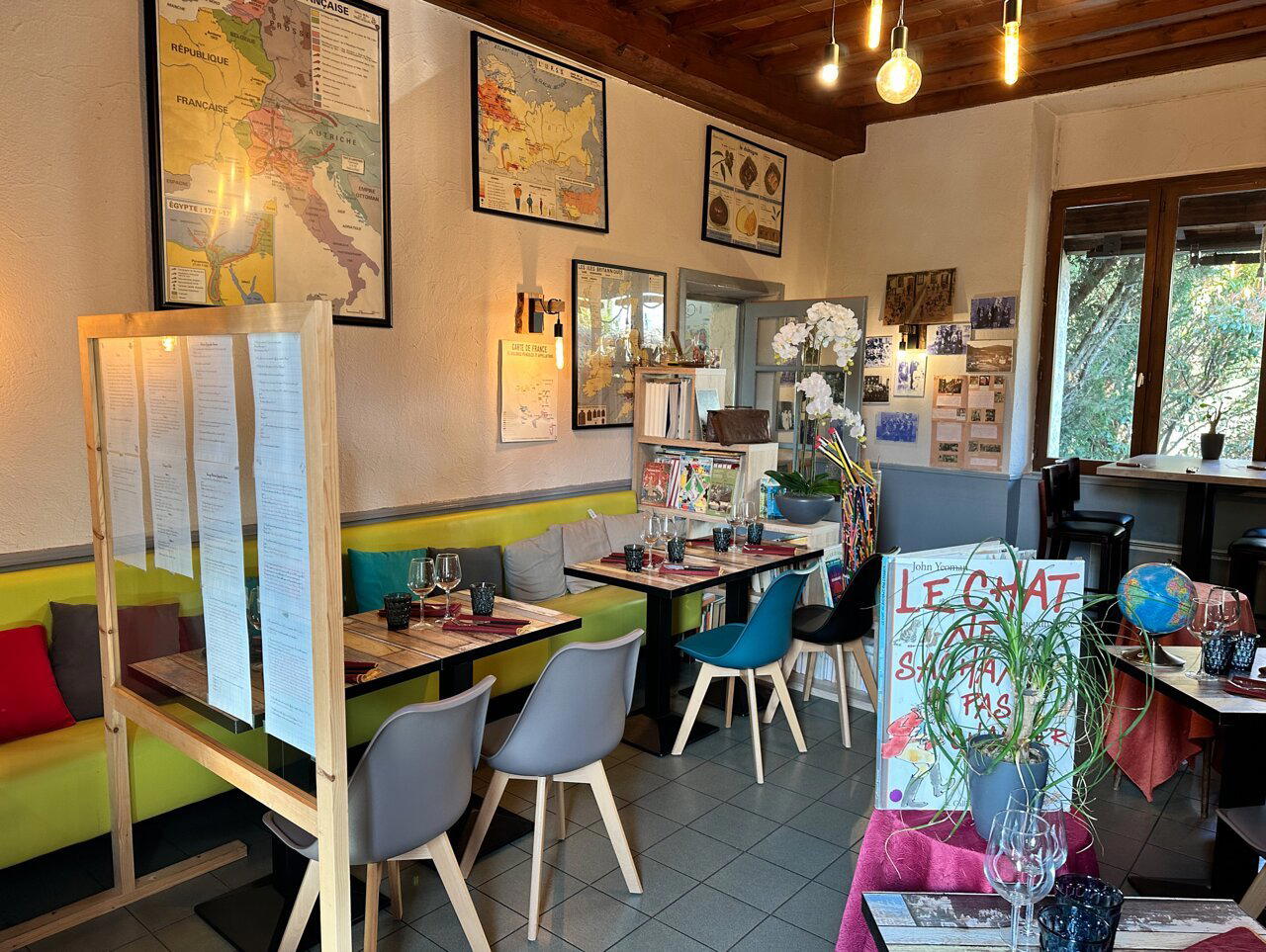
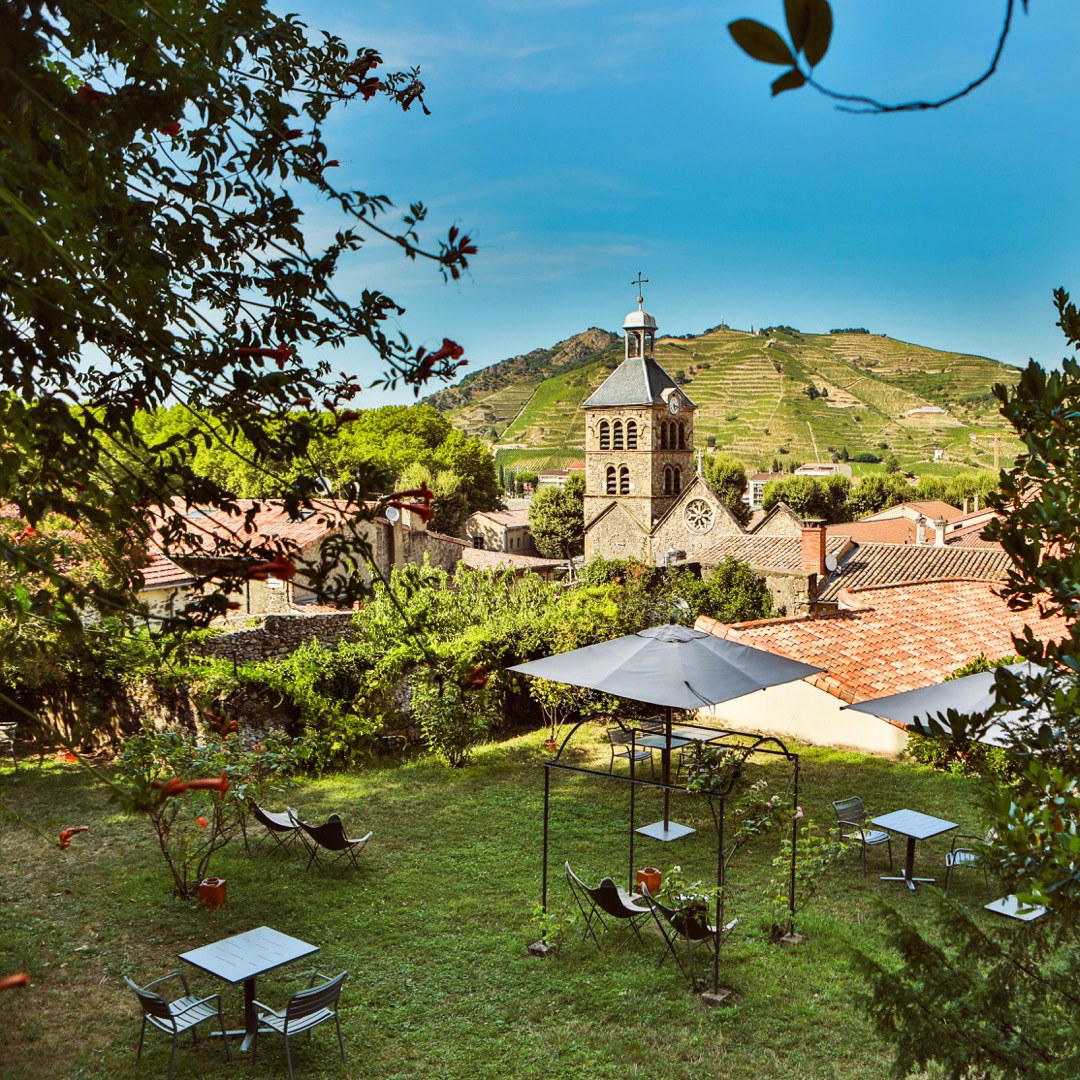
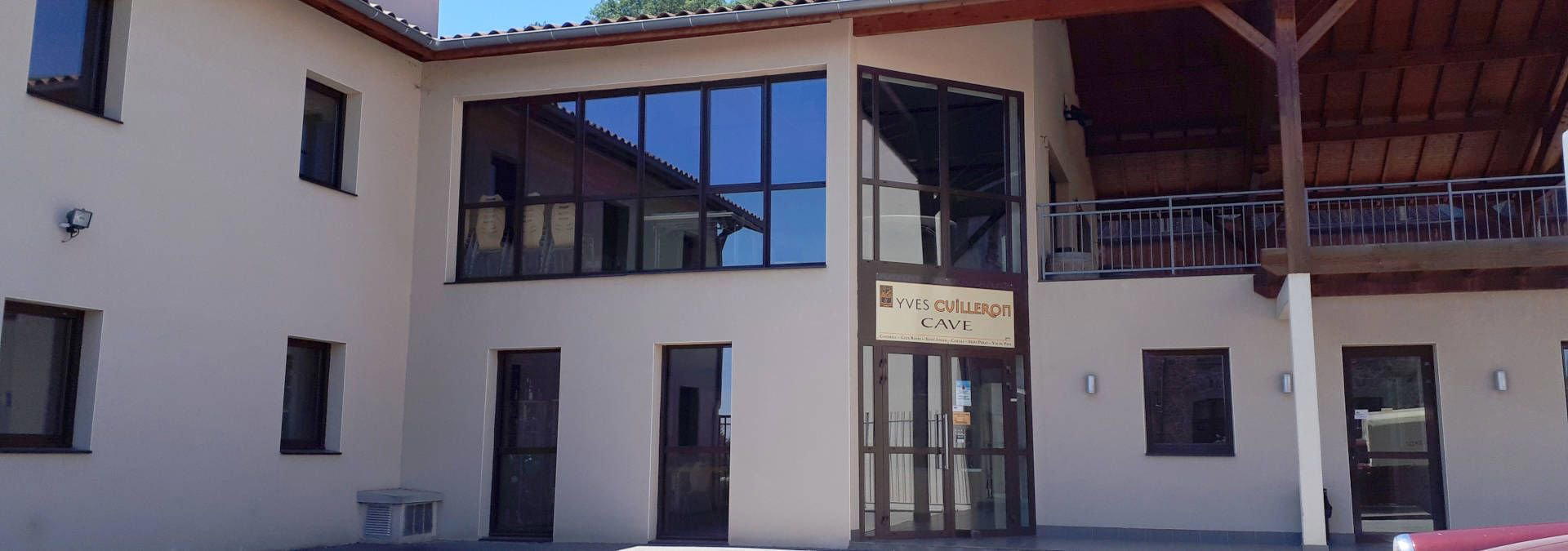
Elegant and luminous dining room open to nature with a shaded flowered terrace overlooking aromatic gardens.