On a quieter stretch of central Bordeaux, La Table de Montaigne represents the city's appetite for cooking that draws on classical French foundations while engaging with wider technique and ingredient sourcing. Sitting within a dining scene shaped by proximity to one of the world's great wine regions, the restaurant occupies a considered position between neighbourhood anchor and serious culinary address. Reservations are advisable.
Pearl is the En Primeur Club membership app — saves, bookings, and concierge access live there. Same editors, same standards.
- Address
- 144 Rue Abbé de l'Épée, 33000 Bordeaux, France
- Phone
- +33557080127
- Website
- module.thefork.com
- Directions
- Get directions
 Saves & bookings on Pearl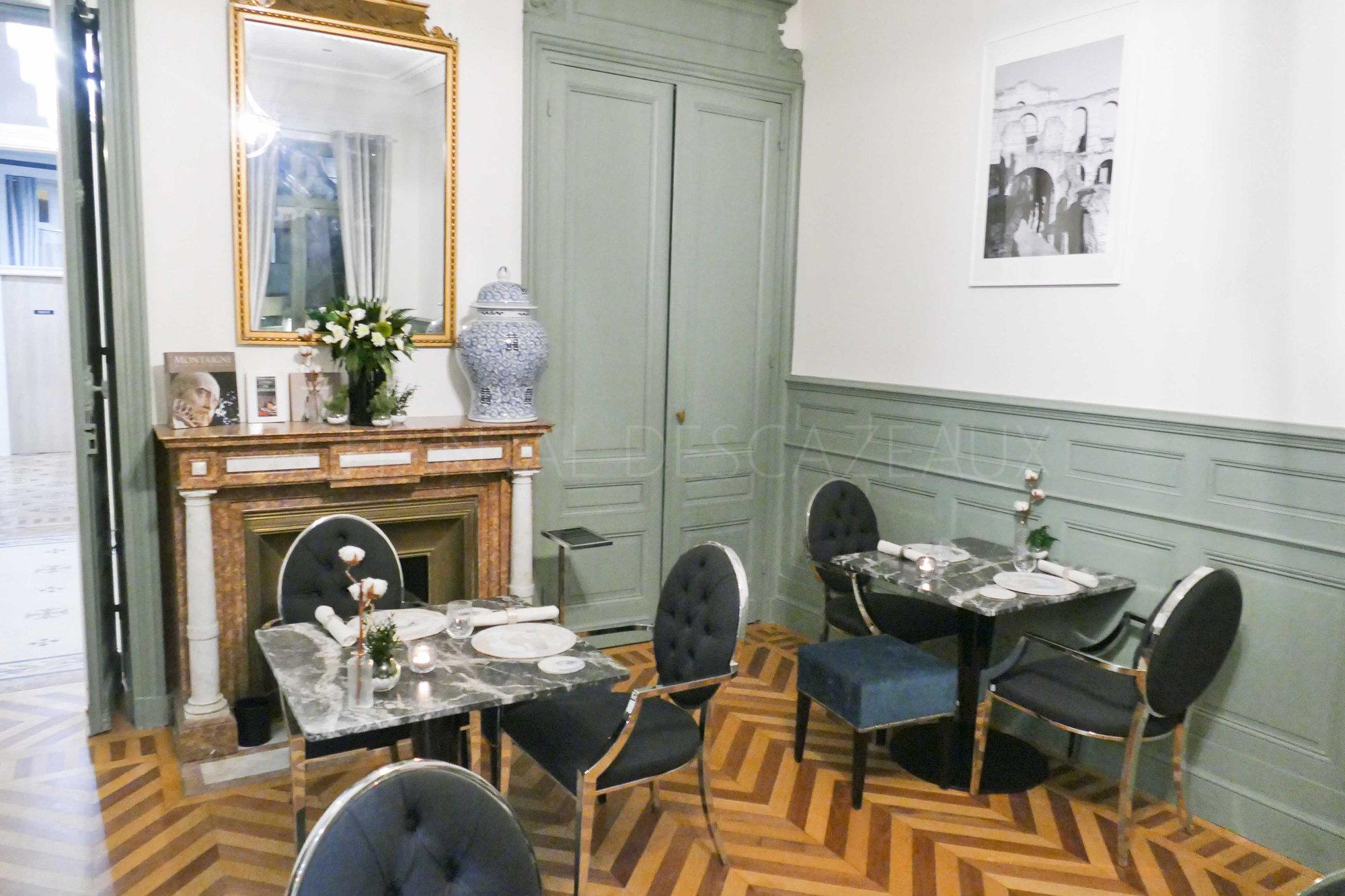
Where Bordeaux's Wine Culture Meets the Plate
Bordeaux has always been a city that takes the table seriously, though the conversation has historically been weighted toward what fills the glass. That balance has shifted over the past decade. The city's restaurant tier has stratified in ways that mirror what happened in Lyon two generations earlier: a cluster of technically serious kitchens has emerged that treat the plate as the primary subject, not an accompaniment to the Cabernet. La Table de Montaigne, at 144 Rue Abbé de l'Épée in the 33000 postcode, sits within that emerging tier, in a part of central Bordeaux where the street grain is residential and unhurried rather than tourist-facing.
That address matters. Bordeaux's most decorated dining addresses, including Le Pressoir d'Argent - Gordon Ramsay and L'Observatoire du Gabriel, are anchored in the city's grandest civic architecture, drawing on the prestige of their surroundings as part of the experience. A restaurant away from that circuit tends to build its reputation differently: through word of mouth, through repeat custom, and through the quality of what arrives at the table rather than what frames it. That model of accumulation is, in many ways, the older French model, and it still carries weight in a city with as long a memory as Bordeaux.
The Logic of Local Ingredients Shaped by Broader Technique
The southwest of France is one of the country's most ingredient-rich regions. The Arcachon Basin produces oysters that rank among France's most consistently cited. The Landes forest to the south yields duck, foie gras, and wood pigeon in quantities that have shaped local cooking for centuries. Further into the Périgord, truffles and walnuts form the backbone of a larder that serious kitchens across the region draw on as a matter of course. What distinguishes the more progressive Bordeaux tables from their predecessors is not the sourcing, which has always been notable, but the technique applied to those ingredients.
French regional cooking at its most conservative is protective of its canon: confit stays confit, foie gras is seared or torchon, the sauces follow classical lines. The more interesting contemporary kitchens across the country, from AM par Alexandre Mazzia in Marseille to Mirazur in Menton, have found productive tension between that regional specificity and techniques drawn from Japanese precision cooking, Scandinavian preservation methods, or the kind of fermentation-led approach that has become a shared language across serious kitchens globally. La Table de Montaigne operates within that broader current, using the southwest's larder as its foundation while allowing technique to open rather than close the conversation.
This is the editorial angle that places the restaurant within a useful comparable set. It is not competing with the grand-hotel dining of Le Pressoir d'Argent for spectacle, nor is it a traditional bistro in the mode of La Tupina, where the fireplace and the cassoulet are the point. It occupies a middle ground that French dining has increasingly claimed as its own: serious cooking without formality theatre, grounded in regional produce but not imprisoned by it. Its menu is generally priced around $100 per person.
Bordeaux's Table in National and International Context
To understand where a restaurant like La Table de Montaigne fits, it helps to map the national conversation. France's most technically ambitious kitchens, among them Alléno Paris au Pavillon Ledoyen, Troisgros - Le Bois sans Feuilles, and Auberge de l'Ill, have spent decades defining what French fine dining means in a post-nouvelle cuisine era. The conversation they started, about terroir, restraint, and the relationship between French technique and global influence, has filtered steadily down into the regions. Bordeaux, historically slower to absorb that influence than Lyon or Paris, has caught up.
The city now has a coherent upper tier. Maison Nouvelle and Amicis represent the creative end of that tier, while L'Oiseau Bleu holds a position as a more classically oriented modern address. The restaurant adds further texture to a scene that, five years ago, was thinner in the middle. For a fuller map of where each of these kitchens sits relative to one another,
Beyond France, the model of cooking that leading illuminates what kitchens like La Table de Montaigne are reaching for exists in international counterparts: Le Bernardin in New York City long ago established that a single-product focus executed with French technique could sustain one of the world's most durably reviewed restaurants. Atomix in New York City demonstrates how Korean culinary traditions can be filtered through fine-dining structure without losing their essential character. These examples point to the same underlying principle: resonant cooking is specific in its sourcing and disciplined in its method, regardless of which tradition supplies the framework.
Planning a Visit
The restaurant is located at 144 Rue Abbé de l'Épée in central Bordeaux, within walking distance of the city's main tram network. The address is in a residential quarter rather than the tourist core, which typically means quieter streets and a more local clientele. The restaurant takes reservations, and its smart casual dining room is best booked ahead. Tables at restaurants operating at this level in Bordeaux's upper-middle tier are not always available on short notice, particularly during the autumn en primeur season when the city's professional wine community fills the better dining rooms. Spring visits, before the April barrel-tasting week, and mid-week evenings generally offer more flexibility.
Those building a longer itinerary around French regional cooking at serious levels might also consider how Bordeaux slots into a broader southwest circuit. Bras in Laguiole, roughly three hours to the east, remains one of France's defining statements about regional produce and landscape translated into cooking. Flocons de Sel in Megève operates with similar logic in the Alpine context. Paul Bocuse - L'Auberge du Pont de Collonges and Assiette Champenoise in Reims anchor the northern end of that national map. Au Crocodile in Strasbourg represents the Alsatian tradition within the same conversation. The restaurant, in this company, is a Bordeaux address worth tracking as the city's dining scene continues to develop.
Comparable Options
Comparable venues nearby, for context on price, style, and recognition.
| Venue | Cuisine | Price | Notes |
|---|---|---|---|
| La Table de MontaigneThis venue — the venue you are viewing | Modern French Fine Dining | $$$$ | Not listed |
| La Grande Maison de Bernard Magrez | Avant-Garde French Fine Dining | $$$$ | Chartrons - Grand Parc - Jardin Public |
| Le Regallien | Modern French Bistro | $$$ | Centre ville |
| Echo | Modern French-Asian Fusion | $$$ | Centre ville |
| Baud et Millet | French Cheese and Wine Bistro | $$$ | Centre ville |
| Mina | Modern French-Mediterranean | $$$ | Centre ville |
Continue exploring
More in Bordeaux
Restaurants in Bordeaux
Browse all →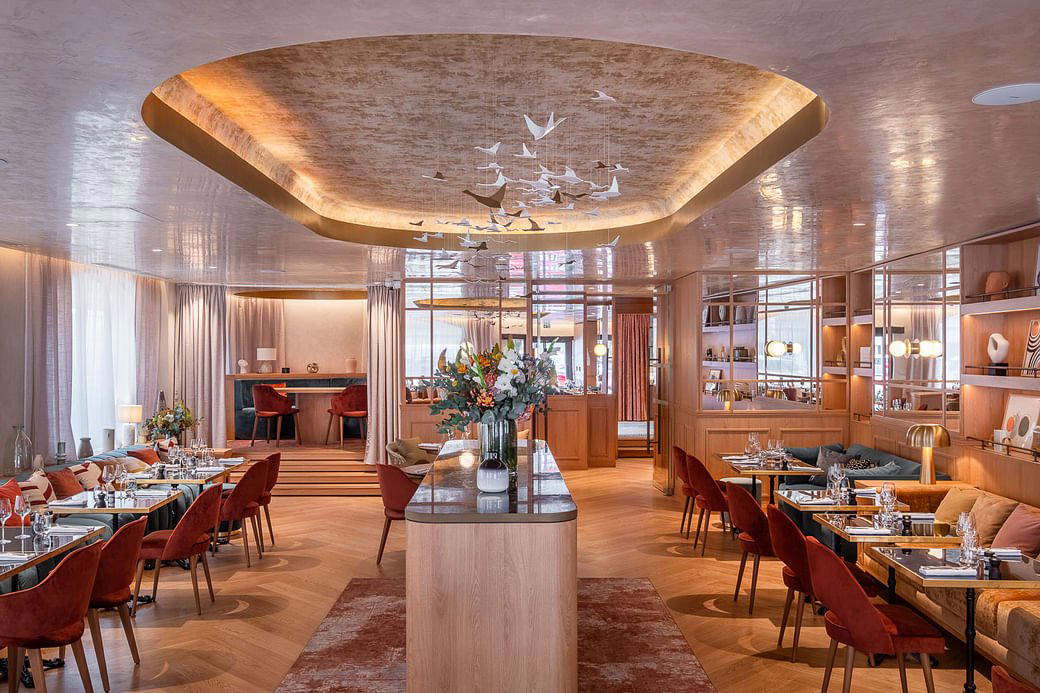
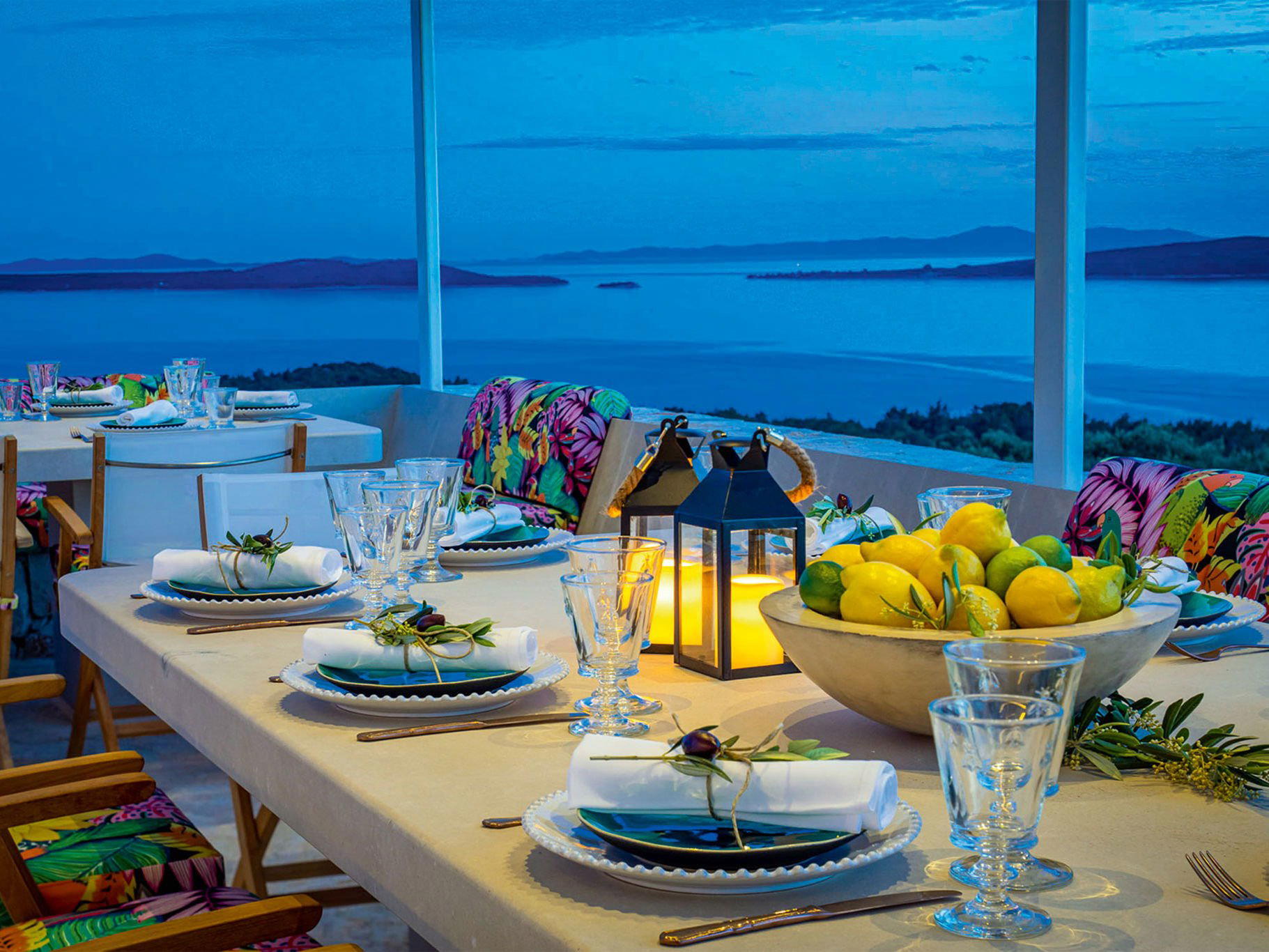
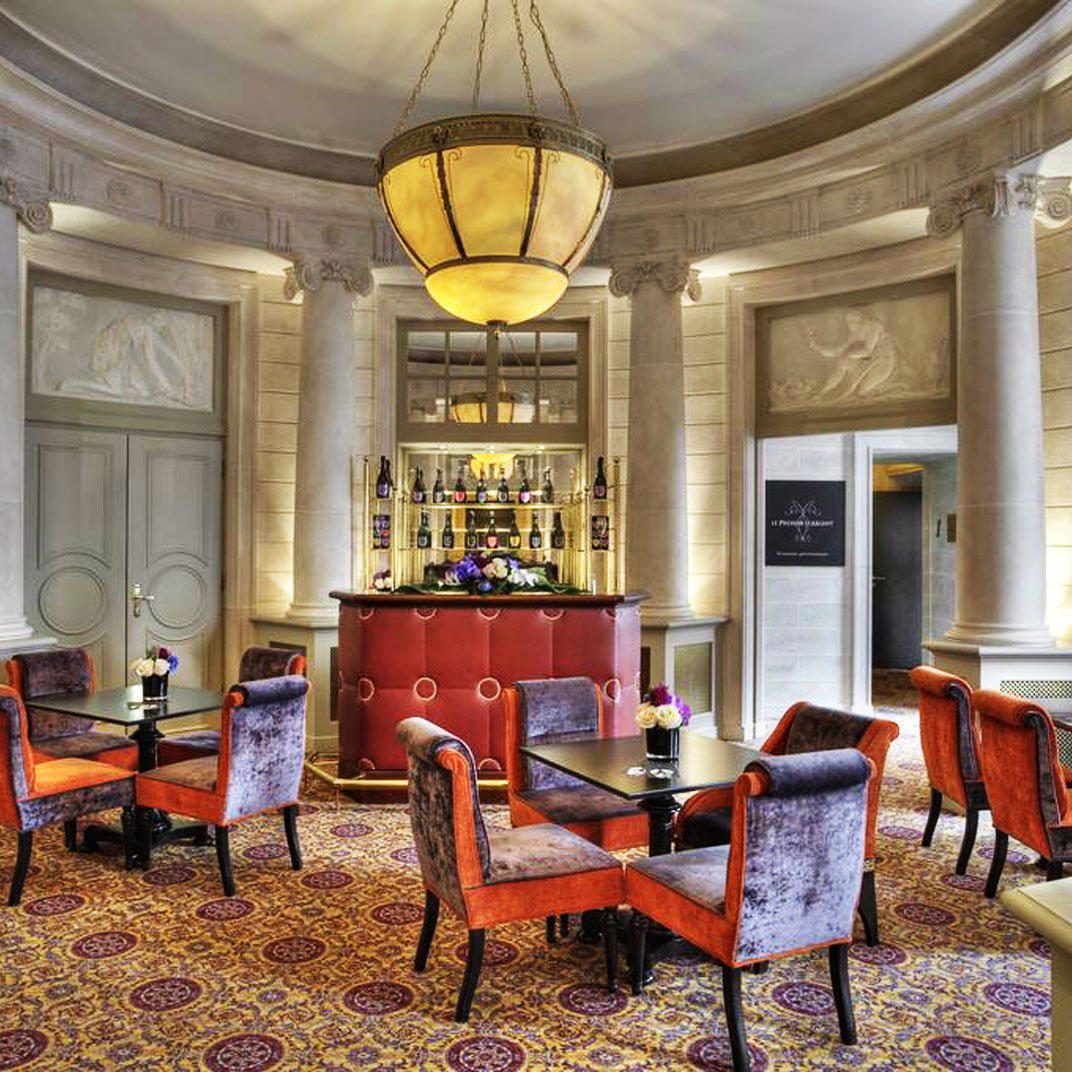
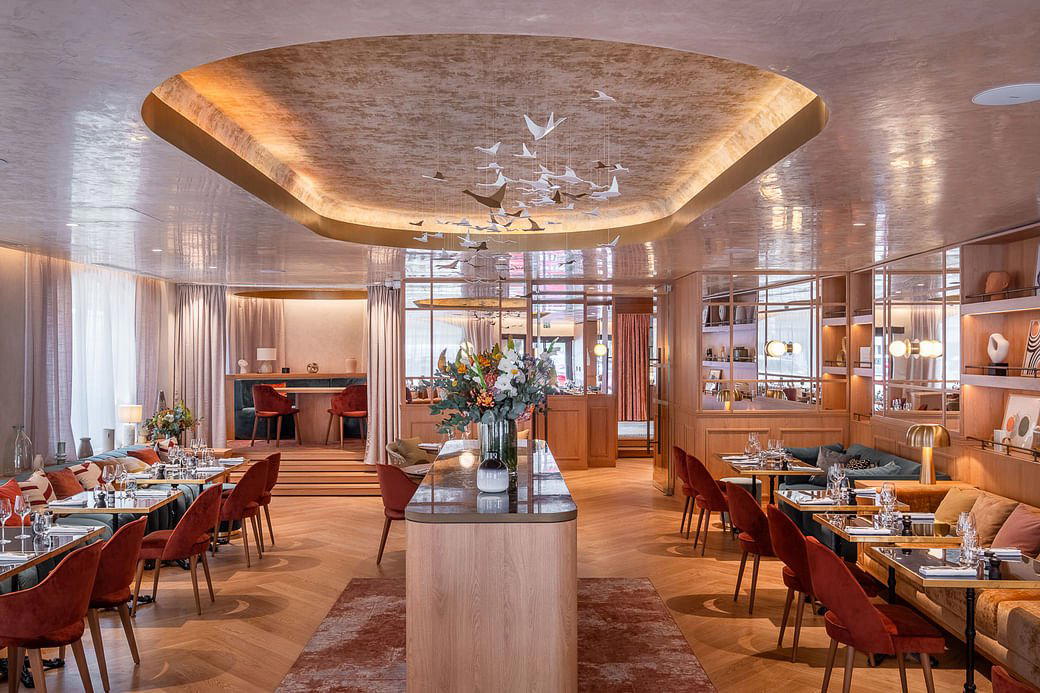
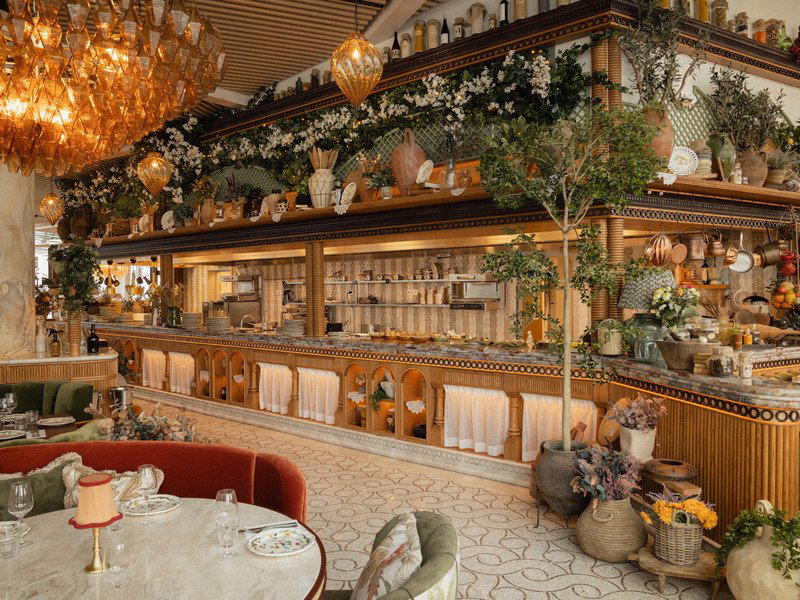
Bars in Bordeaux
Browse all →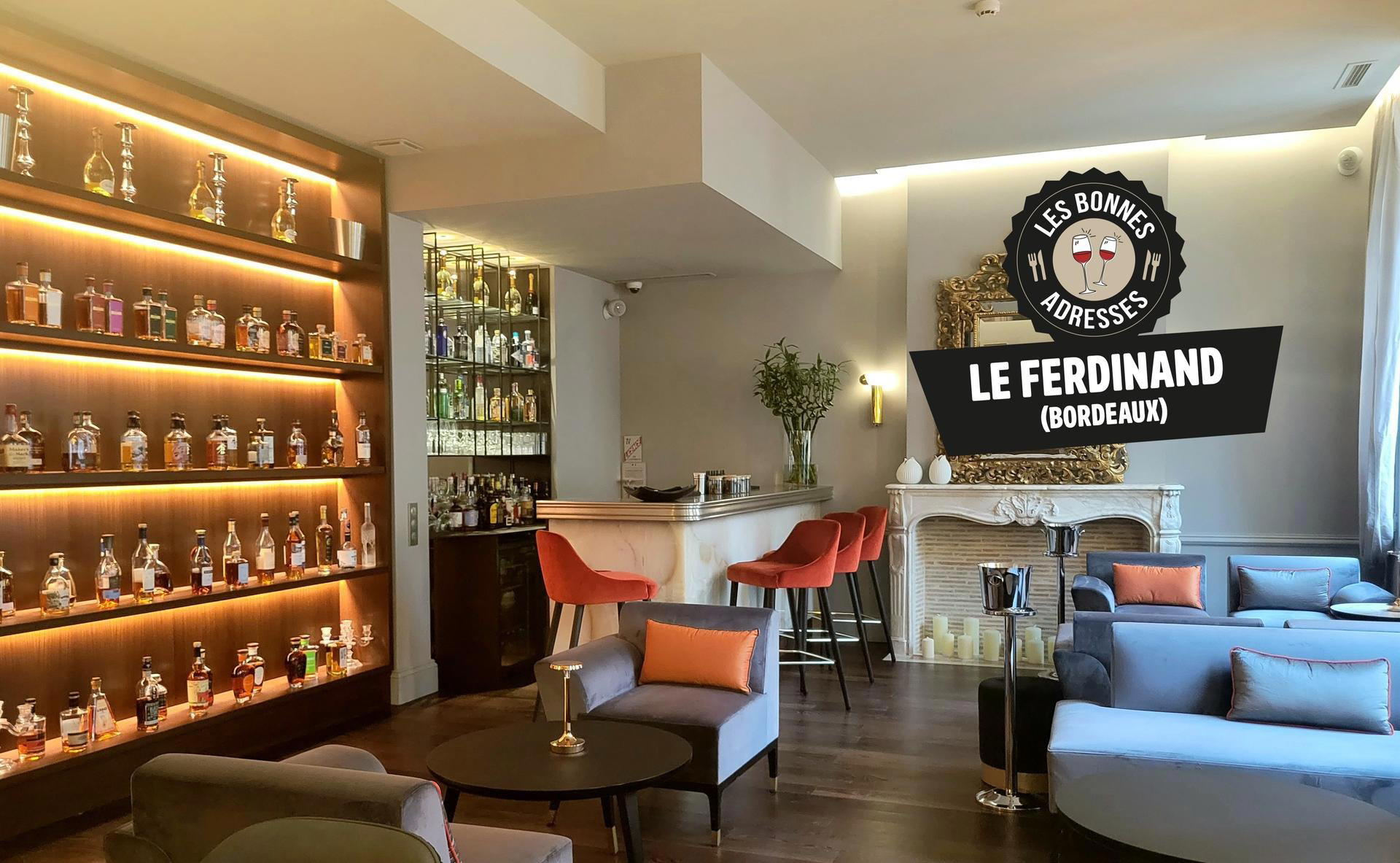
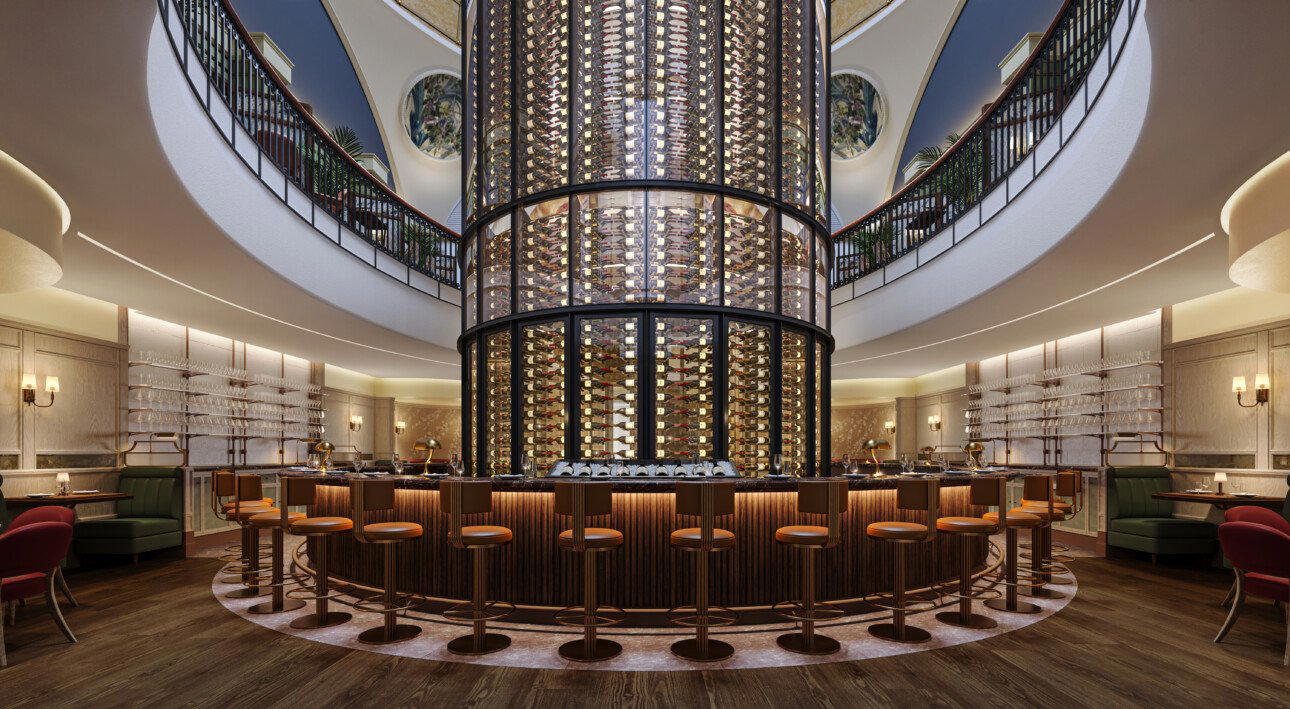
Hotels in Bordeaux
Browse all →
At a Glance
- Elegant
- Intimate
- Sophisticated
- Classic
- Date Night
- Special Occasion
- Business Dinner
- Hotel Restaurant
- Historic Building
- Extensive Wine List
- Sommelier Led
- Local Sourcing
Current opening hours
- Monday
- Closed
- Tuesday
- 7:30–10 PM
- Wednesday
- 12–2 PM, 7:30–10 PM
- Thursday
- 12–2 PM, 7:30–10 PM
- Friday
- 12–2 PM, 7:30–10 PM
- Saturday
- 12–2 PM, 7:30–10 PM
- Sunday
- Closed
Hours can change for holidays and private events. Last verified .
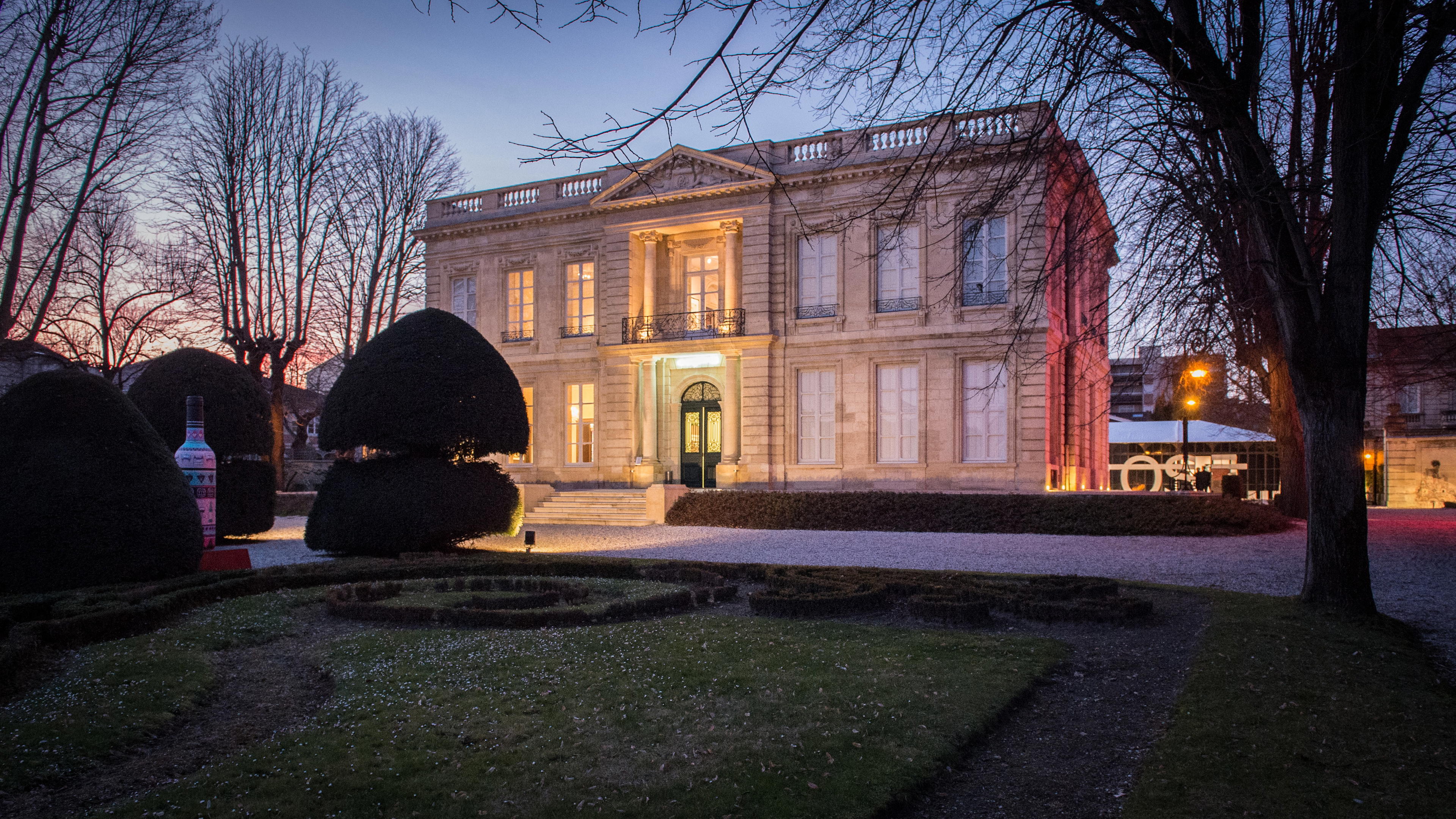
Intimate and refined atmosphere blending historic charm with modern design, feutrée like 1930s private clubs.