


Michelin Plate · Guía Repsol 1 Sol · Macarfi 8 Food Rating
Our verdict
A Michelin Plate-recognised seafood address in Petrer's town centre, La Sirena draws on daily fish auction sourcing and a regional reputation built on its aioli. The à la carte spans live seafood priced by weight, rice dishes for two, and a display counter that signals the kitchen's priorities before you've sat down. At €€ pricing, it holds a position few coastal restaurants at this level manage inland.

Pearl is the En Primeur Club membership app, where members save venues, book tables and use the concierge.
The menu
What to order
- Ensaladilla de merluza
- Arroz a banda
- Aiolis
A Market Counter in the Middle of Alicante Province
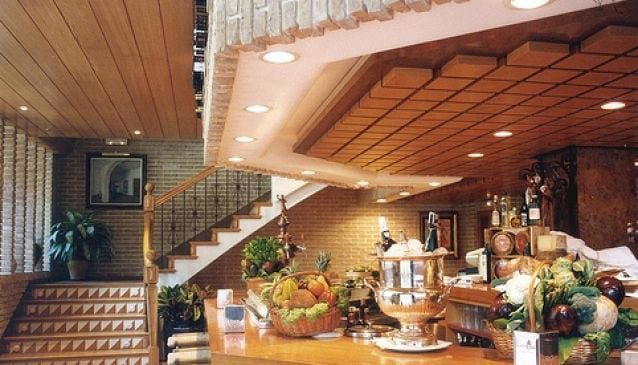
Inland Alicante is not where most visitors expect to find a serious seafood kitchen. The coast, Benidorm, Alicante city, Dénia, pulls the attention, and the assumption is that distance from the water means distance from quality. La Sirena, on Avenida de Madrid in Petrer, sits a few steps from the local bus station and makes a case against that logic every day it opens its doors. What greets you first is the bar-cum-display counter: a cold cabinet of fish and shellfish arranged with the kind of precision that signals a purchasing operation rather than a décor decision. This is the editorial that introduces the kitchen before any menu arrives.
That sourcing story connects La Sirena to two distinct supply chains. The first is local: fish auctions along the Alicante coast, where the morning's catch moves through a competitive bidding process that rewards early commitment and consistent relationships. The second reaches north to Galicia, whose cold Atlantic waters produce molluscs, percebes, navajas, vieiras, that the Mediterranean cannot replicate. The result is a counter that changes composition depending on what cleared the auction floor, which is precisely the point. The display is a daily bulletin, not a permanent fixture.
Where Aioli Becomes the Opening Argument
Spanish seafood culture often measures a kitchen's honesty through its sauces. A house that handles aioli well, emulsified from scratch, seasoned with restraint, balanced between garlic intensity and the olive oil that carries it, is signalling an approach to the fundamentals that tends to hold across the menu. La Sirena has built a regional reputation specifically around the quality of its aioli, which is significant in a province where the sauce appears on nearly every table. The kitchen offers a tasting of aiolis with bread, including toasted slices, before the meal begins. That pre-service ritual is a confident move: it asks you to judge technique before you've seen a dish.
This kind of anchoring in traditional sauces places La Sirena within a broader pattern of Valencian and Alicantine cooking that treats craft products, olive oil, citrus, saffron, pimentón, as primary rather than supporting. It is a different register from the progressive kitchens that define Spain's headline restaurant conversation. To compare La Sirena to Aponiente in El Puerto de Santa María or Quique Dacosta in Dénia would be a category error. Those rooms operate at €€€€ price points with tasting menus designed around conceptual frameworks. La Sirena operates at €€ in a town-centre setting and asks a different question: how far can sourcing discipline and sauce craft carry a product-led kitchen? The Michelin Plate recognition it has held in both 2024 and 2025 suggests the answer is further than the postcode implies.
Reading the Menu: Rice, Weight, and Daily Specials
The à la carte at La Sirena is structured around three ordering registers. The first is the live and fresh seafood section, where items are priced by weight, a pricing model that puts the quality of the product at the centre of the transaction and removes the kitchen's incentive to portion conservatively. The second is the rice section: arroz dishes prepared for a minimum of two people, which is the correct minimum for a dish that requires volume to cook properly. Rice cooked in too small a quantity loses the socarrat, the caramelised base layer that marks the difference between a considered rice and a serviceable one. The third register is the daily specials, which shift with the auction supply and represent the most direct translation of that morning's purchasing into the afternoon's plate.
Two set menu options, the Mediterráneo and the Degustación, provide a more structured path through the kitchen's range, useful for first visits or for groups with different appetites for decision-making. The extensive à la carte rewards those who want to build a meal around specific products, particularly if the display counter has already identified something worth pursuing.
The Broader Spanish Seafood Context
Spain's seafood dining culture is unusually diverse in its price distribution. At the leading, three-star kitchens like Arzak in San Sebastián, El Celler de Can Roca in Girona, and Azurmendi in Larrabetzu operate in a conceptual register where product sourcing is one tool among many. At the other end, family-run fish bars in coastal towns offer proximity to the water at minimal cost. The interesting middle ground belongs to kitchens like La Sirena: recognised by Michelin, reliant on auction sourcing, and priced in a way that positions them as the serious seafood choice within a regional rather than tourist economy.
This is where the comparison to international equivalents becomes instructive. Italy has its own version of this model in places like Gambero Rosso in Marina di Gioiosa Ionica and Alici Restaurant on the Amalfi Coast, where coastal sourcing and regional sauce traditions define the offer more than chef celebrity. The shared logic is that proximity to supply chains, combined with technical control of fundamentals, can produce consistent quality at accessible prices. La Sirena operates within that same framework, applied to the specific auction geography of Alicante province and the sauce traditions of the Valencian Community.
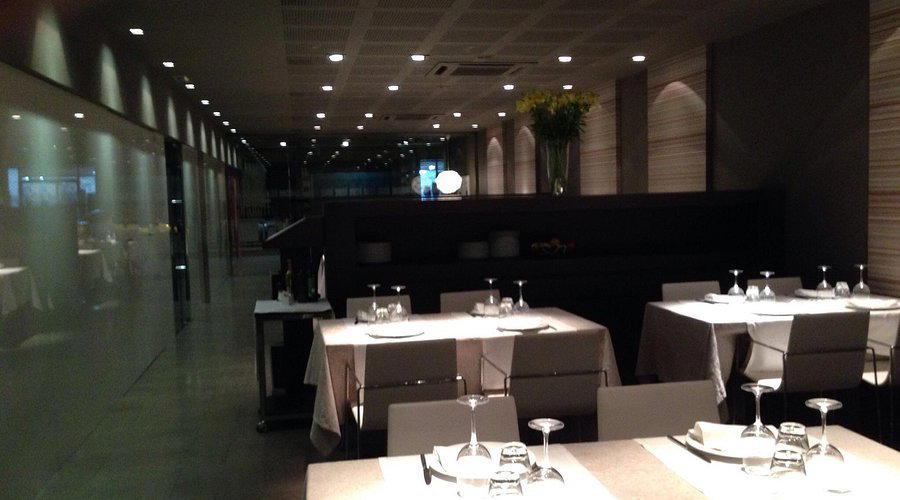
Petrer sits within driving distance of Alicante city and forms part of the inland Vinalopó corridor that stretches toward Elda and Villena. It is a working town rather than a tourist destination, which shapes the dining room's register. The clientele skews local and regional, the noise level is calibrated to conversation rather than performance, and the service operates at the pace of a restaurant confident it will fill regardless.
Planning Your Visit
La Sirena sits on Avenida de Madrid 14 in central Petrer, directly beside the bus station, which makes it accessible from Alicante and Elda without a car. The €€ price range places it comfortably within range for a table of two ordering from the à la carte, though the by-weight seafood section can shift the bill depending on selection. Rice dishes require a minimum of two people and should be ordered early in the meal, as they take time to prepare properly. The aioli tasting with bread is offered before the meal and is worth accepting. For broader Petrer planning, see our full Petrer restaurants guide, Petrer hotels guide, Petrer bars guide, Petrer wineries guide, and Petrer experiences guide. For Spain's broader restaurant scene, the country's major creative kitchens include Martin Berasategui in Lasarte-Oria, DiverXO in Madrid, Cocina Hermanos Torres in Barcelona, Mugaritz in Errenteria, Ricard Camarena in València, and Atrio in Cáceres.
Frequently asked questions
Is La Sirena expensive?
Pricing at La Sirena is listed as €€.
Where do I go for La Sirena?
La Sirena is located at Av. de Madrid, 14, 03610 Petrer, Alicante, Spain, Petrer.
Side-by-Side Snapshot
| Venue | Cuisine | Price | Awards | Notes |
|---|---|---|---|---|
| La SirenaThis venue (the venue you are viewing) | Mediterranean Seafood | $30–50 | Michelin Plate · Guía Repsol 1 Sol | Not listed |
| Aponiente | Avant-Garde Marine Seafood | $200–300 | 3 Michelin Stars · World's 50 Best #84 | Progressive - Seafood, Creative |
| Arzak | Contemporary Basque Fine Dining | $300–500 | 3 Michelin Stars · World's 50 Best #31 | Modern Basque, Creative |
| DiverXO | Avant-Garde Spanish Tasting Menu | $300–500 | 3 Michelin Stars · World's 50 Best #4 | Progressive - Asian, Creative |
| El Celler de Can Roca | Creative Catalan Fine Dining | $300–500 | 3 Michelin Stars · World's 50 Best #2 | Progressive Spanish, Creative |
| Quique Dacosta | Avant-Garde Spanish Fine Dining | $300–500 | 3 Michelin Stars · World's 50 Best #65 | Creative |
Recognition history
Dated appearances from independent guides and award organizations, with the underlying list record or original source where available.
Michelin Plate
Michelin
Guía Repsol 1 Sol
Guía Repsol
Macarfi 8 Food Rating
Macarfi
Full recognition history (5 entries)
Michelin Plate
Michelin
Michelin Plate
Michelin
Continue exploring
More in Petrer
Restaurants in Petrer
All restaurants in Petrer →
Bars in Petrer
Browse all →
Hotels in Petrer
Browse all →


Details
- Classic
- Elegant
- Date Night
- Business Dinner
- Special Occasion
- Open Kitchen
- Extensive Wine List
- Local Sourcing
- A La Carte
- Small Plates
Current opening hours
- Monday
- Closed
- Tuesday
- 1:30–4:30 PM, 8:30–11:30 PM
- Wednesday
- 1:30–4:30 PM, 8:30–11:30 PM
- Thursday
- 1:30–4:30 PM, 8:30–11:30 PM
- Friday
- 1:30–4:30 PM, 8:30–11:30 PM
- Saturday
- 1:30–4:30 PM, 8:30–11:30 PM
- Sunday
- 1:30–4:30 PM
Hours can change for holidays and private events. Hours as of .
Professional and attentive service in a spacious setting with an impressive bar counter featuring fresh seafood, creating a classic yet refined atmosphere.