Our verdict
La Rôtisserie sits in the 12th arrondissement at 25 Rue Erard, occupying a quieter corner of Paris where the city's rotisserie tradition plays out with less fanfare than in the more trafficked dining districts. For those drawn to the classic French rapport between fire, fat, and time, this address places that craft in a neighbourhood context that rewards the short detour from central Paris.

Pearl is the En Primeur Club membership app — saves, bookings, and concierge access live there. Same editors, same standards.
The menu
What to order
- Roast chicken
- Oeufs mayo
- Roast duck
Fire and Fat in the 12th: Paris's Rotisserie Tradition in Context
The rotisserie is one of the oldest formats in French cooking, predating the restaurant as an institution by centuries. Long before tasting menus and brigade kitchens, Parisian rôtisseurs turned spits over open heat, building the vocabulary of French meat cookery that would later underpin everything from bistro classics to haute cuisine. Today, Paris maintains a handful of addresses where that tradition is taken seriously rather than deployed as nostalgia décor. La Rôtisserie at 25 Rue Erard, in the 12th arrondissement, occupies that territory.
The 12th is not a neighbourhood that trades on prestige. Unlike the 8th, where Le Cinq at the Four Seasons George V and Alléno Paris at the Pavillon Ledoyen anchor a dense tier of grand-format dining, the 12th is quieter, more residential, and less trafficked by international visitors. Rue Erard itself sits between Nation and Gare de Lyon, neither a culinary destination in its own right nor a tourist corridor. That positioning tends to filter out casual visitors and retain a more committed local clientele — a useful signal for any address serious about what it serves.
Reading the Room: What a Rotisserie Format Actually Signals
A dedicated rotisserie kitchen imposes discipline. Unlike a multi-format bistro that treats roasted meat as one item among many, a rôtisserie structures its entire operation around the spit: sourcing becomes non-negotiable (the technique exposes poor provenance immediately), timing becomes central (roasted birds and cuts cannot wait the way a braised dish can), and service tempo is dictated by the fire rather than by the kitchen's convenience. These constraints tend to produce either very focused results or a frustrating experience, depending on how seriously the kitchen takes the format's demands.
Within Paris's broader dining scene, this kind of commitment to a single cooking method sits closer in spirit to the bistronomy movement than to grand French cuisine, though the rotisserie format is older than either category. Houses like Arpège and L'Ambroisie operate in entirely different registers, where menu range and decades-long institutional identity are the point. A rotisserie works differently: its authority is narrower and more technical, which is not a weakness but a different kind of argument.
The Wine Question: What a List Should Do at This Address
The editorial angle here matters: at a rotisserie, the wine list does specific work. Spit-roasted meat — particularly poultry, lamb, and pork, creates a different set of pairing demands than either a sauce-led haute cuisine kitchen or a raw bar. Fat rendered by sustained dry heat calls for wines with enough structure and acidity to cut through without overwhelming what is fundamentally an exercise in restraint. This is, in practical terms, a strong argument for mid-weight Burgundy, Rhône, and Loire reds rather than the heavily extracted styles that dominated French wine lists through the 1990s and early 2000s.
The most considered rotisserie lists in Paris tend to be curated rather than encyclopedic. A deep cellar works against the format in the same way an oversized menu does: too many choices diffuse the clarity of what the kitchen is actually doing. The better approach, and the one that signals genuine sommelier engagement, is a focused selection where the regional logic is legible, where a diner can understand, without needing to ask, why the Burgundy column reads the way it does and what it is intended to do alongside the menu. Whether La Rôtisserie's list is built on this logic requires direct verification, but the format creates the conditions where that kind of curation makes the most sense.
For comparison, consider how French regional houses elsewhere approach the relationship between cellar and kitchen. Flocons de Sel in Megève and Auberge de l'Ill in Illhaeusern each maintain lists that are calibrated to regional produce and tradition rather than designed to impress in isolation. Bras in Laguiole and Les Prés d'Eugénie in Eugénie-les-Bains operate on similar logic. The common thread is a list that treats wine as an extension of the kitchen's argument rather than a separate performance. That is the standard against which any serious Paris address should be measured.
Locating La Rôtisserie in the Paris Dining Picture
Paris's dining market is heavily tiered. At the leading, the city's Michelin three-star addresses, including Kei in the 1st, set a price and format register that is largely disconnected from everyday dining decisions. Below that, a dense middle tier of bistros, bistronomie addresses, and neighbourhood restaurants competes on value, craft, and atmosphere in roughly equal measure. The rotisserie format fits most naturally into that middle tier, where technique is visible and the case for the meal is made through the food rather than through room design or brand legacy.
Internationally, the conversation about technique-led, format-specific restaurants is active. Le Bernardin in New York and Lazy Bear in San Francisco each demonstrate what happens when a kitchen commits fully to a defined format and executes it without distraction. The rotisserie operates on a similar logic of commitment. Within France, addresses like Auberge du Vieux Puits in Fontjoncouse, Georges Blanc in Vonnas, La Table du Castellet, Troisgros in Ouches, Paul Bocuse in Collonges-au-Mont-d'Or, and Mirazur in Menton all illustrate the range of ways a French kitchen can make an argument through a specific culinary tradition. A rotisserie is a more focused, less theatrically ambitious version of that argument, but the underlying logic is the same.
For a fuller map of where La Rôtisserie sits relative to Paris's wider dining offer, see our full Paris restaurants guide.
Know Before You Go
| Address | 25 Rue Erard, 75012 Paris, France |
|---|---|
| Arrondissement | 12th (near Nation / Gare de Lyon) |
| Cuisine Focus | Rotisserie / classic French meat cookery |
| Price Range | Not confirmed, verify directly |
| Booking | Recommend contacting ahead; format-specific kitchens typically fill early in the week |
| Hours | Not confirmed, verify directly before visiting |
Frequently asked questions
Is La Rôtisserie a suitable choice for wine-focused diners visiting Paris?
The rotisserie format creates a natural alignment with structured French reds, particularly Burgundy and Rhône varieties, where the pairing logic is direct: rendered fat from spit-roasting needs acidity and moderate tannin rather than weight. For diners whose primary interest is a wine-forward evening, Paris's 12th arrondissement offers a less crowded and less price-pressured alternative to the 8th and 6th, where cellars at addresses like Le Cinq are priced to match the room. Whether La Rôtisserie's specific list depth rewards that approach requires direct confirmation with the venue.
Cost Snapshot
Comparable venues nearby, for context on price, style, and recognition.
| Venue | Cuisine | Price | Notes |
|---|---|---|---|
| La RôtisserieThis venue — the venue you are viewing | Classic French Rotisserie Bistro | $30–50 | Not listed |
| Chez Janou | Provençal Bistro | $30–50 | Le Marais, Provençal Bistro |
| Le Petit Célestin | Classic French Bistro | $50–100 | Le Marais, Classic French Bistro |
| Café Charlot | French Brasserie & Cafe | $20–30 | Le Marais, French Brasserie & Cafe |
| Café Mélia | French Brasserie | $20–30 | Le Marais, Traditional French Bistro |
| Le Cirque | Classic French Brasserie | $20–30 | Marais, Classic French Brasserie |
Continue exploring
More in Paris
Restaurants in Paris
All restaurants in Paris →
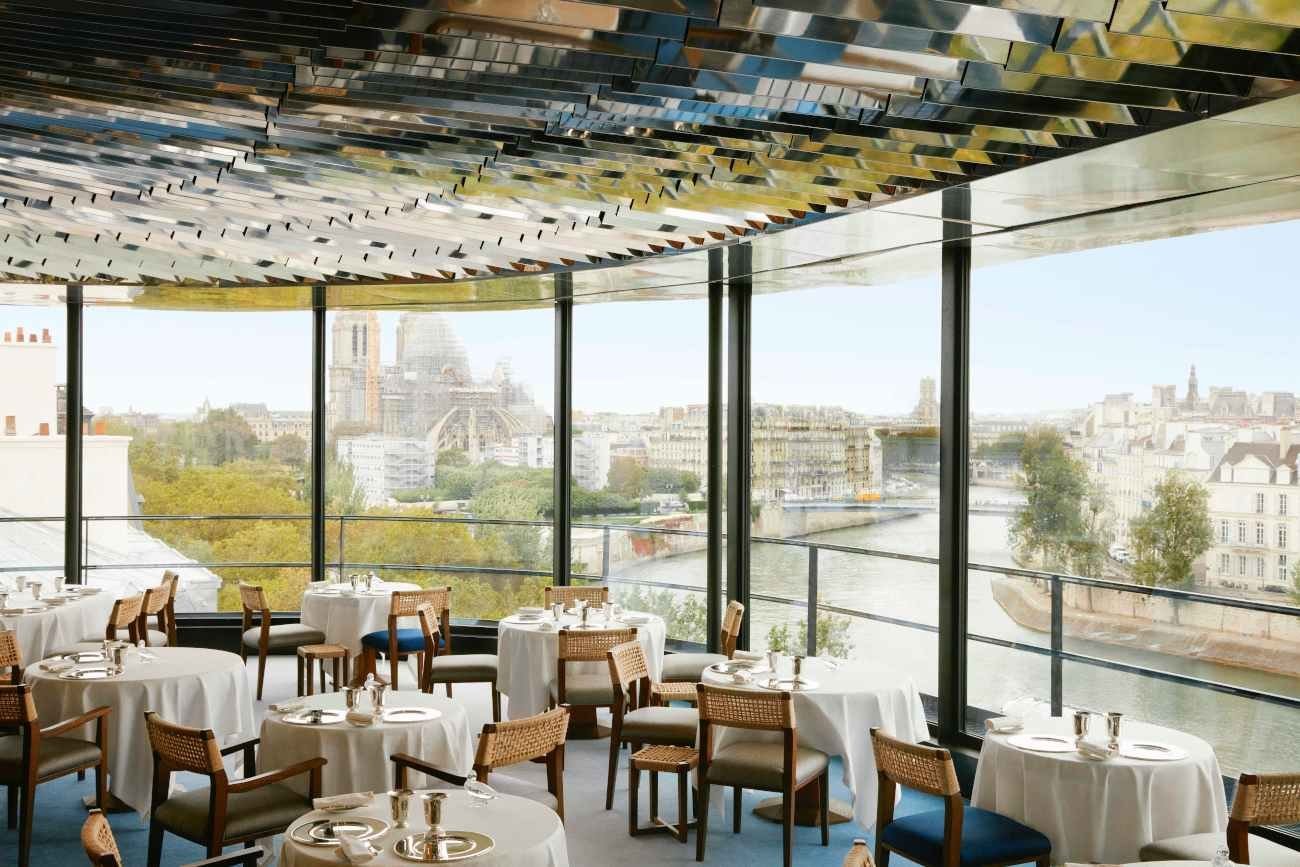
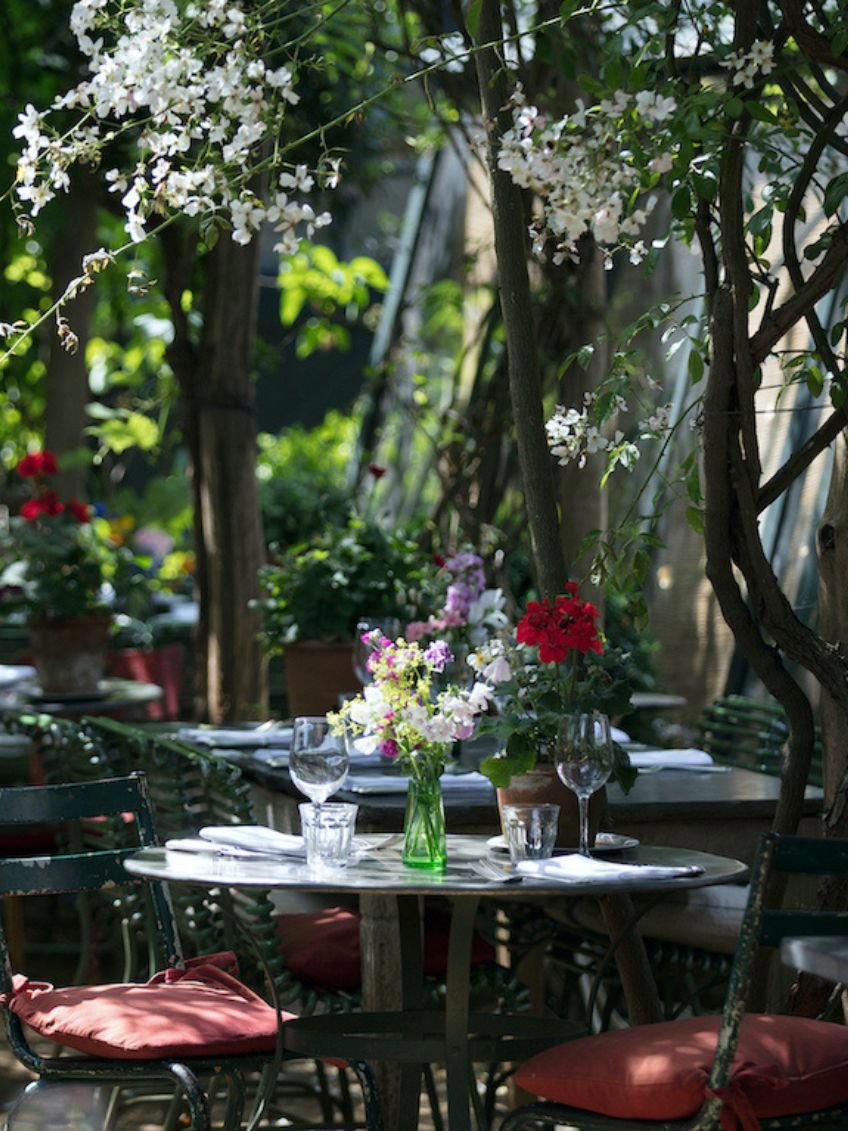
Bars in Paris
All bars in Paris →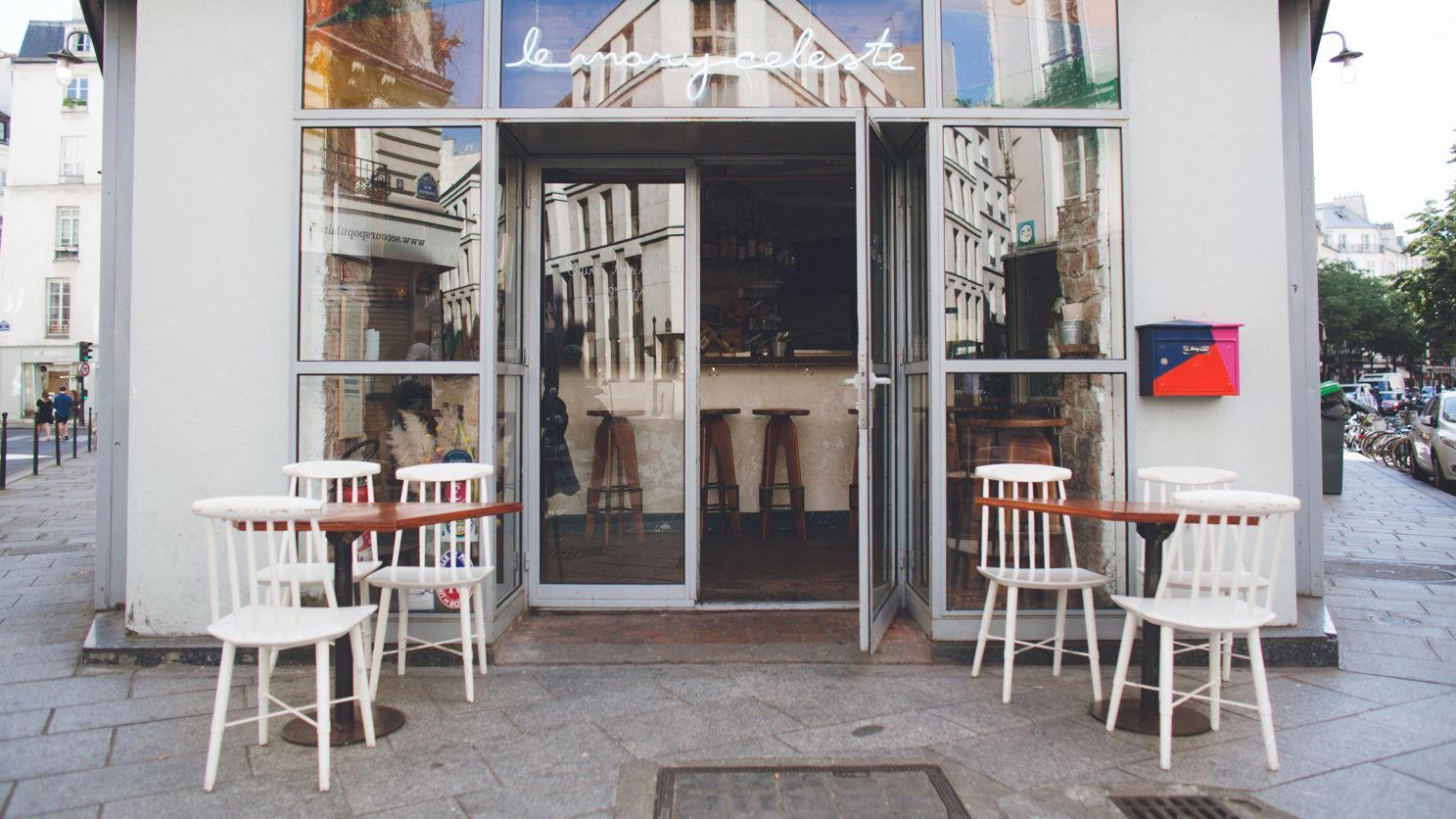
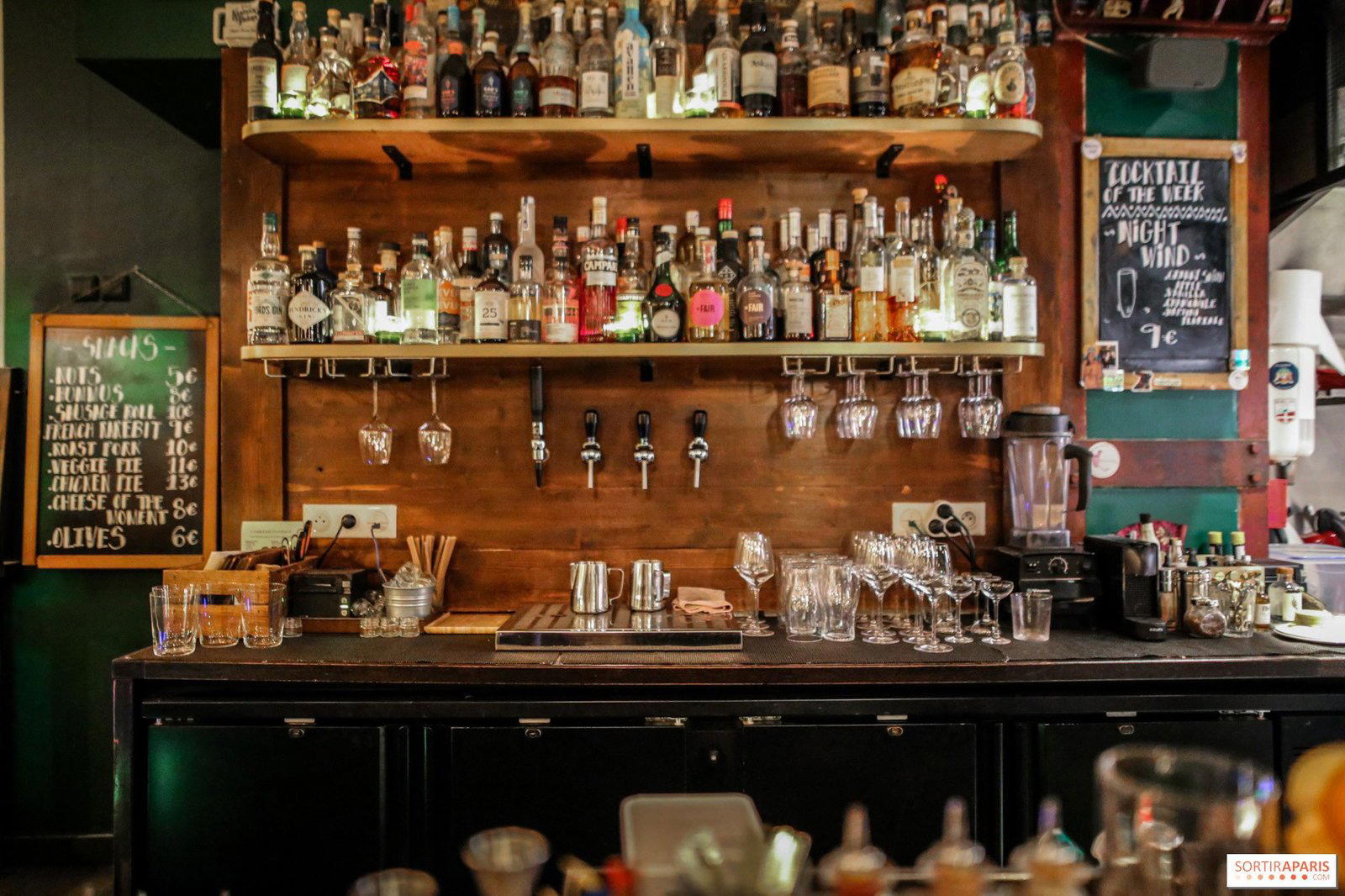



Details
- Cozy
- Classic
- Date Night
- Casual Hangout
- Special Occasion
- Open Kitchen
- Terrace
- Street Scene
- A La Carte
Current opening hours
- Monday
- Closed
- Tuesday
- 11 AM–8 PM
- Wednesday
- 11 AM–8 PM
- Thursday
- 11 AM–8 PM
- Friday
- 11 AM–8 PM
- Saturday
- 11 AM–8 PM
- Sunday
- 11 AM–4 PM
Hours can change for holidays and private events. Last verified .
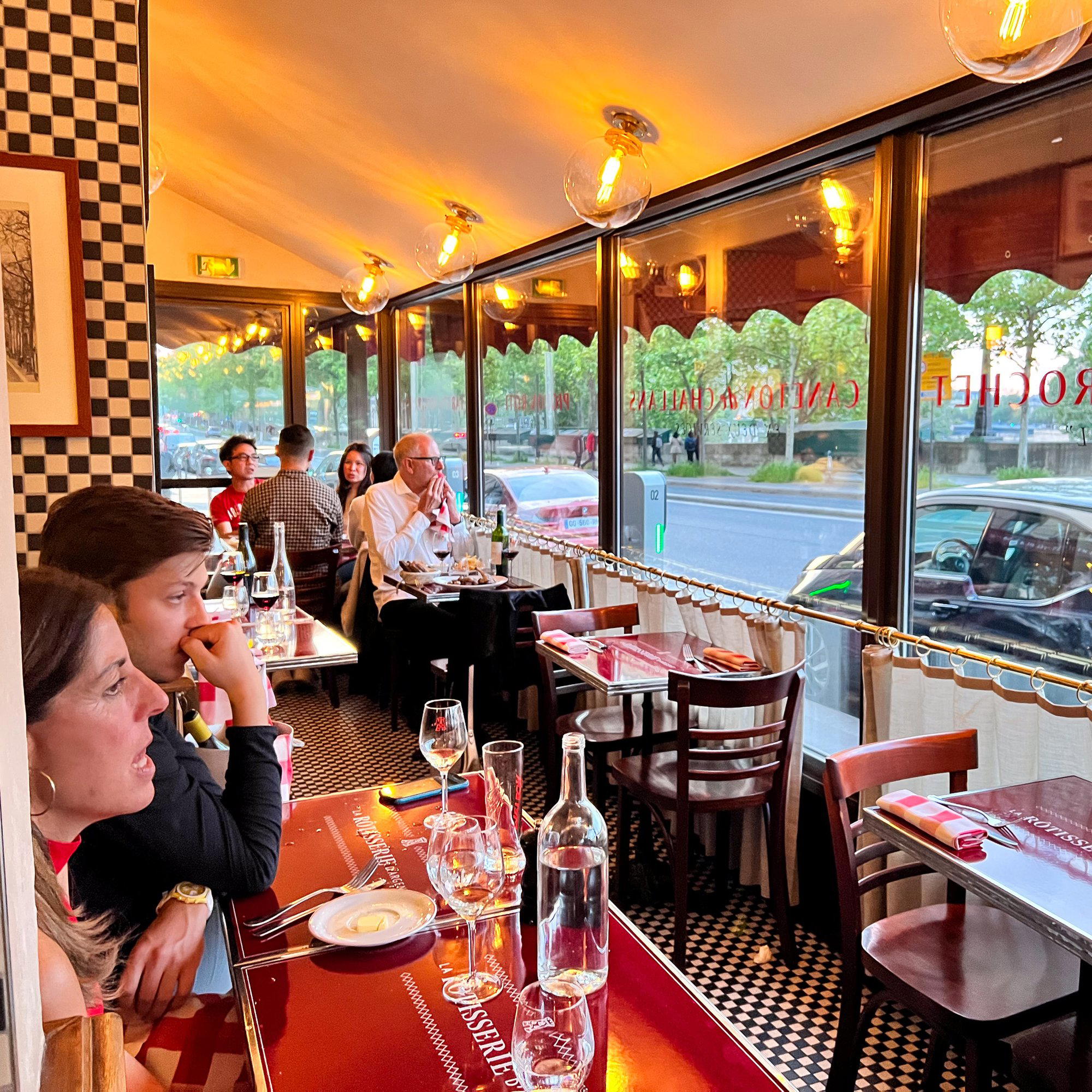
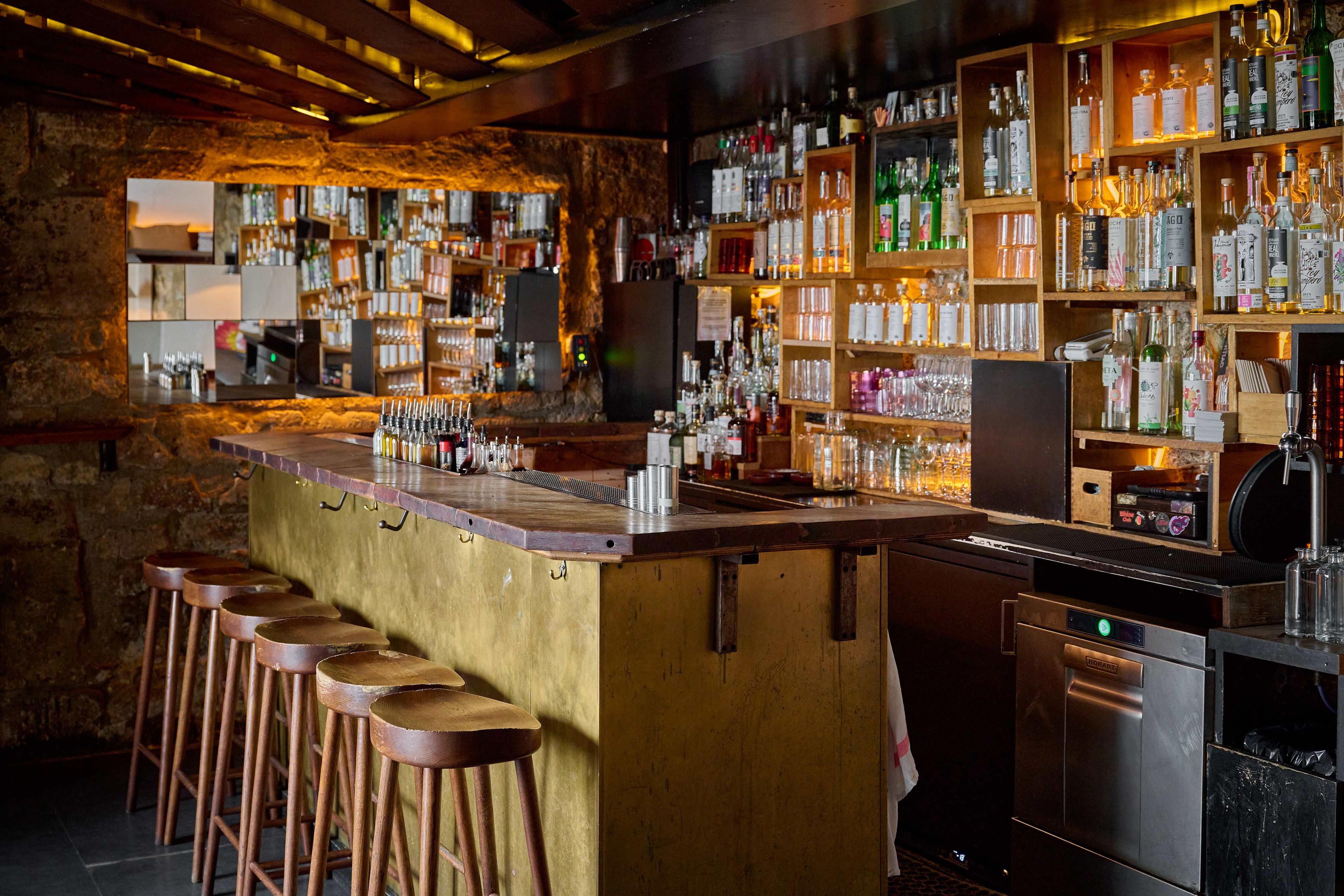
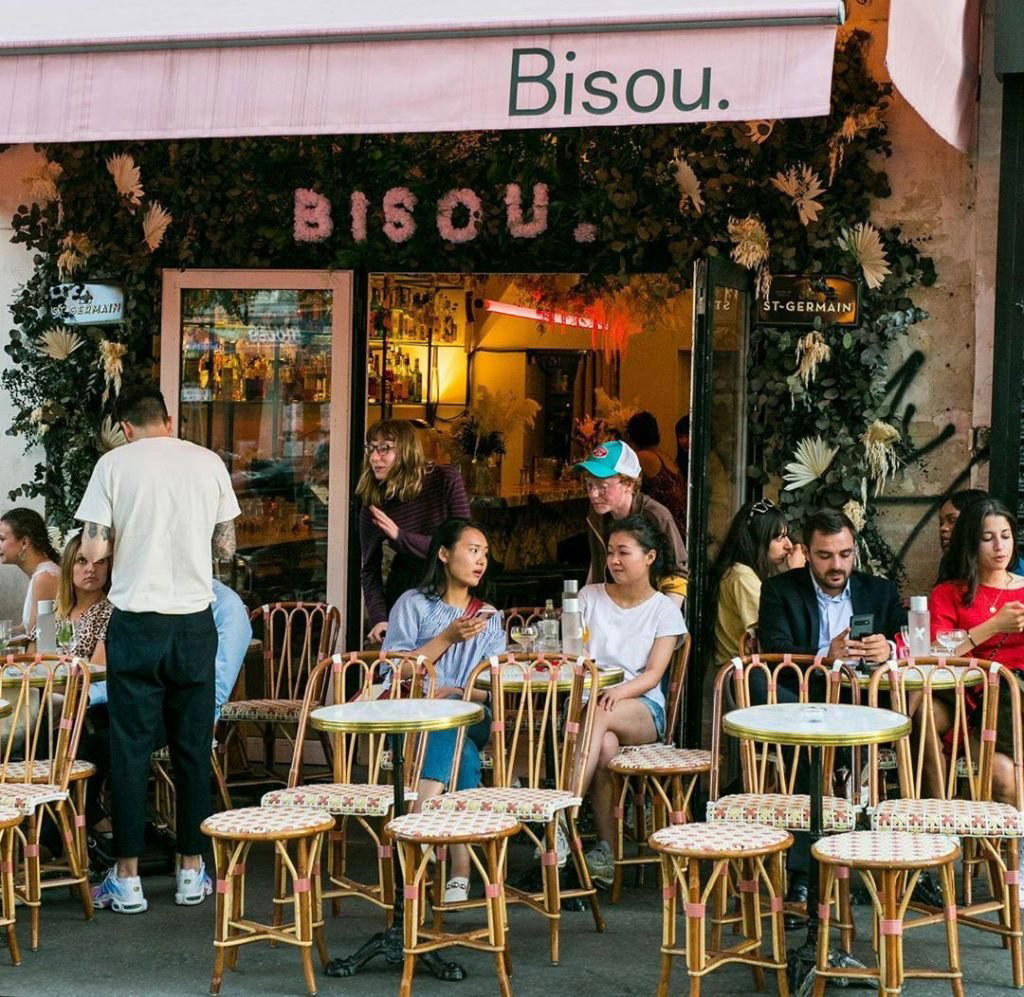
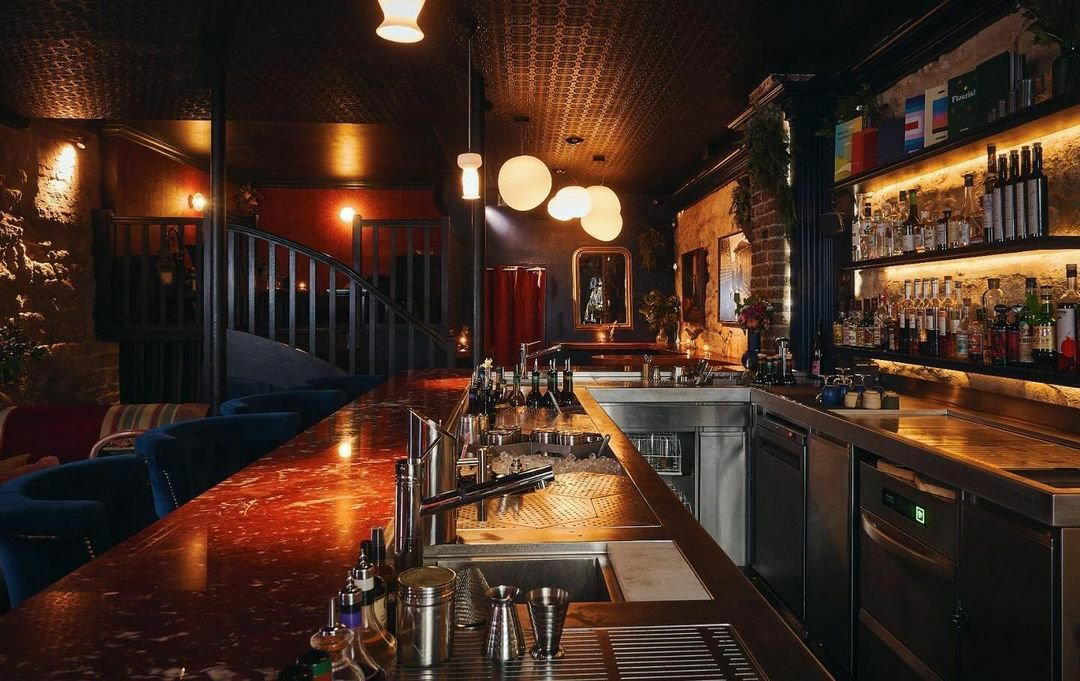
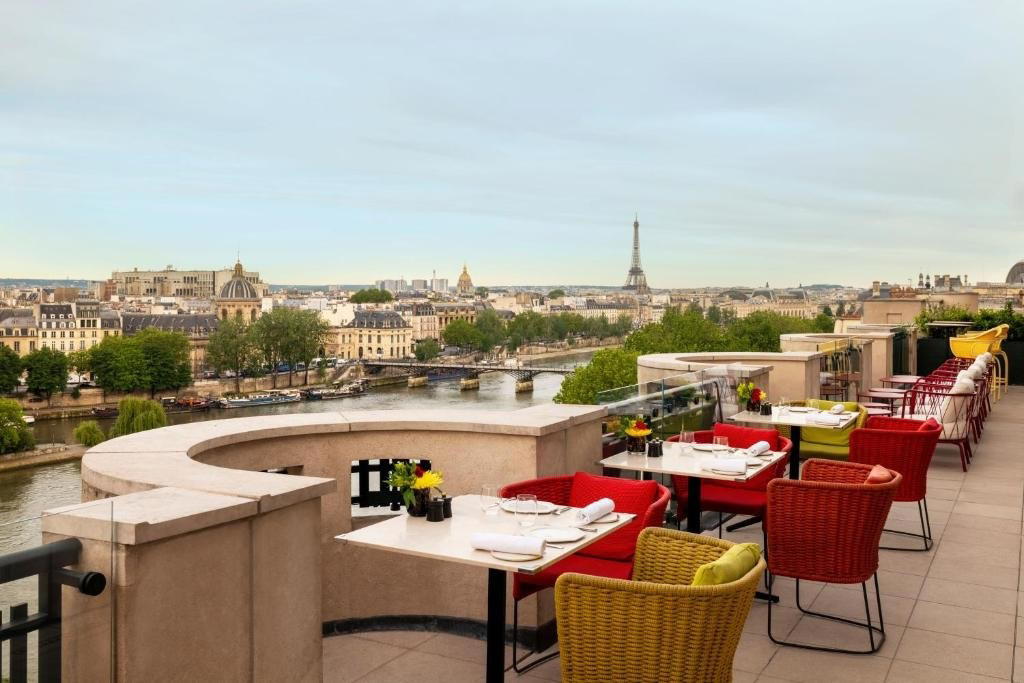
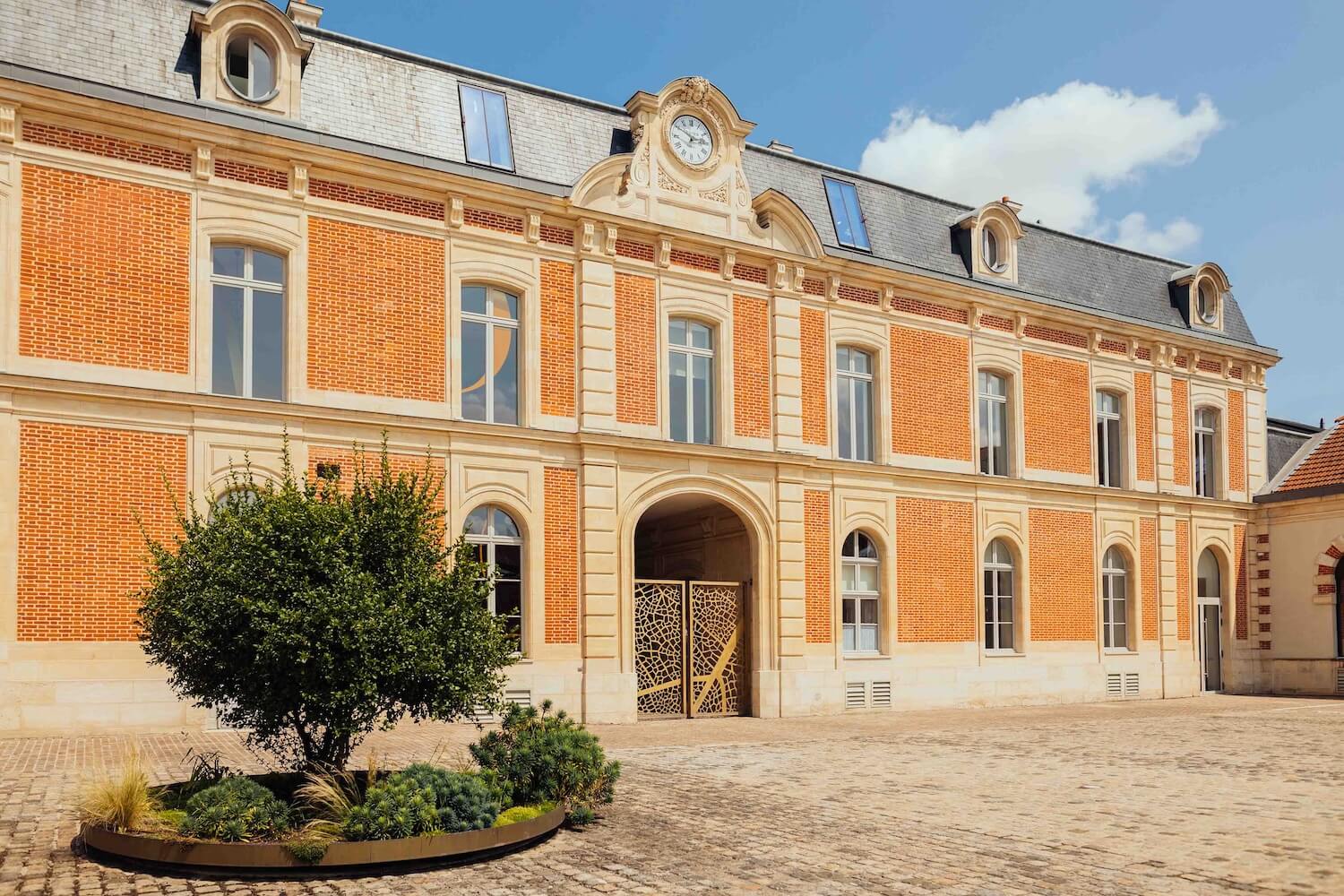
Cozy classic French bistro atmosphere with open kitchen views of the rotisserie and terrace overlooking the Seine.