
La Poste holds consecutive Michelin Plate recognition in 2024 and 2025, a consistent signal of quality for a village restaurant in the Alsatian hills outside Strasbourg. Anchored in traditional French cuisine at a mid-range price point, it draws on the deep larder of Bas-Rhin agriculture and forest..
Pearl is the En Primeur Club membership app — saves, bookings, and concierge access live there. Same editors, same standards.
- Address
- 74 Rue du Gén de Gaulle, 67280 Urmatt, France
- Phone
- +33 3 88 97 40 55
- Website
- logishotels.com
- Directions
- Get directions
 Saves & bookings on Pearl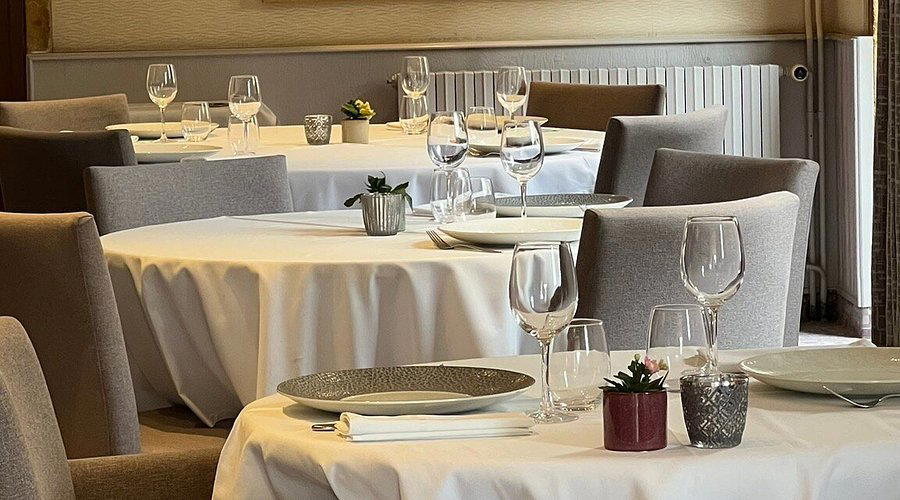
Where Alsace Puts Its Larder on the Table
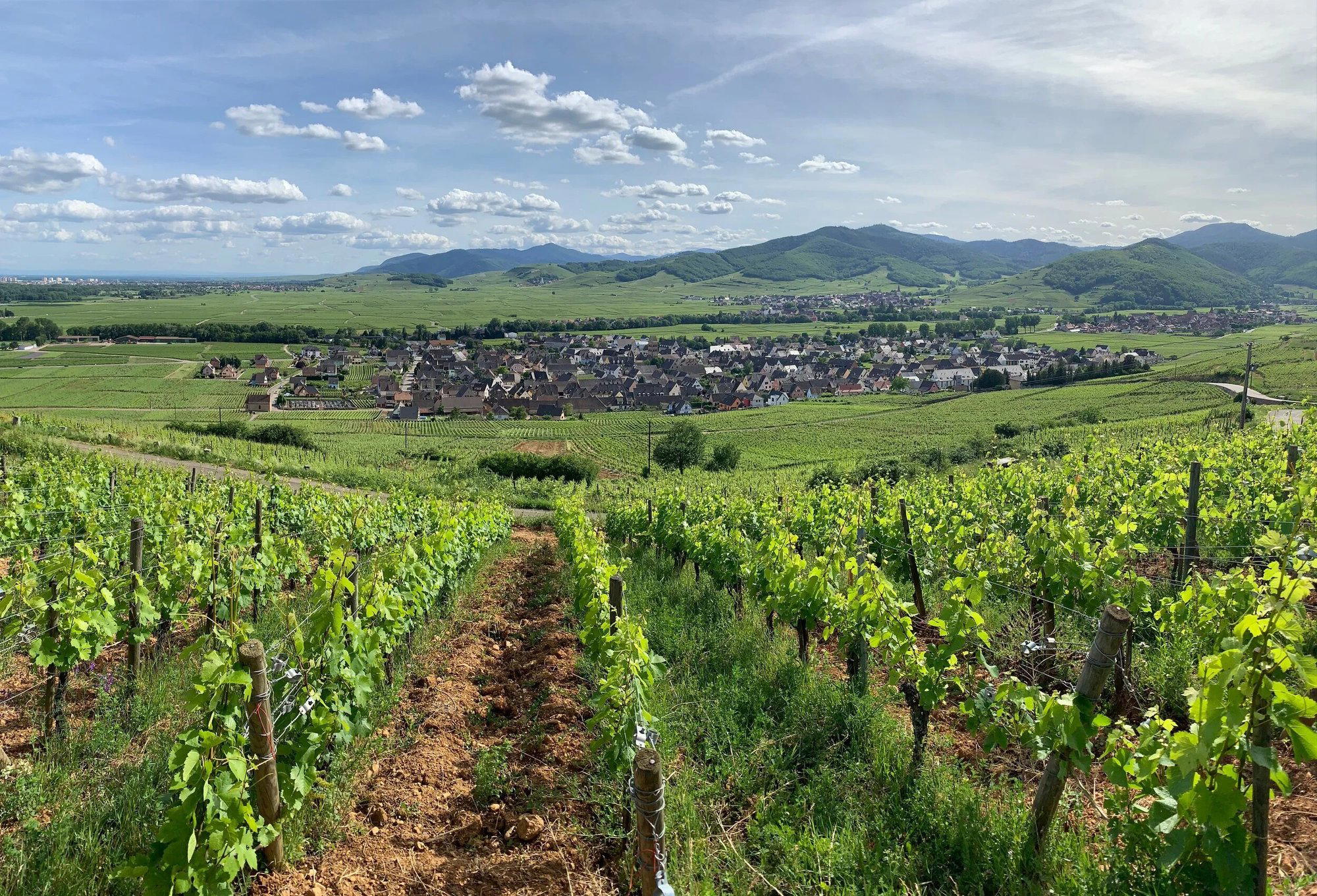
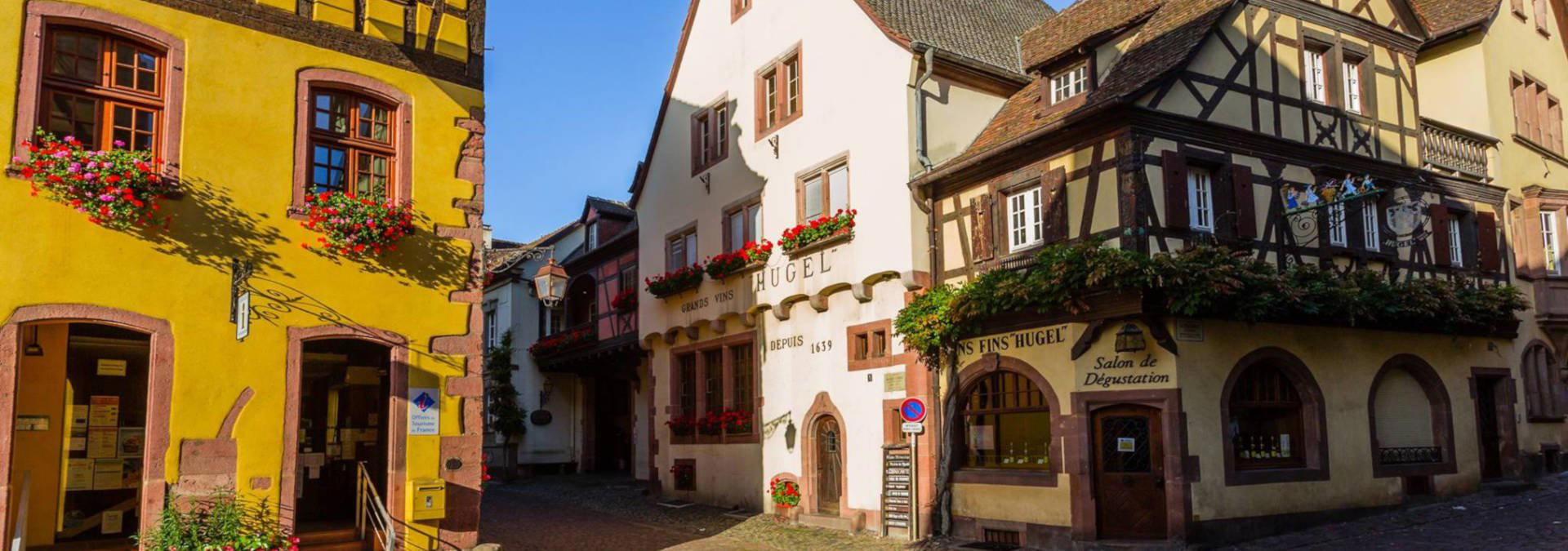
La Poste is a traditional Alsatian bistro in Urmatt, France, on the village's main road at 74 Rue du Gén de Gaulle, about thirty kilometres southwest of Strasbourg. The village of Urmatt sits in the Bruche valley, roughly thirty kilometres southwest of Strasbourg, where the Vosges foothills close in around small farms, forested ridgelines, and river meadows. This is the productive interior of Bas-Rhin, a département whose agricultural identity runs deeper than most French regions care to advertise. Entering a restaurant here is a different proposition from entering one in the city: the physical setting announces what the menu will say before a single dish arrives. The stone architecture of Rue du Général de Gaulle, the quieter pace of a working village rather than a tourist circuit, and the absence of the promotional noise that surrounds Strasbourg's centre all condition the room before the food does.
La Poste operates inside that context. Traditional Alsatian bistro cooking at a mid-range price point, in a village where the supply chain runs close and the seasons are felt rather than scheduled, produces a particular kind of cooking: one grounded in what the surrounding land actually delivers rather than what a broad distribution network can approximate. That is not a sentimental claim. It is a structural advantage that small rural restaurants in agricultural corridors like the Bruche valley hold over their urban counterparts, and it shapes everything from what appears on the plate to how the menu changes across the year.
The Ingredient Case: Why the Bruche Valley Matters
Alsace's culinary reputation is usually told through its wine and its Germanic-inflected choucroute tradition, but the region's inland agricultural belt is the less-discussed half of the story. The Bruche valley and the surrounding Vosges foothills produce game, freshwater fish, dairy, and market vegetables within a compact geographic radius that allows for proximity sourcing of a kind that larger city restaurants manage only partially. The forest systems of the Vosges contribute wild mushrooms and game in autumn and early winter; the valley floor and its tributary streams have historically supported trout and pike; small farms hold the domestic meat supply.
Traditional French cuisine in this setting means cooking that reads the season directly rather than composing around a fixed signature aesthetic. It positions La Poste in a different competitive conversation from the destination restaurants further south in Alsace, such as Auberge de l'Ill in Illhaeusern, where the format and the price point are structured around a different kind of visit. The comparison is instructive: Auberge de l'Ill operates in the grand Alsatian auberge tradition with a multi-generation Michelin pedigree; La Poste represents the other pole of French regional cooking, where the case for the food rests on sourcing proximity and everyday execution rather than architectural cuisine or tasting-menu formality.
This distinction matters when you read the restaurant's Michelin Plate recognition in 2024 and 2025. The Plate is Michelin's signal that a restaurant produces cooking of consistent, commendable quality without reaching toward the distinction tier. Two consecutive years of that recognition in a village of this size confirm that the kitchen is delivering with regularity, not just occasionally. It places the restaurant in a category of reliable rural French restaurants whose value is precisely their lack of ceremony around serious ingredients.
The Room and What It Asks of You
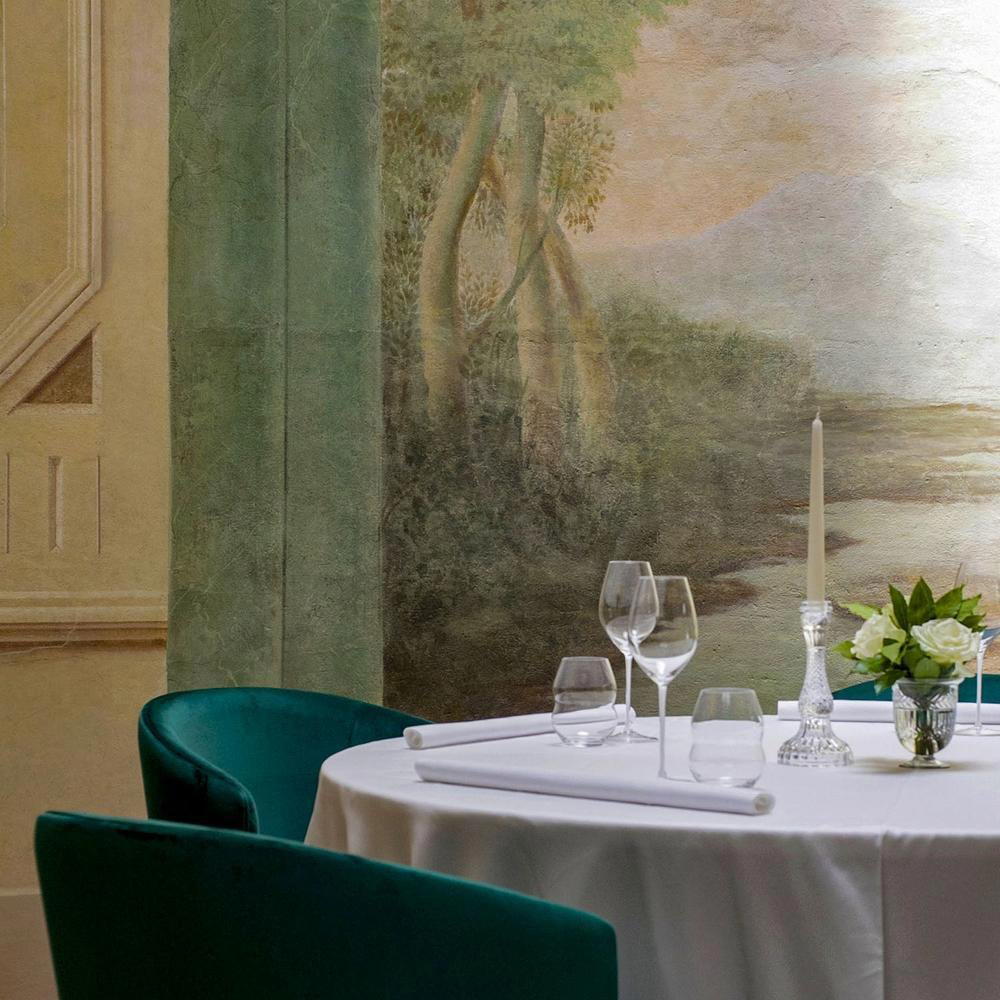
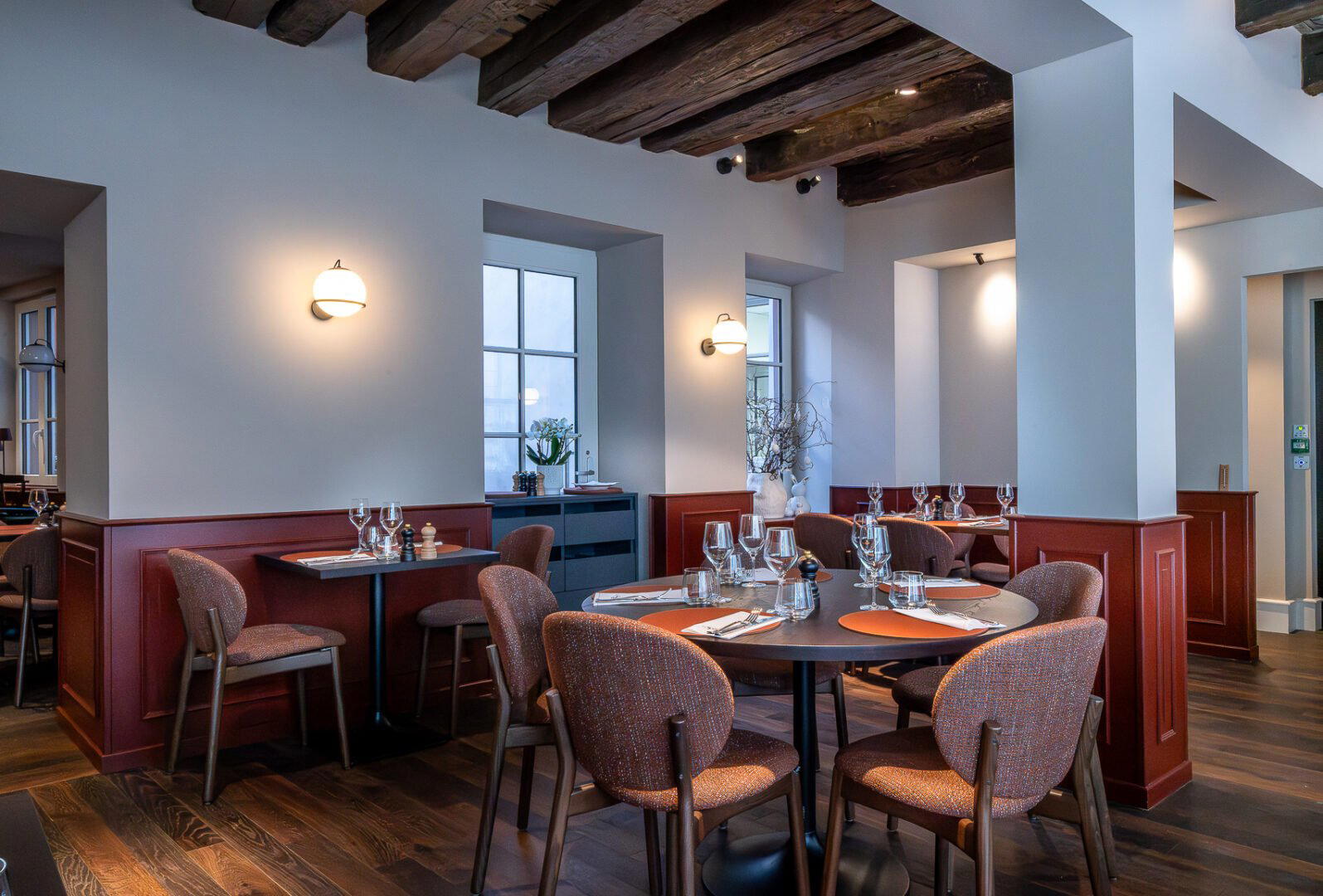
Village restaurants in the French northeast carry a particular atmosphere that urban dining rooms cannot replicate through design choices. The rhythm is slower, the clientele more local, and the relationship between kitchen and dining room is often more direct. At the restaurant, the address on Rue du Général de Gaulle places the restaurant on Urmatt's main arterial road, a location consistent with the old postroad inn tradition that names many French village restaurants.
. For a village restaurant in a non-tourist area, 182 reviews represents a genuine cross-section of local regulars and visiting diners rather than the inflated volume that accumulates at high-traffic tourist destinations. That rating, sustained across a substantial review base, points to consistent delivery rather than a single memorable experience pulling the average up. The vibe is village dining in the honest sense: not stylised rusticity performed for outsiders, but the actual character of a place that cooks for the people around it. For the broader context of dining well in the region, our full Urmatt restaurants guide maps out what the valley offers.
Where La Poste Sits in French Regional Cooking
The spectrum of traditional French regional cuisine runs from the three-star destination (the kind of cooking found at Troisgros in Ouches or Bras in Laguiole) to the village table that anchors itself in local supply and regional technique without reaching for recognition beyond its immediate radius. The restaurant belongs firmly to the latter tier, and that is where its integrity lies. The mid-range pricing confirms an intention to remain accessible to the community it serves, which in turn reinforces the sourcing logic: cooking for local diners on a regular basis demands quality and consistency, not occasion-dining theatrics.
For comparison, the creative and high-concept end of French restaurant cooking, including venues like Alléno Paris au Pavillon Ledoyen, Mirazur in Menton, or AM par Alexandre Mazzia in Marseille, operates with fundamentally different priorities around ingredient transformation and format. The restaurant is not in conversation with that tier and is not trying to be. Its reference points are closer to the auberge tradition, where a well-executed regional plate served in an honest room is the full measure of success. Comparable traditional cuisine addresses in France, such as Auberge Grand'Maison in Mûr-de-Bretagne or Auga in Gijón, operate within similarly defined regional parameters and reinforce the point that this kind of cooking is a coherent category, not a consolation prize for restaurants outside major cities.
Closer to home geographically, Au Crocodile in Strasbourg represents the city-facing end of Alsatian gastronomy, where the audience and the format differ significantly. The restaurant's position in the valley, away from that urban context, shapes a different kind of experience and a different set of expectations on both sides of the pass.
Planning a Visit
Urmatt is reachable from Strasbourg by train on the Bruche valley line, which runs through the Vosges foothills to Saales, making the village accessible without a car for those based in the city. The restaurant sits on the main village road, direct to locate. Given the mid-range price point and the village setting, booking ahead is sensible rather than essential for most visits, though weekend lunches in the Vosges foothills attract day-trippers from Strasbourg and the broader Alsatian plain. The overall case for Urmatt is one of Alsatian valley character without the tourist overlay that comes with the wine route further east.
Side-by-Side Snapshot
Comparable venues nearby, for context on price, style, and recognition.
| Venue | Cuisine | Price | Awards | Notes |
|---|---|---|---|---|
| La PosteThis venue — the venue you are viewing | Traditional Alsatian Bistro | $$ | Michelin Plate | Not listed |
| Auberge à l'Agneau | Traditional Alsatian French | $$ | Michelin Plate | Roppenheim |
| Zum Loejelgucker | Traditional Alsatian Cuisine | $$ | Michelin Plate | Traenheim |
| Bord'eau | Modern French Bistronomic | $$$ | Michelin Plate | La Petite Venise |
| À l'Ami Fritz | Traditional Alsatian French | $$$ | Michelin Plate | Ottrott |
| Le 4 | Creative Modern French | $$$ | Michelin Plate | centre-ville |
Recognition history
Dated appearances from independent guides and award organizations, with the underlying list record or original source where available.
Michelin Plate
Michelin
Michelin Plate
Michelin
Continue exploring
More in Urmatt
Restaurants in Urmatt
Browse all →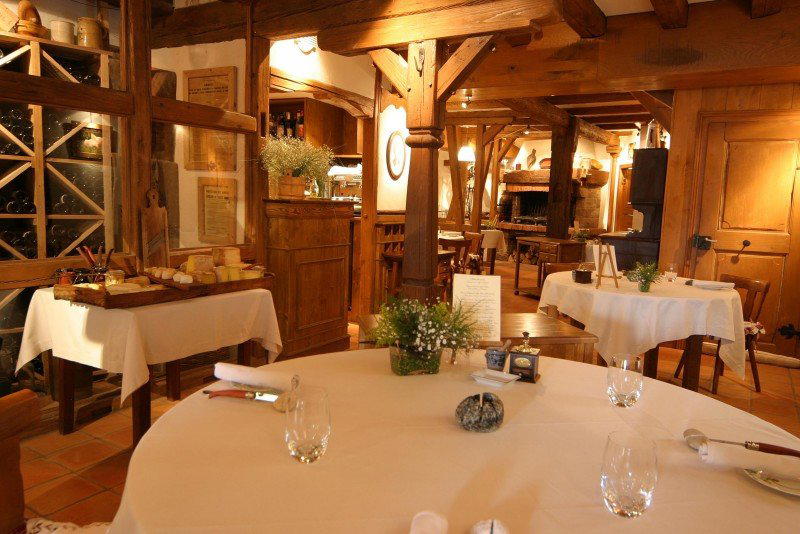

Bars in Urmatt
Browse all →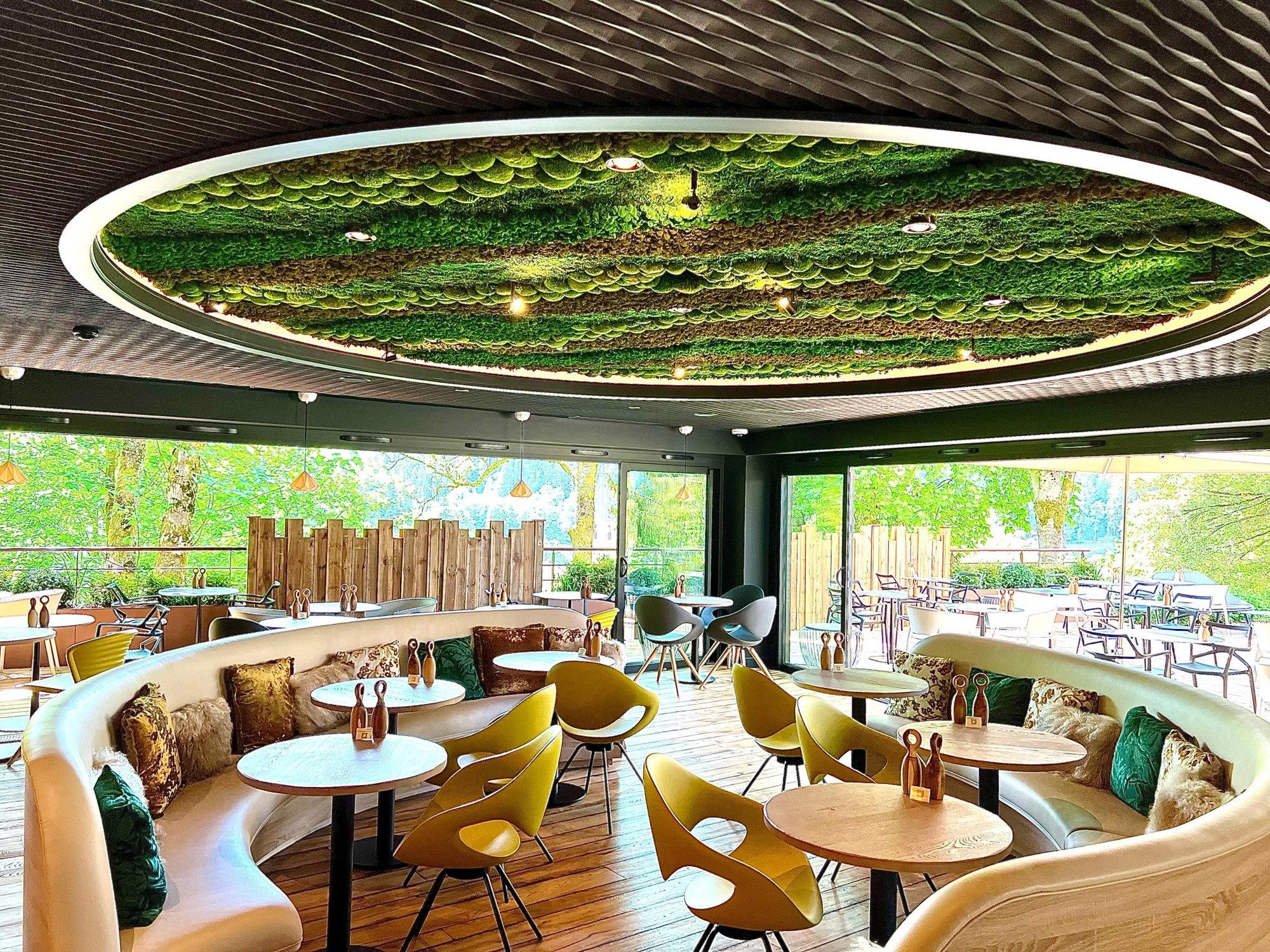
Hotels in Urmatt
Browse all →
At a Glance
- Quiet
- Cozy
- Classic
- Rustic
- Intimate
- Family
- Date Night
- Group Dining
- Casual Hangout
- Garden
- Terrace
- Hotel Restaurant
- Historic Building
- Beer Program
- Local Sourcing
- Farm To Table
- Garden
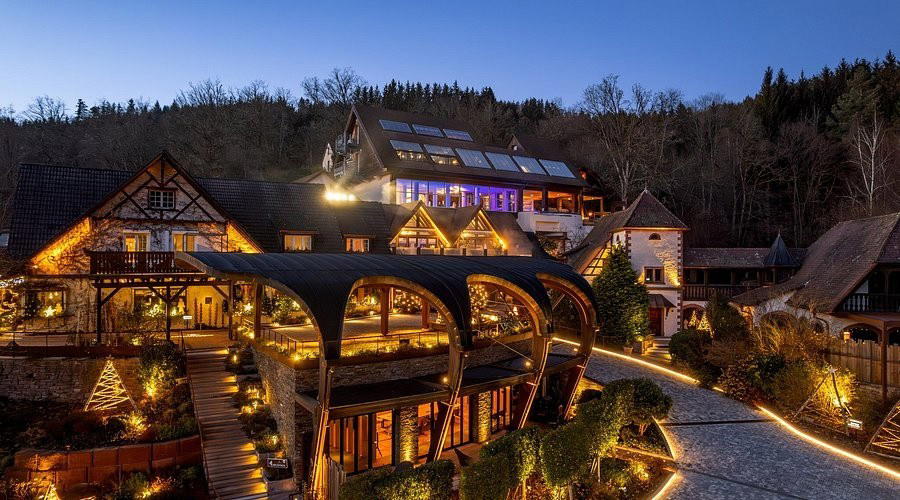
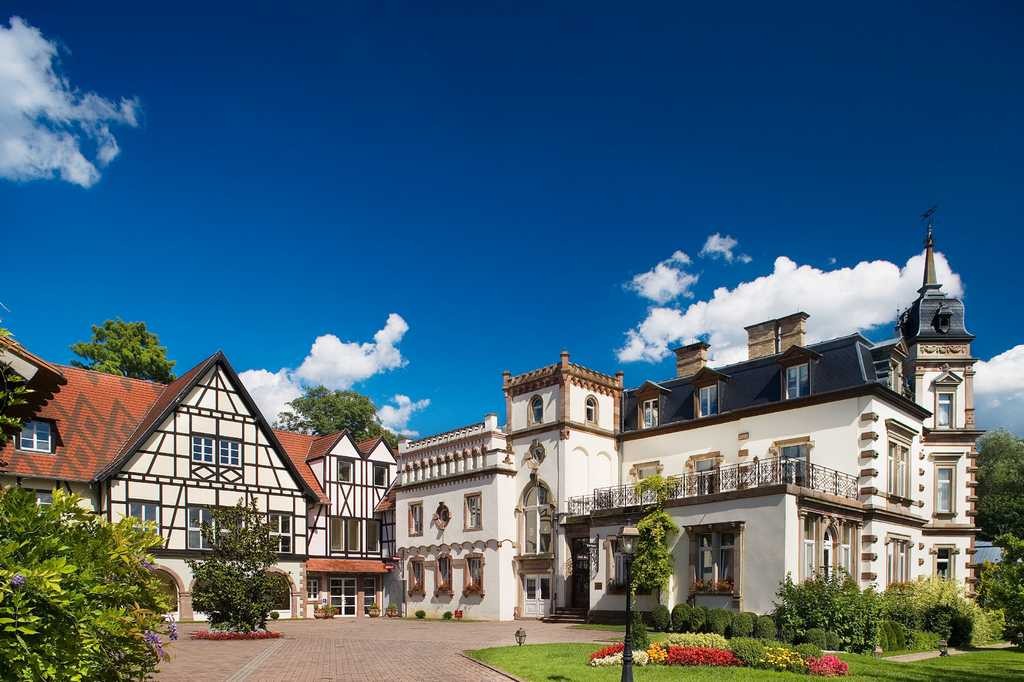
Warm and welcoming with authentic Alsatian charm; intimate dining rooms with traditional décor overlooking gardens and forest; pleasant and quiet atmosphere conducive to relaxed conversation.