
Michelin Plate
Our verdict
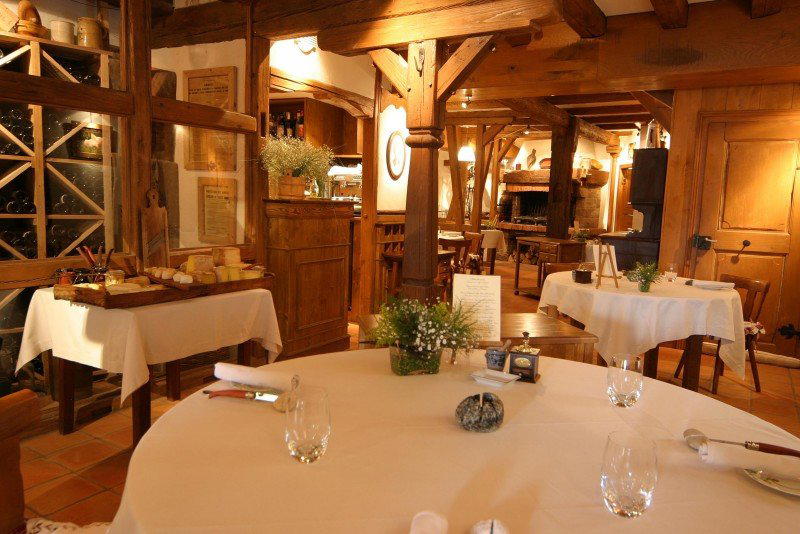
A Michelin Plate-recognised auberge in the wine village of Traenheim, Zum Loejelgucker occupies an 18th-century Alsace farmhouse with dark wood panelling, painted frescoes, and a flower-lined courtyard. The kitchen serves traditional Alsatian regional dishes alongside more contemporary options, all at mid-range prices with the kind of warm, unhurried service that characterises the best village dining in the Bas-Rhin.

Pearl is the En Primeur Club membership app, where members save venues, book tables and use the concierge.
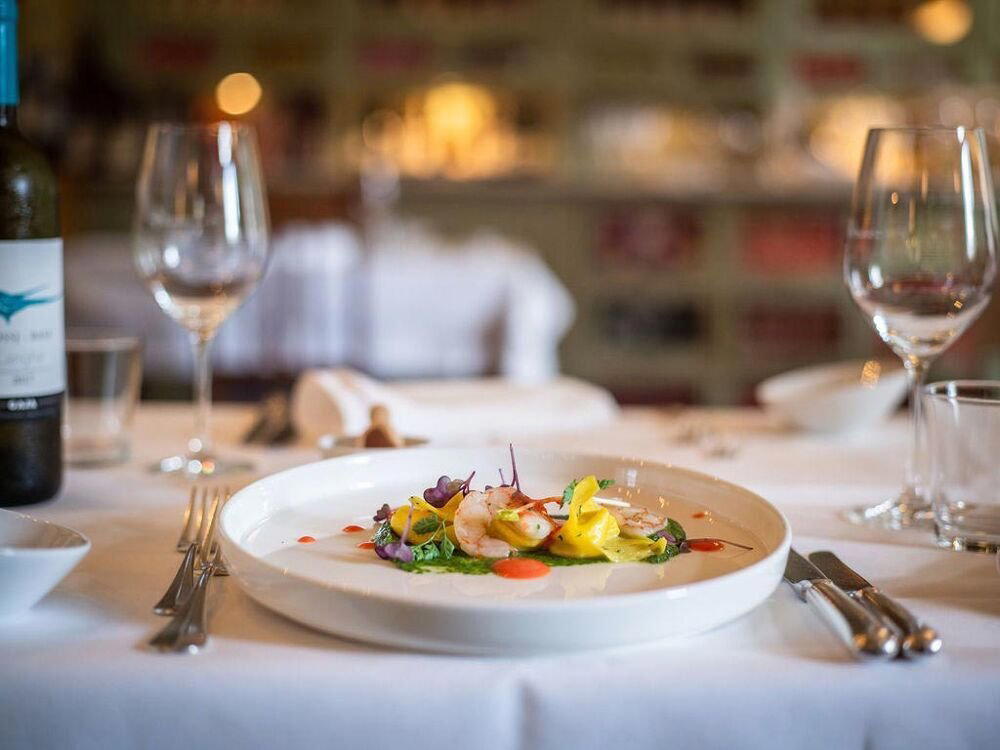
The menu
What to order
- Choucroute Garnie
- Filet de Flétan aux Girolles
- Rognon de Veau à la Moutarde
Where the Vosges Foothills Meet the Plate
Village restaurants in the wine-growing corridor between Strasbourg and the Vosges occupy a particular category in Alsatian dining. These are not the grand maisons of Illhaeusern or the ambitious city addresses of Strasbourg, but they form the backbone of how this region actually eats. Zum Loejelgucker, at 17 Rue Principale in Traenheim, sits squarely in that tradition: a Michelin Plate-recognised address inside an 18th-century farmhouse, where the architecture and the cooking share a common sensibility rooted in place.
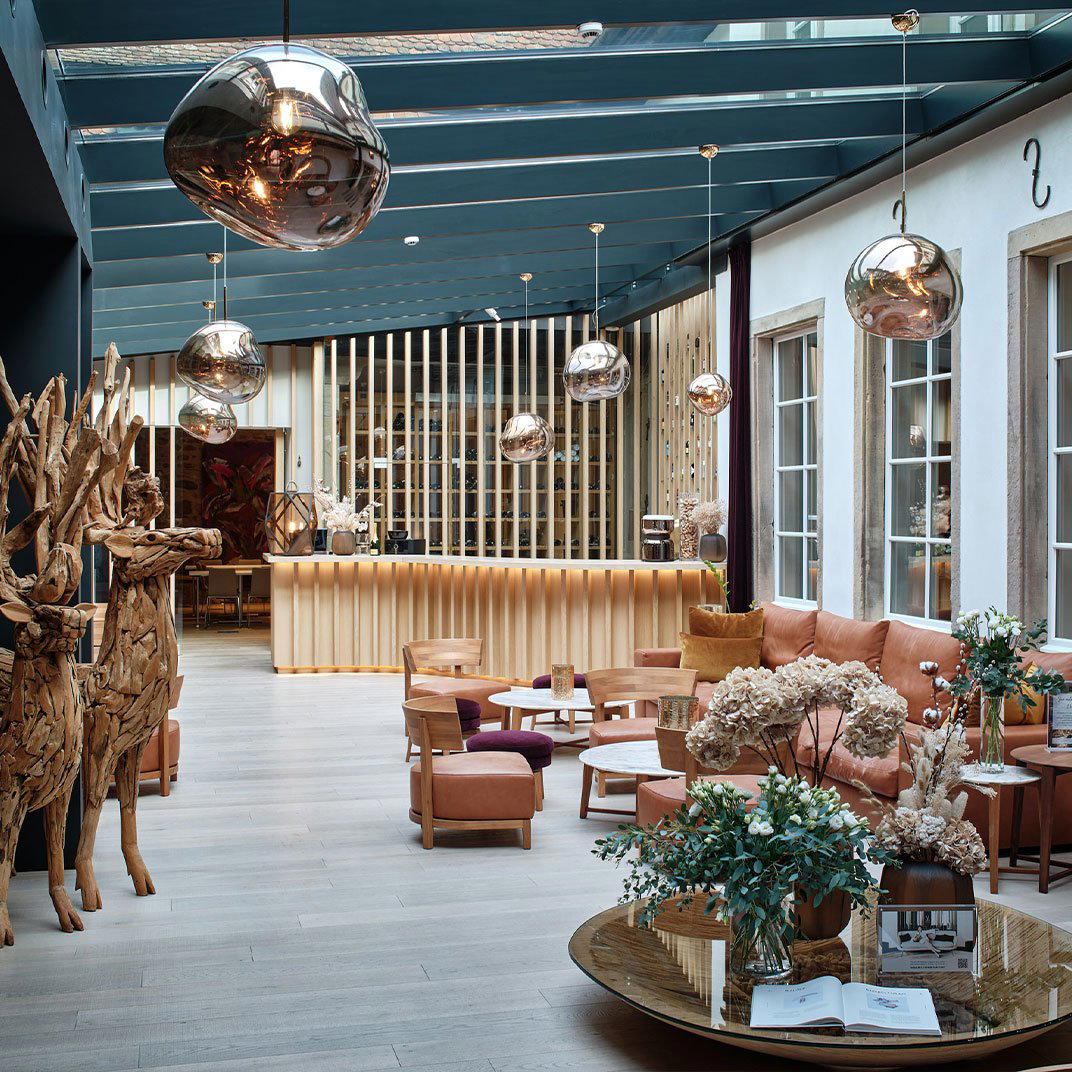
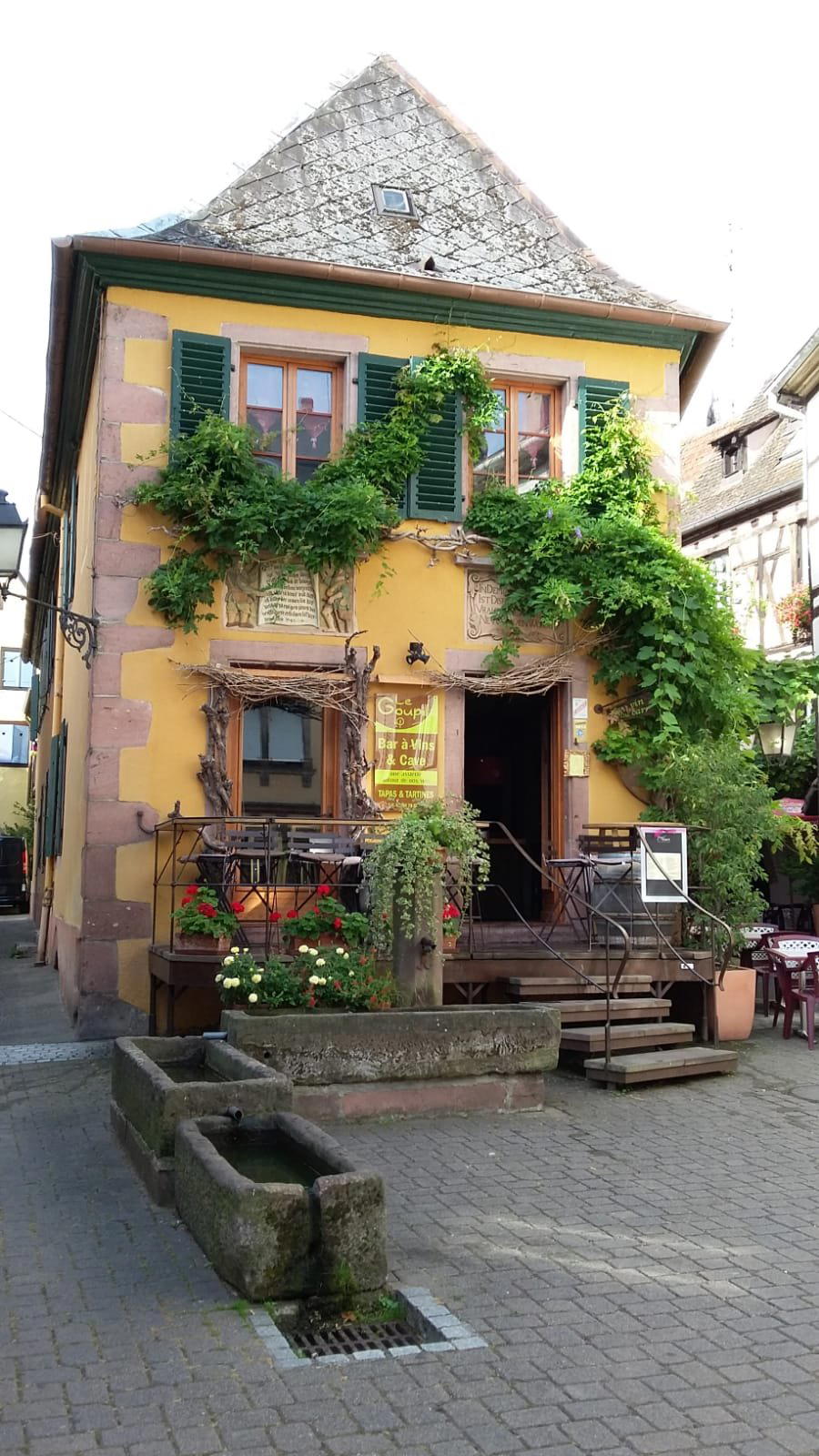
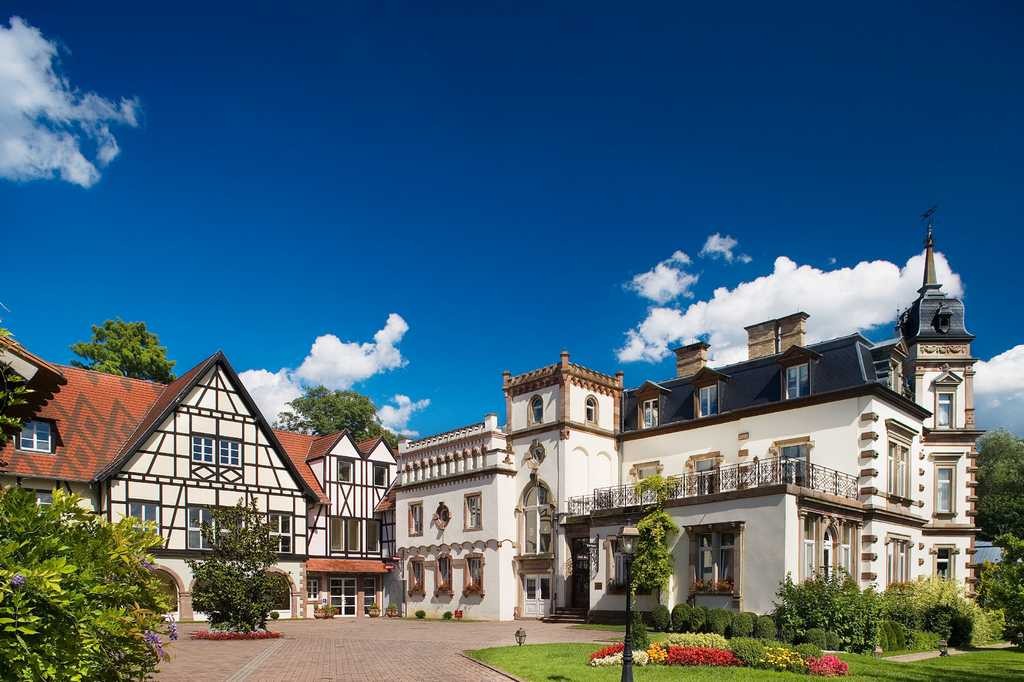
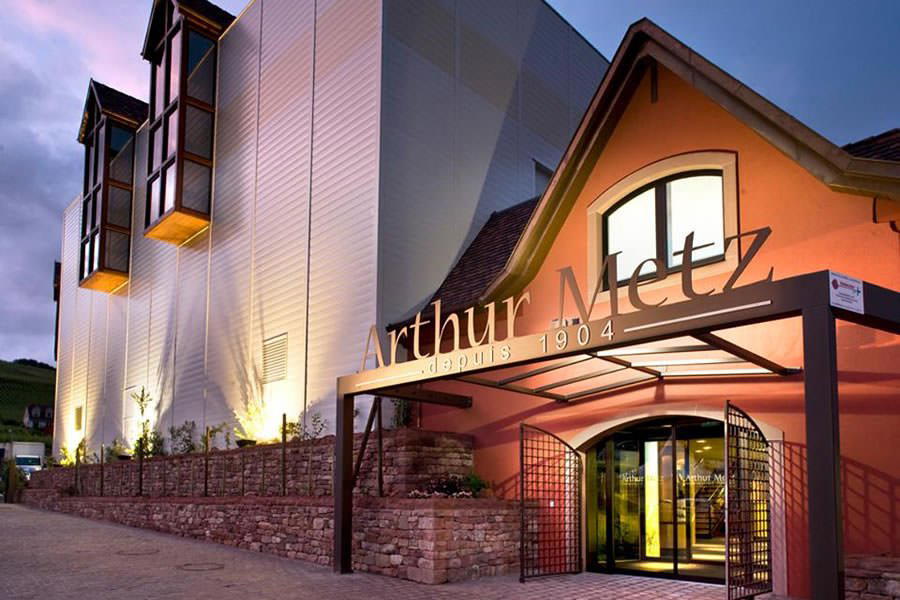
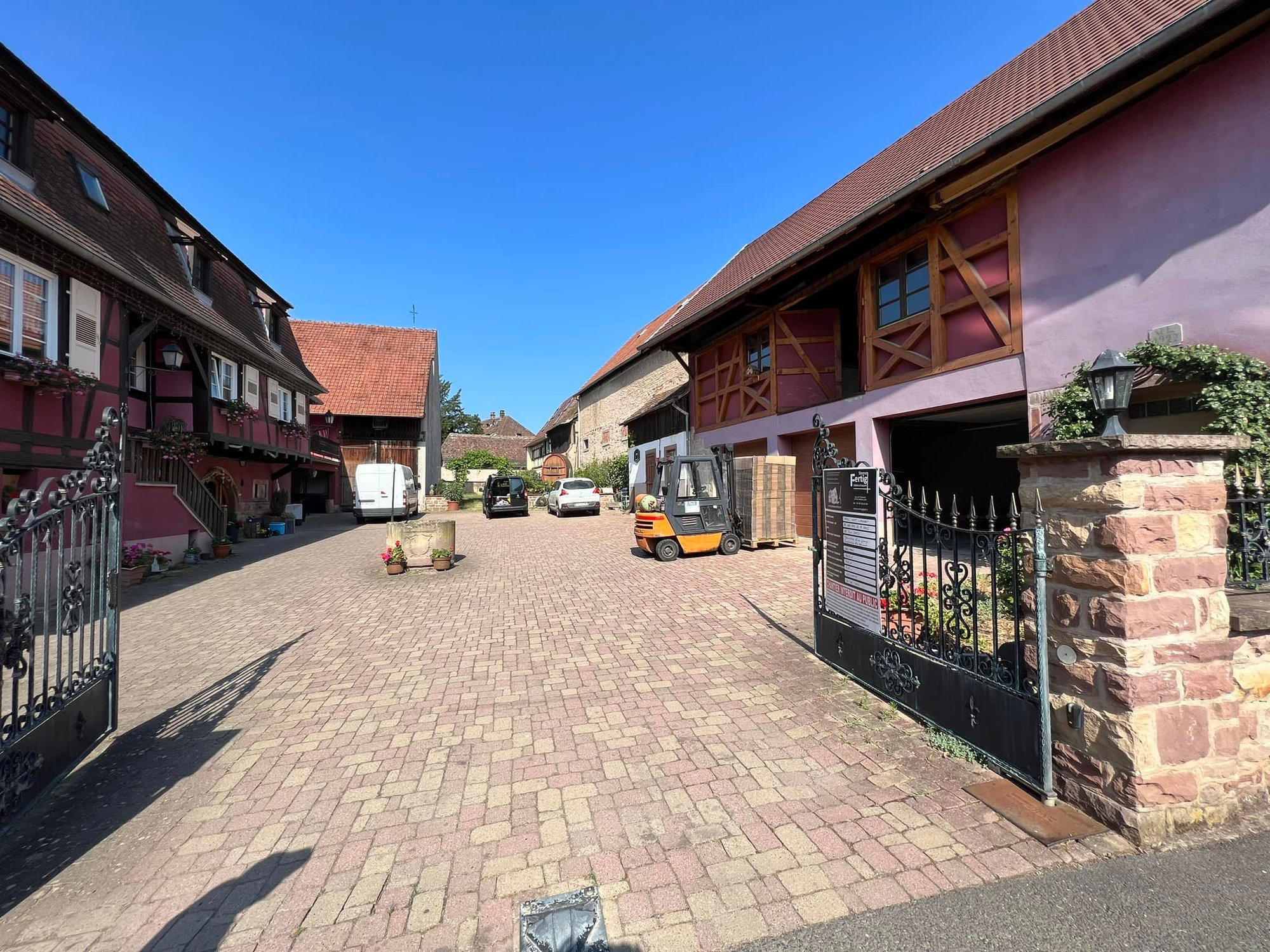
Approaching the building, the proportions give away its age before you read a sign. The stone facade, the deep-set windows, and the heavy wooden door all point to a structure that has absorbed several centuries of the Bas-Rhin's rhythms. In summer, a flower-decked courtyard opens up, softening the farmhouse solidity with colour. Inside, dark wood panelling and painted frescoes frame a dining room that feels lived-in rather than preserved, a genuine working interior rather than a stage set for regional nostalgia.
The Sourcing Logic Behind Alsatian Village Cooking
The dishes on offer at Zum Loejelgucker draw on a supply chain that Alsace has maintained for centuries, and understanding that chain clarifies why village cooking here differs from its equivalents further west in France. The region sits at a geographic crossroads: Rhine alluvial plains to the east produce exceptional market garden vegetables and freshwater fish; the Vosges foothills to the west generate game, forest mushrooms, and the conditions for small-scale livestock farming; and the wine route itself, running through villages like Traenheim, sustains a culture of fermentation that extends well beyond Riesling and Gewurztraminer into choucroute, munster, and kougelhopf.
Regional dishes at this price point (the kitchen sits in the €€ bracket) typically draw from that collective larder: pork in its many preparations, freshwater pike perch, sauerkraut fermented on-site or sourced locally, and the firm-textured tarte flambée built on crème fraîche and onions grown minutes from the kitchen. Alsace's geographic isolation inside France, historically closer in culinary language to German-speaking neighbours, means these dishes carry a coherence that can feel almost self-contained, independent of the broader currents in French gastronomy. The more contemporary options on the menu represent the accommodation this generation of regional kitchens has made with seasonal cooking trends, without abandoning the pantry logic underneath.
For a sense of where Alsatian farmhouse cooking sits relative to France's most technically ambitious kitchens, consider the distance between Traenheim and Paris addresses like Alléno Paris au Pavillon Ledoyen, or mountain-driven ingredient work at Flocons de Sel in Megève. The comparison is useful precisely because Zum Loejelgucker is not competing in that register. It is doing something structurally different: translating a specific agricultural geography into direct cooking at accessible prices, in a room that grounds the whole exercise in actual place.
The Michelin Plate and What It Signals Here
The Michelin Plate, introduced in the 2017 Guide, was designed to mark restaurants that prepare good food without the ambitions or resources of starred establishments. In a wine-growing village context, the designation carries a particular weight. It signals that the kitchen meets a consistent standard of technique and ingredient quality, not that it is reaching for complexity or innovation. For a farmhouse auberge at the €€ price level, that consistency is the primary credential.
Compared to the layered ambition of Mirazur in Menton or the institutional weight of Paul Bocuse - L'Auberge du Pont de Collonges, Zum Loejelgucker operates in a different tier and serves a different function in the regional ecosystem. It is closer in spirit to addresses like Auberge Grand'Maison in Mûr-de-Bretagne or Auga in Gijón: traditional cuisine, recognised quality, grounded in a specific locality. Alsace's wine-route villages produce several such addresses, and the broader regional dining picture is rounded out by a different tier entirely at Auberge de l'Ill in Illhaeusern, roughly thirty kilometres to the south-east.
Service, Atmosphere, and the Family Register
The Michelin entry for Zum Loejelgucker specifically notes warm, friendly service and a family vibe, descriptors that carry real information in this context. Family-run village auberges in the Bas-Rhin operate on a different hospitality register from urban restaurants. The pace is slower, the interaction between front-of-house and tables more personal, and the assumption is that a meal will extend into the evening rather than turn over quickly. That cadence suits the architecture: a farmhouse courtyard in July or August encourages lingering in a way that a city dining room does not.
For comparison, the urban restaurant culture in nearby Strasbourg, where addresses like Au Crocodile anchor a more formal dining scene, operates at a noticeably different register from village dining thirty minutes west. Traenheim's dining identity, like that of most wine-route communes, is closer to the agricultural hinterland than the city, which shapes both the food and the hospitality accordingly.
Planning a Visit
Traenheim sits in the Bas-Rhin department of Alsace, roughly thirty kilometres west of Strasbourg along the D1422. The village is most practically reached by car, as public transport connections to the wine-route communes are limited. At €€ pricing, a full meal with local wine sits comfortably within a mid-range budget, making Zum Loejelgucker a sensible anchor for a day-trip itinerary that might also take in nearby wine producers. The summer courtyard operates seasonally, so timing a visit between late spring and early autumn maximises the outdoor dining option. Booking ahead is advisable given the combination of limited village capacity and a recognition profile that draws diners from Strasbourg and beyond.
For a fuller picture of what Traenheim and the surrounding area offers across food, drink, and accommodation, see our full Traenheim restaurants guide, our full Traenheim hotels guide, our full Traenheim bars guide, our full Traenheim wineries guide, and our full Traenheim experiences guide. For broader Alsatian context, the regional starred kitchens offer a useful counterpoint: Troisgros - Le Bois sans Feuilles in Ouches, Bras in Laguiole, AM par Alexandre Mazzia in Marseille, Assiette Champenoise in Reims, and Auberge du Vieux Puits in Fontjoncouse each illustrate how differently France's regional cooking traditions express themselves when ambition and budget scale up.
Frequently asked questions
Is Zum Loejelgucker child-friendly?
The Michelin entry explicitly flags a family vibe and warm service, and at €€ pricing in a village auberge context, children are a natural fit for the dining room.
What's the overall feel of Zum Loejelgucker?
Zum Loejelgucker sits in the Michelin Plate tier for Traenheim, a wine-route village in the Bas-Rhin, at €€ pricing. It reads as a genuine Alsatian farmhouse address: dark panelling, painted frescoes, a summer courtyard, and a warm service register that places it firmly in the village-auberge tradition rather than in the formal-dining category.
What should I eat at Zum Loejelgucker?
Order from the regional dishes section of the menu. The kitchen holds a Michelin Plate (2025) for traditional Alsatian cooking, and that is where its credential lies. The more contemporary options exist alongside the regional core, but the farmhouse setting and the local sourcing logic argue for tarte flambée, choucroute, and the freshwater fish preparations that define Alsace's village kitchen tradition.
Comparable Spots, Quickly
| Venue | Cuisine | Price | Awards | Notes |
|---|---|---|---|---|
| Zum LoejelguckerThis venue (the venue you are viewing) | Traditional Alsatian Cuisine | $30–50 | Michelin Plate | Not listed |
| Alléno Paris au Pavillon Ledoyen | Modern French Fine Dining | $150–200 | 3 Michelin Stars · World's 50 Best #79 | Creative |
| Kei | Contemporary French, Modern Cuisine | Not listed | Michelin 3 Star | Not listed |
| L'Ambroisie | Classic French Haute Cuisine | $300–500 | 2 Michelin Stars · World's 50 Best #23 | French, Classic Cuisine |
| Le Cinq - Four Seasons Hôtel George V | Modern French Fine Dining | $300–500 | 3 Michelin Stars · World's 50 Best #24 | French, Modern Cuisine |
| Plénitude | Modern French Sauce-Led Fine Dining | $300–500 | 3 Michelin Stars · World's 50 Best #14 | Contemporary French |
Recognition history
Dated appearances from independent guides and award organizations, with the underlying list record or original source where available.
Michelin Plate
Michelin
Full recognition history (3 entries)
Michelin Plate
Michelin
Michelin Plate
Michelin
Continue exploring
More in Traenheim
Restaurants in Traenheim
All restaurants in Traenheim →

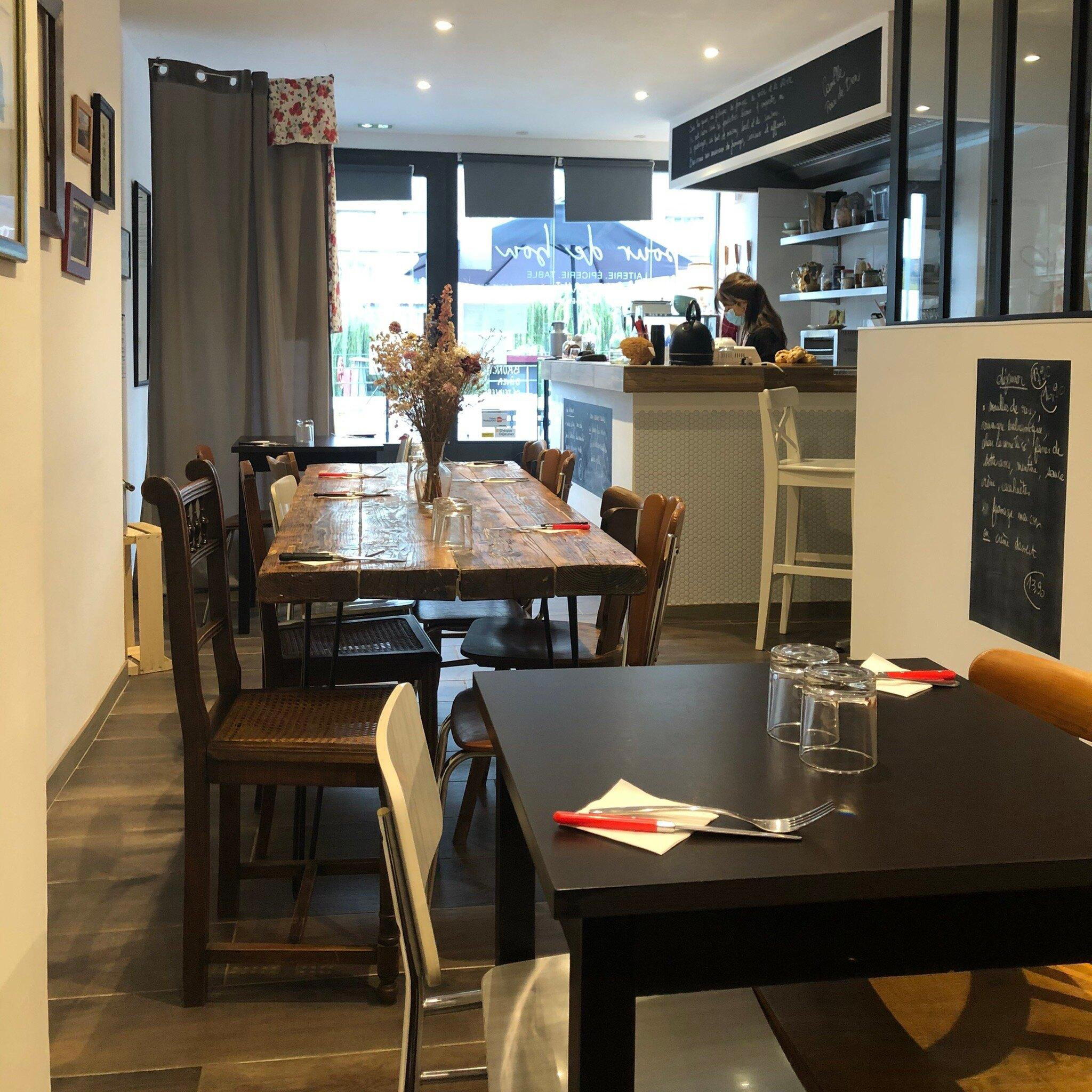
Bars in Traenheim
Browse all →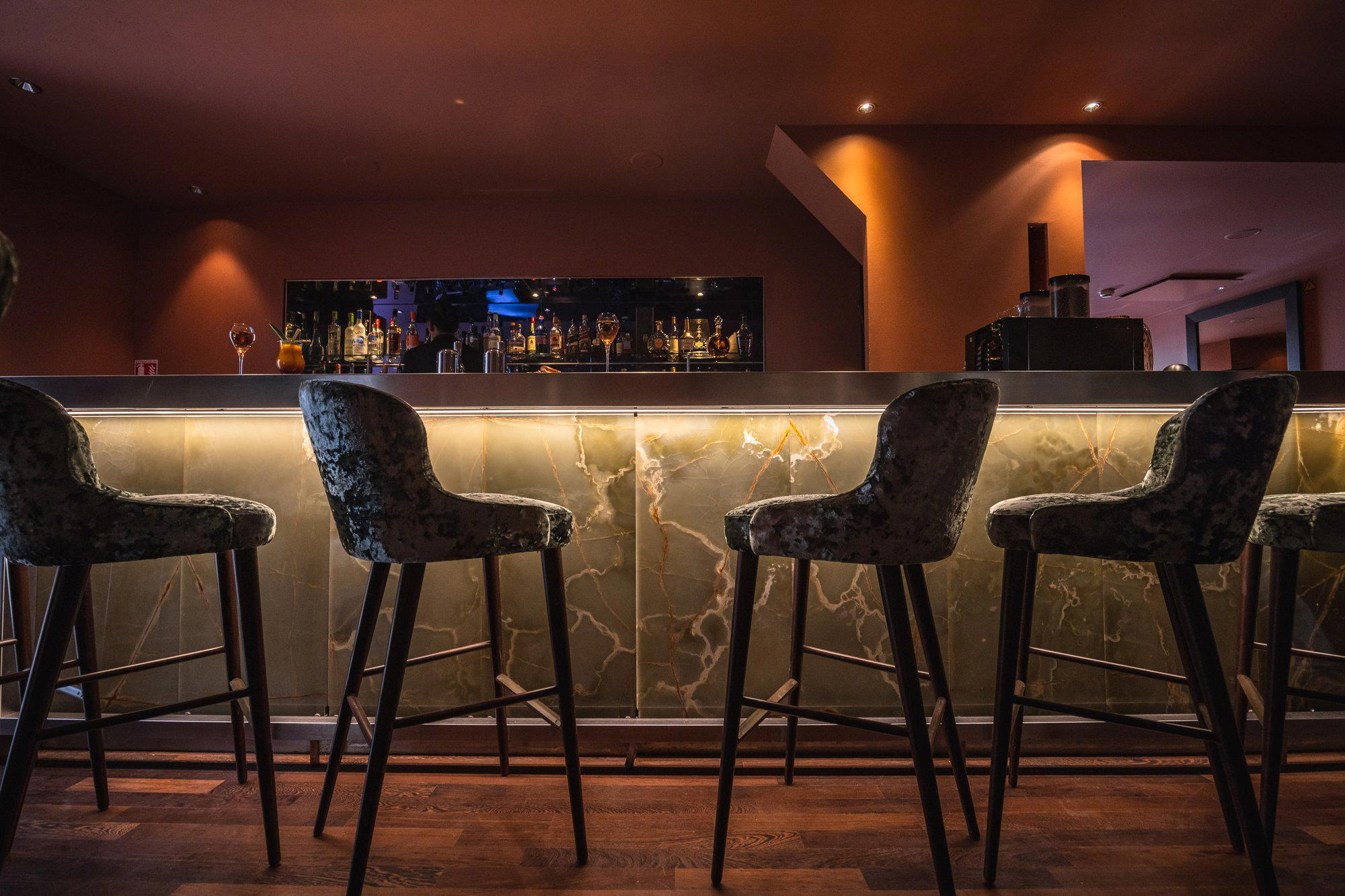
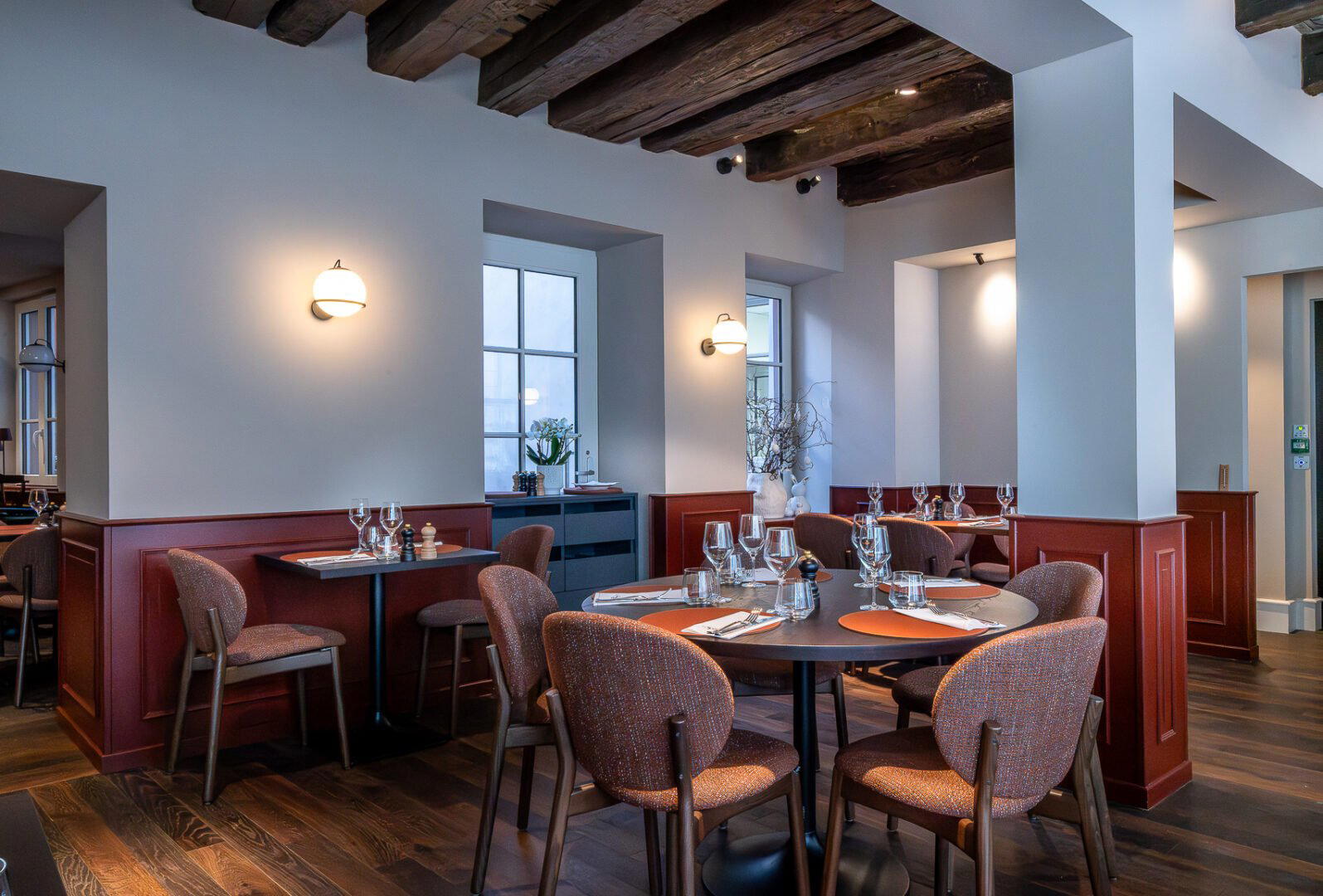
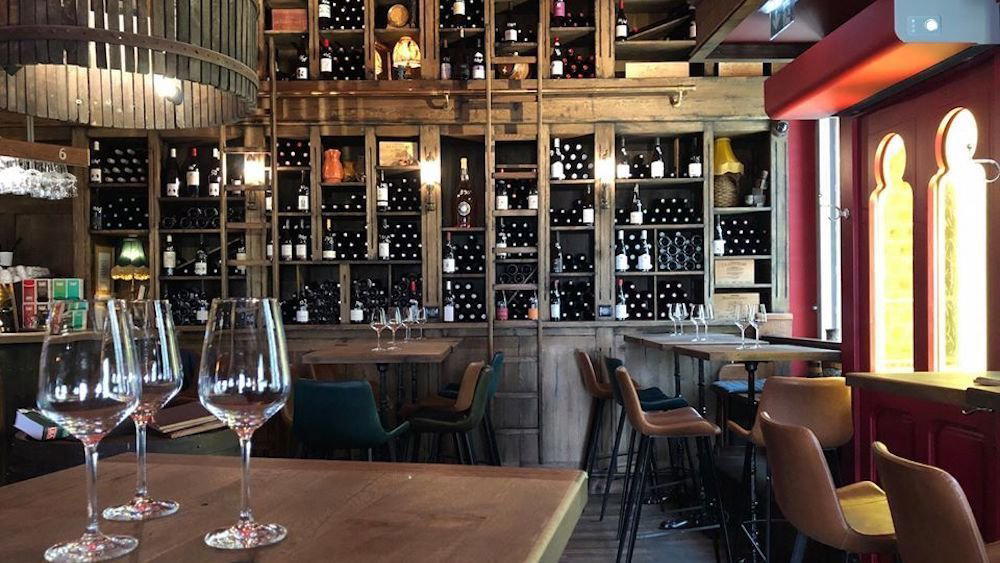

Details
- Cozy
- Rustic
- Classic
- Intimate
- Family
- Casual Hangout
- Business Dinner
- Celebration
- Terrace
- Courtyard
- Historic Building
- Standalone
- Extensive Wine List
- Local Sourcing
- Vineyard
- A La Carte
- Set Menu
- Alsatian Wine
- AOC Wine Selection
- Vegetarian Friendly
- Allergy Accommodating
Current opening hours
- Monday
- 11:30 AM–2 PM
- Tuesday
- 11:30 AM–2 PM
- Wednesday
- Closed
- Thursday
- 11:30 AM–2 PM, 7–9 PM
- Friday
- 11:30 AM–2 PM, 7–9 PM
- Saturday
- 11:30 AM–2 PM, 7–9 PM
- Sunday
- 11:30 AM–2 PM, 7–9 PM
Hours can change for holidays and private events. Hours as of .
Warm and inviting with high ceilings, dark wood paneling, hand-painted frescoes depicting vineyard crafts, and a family-friendly atmosphere enhanced by the lovely welcome from owner Lydie Fuchs.