Auberge à l'Agneau

Michelin Plate
Our verdict
A two-time Michelin Plate recipient on Roppenheim's main street, Auberge à l'Agneau anchors itself in the Alsatian tradition of village cooking without apology. The €€ price range places it firmly in the accessible tier of French regional dining, not occasional brilliance, is the operating principle here.

Pearl is the En Primeur Club membership app, where members save venues, book tables and use the concierge.
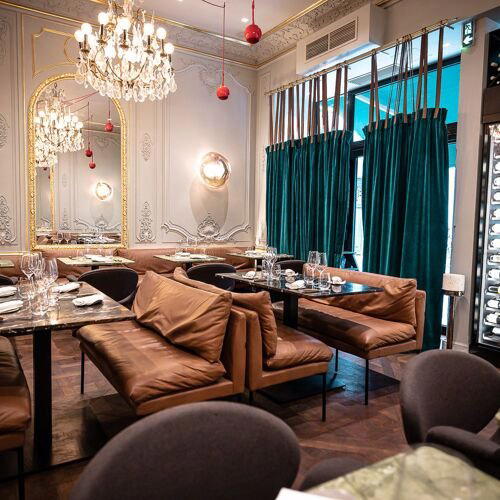
The menu
What to order
- Tartare de filet de boeuf
- Côte de boeuf
- Cuisses de grenouilles à l'ail
- Choucroute de poissons
Where the Village Still Sets the Table
Rue Principale in Roppenheim is the kind of address that French regional cooking was built around: a main street in a small Alsatian village, close to the Rhine, with agricultural land pressing in from every direction. Before you enter Auberge à l'Agneau, the setting does its own editorial work. This is not a dining room that relocated from a city to perform rusticity. The context is the thing. The northern Alsace plain produces some of France's most specific agricultural output, choucroute cabbage grown in dedicated plots around Krautergersheim, game from the Rheinwald forest corridor, river fish from Rhine tributaries, and pork traditions embedded in village butchery for centuries.
Alsatian Tradition and the Question of Provenance
French traditional cuisine at the village auberge level operates differently from the sourcing narrative that surrounds three-star kitchens. Venues like Mirazur in Menton or Flocons de Sel in Megève build sourcing into a declared programme, with named producers and tasting menus designed to foreground terroir as a concept. The village auberge tradition works the same logic in the other direction: proximity to the source is assumed, not announced. Alsace sits at the intersection of French culinary discipline and German ingredient culture, a region where baeckeoffe slow-cooking, choucroute garnie, and freshwater fish preparations have been refined across generations not through innovation but through repetition and access. An auberge on the northern Alsace plain inherits that proximity whether it publicises it or not.
The Michelin Plate, held consecutively in 2024 and 2025, signals something specific in this context. The Plate is Michelin's marker for kitchens producing good cooking without the structural complexity of a starred operation. At the €€ price range, it confirms that quality is being delivered without the tasting menu architecture of higher-end addresses. Compared to the three-star tier, Alléno Paris au Pavillon Ledoyen in Paris or Troisgros in Ouches, the Plate category is not a consolation ranking. It defines a different category entirely: the restaurant serving a region's population from within that region, at prices the region can absorb.
The Alsace Auberge in Its Competitive Set
Northern Alsace has its own dining geography that differs from the more internationally profiled Alsatian corridor around Colmar and Strasbourg. Auberge de l'Ill in Illhaeusern represents the upper tier of Alsatian table cooking, three stars, a multigenerational family operation, a price point several brackets above what the northern villages support. Au Crocodile in Strasbourg operates in the urban register, where a city dining room carries different expectations. Auberge à l'Agneau sits in neither of those positions.
The same pattern appears at other traditional French auberges included in regional Michelin coverage, places like Auberge Grand'Maison in Mûr-de-Bretagne or Auberge du Vieux Puits in Fontjoncouse, where the auberge format itself carries editorial weight: a building with rooms or a strong local-rooted identity, traditional cuisine, and pricing calibrated to a regional rather than destination audience. These are not venues that compete with AM par Alexandre Mazzia in Marseille or Assiette Champenoise in Reims. They occupy a different position in French dining culture, one that Michelin has consistently argued deserves its own recognition tier.
Sourcing, Geography, and What the Northern Alsace Table Offers
The area around Roppenheim gives a kitchen specific things to work with. The Rhine plain north of Strasbourg is market gardening country, with a growing season that runs from early asparagus through to autumn brassicas and root vegetables. Game from the Rheinwald, one of the larger Rhine-adjacent forest areas in the region, enters the table in autumn. Freshwater fish, including sandre (pike-perch) and trout from nearby waterways, belong to the traditional Alsatian kitchen as naturally as the wine-based sauces and cream reductions that characterise the regional style. The lamb reference embedded in the name Agneau locates the kitchen in a specific culinary tradition: the village inn built around a signature protein, a practice that persisted through the auberge format long after urban restaurants moved toward more diffuse menus.
For visitors arriving from across the Rhine corridor or from Strasbourg, roughly 45 kilometres south, the address at 11 Rue Principale, 67480 Roppenheim, is navigable by car with direct access from the D468 road network. The €€ price range makes it a realistic lunch or dinner option without the advance planning required for the region's higher-end tables.
Why This Address Earns Attention
French regional dining criticism often defaults to the starred tier when assessing a region's table. But the Michelin Plate tier, sustained across consecutive years, represents something the starred system cannot fully capture: the consistent, honest kitchen that a community returns to rather than arrives at once. Auberge à l'Agneau's position in Roppenheim, a village in the agricultural north of Alsace, at a price point accessible to the region it serves, with recognition from Michelin and a review base that suggests regular rather than occasional trade, places it in the category of addresses that define what a region actually eats, not what it performs for visitors. That is a different and arguably more durable form of relevance than the destination dining circuit provides. For a fuller picture of eating and drinking in the area, see our full Roppenheim restaurants guide, and for the wider Alsace dining tradition, the bars, wineries, hotels, and experiences guides for Roppenheim round out the regional picture.
Frequently asked questions
Is Auberge à l'Agneau okay with children?
A village auberge at €€ pricing on Rue Principale in Roppenheim is squarely in family-meal territory. Traditional French auberges at this tier have historically welcomed multi-generational tables, and nothing in the format or price point suggests otherwise. The Michelin Plate recognition here speaks to consistent cooking, not formal dining codes.
How would you describe the vibe at Auberge à l'Agneau?
Think northern Alsace village dining room rather than destination restaurant: a main-street address in Roppenheim, €€ prices, and back-to-back Michelin Plate recognition from 2024 and 2025 that signals reliability without ceremony. The format is rooted in the regional auberge tradition, where the room serves the food rather than the other way around.
Is Auberge à l'Agneau Michelin-listed?
Auberge à l'Agneau has received recognition including: Michelin Plate (2025); Michelin Plate (2024).
What's the must-try dish at Auberge à l'Agneau?
What two consecutive Michelin Plate awards confirm is that the kitchen delivers on traditional French cuisine with enough consistency to earn repeated recognition. In northern Alsace, that typically means the cooking draws from the Rhine plain's market-garden produce and the region's established charcuterie and wine traditions, but confirm the current menu directly with the venue.
Quick Comparison
| Venue | Cuisine | Price | Awards | Notes |
|---|---|---|---|---|
| Auberge à l'AgneauThis venue (the venue you are viewing) | Traditional Alsatian French | Not listed | Michelin Plate | Not listed |
| Alléno Paris au Pavillon Ledoyen | Modern French Fine Dining | $150–200 | 3 Michelin Stars · World's 50 Best #79 | Creative |
| Kei | Contemporary French, Modern Cuisine | Not listed | Michelin 3 Star | Not listed |
| L'Ambroisie | Classic French Haute Cuisine | $300–500 | 2 Michelin Stars · World's 50 Best #23 | French, Classic Cuisine |
| Le Cinq - Four Seasons Hôtel George V | Modern French Fine Dining | $300–500 | 3 Michelin Stars · World's 50 Best #24 | French, Modern Cuisine |
| Plénitude | Modern French Sauce-Led Fine Dining | $300–500 | 3 Michelin Stars · World's 50 Best #14 | Contemporary French |
Recognition history
Dated appearances from independent guides and award organizations, with the underlying list record or original source where available.
Michelin Plate
Michelin
Full recognition history (3 entries)
Michelin Plate
Michelin
Michelin Plate
Michelin
Continue exploring
More in Roppenheim
Restaurants in Roppenheim
All restaurants in Roppenheim →
Bars in Roppenheim
Browse all →

Details
- Cozy
- Rustic
- Classic
- Family
- Casual Hangout
- Group Dining
- Terrace
- Historic Building
- Extensive Wine List
- A La Carte
Current opening hours
- Monday
- Closed
- Tuesday
- Closed
- Wednesday
- 3:30–9:30 PM
- Thursday
- 3:30–9:30 PM
- Friday
- 3:30–9:30 PM
- Saturday
- 3:30–9:30 PM
- Sunday
- Closed
Hours can change for holidays and private events. Hours as of .
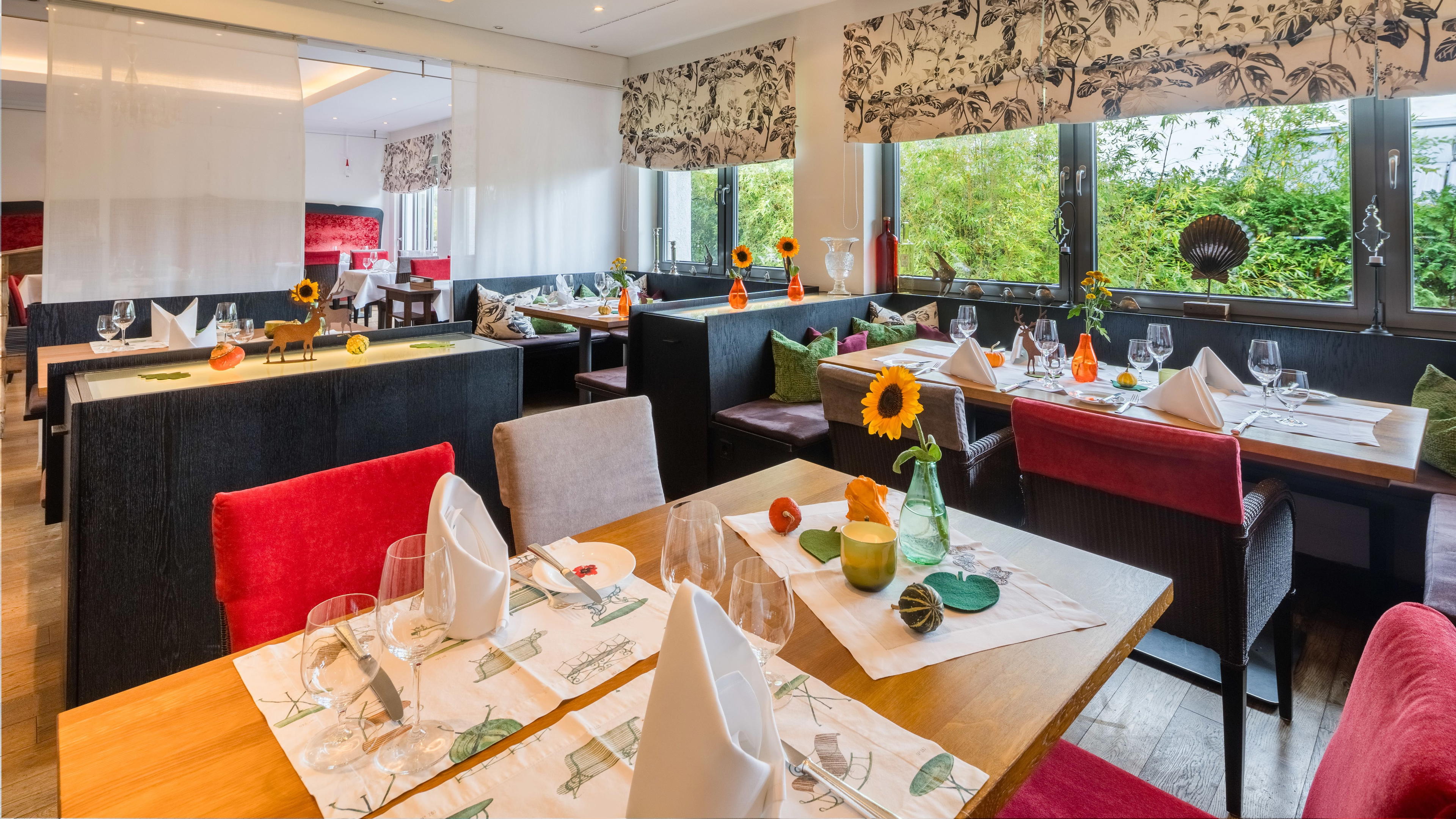
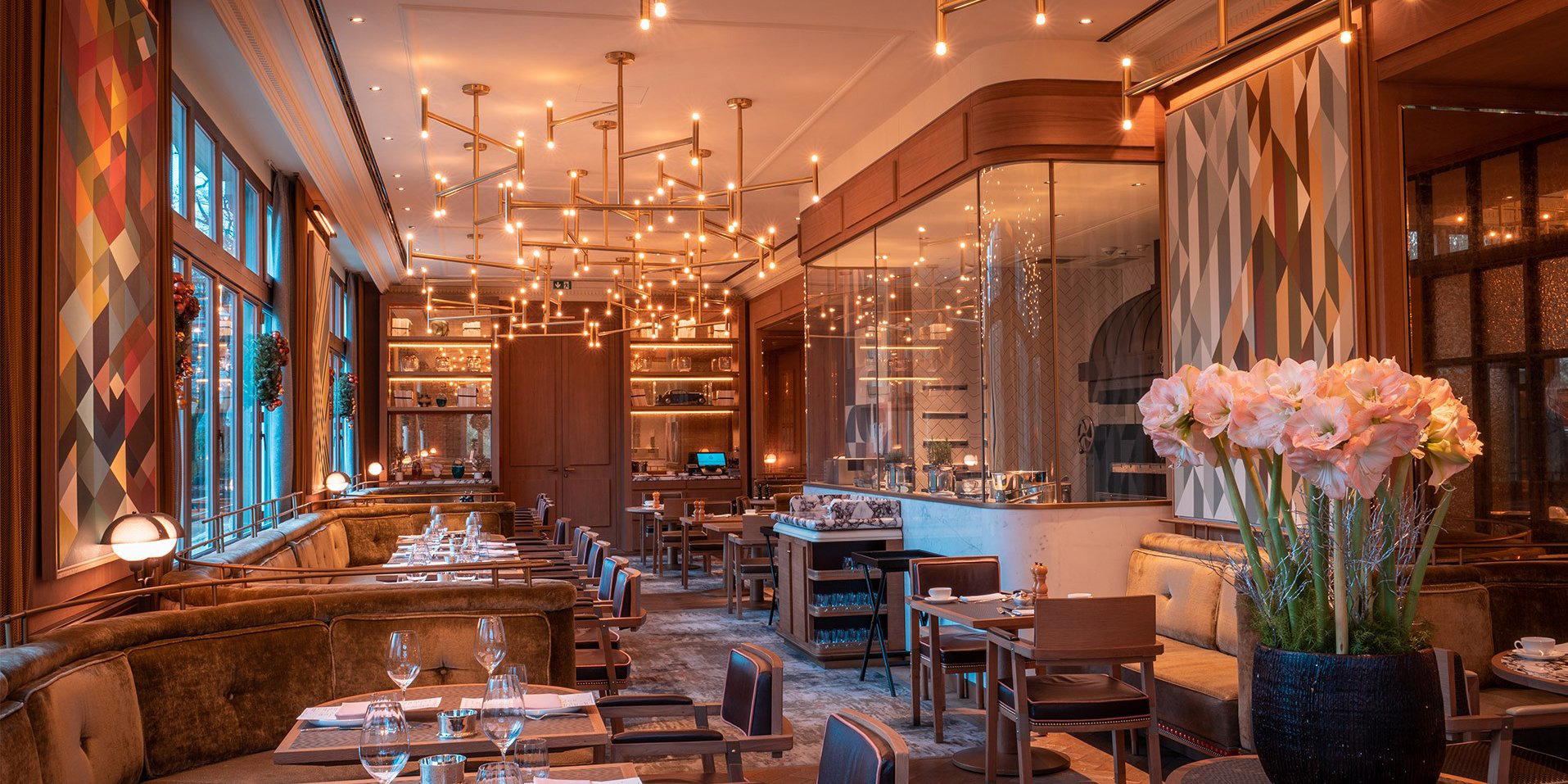
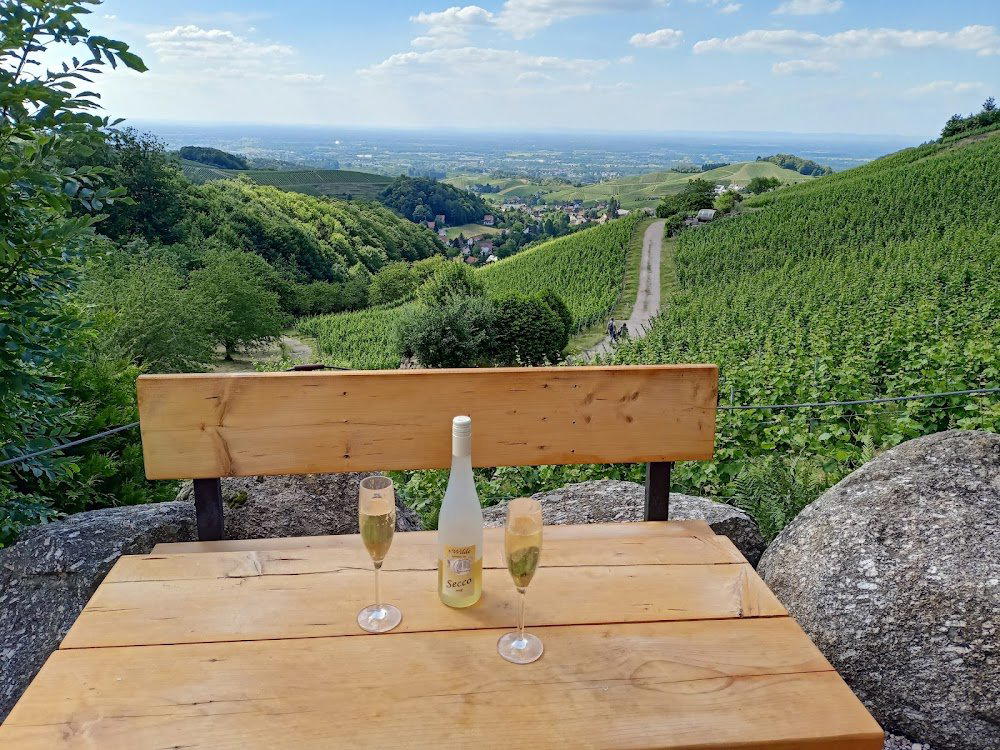
Cozy and wood-paneled dining rooms with a warm, familial atmosphere and delightful terrace.