La Planque
Our verdict
La Planque sits on Rue d'Alsace in Sainte-Maxime, a short walk from the Var coast where the Riviera's market garden hinterland begins to shape what ends up on the plate. The cooking draws from the same southern French tradition that prizes proximity between field and table. For a town better known for beach clubs than serious dining, it represents a quieter, more grounded option.

Pearl is the En Primeur Club membership app — saves, bookings, and concierge access live there. Same editors, same standards.
- Address
- 24 Rue d'Alsace, 83120 Sainte-Maxime, France
- Phone
- +33986436530
- Hours
- Mon ClosedTue–Sun 12–2 PM, 7–9:30 PM
- Website
- laplanque-saintemaxime.com
- Directions
- Get directions
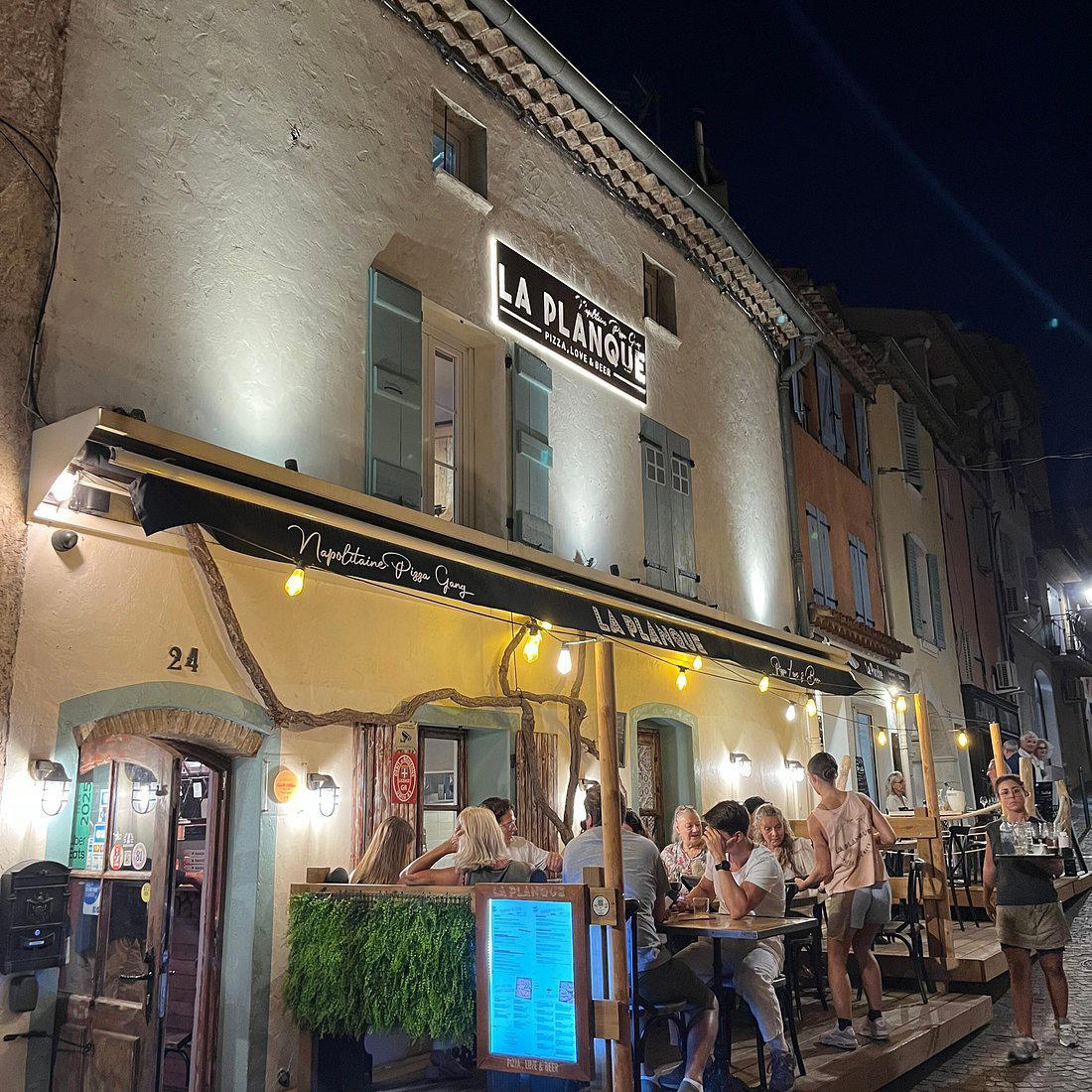
Where the Maures Meets the Mediterranean Table
Sainte-Maxime sits across the bay from Saint-Tropez, close enough to share the same light and the same Var coastline, far enough to operate at a different register. The town has never quite chased the high-season spectacle of its neighbour, and its restaurant culture reflects that. Where Saint-Tropez tilts toward theatrical beach dining and international brand outposts, Sainte-Maxime has historically supported a more neighbourhood-oriented food scene: smaller rooms, fewer celebrities, more regulars. La Planque, at 24 Rue d'Alsace, sits inside that pattern. The address is residential in character, the kind of street that takes a moment to locate on foot, which is itself a signal about what kind of place to expect.
The Provence-Alpes-Côte d'Azur region gives its restaurants a sourcing advantage that few parts of France can match at this density. Within an hour of Sainte-Maxime, producers are working with courgette flowers, fig varieties, wild sea bass, rouget, local lamb from the Var hills, and olive oils from the Massif des Maures. That geography matters more than any individual kitchen decision, because it sets the raw material ceiling. Restaurants that pay attention to that supply chain, rather than importing from outside the region, tend to produce food that reads as distinctly southern without resorting to Provençal cliché.
The Sourcing Argument on the Côte d'Azur
French fine dining has spent decades debating the relative weight of terroir versus technique. In the south, the argument tends to resolve itself naturally, because the produce is so forward that heavy technical intervention often works against the food rather than for it. This is the same principle that shapes kitchens as different in scale and ambition as Mirazur in Menton, where the garden is effectively part of the menu architecture, and Bras in Laguiole, where the plateau's wild plants and herbs have been the editorial centre of the cooking for decades. At the other end of the ambition and price spectrum, smaller addresses in towns like Sainte-Maxime operate on the same underlying logic: buy well, interfere thoughtfully.
The Var coastline gives fishermen access to rouget de roche, daurade, and sea urchin from the rocky seabed between Sainte-Maxime and the Îles d'Or. Inland, the Maures massif produces chestnuts, wild mushrooms in autumn, and honey with a distinct maquis character. Markets in the area, particularly the morning market on the port, run on genuinely local supply rather than the wholesale consolidation that has hollowed out some larger Riviera towns. A kitchen that sources from these networks is working with material that already carries a geographic argument before the first technique is applied.
For comparison at the higher end of the regional and national conversation, AM par Alexandre Mazzia in Marseille has built its reputation on a similar southern Mediterranean sourcing logic applied through a more experimental framework, while Auberge du Vieux Puits in Fontjoncouse demonstrates what deep regional rootedness looks like when sustained over many years in a single Languedoc village. These reference points aren't direct peers for a neighbourhood address in Sainte-Maxime, but they map the tradition La Planque is operating within, at a different price point and without the formal apparatus of tasting menus and sommelier programs.
Sainte-Maxime's Dining Character
The town's restaurant scene divides broadly into three categories: beach and port-facing terraces that operate on volume during July and August, a small number of more considered rooms that trade year-round on repeat local custom, and the crêperies and casual addresses that serve the shoulder-season visitor. Café Maxime and La Crêperie de Sainte-Maxime represent two points on that spectrum. La Planque occupies a quieter position in this structure, on a street that draws regulars rather than walk-in tourists.
That positioning has practical implications for the dining experience. A room that doesn't depend on peak-season foot traffic tends to develop a different relationship with its kitchen, less reactive to what tourists expect and more anchored in what the regular clientele returns for. This is how neighbourhood restaurants in provincial French towns have historically built their reputations, not through critical acclaim or press coverage, but through a consistent relationship with a defined audience. For a visitor, that often translates into a more honest read of the local food culture than any prestige address can offer.
The broader French dining tradition that La Planque draws from has produced some of the most formally recognized kitchens in the country: Alléno Paris au Pavillon Ledoyen in Paris, Flocons de Sel in Megève, Troisgros - Le Bois sans Feuilles in Ouches, Auberge de l'Ill in Illhaeusern, Paul Bocuse - L'Auberge du Pont de Collonges in Collonges-au-Mont-d'Or, Assiette Champenoise in Reims, Au Crocodile in Strasbourg, Christopher Coutanceau in La Rochelle, and Georges Blanc in Vonnas. These are the institutions that define the formal end of the French culinary tradition. A small address on Rue d'Alsace is not in that conversation, but it draws on the same provincial values of seasonal sourcing, local product loyalty, and cooking that answers to place rather than trend.
Planning Your Visit
La Planque is located at 24 Rue d'Alsace in central Sainte-Maxime, within walking distance of the port and the town's main market area. Sainte-Maxime is accessible by ferry from Saint-Tropez across the bay, a route that takes around twenty minutes and avoids the coastal road traffic that becomes significant in July and August. For a broader view of where La Planque sits among the town's dining options, our full Sainte-Maxime restaurants guide covers the range of the local scene.
Frequently asked questions
Where do I go for La Planque?
La Planque is located at 24 Rue d'Alsace, 83120 Sainte-Maxime, France, Sainte Maxime.
Is La Planque a good option for dining away from the Saint-Tropez crowds in Sainte-Maxime?
Sainte-Maxime sits directly across the bay from Saint-Tropez but operates at a measurably different pace and price point, which is part of its appeal for visitors who want access to the same Var coastline without the port-side premium. La Planque's address on Rue d'Alsace places it in the central residential quarter of Sainte-Maxime, away from the high-volume terrace trade that dominates the port in summer. That positioning, combined with the name's connotation of a local retreat, suggests a room aimed at the town's own clientele rather than passing tourists.
What's the must-try dish at La Planque?
What the address on Rue d'Alsace and the broader Sainte-Maxime dining character suggests is a kitchen working with Var coastline produce — likely fish, local vegetables, and regional olive oil. Confirm the current menu directly with the restaurant before visiting.
Do I need a reservation for La Planque?
Sainte-Maxime's dining scene compresses hard in July and August, when bay-facing restaurants of any quality fill quickly. La Planque's position on Rue d'Alsace, in the central town rather than on the port terrace circuit, may offer slightly more availability than seafront competitors, but booking ahead is the practical call during summer. Outside peak season, walk-ins are more realistic.
What's the signature at La Planque?
What the Sainte-Maxime setting and the restaurant's name — French slang roughly translating to 'the hideout' — implies is a room that prioritises regulars over tourist footfall. The cooking style, pricing, and format are best confirmed via a direct call or visit to 24 Rue d'Alsace.
Comparable Spots, Quickly
Comparable venues nearby, for context on price, style, and recognition.
| Venue | Cuisine | Price | Awards | Notes |
|---|---|---|---|---|
| La PlanqueThis venue — the venue you are viewing | Neapolitan Pizzeria | $20–30 | Not listed | Not listed |
| Café Maxime | French Brasserie & Café | $20–30 | Not listed | centre of town |
| La Crêperie de Sainte-Maxime | Traditional Breton Crêperie | $10–20 | Not listed | Old Town (Centre Ancien Piétonnier) |
| La Badiane | French | Not listed | Michelin Plate · Gault & Millau Remarkable Restaurant | Sainte Maxime |
| Pizzeria Délices De Capoue | Authentic Italian Wood-Fired Pizza | $20–30 | Not listed | Centre Ville |
| La Bonne Mère | Authentic Neapolitan Pizza | $20–30 | Not listed | Vauban |
Continue exploring
More in Sainte Maxime
Restaurants in Sainte Maxime
Browse all →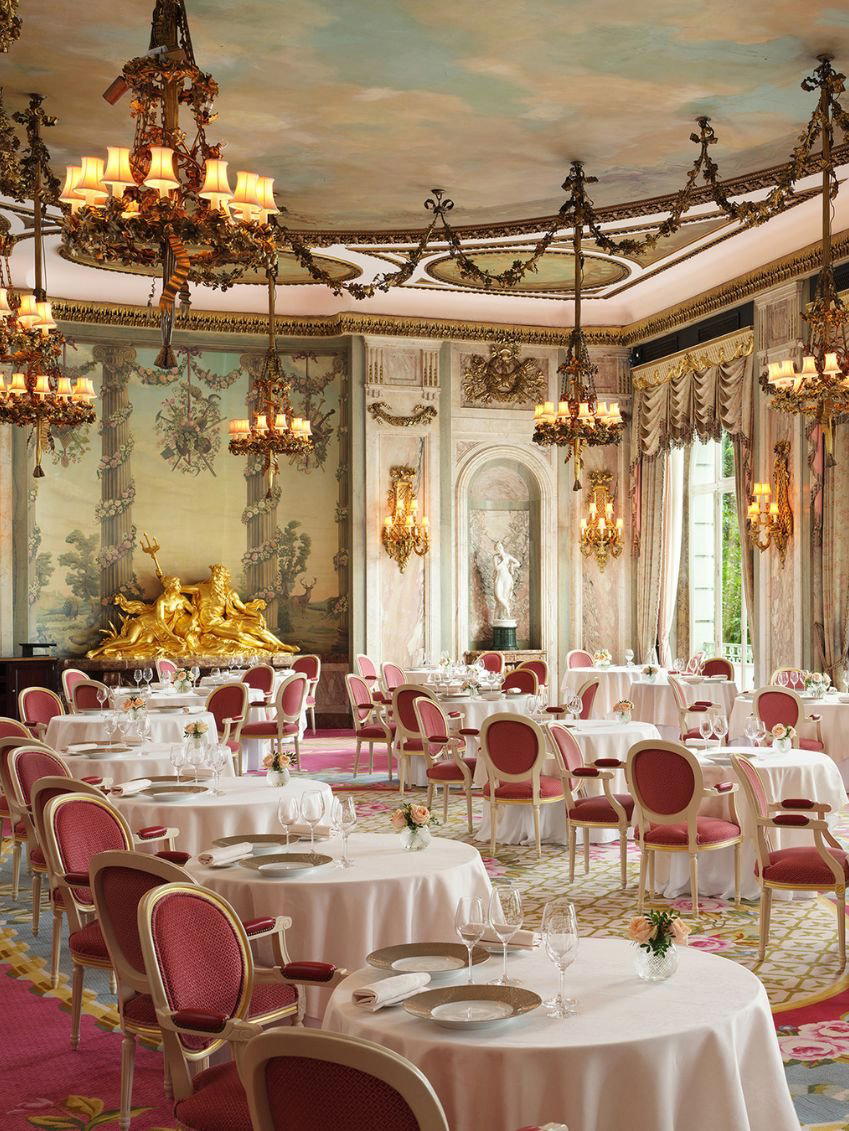
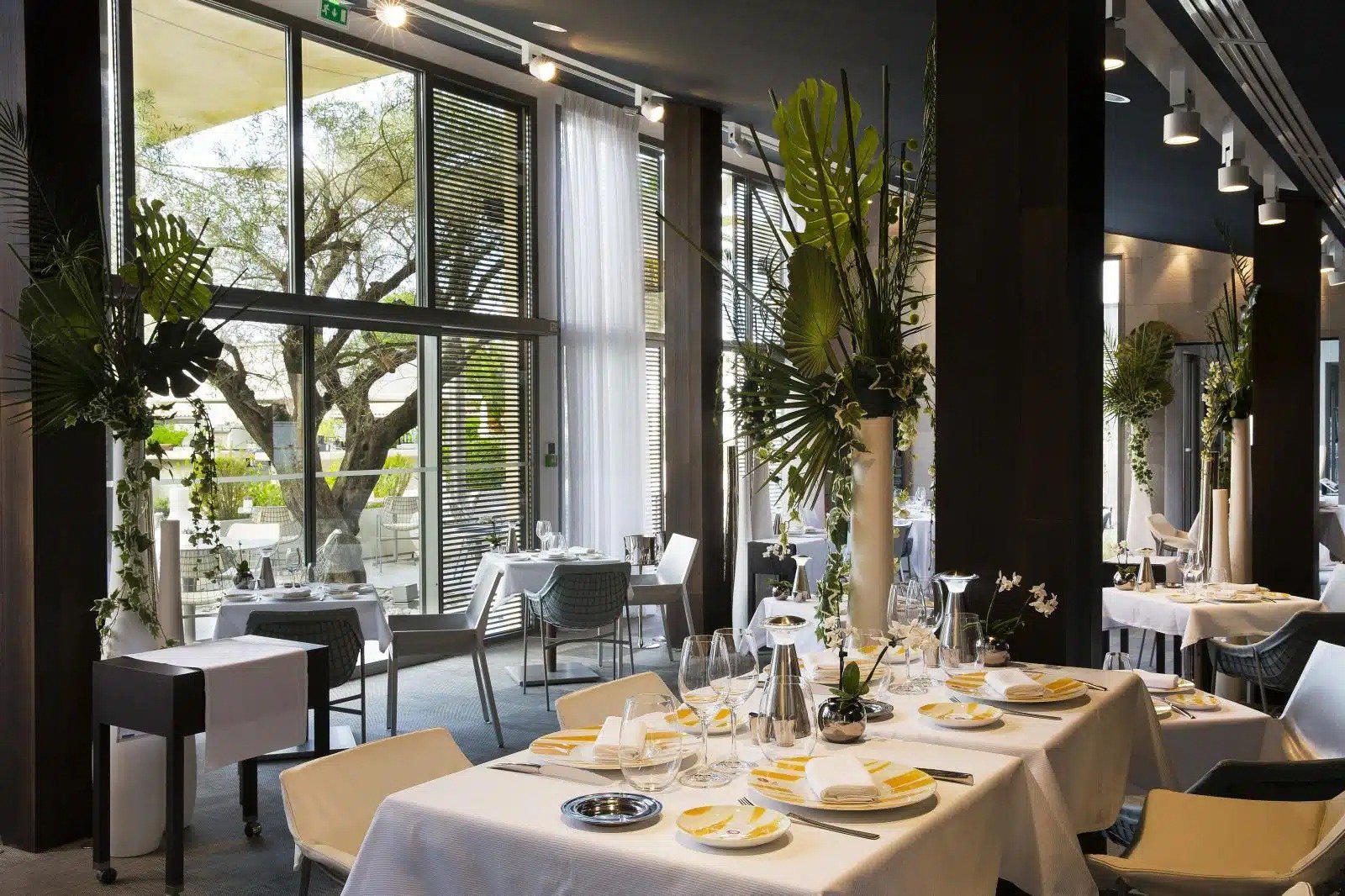
Bars in Sainte Maxime
Browse all →
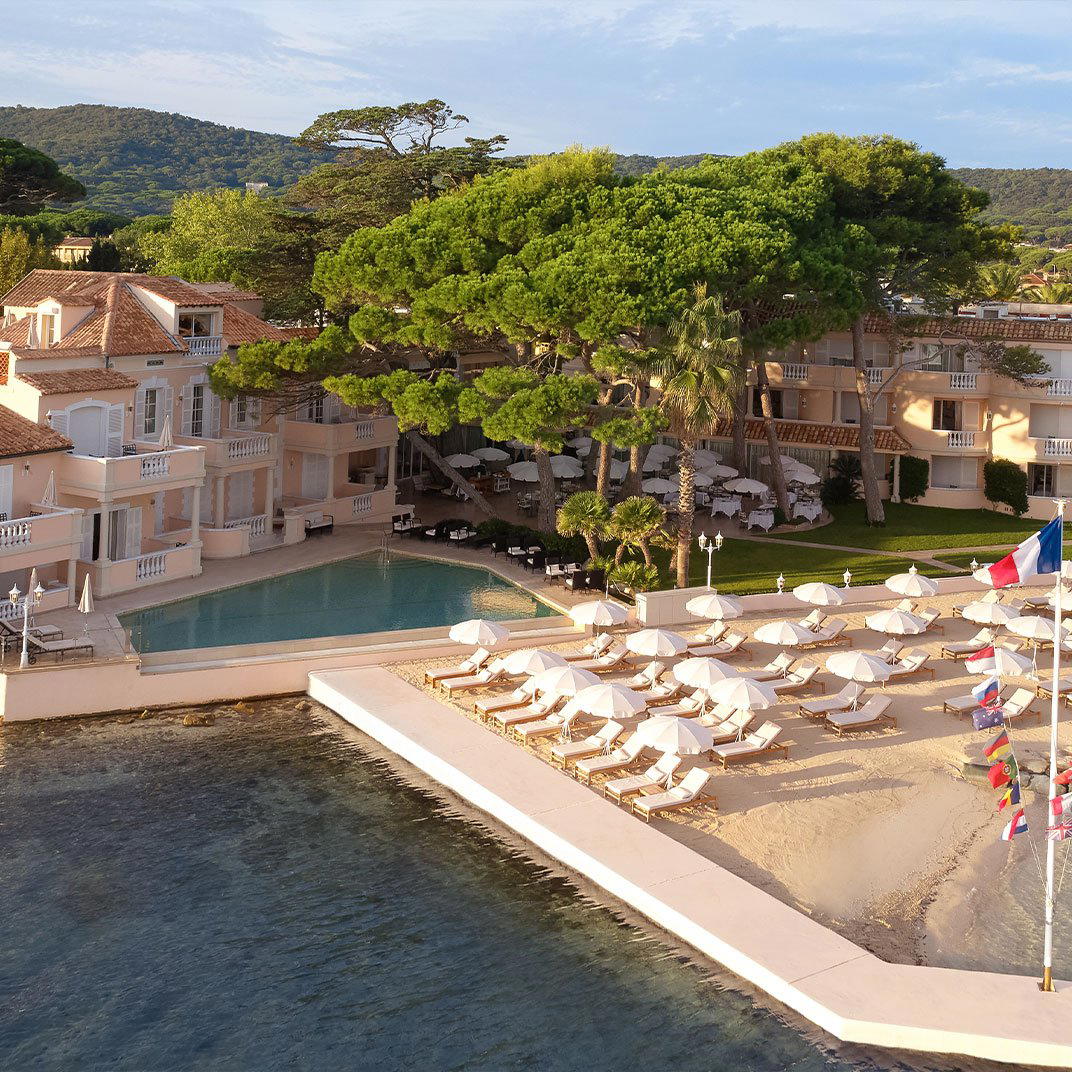
Hotels in Sainte Maxime
Browse all →

Details
- Cozy
- Romantic
- Intimate
- Date Night
- Casual Hangout
- Family
- Terrace
- Open Kitchen
- Beer Program
- Local Sourcing
- Street Scene
- A La Carte
- Craft Beer
- Vegetarian Friendly
Current opening hours
- Monday
- Closed
- Tuesday
- 12–2 PM, 7–9:30 PM
- Wednesday
- 12–2 PM, 7–9:30 PM
- Thursday
- 12–2 PM, 7–9:30 PM
- Friday
- 12–2 PM, 7–9:30 PM
- Saturday
- 12–2 PM, 7–9:30 PM
- Sunday
- 12–2 PM, 7–9:30 PM
Hours can change for holidays and private events. Last verified .
Charming intimate atmosphere with wooden patio featuring white lights, cozy interior around traditional pizza oven, and cute raised outdoor veranda.