

A 12-seat counter in Vigo's Sárdoma district where Chef Víctor Conus runs a daily-changing surprise tasting menu that draws on Galician produce and Andalucian heritage in equal measure. The format, bar seating only, single menu, ingredients sourced partly from a kitchen garden in Nigrán, has earned consecutive Michelin Plate recognition in 2024 and 2025. Book well ahead: this is not a walk-in proposition.
Pearl is the En Primeur Club membership app — saves, bookings, and concierge access live there. Same editors, same standards.
- Address
- Rúa de San Roque, 3, Sárdoma, 36204 Vigo, Pontevedra, Spain
- Phone
- +34 698 17 48 73
- Website
- lamesadeconus.com
- Directions
- Get directions
 Saves & bookings on Pearl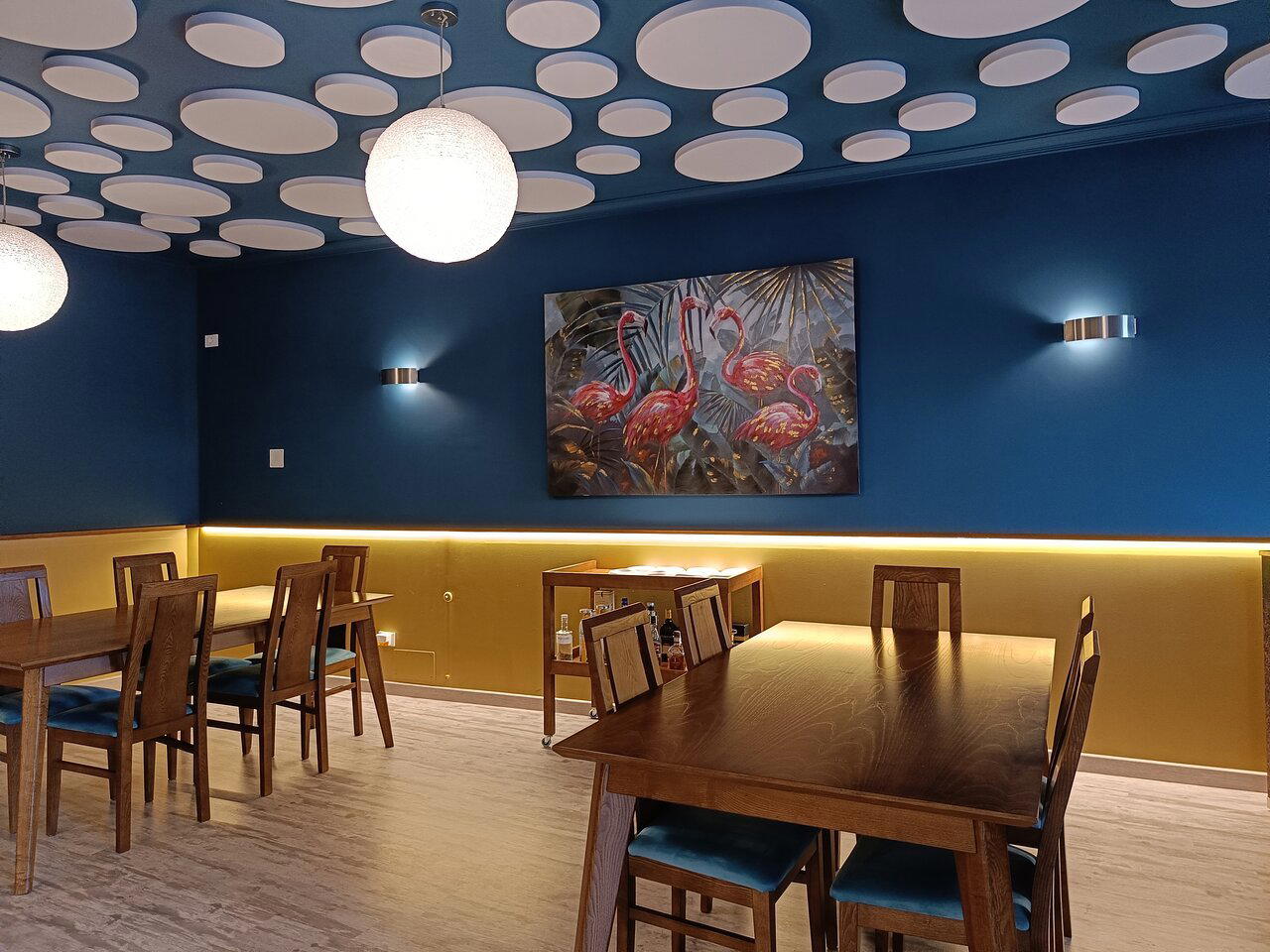
Twelve Seats, One Menu, No Choices
There is a particular discipline to dining at a counter that seats only twelve people. You arrive, you sit, and the kitchen decides what you eat. That format, common in Tokyo and increasingly present in Spanish fine dining, is rarer in Galicia, where the default hospitality instinct runs toward generous portions and open menus. La Mesa de Conus is a twelve-seat restaurant in Vigo's Sárdoma district, serving a single modern Spanish tasting menu at around $70 per person. The room is small by design, the menu is singular by philosophy, and the ingredient sourcing is specific enough to change course depending on what the day allows.
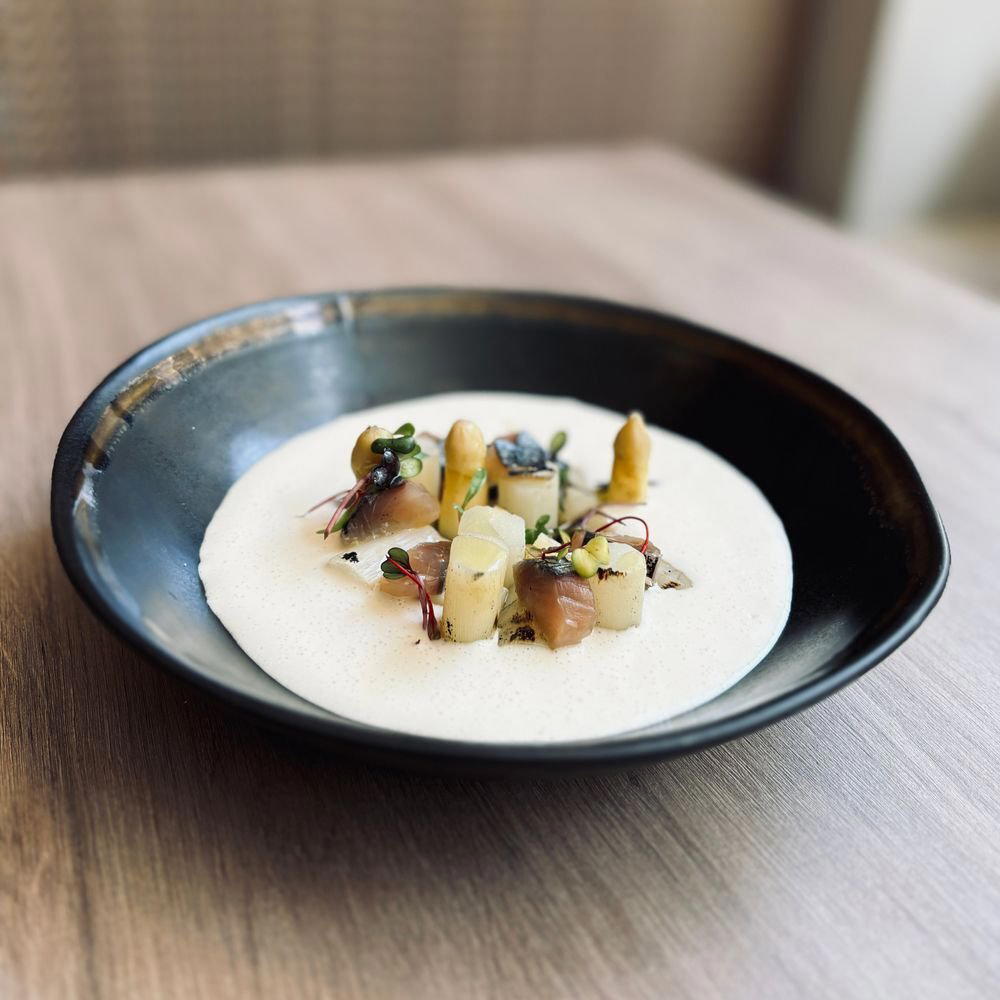
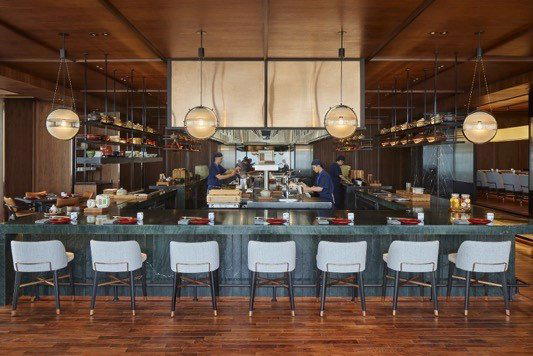
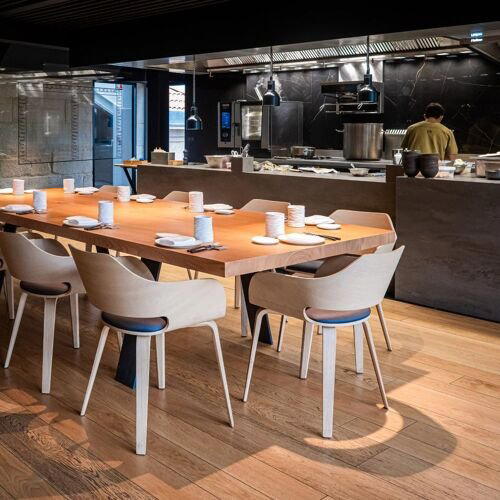
The physical experience begins before the food arrives. Twelve seats arranged along a bar create a room where ambient sound travels differently than in a standard dining room, conversations overlap gently, kitchen activity is audible, and the distance between cook and guest collapses to the width of a counter. It is an environment that concentrates attention. The smell of Ibérico pork, which anchors the opening of every meal, registers before anything is placed in front of you. That consistency, Paleta Ibérica Edición Especial La Consentida and the house croquettes known as de la Yaya, gives the meal a defined starting note while everything that follows shifts with the season.
Where Galicia Meets Huelva
Spanish contemporary cooking has spent two decades wrestling with the question of regional identity versus technical ambition. The debate runs differently in Galicia than it does in the Basque Country or Catalonia, partly because Galician produce, octopus, razor clams, percebes, Albariño-friendly soils, carries such strong commercial identity that chefs who work with it are always in partial negotiation with expectation. La Mesa de Conus resolves that tension by doubling down on geographic specificity rather than retreating from it. Produce from a kitchen garden in Nigrán, a coastal municipality just south of Vigo, appears regularly on the menu, including Loba beans that arrive with the specificity of a named variety rather than a generic legume. The garden as supply source is not unusual among ambitious Spanish kitchens, but the combination of hyper-local Galician vegetables with Andalucian pork products, charcuterie and cuts including abanico, pluma, and secreto from the family-run Jamones Doña Lola company in Bollullos Par del Condado, Huelva, creates a menu profile that is genuinely cross-regional in a way few Galician restaurants attempt.
That dual geography gives Chef Víctor Conus a structural argument across the meal. The salt register, the fat content, the interplay between Galician acidity and Andalucian cured richness, these are not abstract concepts but ingredients with postal codes. In a broader Spanish context, this kind of regional dialogue has produced some of the country's most considered cooking. Aponiente in El Puerto de Santa María draws on the marshlands of the Bay of Cádiz with similar geographic obsessiveness. El Celler de Can Roca in Girona and Arzak in San Sebastián have both built international reputations on the premise that cooking from a specific place is more interesting than cooking from a universal technique library. La Mesa de Conus operates at a different scale and price point than any of those, but the underlying logic is the same.
The Surprise Menu Format
Single-menu, no-choice tasting formats have become common enough in European fine dining that the format itself no longer implies a particular style. What matters is the granularity of daily change. At the restaurant, the menu is built around whatever Galician ingredients are at their leading on any given day, which means the experience shifts meaningfully across visits rather than rotating through a fixed seasonal template. For first-time visitors, the surprise structure requires a degree of trust that the twelve-seat format earns quickly: when you can see the kitchen from your seat and the cook can see your reaction, the performance anxiety that sometimes accompanies surprise tasting menus at larger venues dissolves.
Within Vigo's contemporary dining tier, the format and price point of the restaurant occupies a specific position. Silabario operates at the Michelin-starred level with a €€€ price point. Maruja Limón covers a broader contemporary remit. Alberte focuses on grills at the €€€ tier. Detapaencepa and Enxebre represent the more casual end of the local offer. The restaurant at €€ pricing with a tasting-only format sits in a niche that delivers above its price tier in terms of format ambition, which partly explains the consecutive Michelin Plate awards in 2024 and 2025, recognition that signals cooking worth attention without a star-level price expectation.
The global trajectory of counter-format contemporary restaurants follows a consistent pattern: strong examples among them, from Seoul to New York, tend to build cult followings faster than conventional dining rooms because the format creates a shared experience among guests rather than isolated table events. Jungsik in Seoul and César in New York City are examples of counter-influenced contemporary formats that have translated strong local followings into wider recognition. Azurmendi in Larrabetzu, Cocina Hermanos Torres in Barcelona, and DiverXO in Madrid each show how format discipline compounds over time into genuine critical standing.
Planning Your Visit
The restaurant is at Rúa de San Roque 3 in Sárdoma, in the southern residential zone of greater Vigo, a neighbourhood removed from the tourist centre, which means getting there requires a deliberate trip rather than a passing decision. The twelve-seat capacity means that booking well in advance is a practical necessity rather than a precaution. Walk-ins are not a realistic option at this scale, particularly given the meal's structured format. The €€ price range places it within reach of a wider audience than Vigo's starred options, making it a high-value point of entry into the city's serious contemporary cooking.
Fast Comparison
Comparable venues nearby, for context on price, style, and recognition.
| Venue | Cuisine | Price | Awards | Notes |
|---|---|---|---|---|
| La Mesa de ConusThis venue — the venue you are viewing | Modern Spanish Tasting Menu | $$$ | Michelin Plate | Not listed |
| Detapaencepa | Modern Spanish Tapas | $$ | Michelin Plate | Vigo |
| Morrofino | Modern Spanish Tapas | $$$ | Bib Gourmand | Vigo |
| Casa Marco | Traditional Galician Cuisine with Modern Twist | $$$ | Bib Gourmand | García Barbón |
| Kita | Modern Japanese Omakase with Galician Influences | $$$ | Michelin Plate | residential district (Freixeiro) |
| Kero | Peruvian-Galician Fusion | $$$ | Michelin Plate | downtown |
Recognition history
Dated appearances from independent guides and award organizations, with the underlying list record or original source where available.
Macarfi 7.8 Food Rating
Macarfi
Michelin Plate
Michelin
Michelin Plate
Michelin
Michelin Plate
Michelin
At a Glance
- Intimate
- Cozy
- Elegant
- Sophisticated
- Date Night
- Special Occasion
- Business Dinner
- Open Kitchen
- Chefs Counter
- Sommelier Led
- Local Sourcing
Current opening hours
- Monday
- Closed
- Tuesday
- 1–5 PM
- Wednesday
- 1–5 PM
- Thursday
- 1–5 PM
- Friday
- 1–5 PM, 9–11 PM
- Saturday
- 1–5 PM, 9–11 PM
- Sunday
- 1–5 PM
Hours can change for holidays and private events. Last verified .
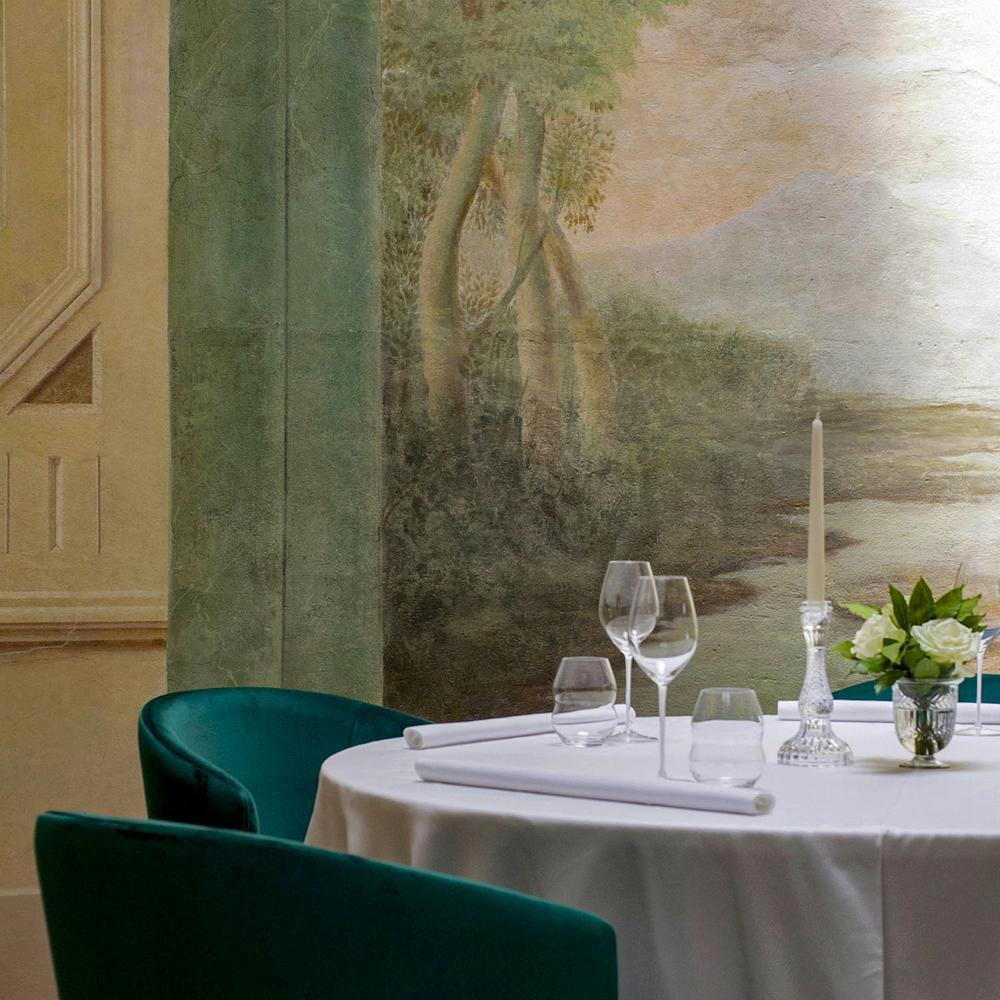
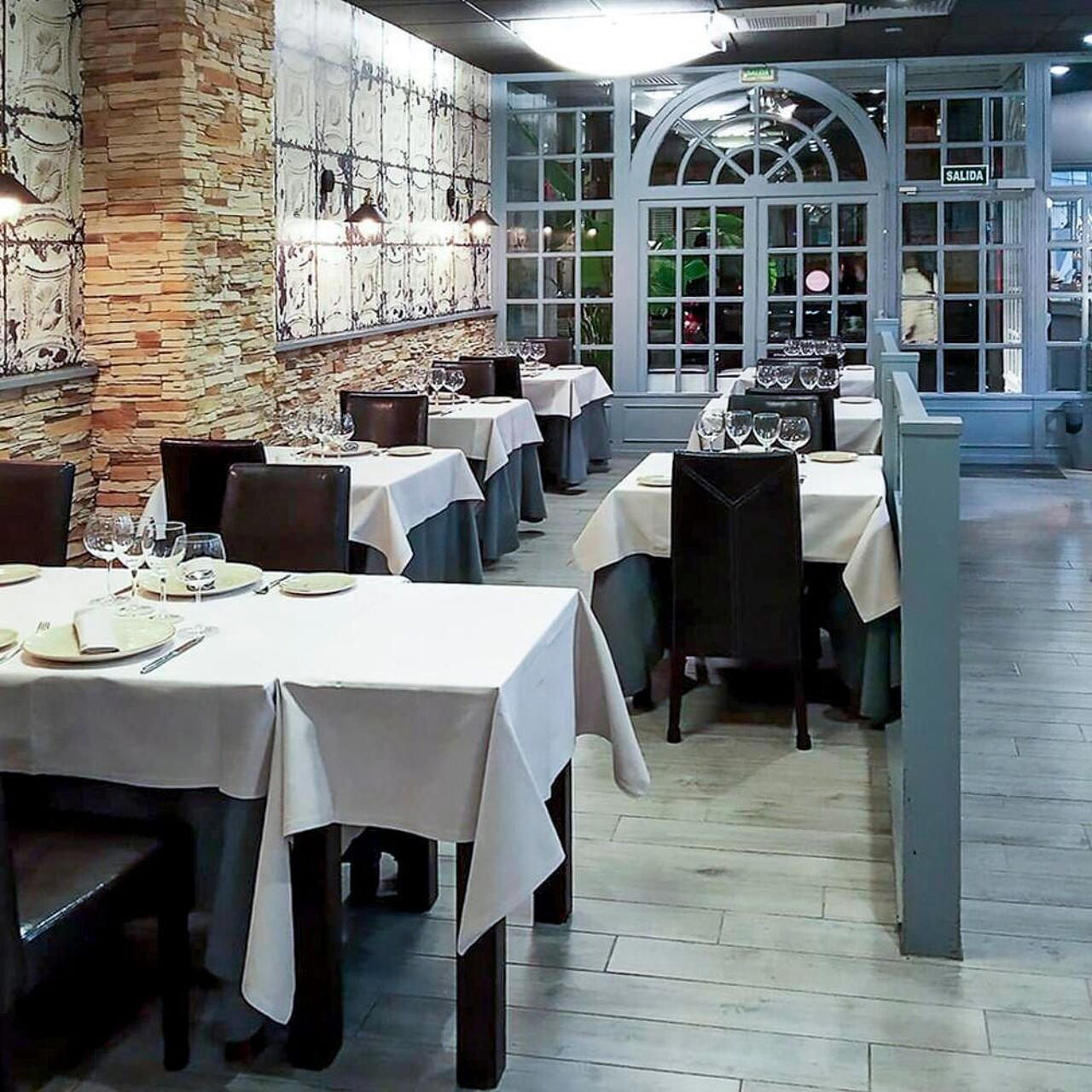
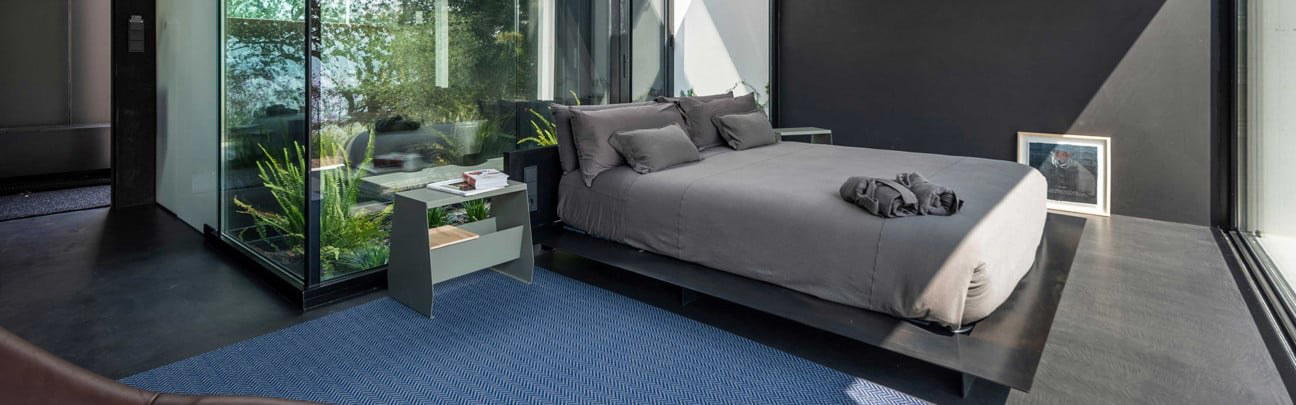
Warm, welcoming atmosphere with soft lighting, elegant decor, and cozy modern design centered around a marble bar.