
A 17th-century townhouse on Rue des Têtes places La Maison des Têtes at the architectural and gastronomic centre of Colmar. The building's sculpted stone façade has marked this address as a landmark since 1609, while the kitchen operates under French provincial cooking that draws on Alsace's larder.
Pearl is the En Primeur Club membership app — saves, bookings, and concierge access live there. Same editors, same standards.
- Address
- 19 Rue des Têtes, 68000 Colmar, France
- Phone
- +33 3 89 24 43 43
- Website
- maisondestetes.com
- Directions
- Get directions
 Saves & bookings on Pearl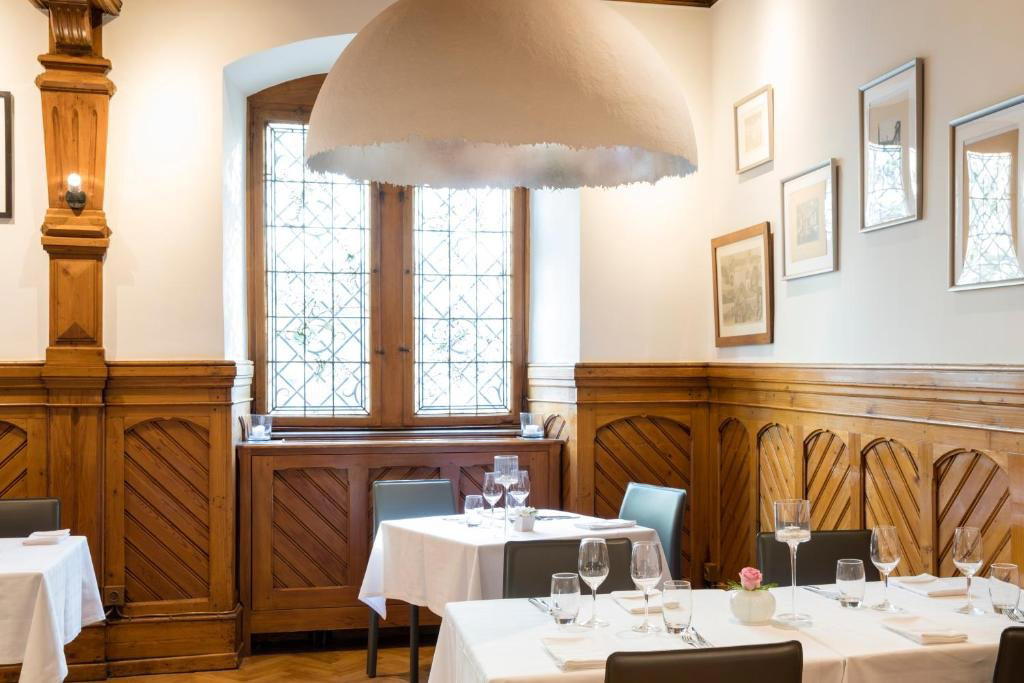
A 17th-Century Address in the Heart of Old Colmar
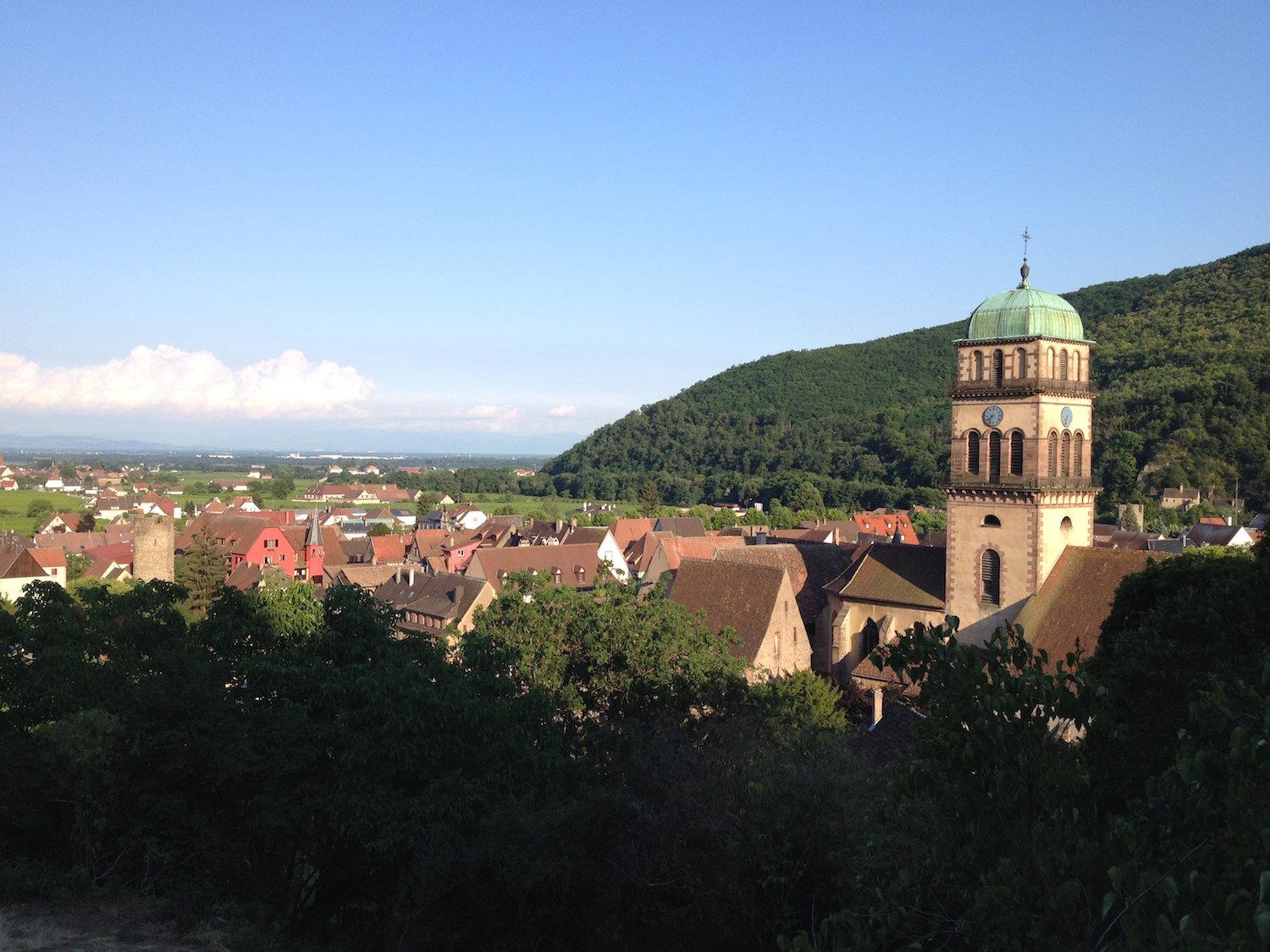
Rue des Têtes sits inside the web of pedestrian lanes that form Colmar's medieval core, a neighbourhood where the built environment does much of the work before any restaurant opens its doors. The street takes its name from the building itself: a 1609 merchant townhouse whose façade carries over a hundred carved stone heads, the photographed piece of secular architecture in a city already saturated with photogenic detail. Walking toward the entrance, the building reads less like a restaurant and more like a civic monument that happens to serve dinner, which is precisely the register La Maison des Têtes occupies in Colmar's dining hierarchy.
That address communicates something specific about the kind of experience on offer. Colmar's dining scene splits roughly between the informal winstub tradition, hearty Alsatian cooking in wood-panelled rooms, exemplified by places like Wistub Brenner, and the more formal French provincial tier, where the cooking reaches for regional identity with greater technical discipline. La Maison des Têtes operates in that second register, using the building's historical weight as a frame for a style of hospitality that aligns comfort with character. The guestrooms extend that logic: a hotel-restaurant combination where the architecture is part of the product, not simply the container for it.
Alsatian Cooking as Provincial French Cooking
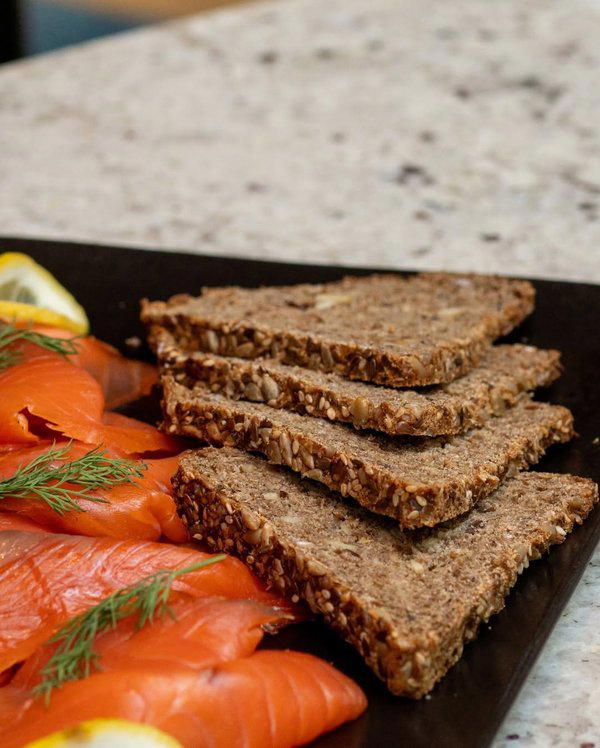
The term "French provincial" can obscure more than it reveals, but in Alsace it carries a specific meaning. The region's cuisine draws on a larder that centuries of cross-border exchange between France and Germany shaped: choucroute, baeckeoffe, tarte flambée, foie gras, Riesling reductions, and freshwater fish from the Rhine watershed. Patrick Henriroux, the chef associated with this kitchen, operates within that tradition rather than against it, which places La Maison des Têtes in a different competitive set from the city's more experimental rooms.
The creative end of Colmar's restaurant scene is well-represented. JY'S holds two Michelin stars and prices at the €€€€ tier, while L'Atelier du Peintre carries one star with modern cuisine at €€€. Restaurant Girardin, also operating out of this same building, brings its own creative identity. The restaurant, by contrast, pitches its cooking toward the provincial rather than the avant-garde, which positions it as the more accessible entry point into serious Alsatian eating for visitors arriving without a pre-formed hierarchy of Colmar tables.
That approach has a wider French context. The tradition of the provincial grand restaurant, substantial but not starched, technically grounded but not experimental, runs from Burgundy through Lyon and into Alsace. Houses like Auberge de l'Ill in Illhaeusern, roughly 25 kilometres from Colmar, defined stronger examples from that category in Alsace for decades. The restaurant operates several tiers below that benchmark, but it draws on the same regional vocabulary: quality sourced locally, cooking that respects the ingredient rather than transforming it beyond recognition, and a dining room that treats occasion as something worth the room rate.
The Building as Context
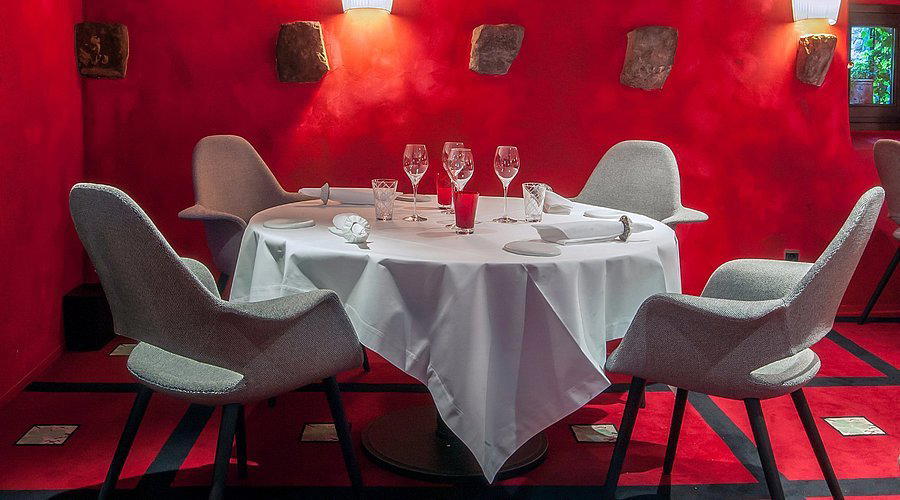
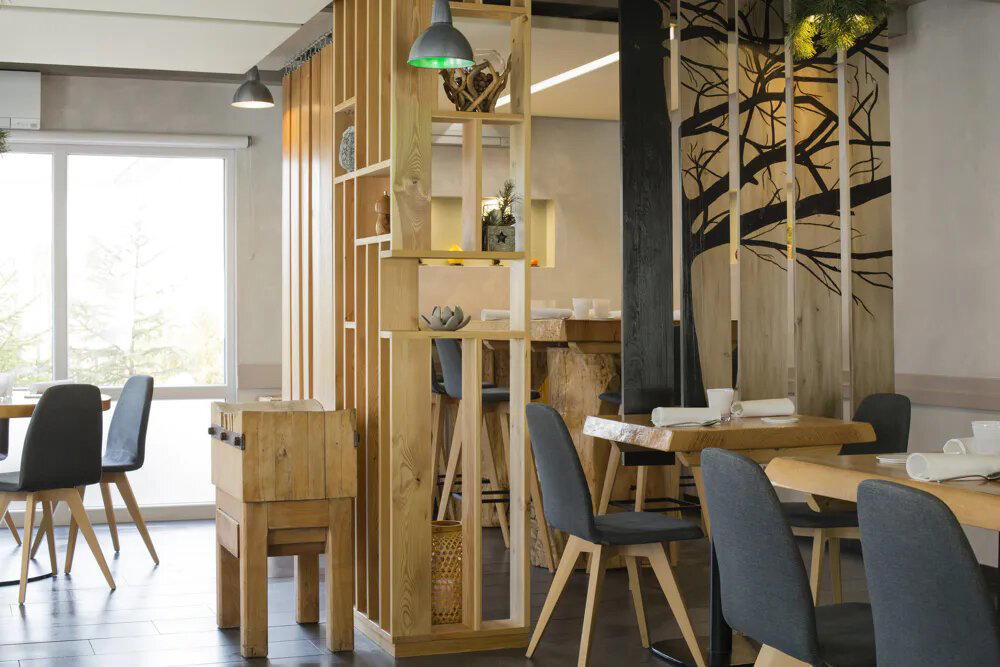
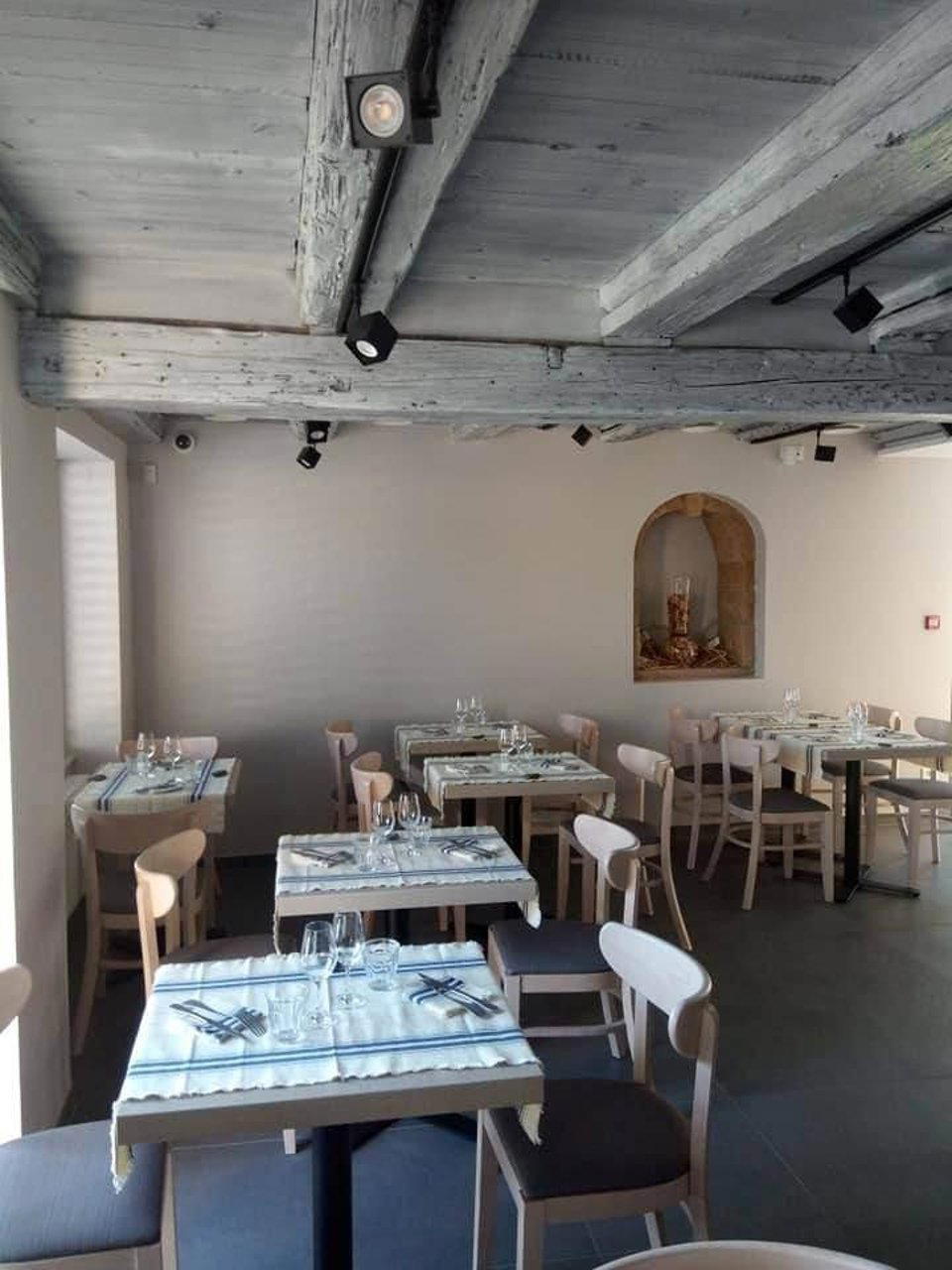
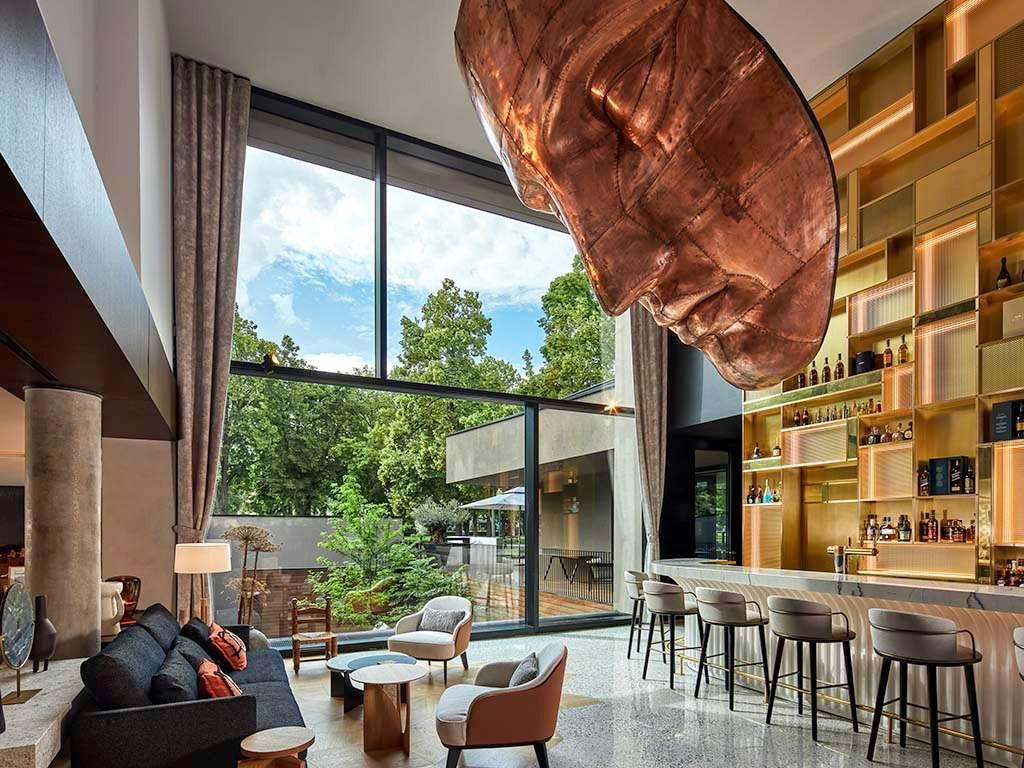
The design signals matter here because Alsatian restaurant culture is deeply embedded in its architecture. The winstub, small, dark, carved-wood interiors, is the baseline format, and departing from it requires either a strong modern statement (as L'Atelier du Peintre achieves) or a historical anchor substantial enough to justify the formality. The 1609 Maison des Têtes provides the latter. The sleek interior design that the venue operates within works precisely because the building sets such a strong external frame: the contrast between the sculptural stone façade and the cleaner contemporary interior registers as deliberate rather than incongruous.
For the Colmar visitor spending two or three nights in the city, that combination of historical setting and composed cooking makes the restaurant function as the kind of address that justifies a proper dinner reservation rather than a casual drop-in. The guestrooms with character complete the picture for those treating the old town as a base for exploring the Route des Vins du Alsace, the vineyard road that connects Colmar to dozens of wine villages between Thann in the south and Marlenheim in the north.
Where It Sits Among Colmar's Dining Options
Colmar punches above its weight for a city of roughly 70,000 people. The concentration of serious restaurants in the old town reflects both the tourism economy and a local culture that takes the table seriously. At the accessible end, Bord'eau and La Maison Rouge operate at €€ with modern and traditional cuisine respectively. At the apex, JY'S represents the city's most ambitious cooking. The restaurant occupies the middle-to-upper range of that spread, trading on its building and its provincial French positioning rather than on Michelin hardware.
For comparison, restaurants elsewhere in France that operate at a similar historical-address premium, Flocons de Sel in Megève, Bras in Laguiole, or at stronger examples from the category, Mirazur in Menton and Troisgros in Ouches, demonstrate how deeply embedded the French provincial grand restaurant tradition is across regions. The restaurant speaks to that tradition at a Colmar scale, without the star pressure that shapes dining rooms elsewhere.
Planning Your Visit
The kitchen operates under the restaurant name at this address. Any visit planned around the height of summer should be scheduled before that window or after it reopens. Given the property's position as both a hotel and restaurant, booking accommodation and dinner together is the logical approach, the address is a short walk from the Unterlinden Museum and the old Customs House, making it a practical anchor for exploring the old town on foot.
Recognition, Side-by-Side
Comparable venues nearby, for context on price, style, and recognition.
| Venue | Cuisine | Price | Awards | Notes |
|---|---|---|---|---|
| La Maison des TêtesThis venue — the venue you are viewing | Alsatian Brasserie | $$$ | Not listed | Not listed |
| L'Epicurien | Contemporary French Bistro | $$ | Not listed | Petite Venise |
| La Cocotte de Grand-Mère | Homemade French Bistro | $$ | Not listed | Place de l'École |
| Wistub de la Petite Venise | Traditional Alsatian | $$ | Not listed | Petite Venise |
| L'Auberge | Traditional Alsatian Brasserie | $$ | Not listed | Place de la Gare |
| Le Quai 21 | Modern French with Italian Influences | $$$ | Michelin Plate | Petite Venise |
Recognition history
Dated appearances from independent guides and award organizations, with the underlying list record or original source where available.
Relais Chateaux Award
Relais Chateaux
Continue exploring
More in Colmar
Restaurants in Colmar
Browse all →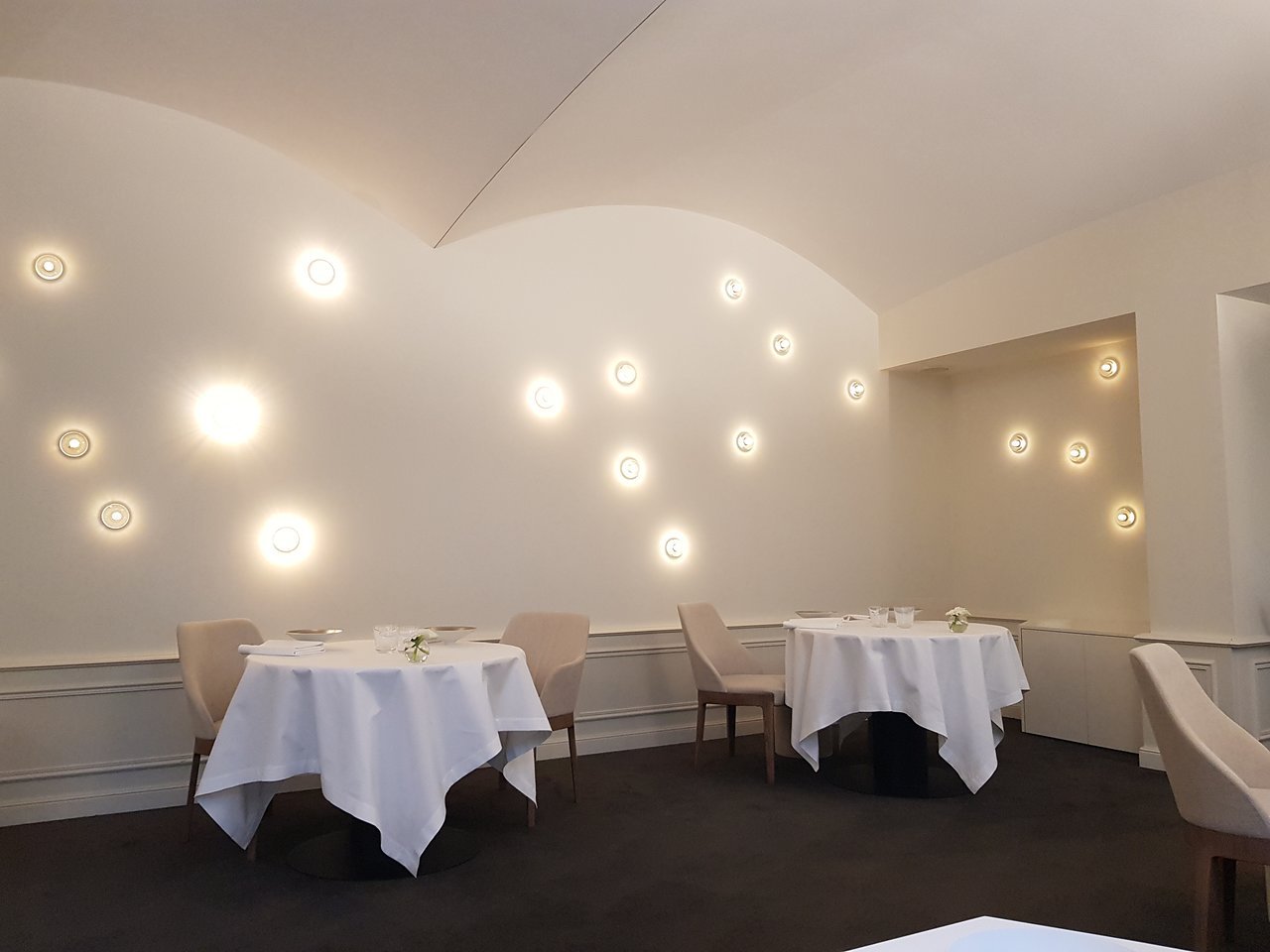
Bars in Colmar
Browse all →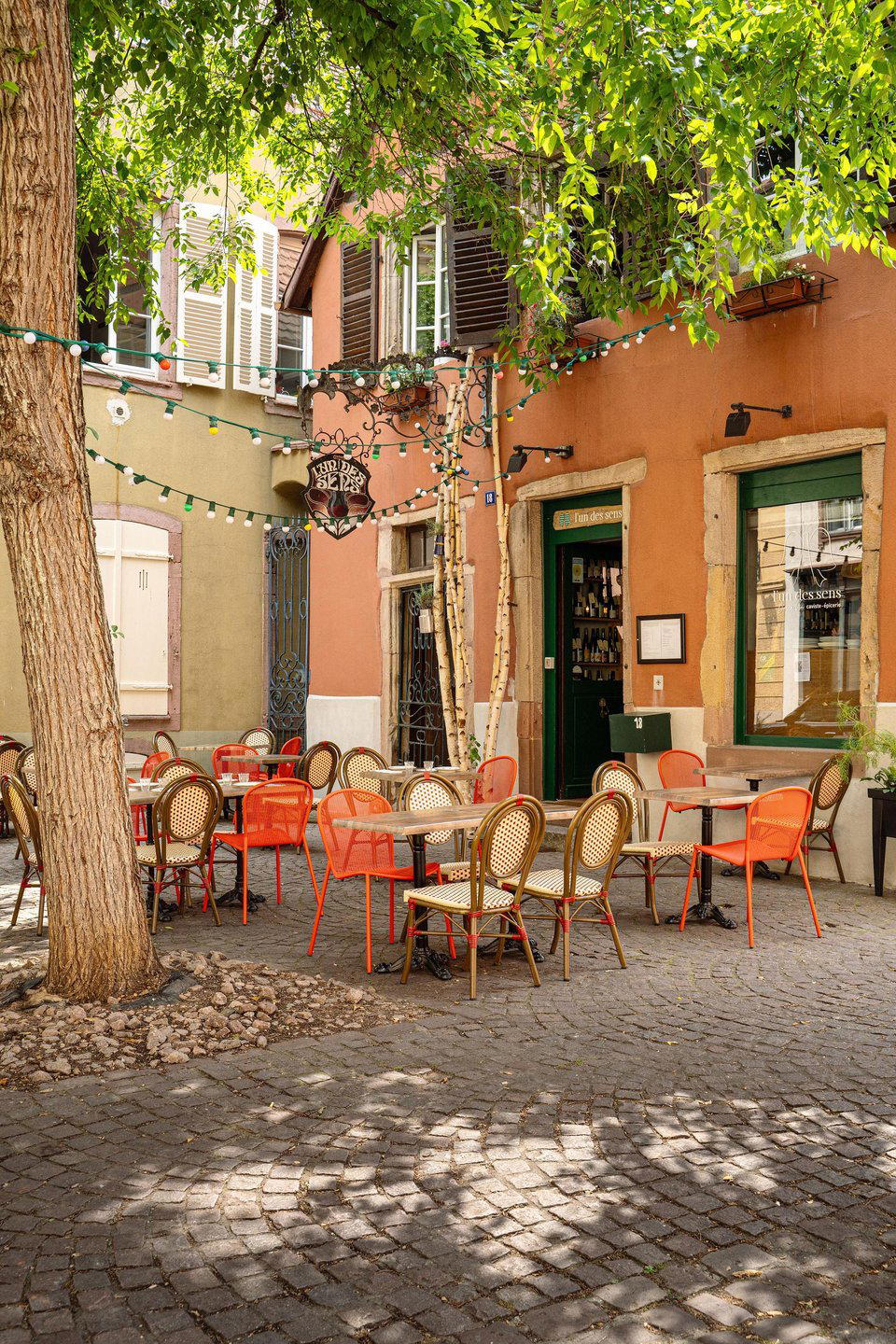
Hotels in Colmar
Browse all →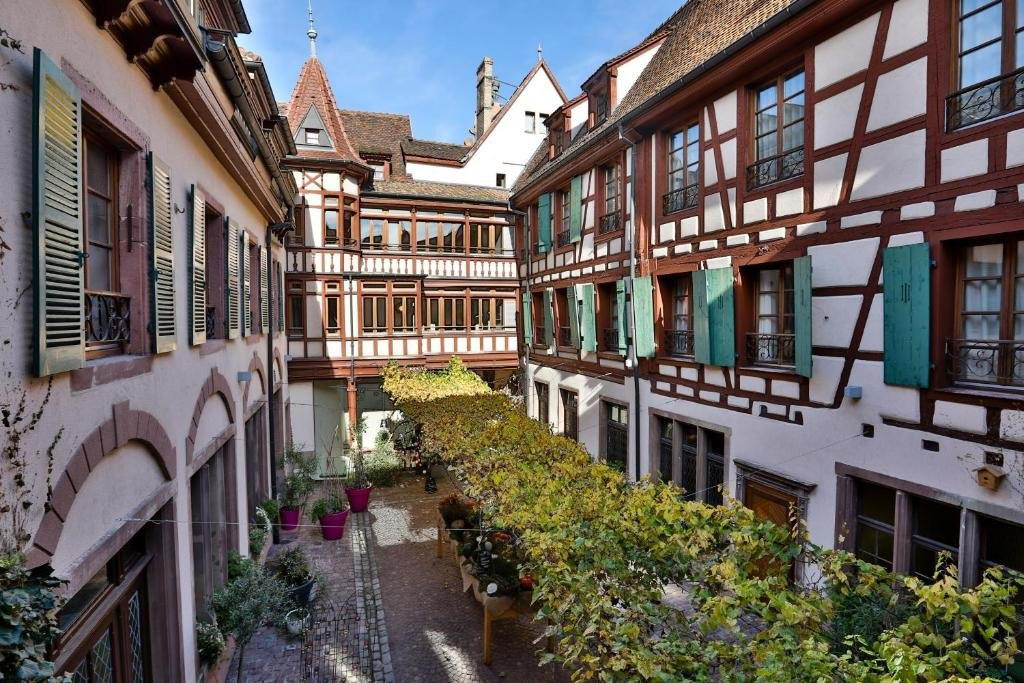
At a Glance
- Classic
- Elegant
- Cozy
- Historic
- Intimate
- Date Night
- Special Occasion
- Group Dining
- Historic Building
- Private Dining
- Terrace
- Extensive Wine List
- Local Sourcing
- Street Scene
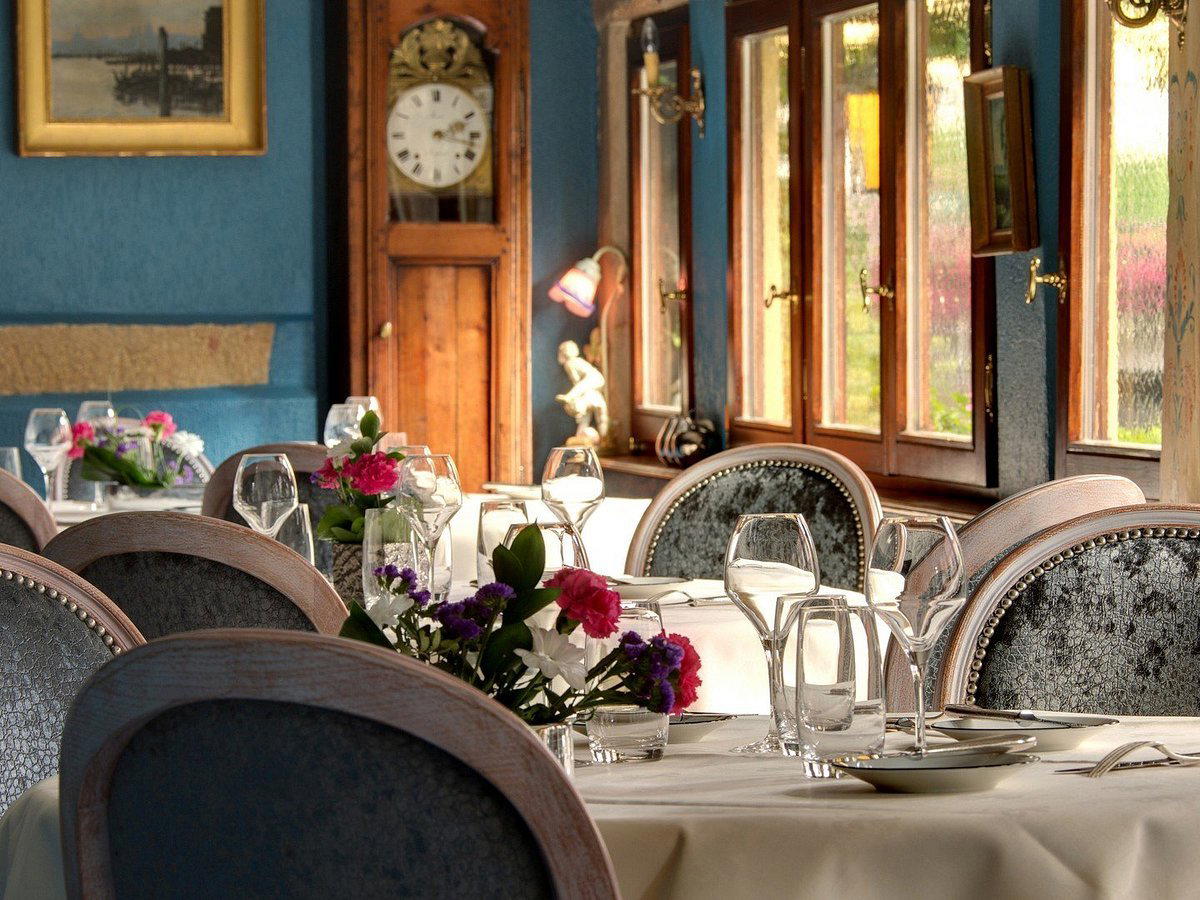
Refined, warm, and convivial with wooden paneling, period stove, vitraux, and cozy alcoves evoking timeless Alsatian charm.