

Michelin Plate · We're Smart World 1 Radish
Our verdict
La Maison Rouge sits in Colmar's mid-tier dining scene as a Michelin Plate-recognised address where Alsatian tradition anchors a menu that consistently surprises. Chef Petit Jean works the region's vegetables, charcuterie, and wine country produce with a deftness that reads younger and more forward-looking than the price point suggests. For winter visits especially, when Alsace's markets and cellar stocks are at full depth, this is where the regional larder gets its most direct expression.

Pearl is the En Primeur Club membership app, where members save venues, book tables and use the concierge.
The menu
What to order
- Pâté en croute pintade et foie gras
- Jarret de veau confit 72 heures
Where Alsatian Tradition Gets Interrogated, Not Preserved
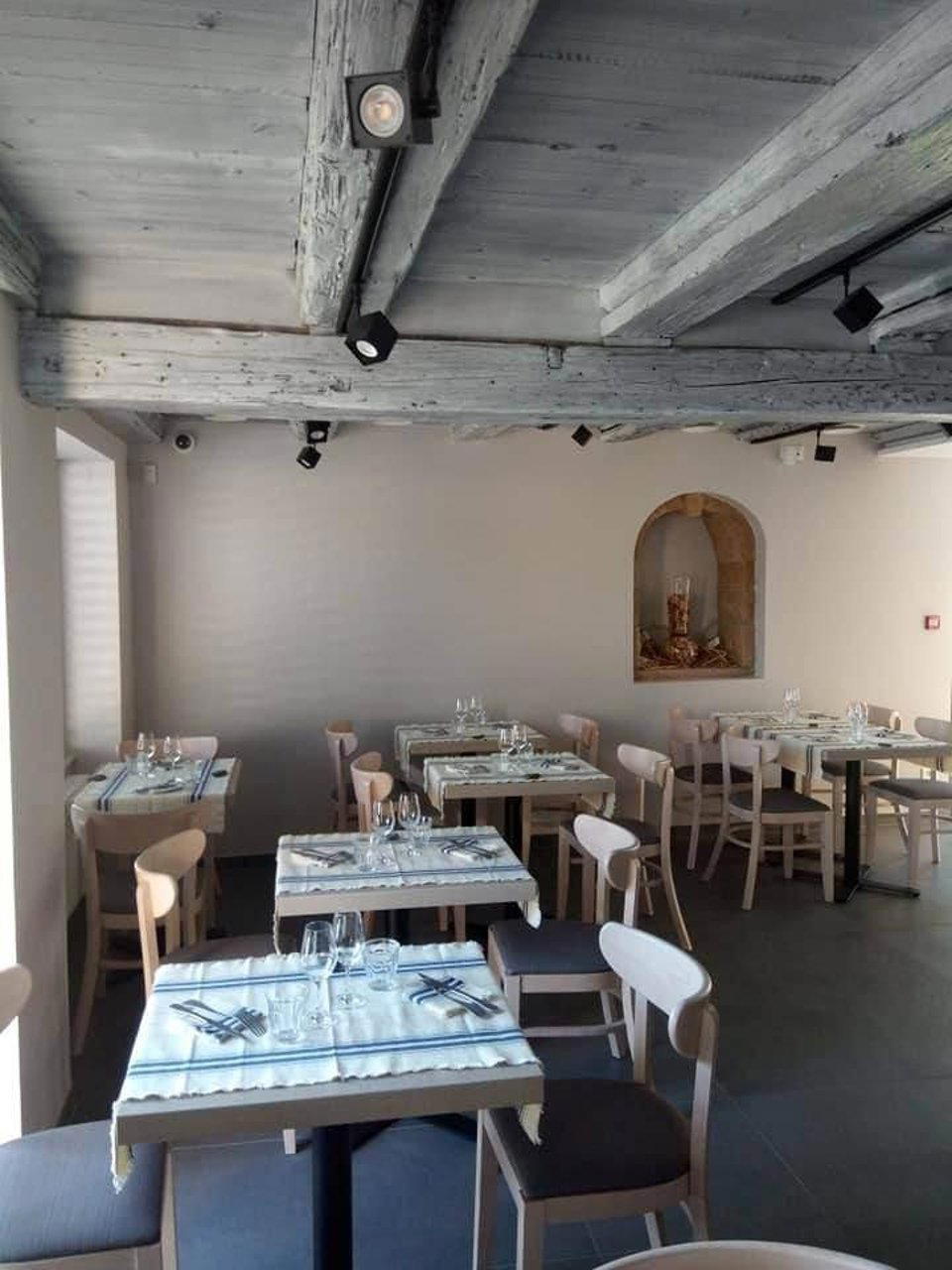
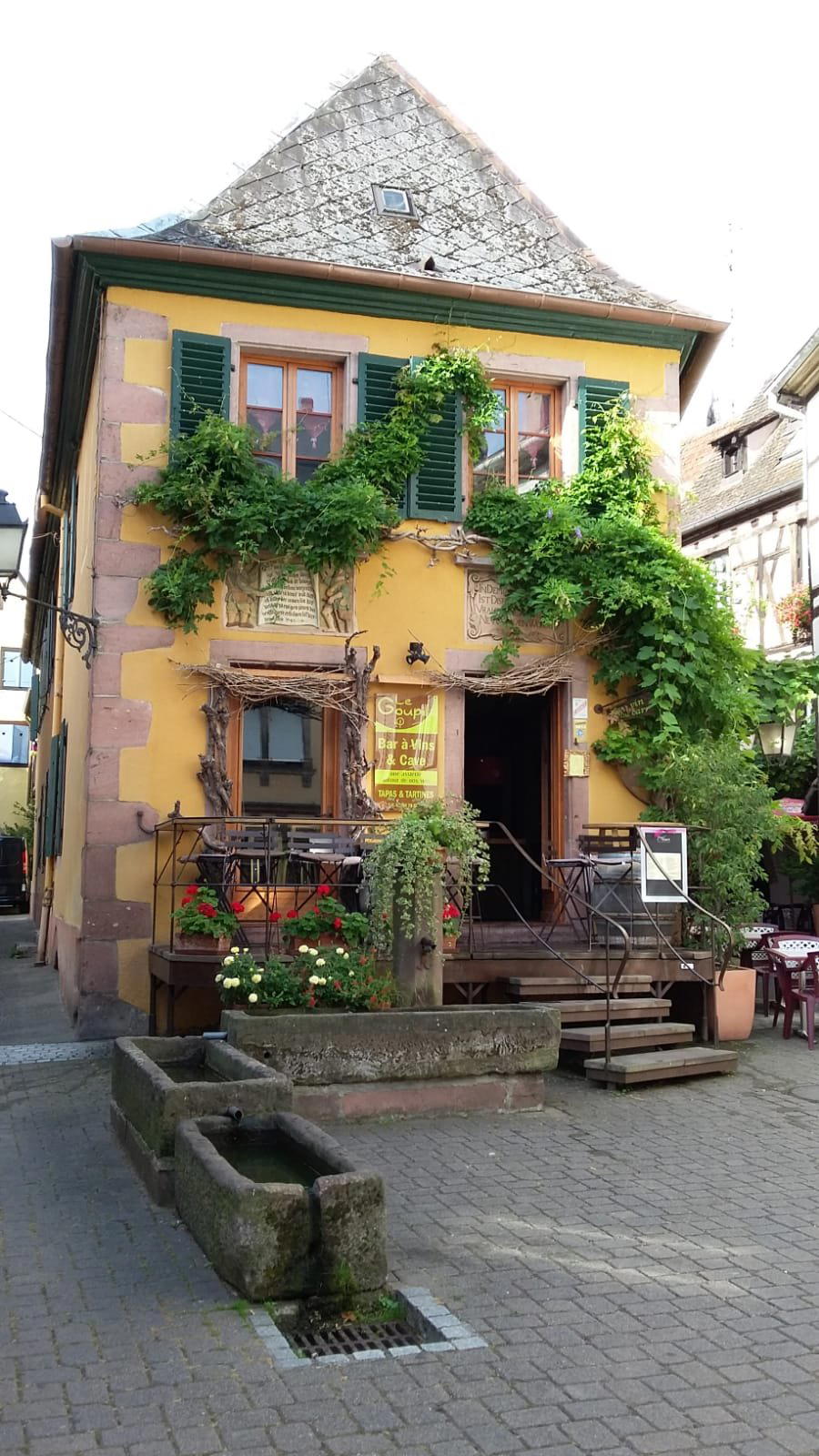
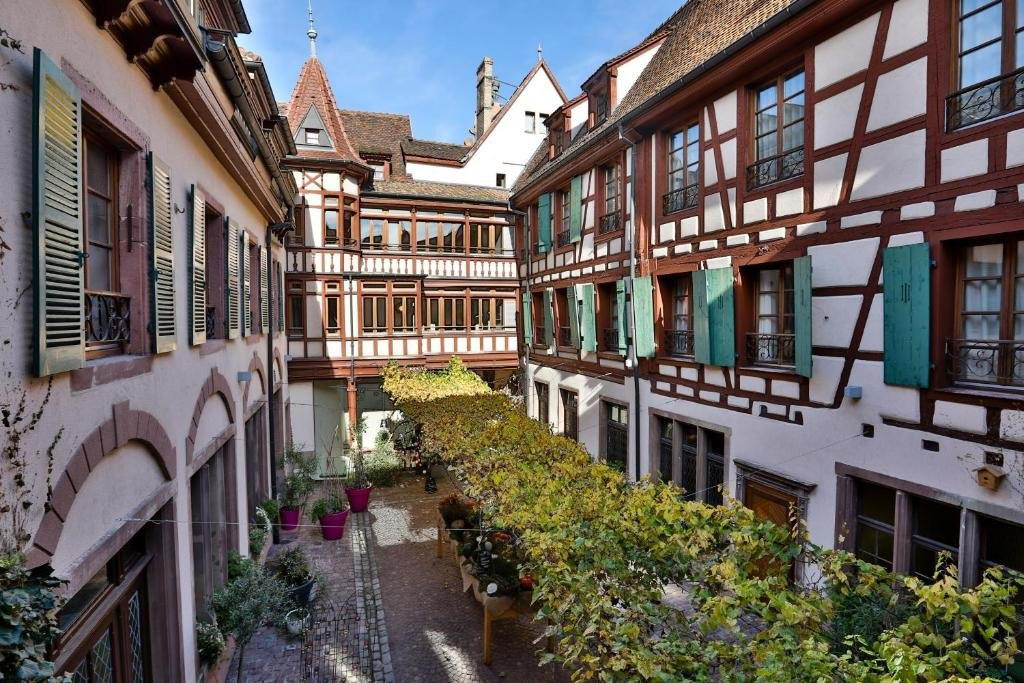
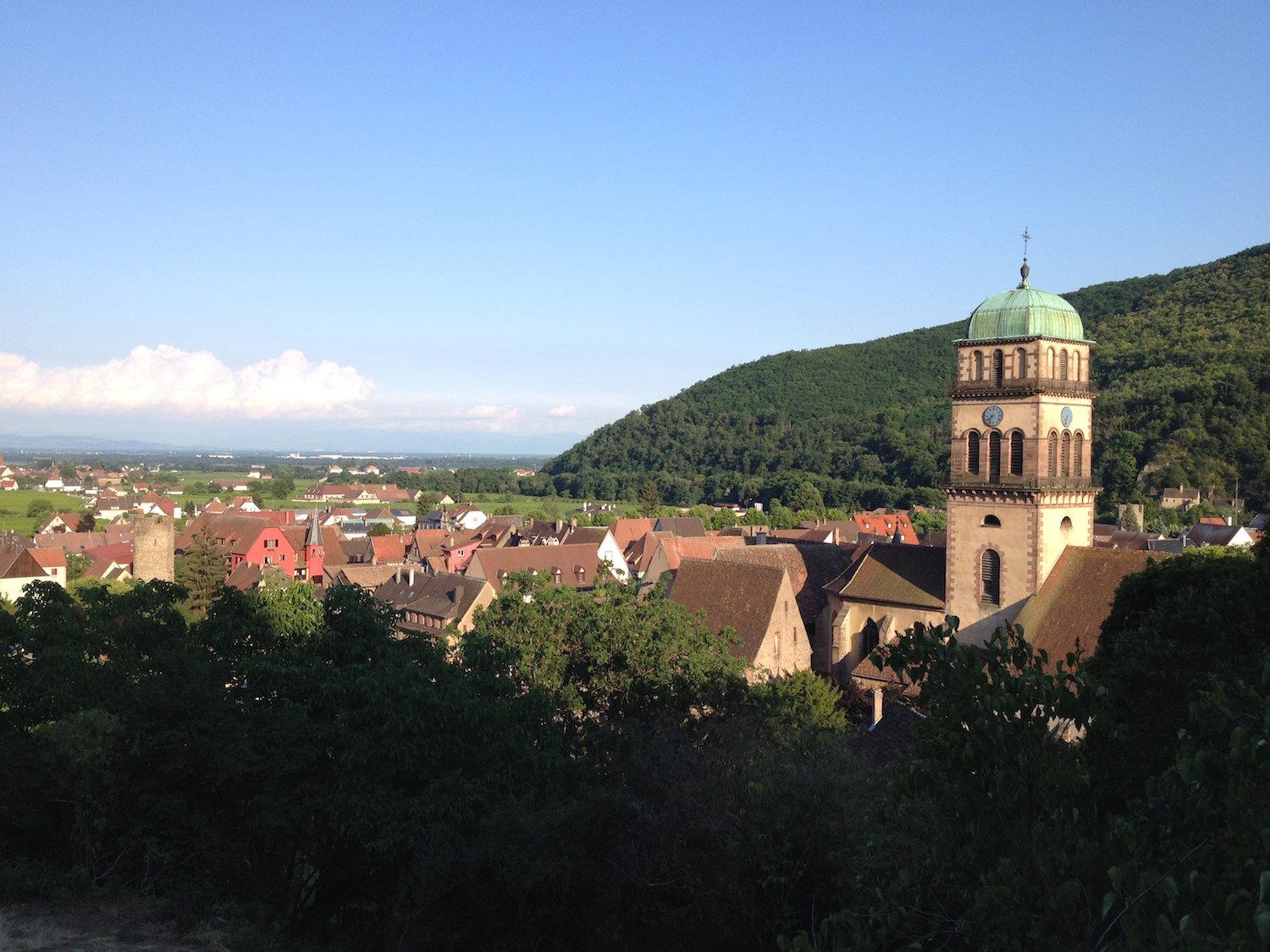
Step off the Rue des Écoles on a January evening and the sensory cues are unmistakably Alsatian: the low amber glow behind half-timbered frontages, the cold pulling the aroma of wood smoke and braised things from every doorway. Colmar in winter is perhaps the most concentrated version of itself, and it is in this context that La Maison Rouge makes the most sense as a dining address. The room is not designed to surprise; it signals comfort and familiarity. What surprises happens on the plate.
Traditional Alsatian cooking carries a specific set of obligations: choucroute, baeckeoffe, tarte flambée, foie gras from across the Rhine plain, and the full repertoire of charcuterie that has defined this region's table for centuries. A restaurant working that tradition honestly is not attempting to escape it. The question is whether it adds anything, and here La Maison Rouge makes a case worth paying attention to.
Menu Architecture: Tradition as a Starting Point, Not an Endpoint
The menu at La Maison Rouge is structured around regional produce rather than around any single technique or international influence. That framing matters. In a city where several restaurants position themselves explicitly around modern or creative cuisine, this kitchen anchors its logic in the Alsatian larder first. The EP Club editorial note on the restaurant makes the architecture plain: the chef treats vegetables with the same seriousness as the more celebrated proteins of the region, and the charcuterie and wine country produce appear not as background notes but as primary materials.
That vegetable commitment is a meaningful signal in a tradition that has historically centred pork, game, and richly sauced preparations. Alsace has exceptional market gardens, particularly around Colmar and the surrounding plain, and a kitchen that reads those ingredients as seriously as its neighbours' foie gras and Munster is operating with a genuinely different internal hierarchy. The effect, when it works, is that a plate of purely vegetable composition can arrive with the same weight and intention as the flagship meat course.
The broader menu logic appears to reward repetition. This is not a restaurant where a single visit exhausts the range. The seasonal discipline that Alsatian tradition demands, and that the region's producers support through strong market infrastructure, means the menu shifts in ways that a winter visit and a summer visit would register quite differently. December and January, when the region's cellar stocks, cured meats, and root vegetables are at their deepest, represent the natural peak for this style of cooking.
Where La Maison Rouge Sits in Colmar's Dining Tier
Colmar supports a more layered fine dining scene than its size might imply. At the top of the price structure, JY'S (Creative) and L'Atelier du Peintre (Modern Cuisine) operate at the €€€ and €€€€ tiers respectively, where the ambition is explicitly to depart from Alsatian convention and build a more personal creative signature. Restaurant Girardin (Creative) and Bord'eau (Modern Cuisine) occupy positions that similarly foreground technique and modernity over regional rootedness.
La Maison Rouge sits at the €€ price point, which it shares with Lucas et Chris, another traditional address in the city. Within that tier, the differentiation comes from editorial intent rather than price alone. The Michelin Plate recognition in both 2024 and 2025 positions the restaurant as a credible but not yet decorated address. That designation indicates Michelin inspectors consider the food good enough to note and return to, without yet awarding a star. For a young chef working a demanding regional tradition, that is a meaningful holding pattern rather than a ceiling.
That score is consistent with a restaurant that satisfies its core audience reliably without generating the kind of unanimous enthusiasm that pushes an average above 4.5. In practical terms, it reads as an address where expectation management is direct: go for well-executed regional food with occasional moments of real originality, not for a destination-dining experience.
For broader context on how this style of traditional cooking compares across France, Auberge Grand'Maison in Mûr-de-Bretagne and Auga in Gijón represent comparable commitments to regional tradition in their respective corners of western Europe, each anchored in local produce and each working within a similar critical holding pattern to La Maison Rouge. French fine dining at the highest register, represented by addresses like Alléno Paris au Pavillon Ledoyen, Mirazur in Menton, or Troisgros in Ouches, operates in an entirely different tier, but it provides the tradition that smaller regional addresses like this one either inherit or push against. Mountain-proximity cooking at Flocons de Sel in Megève or the historical weight of Paul Bocuse in Collonges-au-Mont-d'Or and Bras in Laguiole each demonstrate how a single kitchen can anchor an entire region's culinary identity. La Maison Rouge is not yet in that conversation, but the editorial framing around its chef suggests it is building toward something.
Planning a Visit
La Maison Rouge is at 9 Rue des Écoles, 68000 Colmar. The address sits within easy walking distance of the old town. The €€ price positioning keeps this accessible relative to the city's starred or near-starred alternatives. Given the seasonal character of Alsatian cooking and the restaurant's apparent emphasis on regional produce, visits during the winter months of December through March align well with when the larder is at its most expressive. Colmar's Christmas market season, which runs through late December, draws significant visitor numbers to the city, so reservations during that window are advisable. For context on where this restaurant sits within the wider city offer, see our full Colmar restaurants guide. Colmar also supports a range of hotel, bar, wine, and experience options covered in our Colmar hotels guide, our Colmar bars guide, our Colmar wineries guide, and our Colmar experiences guide.
Frequently asked questions
What's the address for La Maison Rouge?
La Maison Rouge is located at 9 Rue des Écoles, 68000 Colmar, France, Colmar.
Has La Maison Rouge won any awards?
La Maison Rouge has received recognition including: Chef Petit Jean is out for tradition, the Alsace tradition. Yet he manages to make it with a twist different and exceptionally delicious. Even when it's purely vegetables it's spot on. That's why we include this restaurant from Colmar becau….
What's the must-try dish at La Maison Rouge?
The vegetable preparations are where the kitchen makes its clearest statement. The EP Club note singles them out specifically, noting that even purely vegetable plates land with the same conviction as the region's better-known charcuterie and wine pairings. That focus on Alsatian produce, handled with what the EP Club describes as a twist, is the defining reason to book. The €€ price point makes it a lower-risk entry into that argument.
What's the pricing like at La Maison Rouge?
Pricing at La Maison Rouge is listed as €€.
Peers in This Market
| Venue | Cuisine | Price | Awards | Notes |
|---|---|---|---|---|
| La Maison RougeThis venue (the venue you are viewing) | Modern French Alsatian Bistro | Not listed | Michelin Plate · We're Smart World 1 Radish | Not listed |
| JY'S | Modern French Fusion Fine Dining | $100–150 | 2 Michelin Stars · La Liste Top Restaurants | Creative |
| L'Atelier du Peintre | Modern French Fine Dining | $50–100 | 1 Michelin Star · Gault & Millau Remarkable Restaurant | Modern Cuisine |
| Bord'eau | Modern French Bistronomic | $50–100 | Michelin Plate | Modern Cuisine |
| La Maison des Têtes | Alsatian Brasserie | $30–50 | Relais Chateaux Award | French Provincial |
| Lucas et Chris | Modern Alsatian Bistronomic | $50–100 | Michelin Plate | Traditional Cuisine |
Recognition history
Dated appearances from independent guides and award organizations, with the underlying list record or original source where available.
Michelin Plate
Michelin
We're Smart World 1 Radish
We're Smart World
Full recognition history (4 entries)
Michelin Plate
Michelin
Michelin Plate
Michelin
Continue exploring
More in Colmar
Restaurants in Colmar
All restaurants in Colmar →
Bars in Colmar
All bars in Colmar →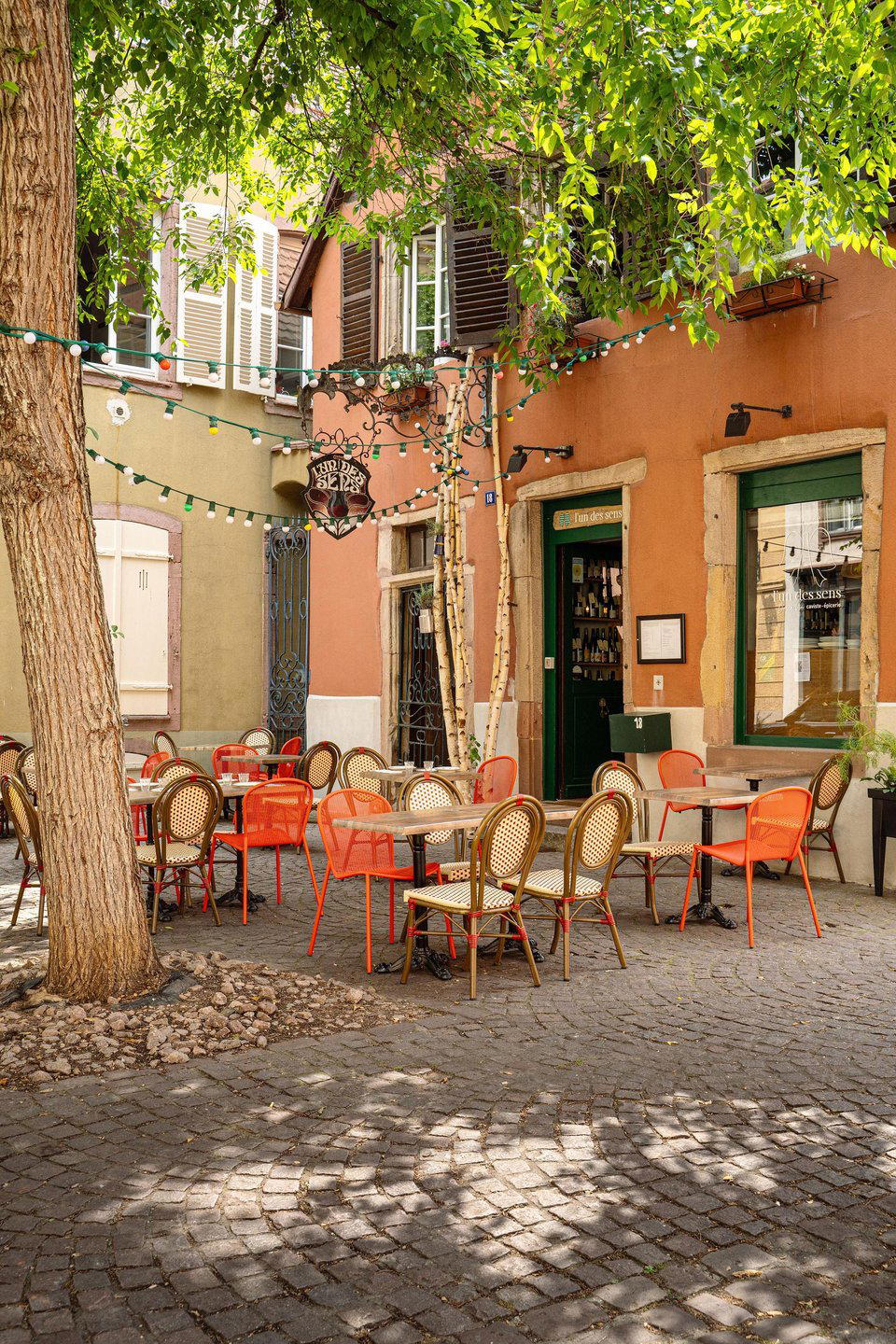
Details
- Rustic
- Cozy
- Elegant
- Classic
- Intimate
- Date Night
- Special Occasion
- Family
- Historic Building
- Terrace
- Extensive Wine List
- Local Sourcing
- A La Carte
- Wine
Current opening hours
- Monday
- 12–2 PM, 7–10 PM
- Tuesday
- 12–2 PM, 7–10 PM
- Wednesday
- 12–2 PM, 7–10 PM
- Thursday
- 12–2 PM, 7–10 PM
- Friday
- 12–2 PM, 7–10 PM
- Saturday
- Closed
- Sunday
- Closed
Hours can change for holidays and private events. Hours as of .
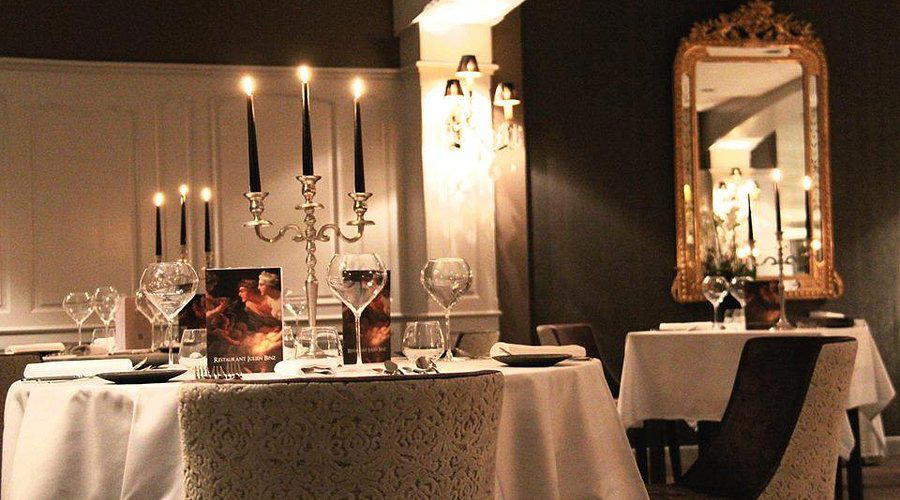
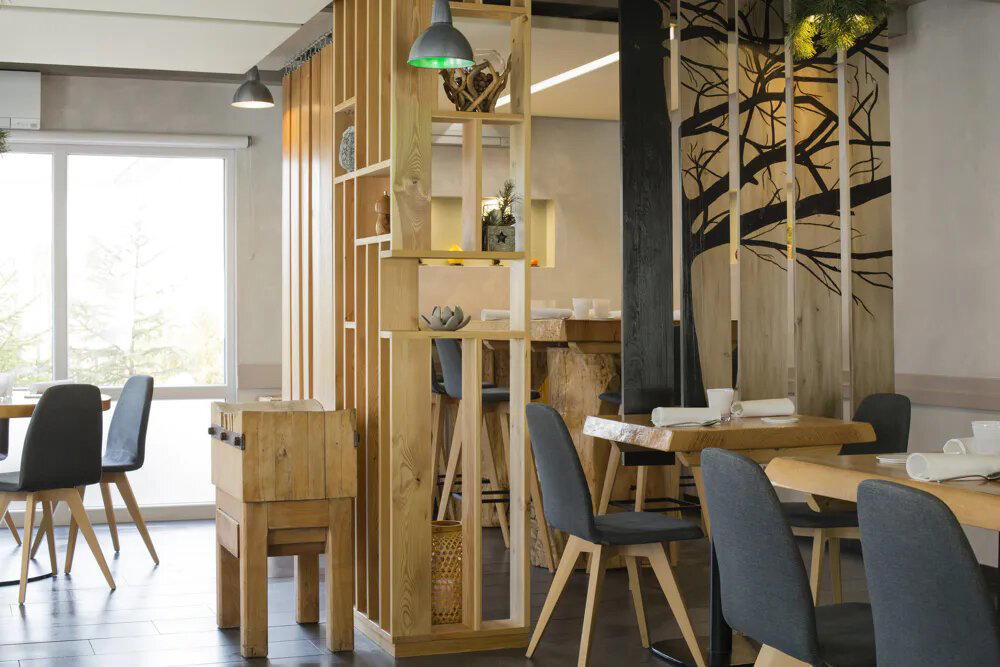
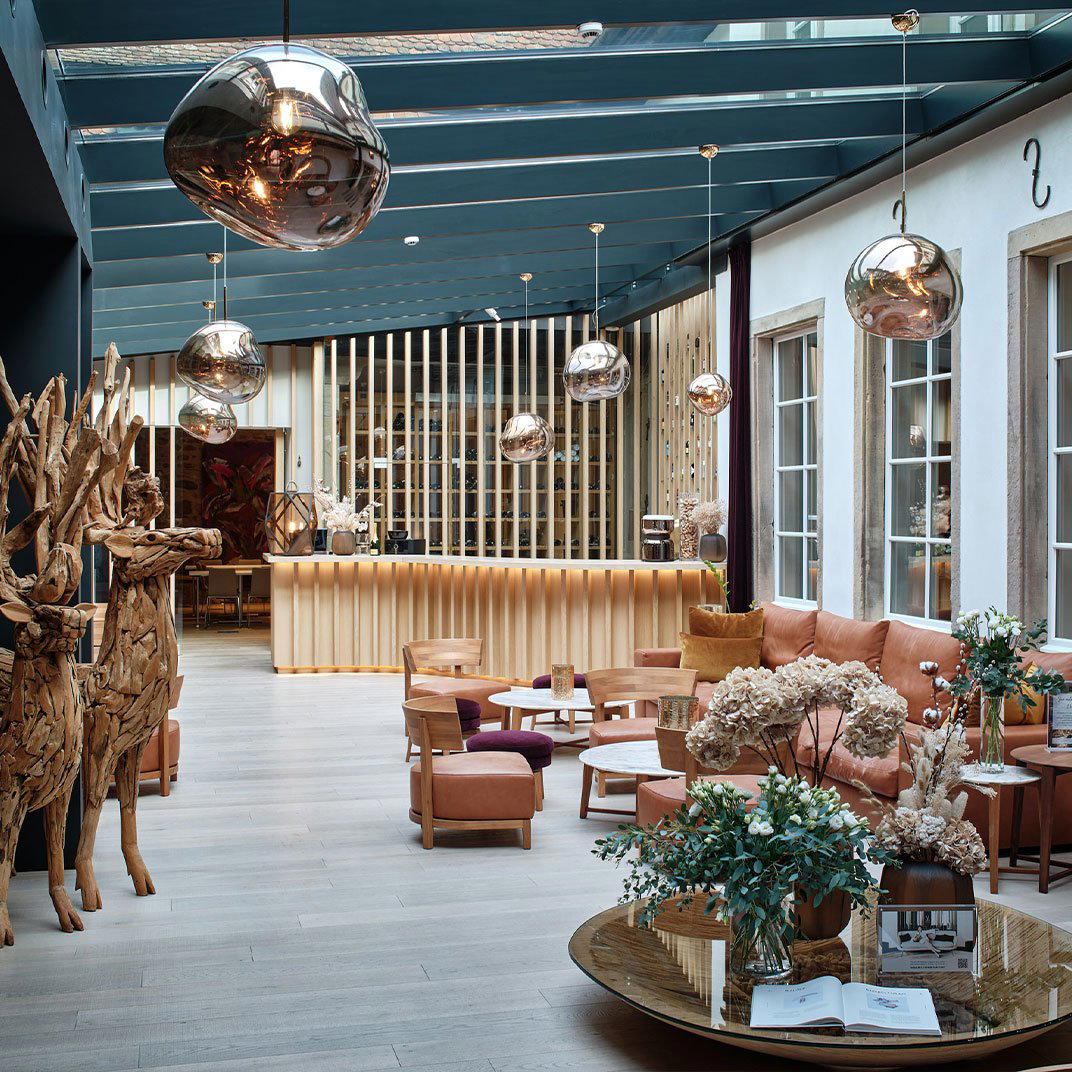
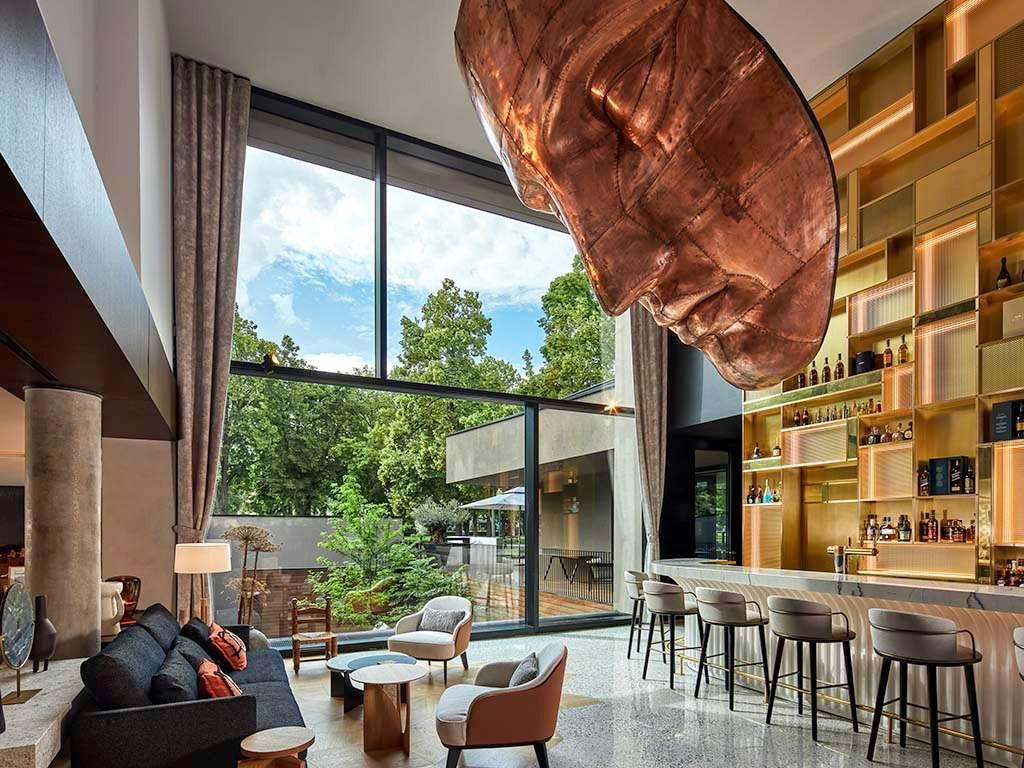
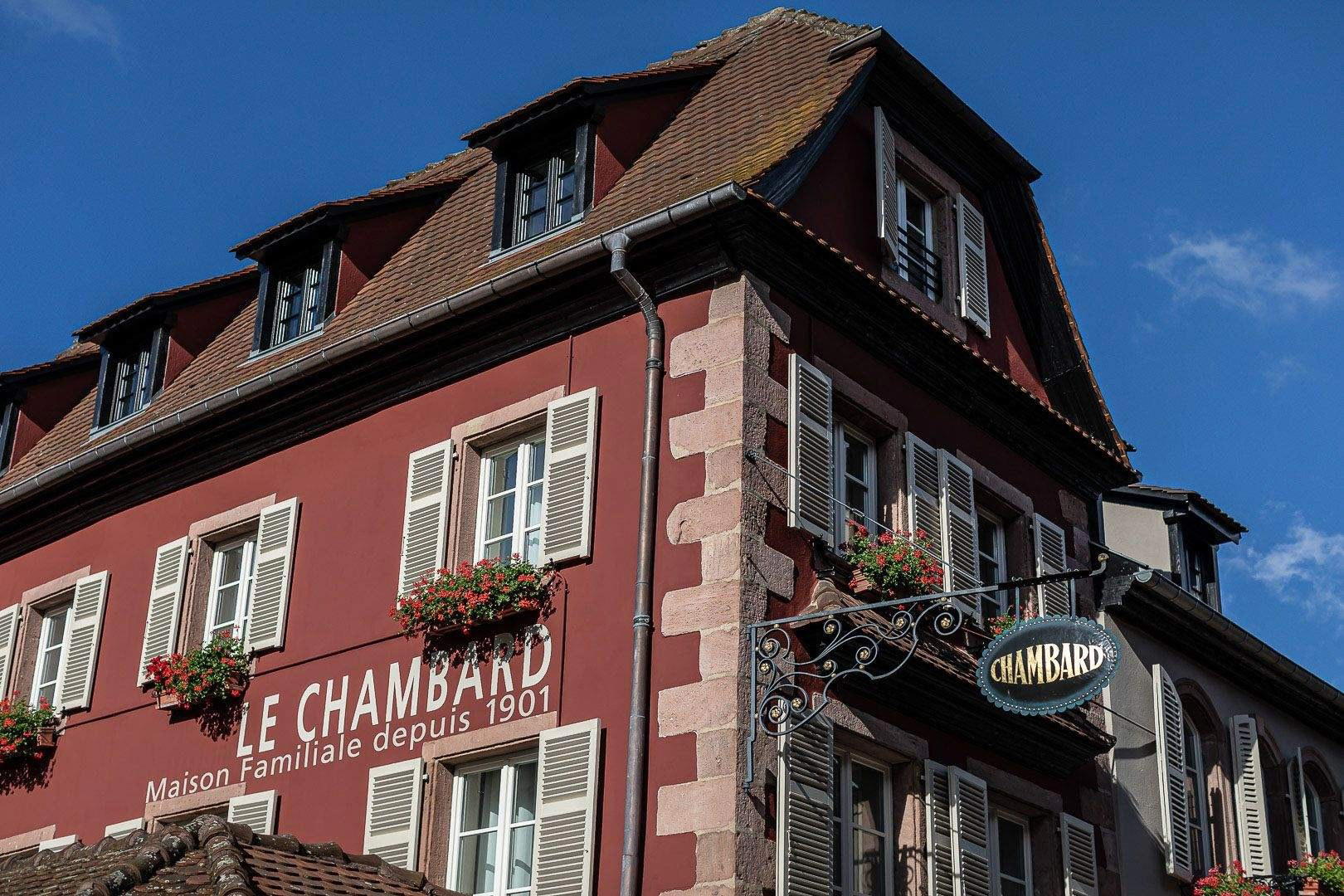
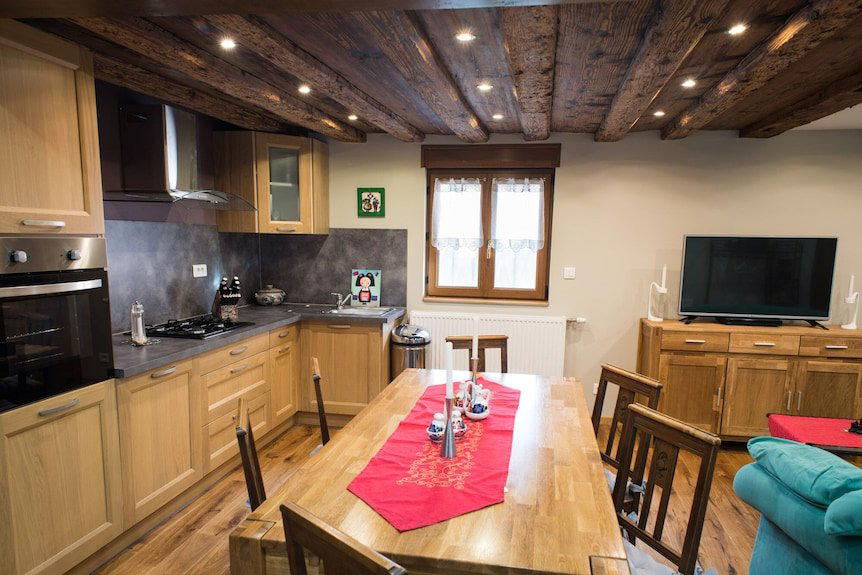
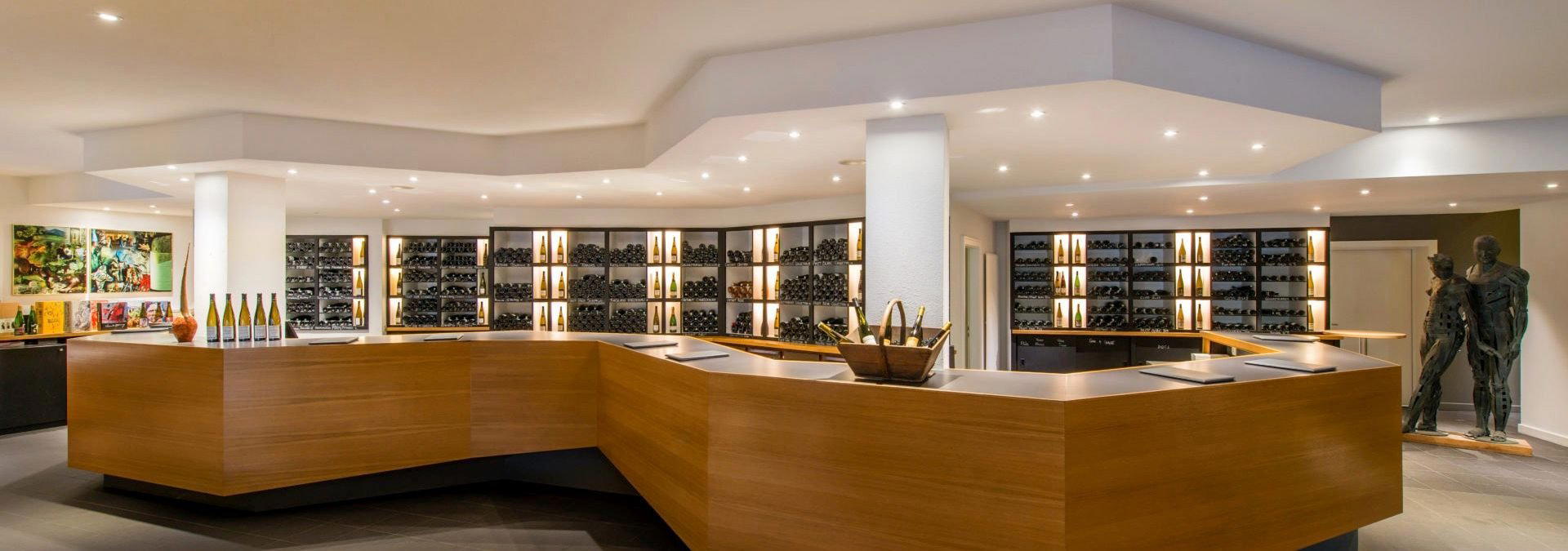
Cozy and atmospheric with rustic half-timbered charm, modern tasteful interior, and terrace seating; described as old-worldly yet impeccably clean.