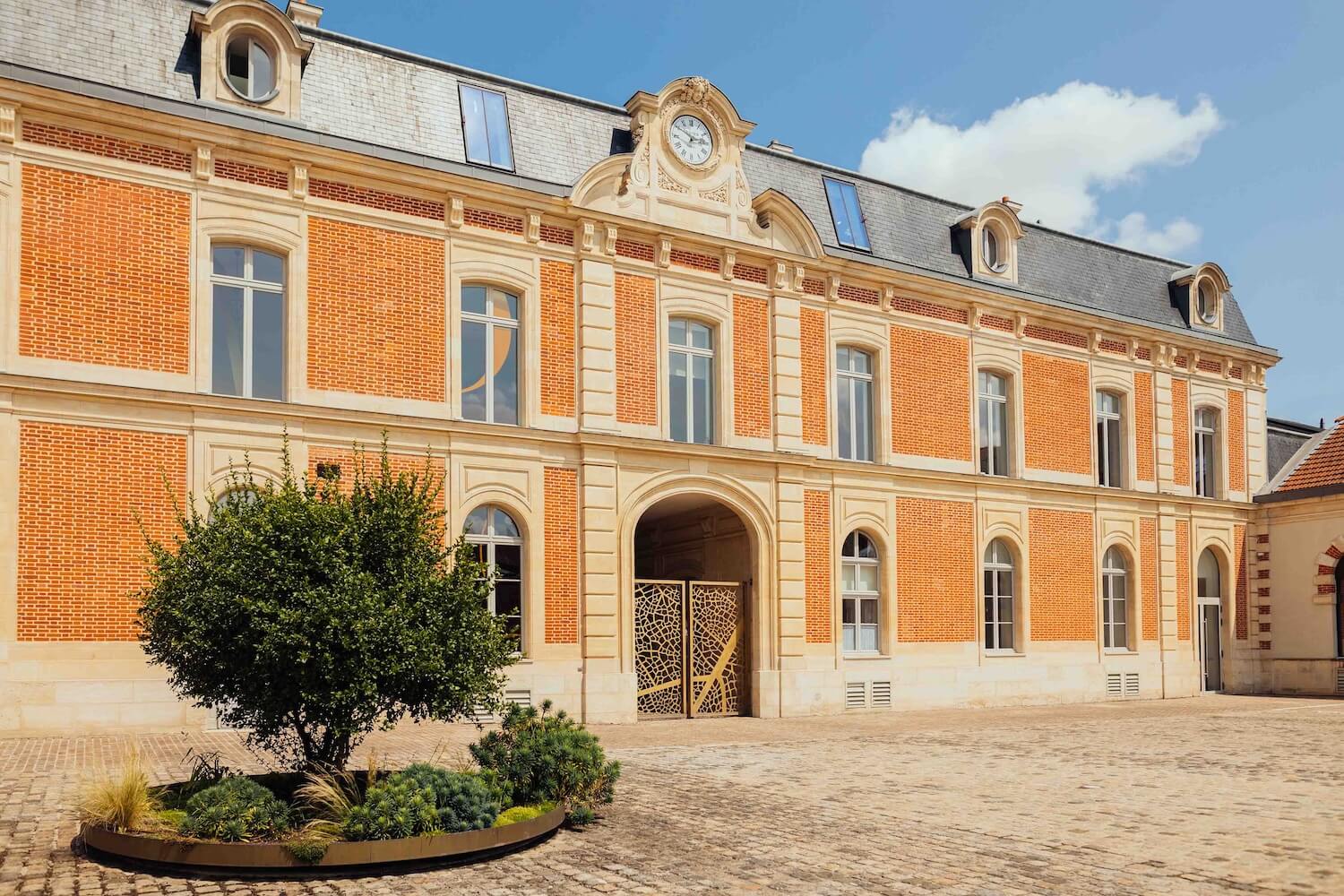
La Goutte d'Eau occupies a quiet address on Rue de l'Amiral Mouchez in Paris's 14th arrondissement, a district where neighbourhood bistro culture has persisted well outside the tourist circuit. The restaurant sits in a part of the city where the pace of a meal still follows older conventions, making it a useful reference point for understanding how traditional Parisian dining rituals survive in less-trafficked quarters.
Pearl is the En Primeur Club membership app — saves, bookings, and concierge access live there. Same editors, same standards.
- Address
- 26 Rue de l'Amiral Mouchez, 75014 Paris, France
- Phone
- +33974970364
- Website
- lagouttedeau.paris
- Directions
- Get directions
 Saves & bookings on Pearl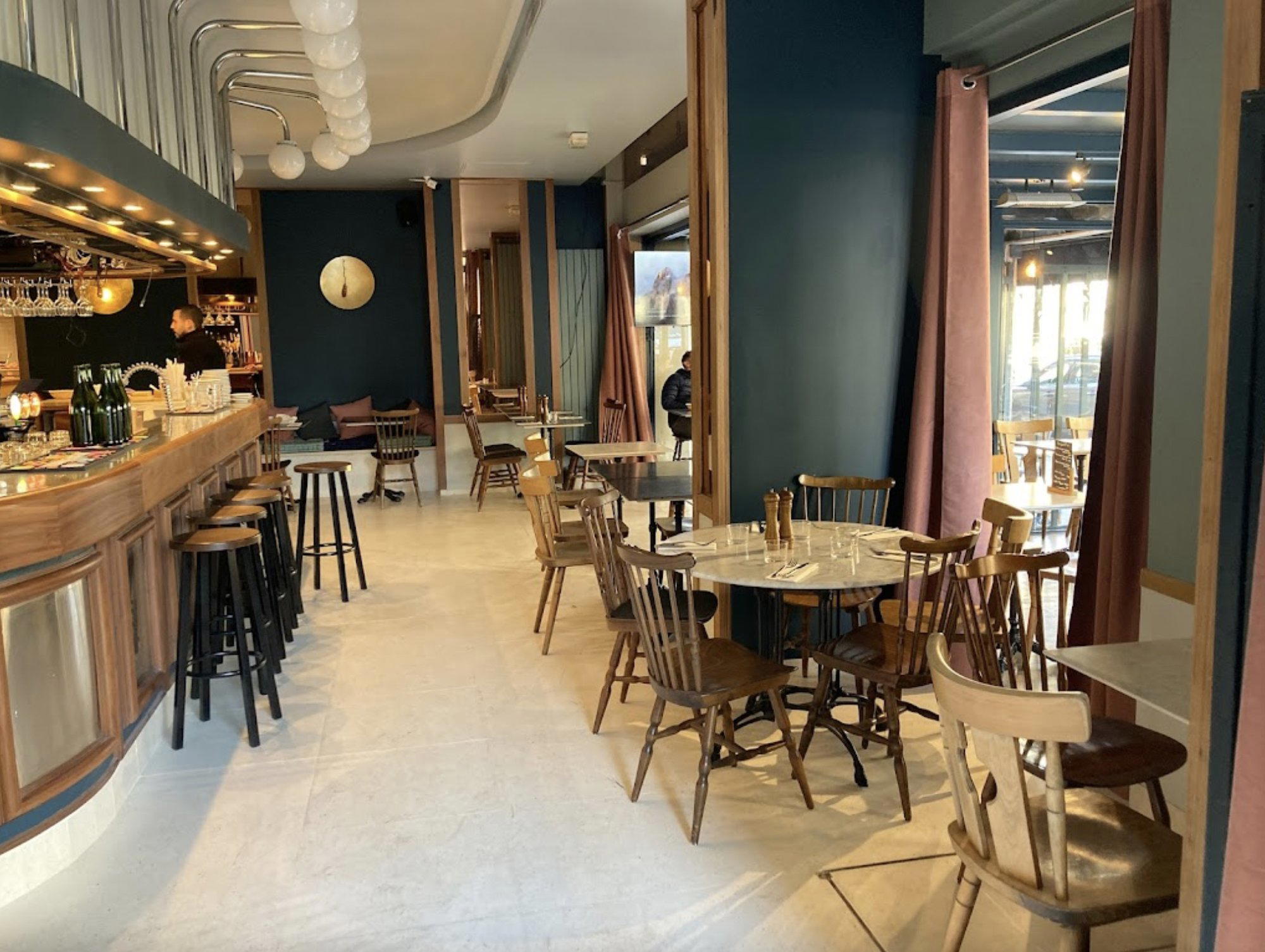
The 14th Arrondissement and the Persistence of the Neighbourhood Table
Paris's dining geography has consolidated considerably over the past two decades. The major Michelin-rated addresses, from Alléno Paris au Pavillon Ledoyen to Le Cinq at the Four Seasons Hôtel George V, cluster in the 8th and adjacent prestige arrondissements, drawing an international clientele that increasingly books months ahead and treats the meal as a destination event. Further south, in the 14th, a different rhythm persists. The arrondissement runs from Montparnasse's faded brasserie row down toward the Parc Montsouris, and its residential streets have historically supported the kind of address that serves the same neighbourhood for years without requiring a publicist.
Rue de l'Amiral Mouchez, where La Goutte d'Eau sits at number 26, belongs to the quieter southern end of the 14th, a stretch more associated with local life than with destination dining. In French urban culture, this positioning is not incidental. The neighbourhood restaurant as an institution carries its own set of conventions: the regular's table, the fixed-price lunch, the unhurried tempo that treats the meal as structure rather than spectacle. Understanding a place like La Goutte d'Eau requires understanding that framework first.
How the Meal Moves: Ritual and Pacing in the French Tradition
French dining, at its most traditional, is organised around sequence and patience. The aperitif precedes the menu discussion. Bread arrives without being requested. The entre (starter) and plat (main) are spaced to allow conversation. Cheese follows before dessert, not alongside it. These conventions, which can feel like formality to first-time visitors, function as a social contract between kitchen and table: the kitchen controls the pace, the table accepts it, and the result is a meal measured in hours rather than sittings.
In the city's prestige tier, this ritual has been re-engineered into something more theatrical. At Arpège, the sequence is shaped around Alain Passard's vegetable-forward philosophy; at Kei, French structure meets Japanese precision in a way that produces its own distinct cadence. These are interpretations of the ritual, sophisticated and deliberate. The neighbourhood bistro operates from the same underlying grammar but without the editorial overlay. The sequence is followed because it has always been followed, not because it has been redesigned.
For a visitor accustomed to the pacing of London or New York restaurants, where tables turn and the bill arrives on an implied schedule, the unhurried quality of a traditional Paris neighbourhood address can require adjustment. The convention is that you are not hurried out. The table is yours for the evening. This expectation is woven into the price of the meal and the logic of the room.
The 14th in Wider French Dining Context
Locating La Goutte d'Eau within Paris is also to locate it within a country with one of the densest concentrations of serious restaurant culture in the world. France's regional dining circuit runs from Mirazur in Menton and AM par Alexandre Mazzia in Marseille in the south, through Bras in Laguiole and Troisgros in Ouches in the centre, to Auberge de l'Ill in Illhaeusern and Au Crocodile in Strasbourg in Alsace. Paris sits at the top of this pyramid in terms of concentration and visibility, but much of the country's most-rooted cooking happens at addresses that resemble, in format and ambition, the neighbourhood table rather than the destination restaurant.
The comparison matters because it frames what a place on Rue de l'Amiral Mouchez is and is not. It is not competing with L'Ambroisie on Place des Vosges or with the farm-to-tasting-menu model of Flocons de Sel in Megève. It belongs to a different layer of the French dining system, one that predates the Michelin economy and has survived alongside it. Even internationally, the comparison holds: the technically driven ambition of Le Bernardin in New York City or the tasting-menu precision of Atomix represents a different register entirely. Closer parallels might be found at Assiette Champenoise in Reims or Auberge du Vieux Puits in Fontjoncouse, where the format is still rooted in French tradition, even where the ambition is higher. And then there is Paul Bocuse - L'Auberge du Pont de Collonges, a reminder that the most enduring French addresses often outlast the movements around them.
For a fuller map of Paris's current restaurant scene across price tiers and styles, see our full Paris restaurants guide.
Know Before You Go
- Address: 26 Rue de l'Amiral Mouchez, 75014 Paris, France
- Arrondissement: 14th (southern end, near Parc Montsouris)
- Getting There: The nearest Métro stations on the southern 14th are Cité Universitaire (RER B) and Glacière (line 6). Both are within walking distance of Rue de l'Amiral Mouchez.
- Reservations: No booking data is currently listed.
- Cross-reference with neighbourhood context: the 14th arrondissement's non-destination addresses typically operate below the €€€€ tier of central Paris.
- Phone / Website: Not listed in current data. Verify before visiting.
How La Goutte d'Eau Paris compares with similar nearby venues.
| Venue | Cuisine | Price |
|---|---|---|
| Marso & Co | Mediterranean Cuisine | €€ |
| Momento | Modern Cuisine | €€€ |
| Kwon | Korean | €€ |
| Simone, Le Resto... | Farm to table | €€ |
Continue exploring
More in Paris
Restaurants in Paris
Browse all →
Bars in Paris
Browse all →
Hotels in Paris
Browse all →



At a Glance
- Cozy
- Lively
- Casual Hangout
- Family
- Terrace
Current opening hours
- Monday
- 9 AM–12 AM
- Tuesday
- 9 AM–12 AM
- Wednesday
- 9 AM–12 AM
- Thursday
- 9 AM–2 AM
- Friday
- 9 AM–2 AM
- Saturday
- 10 AM–2 AM
- Sunday
- Closed
Hours can change for holidays and private events. Last verified .
Convivial and relaxed atmosphere with terrace seating.
Know Before You Go
- Getting there
- 26 Rue de l'Amiral Mouchez, 75014 Paris, France