On Rue Daguerre, one of the 14th arrondissement's most characterful market streets, La Cantine du Troquet occupies the casual end of the Troquet family of addresses, a bistro format built around honest Basque-inflected cooking, zinc-counter ease, and the kind of neighbourhood permanence that Paris's more fashionable districts rarely sustain. The room reads as a working dining room first, a destination second.
Pearl is the En Primeur Club membership app — saves, bookings, and concierge access live there. Same editors, same standards.
- Address
- 89 Rue Daguerre, 75014 Paris, France
- Phone
- +33143202009
- Website
- instagram.com
- Directions
- Get directions
 Saves & bookings on Pearl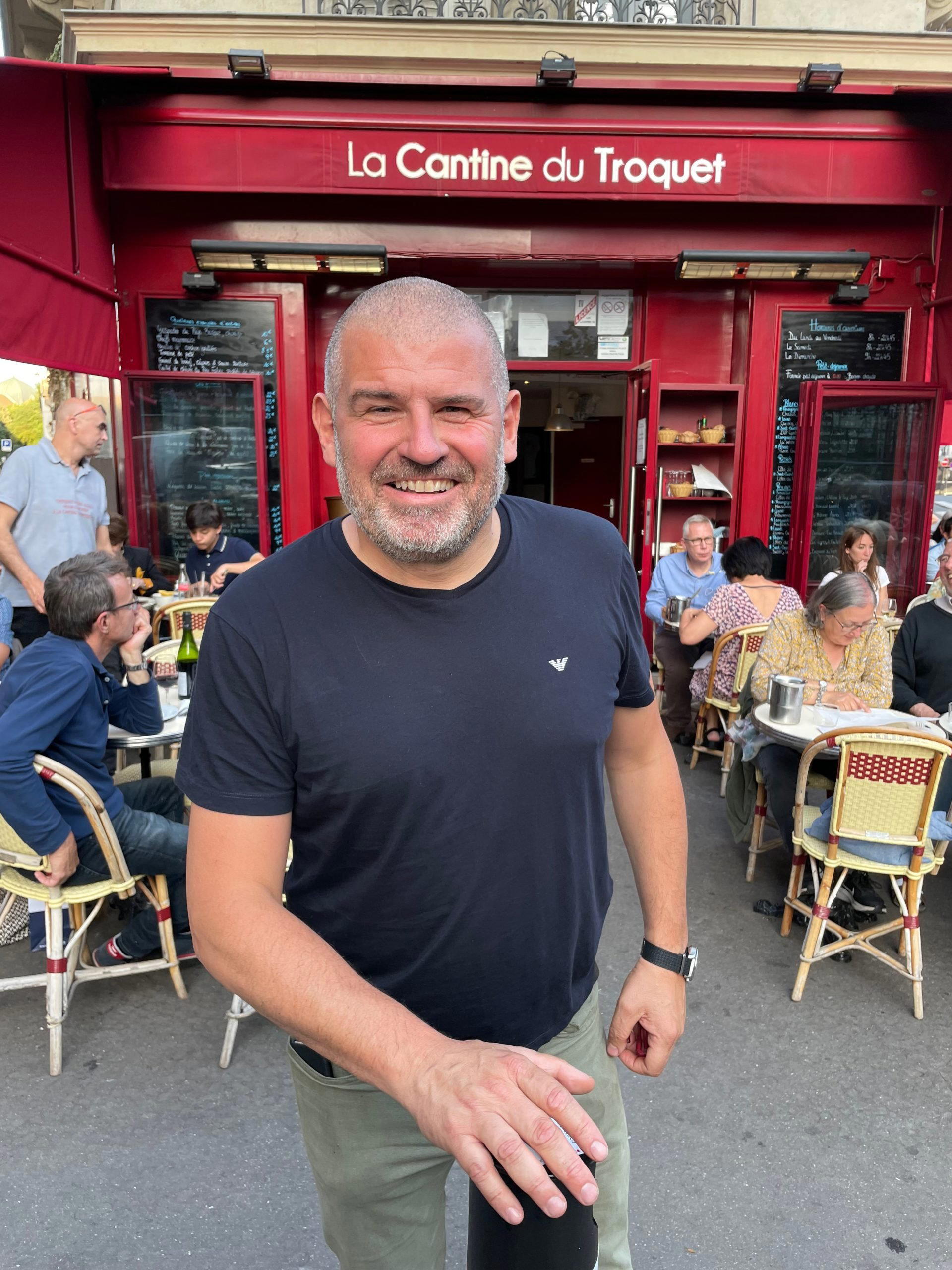
Rue Daguerre and the 14th: A Neighbourhood That Earns Its Reputation Slowly
Paris's 14th arrondissement does not court attention the way the Marais or Saint-Germain do. Its dining reputation has been built incrementally, through addresses that serve the neighbourhood before they serve the guidebooks. Rue Daguerre, a pedestrianised market street that runs toward Denfert-Rochereau, is a useful lens for understanding how that reputation accumulates: fromageries, wine shops, and butchers share the pavement with restaurants that open at lunch and stay open because the locals keep coming back. La Cantine du Troquet is a Basque Bistro at 89 Rue Daguerre, 75014 Paris, France, priced around $30 per person and rated 4.6 on Google.
The Troquet name carries a specific weight in Paris bistro circles. The original address in the 15th established a template: Basque-rooted cooking, natural wine, and an unpretentious room design, all carried into the Cantine format without pretension. Where the formal Troquet sits in the €€€ bracket and draws a destination crowd, La Cantine operates as the accessible counterpart: a place where the cooking philosophy is consistent but the format is lighter, faster, and embedded in daily neighbourhood life rather than in occasional dining ritual.
The Room as Argument: Design That Commits to a Position
French bistro interiors have a tendency to perform nostalgia, zinc bars, aged mirrors, and bentwood chairs deployed as set dressing for an experience that is actually quite contemporary. What distinguishes the better examples of the type is the degree to which the design functions rather than merely signals. La Cantine du Troquet sits in the functional camp. The room is compact, with tables arranged to maximise covers without sacrificing the conversational proximity that defines the bistro experience at its leading. Banquette seating along the walls, the kind of tiled or wood-panelled surfaces that absorb sound without deadening atmosphere, and lighting calibrated for dinner rather than photography, these are the choices that determine whether a room feels lived-in or staged.
This matters because in Paris's mid-market bistro tier, where a dozen addresses on any given street are chasing the same customer, room character is often what tips the decision. The 14th has its share of technically competent bistros that feel interchangeable by their third visit. La Cantine avoids that fate partly through location, Rue Daguerre has genuine street life that bleeds into the dining room, and partly through a physical container that reads as a statement of intent rather than a compromise.
Basque Inflections in a Parisian Frame
The broader context for understanding La Cantine's cooking is the sustained influence of Basque and southwestern French cuisine on Paris's bistro scene. Over the past two decades, chefs with roots or training in the Pays Basque have pushed piperade, axoa, and cured meats into a city whose default bistro grammar was previously more Lyonnais than Iberian in orientation. That shift has produced a recognisable sub-genre: Paris bistros that anchor their menus around Basque pantry ingredients while keeping the format and pace of a neighbourhood French dining room.
La Cantine operates inside that sub-genre. The cooking leans on produce-driven simplicity rather than technical elaboration, the kind of approach that reads as obvious once you encounter it but requires real sourcing discipline to sustain. At the price point this format targets, the temptation is always to drift toward cheaper proteins and larger portions; the Troquet identity has historically resisted that drift.
For reference on where this approach sits relative to Paris's formal tier, addresses like Arpège and Alléno Paris au Pavillon Ledoyen represent the €€€€ ceiling of French produce-led cooking, technically elaborate, reservation-dependent, and priced accordingly. La Cantine operates several tiers below that ceiling, which is precisely the point. It is part of a different conversation about what French bistro cooking can do when it is not trying to accumulate stars.
Within France more broadly, the range of serious regional cooking extends from Mirazur in Menton and Bras in Laguiole to destination auberge formats like Auberge de l'Ill in Illhaeusern and Troisgros in Ouches. La Cantine belongs to none of those categories. Its frame of reference is the daily urban bistro, a format with its own integrity that the French dining culture has historically protected even as the formal tier has attracted most of the international attention.
How La Cantine Sits in the Paris Mid-Market
Paris's mid-market bistro tier has come under pressure from two directions simultaneously: from above, as the €€€€ destination restaurants like Le Cinq, Kei, and L'Ambroisie continue to draw international visitors willing to pay for formality; and from below, as fast-casual concepts with lower overhead compete for the lunch trade. The addresses that survive in the middle tend to have either a distinctive culinary identity or a neighbourhood anchor strong enough to sustain repeat custom independent of tourist traffic.
La Cantine has both. Rue Daguerre functions as a genuine market street rather than a tourism artery, which means the lunchtime trade skews toward residents and local professionals rather than visitors working through a list. That customer base rewards consistency over novelty, which aligns with the Troquet family's broader approach to running restaurants.
For travellers building a Paris itinerary across price points and cooking styles, the city's dining tiers run from formal destination addresses down to neighbourhood fixtures like La Cantine.
Practical Considerations
Same-City Peers
Comparable venues nearby, for context on price, style, and recognition.
| Venue | Cuisine | Price | Notes |
|---|---|---|---|
| La Cantine du TroquetThis venue — the venue you are viewing | Basque Bistro | $$ | Not listed |
| La Maison du Jardin | French Bistronomic | $$ | 6th Arrondissement (Notre-Dame-des-Champs) |
| Au Petit Fer à Cheval | Classic French Bistro | $$ | Le Marais |
| Buvette Paris | French Small Plates Bistro | $$ | Pigalle |
| Camille | Classic French Bistro | $$ | Le Marais |
| Cagnard | Mediterranean French Bistro | $$ | 10th arrondissement |
Continue exploring
More in Paris
Restaurants in Paris
Browse all →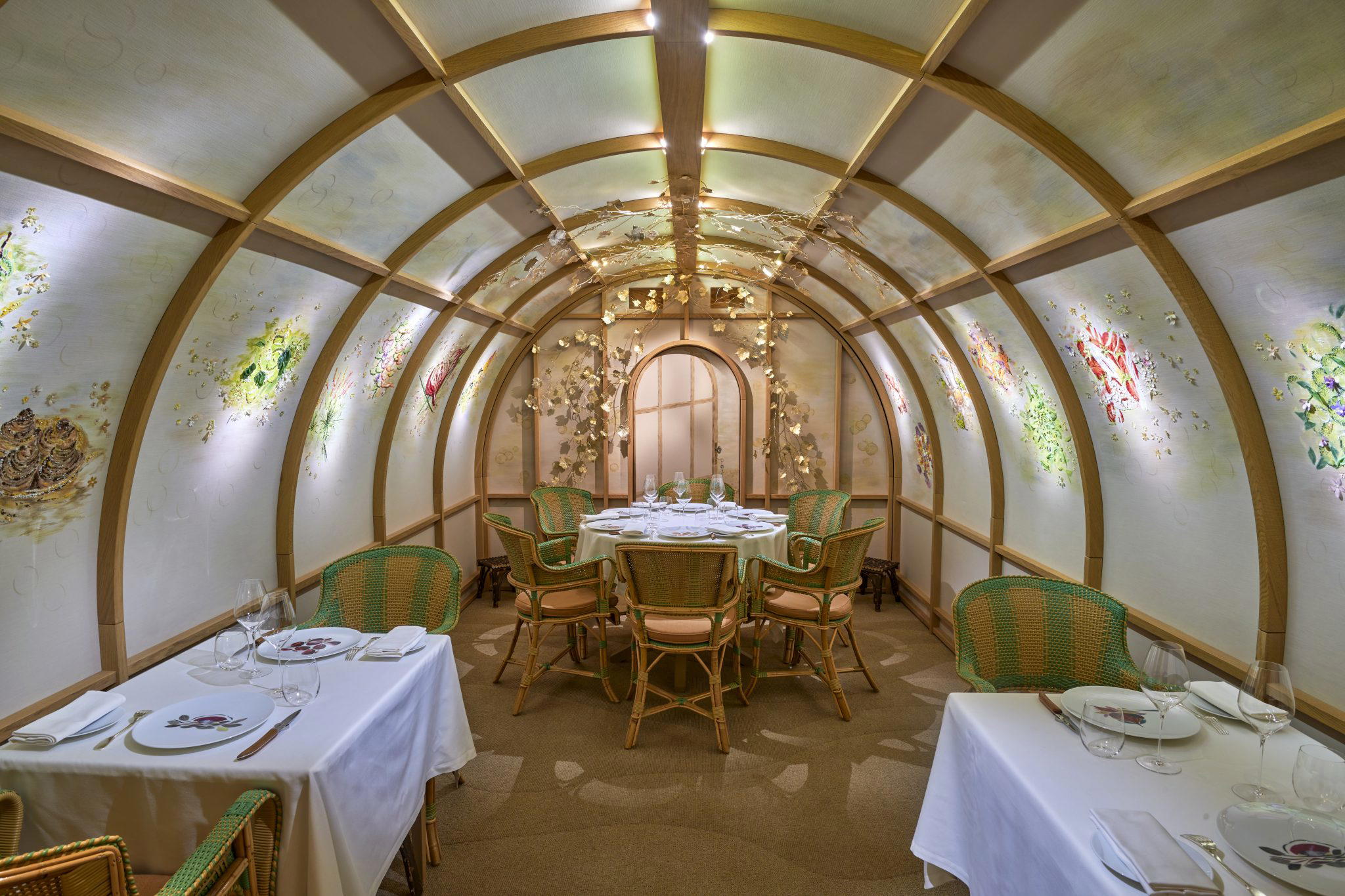
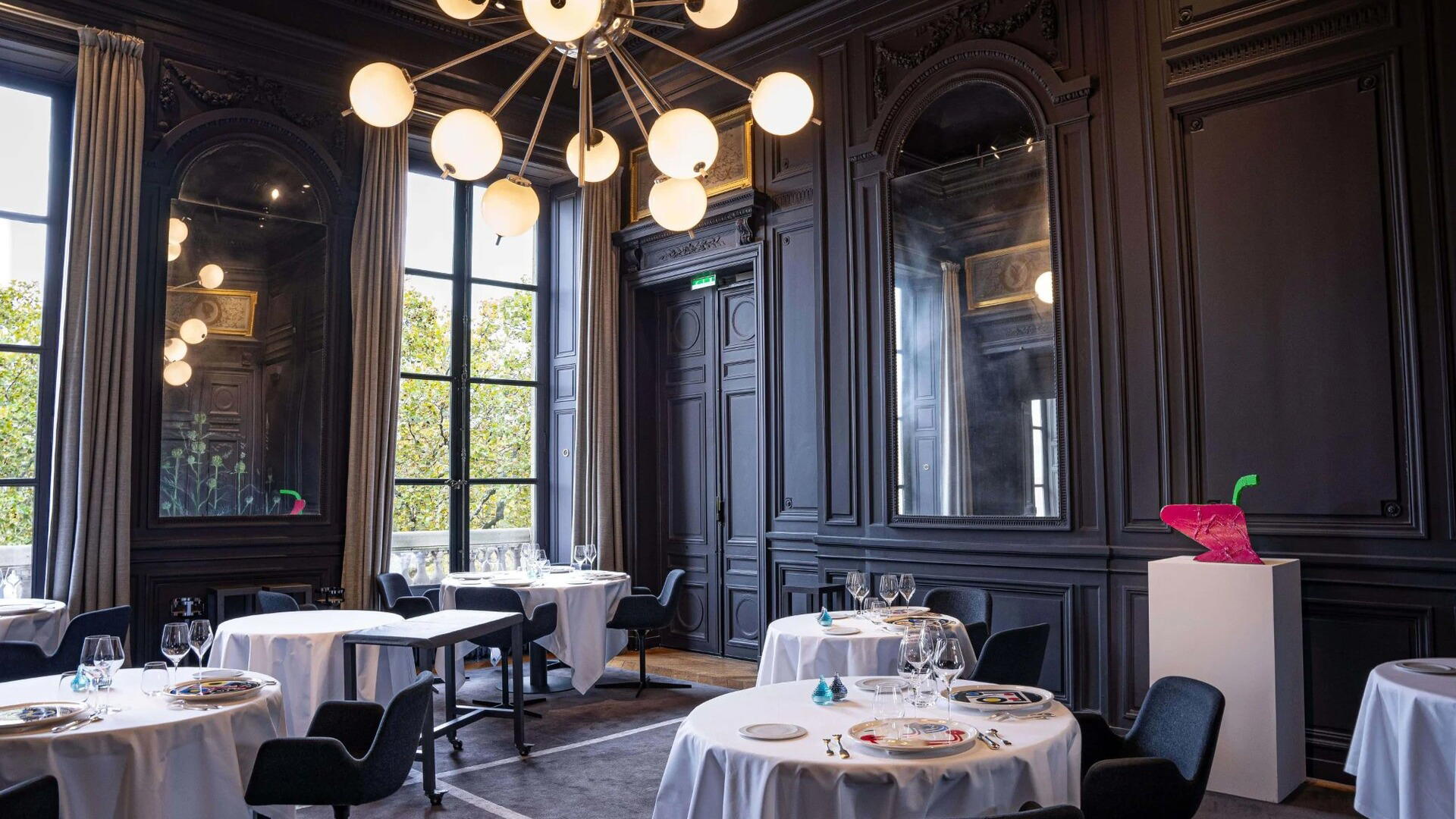
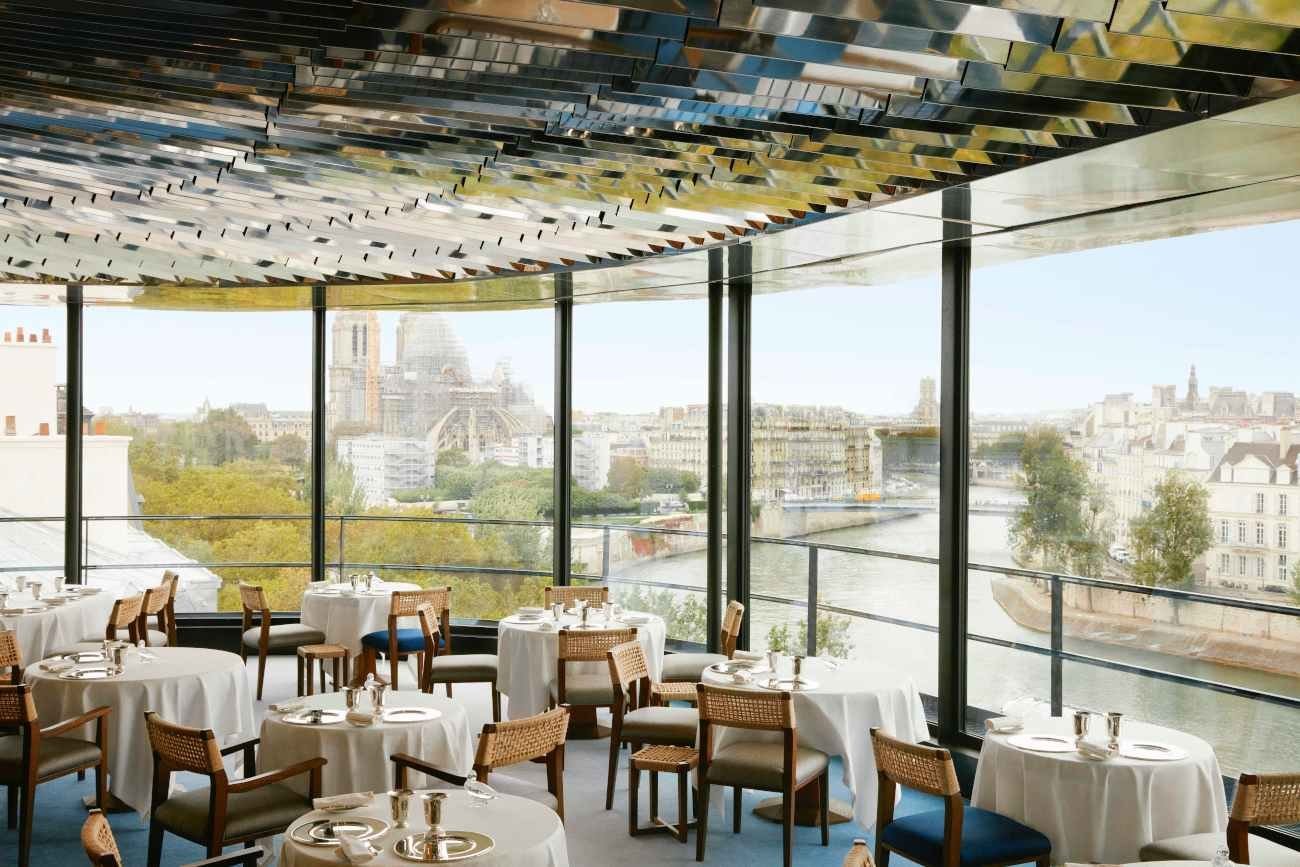
Bars in Paris
Browse all →
Hotels in Paris
Browse all →
Wineries in Paris
Browse all →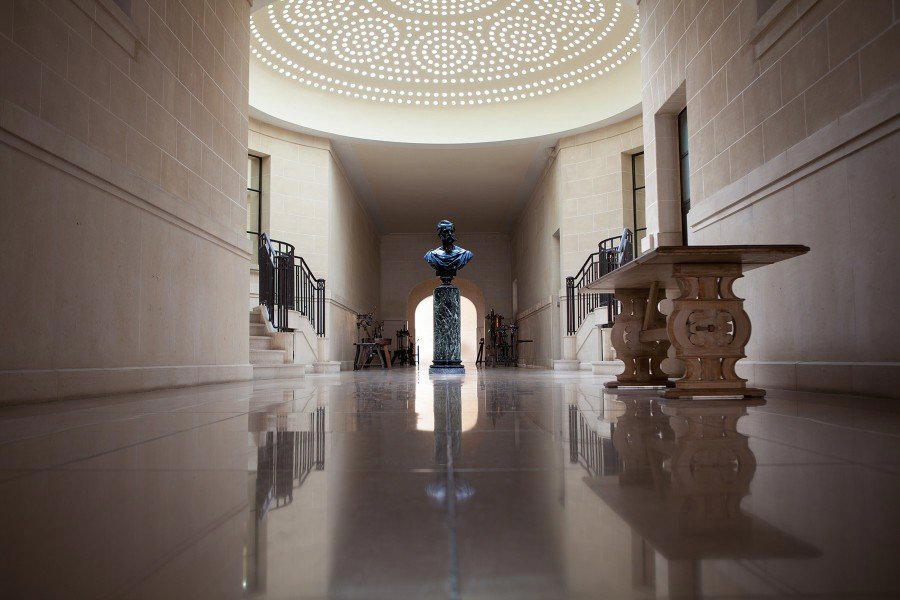
At a Glance
- Cozy
- Rustic
- Lively
- Casual Hangout
- Family
- Standalone
- Natural Wine
- Local Sourcing
Current opening hours
- Monday
- 12–2:30 PM, 7–10:30 PM
- Tuesday
- 12–2:30 PM, 7–10:30 PM
- Wednesday
- 12–2:30 PM, 7–10:30 PM
- Thursday
- 12–2:30 PM, 7–10:30 PM
- Friday
- 12–2:30 PM, 7–10:30 PM
- Saturday
- 12–2:30 PM, 7–10:30 PM
- Sunday
- Closed
Hours can change for holidays and private events. Last verified .
Convivial bistro atmosphere with red accents, wood, white walls, banquettes, and chalkboard menus.