On Rue des Gravilliers in the 3rd arrondissement, Bonnard occupies the kind of address that Paris's dining scene has repeatedly rediscovered: a narrow Marais street where creative cooking sits between wholesale textile merchants and contemporary art galleries. The restaurant positions itself in a mid-to-upper tier of the Paris independent dining circuit, away from the grand-palace formality of the 8th.
Pearl is the En Primeur Club membership app — saves, bookings, and concierge access live there. Same editors, same standards.
- Address
- 18 Rue des Gravilliers, 75003 Paris, France
- Phone
- +33180881190
- Website
- bonnard-marais.com
- Directions
- Get directions
 Saves & bookings on Pearl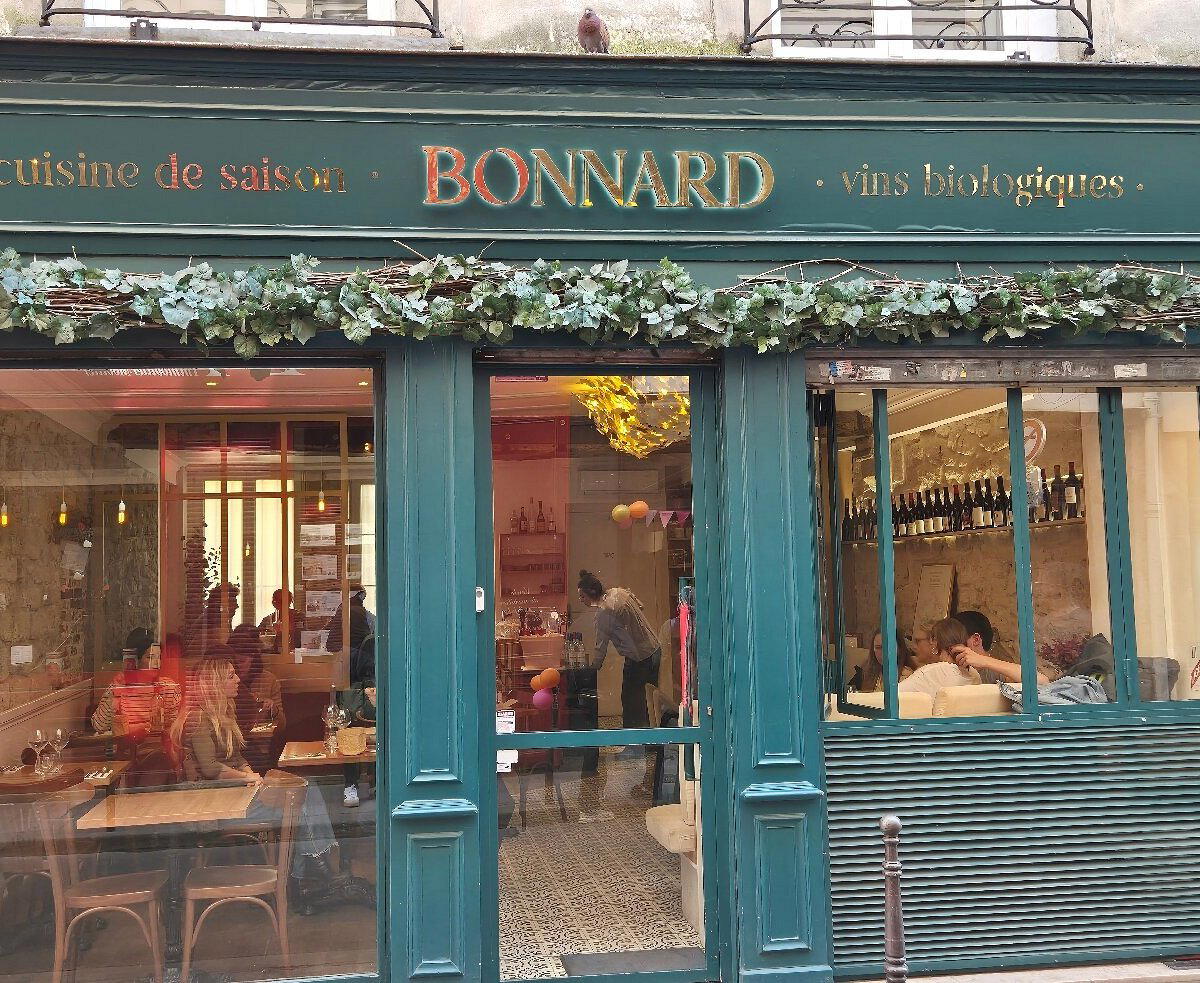
A Street That Keeps Reinventing Itself
Rue des Gravilliers runs through one of the older sections of the 3rd arrondissement, where the Marais's transformation from working-class garment district to creative-class address has played out over several decades and continues to shift. The street sits close to Arts et Métiers and the fringes of the old Jewish quarter, in a pocket of Paris that has absorbed successive waves of change without fully surrendering its texture. Restaurants in this part of the city tend to carry that complexity: they exist in spaces that were once something else entirely, and the best of them make that history feel present rather than decorative. Bonnard, at number 18, belongs to this category of address.
The evolution of the Marais dining scene mirrors a broader Paris trend. Through the 1990s and into the 2000s, serious French cooking was concentrated in the traditionally expensive arrondissements — the 8th, the 1st, the 6th — where establishments like L'Ambroisie and Le Cinq at the Four Seasons George V defined what ambitious French cooking looked like institutionally. The Marais was then primarily a neighbourhood for bistros and falafel counters. That geography has since shifted. The 3rd and 4th now contain some of the city's more interesting independent restaurants, precisely because the rents and the clientele have changed, pulling a different kind of chef and a different kind of diner into the area.
The Marais Independent Tier
Paris's independent restaurant scene has fractured into reasonably distinct tiers over the past decade. At the upper end sit the grand maisons, the multi-Michelin establishments that price against international destination dining rather than the local market. Below them, a mid-tier of technically accomplished, chef-driven rooms has grown, particularly in the eastern arrondissements, where creative cooking operates outside the formal palace structure. This is the competitive set to which Bonnard belongs, restaurants where the cooking is the point, the room tends toward the unfussy, and the experience is shaped more by what's on the plate than by the ceremony around it.
That middle tier has borrowed ideas from France's broader regional dining culture as much as from Paris itself. Houses like Bras in Laguiole and Auberge du Vieux Puits in Fontjoncouse demonstrated long ago that ambitious cooking could exist without metropolitan scale, and Paris's independent operators have absorbed that lesson. The same current runs through alpine cooking at Flocons de Sel in Megève and into the approach of coastal houses like Mirazur in Menton. Rue des Gravilliers is, in its own quieter way, a beneficiary of the same decentralisation of French culinary ambition.
How the Address Has Changed
The trajectory of an address like 18 Rue des Gravilliers in Paris follows a recognisable pattern. A space gets noticed, a restaurant opens, the neighbourhood changes around it, and the restaurant either adapts or gets left behind by a shifting clientele. The Marais has accelerated this cycle faster than most Paris neighbourhoods. What was experimental a decade ago becomes expected; what was affordable becomes expensive; what was local becomes international. The leading restaurants in this part of the city have had to evolve their offer alongside those shifts, calibrating their format and pricing against a diner who may arrive from anywhere and expects a certain level of craft.
This pressure toward reinvention is partly what distinguishes the Marais independent circuit from the more static grand maisons. Establishments like Alléno Paris au Pavillon Ledoyen or the methodical Franco-Japanese craftsmanship of Kei operate on longer institutional timelines. A room on Rue des Gravilliers has to be more responsive. That responsiveness is a quality in itself, not a deficit, it means the cooking tends to be more current, the format more flexible, the room less committed to any single register of formality.
Outside France, the same evolution is visible at dining addresses that started in one mode and shifted significantly over time: Lazy Bear in San Francisco moved from underground supper club to a ticketed format that now sits in a different tier entirely, and Le Bernardin in New York has spent decades refining rather than reinventing, two different strategies for the same problem of staying relevant. Bonnard's position on a street in flux suggests a room that has had to make its own version of those choices.
What to Know Before You Go
Classic French institutions outside Paris, Paul Bocuse's Auberge du Pont de Collonges, Auberge de l'Ill in Illhaeusern, Les Prés d'Eugénie, Troisgros in Ouches, and Georges Blanc in Vonnas, operate in part as pilgrimage destinations, where the address is itself the draw and booking is planned months ahead. La Table du Castellet and Arpège occupy a similar pre-booked tier in their respective contexts. Bonnard sits in a different category: a Paris neighbourhood room where the booking window is shorter, the format less ceremonial, and the experience more contingent on arriving with curiosity rather than a rehearsed set of expectations.
Reservations: Confirm availability directly with the restaurant; Rue des Gravilliers addresses of this type typically fill mid-week tables faster than weekend slots. Getting there: Arts et Métiers (lines 3 and 11) is the nearest metro, a short walk east. Dress: The Marais independent tier does not enforce dress codes; smart casual is the working standard. Context: For a fuller map of Paris dining across price tiers and neighbourhoods, see our full Paris restaurants guide.
How Bonnard Paris compares with similar nearby venues.
| Venue | Cuisine | Price |
|---|---|---|
| Au Bascou | Bistro | Not listed |
| Terra | Modern Cuisine | €€€ |
| Datil | Modern Cuisine | €€€€ |
| Parcelles | Bistro, Traditional Cuisine | €€€ |
Continue exploring
More in Paris
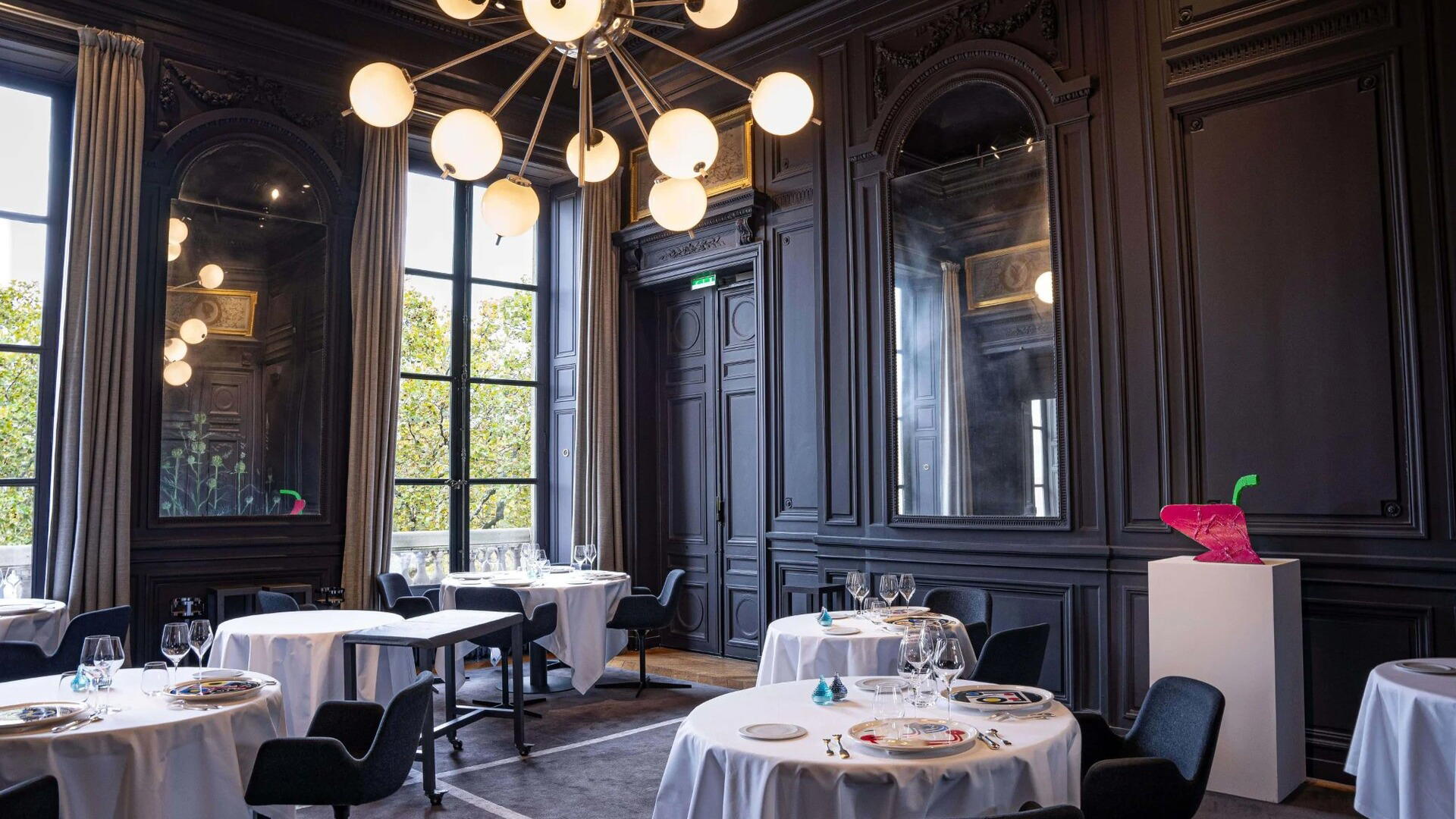
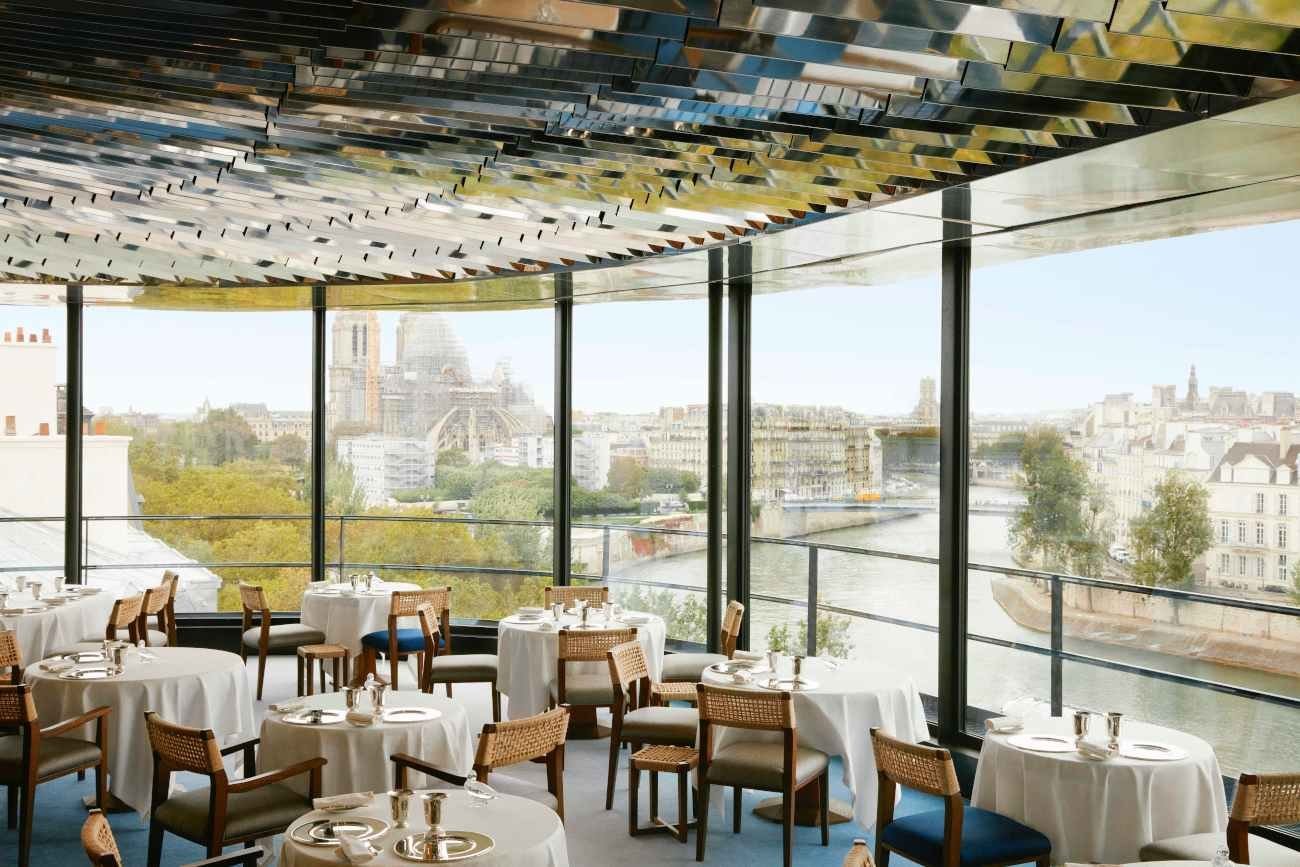
Restaurants in Paris
Browse all →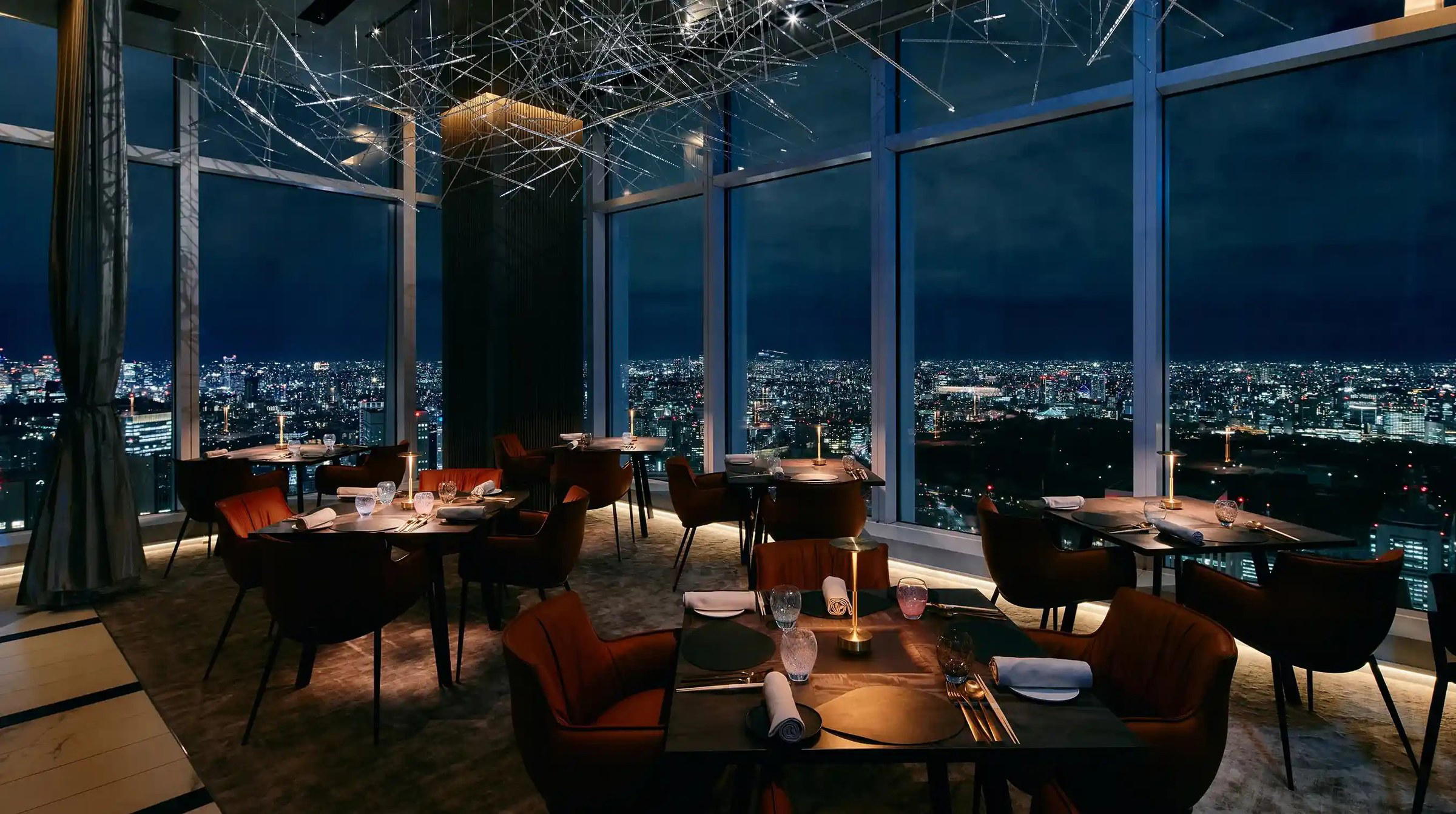
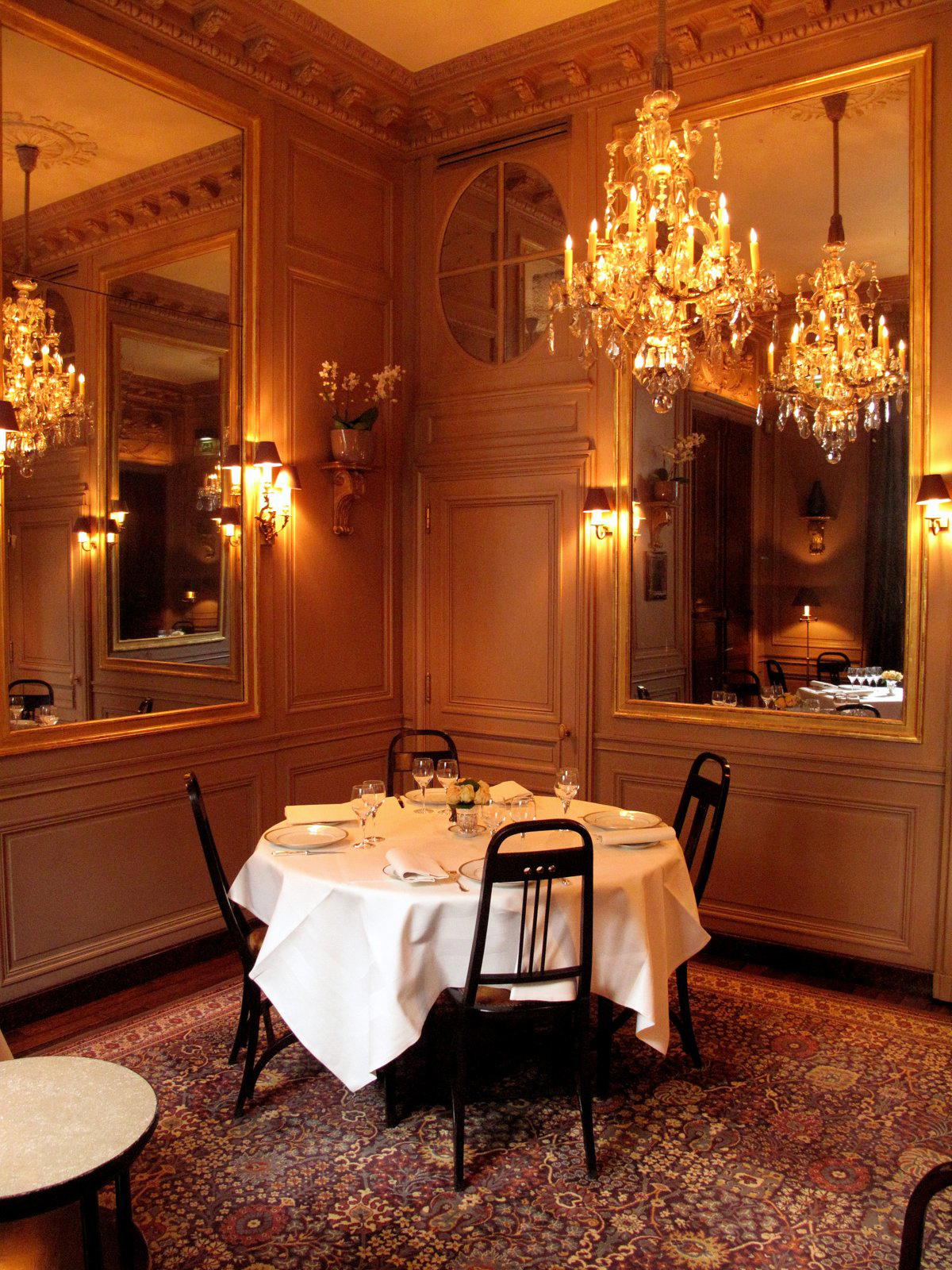
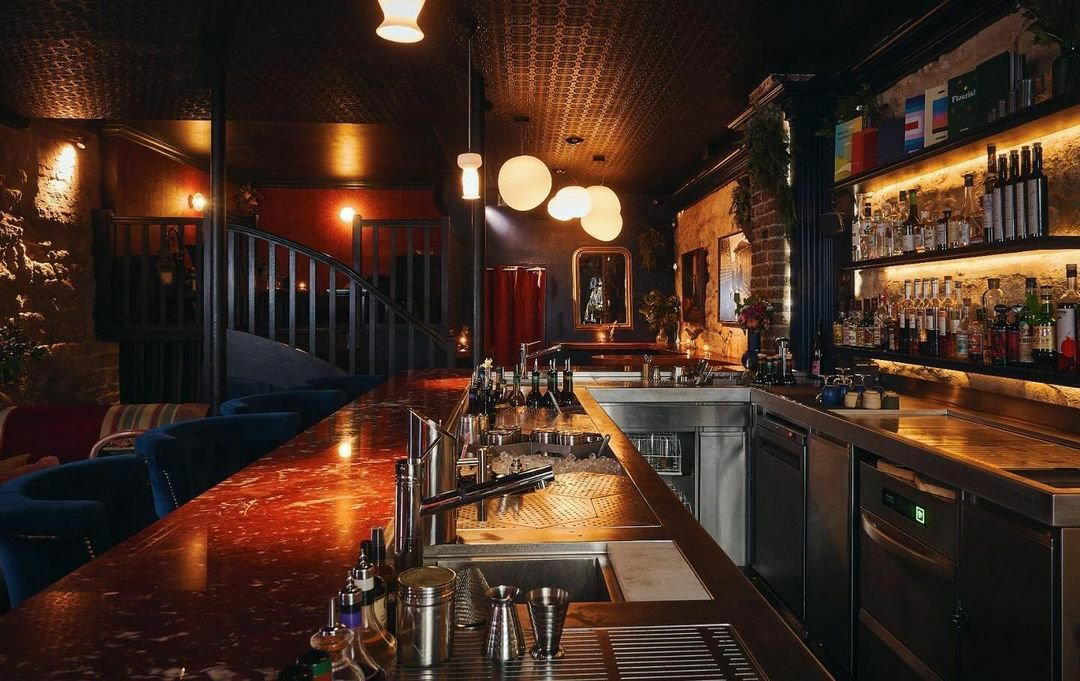
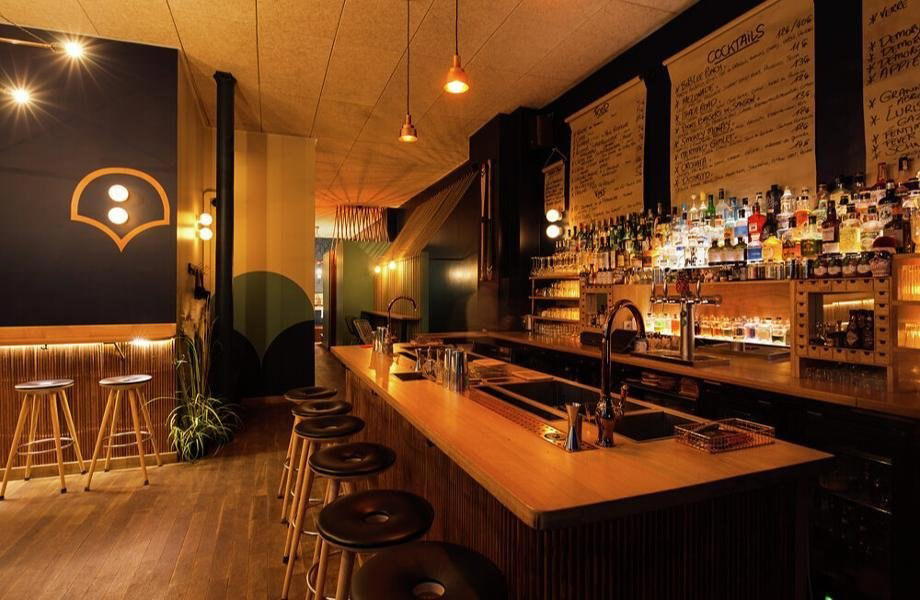
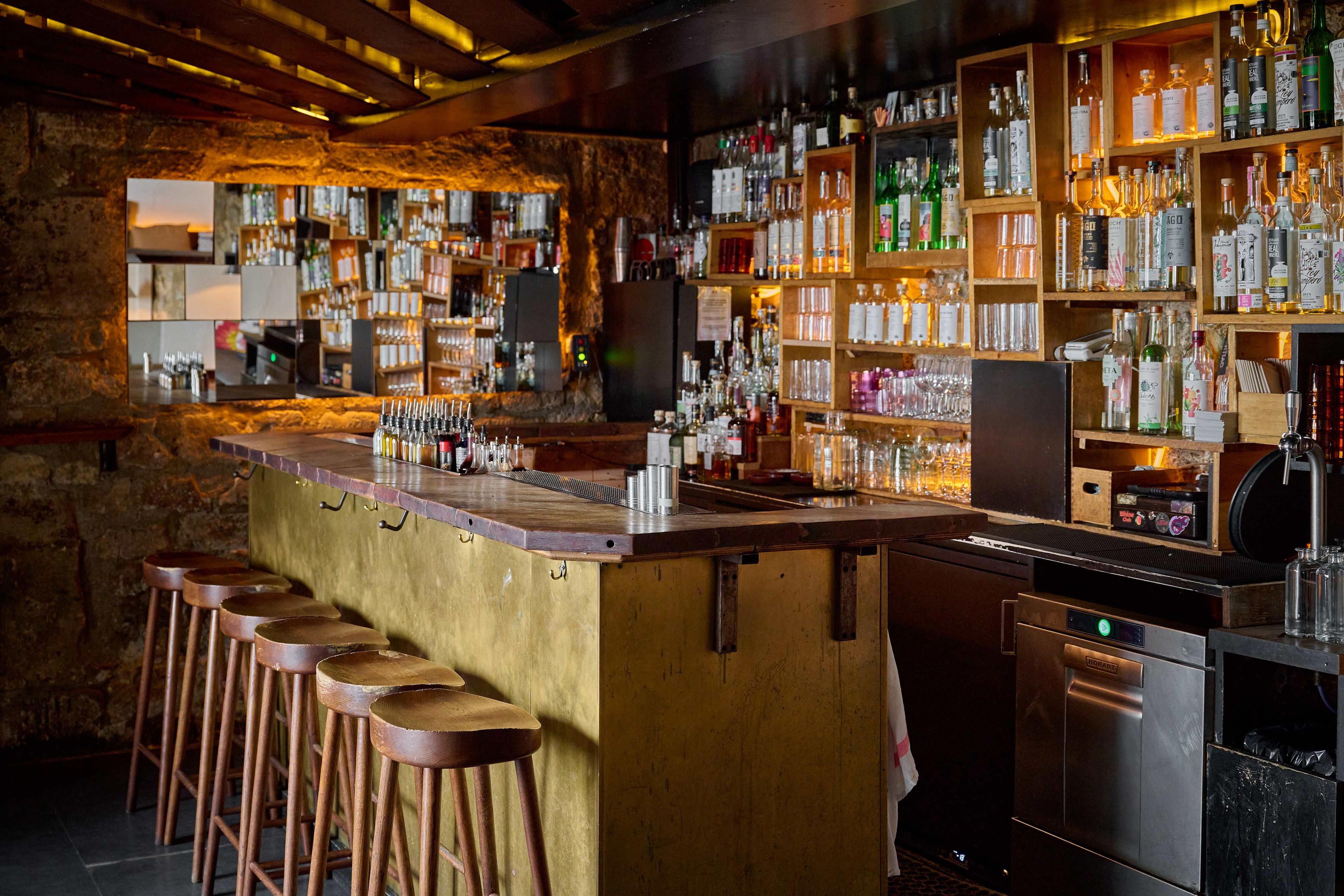
Bars in Paris
Browse all →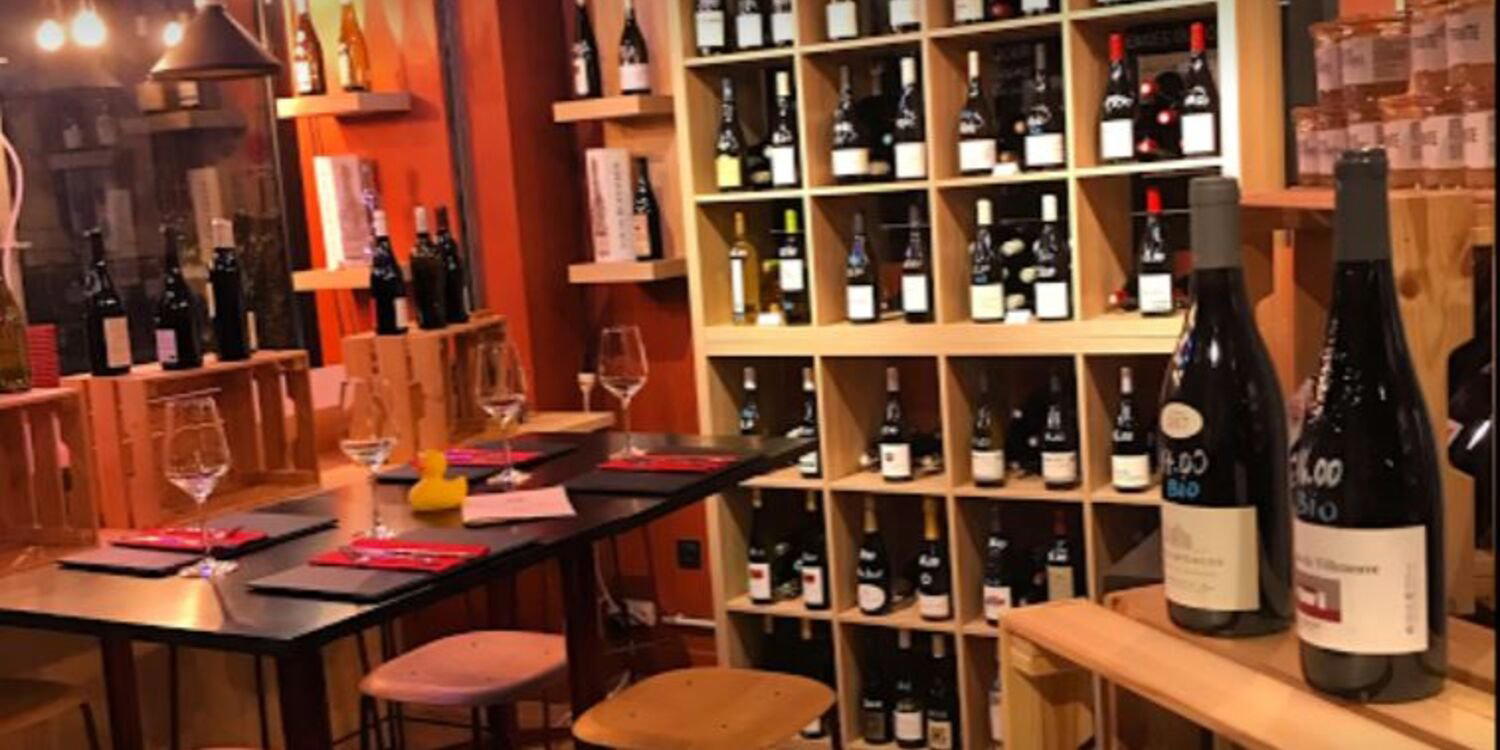
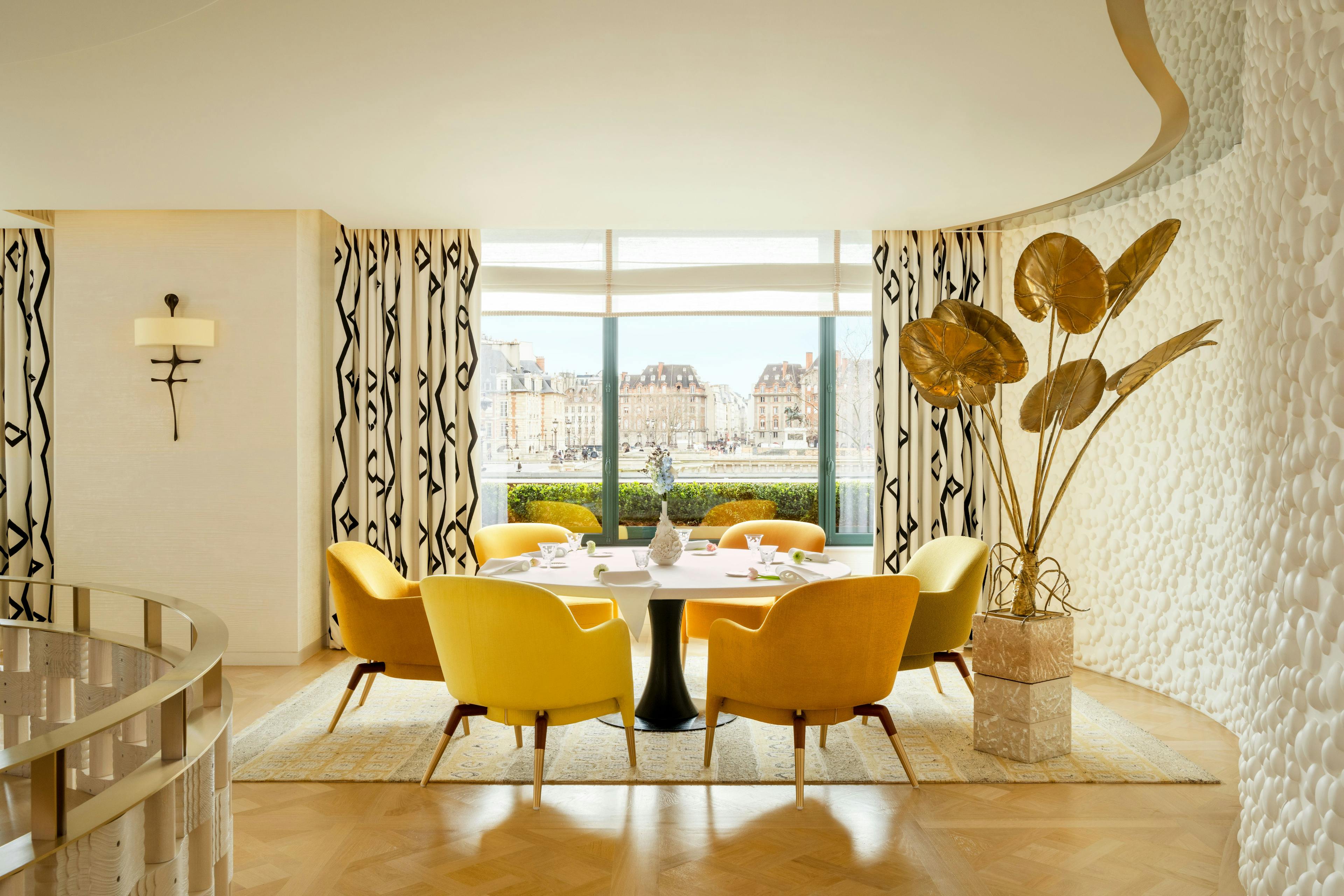
Hotels in Paris
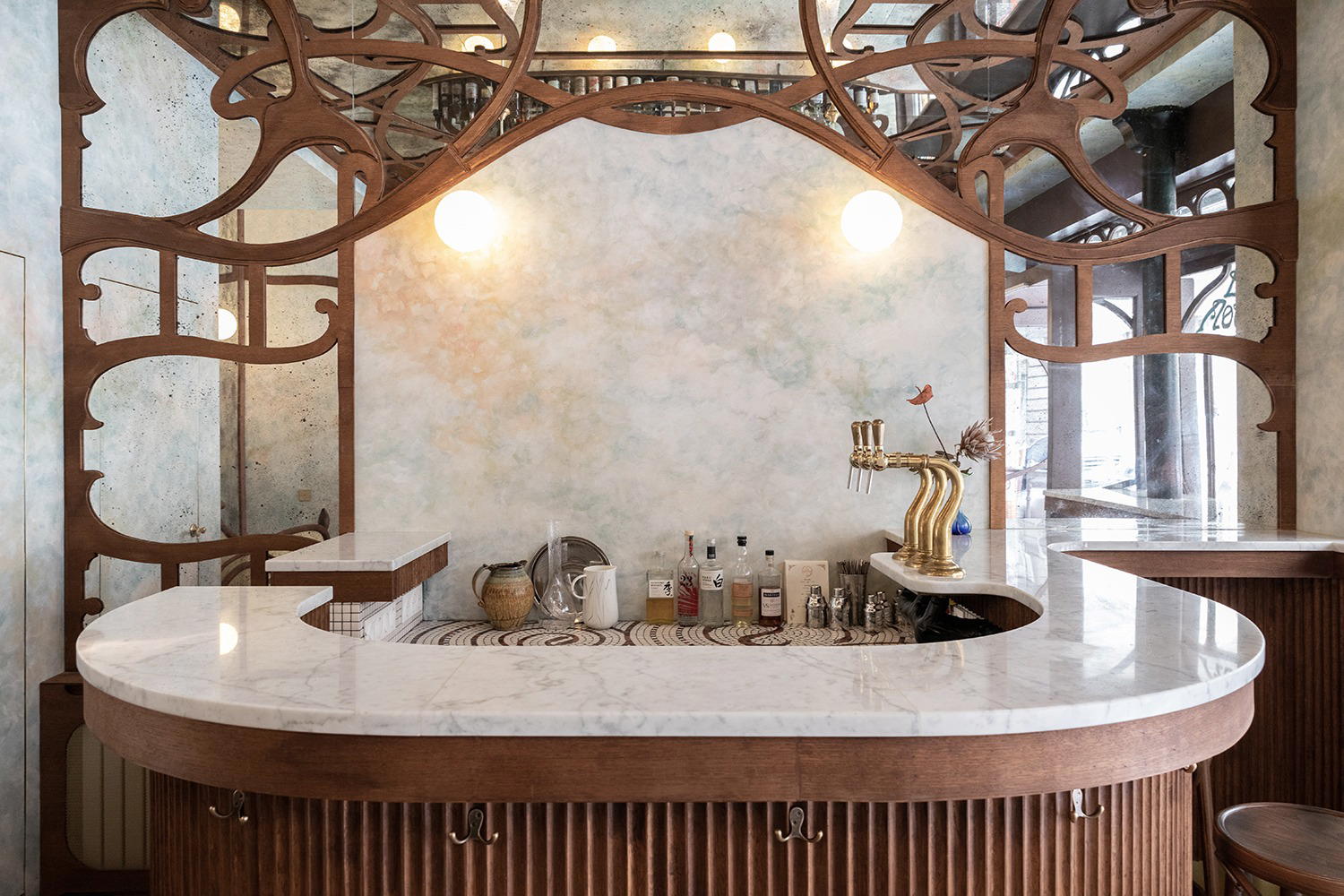
Browse all →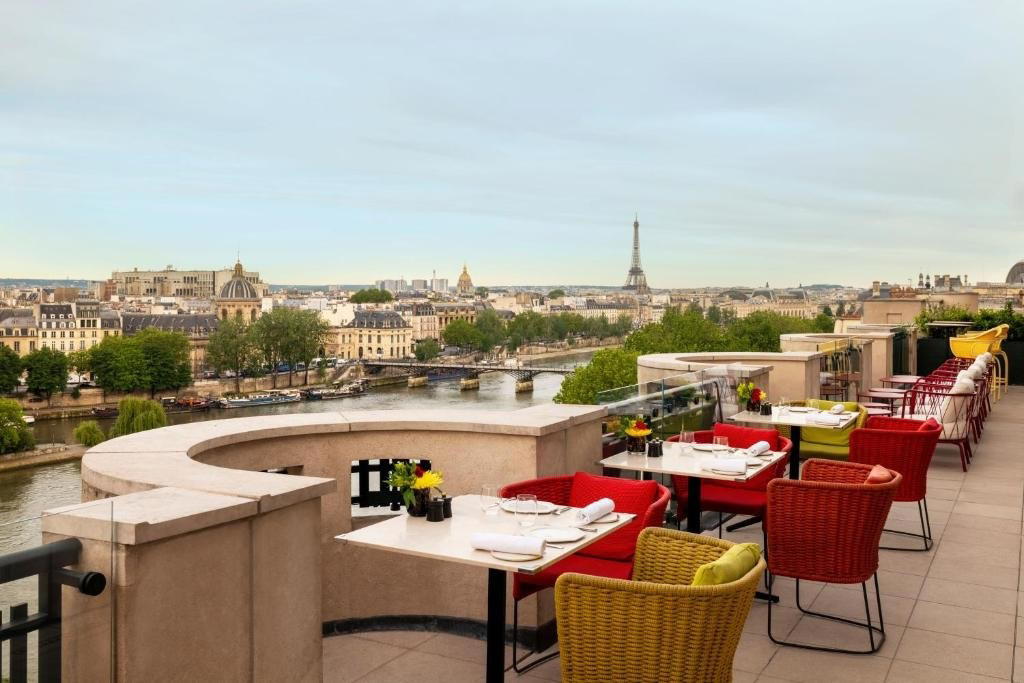



At a Glance
- Cozy
- Elegant
- Modern
- Intimate
- Date Night
- Special Occasion
- Open Kitchen
- Natural Wine
- Local Sourcing
- Organic
Current opening hours
- Monday
- 6:30–10:30 PM
- Tuesday
- 6:30–11:30 PM
- Wednesday
- 6:30–11:30 PM
- Thursday
- 6:30–11:30 PM
- Friday
- 6:30–11:30 PM
- Saturday
- 12–3 PM, 6:30–11:30 PM
- Sunday
- Closed
Hours can change for holidays and private events. Last verified .
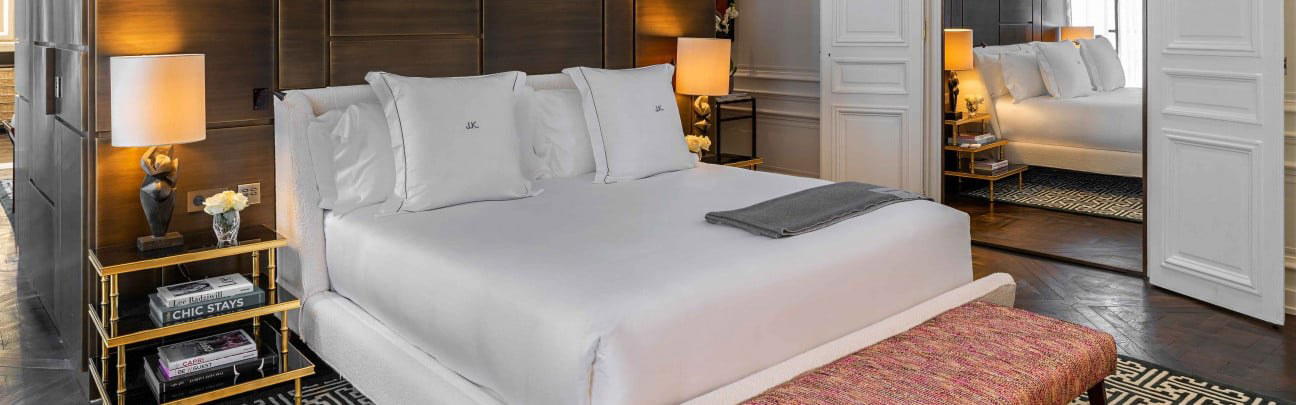
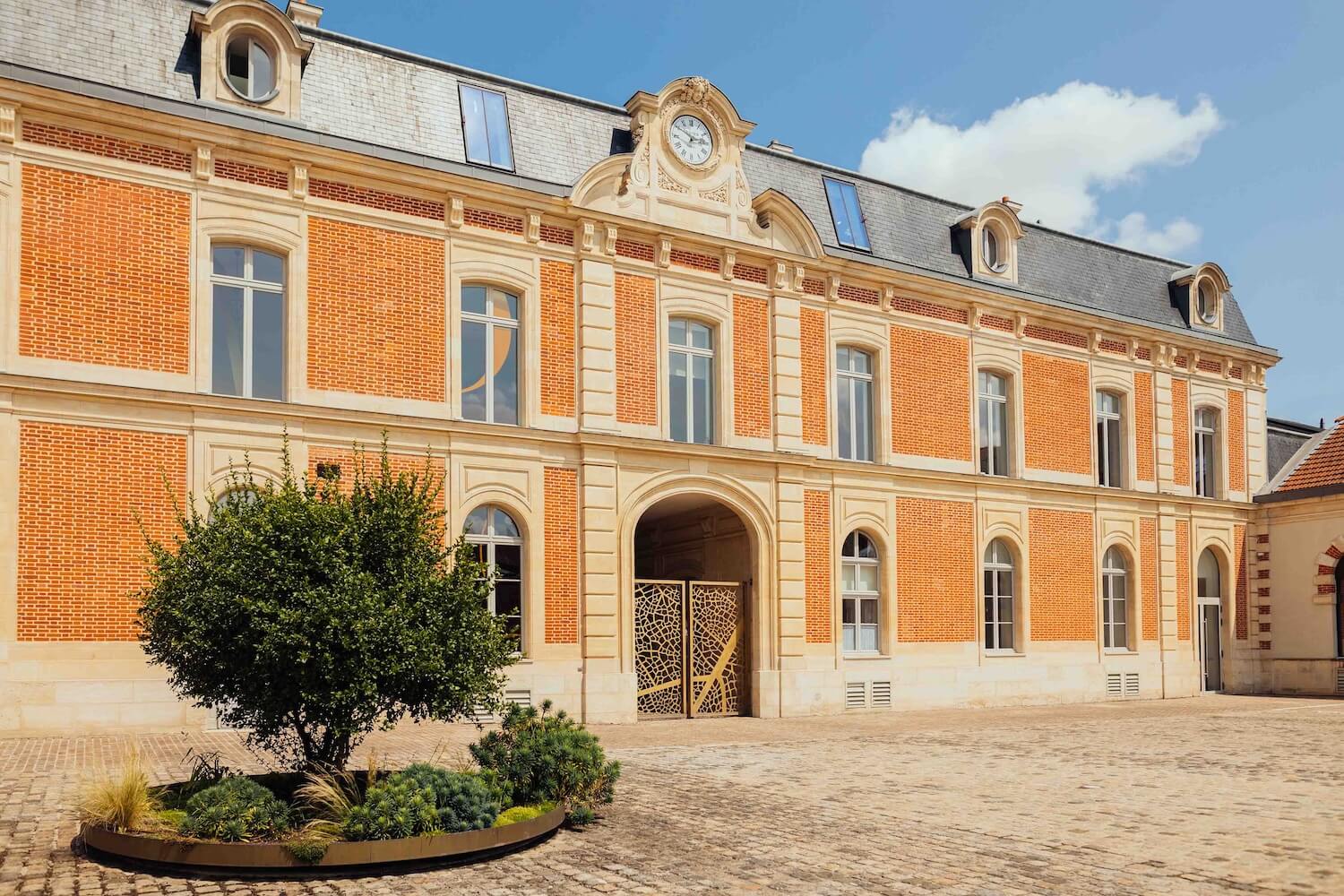
Bright, modern decor creating a cozy yet elegant atmosphere.
Know Before You Go
- Getting there
- 18 Rue des Gravilliers, 75003 Paris, France