Palermo Italian Restaurant
Palermo Italian Restaurant on Auzerais Avenue sits in San Jose's Willow Glen-adjacent corridor, where mid-century neighborhood dining rooms have outlasted several waves of restaurant trends. The address places it among a cluster of independent operators serving the area's residential core, drawing regulars who return for the familiarity of Italian-American tradition rather than novelty.

Pearl is the En Primeur Club membership app, where members save venues, book tables and use the concierge.
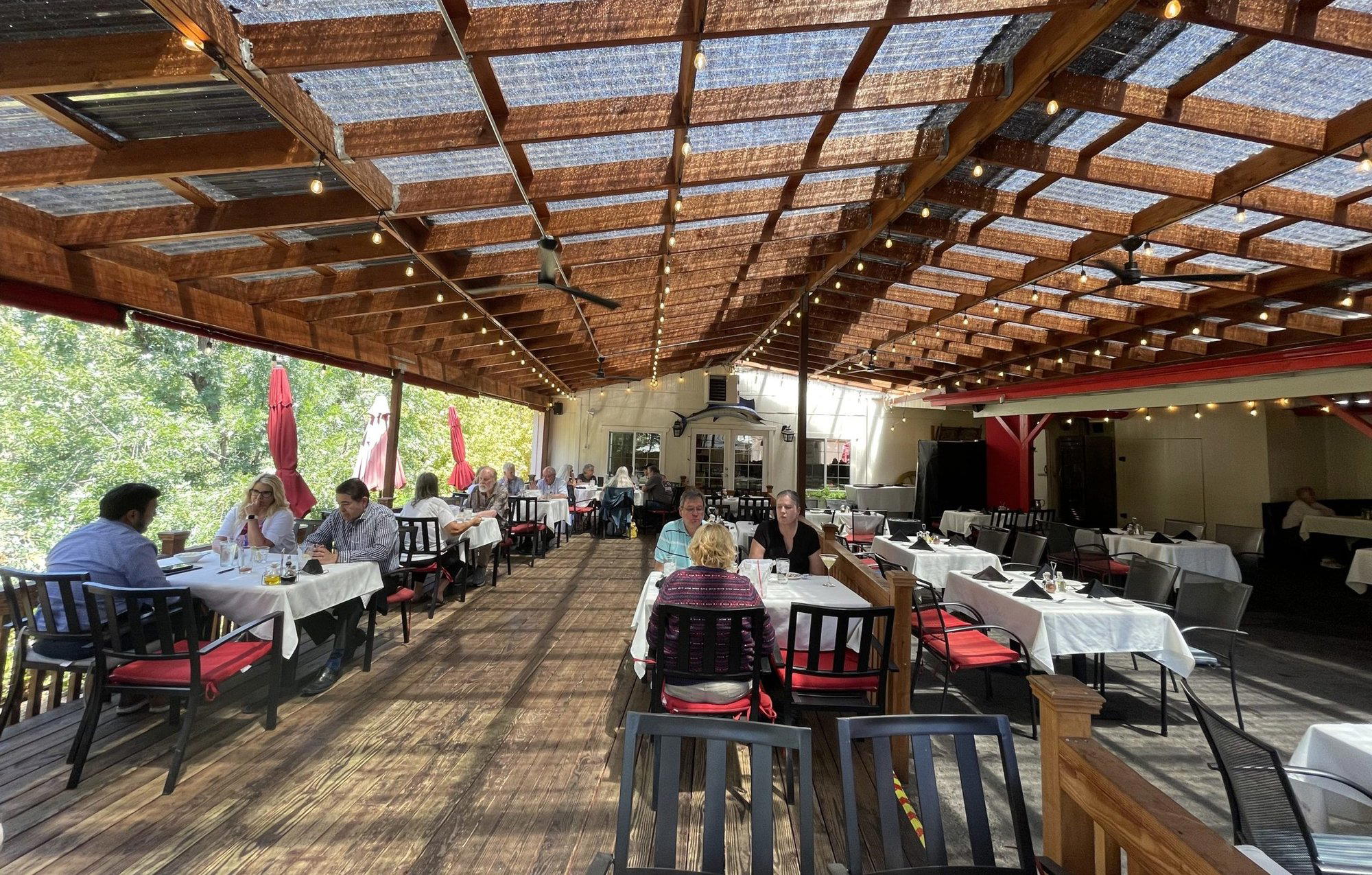
A Neighborhood Room in San Jose's Auzerais Corridor
San Jose's dining identity has always been more neighborhood-driven than its Silicon Valley reputation suggests. While the downtown core cycles through tech-funded concepts, the streets running southwest from the Diridon station area have held onto a quieter register of independent restaurants, the kind where the room itself carries the story. Palermo Italian Restaurant, at 791 Auzerais Ave in the 95126 zip code, occupies this register. The address sits in a residential-commercial band that has been feeding locals for decades, where Italian-American cooking arrived with mid-century immigrant communities and, unlike many of its peers, did not fully reinvent itself for each new dining generation.
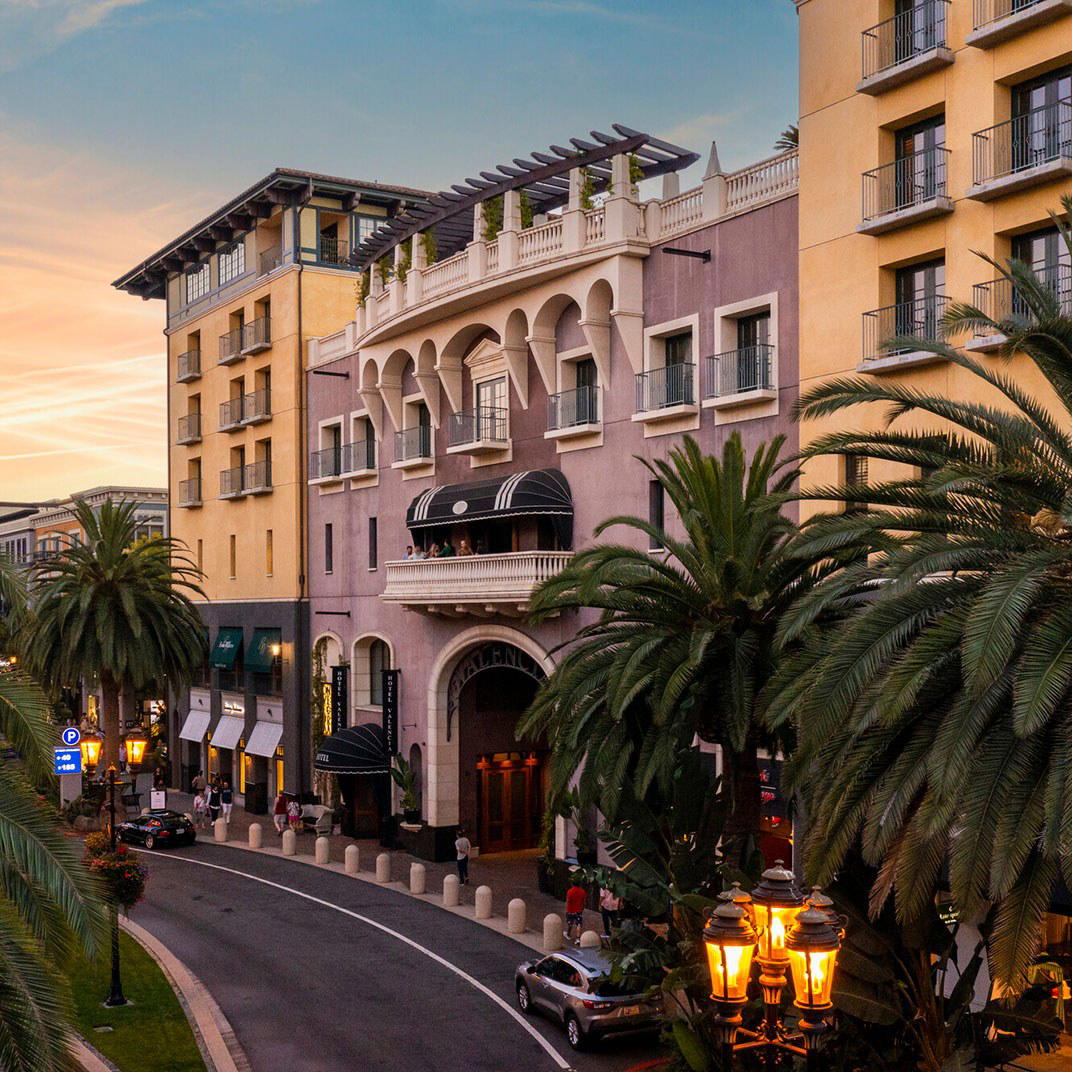
Approaching a room like this in early evening, the signals are familiar across the Italian-American tradition: warm light through glass, the low hum of a dining room that has already found its rhythm for the night, the specific smell of garlic and olive oil that no amount of design can replicate. These are not atmospherics engineered for effect. They are the byproduct of a kitchen doing the same things repeatedly, well enough that regulars don't need to consult a menu.
What Italian-American Dining Means in This Part of California
California's Italian-American restaurant tradition draws from a specific lineage. Northern California received significant Italian immigration in the late nineteenth and early twentieth centuries, concentrated initially in San Francisco but spreading south through the Bay Area. The cooking that settled here was not the contemporary, regionally precise Italian cuisine that now drives critical attention in cities like New York or Los Angeles. It was a synthesis: Italian technique adapted to California ingredients and American portion expectations, producing dishes that Italian-Americans recognized as their own even when the result diverged from what you'd find in Naples or Bologna.
San Jose sits at the southern end of that cultural geography. The Italian-American community here is older and quieter than its San Francisco counterpart, and the restaurants that have persisted longest tend to reflect that quietness. They are not destination restaurants in the press-coverage sense. They are institutions in the neighborhood sense, which is a different and arguably more durable form of recognition. For context on how San Jose's independent dining scene compares across cuisines and formats, our full San Jose restaurants guide maps the broader picture.
The Sensory Character of the Room
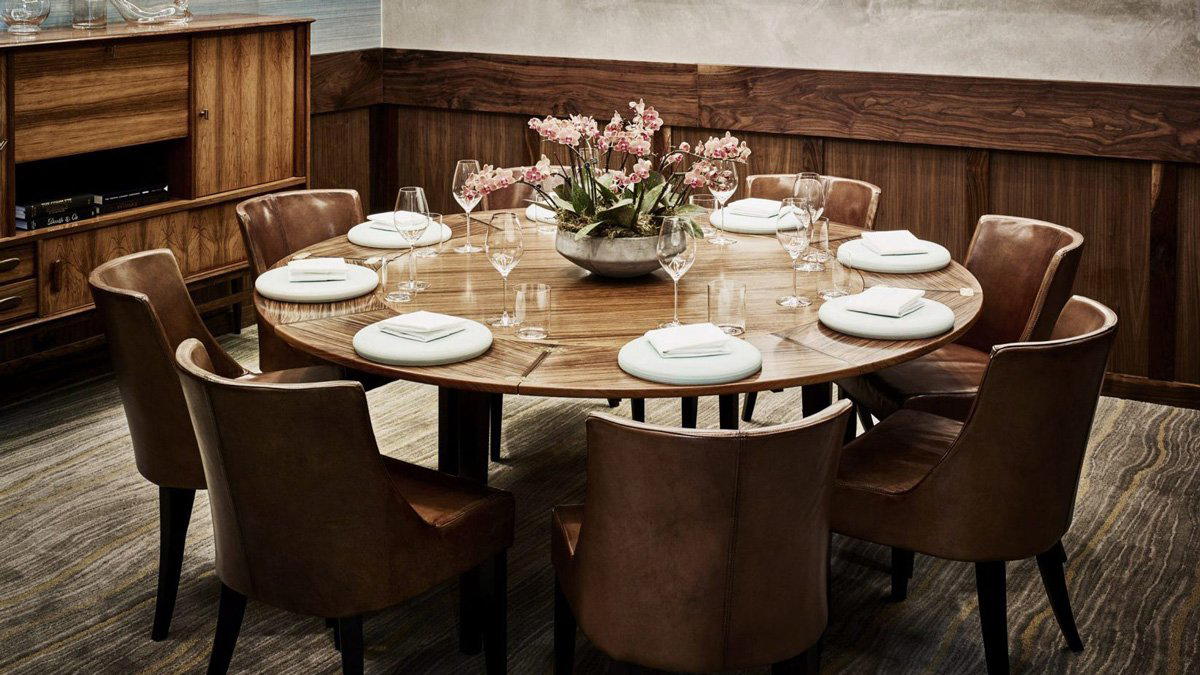
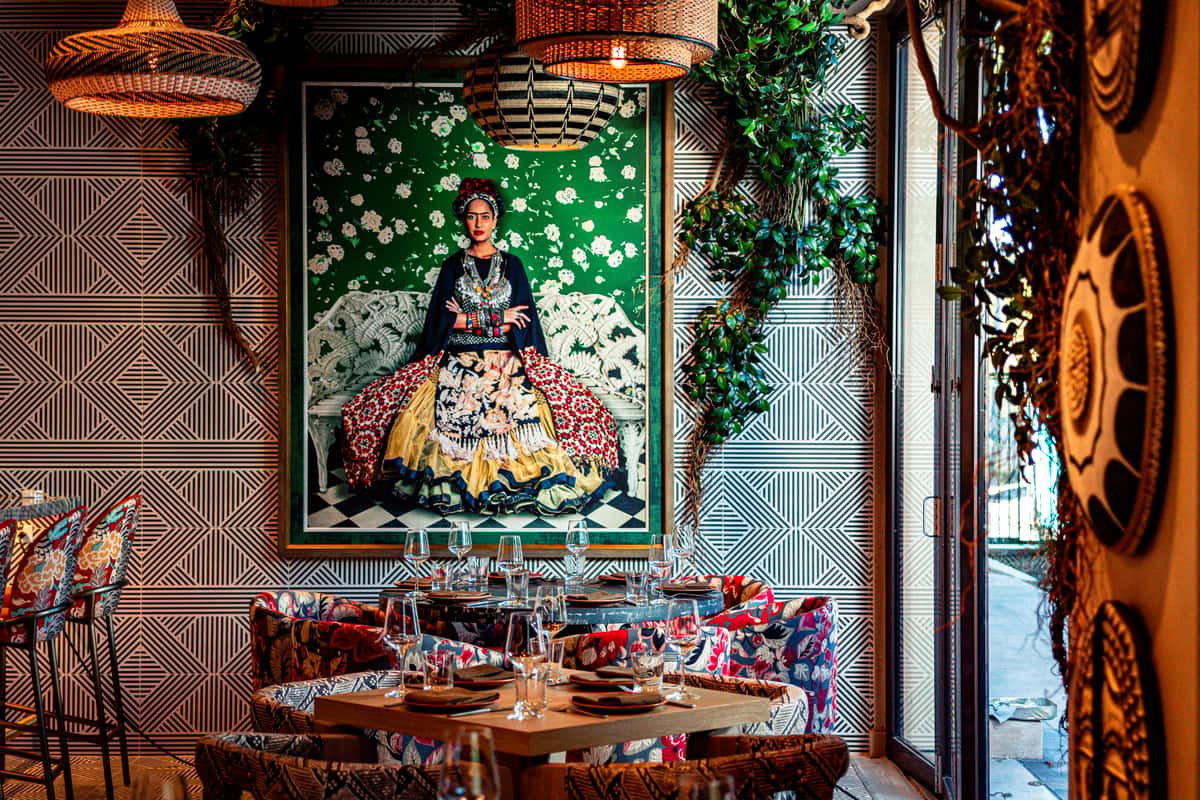
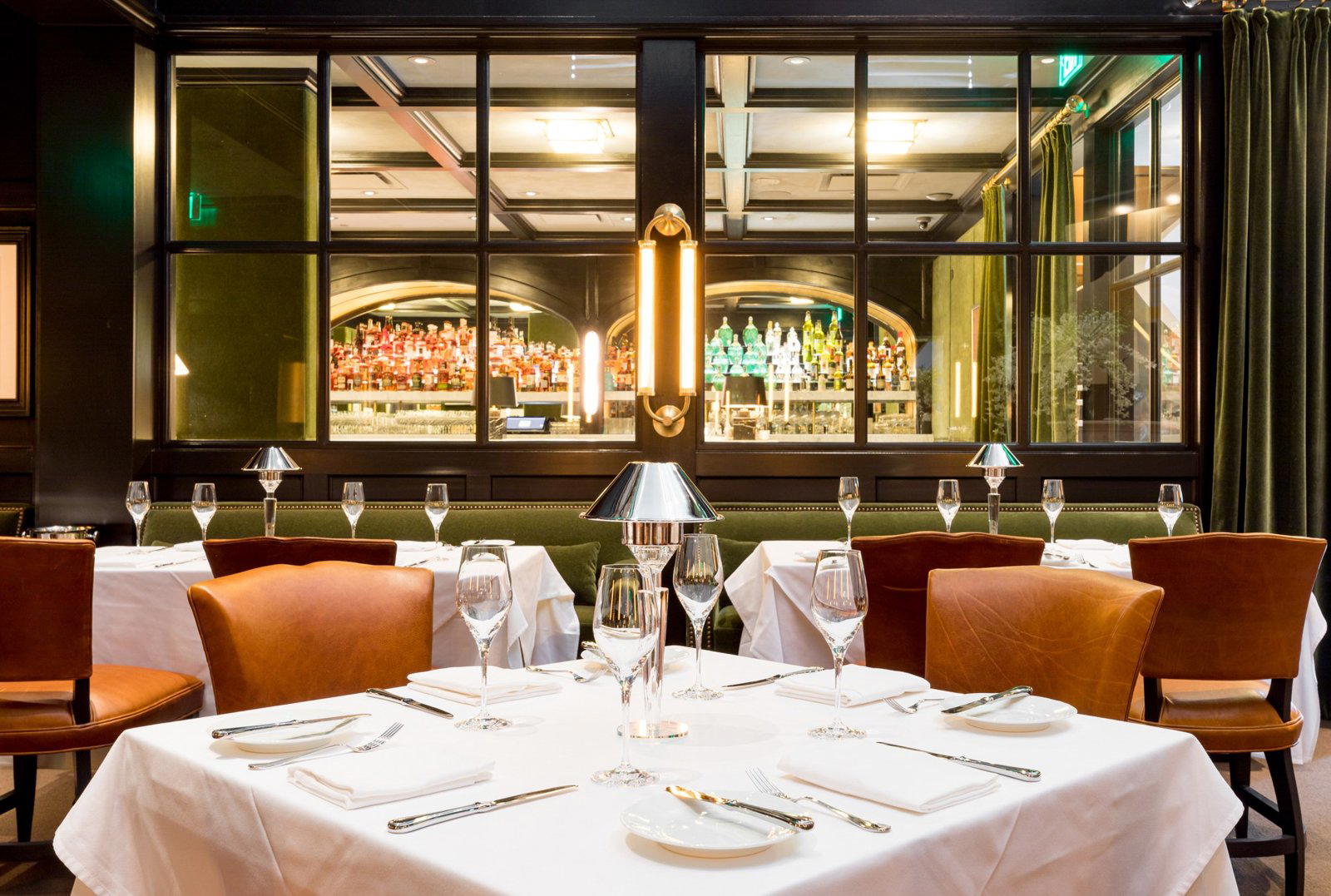
Italian-American dining rooms of this vintage and type have a specific sensory signature that distinguishes them from both the white-tablecloth Italian fine dining rooms and the fast-casual pasta chains that have squeezed the middle of the market. The light tends to run warm and low, rarely harsh. The acoustics are rarely engineered for quiet: these are rooms built for conversation at a normal register, where the ambient noise level signals occupation rather than chaos. The smell of a kitchen running red sauce through the evening service is not incidental, it is the room's primary atmospheric statement, arriving before the menu does.
Palermo's Auzerais Avenue location fits within this tradition. The 95126 zip code places it in a neighborhood that retains genuine residential character, which means the clientele skews local rather than destination-seeking. That shapes the atmosphere in ways that no design intervention can replicate: the room is occupied by people who live nearby, which produces a specific kind of ease that transient dining crowds rarely generate.
How Palermo Sits Within San Jose's Independent Dining Tier
San Jose's independent restaurant tier has come under sustained pressure from the same forces affecting mid-market dining nationally: rising rents near the transit corridor, competition from delivery-optimized concepts, and the attention economy shifting toward newer formats. The restaurants that have persisted in this environment tend to share certain characteristics: loyal regulars, operational discipline, and a cooking program that doesn't require continuous reinvention to remain relevant.
Italian-American cooking is well-suited to this kind of persistence. The canon is stable, the ingredient costs are manageable relative to, say, a seafood-forward concept, and the customer base spans age ranges that more trend-dependent restaurants cannot hold. A family that ate at a neighborhood Italian room in 1995 can return with their adult children in 2025 and find the experience broadly legible. That continuity is the competitive advantage of the category, even if it rarely generates critical column inches.
For comparison, San Jose's dining options in adjacent categories include Angelou's Mexican Grill, which operates in a similar neighborhood-independent register, and Cha Cha Sushi, which takes a more casual approach to Japanese-American dining. The contrast with more format-driven venues like Eos and Nyx and Fuji illustrates how differently San Jose operators approach the question of what kind of room to build and for whom.
The Italian-American category also invites comparison with how other cities handle the tension between neighborhood tradition and contemporary dining ambition. Cocktail-forward rooms like Kumiko in Chicago and ABV in San Francisco represent one end of the independent dining spectrum, where program precision and awards recognition drive the conversation. Venues like Jewel of the South in New Orleans, Julep in Houston, Bar Leather Apron in Honolulu, Superbueno in New York City, and The Parlour in Frankfurt show how independent operators in other markets have found different ways to anchor themselves to place. Palermo's version of that anchoring is quieter and less programmatically distinct, but it belongs to the same broad impulse.
Planning a Visit
Palermo Italian Restaurant is located at 791 Auzerais Ave, San Jose, CA 95126, in the corridor southwest of Diridon station. The neighborhood is accessible by car from the 280 and 87 interchange, and the proximity to Diridon makes it reachable from the Caltrain network for visitors coming from San Francisco or the Peninsula. For timing, Italian-American neighborhood rooms of this type tend to fill earliest on Friday and Saturday evenings, when local regulars claim their usual tables; mid-week visits typically offer a quieter version of the same room. Current hours, contact details, and booking options are best confirmed directly with the restaurant before visiting, as these details are not available through this listing.
Same-City Peers
| Venue | Price |
|---|---|
| Palermo Italian RestaurantThis venue (the venue you are viewing) | $20–30 |
| Angelou's Mexican Grill | $10–20 |
| Kazoo Japanese Sushi Boat Restaurant | $20–30 |
Continue exploring
More in San Jose
Bars in San Jose
All bars in San Jose →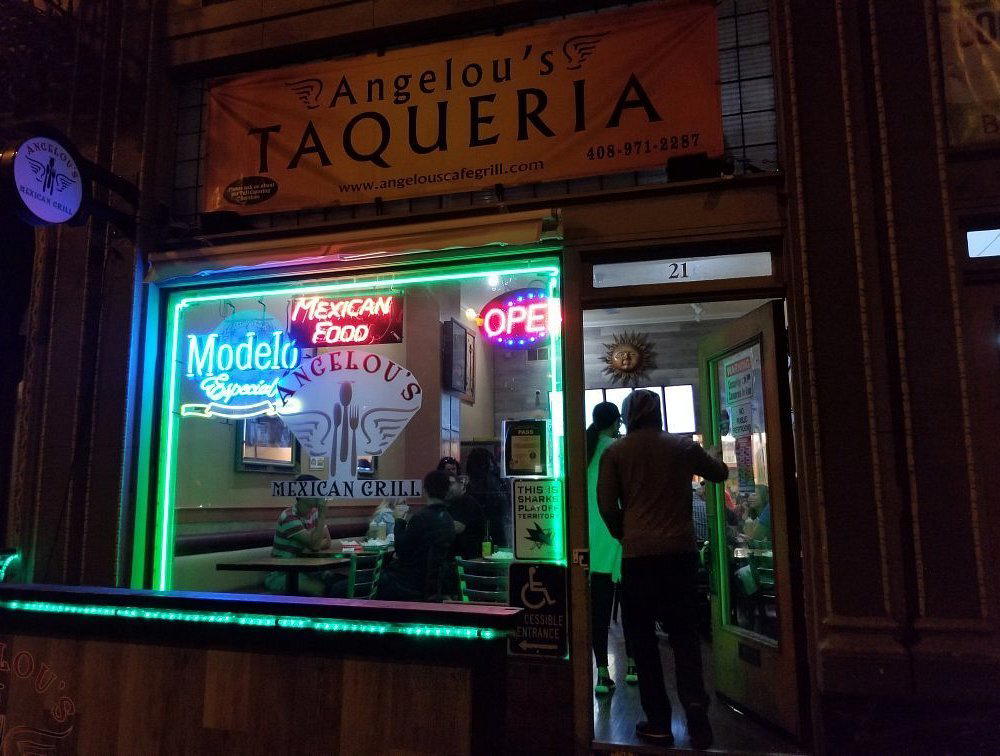
Restaurants in San Jose
All restaurants in San Jose →
Details
- Cozy
- Classic
- Group Outing
- Casual Hangout
- Lounge Seating
- Outdoor Terrace
- Classic Cocktails
- Conventional Wine
- Street Scene
Current opening hours
- Monday
- Closed
- Tuesday
- 10:30 AM–9 PM
- Wednesday
- 10:30 AM–9 PM
- Thursday
- 10:30 AM–9 PM
- Friday
- 10:30 AM–10 PM
- Saturday
- 10:30 AM–10 PM
- Sunday
- 10:30 AM–9 PM
Hours can change for holidays and private events. Hours as of .
Inviting family-friendly atmosphere reminiscent of an authentic Italian trattoria with spacious covered and semi-covered patios.