Our verdict
La Forêt Noire sits along the Route des Troques in Chaponost, a commune on Lyon's southwestern fringe where the city's restaurant density thins and a quieter, more rooted style of French cooking tends to take hold. The address places it inside a regional tradition that prizes local sourcing and seasonal discipline over urban spectacle — a pattern worth understanding before you book.

Pearl is the En Primeur Club membership app — saves, bookings, and concierge access live there. Same editors, same standards.
- Address
- 1 Rte des Troques, 69630 Chaponost, France
- Phone
- +33478453030
- Hours
- Daily 12–2 PM, 7–11 PM
- Website
- laforetnoire.fr
- Directions
- Get directions
- Booking
- Book on Zenchef
The menu
What to order
- Incontournable Forêt Noire
- Pâté croûte Maison
- Foie gras
Chaponost and the Lyon Periphery: What the Address Tells You
The communes that ring Lyon to the southwest — Chaponost, Brignais, Millery — occupy a strip of Rhône-Alpes terrain where market gardens, small farms, and the remnants of older agricultural supply chains still operate in proximity to one of France's most serious restaurant cities. That geography matters. Lyon built its gastronomic reputation not on imported luxury but on proximity: the Bresse plateau to the north for poultry, the Dombes for game and freshwater fish, the Rhône and Saône valleys for market produce. Restaurants on the city's periphery, including those in Chaponost, inherit that logic. The further you move from central Lyon, the more a kitchen's credibility tends to rest on what it sources locally and how honestly it handles it, rather than on the production values of a city-centre dining room.
La Forêt Noire, addressed at 1 Route des Troques in Chaponost, sits inside that tradition. The name itself, Black Forest, signals a relationship with wooded, terrestrial landscape rather than the refined urban register of, say, a Presqu'île brasserie. Whether that signal is literal or atmospheric, the location reinforces it: Chaponost sits at an elevation that gives it a different seasonal rhythm from the city below, with harder winters and a spring market calendar that runs slightly later than Lyon's central halles.
Sourcing as the Editorial Frame: Why Provenance Matters Here
Across France's provincial fine-dining tier, the question of ingredient provenance has become a defining one. The generation of chefs working outside Paris and Lyon's first-ring addresses has largely abandoned the prestige-import model, the flown-in scallops, the Scottish beef, in favour of hyperlocal sourcing that functions as both an ethical position and a competitive differentiation. This shift is most visible in addresses like Bras in Laguiole, where the Aubrac plateau's flora shaped the kitchen's entire vocabulary, or Mirazur in Menton, where the restaurant's own gardens supply a significant portion of the menu's vegetable and herb components.
In the Lyon periphery, that sourcing logic plays out against a particularly rich agricultural backdrop. The Rhône corridor connects producers of exceptional specificity: Charolais cattle from Saône-et-Loire, walnuts and cheeses from the Drôme, the AOC-protected chickens from Bresse that any serious kitchen within a hundred kilometres treats as a baseline protein rather than a luxury. A restaurant in Chaponost with a name invoking forest terrain is well-positioned to engage that network, mushrooms, game, wild herbs, and the kind of seasonal produce that doesn't survive long-distance transit. The question worth asking of any kitchen in this position is whether the sourcing is genuinely integrated into the menu's structure or simply decorative.
For comparison, consider the different models operating at the top of the French restaurant hierarchy. Alléno Paris au Pavillon Ledoyen operates in a mode where creativity and technical ambition are the primary metrics, sourcing subordinated to the larger project of invention. Auberge de l'Ill in Illhaeusern and Georges Blanc in Vonnas both represent the provincial-grande-maison tradition where local identity and sourcing are structural, not decorative. Smaller addresses outside major cities, including those in Chaponost, tend to align more closely with the latter model, where the agricultural context is the kitchen's primary credential.
The Regional Context: Lyon's Wider Restaurant Conversation
Lyon's claim to France's second dining city rests on a specific historical structure: the mères lyonnaises tradition of bourgeois home cooking scaled to restaurant format, the proximity of exceptional raw ingredients, and a dining culture that values substance over theatre. That foundation produced institutions like Paul Bocuse - L'Auberge du Pont de Collonges in Collonges-au-Mont-d'Or, which for decades functioned as the benchmark address for the entire region, and it continues to shape expectations at every price point in the metropolitan area.
Chaponost sits within Lyon's culinary gravity, close enough to draw from the same supplier networks and the same dining culture, but positioned outside the competitive density of the city centre. That peripheral position creates a specific opportunity: lower overheads, a quieter room, and a clientele more likely to be making a deliberate journey than a spontaneous booking. The addresses that work well in this position typically offer something the city centre can't, either genuine connection to agricultural terrain, or a slower, more considered format that urban density makes difficult to sustain.
It's worth placing La Forêt Noire in a wider French regional frame. The countryside addresses that have accumulated the most critical attention in recent years, Flocons de Sel in Megève, Troisgros - Le Bois sans Feuilles in Ouches, Auberge du Vieux Puits in Fontjoncouse, all share a structural quality: the landscape isn't backdrop, it's argument. The sourcing isn't a section of the menu, it's the menu's logic. That standard is the relevant benchmark for any address working from a forested, agricultural edge of a major French food city.
Planning Your Visit
Chaponost is accessible from central Lyon in under twenty minutes by car, heading southwest on routes that pass through the hillside communes above the Saône. There is no direct metro connection, making private transport or a taxi the practical choices for an evening visit. The address at 1 Route des Troques is in a quieter residential and semi-rural part of Chaponost, away from the commune's main commercial strip. Visitors making the journey from Lyon specifically for dinner should account for return logistics in advance, particularly for later sittings. For broader context on the area's dining options, see our full Chaponost restaurants guide.
This is standard practice for smaller addresses outside city centres, where online booking infrastructure is often minimal and telephone reservation remains the norm. Visitors travelling to the Lyon region with fine dining as a priority might also consider the Rhône-Alpes addresses already mentioned alongside international-calibre comparisons like AM par Alexandre Mazzia in Marseille or, further afield, Christopher Coutanceau in La Rochelle, both of which operate in a similar provincial-serious register.
Frequently asked questions
Can I bring kids to La Forêt Noire?
La Forêt Noire is located at 1 Route des Troques in Chaponost, a residential commune southwest of Lyon, which suggests a neighbourhood setting rather than a formal city-centre dining room. check the venue's official channels to confirm any specific arrangements for younger guests.
What's the overall feel of La Forêt Noire?
The address — on a route through Chaponost, one of the hillside communes that rings Lyon to the southwest — places La Forêt Noire firmly outside the urban dining circuit, which typically means a quieter, more residential atmosphere than you'd find on the Lyon restaurant strip. The name itself, referencing the Black Forest, hints at a setting with some natural or wooded character. Expect the pace and register of a provincial French table rather than a metropolitan showcase.
Is La Forêt Noire worth the drive from central Lyon?
Chaponost sits roughly twenty minutes southwest of central Lyon by car, making La Forêt Noire a practical destination rather than a logistical commitment. Restaurants at this distance from a major dining city tend to occupy a specific niche: lower rent, closer proximity to agricultural suppliers, and a clientele that includes both locals and Lyon diners willing to leave the arrondissements for something less competed-over.
What do people recommend at La Forêt Noire?
Given Chaponost's position within the Lyon dining orbit — a region where market gardens and small farms supply many local kitchens — provenance-led cooking aligned with seasonal Rhône-Alpes produce is a reasonable expectation. Checking recent guest reviews or contacting the venue directly will give the clearest picture of current strengths.
What part of town is La Forêt Noire in?
La Forêt Noire is located at 1 Rte des Troques, 69630 Chaponost, France, Chaponost.
Comparable Spots, Quickly
Comparable venues nearby, for context on price, style, and recognition.
| Venue | Cuisine | Price | Awards | Notes |
|---|---|---|---|---|
| La Forêt NoireThis venue — the venue you are viewing | Modern French Brasserie | $30–50 | Not listed | Not listed |
| Bienheureux | Modern French Creative | Not listed | Michelin Plate | Wasquehal |
| Abstract | Modern French Bistro Bar | $30–50 | Not listed | Quartier Ouest des Pentes |
| L'Atelier du Square | Modern French Bistronomie | $30–50 | Not listed | Quartier Bellecour Cordeliers |
| Le Simple Goût Des Choses | Bistronomic French | $20–30 | Not listed | Quartier Parc Duquesne |
| Arsëne | Modern French Neo-Bistro | Not listed | Not listed | Quartier Bellecour Carnot |
Continue exploring
More in Chaponost
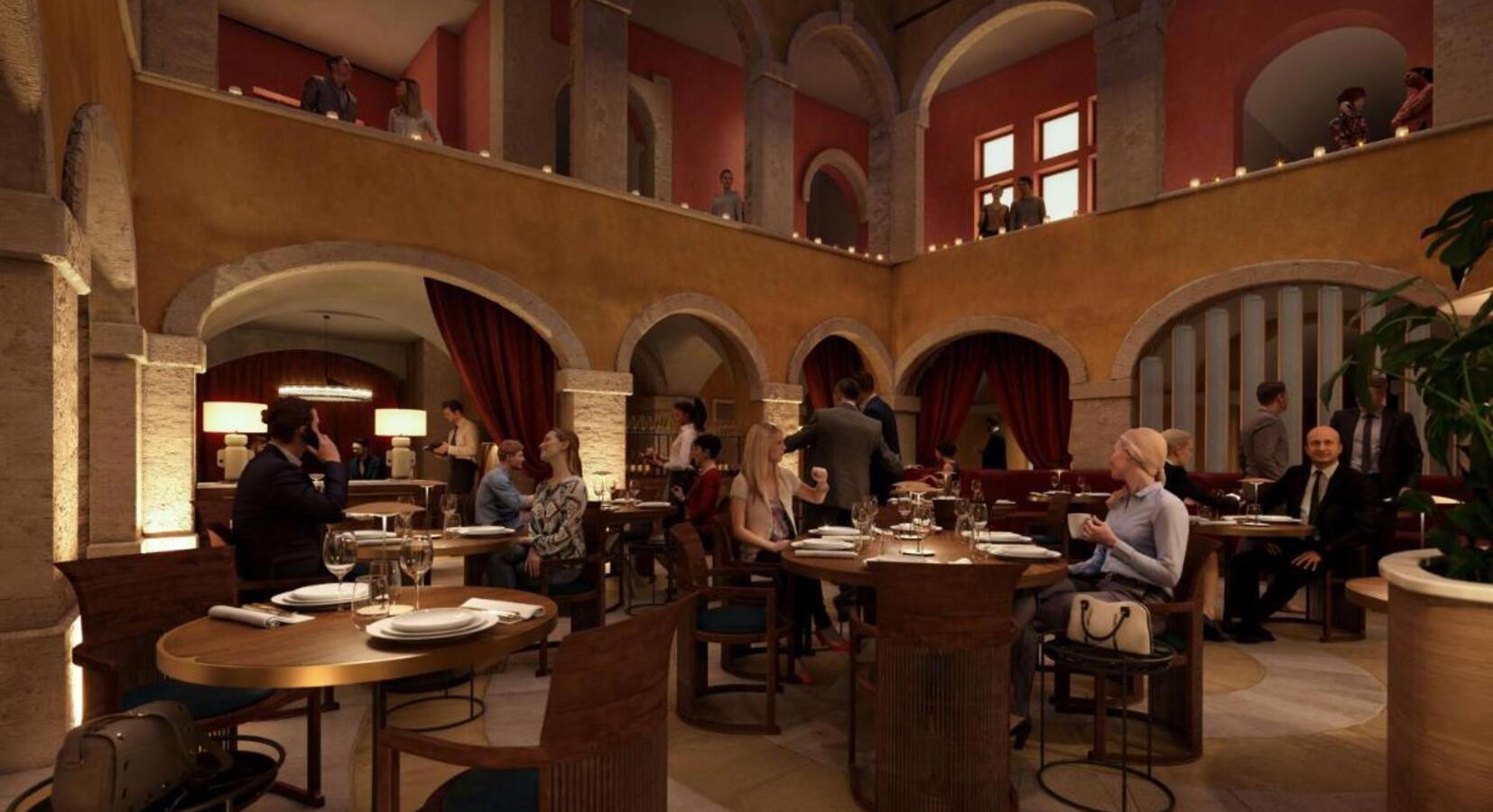
Restaurants in Chaponost
Browse all →
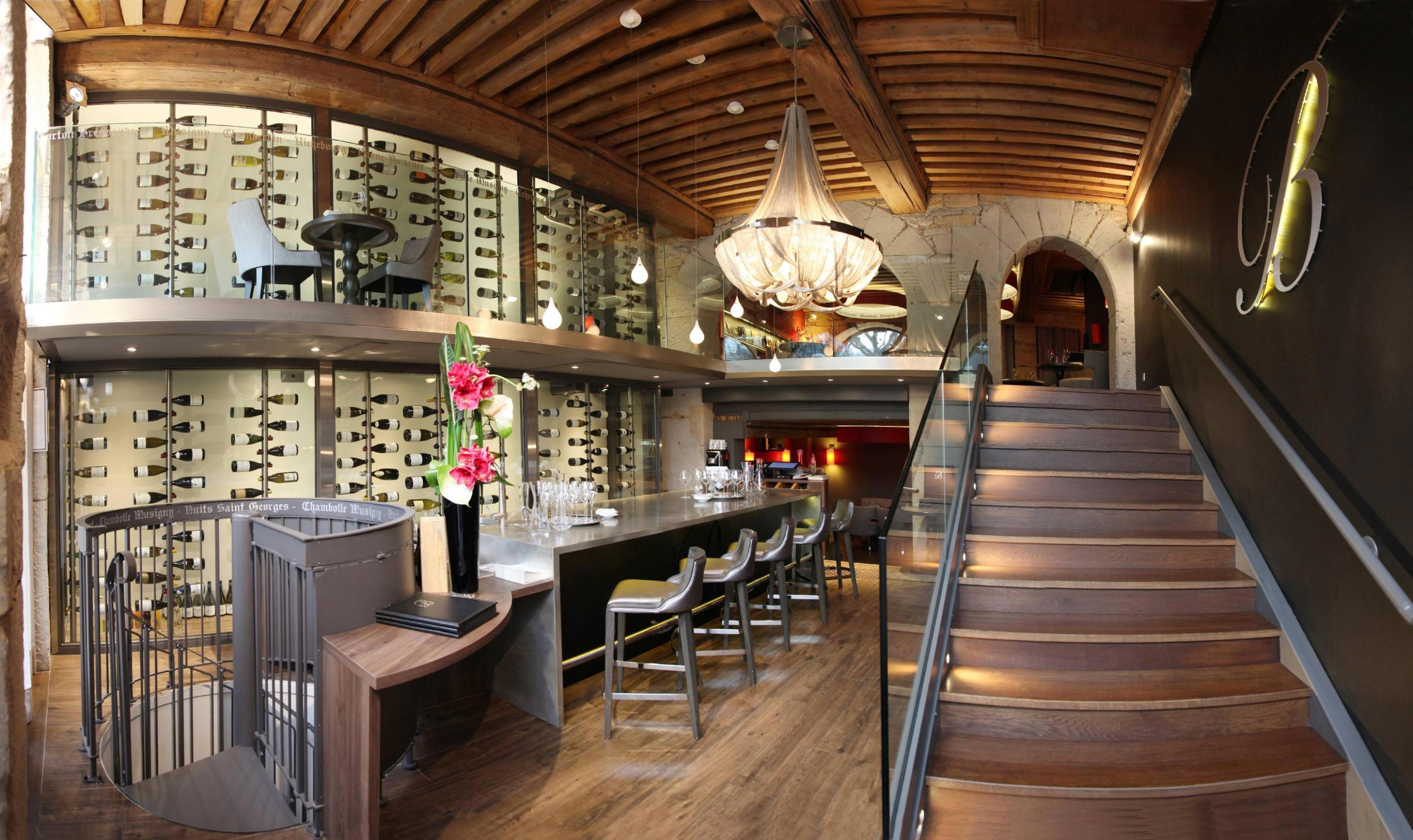
Bars in Chaponost
Browse all →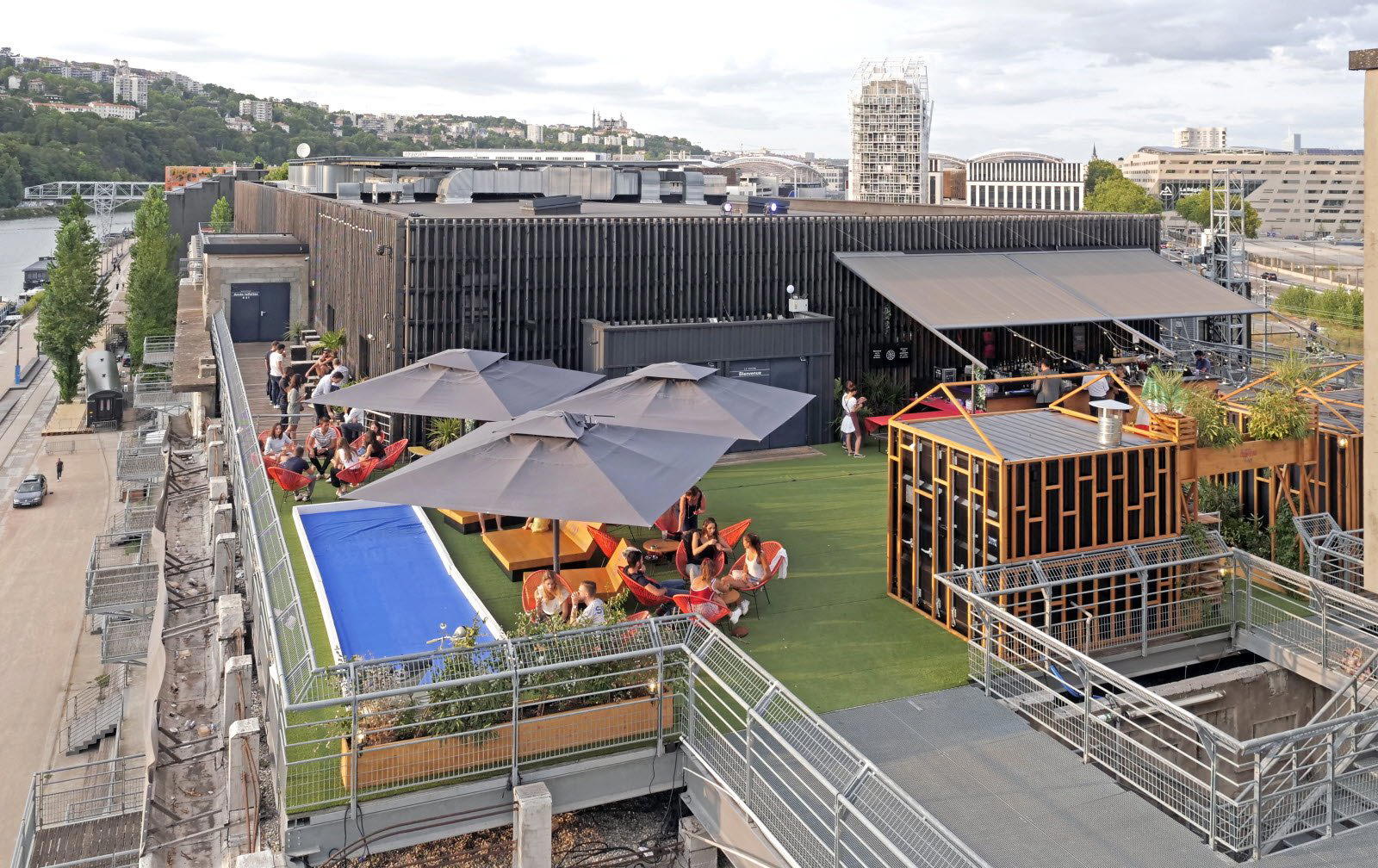
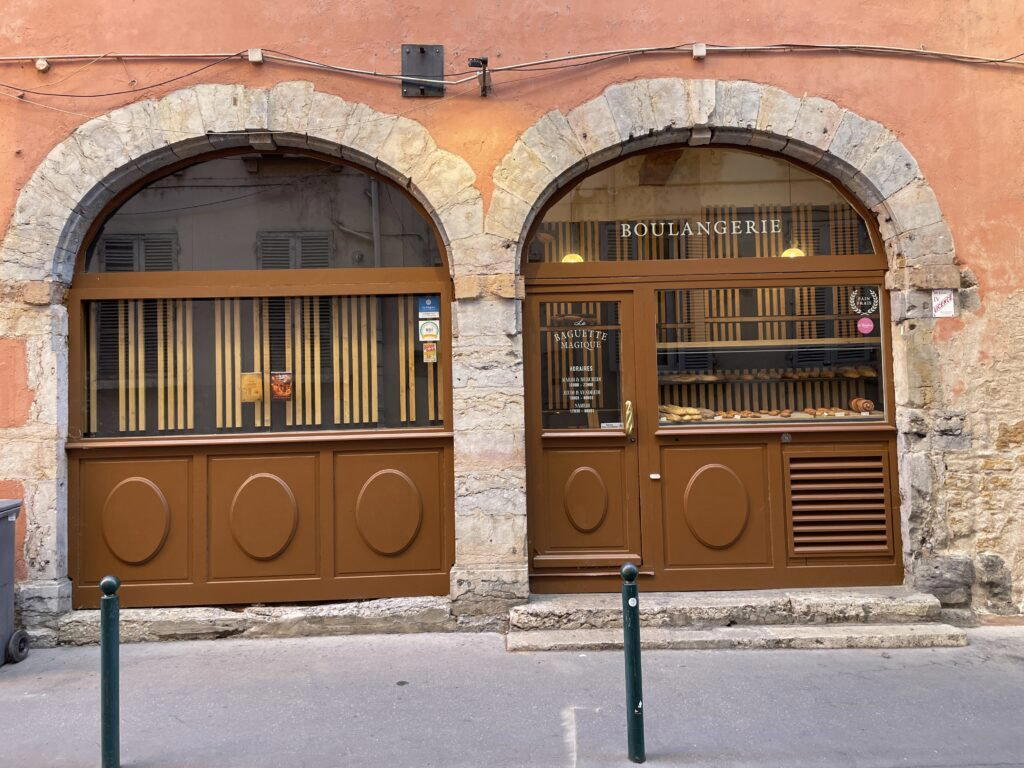
Hotels in Chaponost
Browse all →
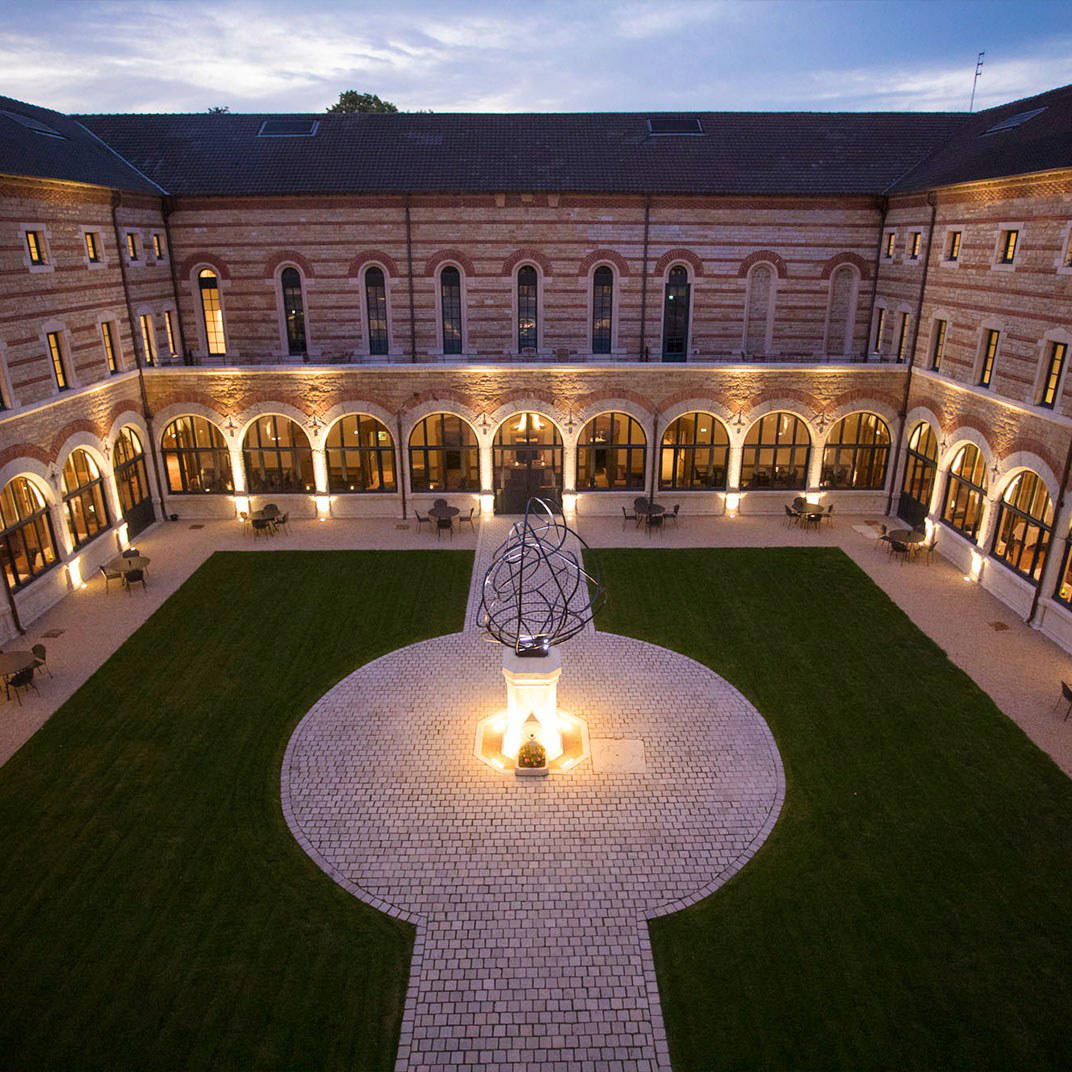
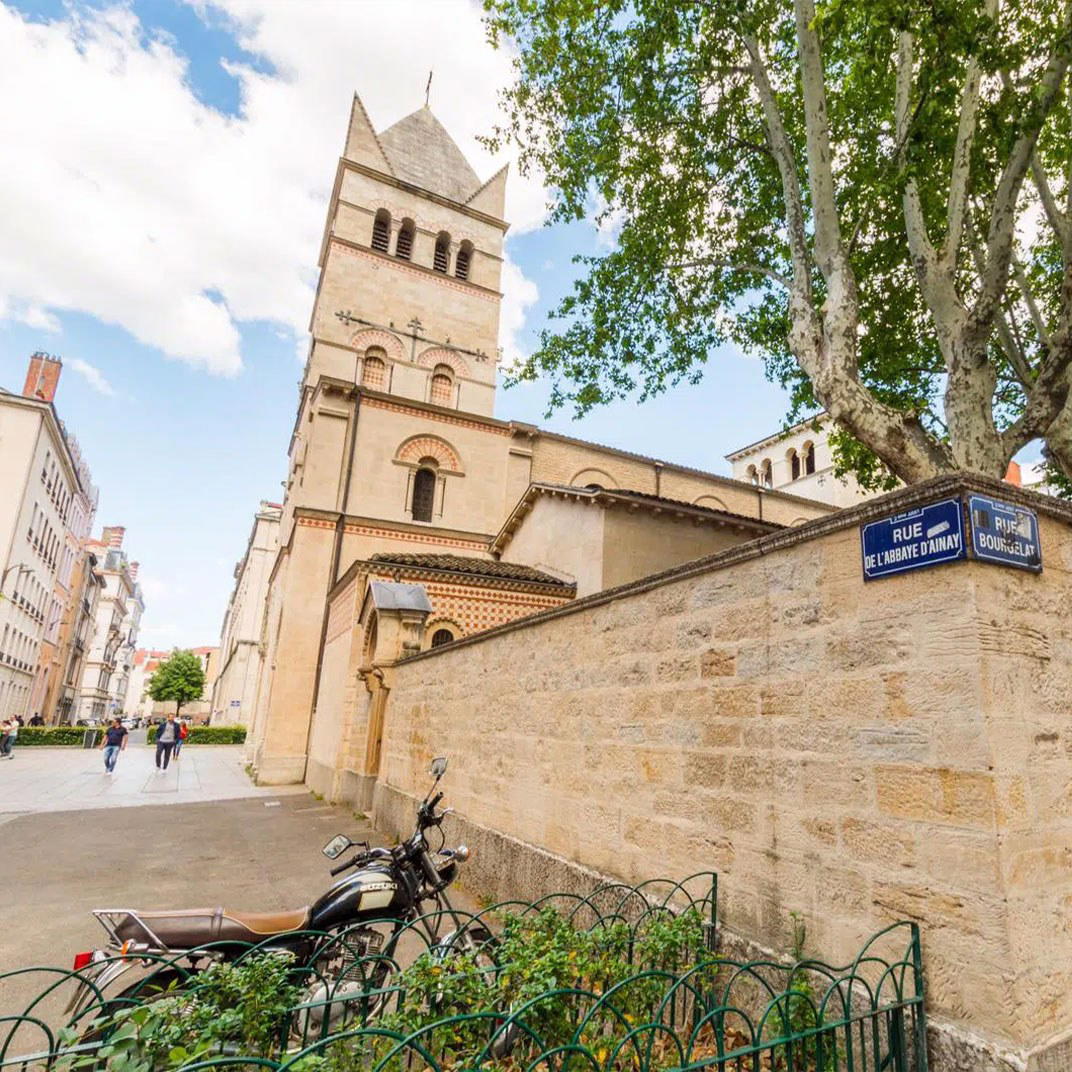
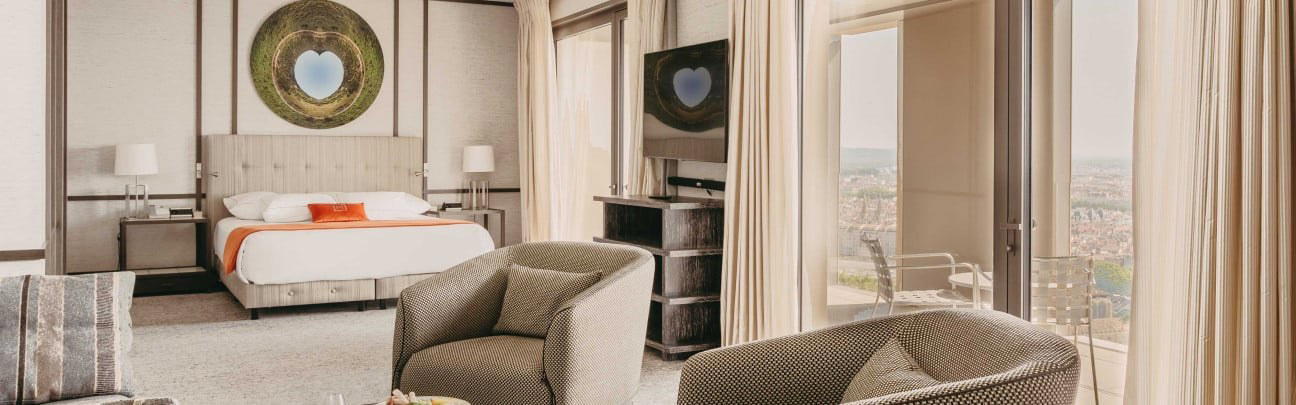
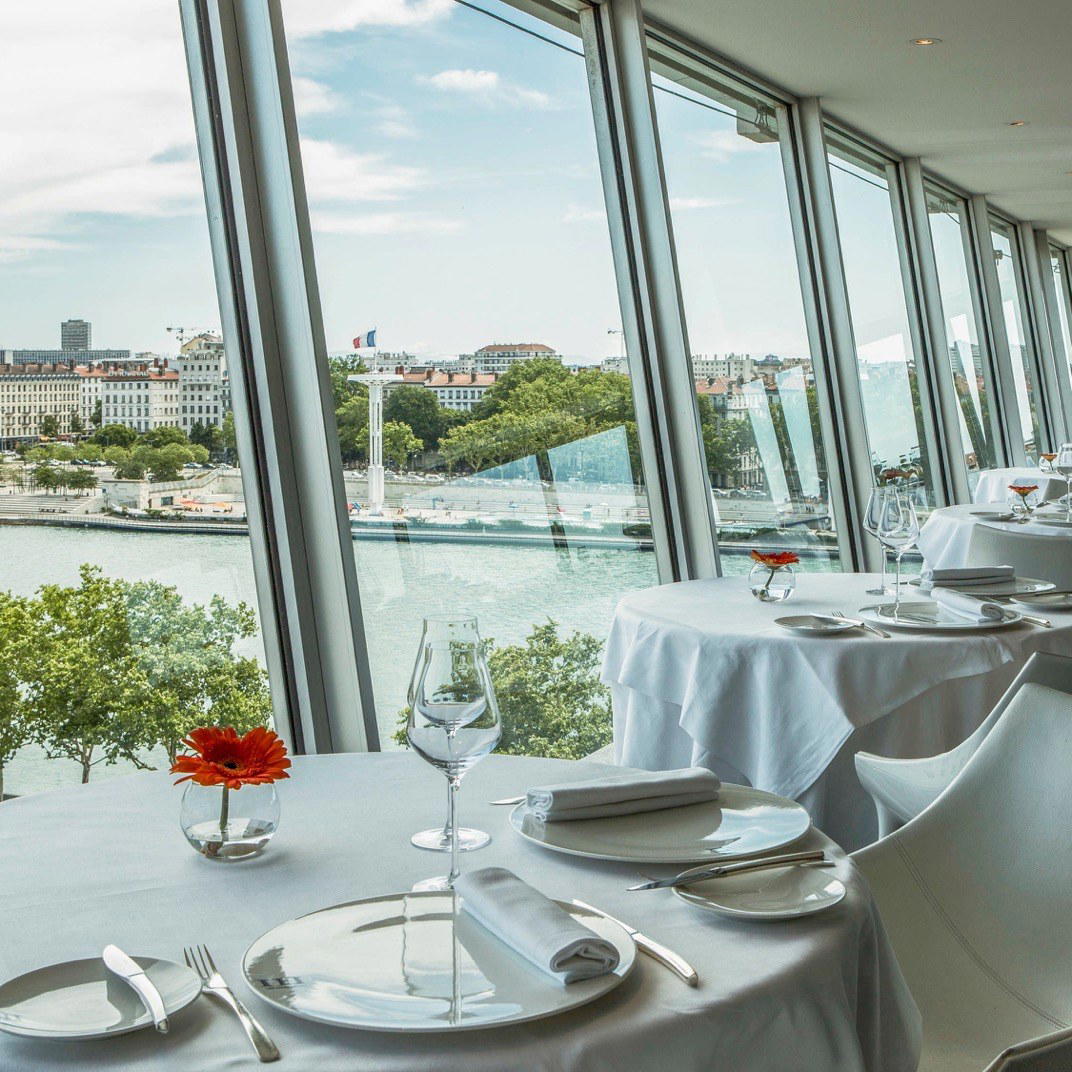

La Forêt Noire
The wine
- Wine program
- Curated wine list
- Extensive wine list
Details
- Elegant
- Sophisticated
- Classic
- Date Night
- Business Dinner
- Group Dining
- Special Occasion
- Private Dining
- Extensive Wine List
- Local Sourcing
- A La Carte
Current opening hours
- Monday
- 12–2 PM, 7–11 PM
- Tuesday
- 12–2 PM, 7–11 PM
- Wednesday
- 12–2 PM, 7–11 PM
- Thursday
- 12–2 PM, 7–11 PM
- Friday
- 12–2 PM, 7–11 PM
- Saturday
- 12–2 PM, 7–11 PM
- Sunday
- 12–2 PM, 7–11 PM
Hours can change for holidays and private events. Last verified .
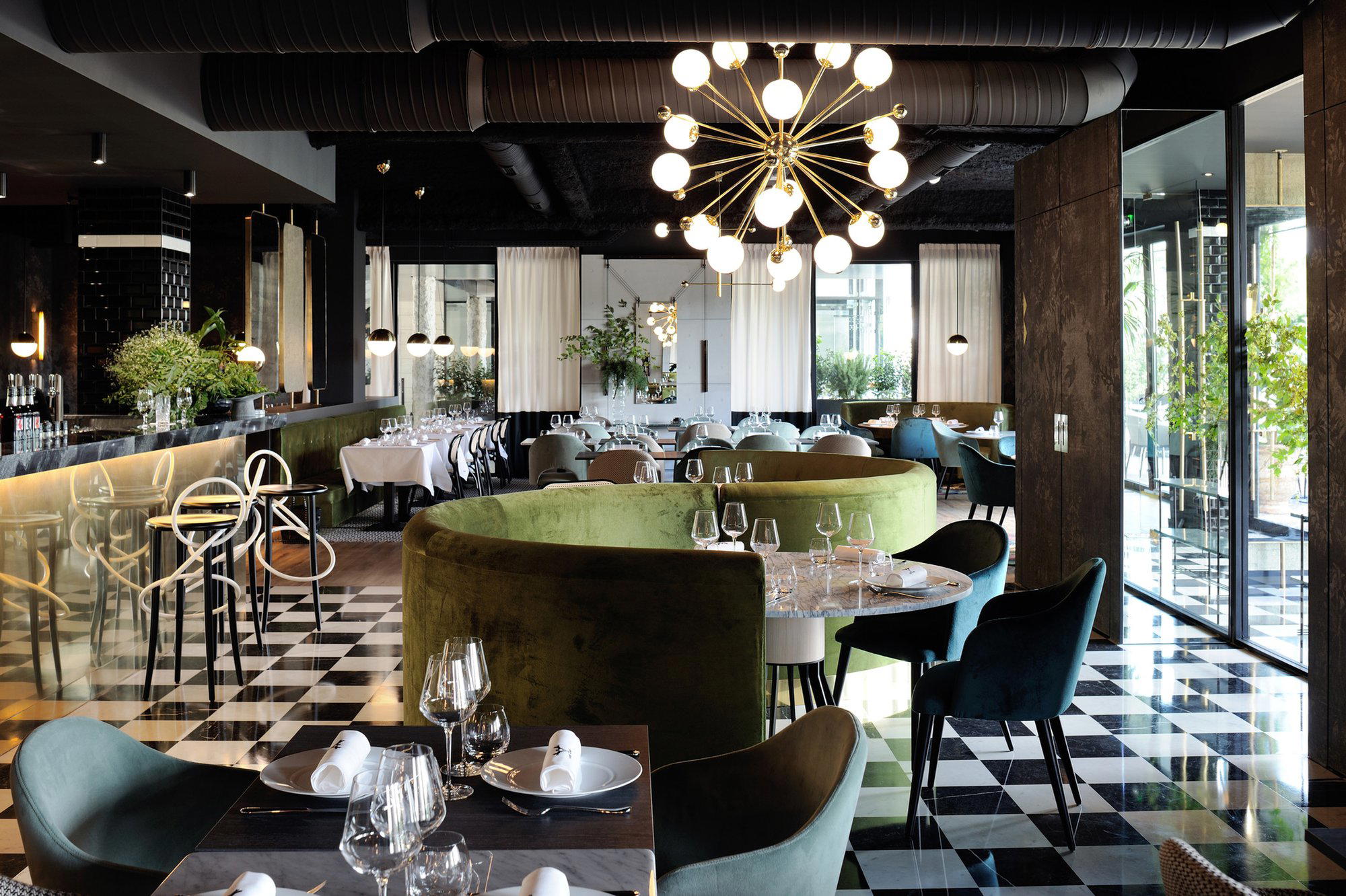
Sophisticated neo-Art Déco interior with marbled floors, dark walls, clean lines, industrial piping, and 1930s furniture; some guests note it as slightly dark but chic and cozy.