

1 Michelin Star · Gault & Millau Remarkable Restaurant
Our verdict
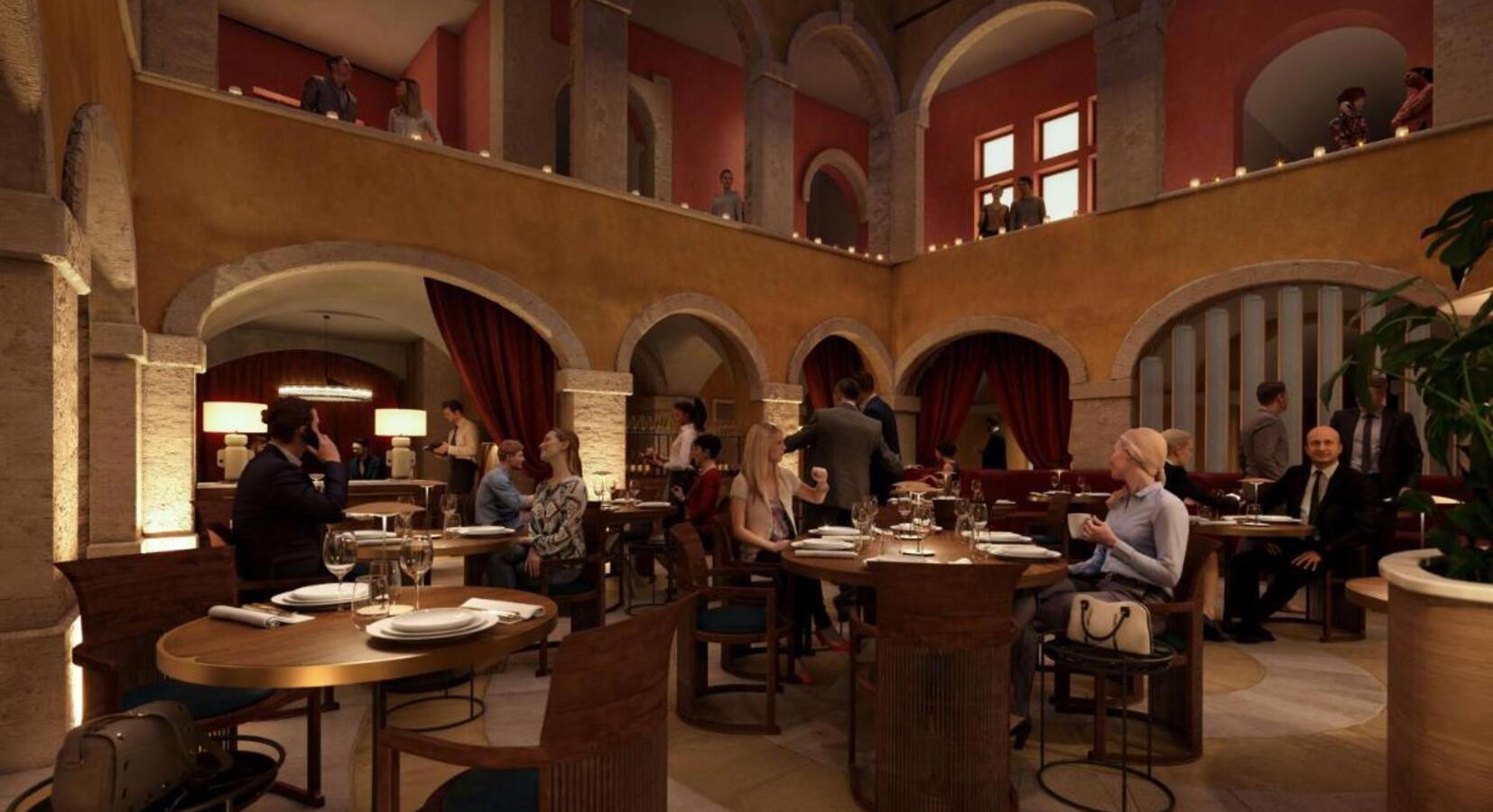
Tucked within a Renaissance courtyard in Lyon's Vieux-Lyon district, Les Loges occupies one of the city's most architecturally striking dining settings. The restaurant holds an EP Club 'Remarkable' designation and draws on the deep culinary traditions of a city that has long set the standard for French gastronomy. For visitors planning ahead, it sits in the upper tier of the Old Town's serious dining options.

Pearl is the En Primeur Club membership app, where members save venues, book tables and use the concierge.
The menu
What to order
- Pigeonneau de la ferme Ollanier
- Omble chevalier confit au cacao
A Renaissance Frame for Serious French Cooking
Vieux-Lyon's 5th arrondissement is one of the most concentrated pockets of Renaissance architecture outside Italy, and the traboules, those covered passageways threading between stone courtyards, have a particular quality of acoustic stillness that the rest of the city doesn't offer. Rue du Bœuf sits at the heart of this district, where cobblestones muffle the ambient noise of the broader city and the verticality of the buildings creates a sense of enclosure that feels less like a neighbourhood and more like a stage set. Dining here carries a physical register before a meal even begins.
Les Loges occupies a courtyard within this fabric, and the architectural context is not incidental to the experience. The layered stone galleries, the proportions inherited from the 16th century, and the interplay of interior and exterior space all shape the atmosphere in ways that no modern room can replicate. In a city that takes dining seriously, and Lyon takes dining more seriously than almost anywhere in France, setting of this specificity carries weight. It signals where a restaurant positions itself, and at Les Loges, that positioning is clear: this is the upper bracket of Vieux-Lyon's dining scene, where the physical frame and the kitchen's ambition are expected to match.
Where Les Loges Sits in Lyon's Dining Hierarchy
Lyon's restaurant culture operates on a logic that differs from Paris. The city has fewer mega-temples and more serious mid-tier tables where craftsmanship matters more than spectacle. At the leading end, destinations like La Mere Brazier carry the weight of historical lineage, the house that trained a generation of chefs who shaped modern French cooking. At the contemporary edge, Le Neuvième Art and Takao Takano push into creative territory that earns Michelin recognition. Les Loges occupies a different position: it holds an EP Club 'Remarkable' designation, placing it in a curated tier of tables that merit specific attention from a well-travelled diner rather than the casual visitor.
Within Vieux-Lyon specifically, options at this level are relatively rare. The Old Town's streets carry more tourist traffic than the 1st or 6th arrondissements, and the serious dining options that survive here tend to do so because their setting or their cooking, ideally both, justify the premium. Les Loges holds its position through the combination of a room that no other address in the city can reproduce and cooking that takes the setting's ambitions seriously.
For comparison across the Lyon scene, Au 14 Février and Burgundy by Matthieu represent the creative and regionally-rooted strands of mid-to-upper dining in the city. Each operates on a different logic. Les Loges, by contrast, offers something neither can: the particular authority that comes from a Renaissance courtyard setting in the most historically dense part of the city.
The Sensory Register of the Space
The physical experience of a Renaissance loggia structure operates differently from a conventional restaurant room. The covered galleries allow views into the courtyard, which means light changes with the season and the hour in ways that fixed interior rooms never do. In spring and early summer, the evening light hits the stone at an angle that shifts from warm ochre to grey-blue across a two-hour meal. In winter, the courtyard takes on a more enclosed, lantern-lit quality that the architecture handles well: the stone absorbs rather than reflects, and the room becomes more intimate as the temperature drops outside.
Sound behaves differently here too. The proportions of a courtyard structure tend to soften ambient noise in ways that purpose-built modern rooms manage only through expensive acoustic engineering. Conversations carry without effort, and the background register is architectural, the low echo of stone, rather than the managed white noise of a contemporary fit-out. For a long dinner at a serious table, this matters more than most diners consciously register.
Within the broader French fine-dining circuit, experiences that place this much emphasis on physical context tend to cluster at the very highest level: Alléno Paris au Pavillon Ledoyen in the 8th arrondissement uses its Second Empire pavilion setting to similar effect, and Mirazur in Menton leans heavily on the physical drama of its cliff-leading position. Les Loges makes the same argument from different architectural materials: history as atmosphere, stone as sensory context.
Lyon as a Reference Point for French Gastronomy
Lyon's claim to be France's gastronomic capital is longstanding and not without substance. The city's bouchon tradition, its proximity to the Bresse poultry region and the Rhône Valley's produce, and its historical role as a crossroads between Paris, the Alps, and the Mediterranean have shaped a food culture of specific depth. The lineage runs from the mères lyonnaises through Paul Bocuse and outward to the generation of chefs now working across the region, including tables like Troisgros in Ouches, Flocons de Sel in Megève, and Bras in Laguiole, all of which sit within the broader orbit of this regional cooking tradition.
Within the city itself, dining at the level Les Loges occupies means engaging with that tradition from a specific vantage point: a historic building in the oldest part of the city, where the physical layers of Lyon's past are most visible. That kind of sustained rating at this end of the market is a more reliable signal than a single critical moment.
For those building a broader Lyon itinerary, the EP Club's full Lyon restaurants guide maps the city's dining options across price points and styles. The Lyon hotels guide, Lyon bars guide, Lyon wineries guide, and Lyon experiences guide cover the rest of the city's offer at the same editorial standard. For comparison with French fine dining at the highest international level, Le Bernardin in New York City and Atomix represent the kind of sustained critical recognition that contextualises what the best of the market looks like globally.
Know Before You Go
- Address: 6 Rue du Bœuf, 69005 Lyon, France
- District: Vieux-Lyon, 5th arrondissement
- Timing note: Spring and early summer evenings offer the most distinctive courtyard light; winter service takes on a more enclosed, intimate character
Frequently asked questions
What distinctions does Les Loges have?
Les Loges has received recognition including: Category: Remarkable.
What's the signature dish at Les Loges?
What the venue's 'Remarkable' designation does signal is a kitchen operating at a level where the cooking earns attention independently of the setting, which, in Lyon's competitive mid-tier, is a meaningful bar. The 5th arrondissement address on Rue du Bœuf places it squarely in serious-dining territory rather than tourist-circuit fare.
Where is Les Loges located?
Les Loges is located at 6 Rue du Bœuf, 69005 Lyon, France, Lyon.
How far ahead should I plan for Les Loges?
Les Loges holds an EP Club 'Remarkable' designation and sits in one of Vieux-Lyon's most architecturally sought-after corridors, which draws both local regulars and visitors with short windows. Booking two to three weeks ahead is a reasonable baseline, though weekend tables in peak season warrant more lead time. Confirm directly via the venue before finalising travel plans.
What's Les Loges best at?
The case for Les Loges rests on two things working together: a Renaissance loggia setting in the 5th arrondissement that few Lyon restaurants can match structurally, and French cooking that carries an EP Club 'Remarkable' rating on its own merits. In a city where dining credibility is hard-won and the bouchon tradition sets a high floor for honest cooking, that combination positions Les Loges above the architectural-novelty tier.
Nearby-ish Comparables
Comparable venues nearby, for context on price, style, and recognition.
| Venue | Cuisine | Price | Awards | Notes |
|---|---|---|---|---|
| Les LogesThis venue (the venue you are viewing) | Modern French Fine Dining | $100–150 | 1 Michelin Star · Gault & Millau Remarkable Restaurant | Not listed |
| Cuisine et Dépendances | Modern French Gastronomy | $50–100 | Not listed | Quartier Bellecour Carnot |
| La Table d'Ambre | French Gastronomic | $50–100 | Not listed | Quartier Bellecour Carnot |
| La Table de Max | French Beef & Lobster Bistro | $50–100 | Not listed | Quartier Guillotière |
| Les Apothicaires | Modern French Bistro with Scandinavian & Brazilian Influences | Not listed | Not listed | Quartier Saxe Roosevelt |
| La Rotonde | Classical French Fine Dining | $100–150 | Not listed | Quartier Saint-Exupéry |
Recognition history
Dated appearances from independent guides and award organizations, with the underlying list record or original source where available.
Michelin 1 Star
Michelin
Gault & Millau Remarkable Restaurant
Gault & Millau
Continue exploring
More in Lyon
Restaurants in Lyon
All restaurants in Lyon →
Bars in Lyon
All bars in Lyon →
Hotels in Lyon
All hotels in Lyon →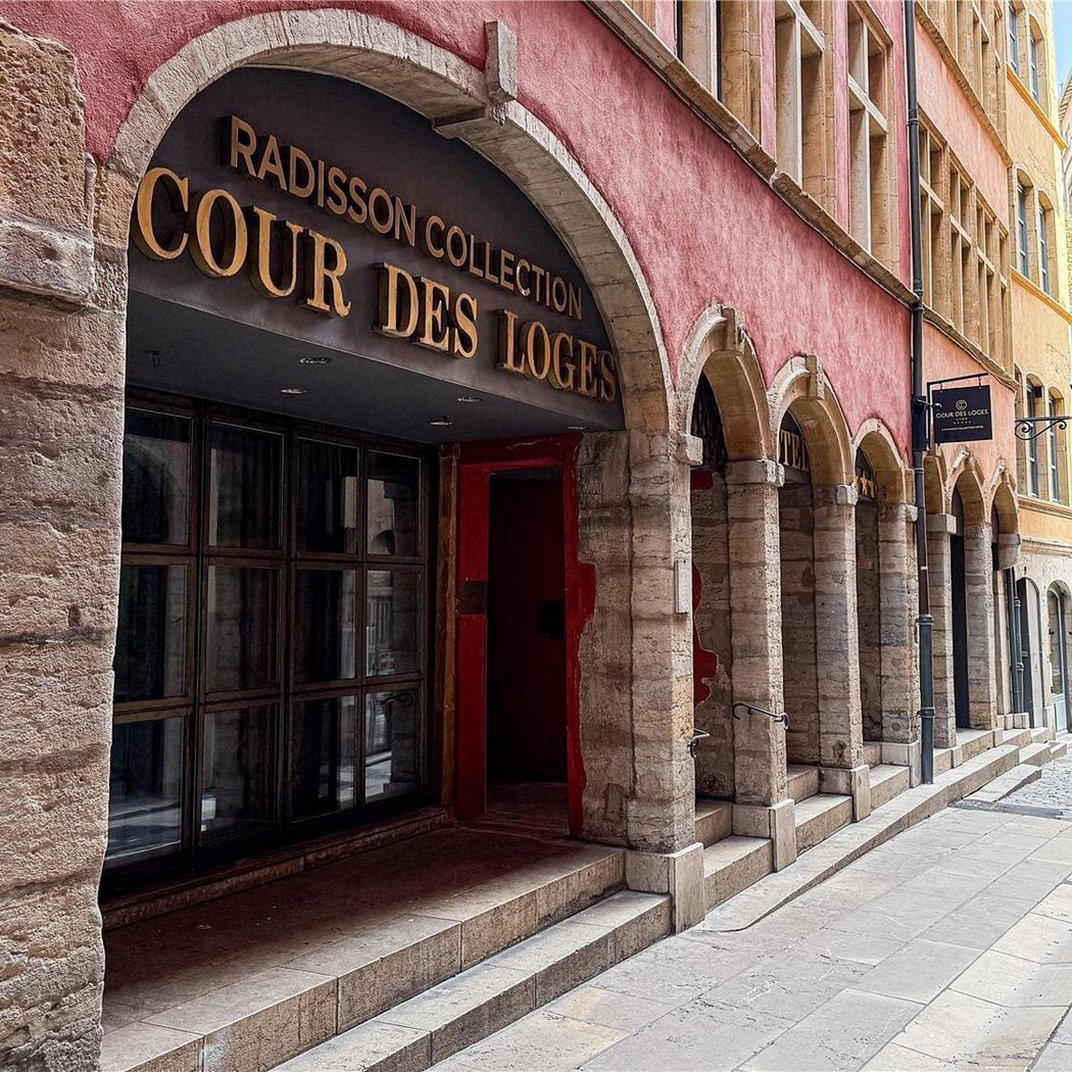
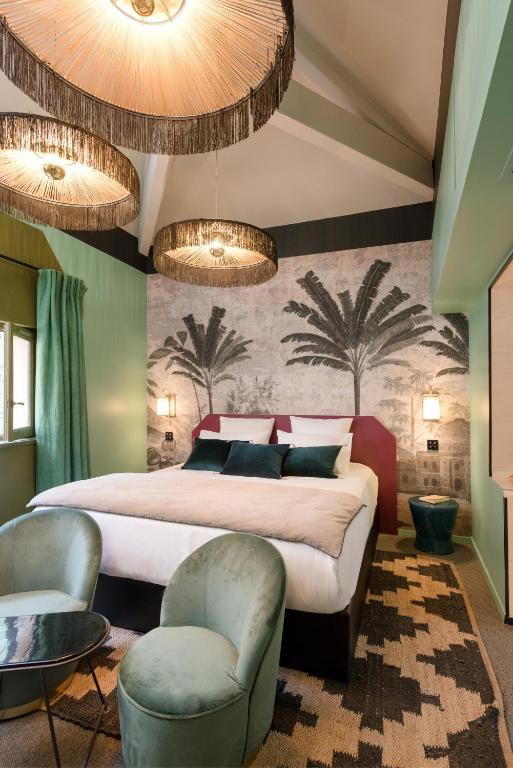
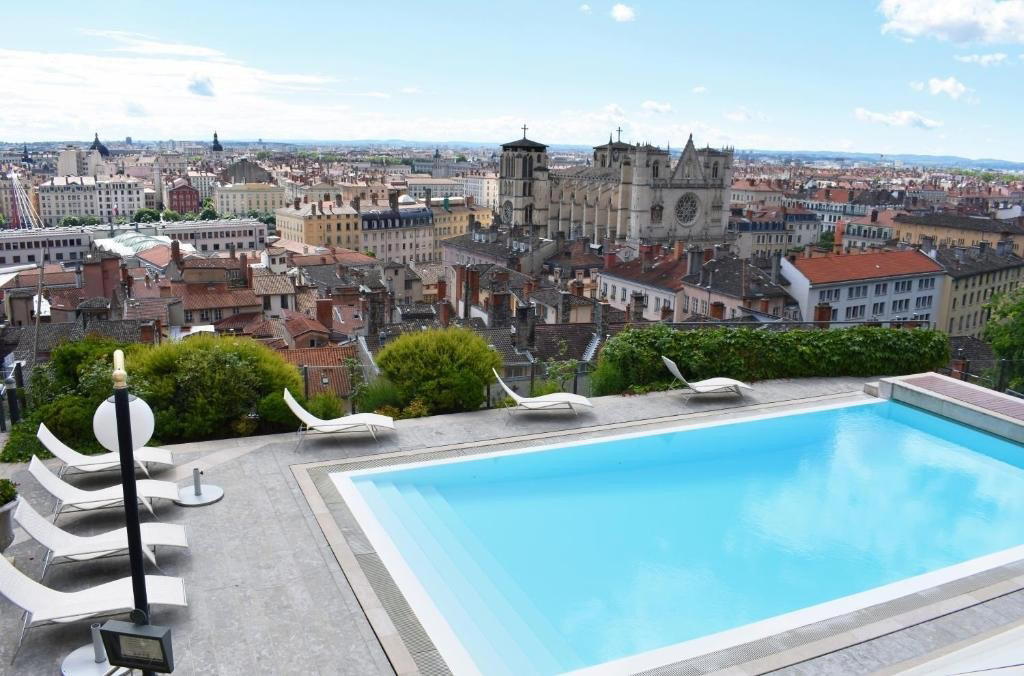
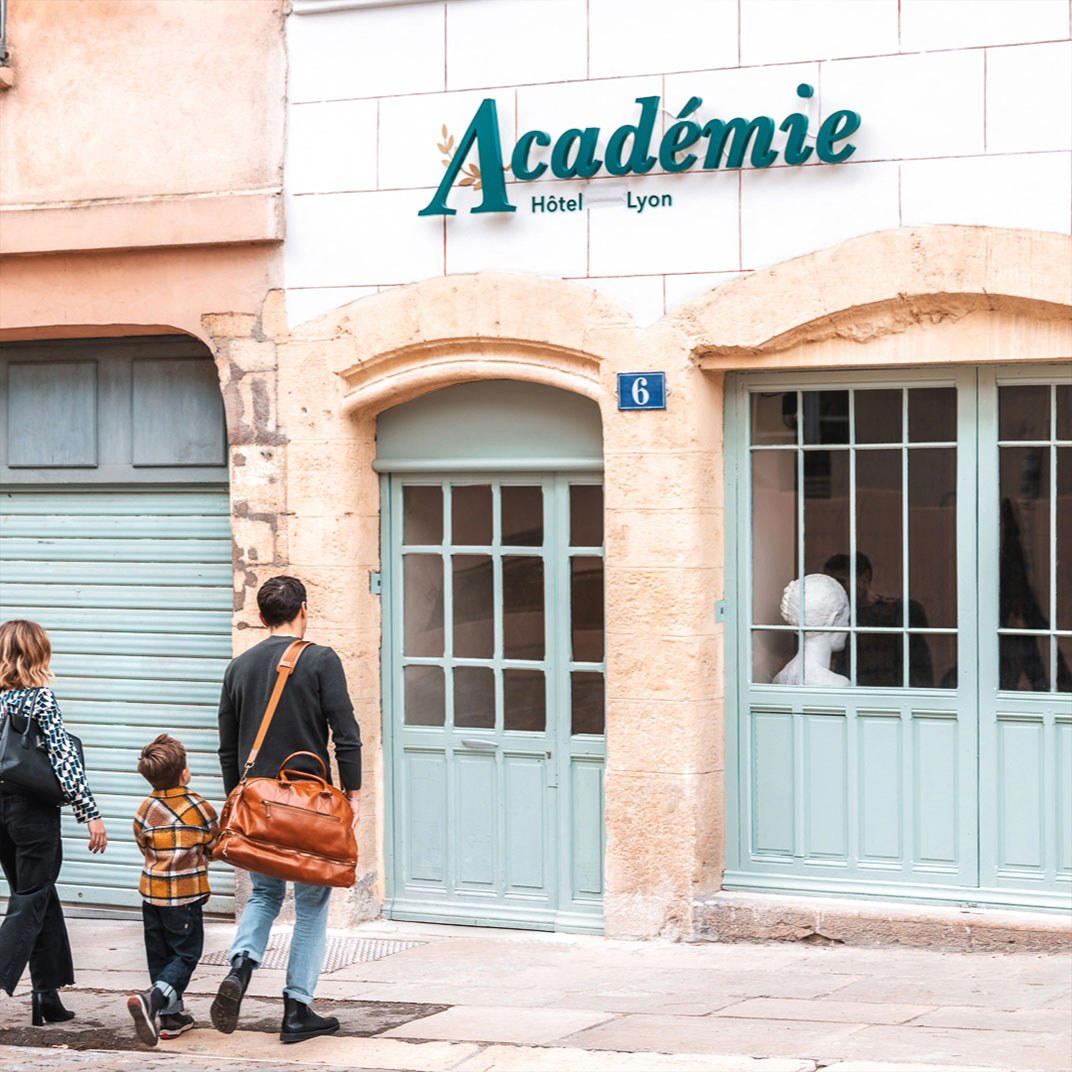
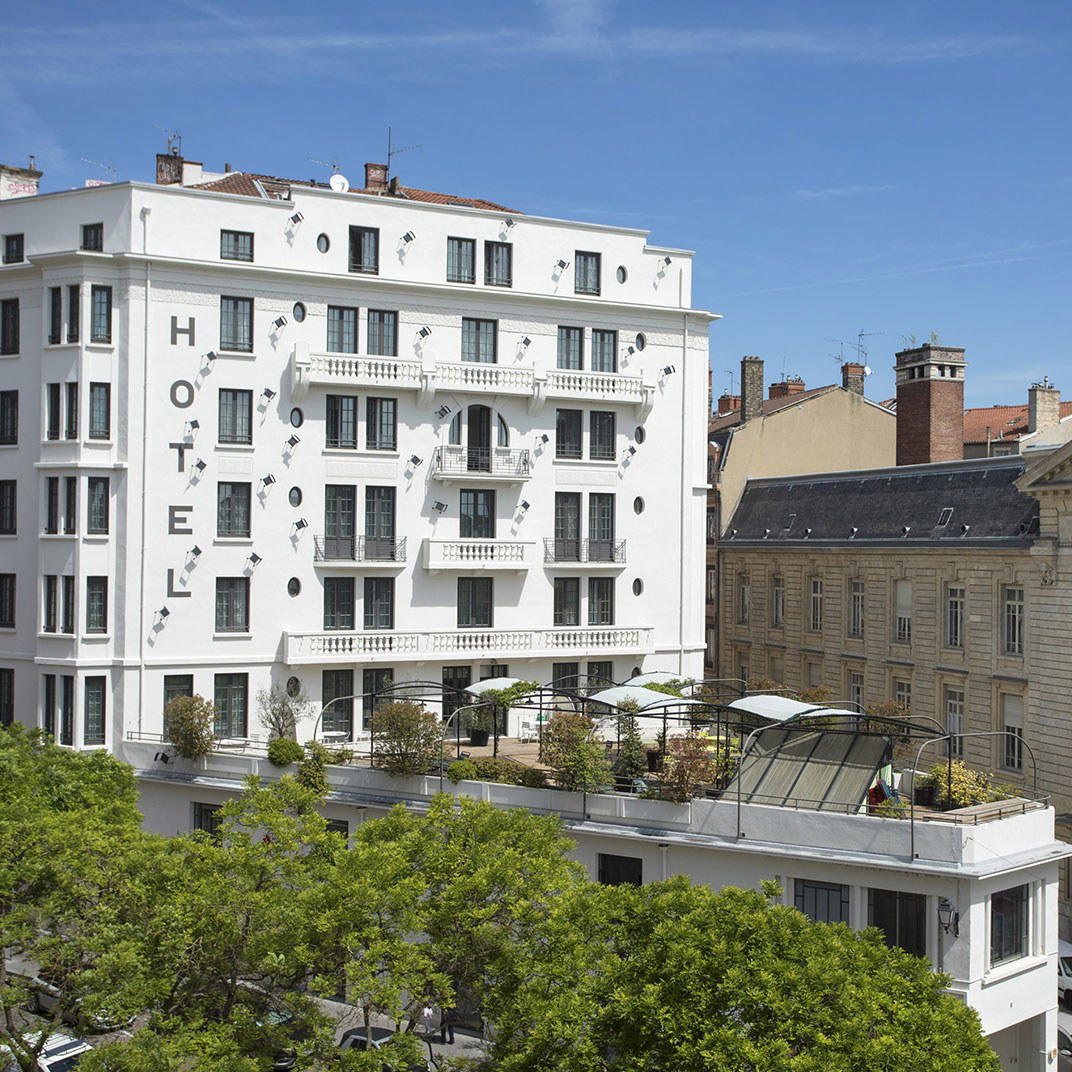

Les Loges
The wine
- Wine program
- Deep wine list
- Extensive wine list
- Sommelier-led
Details
- Romantic
- Elegant
- Sophisticated
- Intimate
- Classic
- Date Night
- Special Occasion
- Business Dinner
- Hotel Restaurant
- Private Dining
- Historic Building
- Extensive Wine List
- Sommelier Led
- Local Sourcing
- Tasting Menu
- Vegetarian Friendly
- Allergy Accommodating
Current opening hours
- Monday
- Closed
- Tuesday
- 7–9 PM
- Wednesday
- 7–9 PM
- Thursday
- 7–9 PM
- Friday
- 7–9 PM
- Saturday
- 7–9 PM
- Sunday
- Closed
Hours can change for holidays and private events. Hours as of .
Magical Renaissance courtyard with marble flooring, soft candlelight, crystal chandeliers, and a soaring contemporary glass verrière creating a tranquil, mystical atmosphere.