

Guía Repsol 3 Soles · We're Smart World 1 Radish
Our verdict
La Finca sits on the agricultural edge of Elche, where Chef Susi Díaz has built one of Spain's more quietly serious fine-dining addresses. Recognised by We're Smart for its commitment to sustainability and vegetable-forward cooking, the kitchen draws heavily on the produce of the Valencian interior while the sea remains a persistent influence. It belongs in the same conversation as Spain's leading creative houses, but on its own geographic and philosophical terms.

Pearl is the En Primeur Club membership app, where members save venues, book tables and use the concierge.
The menu
What to order
- Origen tasting menu
- Lomo de lubina con salsa de champagne
- Pichón a la brasa
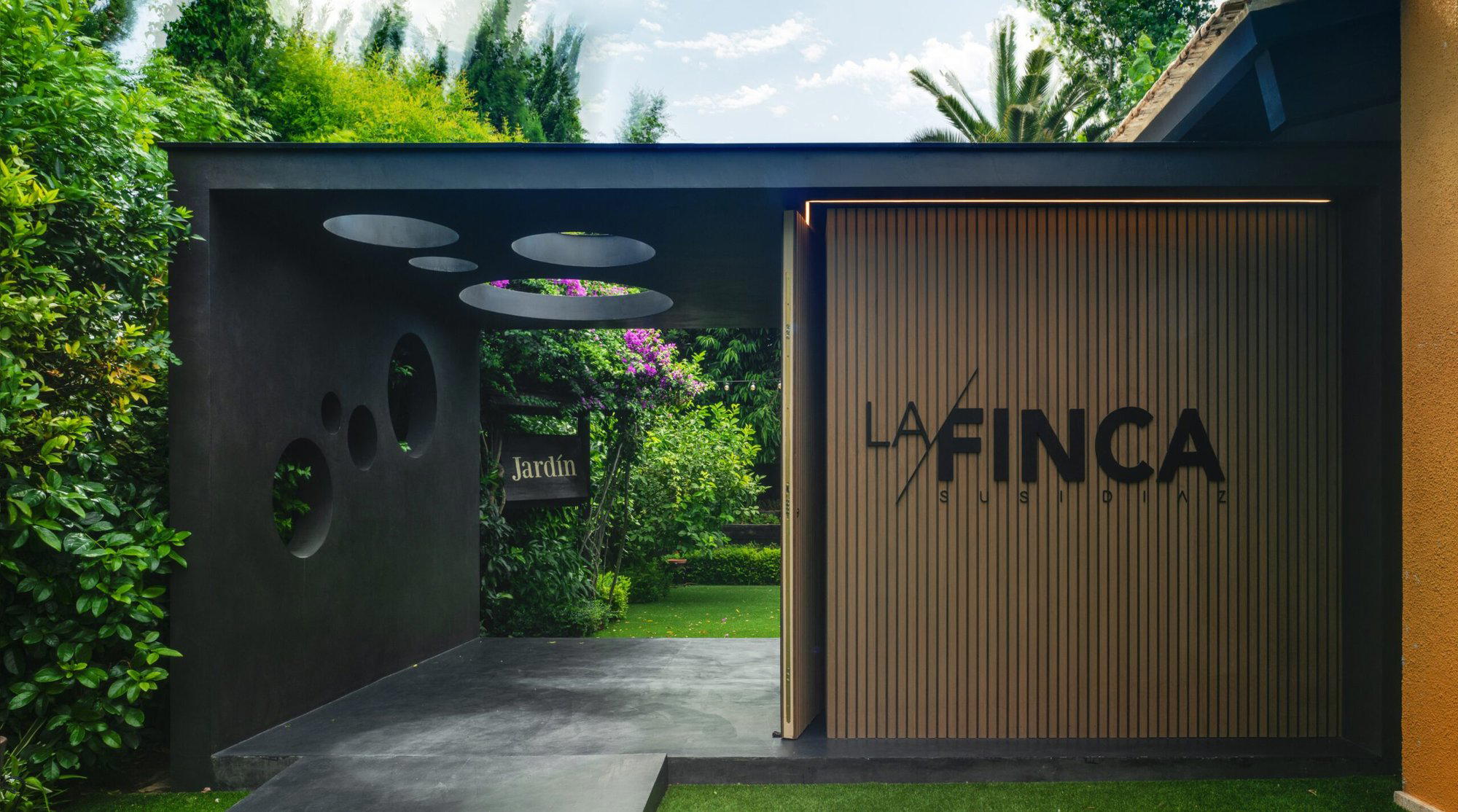
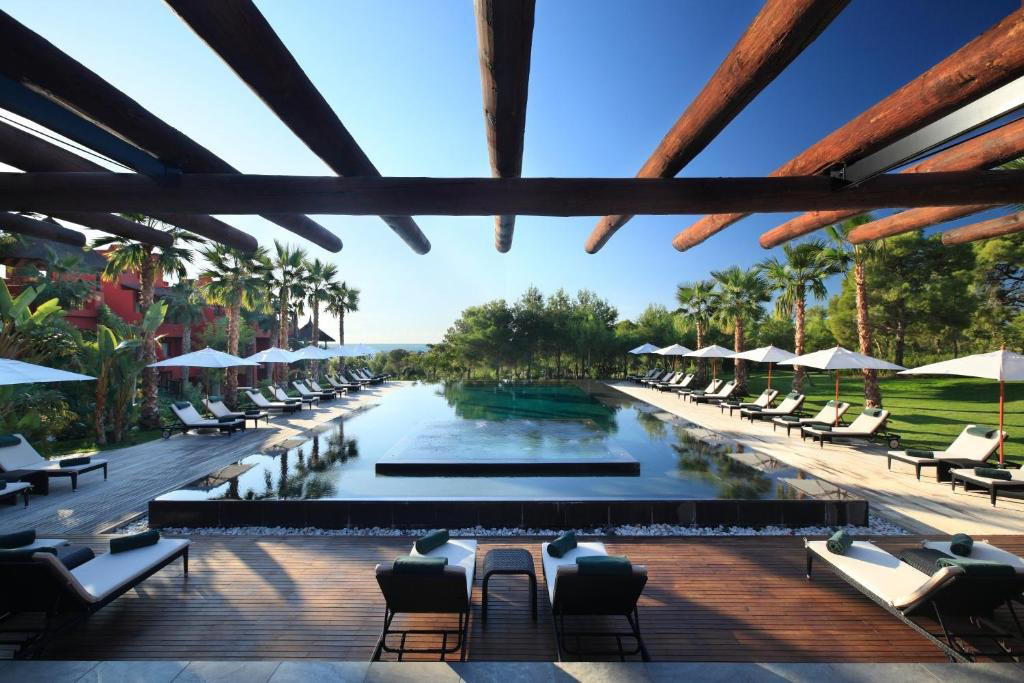
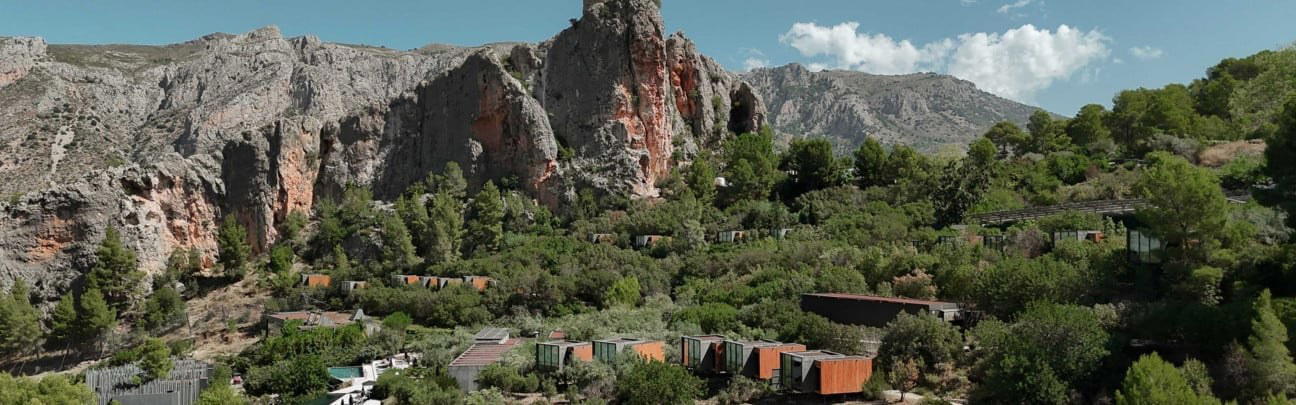
The approach to La Finca sets the register before you reach the door. The property sits along the Camí de Perleta, on the agricultural fringe of Elche where irrigated farmland gives way to palm groves and the urban edge dissolves. There is no theatre in the arrival, no city-block buzz, no doorman spectacle, just a quiet transition from road to terrace that signals you are somewhere operating at its own pace. That spatial remove is not incidental. It is the material argument the kitchen makes before the first dish lands.
Where the Food Comes From
Spain's leading creative restaurants tend to cluster around either a coast or a specific agricultural region, and they tend to be vocal about the connection. La Finca sits in one of the more compelling intersections of both: the Valencian southeast, where the huerta, the irrigated smallholder plots that have sustained this coastline for centuries, produces vegetables, citrus, and legumes of consistent depth, while the Mediterranean is close enough that sea ingredients arrive at the kitchen with minimal transit time. That geography is the editorial spine of the menu.
We're Smart, the independent guide that tracks restaurants for their vegetable sourcing and sustainability credentials, recognised La Finca specifically for concrete reductions in its ecological footprint, not as a rhetorical commitment but as a measurable operational shift. The guide's commentary noted that vegetables now hold a prominent place on the plate, even as sea influences continue to shape many preparations. That dual identity, land-sourced restraint alongside coastal instinct, is what separates the kitchen from the purely pescatarian creative houses of the Spanish south, and equally from the full vegetable-tasting format that We're Smart indicated La Finca is positioned to reach.
For context, the southern Spanish coastline has produced some of Europe's most technically ambitious seafood cooking. Aponiente in El Puerto de Santa María and Quique Dacosta in Dénia both built their reputations on marine ingredients processed through progressive technique. La Finca shares that coastal DNA but works a wider ingredient palette, pulling the Valencian interior into the conversation through produce that does not always make it to the more sea-fixated kitchens further south or north. That positioning is earned rather than marketed.
The Chef in Context
Spain's fine-dining tier has historically been dominated by male chefs, Adrià, Berasategui, Dacosta, Roca, and the structural reality of that list still shapes how the industry allocates attention and press coverage. Chef Susi Díaz operates inside that tier but has built her reputation on different terms. We're Smart described her as a role model for younger chefs and noted a career of considerable length and consistent respect within the profession. The significance of that standing is partly generational and partly structural: Spain's most recognised creative houses, Arzak in San Sebastián, Azurmendi in Larrabetzu, El Celler de Can Roca in Girona, Martin Berasategui in Lasarte-Oria, are almost uniformly led by men. A female chef sustaining a destination-level creative kitchen in a secondary city, outside the Basque country and Catalan circuits that concentrate most of the industry's attention, is a structural outlier worth naming plainly.
The editorial vocabulary We're Smart applied, feminine, refined, creative, reads as a stylistic observation about the cooking register rather than a biographical note. What it points to is a kitchen that does not pursue spectacle for its own sake, that favours precision and legibility over maximalism. Compared to the confrontational abstraction of DiverXO in Madrid or the cerebral concept-heaviness of Mugaritz in Errenteria, this is cooking that remains in conversation with recognisable ingredients and regional identity, pushed toward refinement rather than rupture.
Design, Atmosphere, and the Pace of a Meal Here
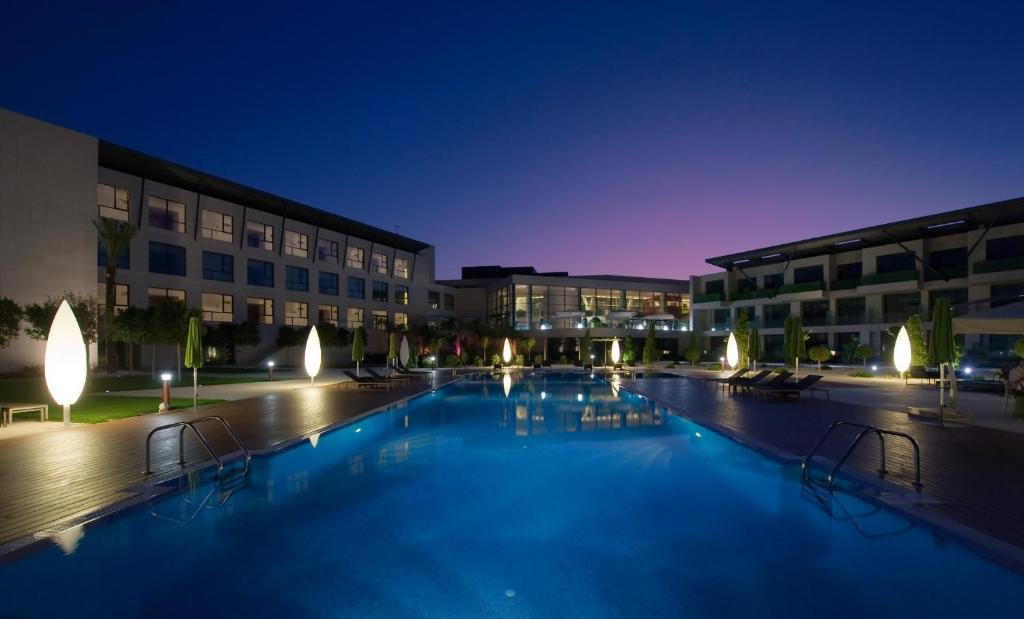
We're Smart noted that the property has undergone full evolution in both design and modernity, which in Spanish fine-dining terms typically signals a transition from a regional restaurant with creative ambition to a contemporary destination with architectural coherence. Properties at this tier in the Valencian region have generally invested in spaces that can hold their own against the dining rooms of Barcelona or San Sebastián: calm materials, considered light, a service pace that does not rush the gap between courses. La Finca, on agricultural land rather than a city block, has space to work with that urban addresses do not. The physical setting is part of what makes this a destination meal rather than a restaurant visit.
For readers thinking about how a meal here fits into broader time in the region, Elche is reachable from Alicante in under thirty minutes and sits close enough to the coast to pair with a day in the surrounding countryside or a morning in the city's palm grove UNESCO site, one of Europe's largest, and a detail that gives Elche a character distinct from the beach-resort belt nearby. Our full Elche (Alicante) restaurants guide covers the wider dining picture, and if you are building a longer stay, the Elche hotels guide and experiences guide give useful context for structuring the visit.
Where La Finca Sits in the Spanish Creative Tier
Spain's destination-restaurant circuit is unusually competitive by European standards. The kitchens that sit at the top of the market, Cocina Hermanos Torres in Barcelona, Ricard Camarena in València, Casa Marcial in Arriondas, each anchor their cooking to a specific geography, and they compete for a traveller audience that is making deliberate choices about where to eat within a finite trip. La Finca's argument for that audience rests on a combination of factors that are relatively rare in the Spanish southeast: a long-tenured chef with documented industry recognition, a sustainability programme with operational substance rather than messaging, and an ingredient story rooted in the Valencian huerta at a moment when vegetable-forward cooking is moving from trend to structural shift in premium dining.
We're Smart's observation that they anticipate La Finca moving toward a fully plant-based menu is not casual flattery. The guide stakes its credibility on vegetable-sourcing precision, and its confidence in this kitchen's trajectory is a meaningful signal about where the cooking is headed. Readers booking now are doing so at a point of transition, the menu still shows strong sea influence, but the direction is established and the kitchen's capacity to execute in that register is not in question.
For those already tracking Spain's creative dining circuit internationally, the relevant comparison set is not Le Bernardin in New York, a kitchen where seafood technique is the governing logic, but rather the Spanish houses that use regional produce as a starting point for something more architecturally composed. That is the conversation La Finca is part of, from a city that does not always appear on the first-pass itinerary for international visitors to Spain's fine-dining tier. Elche's bar scene and surrounding wineries offer supporting reasons to extend the visit beyond a single dinner reservation.
Frequently asked questions
Is La Finca okay with children?
La Finca operates at the creative fine-dining level, which typically means extended tasting menus and a pace suited to adult guests. Families with older children who are comfortable at a formal table will likely find it manageable, but the format is not designed around younger diners. If in doubt, check the venue's official channels before booking.
What should I expect atmosphere-wise at La Finca?
We're Smart documented a full evolution in both design and modernity at the property, which places it in the company of Spanish fine-dining rooms that treat the physical space as seriously as the plate. Set on a rural address outside Elche at Camí de Perleta, the setting is away from the city, so the pace is deliberate and the surroundings quiet. Think considered, not performative.
What distinctions does La Finca have?
La Finca has received recognition including: What a beautiful place! A restaurant that has fully evolved in both design and modernity. Culinarily, everything is on point – feminine, refined, and creative. Chef Susi Díaz is a true role model for many young chefs. With a long-standing c….
What do people recommend at La Finca?
We're Smart singles out the seafood-influenced plates as the current strength of the menu, while also noting that vegetables hold a prominent place across the meal. Chef Susi Díaz's approach is described as feminine, refined, and creative, with a growing sustainability commitment shaping how ingredients are sourced and used. The kitchen's direction suggests the tasting menu is the format to book.
Comparison Snapshot
Comparable venues nearby, for context on price, style, and recognition.
| Venue | Cuisine | Price | Awards | Notes |
|---|---|---|---|---|
| La FincaThis venue (the venue you are viewing) | Creative Spanish Fine Dining | $150–200 | Guía Repsol 3 Soles · We're Smart World 1 Radish | Not listed |
| Aleño Brassafina | Modern Spanish grill & charcuterie | $50–100 | Not listed | Pozuelo de Alarcón |
| Sobretaula | Authentic Spanish Tapas | Not listed | Not listed | Punta Negra |
| El Baret de Miquel | Modern Spanish Tapas | $30–50 | Guía Repsol 1 Sol · Macarfi 7.8 Food Rating | Old Town Denia |
| Ca' Pepico | Traditional Valencian Paella & Mediterranean | $50–100 | Star Wine List | Roca, Meliana |
| Simposio | Contemporary Mediterranean | $50–100 | 1 Michelin Star · Guía Repsol 1 Sol | Outskirts |
Recognition history
Dated appearances from independent guides and award organizations, with the underlying list record or original source where available.
Guía Repsol 3 Soles
Guía Repsol
We're Smart World 1 Radish
We're Smart World
Continue exploring
More in Elche
Restaurants in Elche
All restaurants in Elche →
Bars in Elche
Browse all →
Hotels in Elche
Browse all →


Details
- Elegant
- Sophisticated
- Rustic
- Cozy
- Special Occasion
- Date Night
- Business Dinner
- Open Kitchen
- Garden
- Extensive Wine List
- Sommelier Led
- Farm To Table
- Organic
- Local Sourcing
- Garden
- Tasting Menu
- A La Carte
- Wine
- Vegetarian Friendly
- Vegan Options
- Gluten Free Options
Current opening hours
- Monday
- Closed
- Tuesday
- Closed
- Wednesday
- 1:30–3:30 PM
- Thursday
- 1:30–3:30 PM
- Friday
- 1:30–3:30 PM, 8:30–10:30 PM
- Saturday
- 1:30–3:30 PM, 8:30–10:30 PM
- Sunday
- 1:30–3:30 PM
Hours can change for holidays and private events. Hours as of .
Urban-contemporary decor in a charming rural finca with elegant, intimate private spaces and a relaxed yet sophisticated atmosphere.