


Michelin Plate · Guía Repsol 1 Sol · Macarfi 8.3 Food Rating
Our verdict
Monastrell sits beside the historic La Lonja del Pescado building on Alicante's marina, where chef María José San Román's cooking draws on the restaurant's own vegetable garden, Terramón, and the rhythms of local seasonal produce. Three tasting menus progress from regional to more gastronomic in ambition. The terrace looks out over the harbour. Michelin Plate recognition in 2024 and 2025.

Pearl is the En Primeur Club membership app — saves, bookings, and concierge access live there. Same editors, same standards.
- Address
- Av. del Almte. Julio Guillén Tato, 1, 03001 Alicante, Spain
- Phone
- +34 965 12 66 40
- Hours
- Mon–Tue ClosedWed 7:30 PM–12 AMThu–Sat 1:30–5 PM, 7:30 PM–12 AMSun 1:30–5 PM
- Website
- monastrell.com
- Directions
- Get directions
- Booking
- Book on TheFork
The menu
What to order
- Hake loin with rainbow chard and apricots
- Rice with cuttlefish pumpkin and artichoke
The Setting: Marina, Market Hall, and the Arc of a Meal
Approach Monastrell from the waterfront and the context announces itself before you reach the door. The restaurant occupies a position directly beside La Lonja del Pescado, Alicante's former fish exchange, a building whose function as the city's daily seafood clearinghouse shaped the economic and culinary identity of this stretch of coastline for generations. The building is now an exhibition hall, but its presence as a neighbour sets a particular register: this is a table placed at the intersection of heritage and harbour, where the provenance of what arrives on the plate is embedded in the immediate geography.
From the terrace, the marina spreads out in a wide arc. Eating outside here, the meal gains a physical dimension that indoor dining rarely offers: light shifting on the water, the low soundtrack of a working port, a view that reminds you exactly where the cooking is rooted. In Alicante's dining scene, this kind of setting is not incidental. The city's premium restaurant tier, which includes addresses such as Baeza & Rufete and La Ereta, places considerable weight on spatial experience alongside the food itself, and Monastrell's marina-front position puts it in strong company on that measure.
The Menu Architecture: Three Tiers, One Philosophy
Spain's modern tasting menu format has largely converged on a familiar structure: a single prestige menu, heavily edited, with few choices. Monastrell takes a different approach, offering three menus that progress in depth and formality. The entry point is the Alicante menu, rooted in the regional kitchen and designed to survey the city's defining flavours. The middle tier, named Monastrell, extends that survey into more considered territory. The most ambitious offering carries chef María José San Román's name directly, a signal in the Spanish restaurant world that carries specific weight: it places the kitchen's full technical range in front of the diner.
That three-tier structure matters for a practical reason. Alicante's dining scene spans a wide range of formats, from rice specialists like Piripi to the farm-to-table register of Nou Manolín. Monastrell's menu ladder allows different types of visits, whether a focused regional survey or a longer, more gastronomic progression, without requiring a different reservation. The Michelin Plate recognition earned in both 2024 and 2025 positions the kitchen inside the recognised tier of Spanish modern cuisine, alongside peers operating across the country's Mediterranean coast and beyond, including Quique Dacosta in Dénia, whose own coastal-produce discipline set a regional benchmark.
The Ingredient Logic: Terramón and the Seasonal Argument
What distinguishes the cooking at Monastrell within the Alicante tier is the directness of its supply chain. The restaurant maintains its own vegetable garden, called Terramón, located roughly nine miles from the city. In a dining culture where farm-to-table has become a menu descriptor rather than an operational reality, a named, owned garden at a fixed distance is a specific claim rather than a general one. Ingredients that originate there arrive with a traceability that most urban restaurants cannot offer.
The underlying approach, as described through the restaurant's own framing, is a cooking based on a natural traditional base with pure flavours and minimal dressing. That vocabulary places Monastrell within a broader movement in Spanish haute cuisine that has moved away from the transformation-heavy techniques of the early 2000s toward restraint, seasonal clarity, and produce-forward menus. The same current runs through Aponiente in El Puerto de Santa María, where marine produce anchors a similarly disciplined approach to the Spanish Atlantic coastline, and through the vegetable-forward work at Azurmendi in Larrabetzu. The geography differs; the underlying argument about produce primacy is consistent.
Mediterranean seasonal cooking at this level means the menu follows a logic of what the Valencian region actually grows and harvests across the calendar year. Summer produces different raw materials than winter, and the kitchen's stated commitment to local seasonal produce means the menu arc shifts accordingly. For diners visiting in consecutive seasons, this makes return visits coherent rather than repetitive.
Monastrell in the Alicante Restaurant Tier
The €€€ price point places Monastrell in the mid-premium bracket of the city's dining hierarchy. Baeza & Rufete operates at the €€€€ level above it. Lower in the register, El Portal Alicante, Celeste y Don Carlos, and Open offer different angles on modern Alicante cooking. This positioning means Monastrell sits at a point of access that the full gastronomic menu format in Spain can sometimes close off: the venue is recognised by Michelin, draws on serious produce sourcing, and is connected to a named chef with a public profile in Spanish gastronomy, while remaining within a price band that does not require a special-occasion rationale for every visit.
Internationally, the broader shift in modern cuisine toward produce-led, region-specific menus is visible from Stockholm's Frantzén to FZN by Björn Frantzén in Dubai. What Monastrell represents locally is that same argument applied to a specific Mediterranean geography: the huerta, the coast, the almond groves and saffron fields of inland Alicante province, brought into focus through a disciplined kitchen. Among the Spanish canon, the comparison set runs from Arzak in San Sebastián to El Celler de Can Roca in Girona and DiverXO in Madrid, each operating at a different point on the spectrum between regional fidelity and technical ambition.
Planning a Visit
Monastrell is located at Avenida del Almirante Julio Guillén Tato, 1, in the 03001 postcode, placing it directly on the waterfront in central Alicante, walkable from the main city hotels and from the TRAM stop at the port. For dining reservations at the gastronomic menu level in Spain, lead times of two to four weeks are standard at Michelin-recognised addresses, particularly during summer months when Alicante's tourist volume increases significantly. The three-menu format means timing your reservation to match how much of the kitchen's range you want to cover is worth considering before you book. The terrace operates subject to seasonal conditions; if the outdoor setting is a priority, the months between April and October offer the most reliable experience.
For a fuller picture of where Monastrell sits within the city's hospitality offer, see our full Alacant restaurants guide. If you are building a longer stay around the dining scene, our full Alacant hotels guide, bars guide, wineries guide, and experiences guide cover the broader landscape.
Frequently asked questions
Can I bring kids to Monastrell?
At €€€ in a Michelin-recognised Alicante restaurant built around multi-course tasting menus, Monastrell is well suited to adults or older teenagers with an appetite for structured, progressive dining rather than a casual family meal.
Is Monastrell formal or casual?
If you are arriving from a city like Madrid or San Sebastián where Michelin-plate restaurants maintain clear dress expectations, Alicante's coastal register tends to run slightly more relaxed. That said, at the €€€ price point with Michelin recognition in both 2024 and 2025, smart-casual is the appropriate baseline. The marina terrace setting softens the formality of the room, but the kitchen's ambition and the menu format signal that this is not a drop-in lunch venue.
at Monastrell?
The menu named after chef María José San Román is where the kitchen makes its fullest statement. The two shorter menus cover regional ground capably, but the chef's menu is where the Terramón garden sourcing, the seasonal produce logic, and the Michelin-plate credentials come together in the longest and most deliberately sequenced form. If you have the time and the appetite for a complete progression, that is the format the kitchen is designed to deliver.
A Quick Peer Check
| Venue | Cuisine | Price | Awards | Notes |
|---|---|---|---|---|
| MonastrellThis venue — the venue you are viewing | Modern Mediterranean Fine Dining | $150–200 | Michelin Plate · Guía Repsol 1 Sol | Not listed |
| Baeza & Rufete | Modern Mediterranean Fine Dining | $100–150 | 1 Michelin Star · Macarfi 7 Food Rating | Modern Cuisine |
| El Portal Taberna & Wines | Modern Spanish Tapas & Gourmet Gastro-Bar | $50–100 | Michelin Plate · Guía Repsol 1 Sol | Not listed |
| La Taberna del Gourmet | Modern Spanish Tapas | $50–100 | Michelin Plate · Guía Repsol 1 Sol | Not listed |
| Nou Manolín | Modern Valencian Seafood | $50–100 | Michelin Plate · Macarfi 8.5 Food Rating | Not listed |
| Piripi | Traditional Spanish Seafood Tapas | $50–100 | Michelin Plate · Guía Repsol 1 Sol | Not listed |
Recognition history
Dated appearances from independent guides and award organizations, with the underlying list record or original source where available.
Michelin Plate
Michelin
Guía Repsol 1 Sol
Guía Repsol
Macarfi 8.3 Food Rating
Macarfi
Full recognition history (5 entries)
Michelin Plate
Michelin
Michelin Plate
Michelin
Continue exploring
More in Alicante
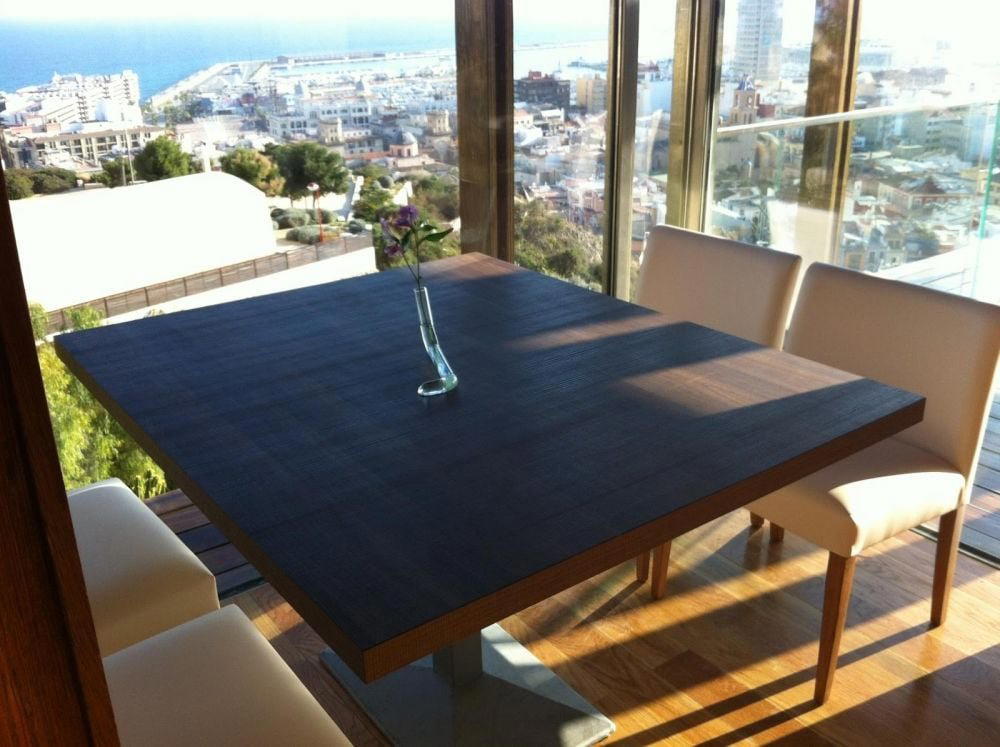
Restaurants in Alicante
Browse all →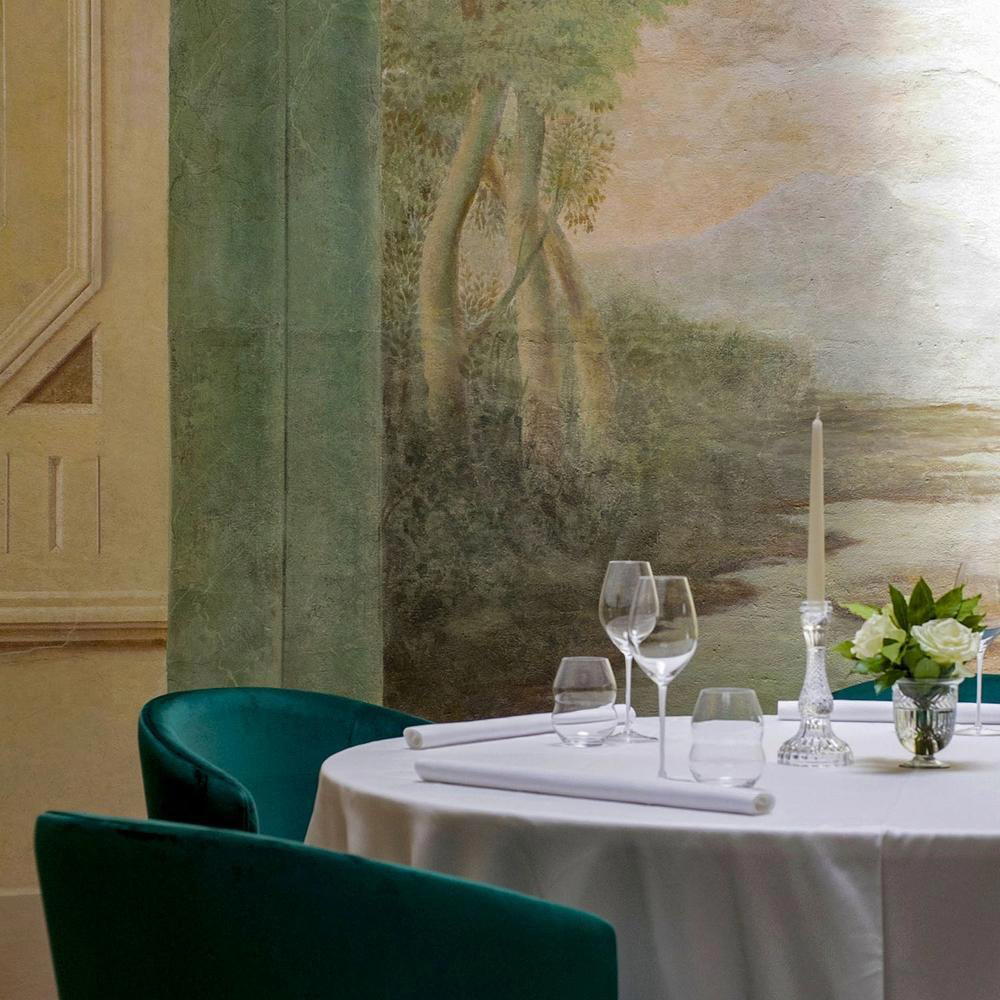
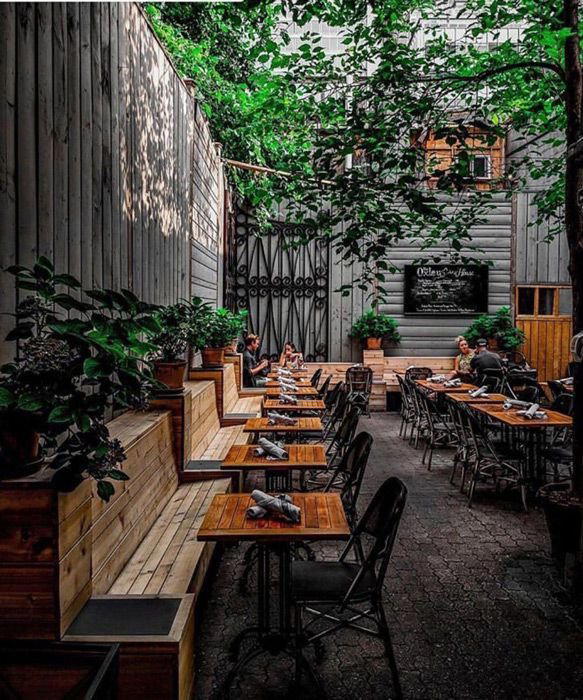
Bars in Alicante
Browse all →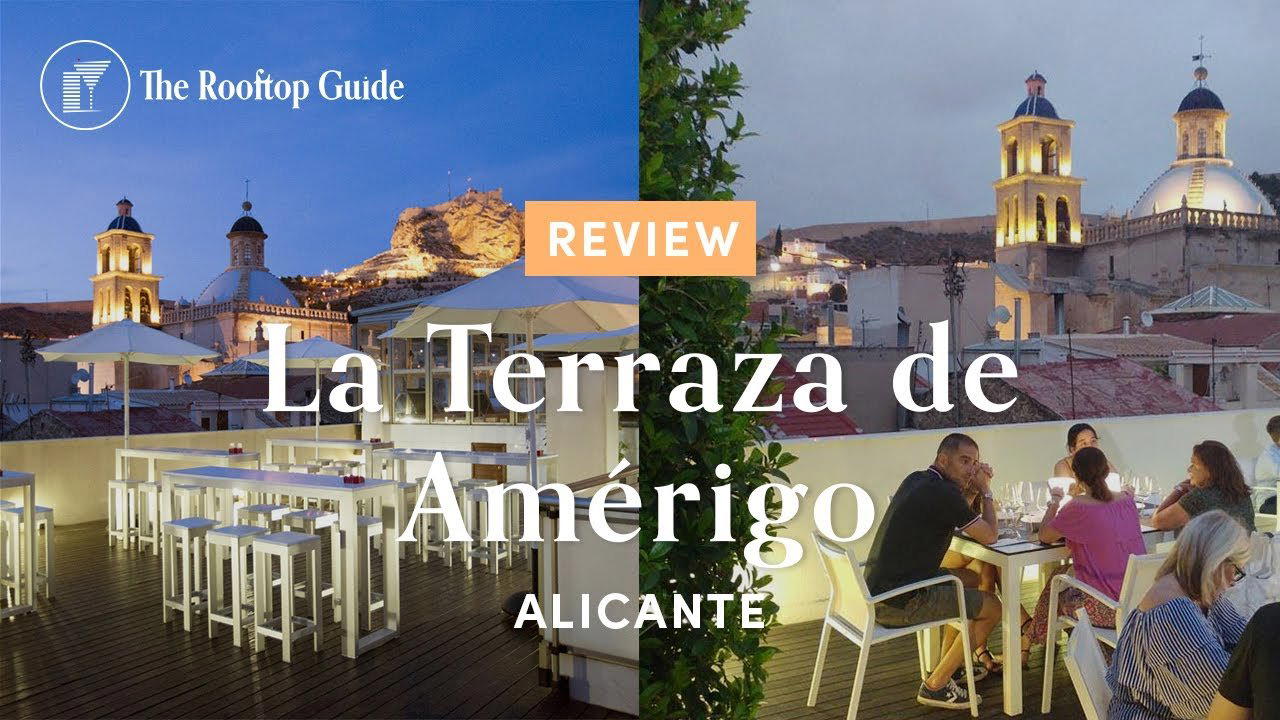
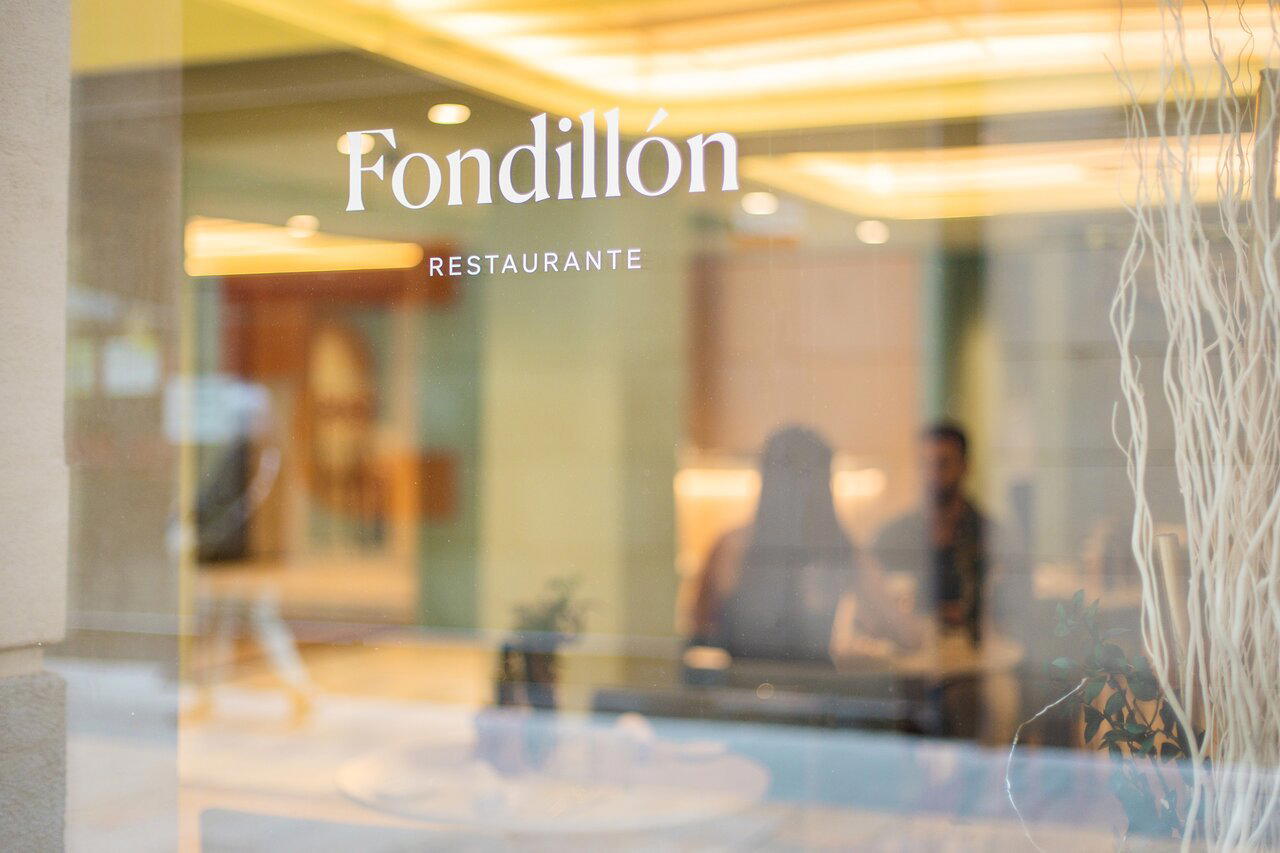
Hotels in Alicante
Browse all →

Details
- Elegant
- Sophisticated
- Intimate
- Date Night
- Special Occasion
- Celebration
- Open Kitchen
- Terrace
- Private Dining
- Historic Building
- Extensive Wine List
- Sommelier Led
- Local Sourcing
- Waterfront
- Skyline
- Street Scene
- Tasting Menu
- Prix Fixe
- Wine
- Vegetarian Friendly
- Vegan Options
- Gluten Free Options
Current opening hours
- Monday
- Closed
- Tuesday
- Closed
- Wednesday
- 7:30 PM–12 AM
- Thursday
- 1:30–5 PM, 7:30 PM–12 AM
- Friday
- 1:30–5 PM, 7:30 PM–12 AM
- Saturday
- 1:30–5 PM, 7:30 PM–12 AM
- Sunday
- 1:30–5 PM
Hours can change for holidays and private events. Last verified .
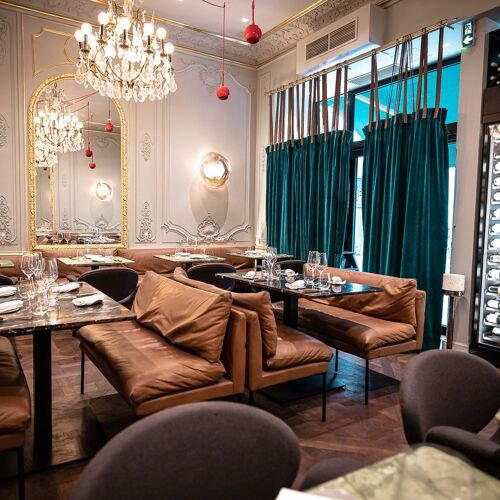
Welcoming, peaceful, and serene atmosphere in a restored historic building with modern decor, overlooking the marina and city.