On Rue Pairolière in the heart of Nice's old town, L'Escalinada is one of the neighbourhood's long-standing addresses for traditional Niçoise cooking. The menu draws on the Ligurian-inflected canon that defines this corner of the Côte d'Azur: socca, stockfish, daube, and pan bagnat prepared with the directness that separates local trattoria tradition from tourist-facing approximations.
Pearl is the En Primeur Club membership app — saves, bookings, and concierge access live there. Same editors, same standards.
- Address
- 22 Rue Pairolière, 06300 Nice, France
- Phone
- +33493621171
- Website
- escalinada-nice.com
- Directions
- Get directions
 Saves & bookings on Pearl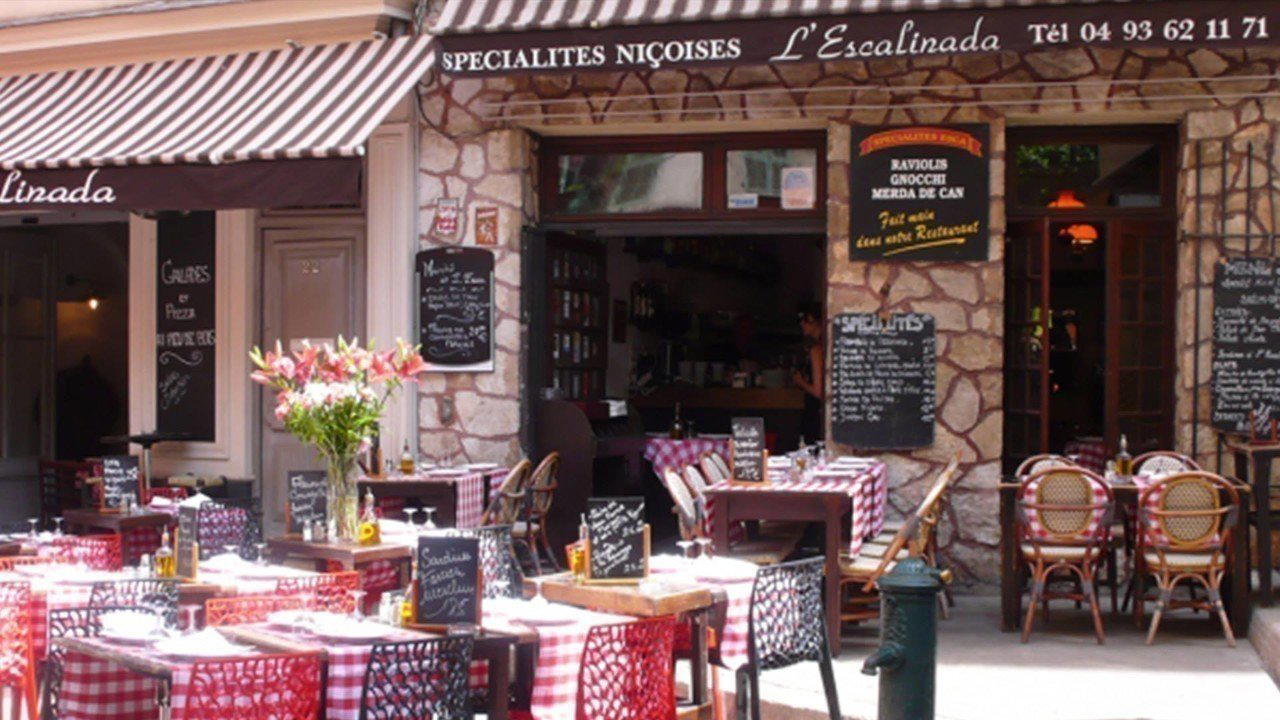
Where Old Town Nice Still Eats Like It Means It
Rue Pairolière runs through the Vieille Ville in a way that most visitors only half-notice: a narrow pedestrian artery parallel to the Cours Saleya market, lined with produce shops, butchers, and a handful of restaurants that feel genuinely rooted rather than staged for passing trade. L'Escalinada at number 22 sits at 22 Rue Pairolière in Nice, and that address is itself an editorial statement. The old town in Nice has been pulled in two directions for decades, toward the tourist-facing seafood terraces along the waterfront, and toward the quieter, more neighborhood-anchored kitchens inland. L'Escalinada belongs firmly to the second category.
Understanding what that means requires a short detour into what Niçoise cuisine actually is, which is a question with more complexity than most visitors expect. Nice spent centuries as part of the Duchy of Savoy and then the Kingdom of Sardinia before its annexation to France in 1860. That political history produced a table culture closer in spirit and ingredient logic to coastal Ligurian cooking than to Provençal French. The olive oil is assertive rather than delicate, anchovies appear as a flavour base rather than a garnish, and chickpea flour shows up in ways that have no parallel further west along the coast. Socca, the thin, wood-fired chickpea crêpe sold by the portion at the Cours Saleya, is one visible expression of this tradition, but the canon runs deeper: estocaficada (the local stockfish stew), pissaladière (onion, olive, and anchovy tart on a bread dough base), and pan bagnat (the compressed salade niçoise sandwich) all carry the same Ligurian DNA.
The Culinary Tradition on the Plate
Restaurants like L'Escalinada sit at the functional centre of that tradition: places where the cooking is defined by what the market on the Cours Saleya produced that morning and what the local canon dictates should be done with it. This is not a format that rewards constant reinvention. The appeal is consistency and authenticity to a specific local repertoire, not the kind of seasonal creativity that drives the modern French restaurants on the other end of Nice's dining spectrum.
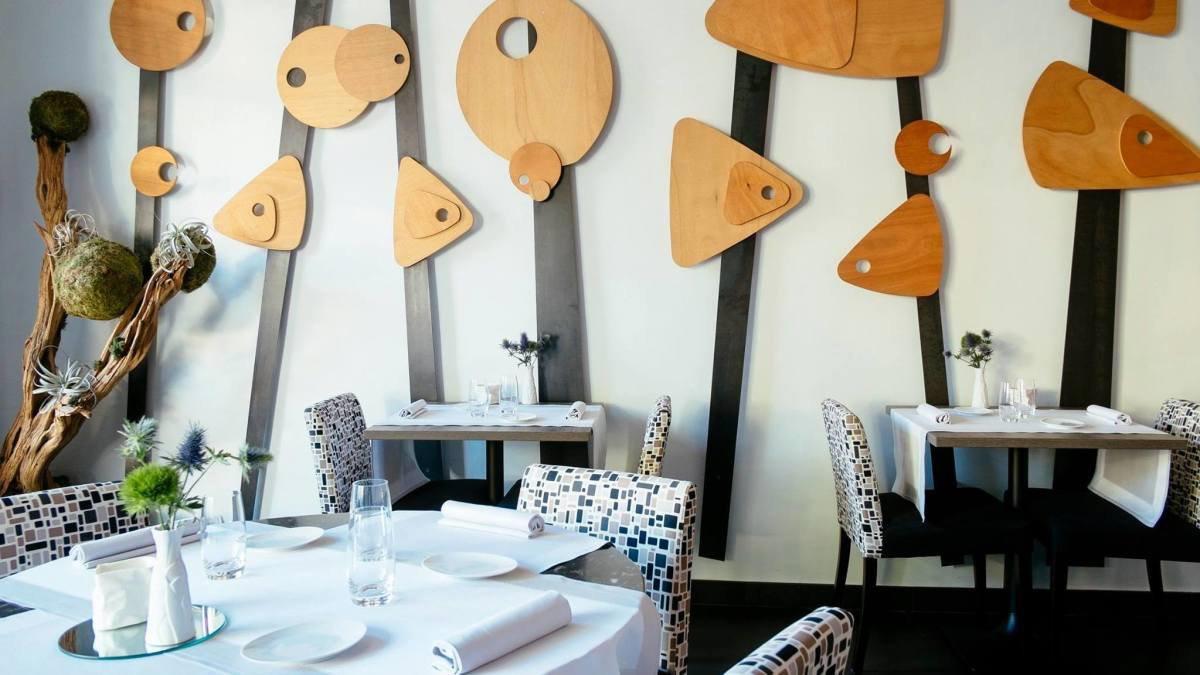
That other end is worth mapping for context. Nice now carries a meaningful concentration of ambitious modern French cooking. Flaveur and L'Aromate both represent the city's creative contemporary tier, while Le Chantecler, Les Agitateurs, and ONICE extend the range further into tasting-menu and fine-dining territory. Against that backdrop, a traditional Niçoise address in the Vieille Ville occupies a distinct and deliberately separate position, lower price point, shorter menu, different ambition. The two categories are not in competition; they answer different questions about what a meal in Nice should do.
Regionally, Nice's position on the French fine-dining map has been complicated by the proximity of Mirazur in Menton, which has placed the immediate Riviera coastline on the global restaurant circuit in a way that shifts expectations for the whole area. That pressure filters down unevenly: it has generated interest in what the region's cooking actually consists of, which benefits the traditional Niçoise addresses more than it competes with them. Visitors arriving in Nice after reading about the Côte d'Azur's culinary credentials often want exactly the kind of direct, unpretentious local cooking that a place like L'Escalinada represents.
The Vieille Ville Context
The physical setting of Rue Pairolière matters for practical planning. The street is pedestrianised and runs between the market square and the northern edge of the old town, which means foot traffic is local-weighted in the morning and mixed by early evening. Tables here are typically pavement-adjacent in warmer months, which in Nice runs from April through October without much interruption. The Cours Saleya flower and produce market, the reference point for the neighbourhood's daily rhythm, is a few minutes' walk, and the proximity to local suppliers has historically shaped what these old town kitchens put on the plate.
Booking practicalities for a restaurant of this type in Nice's Vieille Ville follow a consistent pattern: peak summer months (July and August) and weekend evenings year-round carry greater pressure, while weekday lunches outside high season are one accessible entry point. The old town's restaurant density is high, but the genuinely local-facing addresses are fewer than the tourist-oriented volume would suggest, which concentrates demand on a small number of kitchens.
Where L'Escalinada Sits in France's Wider Restaurant Picture
Placing a traditional Niçoise address against France's broader restaurant hierarchy requires acknowledging that the country's fine-dining infrastructure runs through a completely different register. The multi-Michelin-starred tier operates in a different economic and conceptual category entirely. The same applies to Mediterranean France's high-end outlier, AM par Alexandre Mazzia in Marseille. The restaurant is not in conversation with those addresses. It belongs instead to the tradition of French regional cooking that predates and runs parallel to the Michelin economy: the kind of place that keeps a cuisine alive by cooking it straightforwardly, without editorial ambition, for the people who live nearby. That role is less glamorous than the tasting-menu tier but more consequential for what a food culture actually looks like from the inside.
Planning Your Visit
The restaurant is located at 22 Rue Pairolière in Nice's Vieille Ville, reachable on foot from the Promenade des Anglais in under fifteen minutes or from Nice-Ville train station in around twenty. The old town is not easily navigated by car; the nearest parking is at the edges of the historic centre. For visitors combining a meal here with broader Côte d'Azur itineraries, both Menton (and its restaurant Mirazur) and Monaco are accessible by train within forty minutes.
Price Lens
Comparable venues nearby, for context on price, style, and recognition.
| Venue | Cuisine | Price | Notes |
|---|---|---|---|
| L'EscalinadaThis venue — the venue you are viewing | Not listed | $$ | Not listed |
| Socca'Tram | Cœur de Nice, Niçoise Socca Street Food | $$ | Not listed |
| Marcel Bistro Chic | Not listed | $$ | Nice Historique, Traditional French Bistro |
| Le Boudoir | Not listed | $$$ | Cœur de Nice, Modern French Bistronomique |
| Lou Balico | Cœur de Nice, Authentic Niçoise | $$ | Not listed |
| D'AQUÌ | Nice Historique, Niçoise Street Food | $$ | Not listed |
Continue exploring
More in Nice
Restaurants in Nice
Browse all →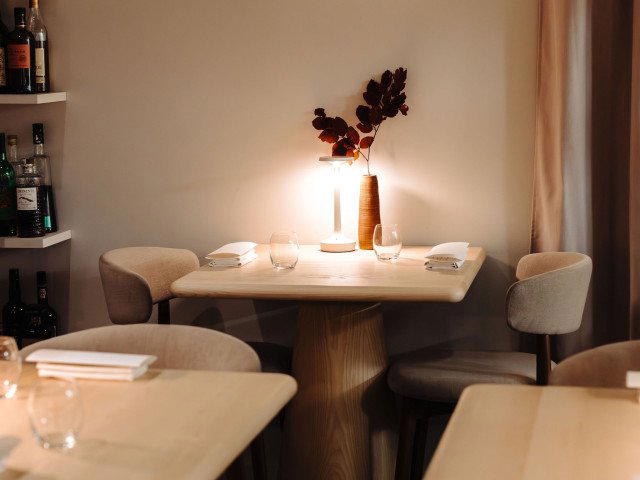
Bars in Nice
Browse all →
Hotels in Nice
Browse all →

At a Glance
- Classic
- Cozy
- Rustic
- Family
- Casual Hangout
- Special Occasion
- Terrace
- Historic Building
- Street Scene
Current opening hours
- Monday
- 12–2:30 PM, 7–10:30 PM
- Tuesday
- 12–2:30 PM, 7–10:30 PM
- Wednesday
- Closed
- Thursday
- 12–2:30 PM, 7–10:30 PM
- Friday
- 12–2:30 PM, 7–10:30 PM
- Saturday
- 12–2:30 PM, 7–10:30 PM
- Sunday
- 12–2:30 PM, 7–10:30 PM
Hours can change for holidays and private events. Last verified .
Warm bistro atmosphere with wooden tables, checkered tablecloths, and a relaxed, friendly vibe.