La Famiglia Giorgio

On Salem Street in Boston's North End, La Famiglia Giorgio holds a Star Wine List White Star recognition, a signal that its wine program carries genuine depth for a neighbourhood defined by red-sauce tradition. The address places it inside one of the oldest Italian-American dining corridors on the East Coast, where the question is rarely whether the food is good, but how seriously the kitchen takes its craft.
Pearl is the En Primeur Club membership app — saves, bookings, and concierge access live there. Same editors, same standards.
- Address
- 112 Salem St, Boston, MA 02113
- Phone
- (617) 367-6711
- Website
- lafamigliagiorgios.com
- Directions
- Get directions
 Saves & bookings on Pearl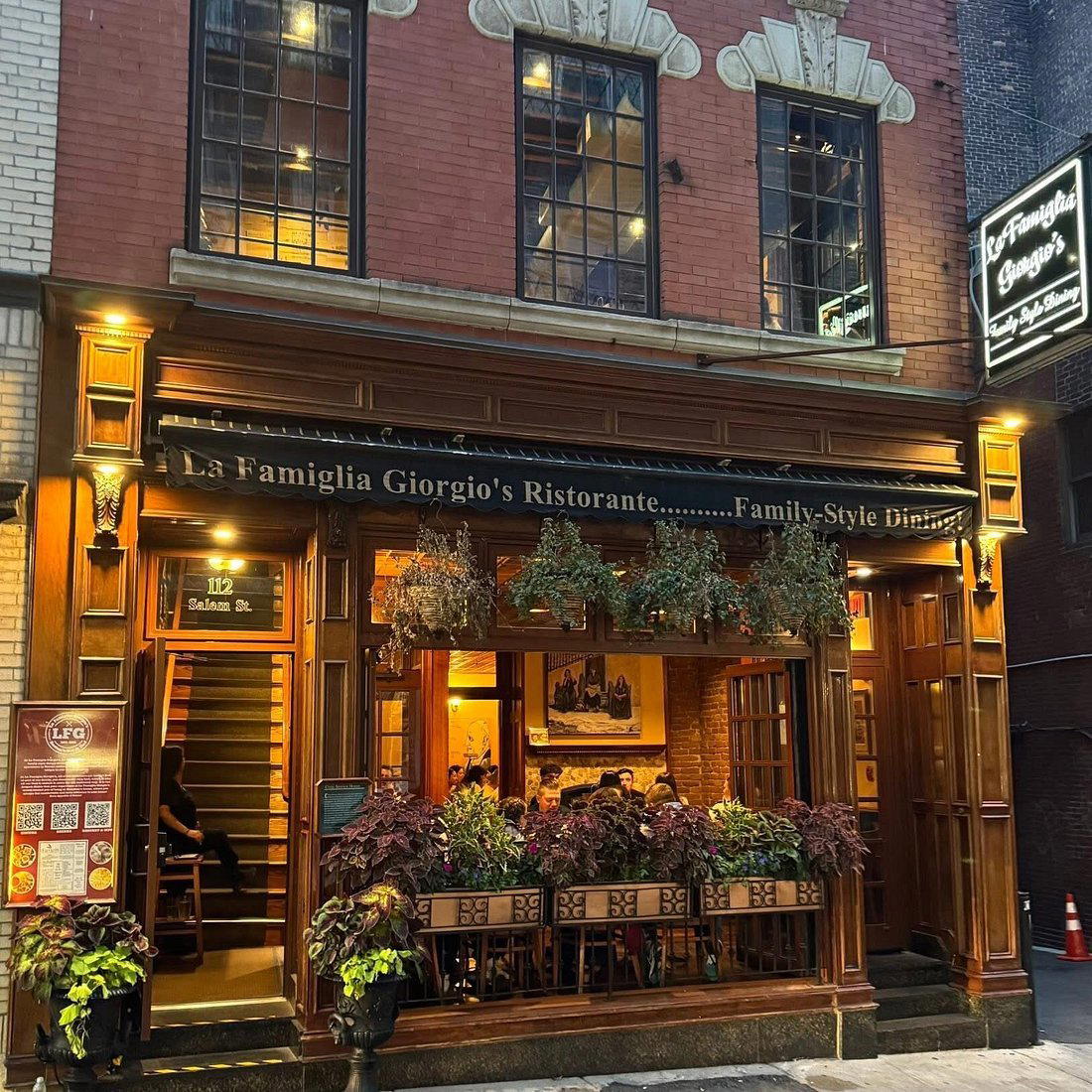
Salem Street and the Weight of Tradition
Boston's North End operates on a logic that most American dining neighbourhoods don't. The roughly half-mile stretch between Hanover Street and the waterfront has sustained Italian-American restaurants across multiple generations not through reinvention but through continuity, the expectation that a plate of pasta at a given address in 2024 should feel recognisably connected to what was served there in 1984. That dynamic shapes every kitchen on the block, and La Famiglia Giorgio is a Roman-Style Italian restaurant at 112 Salem St in Boston. What distinguishes a serious restaurant from a coasting one in this context is the degree to which the kitchen treats Old World technique as a live discipline rather than a museum piece.
Salem Street, specifically, carries a slightly different register than the busier Hanover Street corridor two blocks over. Foot traffic is lighter, the atmosphere marginally less tourist-facing, and the restaurants that hold ground here tend to do so through neighbourhood loyalty rather than guidebook placement. For a dining room in that position, earned recognition carries more weight than marketing. Star Wine List's White Star programme identifies wine programs with breadth and seriousness; in a neighbourhood where wine lists often function as afterthoughts to red-sauce plates, that credential repositions the room.
The North End's Italian-American Cooking and Where Technique Enters
Italian-American cuisine in Boston's North End sits at a specific point in culinary evolution: it is neither the immigrant survival food of the early twentieth century nor the contemporary Italian cooking that cities like New York and San Francisco have developed toward in recent decades. The tradition here is more settled. Tomato-forward sauces, long-braised proteins, house-made pasta in formats that predate the current fresh-pasta trend by several decades, these are the grammar of the neighbourhood's kitchens.
The editorial angle worth examining at a place like La Famiglia Giorgio is the relationship between that inherited grammar and the techniques that underpin it. The North End's leading kitchens have always run on classical Italian method: the patience of a slow braise, the precision of a properly emulsified pasta sauce, the restraint required to let imported ingredients carry a dish without overworking them. Imported San Marzano tomatoes, aged Parmigiano-Reggiano, cured meats from producers following D.O.P. specifications, these are the raw materials that give North End Italian cooking its anchor. The kitchen's job is to apply technique without obscuring what those ingredients actually taste like.
That intersection of imported product and disciplined method is what separates the neighbourhood's more credible kitchens from the ones running on nostalgia alone. Across the wider Italian-American dining tier, compare the approach at operationally scaled properties like Emeril's in New Orleans or the continental rigor visible at Alain Ducasse Louis XV in Monte Carlo, what tends to hold up over time is a kitchen that has genuine fluency in classical method rather than a menu that mimics the form without the underlying craft.
Wine in a Red-Sauce Room
The White Star recognition from Star Wine List points toward a wine program that exceeds the neighbourhood baseline. In the North End, wine lists are almost always Italian-led, Chianti Classico, Barolo, Brunello, Nero d'Avola, and the standard programme covers these categories adequately without pushing into the depth that serious wine drinkers expect. A White Star designation implies the list has been constructed with genuine selection criteria: regional coverage, producer-level specificity, and probably some vintage depth across the premium tiers.
For context within Boston's broader wine-forward dining scene, this places La Famiglia Giorgio in a smaller comparable set than its street address might suggest. The city's most wine-serious rooms tend to cluster around fine dining formats, places like Agosto, with its Portuguese-inspired tasting counter, or the precision-led program at 311 Omakase. A traditional Italian-American trattoria holding a Star Wine List credential is a different signal: it suggests the wine program has been built for the food rather than as a separate performance, which is the more useful configuration for a kitchen rooted in long-cooked, sauce-driven dishes that need tannic structure and acidity to work against.
The North End in Context
Boston's Italian-American corridor competes within a city that has diversified its restaurant scene substantially over the past decade. The raw bar tradition at Neptune Oyster a few streets away draws queues that extend down the block most evenings. Kitchens like Ama at the Atlas and Alcove operate in a globally inflected register that the North End doesn't attempt. And the premium protein formats at Abe and Louie's occupy a separate tier of the city's dining economy entirely.
What the North End offers that none of these alternatives do is density of a particular tradition in a particular physical setting. The neighbourhood's narrow streets, the walk past Saint Leonard's Church, the smell of espresso from the corner bars, these aren't incidental to the dining experience, they are the experience. A room like La Famiglia Giorgio exists inside that geography in a way that a restaurant opening elsewhere in Boston simply cannot replicate. Seriousness about wine, and presumably about kitchen technique, is what earns a place in that tradition rather than merely trading on it.
For those tracking Italian cooking at other points on the quality spectrum, the technically demanding work at 8½ Otto e Mezzo Bombana in Hong Kong offers a useful reference for what Italian method looks like when applied at the highest contemporary tier. Closer to home, the farm-to-counter discipline at Single Thread Farm in Healdsburg demonstrates how local-ingredient sourcing can function as a structural principle rather than a marketing footnote, a comparison point worth holding when thinking about any kitchen that claims its ingredients seriously.
Planning a Visit
The restaurant is located at 112 Salem Street in Boston's North End. The North End is a walkable neighbourhood by design, and arriving on foot from downtown Boston takes roughly ten to fifteen minutes from Government Center. Booking ahead is recommended for weekend evenings. For the wine program specifically, arriving with some clarity about Italian regional preferences will get more out of an engaged list than deferring entirely to house suggestions.
In Context: Similar Options
Comparable venues nearby, for context on price, style, and recognition.
| Venue | Cuisine | Price | Notes |
|---|---|---|---|
| La Famiglia GiorgioThis venue — the venue you are viewing | Roman-Style Italian | $$ | Not listed |
| Piccolo Nido | Authentic Southern Italian | $$ | North End |
| Monica's Trattoria | Traditional Italian Trattoria | $$ | North End |
| Ci Siamo | Live-Fire Italian | $$$ | South Boston Waterfront |
| MIDA | Modern Italian Neighborhood Pasta | $$ | South End |
| Panza | Traditional Italian | $$ | North End |
Recognition history
Dated appearances from independent guides and award organizations, with the underlying list record or original source where available.
Star Wine List
Star Wine List
Continue exploring
More in Boston
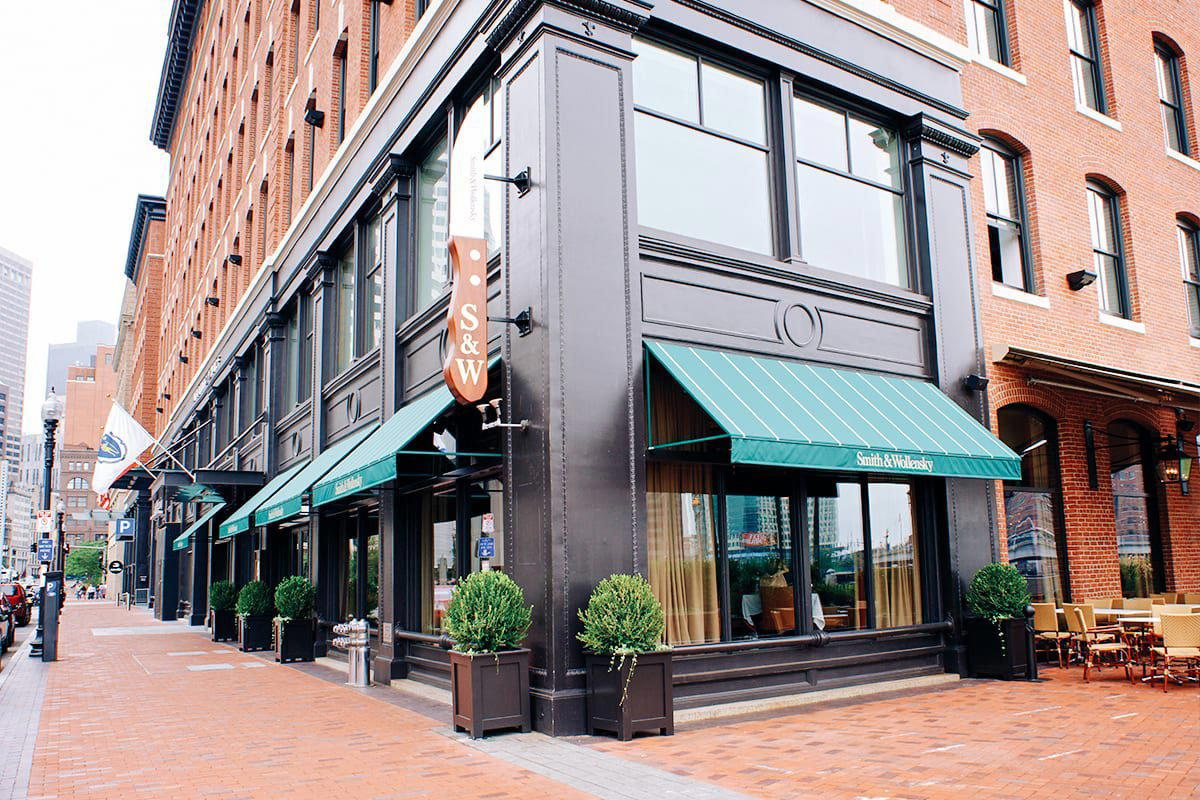
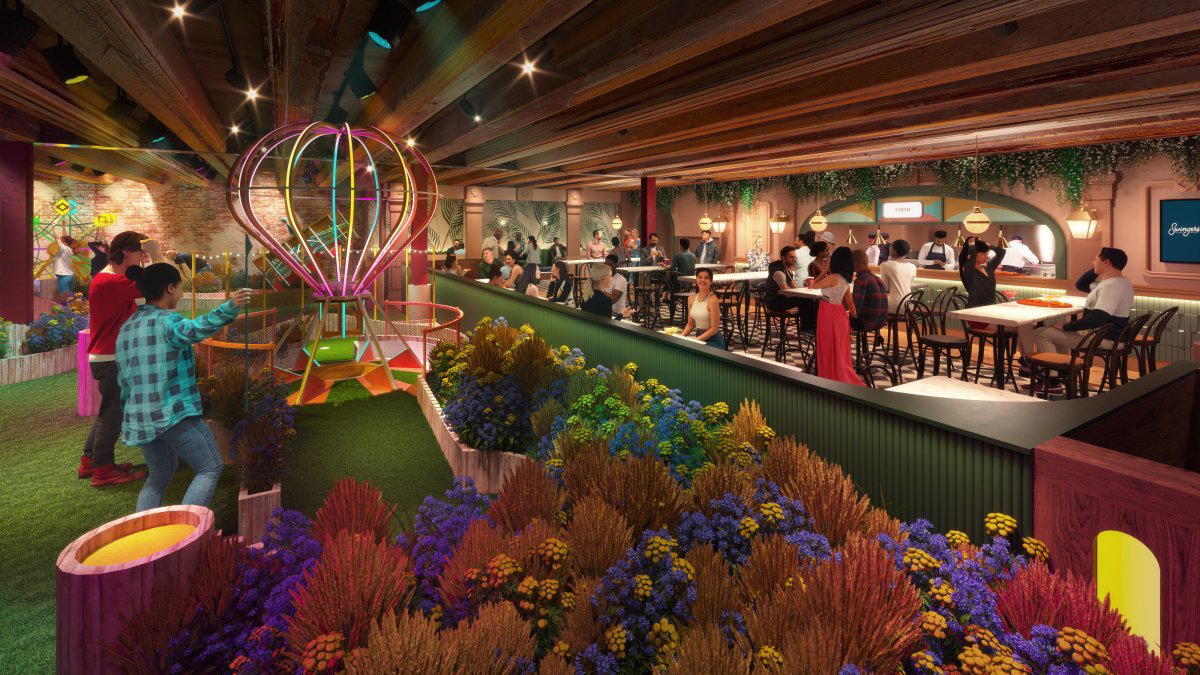
Restaurants in Boston
Browse all →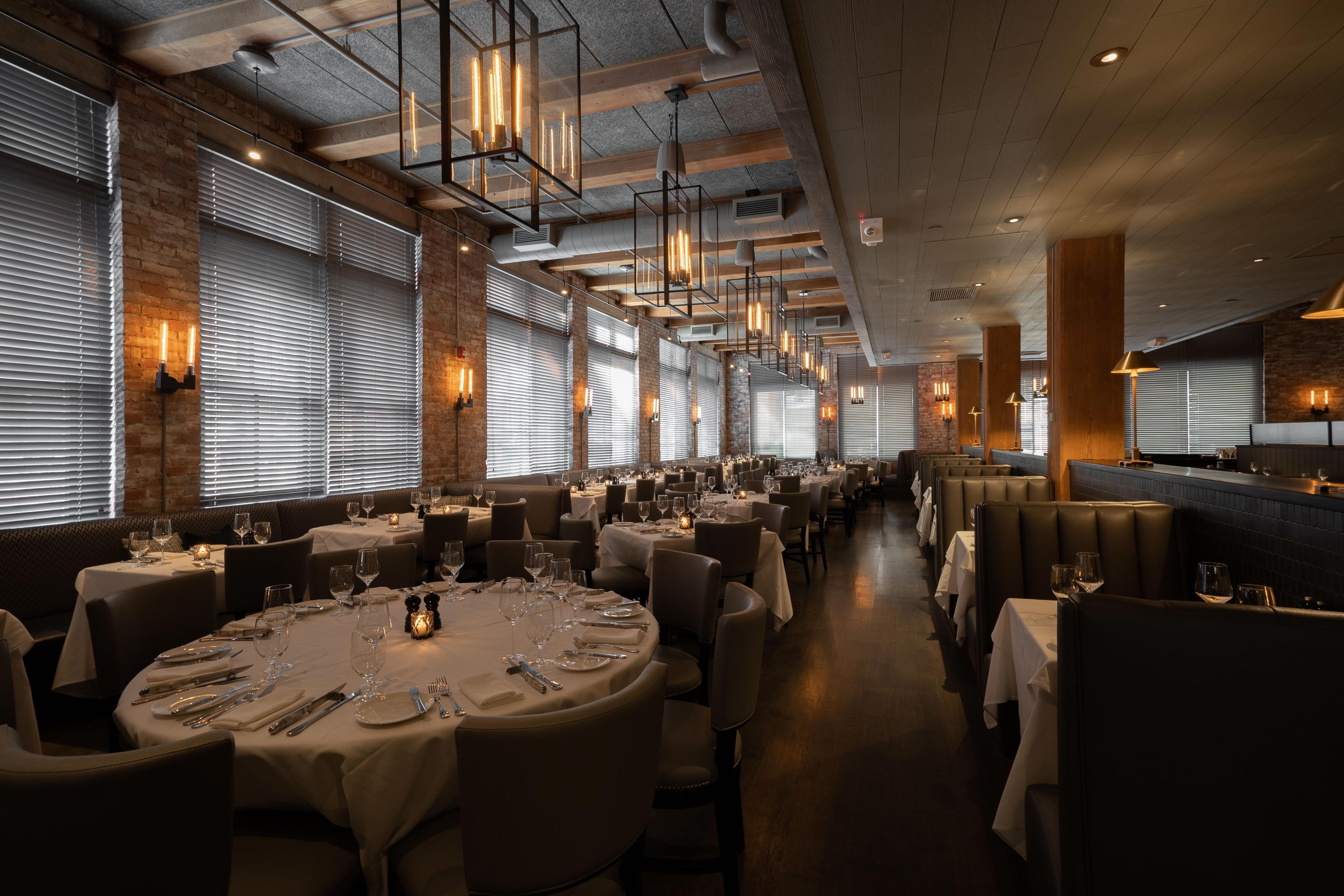
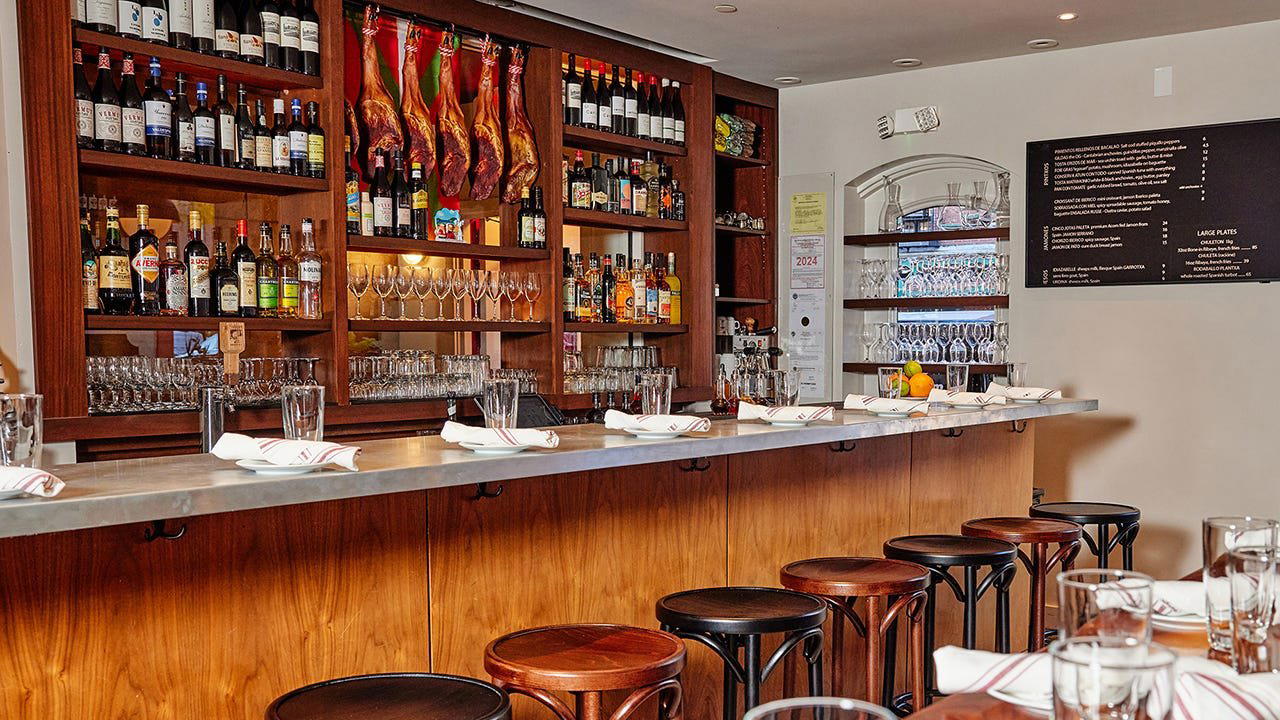
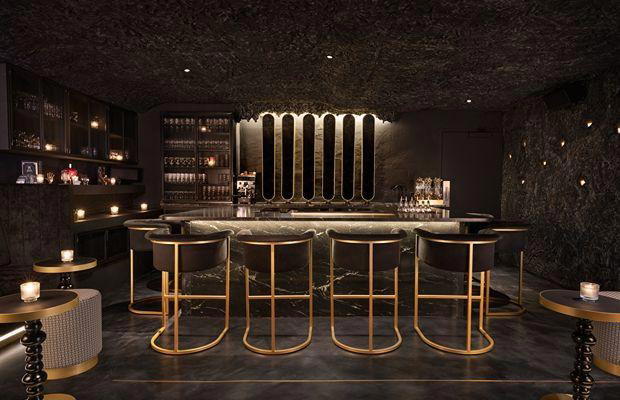
Bars in Boston
Browse all →
Hotels in Boston
Browse all →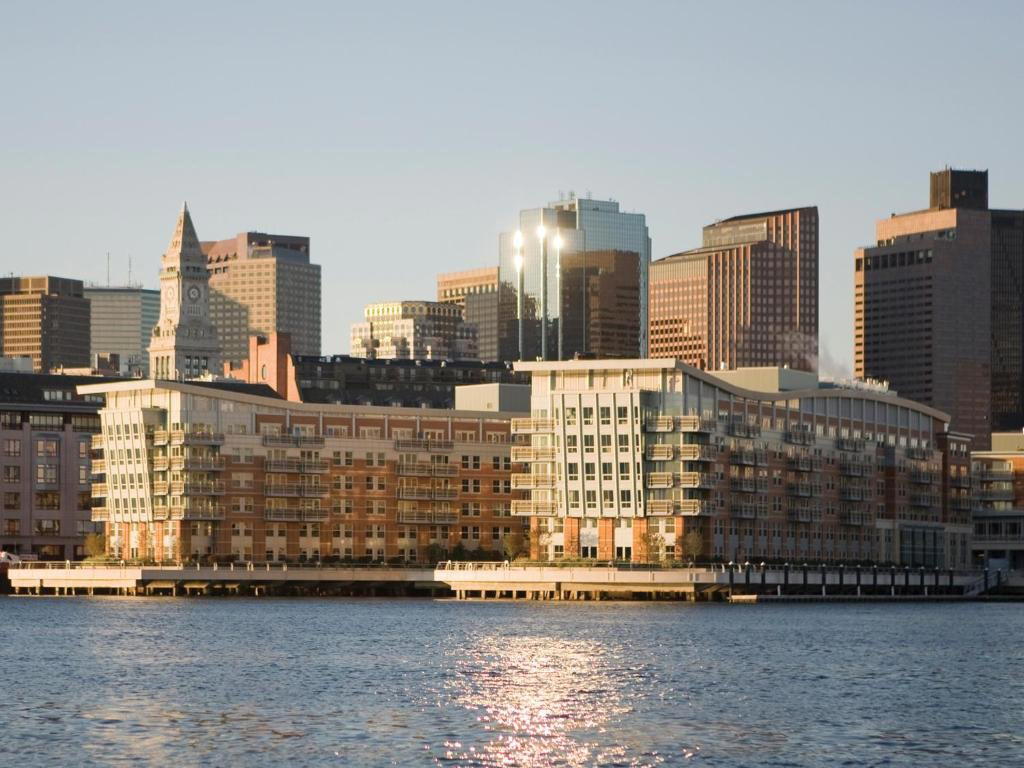
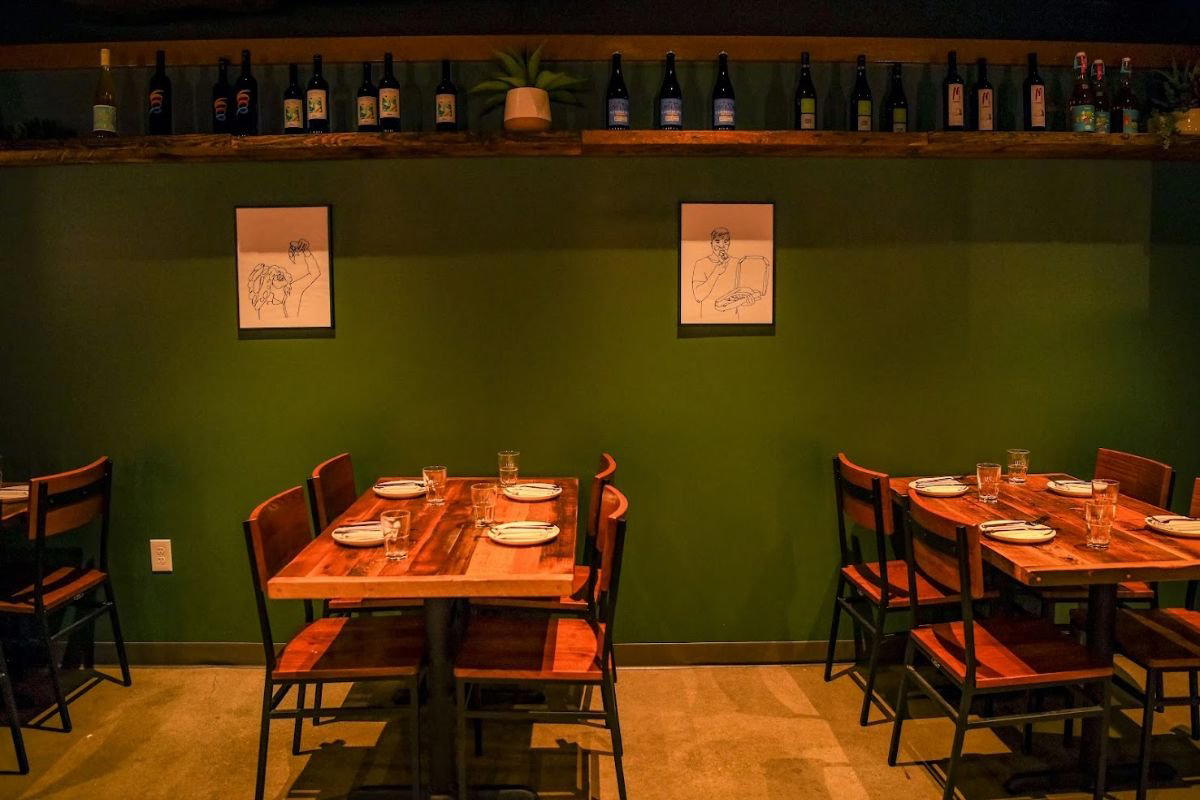
Wineries in Boston
Browse all →
At a Glance
- Cozy
- Classic
- Intimate
- Family
- Group Dining
- Casual Hangout
- Historic Building
Current opening hours
- Monday
- 4–9 PM
- Tuesday
- 4–9 PM
- Wednesday
- 4–9 PM
- Thursday
- 4–9 PM
- Friday
- 4–9 PM
- Saturday
- 11 AM–9 PM
- Sunday
- 11 AM–9 PM
Hours can change for holidays and private events. Last verified .
Warm and welcoming family-style atmosphere with fresh bread service and a cozy, old-world Italian feel.