
La D'Oro on Haji Lane operates a season-driven omakase format that changes every two months, channelling Italian regional cooking through a Japanese kappo lens. Owner-chef Sasaki trained in both Italy and Tokyo, and the kitchen sources ingredients from both countries. At $$$ pricing, it occupies a specific niche in Singapore's fine-dining scene where Italian technique and Japanese discipline meet at the counter.
Pearl is the En Primeur Club membership app — saves, bookings, and concierge access live there. Same editors, same standards.
- Address
- Haji Lane, Singapore 189250, Singapore
- Phone
- +65 8382 6200
- Website
- ladoro.sg
- Directions
- Get directions
 Saves & bookings on Pearl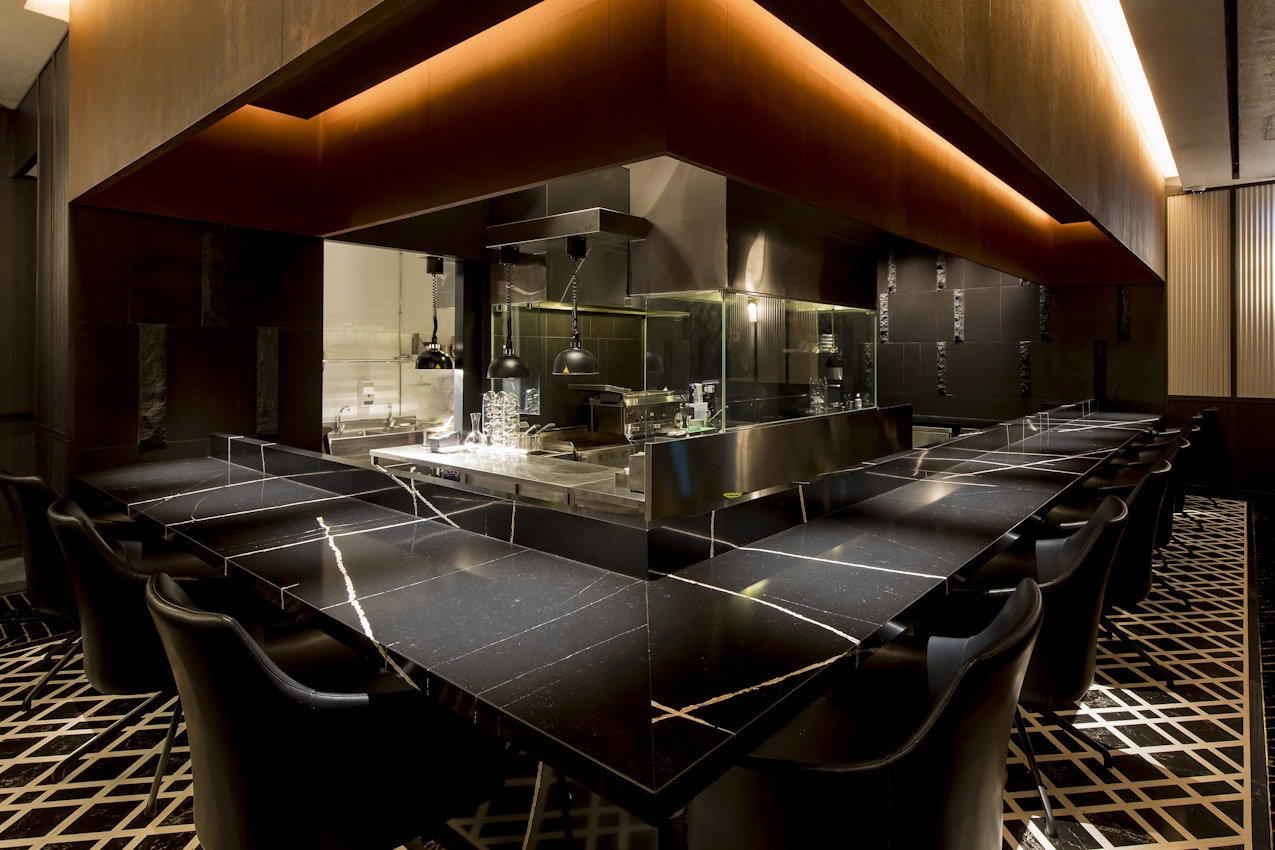
A Lane, a Counter, and Two Culinary Traditions
Haji Lane is one of the few streets in Singapore where the physical scale of the neighbourhood actively shapes what kind of restaurant can exist there. The narrow shophouse corridor, with its painted facades and compressed footprint, favours intimacy over scale. It is not the address you associate with Singapore's formal fine-dining tier, that territory belongs to the Raffles corridor and the CBD towers where Odette, Les Amis, and Zén operate. Haji Lane is quieter, more residential in feel, and because of that, it can support a different kind of ambition, one where a single counter, a single menu, and a single voice are enough.
La D'Oro sits in that context. Rebranded in 2023, it now runs a strict omakase format with a menu that rotates every two months. The kitchen is led by owner-chef Sasaki, who trained in Italy before moving through Tokyo's restaurant culture, a dual formation that defines the restaurant's entire approach. The result is a room where Italian cooking is filtered through the discipline and seasonal sensitivity of kappo, Japan's counter-kitchen tradition in which the chef composes a progression of courses in direct dialogue with the ingredients available that season.
The Pasta Question: Tradition, Technique, and What Happens When Japan Is in the Kitchen
Handmade pasta sits at the centre of the Italian repertoire in ways that other components, sauces, proteins, even wine, do not. The shape of a pasta is not decorative; it is functional, designed over centuries to hold a specific sauce weight, to behave in broth, to release starch in a particular way. Tagliolini is thin and smooth for butter-based or delicate seafood finishes. Pappardelle is wide and rough-edged for slow-cooked ragu that needs surface area. Orecchiette has its cupped interior for catching chunky vegetable sauces from Puglia. Each regional shape is a kind of argument about what should go with what.
When Japanese technique enters that conversation, the stakes shift. Kappo cooking is built on hyper-precise control, knife work, timing, temperature, the reduction or elimination of unnecessary steps. Applied to pasta, that instinct tends to produce cleaner compositions: fewer components per dish, more precise cooking times, and a much closer reading of ingredient quality. Fresh pasta from Japan, made with Japanese flour or custom-blended semolina, behaves differently from Italian pasta, the hydration ratios, the gluten development, the final texture in the mouth all change. These are not cosmetic variations. They are structural decisions that reframe what an Italian shape can do.
La D'Oro's kitchen works with ingredients flown in from both Japan and Italy, which means the raw material question is settled before the chef's approach even enters the frame. The sourcing is not an embellishment; it is the baseline from which the menu's credibility is built. Italian contemporary restaurants operating at the $$$ price point in competitive markets, including venues like Noi by Paulo Airaudo in Hong Kong and Agli Amici Rovinj, typically differentiate through ingredient provenance and menu architecture rather than through sheer scale. La D'Oro follows the same logic, with the additional layer of a Japanese formation that reshapes how those Italian ingredients are handled once they arrive.
The Omakase Format in an Italian Context
The omakase structure, a single tasting progression, chef-directed, no à la carte, is well-established in Japanese fine dining and increasingly common in Singapore's broader premium restaurant scene. What is less common is the application of that format to Italian contemporary cooking. The two traditions have different assumptions. Italian dining is traditionally multi-course but guest-directed, with the diner choosing pasta, secondo, and antipasto from a menu that presents options. Omakase removes that agency entirely and substitutes the chef's seasonal judgment.
The two-month rotation at La D'Oro is the mechanism that makes this hybrid credible. A static omakase menu in any format becomes predictable within weeks. A menu that changes twice a season forces the kitchen to keep sourcing fresh, keep technique sharp, and keep the chef's editorial instincts current. For a repeat visitor, and counter restaurants of this type depend on repeat visitors, that cadence is the primary reason to return. Singapore's fine-dining scene has produced several counters where the booking rhythm aligns with menu cycles, and the restaurant's model fits that pattern.
At $$$ pricing, the restaurant sits below the $$$$ tier occupied by venues like Zén and competes more directly with Jaan by Kirk Westaway and Buona Terra, both of which operate in the serious-but-not-stratospheric bracket. The distinction is that restaurant's Italian-Japanese format represents a narrower, more singular proposition than either of those.
Where La D'Oro Sits in Singapore's Italian Scene
Singapore's Italian fine-dining tier is small but competitive. Buona Terra has long served as the benchmark for refined Italian cooking without the theatre of a full omakase format. The restaurant approaches the same price band with a fundamentally different structure: counter service, chef-directed progression, and a Japanese formation informing every technical decision. The comparison is not about which is better, the formats appeal to different dining preferences, but about understanding that restaurant is not attempting to replicate what already exists in the market. Its comparable set globally looks more like Italian contemporary restaurants with strong technique and seasonal discipline: Bracali in Ghirlanda, Ca' Matilde in Rubbianino, or Atto di Vito Mollica in Florence, restaurants where the Italian canon is taken seriously but not treated as immovable.
Planning Your VisitBooking is recommended. Advance planning is advisable.FAQ: What Should I Eat at La D'Oro?
La D'Oro operates a single, chef-directed omakase menu, there is no à la carte selection, and the menu changes every two months. What you eat is determined by the current seasonal rotation, which draws on fresh ingredients sourced from both Japan and Italy. Chef Sasaki's kappo-trained approach means the progression will typically include pasta courses that reflect Italian regional technique filtered through Japanese precision: expect compositions where shape, sauce weight, and ingredient sourcing are deliberate rather than decorative. The menu's Italian-Japanese dual identity means particularly interesting dishes are likely to be those where the two traditions are in active dialogue rather than running parallel.
Cuisine Lens
Comparable venues nearby, for context on price, style, and recognition.
| Venue | Cuisine | Price | Awards | Notes |
|---|---|---|---|---|
| La D'OroThis venue — the venue you are viewing | Japanese-Italian Fusion | $$$ | Michelin Plate | Not listed |
| Torno Subito | Modern Italian - Emilia-Romagna | $$$ | Michelin Plate | RIDOUT |
| Buko Nero | Refined Italian with Asian Influences | $$$ | Michelin Plate | CHINATOWN |
| Solo | Authentic Italian | $$$ | Michelin Plate | CHINATOWN |
| Basilico | Italian All-Day Dining | $$$ | Not listed | TANGLIN |
| Tambuah Mas (Orchard) | Authentic Indonesian | $$$ | Michelin Plate | BOULEVARD |
Recognition history
Dated appearances from independent guides and award organizations, with the underlying list record or original source where available.
Michelin Plate
Michelin
Continue exploring
More in Singapore
Restaurants in Singapore
Browse all →
Bars in Singapore
Browse all →
At a Glance
- Cozy
- Elegant
- Modern
- Intimate
- Sophisticated
- Date Night
- Special Occasion
- Business Dinner
- Chefs Counter
- Open Kitchen
- Sake Program
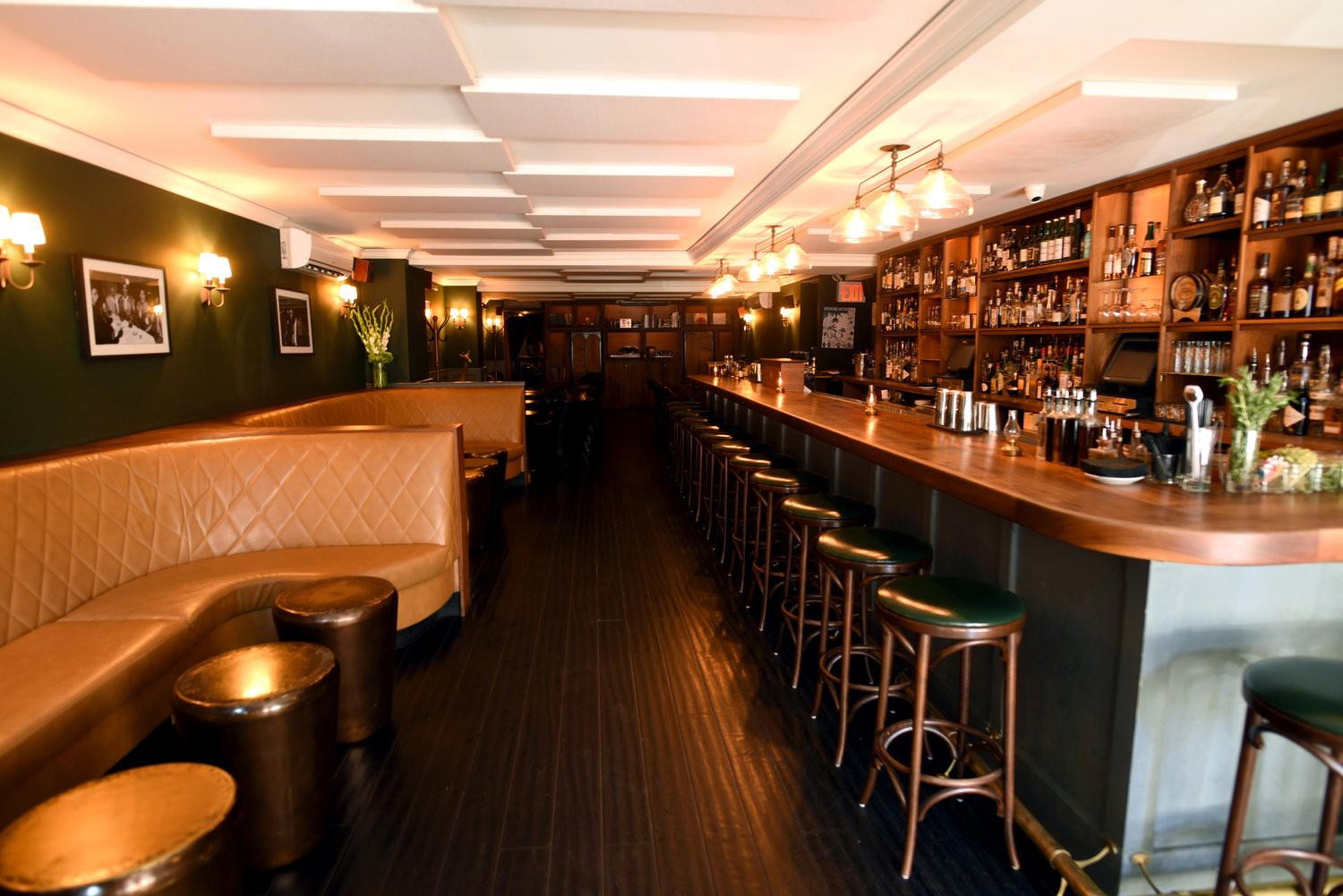
Cozy open kitchen with elegant upscale surroundings, though noisy due to open entrance to shopping corridor.