

Michelin Plate · White Guide Baltic Restaurants - Very Fine Level
Our verdict
Hõlm holds a Michelin Plate (2025), placing it at the serious end of Tartu's modern cuisine scene. Situated on Ülikooli tänav in the city's historic university district, the restaurant works with the kind of ingredient-led approach that has come to define Estonia's most considered cooking. At the €€€ price point, it competes directly with the country's small tier of regionally grounded fine dining.

Pearl is the En Primeur Club membership app, where members save venues, book tables and use the concierge.
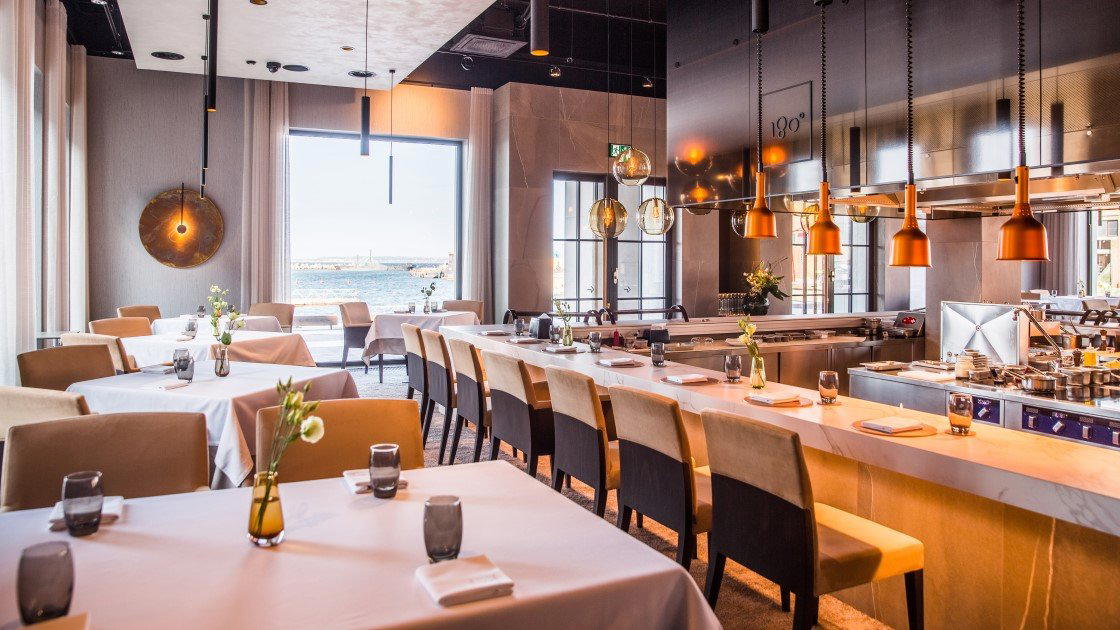
Where Tartu's Fine Dining Lands
Ülikooli tänav is not a street that typically registers on European fine dining maps. It runs through the centre of Estonia's university city, past 19th-century academic buildings and the quiet confidence of a town that has never needed to perform for tourists. Hõlm occupies a position on that street, address number 14, and the setting frames what the cooking is trying to do: rooted, considered, and unbothered by the need to announce itself.
The Ingredient Question in Estonian Modern Cuisine
The most consequential shift in Estonian cooking over the past decade has not been technique or plating format, it has been sourcing geography. A generation of chefs across the country moved from importing reference ingredients to building menus around what the Estonian agricultural and foraging calendar actually produces. That shift is most visible in the rural properties: Hiis in Manniva, SOO in Maidla, and Kolm Sõsarat in Lüllemäe all operate in close proximity to the farms and forests that supply them. But the same logic has reached city dining, and Hõlm is the clearest expression of that in Tartu.
Estonian modern cuisine in this tier draws on a short list of defining larder elements: cold-water fish from the Baltic and inland lakes, foraged mushrooms and berries from pine forests that cover nearly half the country's land area, heritage grains from small farms, and preserved ingredients that reflect centuries of necessity turned into technique. At Hõlm's €€€ price point, these are not decorative references, they are the structural basis of the menu. The Michelin recognition signals that the sourcing discipline holds up against a framework that values provenance as evidence of culinary intent, not marketing posture.
Where Hõlm Sits in the Estonian Fine Dining Tier
To understand Hõlm's position, it helps to map the wider Estonian scene. At the ceiling sits 180° by Matthias Diether in Tallinn, which holds two Michelin Stars and prices at €€€€. One tier below, properties like Alexander in Pädaste and Mere 38 in Võsu operate at the high end of the €€€€ range, often in destination-resort contexts where the remoteness is part of the proposition. Hõlm at €€€, with a Michelin Plate, occupies the serious-but-accessible band: the level at which a diner gets genuine culinary ambition without the full commitment of a multi-starred tasting menu at capital-city prices.
Within Tartu specifically, the comparison set is small. Joyce and TOKO represent the city's other modern dining options, each with a distinct character, but Hõlm's Michelin recognition positions it as the city's current benchmark for ingredient-led fine dining. Tartu's dining scene is compact by design, the city of roughly 100,000 supports only a handful of genuinely ambitious restaurants, which means individual venues carry more weight in defining the city's culinary character than they would in a larger capital.
The rural-Estonia comparison is also instructive. Properties like Lahepere Villa in Kloogaranna and Rado Haapsalu in Haapsalu serve regions where the countryside itself is the context. Hõlm transposes that same sourcing seriousness into an urban frame, which requires a different kind of editorial work: the ingredients still carry a sense of place, but the restaurant has to do more to communicate it without a forest visible from the window.
Modern Cuisine in a University Town
The modern cuisine category, as defined by the Michelin framework and applied across Nordic and Baltic contexts, covers a broad register from Nordic-influenced minimalism to more technically elaborate European cooking. What the designation signals at this level is a menu with a clear point of view, seasonal discipline, and enough technical execution to justify the price. At €€€ in a mid-sized Estonian city, that means a kitchen working without the safety net of a wealthy capital dining scene or destination-tourism volumes.
Tartu's university identity, the University of Tartu is one of the oldest in Northern Europe and anchors the city's intellectual character, creates a dining public that is engaged and critical rather than purely celebratory. A restaurant earning a Michelin Plate in that environment has passed a two-stage test: the international guide's sourcing and execution criteria, and the sustained approval of a local audience with high expectations and limited patience for pretension.
For those mapping a wider Estonian itinerary, the gap between Tartu and Tallinn is just over two hours by road, making it realistic to combine Hõlm with the capital's more concentrated fine dining offer. At the international end of that comparison, Frantzén in Stockholm and FZN by Björn Frantzén in Dubai represent what the Nordic modern cuisine category looks like at three-star scale, useful reference points for understanding where Estonia's most ambitious kitchens are aiming, even if the scale and context differ considerably. Closer to Tartu, Fellin in Viljandi offers traditional Estonian cooking at €€, a different register that speaks to the country's culinary range rather than a competing tier.
Planning a Visit
Hõlm is located at Ülikooli tn 14 in central Tartu, within walking distance of the university quarter and the main pedestrian areas of the old town. At the €€€ price range, diners should budget for a full-menu experience rather than a casual drop-in, this is the kind of restaurant where the kitchen's sourcing work is most legible across a full sequence of courses rather than a single dish. Booking ahead is advisable; Tartu's small pool of serious dining options means demand at this level concentrates quickly, particularly on weekends. For further context on where Hõlm sits within the city's full hospitality picture, see our full Tartu restaurants guide, and for broader city planning, our full Tartu hotels guide, bars guide, wineries guide, and experiences guide cover the wider offer.
Frequently asked questions
Is Hõlm expensive?
Pricing at Hõlm is listed as €€€.
What's the address for Hõlm?
Hõlm is located at Ülikooli tn 14, 51003 Tartu, Estonia, Tartu.
Comparable Spots, Quickly
Comparable venues nearby, for context on price, style, and recognition.
| Venue | Cuisine | Price | Awards | Notes |
|---|---|---|---|---|
| HõlmThis venue (the venue you are viewing) | Modern European Fine Dining | $30–50 | Michelin Plate · White Guide Baltic Restaurants - Very Fine Level | Not listed |
| Eva Sushi | Japanese Sushi & Poke | $10–20 | Not listed | Tartu linn |
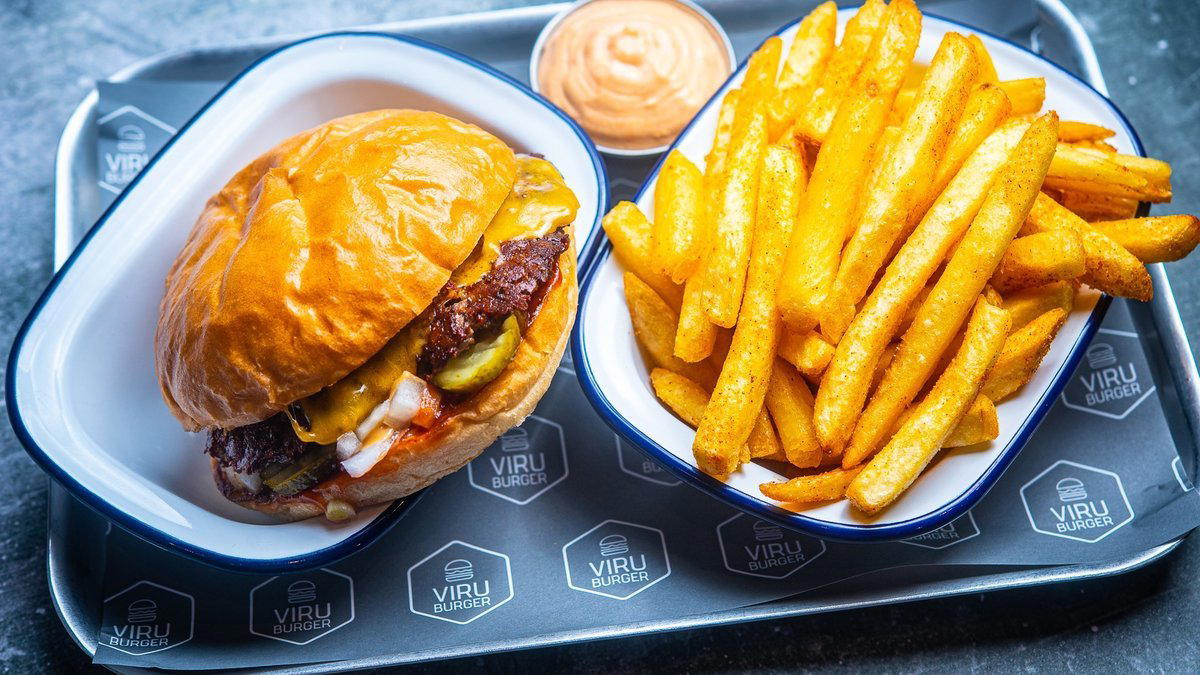
| Viru Burger | Modern Burgers | $10–20 | Not listed | Not listed |
| Pompei | Modern Italian with Local Twists | $20–30 | Not listed | Old Town |
| Joyce | Modern European Brasserie | $50–100 | Michelin Plate · White Guide Baltic Restaurants - Very Fine Level | city center |
| Vilde Ja Vine | European Wine-Focused Bistro | $20–30 | Not listed | City Centre |
Recognition history
Dated appearances from independent guides and award organizations, with the underlying list record or original source where available.
Michelin Plate
Michelin
White Guide Baltic Restaurants - Very Fine Level
White Guide
Full recognition history (3 entries)
Michelin Plate
Michelin
Continue exploring
More in Tartu
Restaurants in Tartu
All restaurants in Tartu →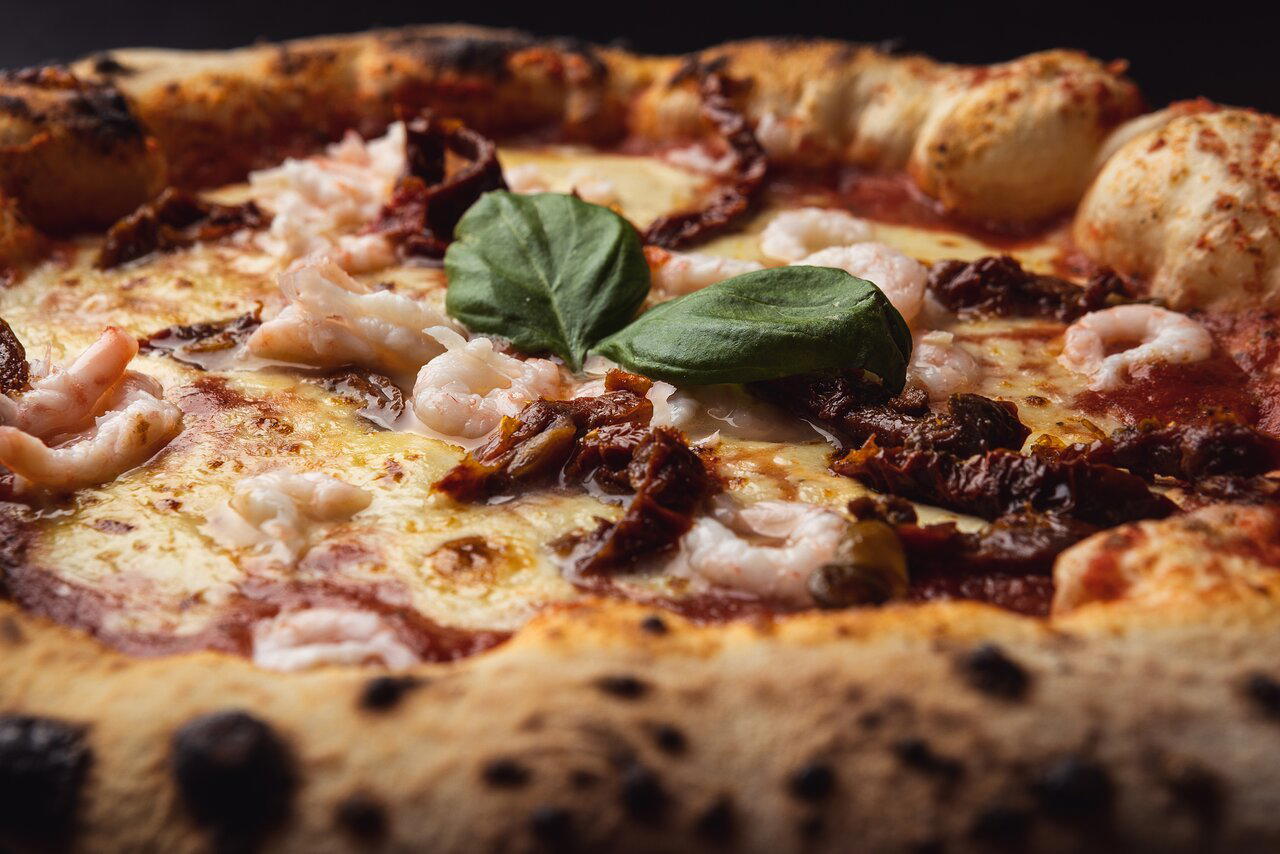
Hotels in Tartu
All hotels in Tartu →
Details
- Modern
- Elegant
- Sophisticated
- Cozy
- Date Night
- Special Occasion
- Business Dinner
- Family
- Open Kitchen
- Extensive Wine List
- Local Sourcing
- Street Scene
- Garden
- A La Carte
- Tasting Menu
- Wine
- Vegetarian Friendly
- Vegan Options
- Gluten Free Options
Current opening hours
- Monday
- 6–11 PM
- Tuesday
- 6–11 PM
- Wednesday
- 6–11 PM
- Thursday
- 6–11 PM
- Friday
- 6–11 PM
- Saturday
- 5–11 PM
- Sunday
- Closed
Hours can change for holidays and private events. Hours as of .
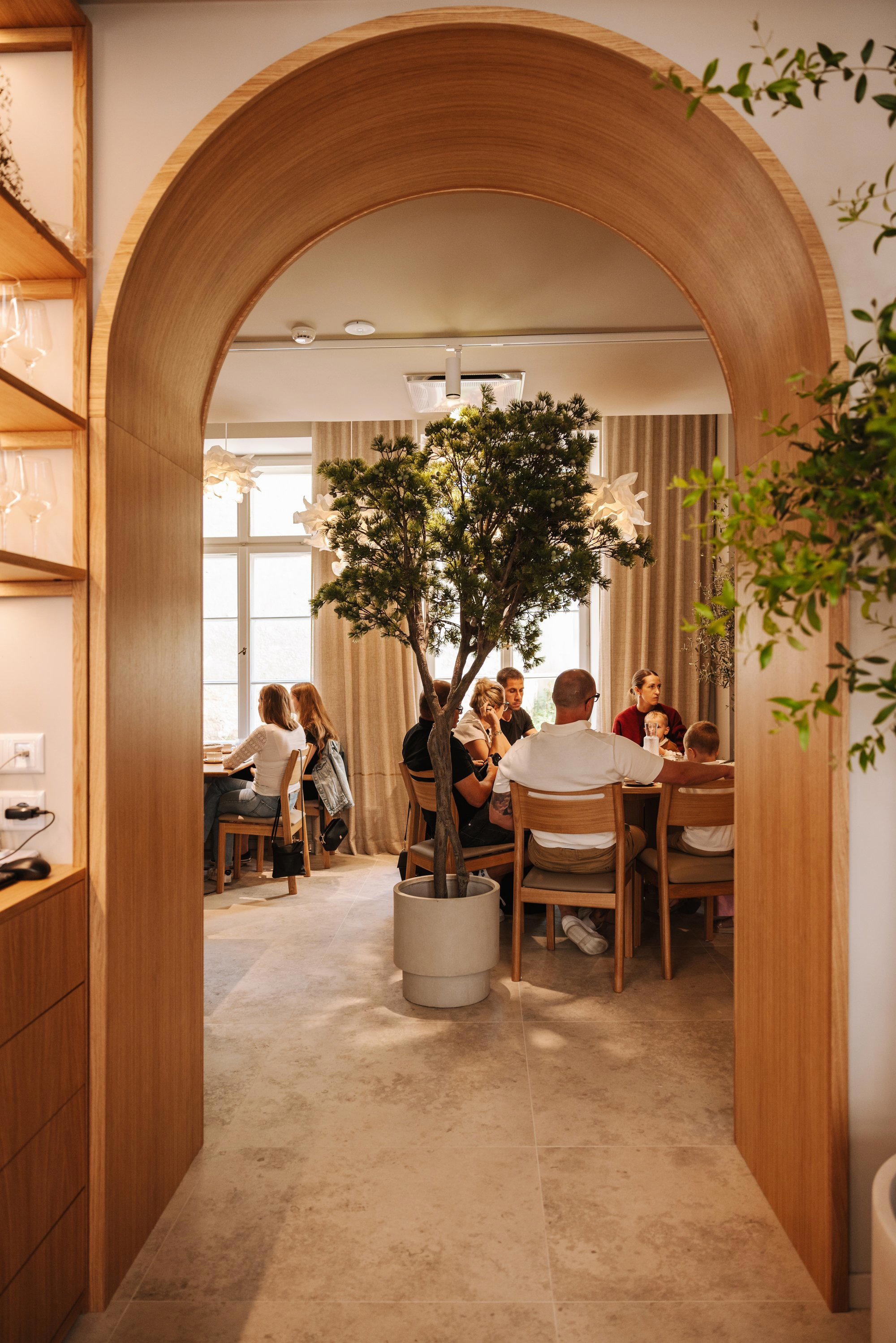
Elegant dining room flooded with natural light from full-length windows, stylish minimalist decor with warm modern atmosphere.