Our verdict
On Vallikraavi street in central Tartu, Vilde Ja Vine occupies a position in the city's growing wine-bar scene that rewards those willing to step away from the main square. The address sits in a quieter residential-commercial pocket, placing it alongside Tartu's more considered dining options rather than its tourist-facing trade. For visitors already working through Hõlm or Cafe Truffe, this is a natural next stop.

Pearl is the En Primeur Club membership app, where members save venues, book tables and use the concierge.
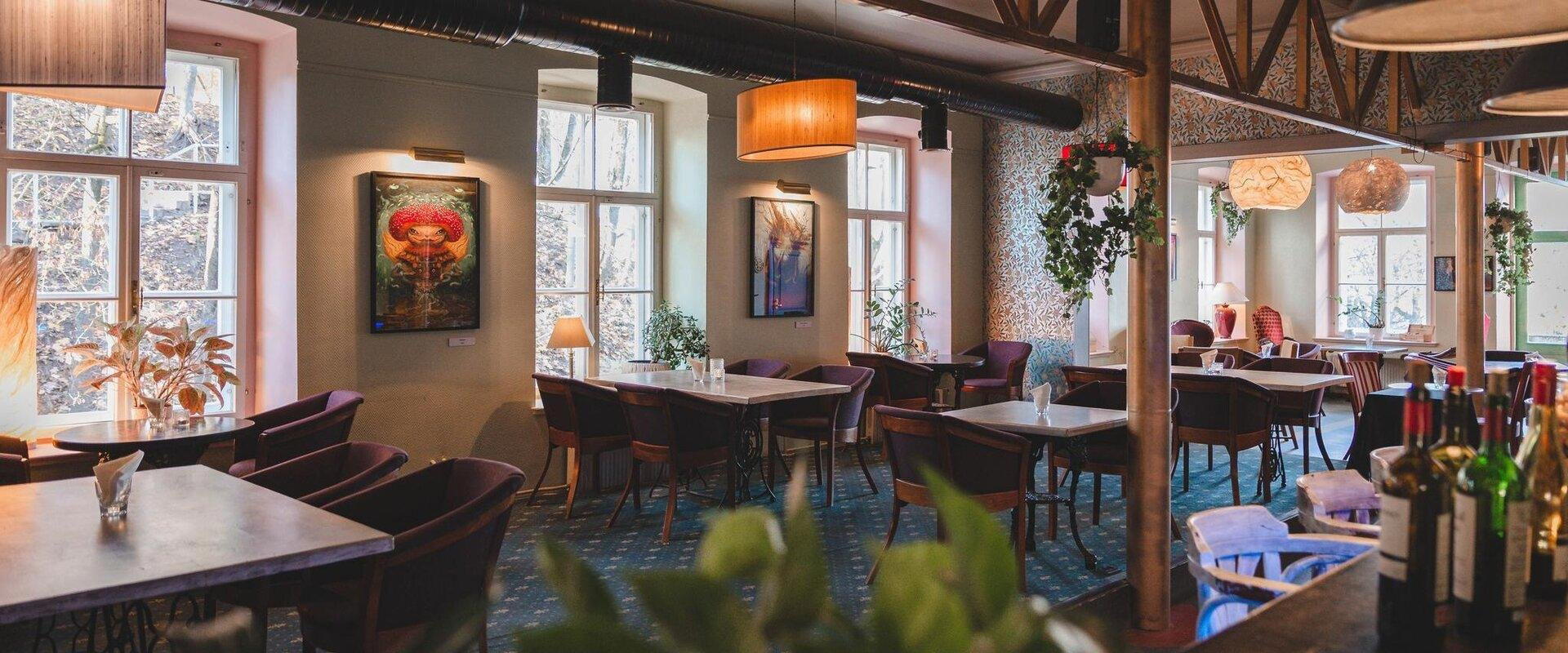
Where Tartu's Wine Culture Takes a Quieter Turn
Tartu's dining scene has been quietly reorganising itself over the past decade. The university city, long overshadowed by Tallinn in international dining coverage, has developed a tier of wine-led venues that sit between casual cafe culture and the more formal dining rooms represented by addresses like Hõlm (Modern Cuisine). Vilde Ja Vine, at Vallikraavi tn 4, occupies a specific position in that middle ground: a wine bar in a city that has only recently built the audience to sustain one seriously.
The address itself signals something. Vallikraavi street runs along the edge of the old town moat area, away from the commercial pressure of Rüütli or Küütri, where foot traffic tends to dictate programming. Venues on this stretch operate for people who seek them out, not for those who wander past. That geography shapes the character of what happens inside: the room does not need to perform to passers-by, and that freedom tends to produce more considered spaces.
The Physical Container: Reading the Room
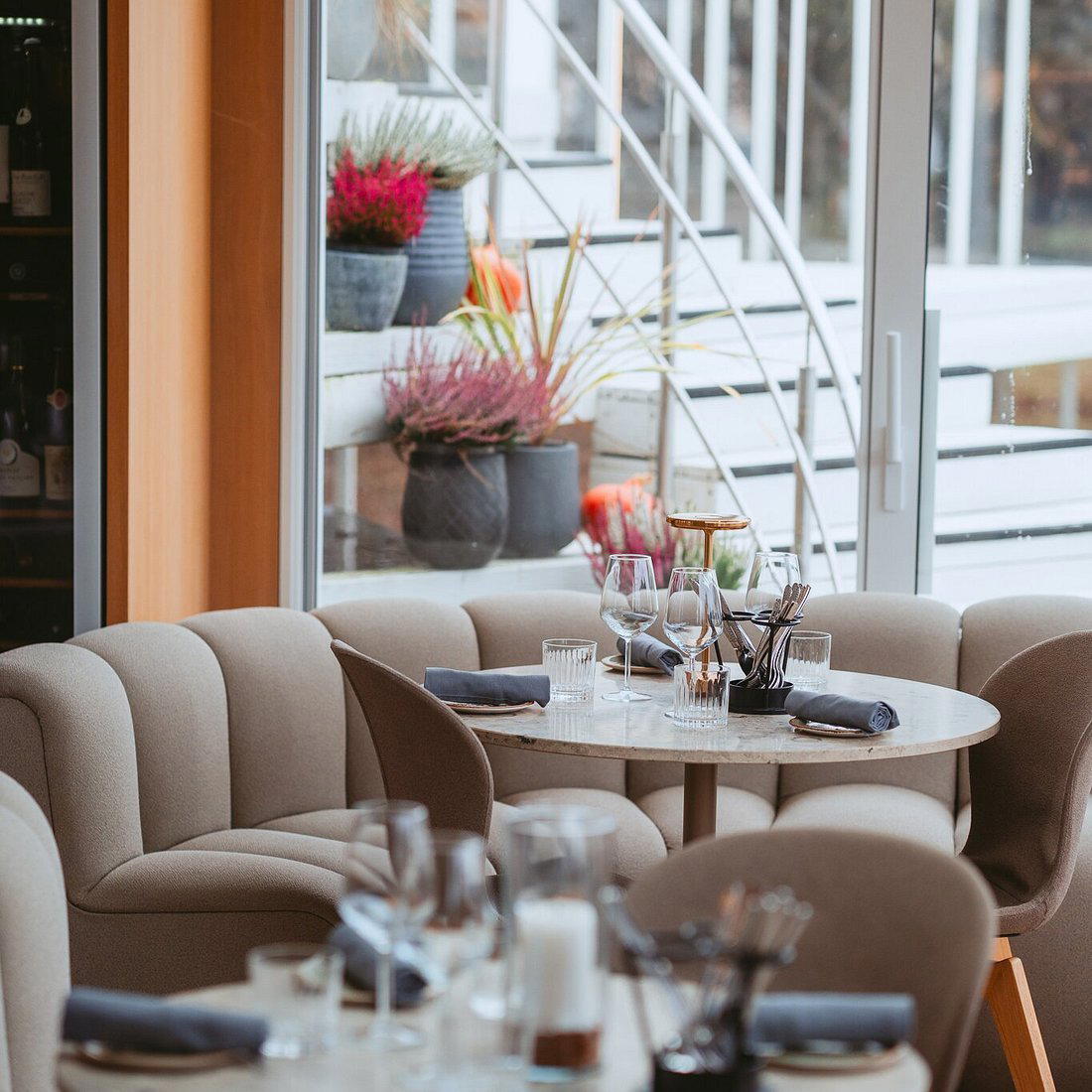
In Estonian wine bars that have emerged in the past five years, two spatial models have become identifiable. The first is the converted cellar or storage space, with low ceilings, exposed stone, and deliberate dimness, a format that imports a northern European interpretation of cave-style drinking. The second is the ground-floor street-level room with large windows and natural light during the day, shifting register toward evening. Vilde Ja Vine's position on Vallikraavi places it within the street-level model, where the relationship between interior and the street outside becomes part of the experience.
Wine bars that succeed at this scale in smaller European cities, Tartu's population sits around 93,000, giving it a customer base closer to a provincial French town than a capital, tend to rely heavily on interior coherence. The room must hold a certain density of atmosphere without the volume of covers that larger cities provide. Furniture weight, lighting temperature, and the acoustic behaviour of the space matter more per square metre than they would in a 200-seat restaurant.
Tartu's Wine Bar Scene in Regional Context
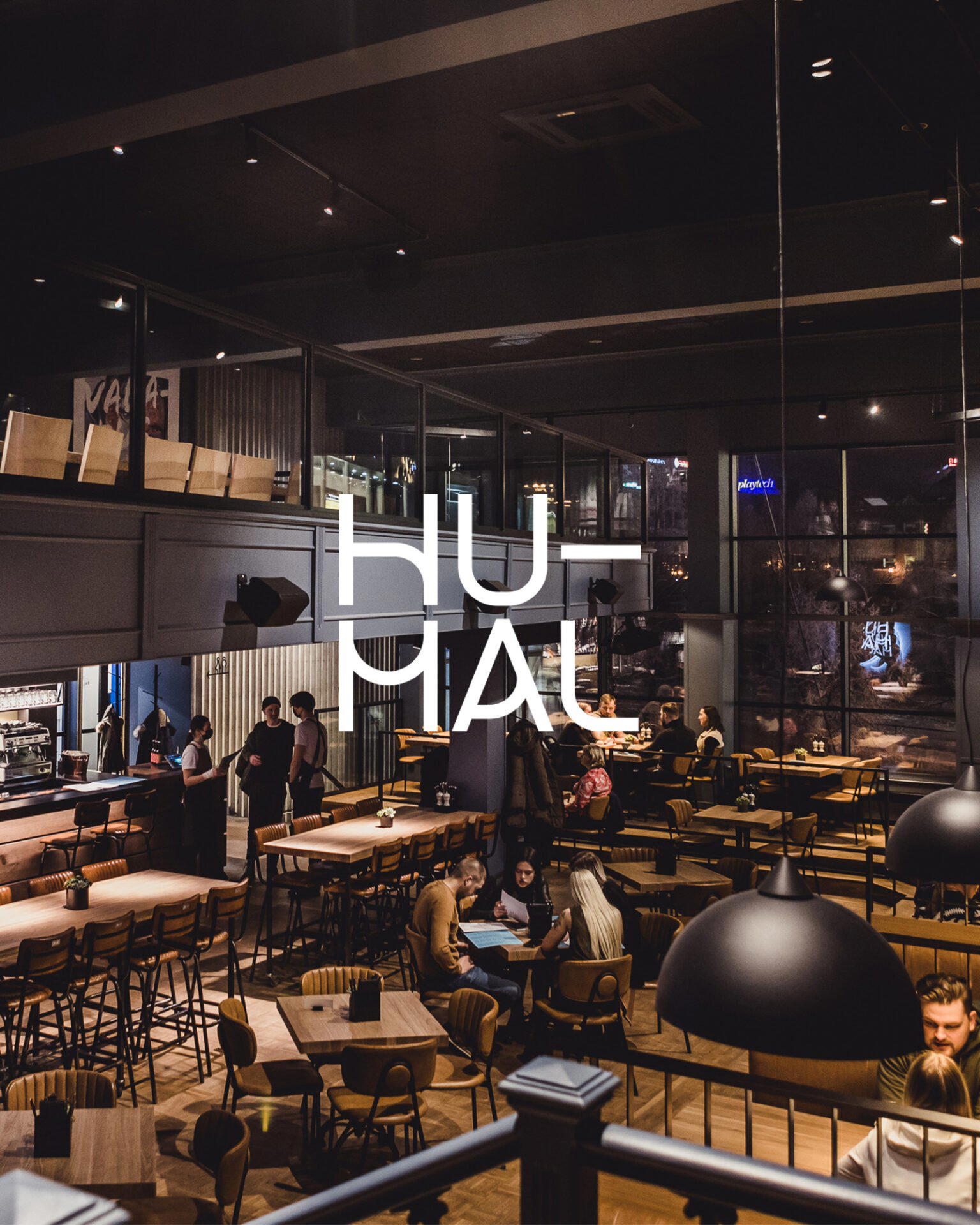
To understand where Vilde Ja Vine sits, it helps to map the broader Estonian wine-bar pattern. Tallinn has developed the most visible tier, with venues capable of drawing regional press attention and appearing in Baltic travel coverage alongside restaurants like 180° by Matthias Diether. Tartu operates differently: it is a university city with a younger permanent population, a strong seasonal rhythm tied to the academic calendar, and a dining culture that values informality alongside quality. A wine bar in this context competes less with fine dining and more with Humal and the city's craft-beer-led venues for the same early-evening slot.
The name itself is a literary reference: Vilde is one of the most prominent figures in Estonian literature, and pairing that cultural anchor with a wine concept is a deliberate positioning move. It places the venue inside Tartu's identity as Estonia's intellectual and academic city, rather than reaching for international or cosmopolitan framing. That local rootedness is a strategic choice as much as a sentimental one: in a city where the university defines the social calendar, aligning with cultural heritage rather than against it tends to build a more loyal regular audience.
What to Order and When to Go
Wine bars of this type in Estonian cities have gravitated toward natural and low-intervention producers, reflecting a broader northern European shift that has accelerated since 2018. The selection tends to run lighter on New World representation and heavier on Georgian, Slovenian, and French producers, the same gravitational pull visible at venues like Valgeranna Veinitall in Audru and, at a different register entirely, at serious international wine programs such as Le Bernardin in New York City.
Tartu's academic calendar shapes when this venue will be at its most atmospheric. The university semester runs September through December and January through May, pulling in a younger, engaged crowd during term time. Summer sees a different visitor mix, with tourism from Finland and Latvia increasing through July and August. Either window works; the experience shifts in register rather than quality. For visitors combining Tartu with broader Estonian travel, the city pairs logically with Pärnu or with smaller stops like Viljandi, both reachable within two hours by car or bus.
Those planning a full Tartu dining itinerary should cross-reference Cafe Truffe, Eva Sushi, and Ihamaru Pizza for different meal slots, using EP Club's full Tartu restaurants guide as the planning reference. Vilde Ja Vine fits most naturally into the early-evening or late-night slot rather than as a primary dinner reservation.
Planning Your Visit
Vallikraavi tn 4 is walkable from Tartu's central bus station in under ten minutes, and from the main Town Hall Square in approximately five. Comparable wine bars in cities of this size across the Baltics tend to fill their limited seating by 8pm on Thursday through Saturday, and Tartu's compressed geography means that the venues worth visiting are clustered tightly enough that an evening can accommodate two stops without logistical effort. For those extending across Estonia, addresses such as Kolm. Restoran in Võru and Kuur in Vihtra represent the same wine-led, locally anchored approach in smaller Estonian towns. Further afield, Wana Kala Kõrts in Neeme, KABE Beach in Kaberneeme, Kohvik Kaar in Narva, and Franzia in Narva Jõesuu extend the map of Estonian dining worth tracking.
Frequently asked questions
What part of town is Vilde Ja Vine in?
Vilde Ja Vine is located at Vallikraavi tn 4, 51003 Tartu, Estonia, Tartu.
Is Vilde Ja Vine connected to Estonian cultural heritage, and does that shape the experience?
The name Vilde Ja Vine references Eduard Vilde, one of Estonia's most significant prose writers, grounding the bar in Tartu's identity as the country's intellectual and literary city. That framing is consistent with the Vallikraavi address, which sits within the cultural fabric of central Tartu rather than its commercial dining strip.
What do people recommend at Vilde Ja Vine?
Wine bars at this address type in Tartu typically anchor their lists around Georgian, Slovenian, and low-intervention European producers, with small plates built around local seasonal ingredients. Arriving without a fixed agenda tends to work in your favour here, the format rewards conversation with whoever is pouring.
How far ahead should I plan for Vilde Ja Vine?
In Tartu's wine bar category, Thursday through Saturday evenings at venues on quieter streets like Vallikraavi tend to fill ahead of walk-in time, particularly during the university semester and summer festival periods. Checking directly via the venue's current contact channels before arrival is the reliable approach.
What do critics highlight about Vilde Ja Vine?
Its position on Vallikraavi, a street associated with Tartu's literary and cultural quarter rather than its tourist axis, and a name drawn from Estonian cultural heritage signal a venue with a specific local identity. That positioning tends to draw editorial attention within the Baltic wine-bar conversation, even without formal accolades on record.
The Essentials
Comparable venues nearby, for context on price, style, and recognition.
| Venue | Cuisine | Price | Awards | Notes |
|---|---|---|---|---|
| Vilde Ja VineThis venue (the venue you are viewing) | European Wine-Focused Bistro | $20–30 | Not listed | Not listed |
| Cafe Truffe | Modern European Cafe | Not listed | White Guide Baltic Restaurants - Recommended | Old Town, Modern European Cafe |
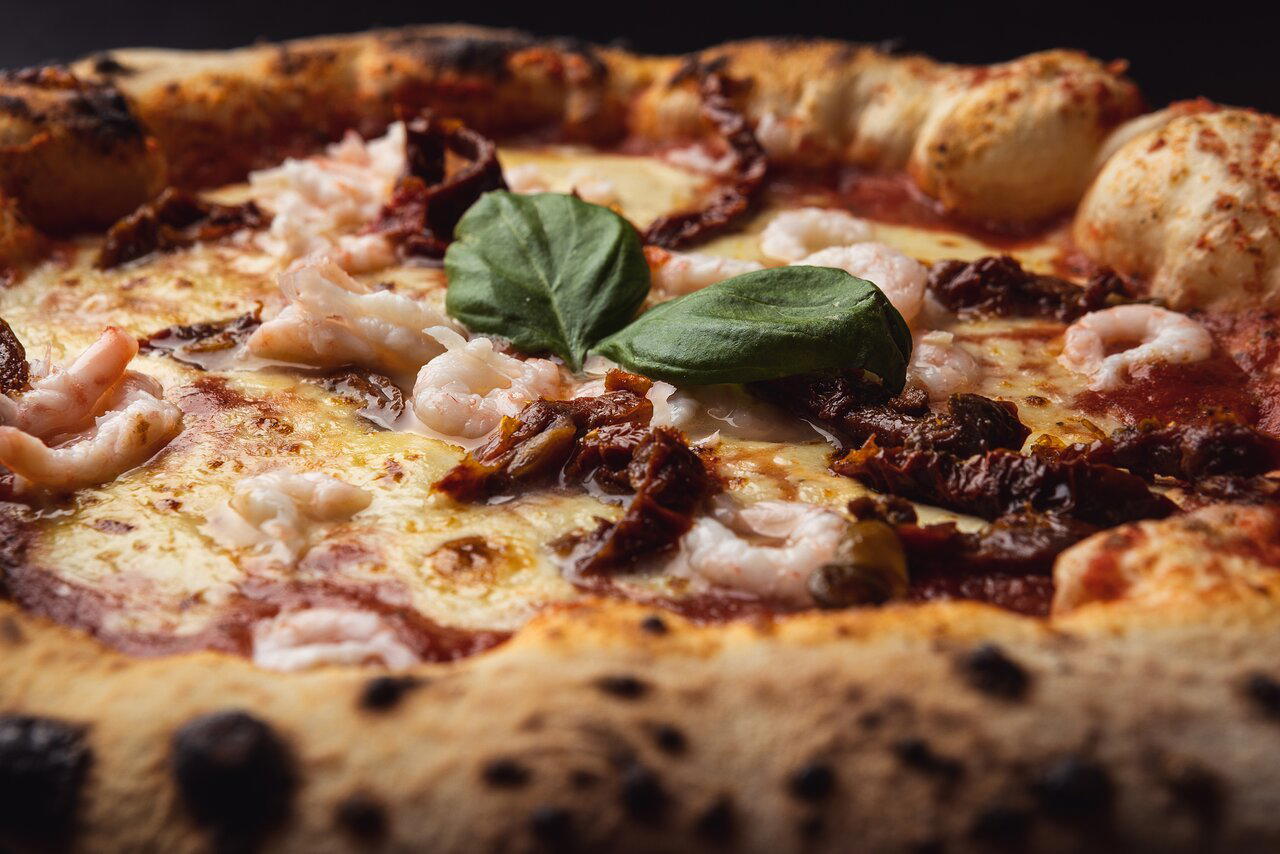
| Ihamaru Pizza | Neapolitan Pizza & Brewery Taproom | $20–30 | Not listed | Tartu center, Neapolitan Pizza & Brewery Taproom |
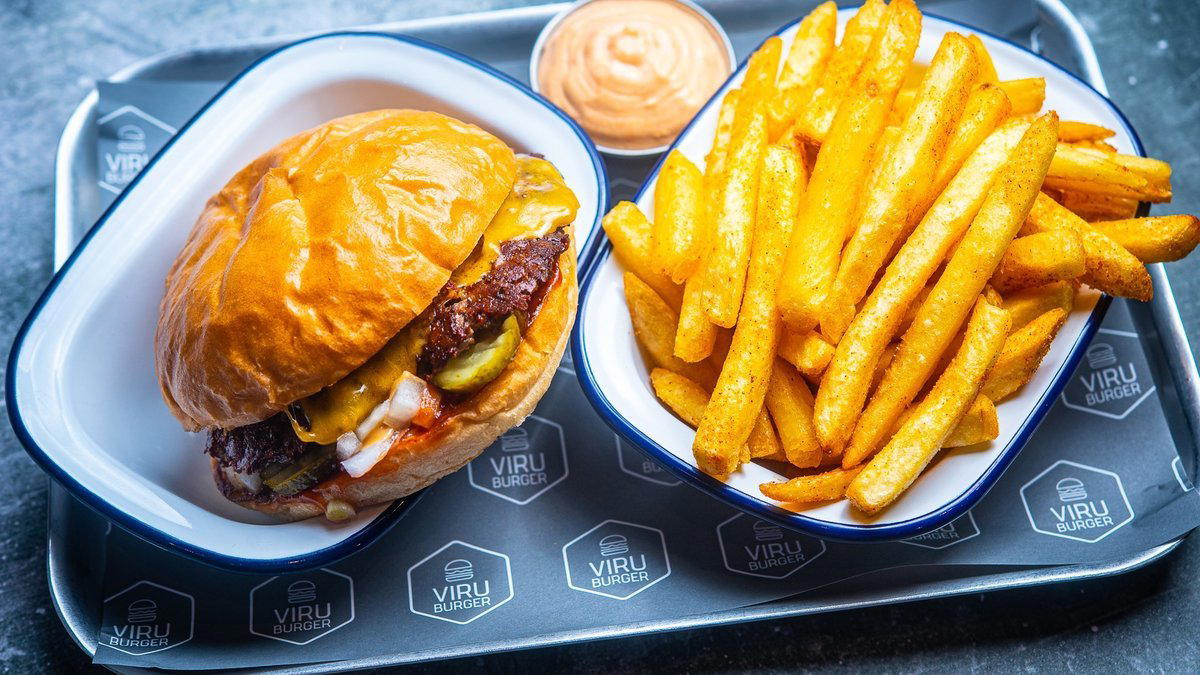
| Viru Burger | Modern Burgers | $10–20 | Not listed | Not listed |
| Kampus | Modern Fusion Multi-Concept | $20–30 | White Guide Baltic Restaurants - Fine Level | Old Town, Modern Fusion Multi-Concept |
| Restoran Antonius | Modern European with Estonian influences | $50–100 | White Guide Baltic Restaurants - Fine Level | Tartu City Center, Modern European with Estonian influences |
Continue exploring
More in Tartu
Restaurants in Tartu
All restaurants in Tartu →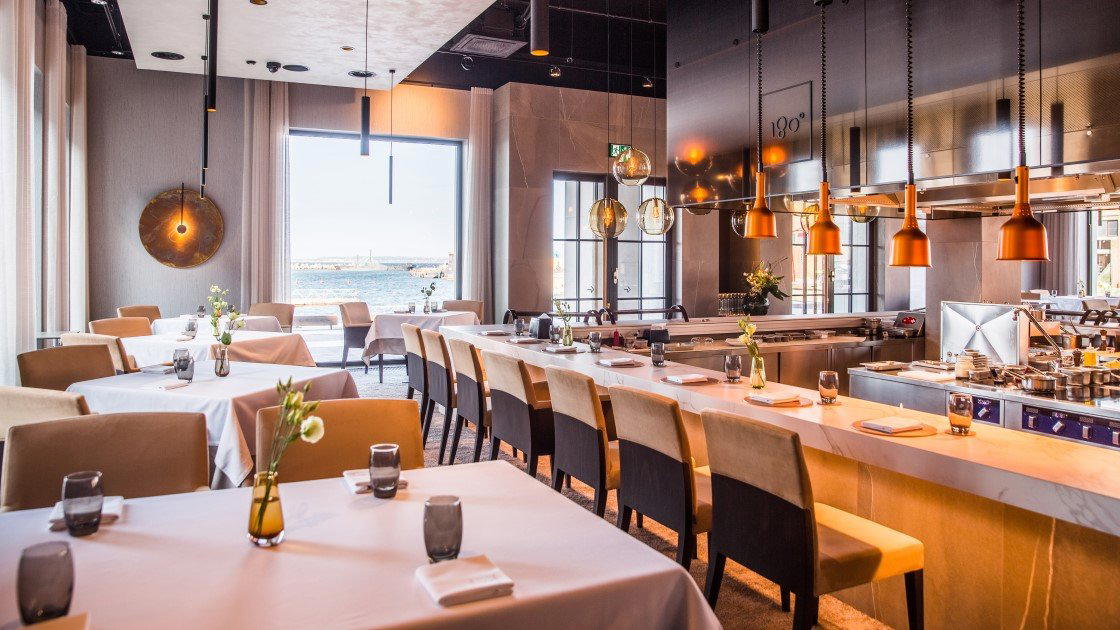
Hotels in Tartu
All hotels in Tartu →
Details
- Bohemian
- Cozy
- Elegant
- Date Night
- Group Dining
- Casual Hangout
- Open Kitchen
- Terrace
- Historic Building
- Extensive Wine List
- Street Scene
- A La Carte
- Small Plates
- Wine
- Vegetarian Friendly
- Vegan Options
Current opening hours
- Monday
- 11:30 AM–10 PM
- Tuesday
- 11:30 AM–10 PM
- Wednesday
- 11:30 AM–10 PM
- Thursday
- 11:30 AM–11 PM
- Friday
- 11:30 AM–1 AM
- Saturday
- 1 PM–1 AM
- Sunday
- Closed
Hours can change for holidays and private events. Hours as of .
Stylish interior in a historic brick building with interesting art on walls, warm lighting, and a bohemian charm; lively terrace overlooking street scene.