Our verdict
Pompei occupies a corner of Rüütli tn 7 in central Tartu, drawing a loyal local crowd that returns not for novelty but for consistency. In a city whose restaurant scene has grown steadily more ambitious, this address holds its ground through familiar comfort rather than trend-chasing. For visitors looking beyond Tartu's newer openings, Pompei offers a different register entirely.

Pearl is the En Primeur Club membership app, where members save venues, book tables and use the concierge.
Rüütli Street and the Comfort of the Known Quantity
Tartu's restaurant scene has spent the last decade pulling in two directions at once. On one side, a cluster of technically ambitious kitchens has pushed the city closer to Tallinn's more polished dining tier. On the other, a quieter set of neighbourhood addresses has held its ground by doing something the ambitious places often cannot: making the same people feel at home, visit after visit. Pompei, at Rüütli tn 7 in the centre of Tartu, belongs firmly to the second category. This is not a venue that announces itself. It is one that accumulates meaning through repetition.
Rüütli is one of Tartu's older pedestrian-adjacent streets, running through the lower part of the Old Town where the city's academic and civic life overlaps. The address puts Pompei within easy reach of the university quarter and the Town Hall Square, which means its audience is a cross-section of Tartu at its most local: students, faculty, long-term residents, and the kind of visitor who asks a local where to eat rather than consulting a list. That audience is its own form of trust signal. Venues that depend on passing tourist trade behave differently from those that depend on people who will be back next week.
What Regulars Come Back For
The regulars' perspective is the most reliable editorial lens for a place like this. In cities where dining options have multiplied, the venues that sustain repeat clientele do so through a combination of consistency, price-value alignment, and an unwritten understanding between the kitchen and its audience. Pompei's position on Rüütli suggests it has found that alignment, even if the formal data points that typically confirm it, such as awards, published reviews, or rated credentials, are not publicly on record.
What loyalty of this kind usually signals, across comparable neighbourhood addresses in smaller European university cities, is a menu that does not overcomplicate its own proposition. Regulars do not return to places that surprise them with format changes or seasonal reinventions every few months. They return to places where the dish they ordered last time is still there, still the same, and still priced fairly. That predictability is not a weakness. In a city like Tartu, where Hõlm (Modern Cuisine) and similar kitchens occupy the more experimental tier, an address that holds a steadier line serves a real function in the broader scene.
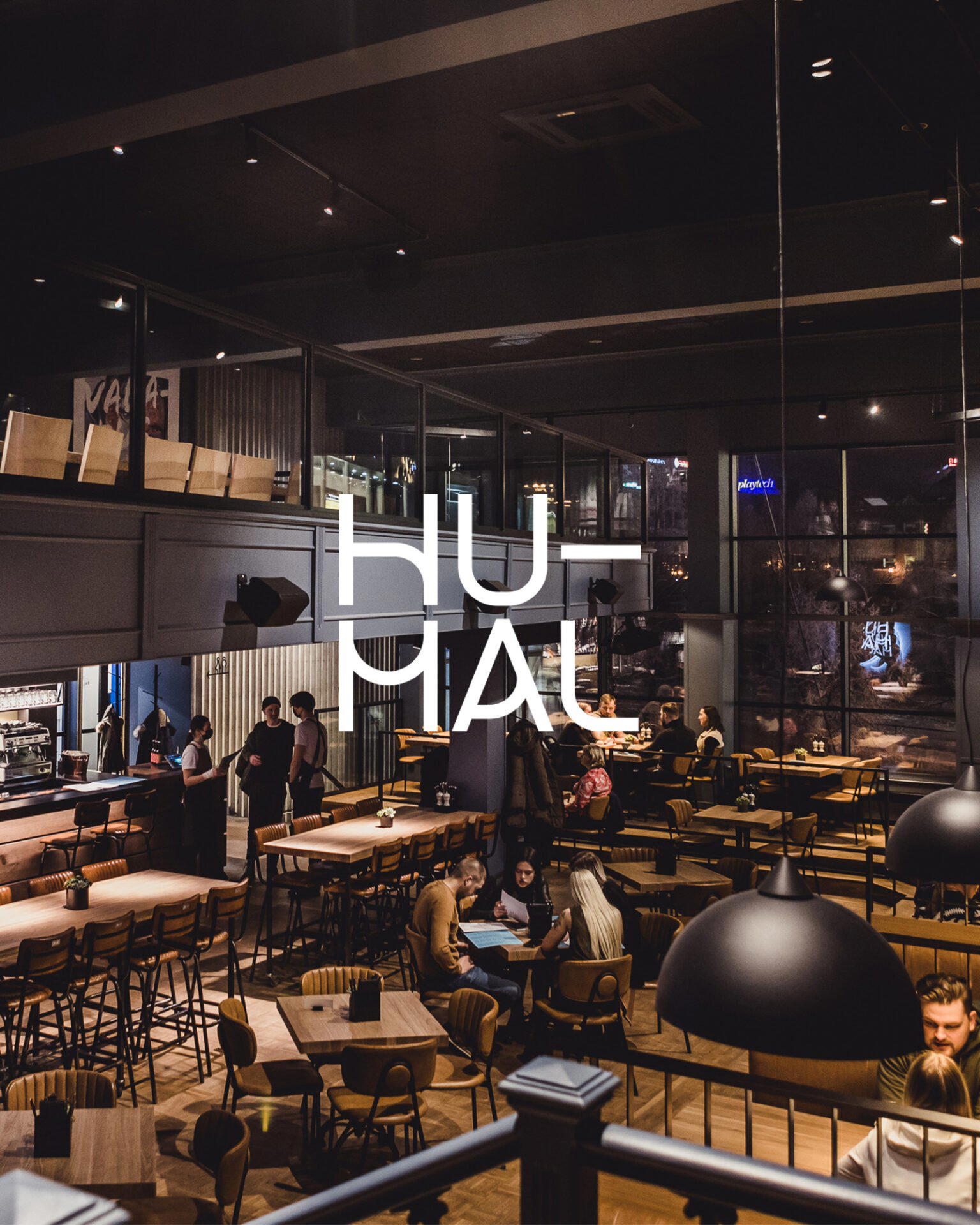
Tartu's dining range now includes credentialed modern cuisine at the higher end, casual sushi at venues like Eva Sushi, craft-oriented drinking at Humal, and neighbourhood café culture at addresses like Cafe Truffe. Pompei sits in a different register from all of them. The name itself gestures toward a southern European reference point, which in Estonian restaurant culture typically signals either Italian-influenced cooking or a broader Mediterranean orientation.
The Tartu Context: A City That Rewards Slower Attention
Tartu is Estonia's second city, but the comparison to Tallinn is less useful than it sounds. Tallinn's dining scene operates under heavier tourist pressure and a different economic logic. Tartu's is shaped by the university, which brings a year-round population of roughly 13,000 students, and by a civic culture that values intellectual seriousness over spectacle. That character shows up in its restaurants. Venues here tend to be smaller, less performative, and more embedded in daily life than their Tallinn counterparts. A place like 180° by Matthias Diether in Tallinn operates in an entirely different register, one calibrated for a capital city's higher-end visitor economy.
Within Tartu, the distinction between trend-led and regulars-led venues matters more than price tier. A venue can be inexpensive and still be where serious locals eat. It can also be mid-range and sustain a loyal audience without ever appearing in a curated guide. Pompei's position on a central, pedestrian-friendly street in the Old Town gives it both visibility and accessibility without placing it in the tourist-trap tier that some Old Town addresses fall into.
For visitors building a Tartu itinerary, it is worth reading our full Tartu restaurants guide before narrowing down. The city rewards a longer stay. A single meal at the most-discussed address tells you less than two or three meals at different price points and formats. Pompei represents one point on that map, not the only one.
Placing Pompei in the Wider Estonian Picture
Estonia's regional dining scene, outside Tallinn and to a lesser extent Tartu, has developed in uneven but often interesting ways. Everest Thai/Nepalese Restaurant in Parnu shows how international cuisine takes root in smaller coastal cities. Kohvik in Viljandi and Kolm. Restoran in Voru illustrate how smaller Estonian towns sustain their own dining identities independent of the capital's influence. Franzia in Narva Joesuu and Kohvik Kaar in Narva operate in Estonia's northeast, a region with a distinct demographic and culinary character. Coastal and rural formats like KABE Beach in Kaberneeme, Wana Kala Kõrts in Neeme, Kuur in Vihtra, and Valgeranna Veinitall in Audru follow a different logic again, seasonal and place-specific in ways that urban venues cannot replicate.
Pompei fits none of those regional patterns. It is a city-centre address in a university town, operating for a year-round local audience. That is a specific and durable niche.
Planning a Visit
Pompei is located at Rüütli tn 7, 51007 Tartu, which places it in the walkable centre of the Old Town. The address is accessible on foot from most central accommodation. Visitors arriving by train from Tallinn, a journey of roughly two hours on the main intercity service, can reach the Old Town within fifteen minutes on foot or by taxi from Tartu station. Given the absence of published booking information, the most reliable approach is to arrive in person or to check current hours and reservation policy through local channels before visiting.
Tartu's dining scene also benefits from neighbourhood exploration beyond single-address visits. Ihamaru Pizza is another local address worth noting for a more casual register within the city. For international reference points on what rigorous dining can look like at the far end of the spectrum, Le Bernardin in New York City and Atomix in New York City represent the kind of credentialed precision that occupies a completely different tier, useful context for calibrating expectations when visiting smaller European cities.
Frequently asked questions
What's the address for Pompei?
Pompei is located at Rüütli tn 7, 51007 Tartu, Estonia, Tartu.
Is Pompei a good option for a sit-down meal in central Tartu?
Pompei's address at Rüütli tn 7 places it directly in Tartu's Old Town centre, accessible on foot from the main university quarter and Town Hall Square. Tartu functions differently from Tallinn, dining here draws heavily on a local and academic population rather than seasonal tourism, which tends to make neighbourhood restaurants on this street more consistent year-round. For visitors staying centrally, it is a walkable option without requiring transport.
What should I eat at Pompei?
Ask staff which dishes see the most repeat orders, in a place with an established Tartu local following on Rüütli Street, those dishes tend to reflect what the kitchen does consistently well rather than what's new on the menu.
Should I book Pompei in advance?
Pompei is located at Rüütli tn 7 in Tartu's walkable Old Town, an area that draws both locals and visitors throughout the week. For weekend evenings especially, arriving early is advisable in a neighbourhood restaurant with an established local following.
What has Pompei built its reputation on?
Pompei's position on Rüütli Street places it inside Tartu's most frequented stretch of the Old Town, where foot traffic and local loyalty both matter. In a city where Tallinn's tourist-driven restaurant pressures are absent, venues that hold a regular clientele do so through consistency rather than novelty.
Can Pompei adjust for dietary needs?
Contacting the restaurant directly before visiting is advisable, the Rüütli tn 7 address is central enough that Tartu's Old Town offers alternative options nearby if requirements cannot be met.
Category Peers
Comparable venues nearby, for context on price, style, and recognition.
| Venue | Cuisine | Price | Notes |
|---|---|---|---|
| PompeiThis venue (the venue you are viewing) | Modern Italian with Local Twists | $20–30 | Not listed |
| La Dolce Vita | Authentic Italian Pizza and Pasta | $20–30 | Old Town |
| Ihamaru Pizza | Neapolitan Pizza & Brewery Taproom | $20–30 | Tartu center |
| Viru Burger | Modern Burgers | $10–20 | Not listed |
| Humal | French-inspired Bistro | Not listed | central Tartu |
| Pazzo Restoran | Authentic Italian Soul Food | $20–30 | Tartu linn |
Continue exploring
More in Tartu
Restaurants in Tartu
All restaurants in Tartu →
Hotels in Tartu
All hotels in Tartu →
Details
- Cozy
- Elegant
- Intimate
- Date Night
- Casual Hangout
- Group Dining
- Open Kitchen
- Extensive Wine List
- Local Sourcing
- A La Carte
- Small Plates
- Wine
- Vegetarian Friendly
- Vegan Options
Current opening hours
- Monday
- 12–10 PM
- Tuesday
- 12–11 PM
- Wednesday
- 12–11 PM
- Thursday
- 12–11 PM
- Friday
- 12 PM–12 AM
- Saturday
- 12 PM–12 AM
- Sunday
- 12–10 PM
Hours can change for holidays and private events. Hours as of .
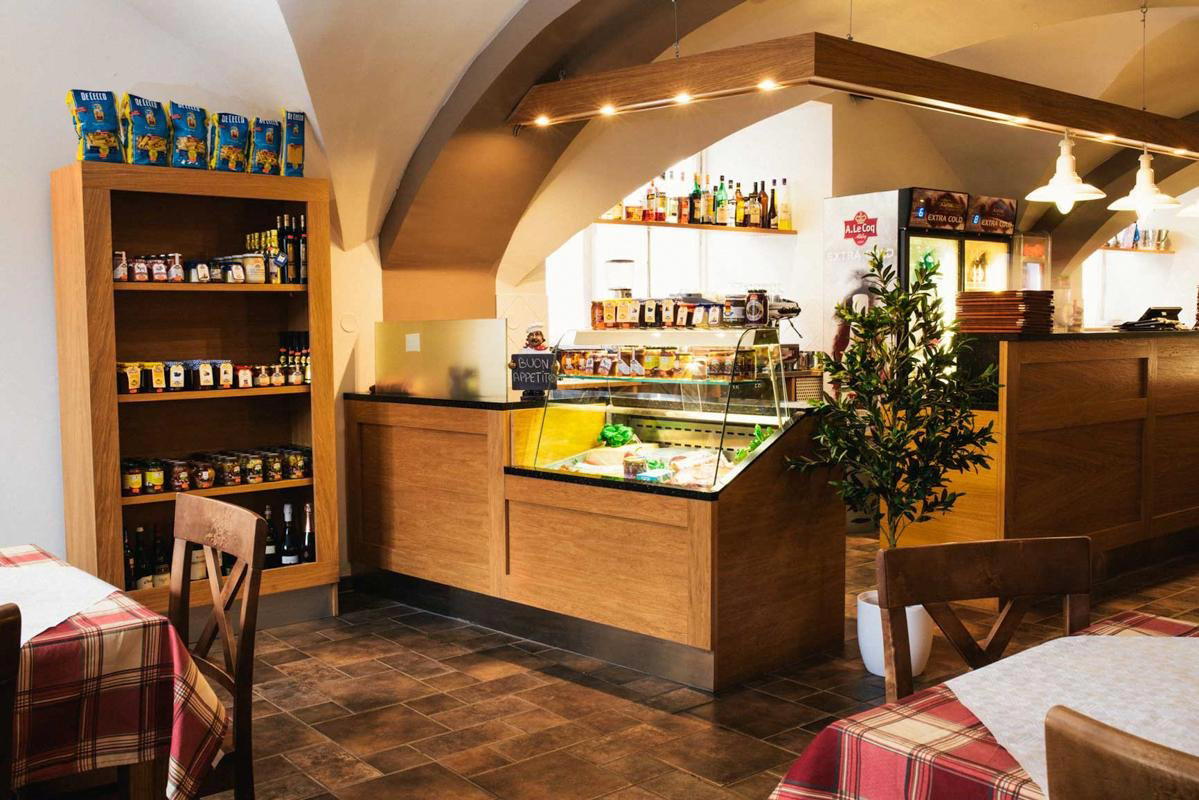
Elegant and cozy atmosphere with warm hospitality and a focus on shared dining experiences.