Our verdict
Kolm Tilli occupies a residential address on Kastani Street in Tartu's quieter southern quarters, placing it at a deliberate remove from the university-district bustle. The kitchen draws on Estonia's short-season produce tradition, connecting the plate to the agricultural rhythms of the surrounding region. For visitors working through Tartu's dining options, it represents the neighbourhood-rooted end of the local restaurant spectrum.

Pearl is the En Primeur Club membership app, where members save venues, book tables and use the concierge.
The menu
What to order
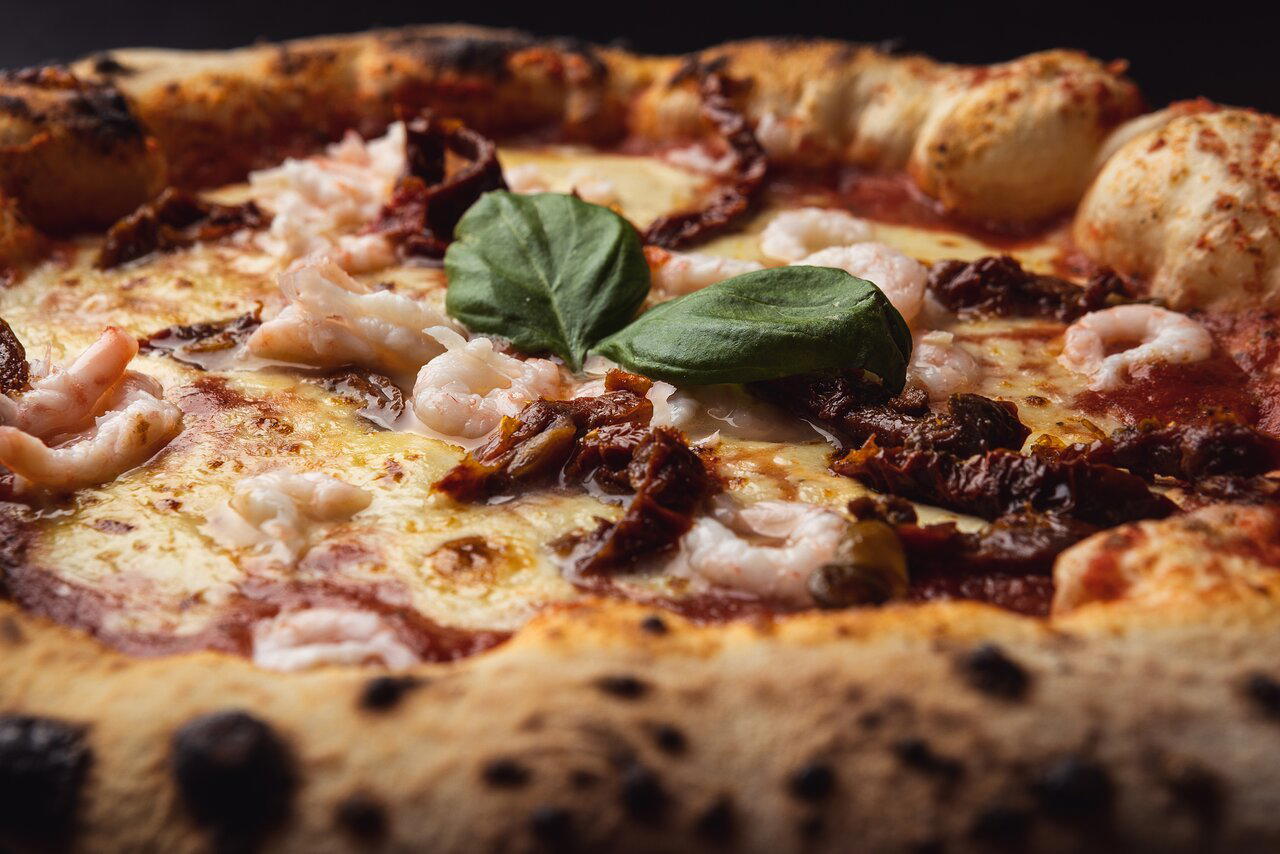
- Neapolitan Pizza
- Pad Thai
- Fish and Chips
- Bao Buns
- Gado Gado
Kastani Street and the Logic of the Neighbourhood Table
Tartu's restaurant scene has developed along two distinct tracks over the past decade. One follows the university city's central axis, where venues cluster around Rüütli and Raekoja plats, pitching to students, academics, and the steady flow of visitors arriving from Tallinn on the two-hour bus or train. The other track runs quieter, through residential streets where the clientele is local by default and the kitchen answers to a more consistent, repeat-visit standard. Kolm Tilli, at Kastani tn 42 in the 50410 district south of the city centre, operates on that second track. The address alone signals something: you do not end up on Kastani Street by accident.
This positioning matters more than it might first appear. In cities like Tartu, where the dining population is small enough that word-of-mouth moves fast and a bad season is genuinely punishing, restaurants that locate themselves in residential neighbourhoods are making an implicit commitment to the community around them. The tourist trade is thinner out here; the repeat-visitor trade is everything. That pressure shapes menus, portion calibration, and the rhythm of the room in ways that central-district venues rarely experience.
Estonian Produce and the Short-Season Logic
The broader context for any kitchen working in Estonia is the agricultural calendar. The growing season in this part of the Baltic runs from late May through September at its most generous, and the winter months press kitchens toward preservation, fermentation, and root-cellar strategy. This is not a constraint unique to Estonian cooking, Scandinavian and other northern European kitchens have made the same adjustment into a defining aesthetic over the past two decades, but in Tartu specifically, the proximity to farming land in Tartu County and the Jõgeva region to the north makes local sourcing a practical option rather than a marketing posture.
Restaurants in this tier of the Tartu market tend to sit somewhere between the more formally modern kitchens at Hõlm (Modern Cuisine), which operates at the €€€ price point and applies contemporary technique to Estonian ingredients, and the casual end of the spectrum where the ingredient story is less explicit. Kolm Tilli's Kastani Street address and neighbourhood orientation suggest it occupies the middle register: ingredient-aware without the tasting-menu formalism, grounded in seasonal availability without performing it for an audience of food tourists.
For context on where Tartu sits within the wider Estonian dining picture, Alexander in Pädaste on Muhu Island represents the country's most architecturally ambitious farm-to-table proposition, while Hiis in Manniva and Kolm Sõsarat in Lüllemäe pursue rural sourcing models in village settings. Tartu's version of this tradition is more urban in its delivery, but the ingredient logic connects to the same regional network.
The Room and What to Expect
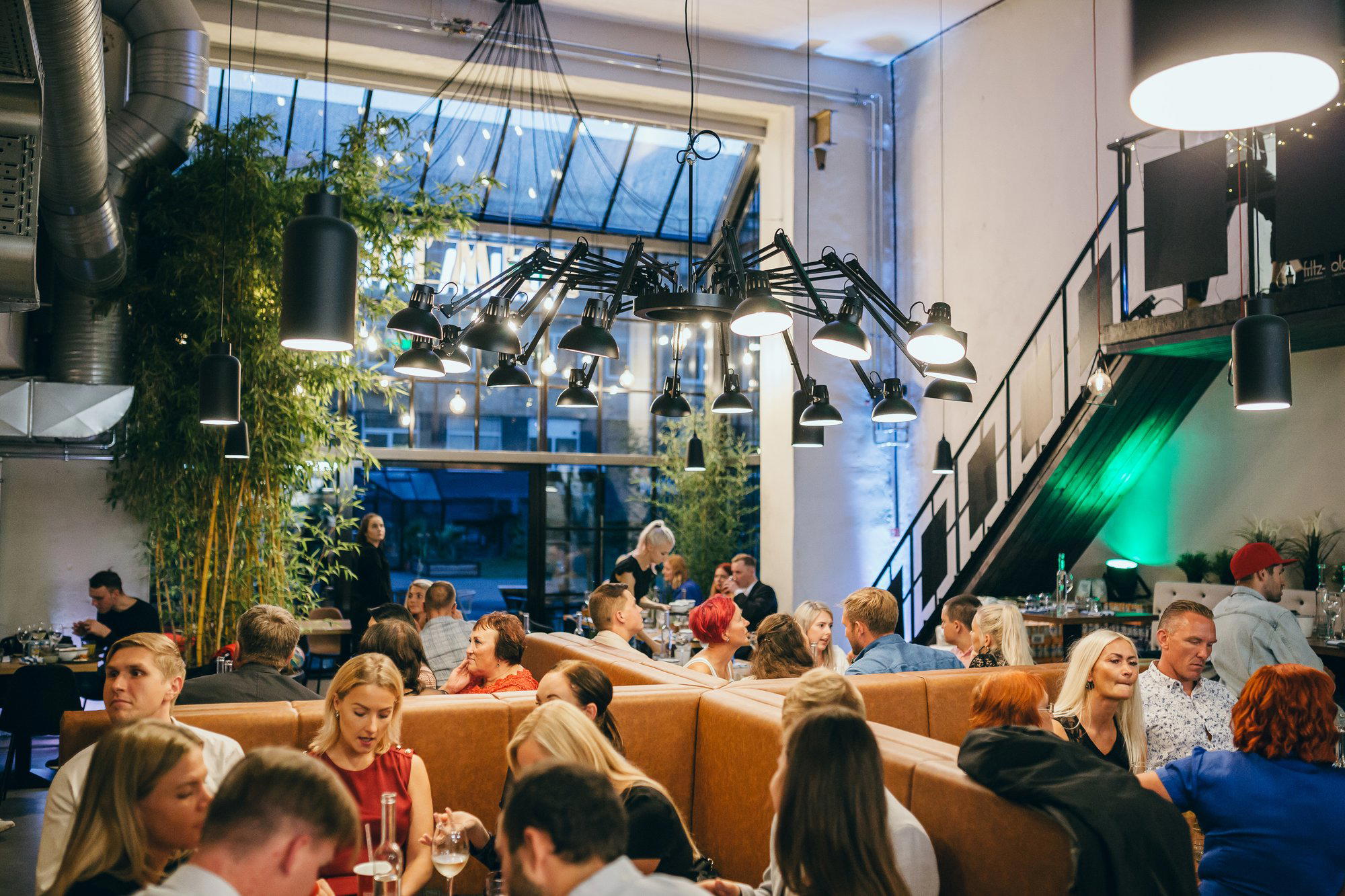
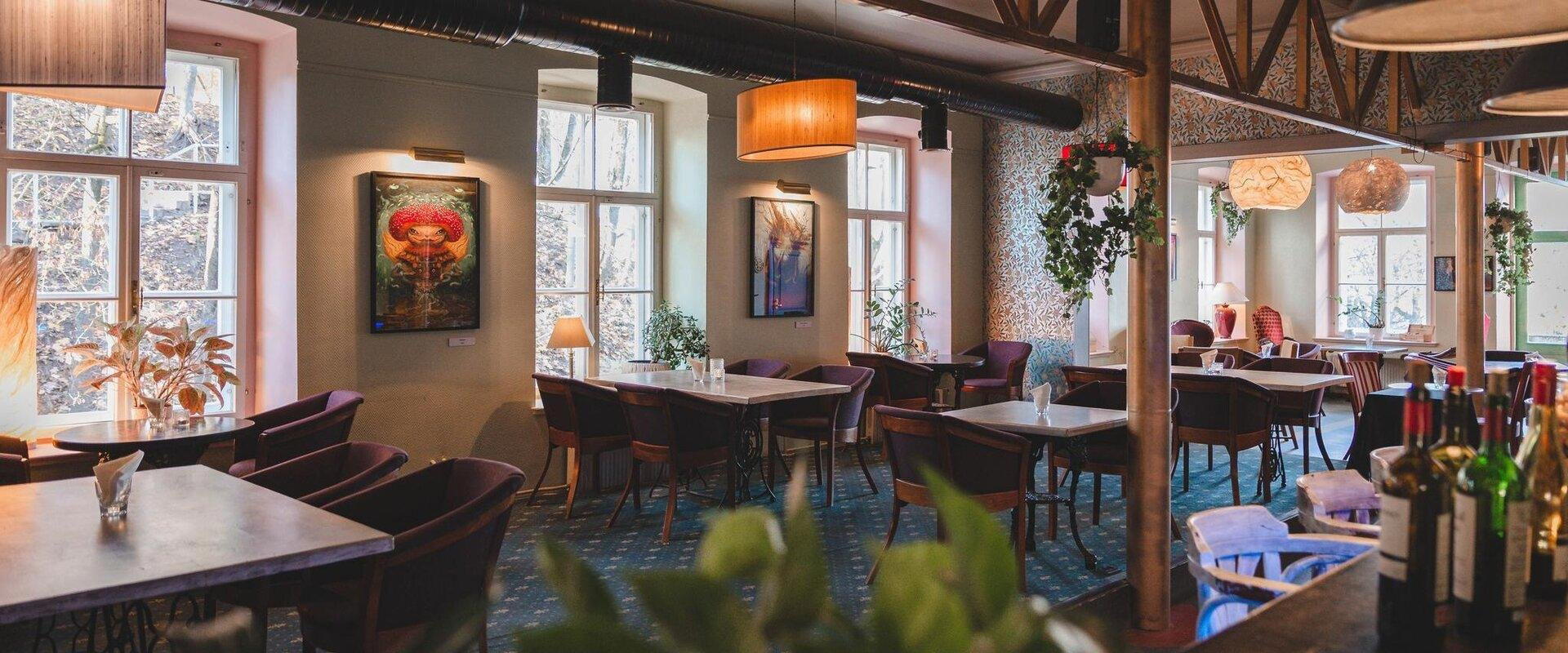
Venues at this address type in Tartu typically occupy converted residential or light-commercial ground floors, which gives them a domestic quality that larger central-district rooms cannot replicate. The atmosphere at neighbourhood tables in Estonian cities leans toward the undemonstrative: good light, unfussy service, tables close enough that you are aware of the room but not uncomfortably so. This is the register in which Kolm Tilli operates, and it is a deliberate choice rather than a compromise.
Compared to the more theatrical end of Tartu dining, such as Cafe Truffe or the specific format of Eva Sushi, a room like this one rewards visitors who want to eat rather than be seen eating. The pace tends to be unhurried; the clientele tends to be local. If you are arriving from Tallinn and have already visited 180° by Matthias Diether, the register shift is significant and intentional.
For those crossing Estonia more broadly, the contrast with coastal venues like Mere 38 in Võsu or Lahepere Villa in Kloogaranna is instructive: coastal restaurants in Estonia often anchor their sourcing story to the sea; inland Tartu kitchens anchor theirs to the land. Both are legitimate expressions of the same short-supply-chain instinct.
Tartu's Dining Scene in Brief
For visitors building an itinerary, Tartu's restaurant offering is narrower than Tallinn's but more coherent in its identity. The city's dining scene includes Humal for those interested in the local craft-beer-adjacent dining culture, Ihamaru Pizza at the casual end, and Hõlm at the formal modern end. Kolm Tilli fits into this picture as the neighbourhood-rooted option: less visible to passing trade, more consistent with the daily rhythms of the area it serves. The full picture is available in our Tartu restaurants guide.
Those travelling through Estonia more widely will find useful reference points in Fellin in Viljandi, which operates a similar neighbourhood-scale proposition in a smaller city, and Franzia in Narva Jõesuu on the Russian border, where the sourcing context is markedly different. For a sense of how Estonian kitchens compare internationally, the tightly choreographed counter format at Atomix in New York City or the seafood precision of Le Bernardin represent the outer limits of the formal end; Kolm Tilli is not competing in that tier and does not pretend to.
Planning Your Visit
Kastani tn 42 is reachable from Tartu's central bus station in roughly fifteen minutes on foot heading south, or a short taxi or ride-share from the old town. Because the venue is residential in its orientation, arriving with a reservation rather than walking in is the sensible approach, particularly on weekends when local demand tends to absorb available capacity before tourist trade arrives.
For those building a broader Tartu day around the meal, the university district and AHHAA science centre are within easy walking distance to the north. The neighbourhood itself warrants a short walk before or after eating: Kastani Street sits in a zone of early-twentieth-century wooden architecture that represents a different register of Tartu entirely from the Baroque-influenced old town.
Frequently asked questions
Is Kolm Tilli okay with children?
Kolm Tilli sits on Kastani tn 42 in a residential southside street of Tartu, which gives venues at this address a domestic, relaxed quality rather than a formal dining-room atmosphere. That setting generally suits families better than a high-ceremony restaurant would.
What should I expect atmosphere-wise at Kolm Tilli?
The Kastani tn 42 address places Kolm Tilli in Tartu's quieter southside, away from the tourist-facing central axis around the town hall square. Converted ground-floor spaces in this part of the city tend to feel domestic in scale, with lower ceilings and room sizes that keep tables close and noise contained. The overall register is neighbourhood-familiar rather than occasion-formal.
Does Kolm Tilli reflect Tartu's distinct food identity rather than following Tallinn's dining trends?
Tartu's restaurant scene has developed a coherent local character that differs from the capital: smaller in scale, more neighbourhood-oriented, and shaped by the university city's rhythms rather than by tourism or export-facing gastronomy. Kolm Tilli's address on Kastani tn 42, south of the central core, places it squarely within that local-first tradition. For visitors arriving from Tallinn, the contrast in register is one of the more useful things to understand before sitting down.
What's the must-try dish at Kolm Tilli?
What is clear from the venue's context is that kitchens working in Estonia operate around a short Baltic growing season running from late May through early autumn, which tends to focus menus tightly on whatever is at its peak. Ask the kitchen or front-of-house what is in season on the day you visit, that answer will point you to the right dish.
Fast Comparison
Comparable venues nearby, for context on price, style, and recognition.
| Venue | Cuisine | Price | Notes |
|---|---|---|---|
| Kolm TilliThis venue (the venue you are viewing) | Global Street Food & Neapolitan Pizza | $20–30 | Not listed |
| Humal | French-inspired Bistro | Not listed | central Tartu |
| Pompei | Modern Italian with Local Twists | $20–30 | Old Town |
| La Dolce Vita | Authentic Italian Pizza and Pasta | $20–30 | Old Town |
| Ihamaru Pizza | Neapolitan Pizza & Brewery Taproom | $20–30 | Tartu center |
| Pazzo Restoran | Authentic Italian Soul Food | $20–30 | Tartu linn |
Continue exploring
More in Tartu
Restaurants in Tartu
All restaurants in Tartu →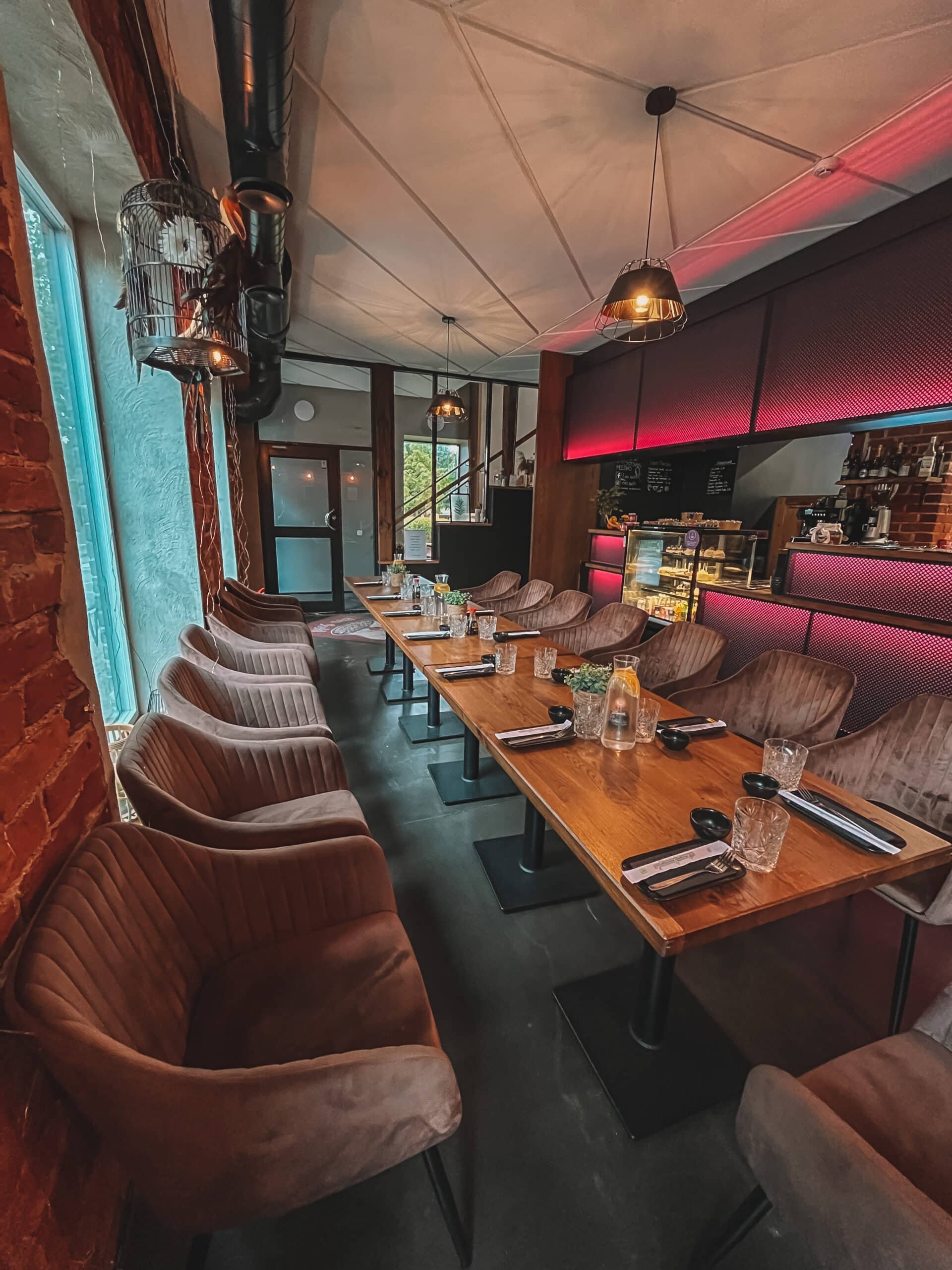
Hotels in Tartu
All hotels in Tartu →
Details
- Trendy
- Lively
- Modern
- Energetic
- Casual Hangout
- Group Dining
- Brunch
- Family
- After Work
- Late Night
- Open Kitchen
- Standalone
- Courtyard
- Craft Cocktails
- Beer Program
- A La Carte
- Small Plates
- Craft Cocktails
- Beer
- Vegetarian Friendly
- Vegan Options
Current opening hours
- Monday
- 9 AM–10 PM
- Tuesday
- 9 AM–10 PM
- Wednesday
- 9 AM–11 PM
- Thursday
- 9 AM–11 PM
- Friday
- 9 AM–12 AM
- Saturday
- 10 AM–12 AM
- Sunday
- 10 AM–10 PM
Hours can change for holidays and private events. Hours as of .
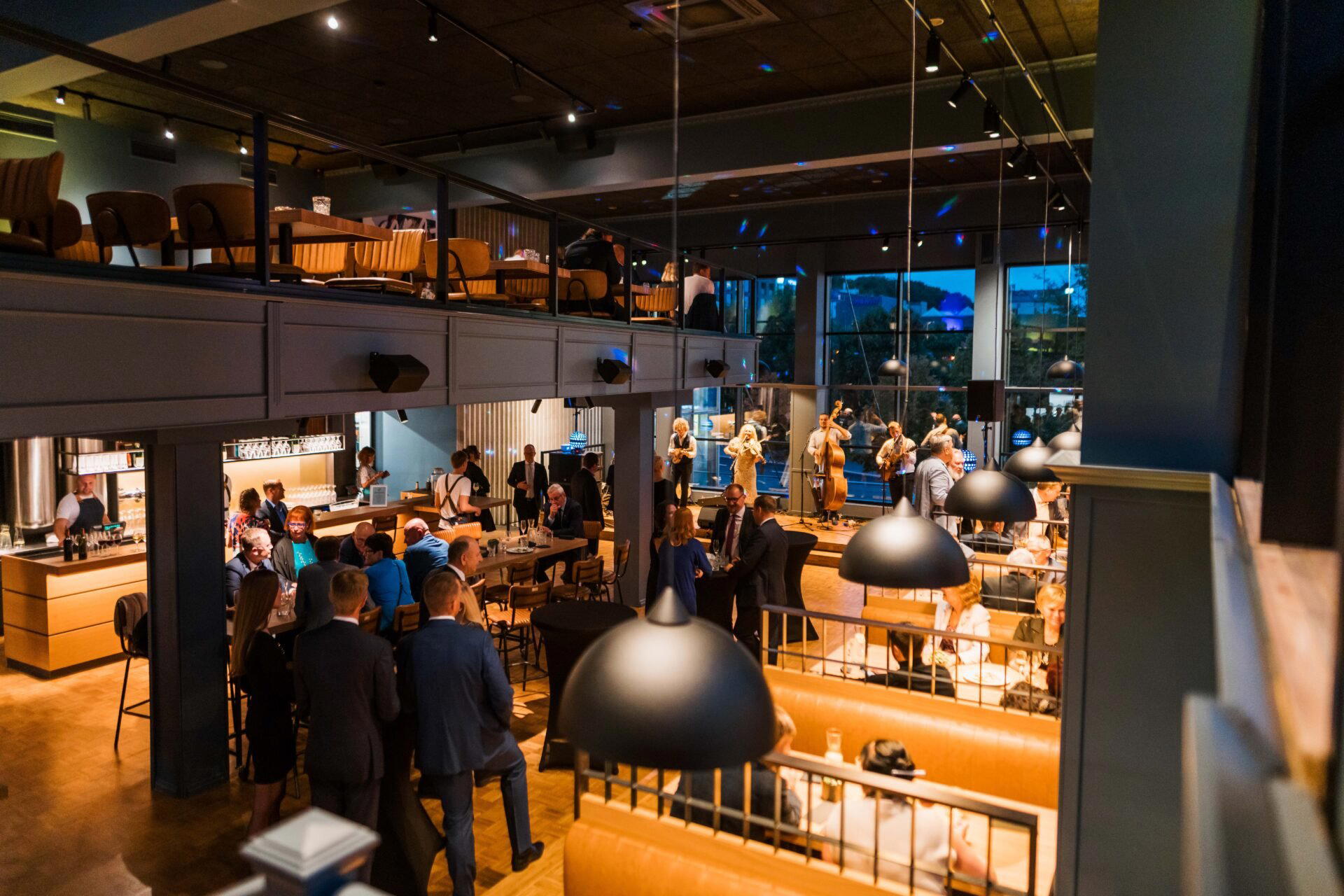
Trendy and lively with an industrial aesthetic; the open kitchen allows diners to watch food preparation, creating an energetic and engaging atmosphere.