Our verdict
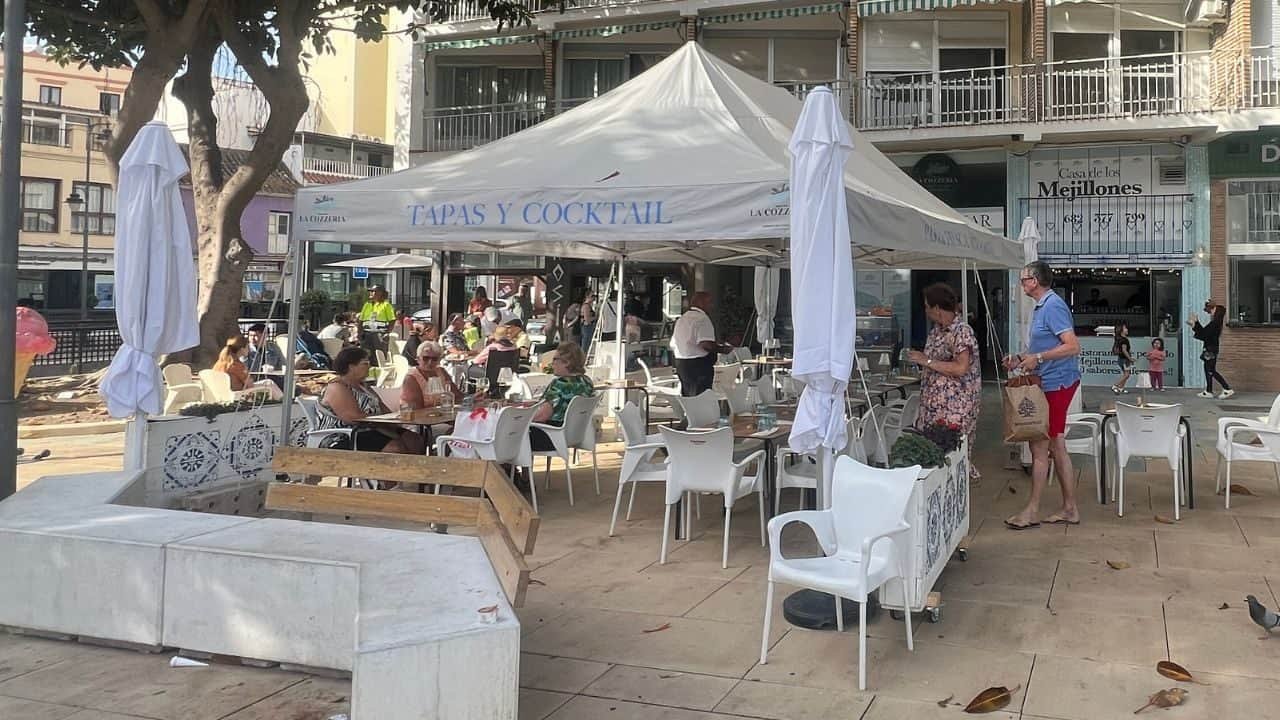
La Cozzeria occupies a corner of Plaza García Caparrós in the old town of Estepona, where the Costa del Sol's quieter fishing-port identity still holds against the resort sprawl to the east. The restaurant draws on southern Spain's deep tradition of seafood and mollusc cookery, positioning itself within a local dining scene that values produce proximity over culinary theatre. A practical address for visitors tracking the Andalusian coast's less-celebrated eating.

Pearl is the En Primeur Club membership app — saves, bookings, and concierge access live there. Same editors, same standards.
- Address
- Plaza García Caparrós, 3, 29680 Estepona, Málaga, Spain
- Phone
- +34682577799
- Hours
- Mon–Tue 11:30 AM–5 PMWed ClosedThu–Sun 11:30 AM–5 PM
- Website
- lacozzeria.es
- Directions
- Get directions
The menu
What to order
- Pasta fresca con gambas
- Tartare di tonno rosso
- Insalata di polpo Fantasia
- Mussels
- Romana-style pizza
Estepona's Old Town Table: Where the Coast Still Tastes Like the Coast
Plaza García Caparrós sits at the interior of Estepona's casco antiguo, shielded from the seafront promenade by a sequence of whitewashed lanes that most visitors on the coastal highway never find. The square itself is the kind of space that southern Andalusian towns produce almost by accident: irregular in shape, shaded by mature trees, ringed by low buildings whose ground floors have quietly rotated through the full register of local commerce over decades. La Cozzeria holds one of those corners, and the setting does meaningful editorial work before a single plate arrives. You are not in a resort. You are in a town.
That distinction matters more than it might seem. Estepona spent the better part of three decades positioned as the quieter alternative to Marbella — lower density, fewer celebrity sightings, a marina that still functioned as a working port rather than a berth for charter yachts. The old town regeneration that accelerated through the 2010s gave the casco a revised identity: street murals on every corner, flower-lined alleys, a covered market that became a point of local pride. The restaurant scene followed the foot traffic. Today the streets around Plaza García Caparrós carry a concentration of independently run dining rooms that reflects the town's character: produce-led, coastal, without the performative ambition that tends to accumulate around bigger tourist economies. See our full Estepona restaurants guide for a complete picture of where the old town's dining sits relative to the rest of the coast.
The Cultural Weight of Mollusc Cookery on the Andalusian Coast
The name declares the specialisation without ambiguity. Cozzeria derives from the Italian cozze — mussels, and the format it signals is a recognisable southern European model: a room built around bivalves and shellfish, where the kitchen's job is to get out of the way of the ingredient rather than to transform it. That approach has deep roots on both sides of the Strait of Gibraltar. Andalusia's Atlantic and Mediterranean coastlines have supported mollusc harvesting for centuries, and the tradition of eating clams, mussels, oysters, and percebes at simple, focused establishments is older than the region's current restaurant culture by a considerable margin.
What the cozzeria format represents, in its modern iteration along the Spanish coast, is a refusal of a certain kind of complexity. Where restaurants like Aponiente in El Puerto de Santa María have pushed Andalusian seafood into progressive, research-driven territory, and where the northern creative tradition running through Arzak in San Sebastián, Azurmendi in Larrabetzu, and Mugaritz in Errenteria has made Spain a reference point for avant-garde cooking globally, the mollusc house occupies the opposite end of the ambition spectrum. The credential here is sourcing, not technique. The question being asked is which coast the produce came from and how recently, not how many stages the preparation involves.
That positioning is not a lesser choice. Spain's contemporary fine dining circuit, from DiverXO in Madrid and El Celler de Can Roca in Girona to Cocina Hermanos Torres in Barcelona and Quique Dacosta in Dénia, operates in a different register and draws a different kind of traveller. The mollusc specialist serves a reader who already knows what good percebes taste like and wants to eat them without a tasting menu architecture around them. Both formats are serious. They are simply serious about different things.
Estepona as a Dining Location: Context for the Venue
The Costa del Sol's restaurant culture has historically concentrated in Marbella, with Estepona functioning as overflow or alternative rather than destination in its own right. That dynamic has shifted as the old town has developed its own identity distinct from the coastal resort strip. Restaurants like Makako Estepona have contributed to the town's case as a standalone dining stop, and La Cozzeria's location on Plaza García Caparrós places it at the centre of that emergent cluster.
The broader Spanish coastal dining context is useful here. Seafood-focused restaurants along the Mediterranean and Atlantic coasts occupy a spectrum from beach chiringuito through mid-market marisquería to high-concept seafood restaurants of the kind that earn international recognition. The seafood marisquería tier, where a venue's identity rests on the quality and origin of its bivalves rather than on chef celebrity or kitchen innovation, is where La Cozzeria's format sits. That tier is well-populated across Andalusia and Galicia; what differentiates individual operators within it is produce sourcing, consistency, and the intelligence of the wine list alongside the shellfish. These are not small considerations.
For travellers routing along the coast between Gibraltar and Málaga, Estepona's old town represents a worthwhile detour from the A-7 precisely because it has developed dining of this character rather than defaulting to resort hotel restaurants. The comparison set for La Cozzeria is other quality mollusc and seafood specialists along the Andalusian coast, not the Michelin-decorated creative kitchens further north, which include Martin Berasategui in Lasarte-Oria, Atrio in Cáceres, Noor in Córdoba, Casa Marcial in Arriondas, Cenador de Amós in Villaverde de Pontones, and Ricard Camarena in València, among others. Internationally, the closest conceptual parallels for a focused seafood counter of this type would be something like Le Bernardin in New York City in its reverence for produce, though at a very different price point and scale, or the produce-led discipline found at Atomix in New York City applied to a completely different culinary tradition.
Planning a Visit
La Cozzeria sits at Plaza García Caparrós, 3, in the centre of Estepona's old town, walkable from the covered market and the main flower-lined streets that define the casco's tourist circuit. Estepona is approximately 80 kilometres west of Málaga airport along the A-7, making it a viable stop within a Costa del Sol itinerary or a day trip from the Gibraltar area. Parking in the old town is limited; the town's peripheral car parks and the seafront are more practical arrival points, with the casco accessible on foot from either.
Frequently asked questions
What's La Cozzeria's location?
La Cozzeria is located at Plaza García Caparrós, 3, 29680 Estepona, Málaga, Spain, Estepona.
Is La Cozzeria a good option for dining in Estepona's old town rather than on the seafront?
Plaza García Caparrós sits inside the casco antiguo, separated from the seafront promenade by the whitewashed lanes that define Estepona's historic centre. For visitors who want to eat where locals eat rather than where the promenade pulls tourists, the old town placement is the relevant distinction. La Cozzeria's location at Plaza García Caparrós, 3, puts it within walking distance of the covered market and Estepona's main flower-lined street, making it a logical stop on any route through the historic quarter.
What's the best thing to order at La Cozzeria?
The name answers this directly: La Cozzeria is built around mussels, drawing on the cozzeria format common to southern Italy and adapted here to the Andalusian coast. Ordering anything other than mussels at a venue this focused would be missing the point. The kitchen's specialisation means preparation depth that broader seafood restaurants rarely match.
How hard is it to get a table at La Cozzeria?
La Cozzeria sits on Plaza García Caparrós in Estepona's old town, a neighbourhood that draws steady foot traffic from the covered market and the town's flower-lined streets. Compact plaza restaurants in the casco antiguo tend to fill quickly in the evening, particularly in summer. Arriving early or booking ahead where possible is sensible during peak season on the Costa del Sol.
What is La Cozzeria known for?
La Cozzeria is known for a focused mollusc specialisation in a part of the Costa del Sol where Estepona's old town has historically been overlooked in favour of Marbella's more crowded dining scene. The venue occupies Plaza García Caparrós, 3, in the casco antiguo, and its name, derived from the Italian cozze, signals the menu's single-minded commitment to mussels. That narrowness of focus is the point.
Is La Cozzeria allergy-friendly?
A shellfish-centred kitchen is not a safe environment for anyone with shellfish or mollusc allergies, and La Cozzeria's entire format is built around mussels. Cross-contamination risk at a dedicated mollusc restaurant should be treated as high by anyone with relevant allergies.
Price Lens
Comparable venues nearby, for context on price, style, and recognition.
| Venue | Cuisine | Price | Awards | Notes |
|---|---|---|---|---|
| La CozzeriaThis venue — the venue you are viewing | Authentic Italian with Mediterranean Seafood | $30–50 | Not listed | Not listed |
| Makako Estepona | Asian Fusion Rooftop | $30–50 | Not listed | Estepona, Asian Fusion Rooftop |
| Mura Mura Osteria | Modern Sicilian & Southern Italian Osteria | $30–50 | Not listed | Centro Historico, Modern Neapolitan Osteria |
| Ana's | Italian Restaurant & Cocktail Bar | Not listed | Not listed | Eixample, Italian Restaurant & Cocktail Bar |
| La Loggia | Mediterranean Italian with Local Malaga Specialties | $50–100 | Not listed | Benahavis, Mediterranean Italian with Local Malaga Specialties |
| D-Wine Marbella | Spanish Fine Dining with Extensive Wine Selection | $50–100 | World's Best Wine Lists Awards WBWL 3-Star | Nueva Alcántara, Spanish Fine Dining with Extensive Wine Selection |
Continue exploring
More in Estepona
Restaurants in Estepona
Browse all →
Bars in Estepona
Browse all →

Hotels in Estepona
Browse all →

Details
- Elegant
- Scenic
- Romantic
- Date Night
- Family
- Group Dining
- Casual Hangout
- Special Occasion
- Waterfront
- Open Kitchen
- Terrace
- Extensive Wine List
- Local Sourcing
- Sustainable Seafood
- Waterfront
- A La Carte
- Italian Wines
- Pescatarian Friendly
Current opening hours
- Monday
- 11:30 AM–5 PM
- Tuesday
- 11:30 AM–5 PM
- Wednesday
- Closed
- Thursday
- 11:30 AM–5 PM
- Friday
- 11:30 AM–5 PM
- Saturday
- 11:30 AM–5 PM
- Sunday
- 11:30 AM–5 PM
Hours can change for holidays and private events. Last verified .
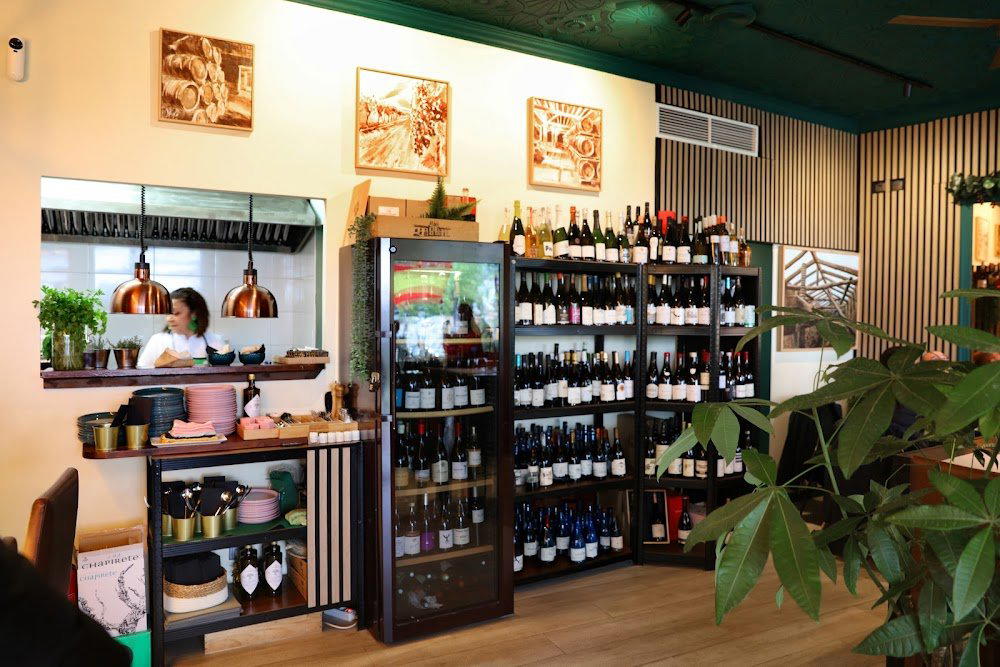
Elegant and authentic Italian atmosphere with natural lighting from the beachfront location; warm and inviting with impressive plating and refined décor.