La Chaloupe
On the western edge of Île de Ré, Rivedoux-Plage sits at the Atlantic's edge where the bridge from La Rochelle deposits visitors into a quieter, saltier France. La Chaloupe, on Rue Albert Sarraut, occupies that coastal-village register where the sourcing does the talking and the proximity to tidal waters shapes everything on the plate.
Pearl is the En Primeur Club membership app — saves, bookings, and concierge access live there. Same editors, same standards.
- Address
- 104 Rue Albert Sarraut, 17940 Rivedoux-Plage, France
- Phone
- +33546098784
- Directions
- Get directions
 Saves & bookings on Pearl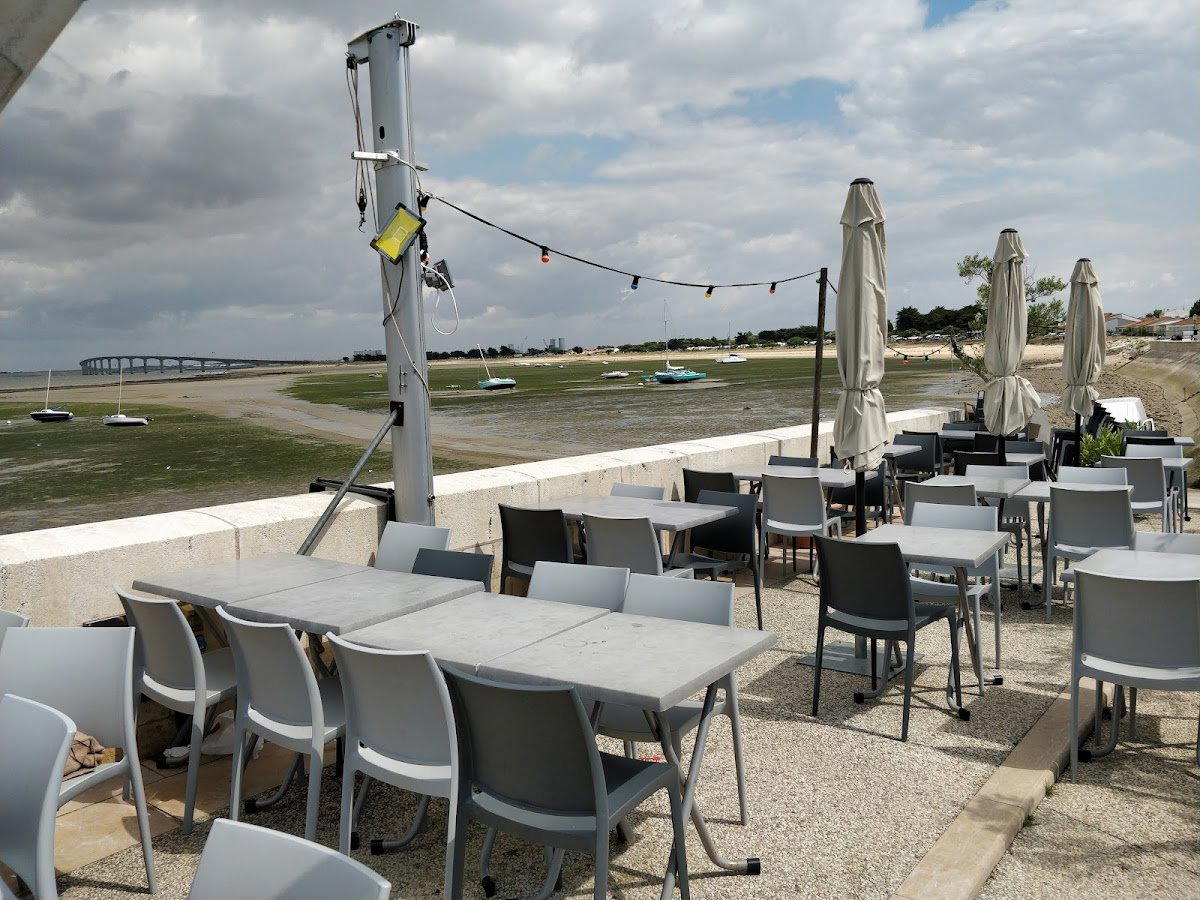
Where the Atlantic Sets the Menu
Rivedoux-Plage is the first commune you reach after crossing the toll bridge from La Rochelle onto Île de Ré, and that position matters more than it might appear. The village sits between the bridge's infrastructure and the island's more photographed interior, which means it has never fully captured the tourist imagination the way Saint-Martin-de-Ré has. The result is a dining scene that operates at a lower pitch, oriented around the water and the catch rather than around visibility. La Chaloupe, at 104 Rue Albert Sarraut, sits inside that register.
Île de Ré's west-facing Atlantic shores produce some of the most valued shellfish in France. The oyster beds here, particularly those around Loix and the eastern flats, supply restaurants at every price point across the mainland. The island's salt marshes, still harvested by hand using traditional marais techniques, produce fleur de sel that reaches tables from Paris to Lyon. For a restaurant operating on the island itself, that proximity to primary production is the fundamental editorial fact: the supply chain that other coastal restaurants treat as a selling point is here a matter of geography.
The Coastal Sourcing Argument
France's Atlantic coast, from the Vendée down through the Charente-Maritime, has developed a regional seafood identity distinct from the Mediterranean's oil-and-herb register or Brittany's more austere shellfish traditions. The Charentais approach tends toward butter, cream, and the brine-forward salinity of its oysters and mussels, with pineau des Charentes appearing as both aperitif and occasional cooking element. Rivedoux sits inside that broader Charentais tradition while remaining specifically an island community, which sharpens the sourcing logic considerably.
Contrast that with what happens at the top of the French fine-dining structure: at Alléno Paris au Pavillon Ledoyen or Mirazur in Menton, provenance becomes an architectural element of a tasting menu, named and narrated at the table. In a village restaurant on Île de Ré, the same sourcing logic operates without the ceremony: the oyster arrives because it was in the water nearby this morning, not because it has been selected as a conceptual statement. Both approaches have merit; they are simply calibrated for different audiences and different distances from the source.
The broader West Atlantic dining corridor rewards this kind of attention. Christopher Coutanceau in La Rochelle, a two-Michelin-star address roughly 10 kilometres from Rivedoux across the bridge, represents the premium end of this same sourcing tradition: sustainable Atlantic seafood handled with technical precision and formal ambition. La Marine on Noirmoutier, further north along the coast, occupies a similar register. La Marine in Noirmoutier-en-l'île demonstrates how island seafood restaurants at the top of their category can command serious critical attention. La Chaloupe operates in a different tier, but the raw-material quality available to any kitchen on Île de Ré is not diluted by the price point.
Île de Ré's Dining Context
The island attracts a particular kind of French summer visitor: Parisian families with holiday homes, cyclists who use the flat salt-marsh tracks, and an older, quieter cohort that returns annually for the light and the oysters. The dining culture that has built up around that visitor profile skews toward honest seafood, local wines from the Charente region, and long lunches rather than ambitious tasting menus. This is not the place to seek the kind of destination-restaurant experience you would build a trip around in the manner of a pilgrimage to Bras in Laguiole or Auberge du Vieux Puits in Fontjoncouse. The island's appeal is different: it is about being in a place where the supply chain is short enough that freshness functions as the primary quality signal.
Within Rivedoux specifically, the village-end position of La Chaloupe places it slightly apart from the beachfront strip closer to the water's edge. The name itself, chaloupe meaning a small traditional fishing boat, signals the register clearly without overstating it. This is the kind of naming decision that reflects genuine local character rather than constructed maritime theming of the sort common to mainland coastal restaurants operating at a remove from actual fishing activity.
Planning Your Visit
Île de Ré is most easily reached by the toll bridge from La Rochelle, which handles the majority of visitor traffic. The island becomes considerably busier from July through August, when table availability at any decent restaurant compresses sharply. For a visit in June or September, the pace is slower and the light is better. La Chaloupe's address on Rue Albert Sarraut places it in central Rivedoux, walkable from most of the village's accommodation. Specific booking arrangements, hours, and current pricing are best confirmed directly with the restaurant, as those details fall outside what can be responsibly published here. Visitors making a broader sweep of the Atlantic France dining circuit should note that Christopher Coutanceau in La Rochelle requires advance planning, while the island itself rewards more spontaneous exploration at the village-restaurant level.
For context on how France's finest regional restaurants handle the same Atlantic ingredients at a different scale of ambition, the EP Club coverage of Paul Bocuse - L'Auberge du Pont de Collonges, Flocons de Sel in Megève, and Auberge de l'Ill in Illhaeusern provides useful comparative framing. Further afield, AM par Alexandre Mazzia in Marseille and Assiette Champenoise in Reims show how French regional kitchens deploy local ingredients at the highest technical level. For those extending the trip internationally, Le Bernardin in New York City remains the benchmark for what happens when the same Atlantic seafood philosophy is applied at the level of global fine dining, and Atomix in New York City demonstrates a structurally different approach to seasonal sourcing narrative. Additional coverage of Troisgros in Ouches, Georges Blanc in Vonnas, Au Crocodile in Strasbourg, and L'Oustau de Baumanière in Les Baux rounds out the French regional picture for readers building a broader itinerary. See our full Rivedoux Plage restaurants guide for additional options across the island.
How La Chaloupe Rivedoux Plage compares with similar nearby venues.
| Venue | Cuisine | Price |
|---|---|---|
| Le Chai | Modern Cuisine | €€ |
| Briemm | Traditional Cuisine | €€ |
Continue exploring
More in Rivedoux Plage
Restaurants in Rivedoux Plage
Browse all →
Bars in Rivedoux Plage
Browse all →
Hotels in Rivedoux Plage
Browse all →
Wineries in Rivedoux Plage
Browse all →
At a Glance
- Lively
- Scenic
- Cozy
- Casual Hangout
- Family
- Terrace
- Waterfront
- Local Sourcing
- Waterfront
Current opening hours
- Monday
- 9 AM–12 AM
- Tuesday
- 9 AM–12 AM
- Wednesday
- 9 AM–5 PM
- Thursday
- Closed
- Friday
- 9 AM–12 AM
- Saturday
- 9 AM–12 AM
- Sunday
- 9 AM–12 AM
Hours can change for holidays and private events. Last verified .
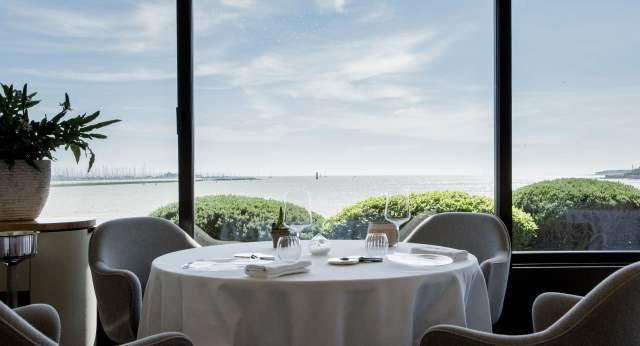
Festive atmosphere with sea views, warm welcoming service, and lively terrace setting.
Know Before You Go
- Getting there
- 104 Rue Albert Sarraut, 17940 Rivedoux-Plage, France