On Rue Suffren in central Nantes, Simone occupies a stretch of the city where the Loire's agricultural hinterland meets an increasingly confident restaurant scene. The address sits within a peer group of Nantes tables that take sourcing seriously, placing it in a tier that rewards repeat visits rather than one-off occasions. Book ahead; the format does not lend itself to walk-in dining.
Pearl is the En Primeur Club membership app — saves, bookings, and concierge access live there. Same editors, same standards.
- Address
- 2 Rue Suffren, 44000 Nantes, France
- Phone
- +33240335213
- Website
- bistrosimonenantes.com
- Directions
- Get directions
 Saves & bookings on Pearl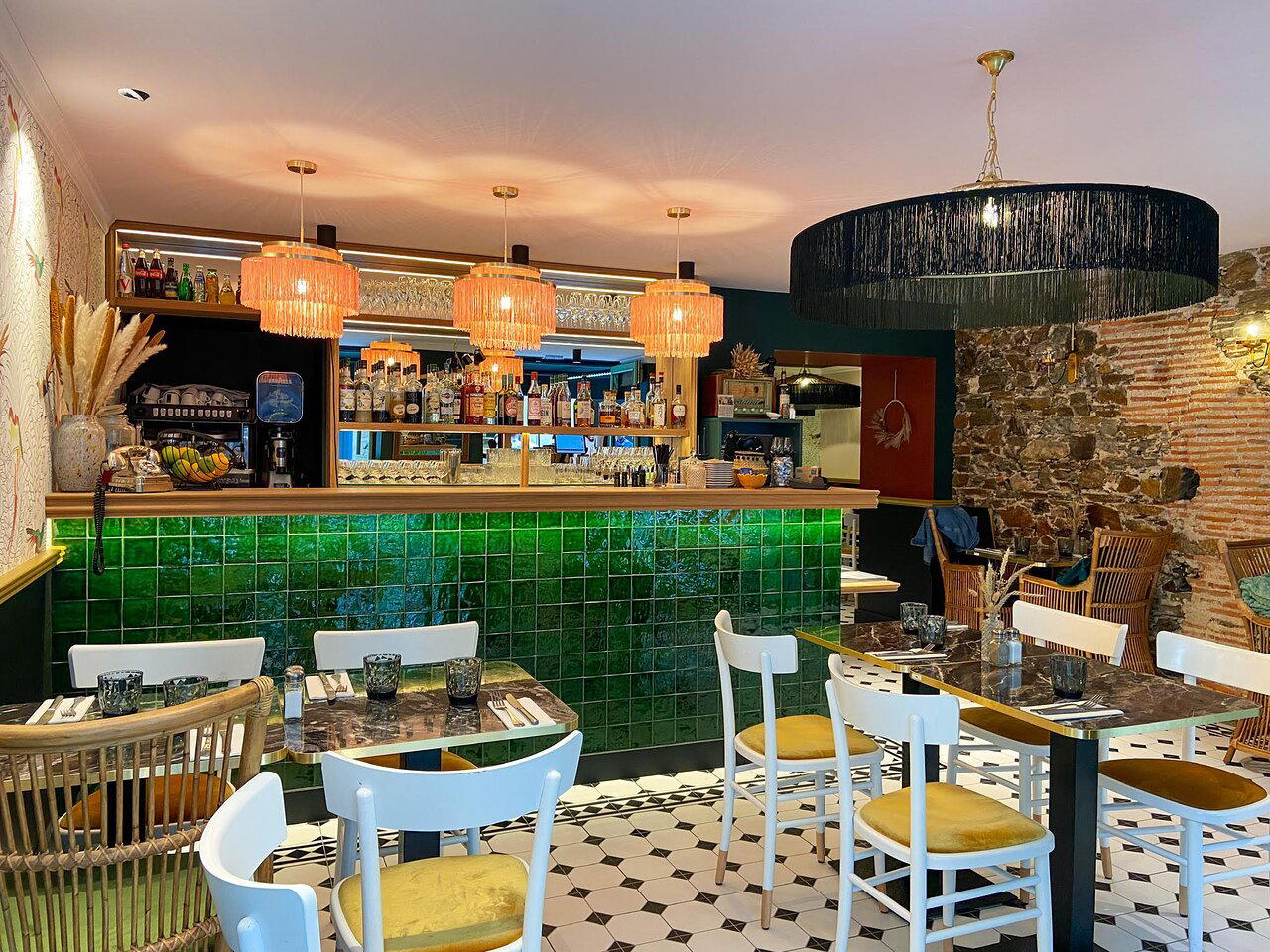
Where the Loire Valley's Larder Meets the Plate
Nantes sits at a junction that most French cities would envy: the Loire estuary to the west, the market gardens of the Pays de la Loire stretching inland, and the Atlantic within close enough reach that the fishing ports of La Turballe and Le Croisic are viable same-day suppliers. That geography shapes what ends up on plates across the city's better restaurants, and Simone, a Creative French Bistro at 2 Rue Suffren in Nantes, operates within that logic. The address is not incidental; it places the restaurant inside a walkable core where Nantes' dining scene has been consolidating around ingredient-led cooking rather than spectacle.
France's broader restaurant culture has spent the last decade pulling in two directions: toward the highly codified temple-of-gastronomy format, exemplified by institutions such as Alléno Paris au Pavillon Ledoyen or Paul Bocuse - L'Auberge du Pont de Collonges, and toward a more porous, market-responsive mode of cooking that doesn't announce its ambitions quite so loudly. Simone occupies the second register. That matters because it positions the restaurant alongside a peer group in Nantes that treats sourcing as the primary editorial statement, not as a supporting note in a longer narrative about technique or lineage.
The Sourcing Logic That Defines the Address
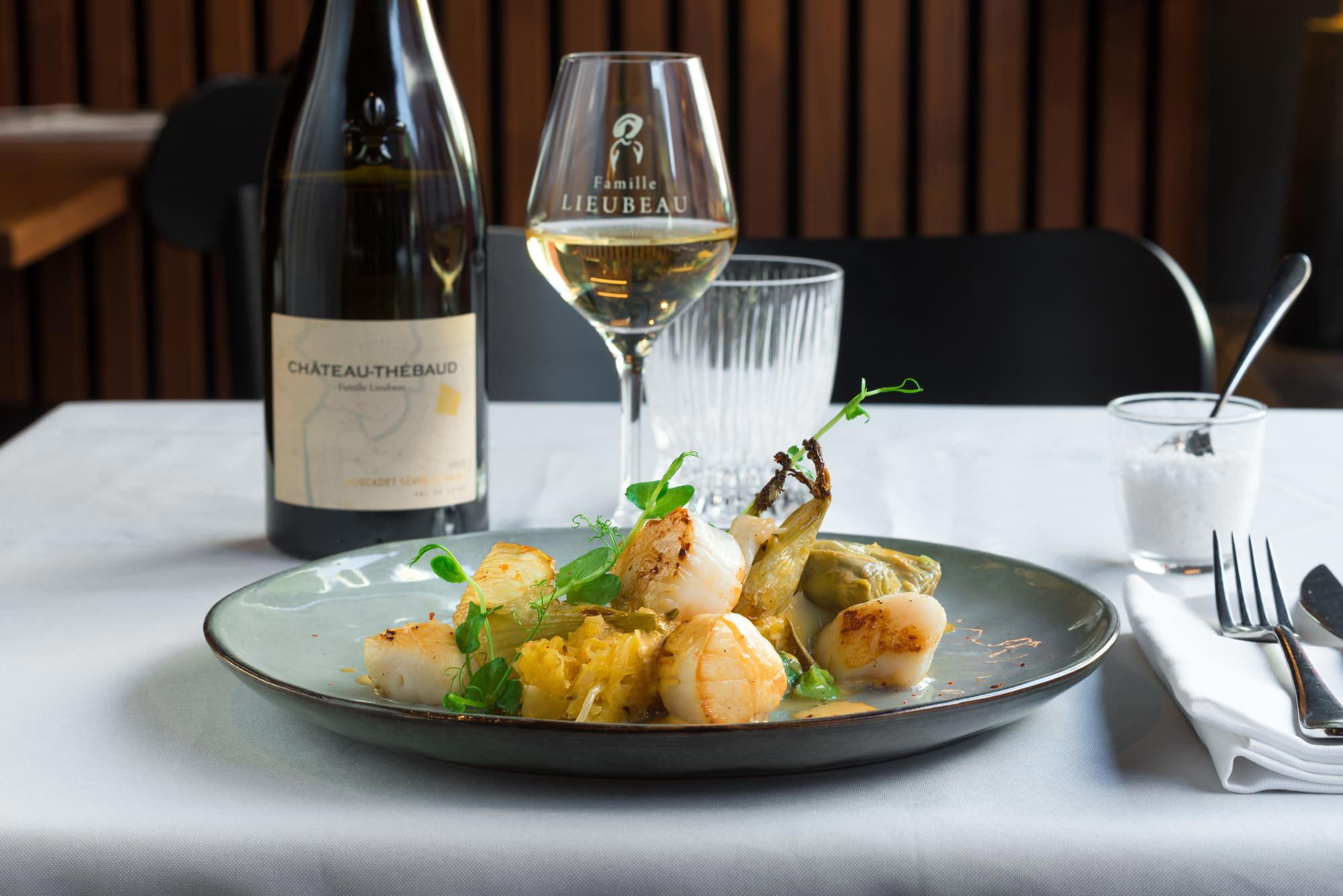
The Loire Valley's claim as France's market garden is not rhetorical. The region produces a documented breadth of vegetables, legumes, and small-farm proteins that gives chefs working in Nantes a genuine advantage over peers in cities farther from productive agricultural land. The Loire's own waterways contribute freshwater fish and eels; the Atlantic side of the estuary adds bivalves, line-caught seabass, and seasonal crustaceans. A restaurant that commits to this supply chain in earnest is working with ingredients that change on a weekly basis, which imposes a discipline on the menu that no amount of classical technique can substitute for.
This is the sourcing tradition that Simone sits inside. Across Nantes' more considered tables, from the creative register of Freia to the formal modern cuisine of L'Atlantide 1874 - Maison Guého, the common thread is proximity to supply. Le Manoir de la Régate takes that commitment to a rural edge-of-city setting; LuluRouget and Les Cadets work the same logic from different price points and formats. Simone's position on Rue Suffren puts it at the centre-city end of this spectrum, where the sourcing ambition is matched by an urban setting that draws a mixed clientele of locals, visiting professionals, and the occasional traveller who has done their research.
Reading Simone Within the Nantes Tier
Nantes' restaurant scene does not operate in isolation from France's wider fine-dining conversation. The country's regional tables have been gaining critical ground for two decades, with properties like Mirazur in Menton, Flocons de Sel in Megève, Bras in Laguiole, and Auberge de l'Ill in Illhaeusern demonstrating that interesting cooking in France is no longer concentrated in Paris. The Loire corridor has been slower to accumulate that kind of international recognition than, say, Lyon or Alsace, but the city's dining scene has been building a denser, more self-confident tier of restaurants over the last several years.
Within that emerging density, Simone occupies a position that corresponds roughly to the mid-serious tier: not the large-format, high-ceremony experience of Assiette Champenoise in Reims or Au Crocodile in Strasbourg, but also not the casual end of the market. The Rue Suffren address signals a specific kind of intent: central enough to attract an evening crowd, specific enough in its approach to hold a returning clientele. For comparison, the Nantes peer group spans from L'Atlantide 1874's €€€€ positioning down through the more accessible formats at Les Cadets; Simone reads as a table calibrated somewhere within that range, though specific pricing details should be confirmed directly with the venue before booking.
Atmosphere and Format
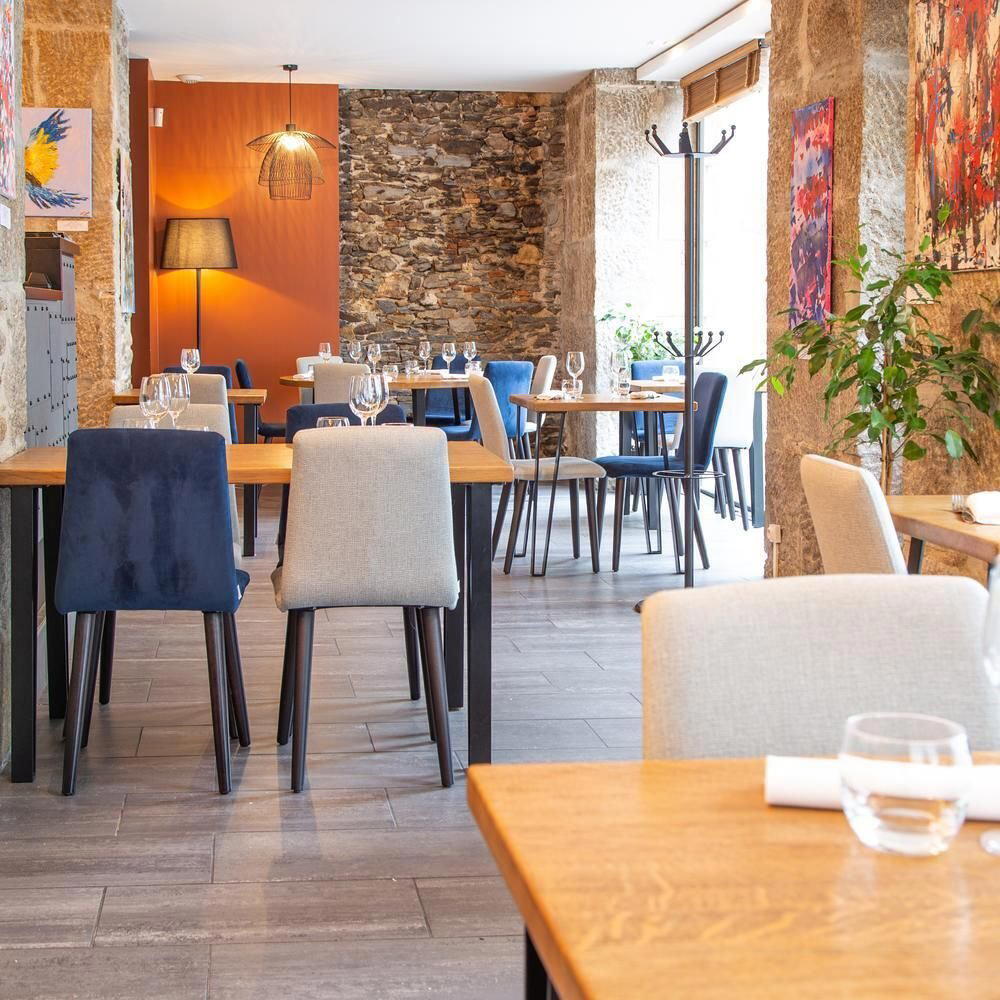
Rue Suffren runs through a part of central Nantes that carries the particular character of a French city neighbourhood that has gentrified without fully smoothing its edges. The street-level approach to Simone is typical of this: no theatrical signage, no queue management theatrics. The format inside aligns with what the sourcing-led tier in French cities has converged on over the last decade: a room that is comfortable without being showy, a menu structure that reflects what is available rather than what is permanently fixed, and a service register that reads as knowledgeable without being performative.
This approach to atmosphere has its analogue in cities well beyond France. The discipline required to build a menu around what arrives from the market rather than what is already in the larder is the same discipline that separates technically serious rooms from restaurants that simply invoice for complexity. At the international level, tables like AM par Alexandre Mazzia in Marseille or Atomix in New York City demonstrate what that discipline looks like when it reaches maximum expression; Le Bernardin in New York City shows what sourcing as a primary commitment produces over decades. Simone operates at a different scale and with different ambitions, but the underlying logic of letting supply shape the menu belongs to the same tradition.
Planning a Visit
Nantes is accessible by TGV from Paris Montparnasse in approximately two hours, making it a viable destination for a long weekend built around eating well. The city's restaurant scene is concentrated enough that a two-night visit can cover three or four tables from the serious tier without excessive effort.
The sourcing-led format means the menu is most rewarding when the Loire Valley's agricultural calendar is at full stretch, typically from late spring through early autumn, when the range of local vegetables and the availability of Atlantic fish coincide most usefully. That said, winter visits carry their own interest, as the regional larder shifts toward preserved and root-vegetable-led preparations that reveal a different aspect of the same sourcing philosophy.
Comparable Options
Comparable venues nearby, for context on price, style, and recognition.
| Venue | Cuisine | Price | Notes |
|---|---|---|---|
| SimoneThis venue — the venue you are viewing | Creative French Bistro | $$ | Not listed |
| La Bourriche | French Seafood Oyster Bar | $$ | Graslin |
| Le Canclaux | Seasonal French Bistro | $$ | Mellinet-Canclaux |
| La Passagère | French Tea House & Bistro | $$ | Graslin |
| .... Et la Fourmi | Traditional French Bistro | $$ | Graslin - Commerce |
| Le KréGrand Restaurant | French Bistrot with Local Products | $$ | Chantenay |
Continue exploring
More in Nantes
Restaurants in Nantes
Browse all →
Bars in Nantes
Browse all →
Hotels in Nantes
Browse all →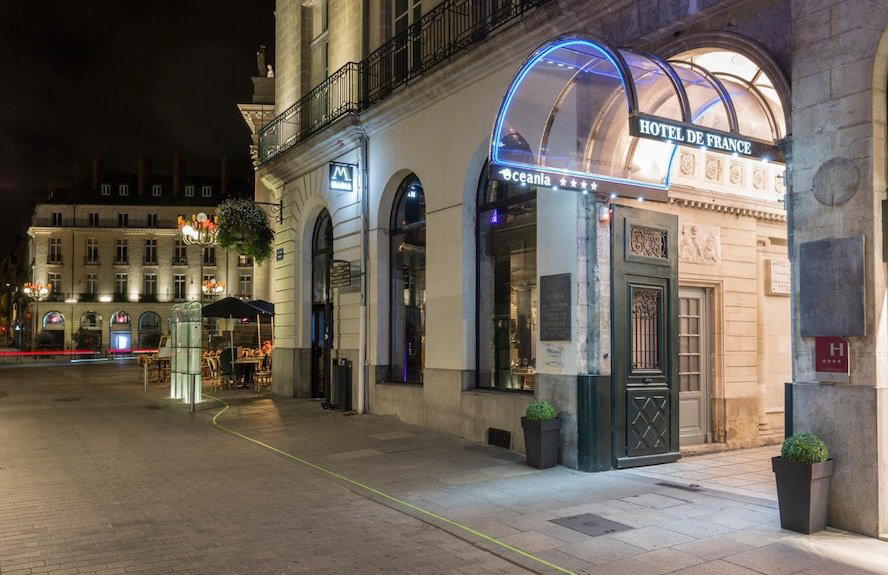

At a Glance
- Cozy
- Intimate
- Trendy
- Date Night
- Family
- Casual Hangout
- Terrace
- Local Sourcing
Current opening hours
- Monday
- Closed
- Tuesday
- 12–2 PM, 7–10 PM
- Wednesday
- 12–2 PM, 7–10 PM
- Thursday
- 12–2 PM, 7–10:30 PM
- Friday
- 12–2 PM, 7–11 PM
- Saturday
- 12–2:30 PM, 7–11 PM
- Sunday
- Closed
Hours can change for holidays and private events. Last verified .
Warm, cozy atmosphere with neat decor, small separate spaces that reduce noise, ideal for peaceful meals.