
Michelin Selected
A Michelin Selected hotel on Île de Ré, La Baronnie occupies a maison de maître on rue Baron de Chantal in Saint-Martin-de-Ré, the island's fortified main town. Its architecture belongs to the quiet register of Atlantic France: stone walls, shuttered windows, and the unhurried pace of a place that earns recognition without courting attention.

Pearl is the En Primeur Club membership app — saves, bookings, and concierge access live there. Same editors, same standards.
- Address
- 17 Rue Baron de Chantal, 17410 Saint-Martin-de-Ré, France
- Phone
- +33 5 46 09 21 29
- Website
- hotel-labaronnie.com
- Directions
- Get directions
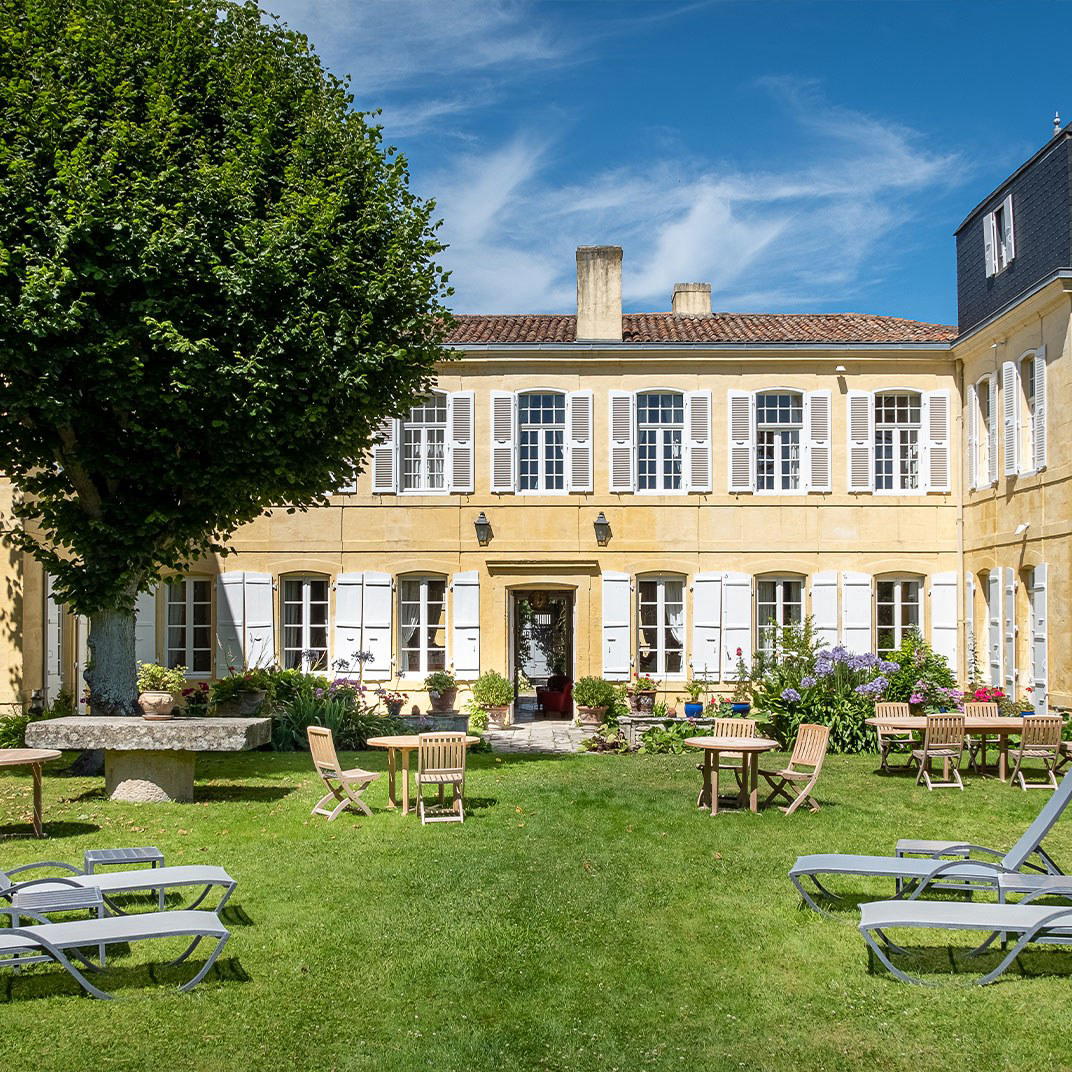
Stone and Stillness on the Atlantic Shore
Île de Ré operates on a different tempo from mainland France. The island sits off the Charente-Maritime coast, connected to La Rochelle by a bridge just under three kilometres long, yet the crossing produces a pronounced shift in register. The density and noise of the city give way to salt marshes, cycling paths, and whitewashed villages where the architecture is low, the light is wide, and the pace is governed by tides rather than schedules. Within that context, Saint-Martin-de-Ré — the island's fortified principal town, a UNESCO-listed settlement whose Vauban ramparts date to the late seventeenth century — concentrates the island's most characterful accommodation. La Baronnie sits within that town at 17-21 rue Baron de Chantal, in a maison de maître that reads immediately as belonging here: stone facades, shuttered windows, and proportions that owe nothing to the resort-hotel playbook.
For those exploring the full range of island hospitality, our full Île de Ré restaurants and hotels guide maps the options across price points and neighbourhoods.
The Maison de Maître as Architectural Argument
The maison de maître is a specific and demanding building type. These are the grand bourgeois houses of western France, symmetrical, stone-built, with high ceilings and generous room volumes that were designed to signal prosperity without ostentation. Converting one into a hotel without losing either its residential character or its structural integrity is genuinely difficult. The temptation is to over-design: to fill the space with statement furniture that fights the architecture rather than supporting it. The more restrained approach lets the building itself carry the atmosphere, treating the original proportions, the weight of the stone, and the quality of natural light as the primary design elements.
On Île de Ré, where the prevailing aesthetic is white render, blue-grey shutters, and hollyhocks against garden walls, a maison de maître in Saint-Martin-de-Ré operates within a specific visual grammar. The town's ramparts, the grid of its streets, and the particular scale of its buildings all set expectations that an architecturally coherent property either meets or violates. Properties that hold Michelin Selected status, which La Baronnie does, appearing on the Michelin Hotels and Stays list for 2025, are assessed in part on whether their physical environment matches the standard of welcome they offer. The designation functions as a signal about overall quality rather than purely about food, and in a hotel context it encompasses setting, condition, and character.
This places La Baronnie in a specific tier within French regional hospitality: properties where the building itself is inseparable from the offer. Compare the logic to La Bastide de Gordes in Provence, where a sixteenth-century building anchors a luxury property, or Château du Grand-Lucé in the Loire, where the architecture is the proposition. In each case, the structure precedes the hospitality operation and sets its terms. On Île de Ré, where the density of Saint-Martin-de-Ré means that very few sites of this scale exist within the town walls, the address carries weight that newer builds cannot replicate.
Île de Ré's Position in French Coastal Hospitality
French coastal accommodation has split fairly cleanly between large-scale resort operations, design-led independent properties, and the category of historic maisons that have been carefully converted. The Atlantic coast, distinct from the Mediterranean in its light, its palette, and its social register, has fewer internationally recognised names than the Côte d'Azur. Properties like Hotel du Cap-Eden-Roc in Cap d'Antibes or La Réserve Ramatuelle command the international conversation, while the Atlantic properties tend to draw a more specifically French clientele that values restraint and residential scale over spectacle.
Île de Ré itself has long attracted Parisian visitors who prefer the island's relative informality to the density of the Riviera. The cycling culture, the oyster beds, the salt flats around Loix and Ars-en-Ré, these are not incidental to the appeal but central to it. Accommodation that fits this context tends toward the quiet and the particular: a hotel that knows its setting and works with it rather than against it. The properties that tend to earn and hold Michelin recognition on this coast are precisely those that resist the generic and commit to place.
In that light, Île de Ré sits in a different register from the grand palace hotels that anchor Parisian luxury, Le Bristol Paris or Hôtel de Paris Monte-Carlo, and closer in spirit to coastal properties where the draw is the specificity of location. The comparison set on the Atlantic includes Hôtel du Palais in Biarritz, where a historic building anchors a resort of significant scale, and La Ferme Saint-Siméon in Honfleur, where a converted farmhouse carries the weight of Normandy's artistic history. Each is a property where the physical premises do significant narrative work.
Saint-Martin-de-Ré: Context for the Address
Saint-Martin-de-Ré is a working harbour town as well as a historic monument. The Vauban fortifications are intact and walkable, the market on place de la République runs through the season, and the harbour fills with fishing boats and pleasure craft in roughly equal measure depending on the month. Outside of July and August, when the island's population multiplies and the roads between villages slow to a crawl, the town returns to a scale that makes the quality of individual buildings and their relationship to the street more legible. The maison de maître typology reads leading at this quieter register, when there is space to appreciate the proportions without the compression of high season.
For travellers combining Île de Ré with broader French itineraries, the regional hotel offer extends across multiple contexts: wine-country properties like Les Sources de Caudalie near Bordeaux, Champagne-anchored properties like Royal Champagne Hotel and Spa in Champillon, and Provence-based conversions like Château de la Gaude in Aix-en-Provence. Each sits within a tradition of building-led hospitality that Île de Ré shares but expresses differently, through the Atlantic vernacular rather than the ochre and lavender of the south.
Planning a Stay
The island is accessible from La Rochelle by the Pont de l'Île de Ré, a toll bridge that sees significant seasonal traffic. Arriving outside peak summer months reduces both the crossing time and the general density on the island's single main road. Saint-Martin-de-Ré is towards the western end of that road, approximately twelve kilometres from the bridge. La Baronnie's address on rue Baron de Chantal places it within the town centre, close to the ramparts and the harbour. Michelin Selected properties are assessed annually, and La Baronnie's inclusion in the 2025 list confirms current standing. For rates and booking, direct contact with the property is the appropriate channel, as availability during July and August is constrained by the island's overall capacity limits.
In Context: Similar Options
Comparable venues nearby, for context on price, style, and recognition.
| Venue | Cuisine | Price | Awards | Notes |
|---|---|---|---|---|
| La BaronnieThis venue — the venue you are viewing | Restored 18th-century mansion blending historic elegance with modern luxury | $100–200 | Michelin Selected | Not listed |
| Le Morgane | Contemporary boutique hotel with urban design elements in a mountain setting | $200–300 | Michelin Selected | Chamonix City Centre |
| NOAE by Emerald Stay | Historic 17th-century palazzo reimagined as a contemporary luxury boutique hotel with art gallery elements. | Not listed | Michelin Selected · Mr & Mrs Smith Seal of Approval | Oletta |
| Villa C | charming 19th-century mansion with modern boutique extensions | $100–200 | Michelin Selected | north side |
| Villa Seren | Lakefront boutique hotel with spa | $100–200 | Michelin Selected | Soorts-Hossegor |
| Résidence Nell | Contemporary aparthotel in a private mansion setting | $200–300 | Michelin Selected | 9th arrondissement |
Recognition history
Dated appearances from independent guides and award organizations, with the underlying list record or original source where available.
Michelin Selected
Michelin
Continue exploring
More in Ile De Re
Hotels in Ile De Re
Browse all →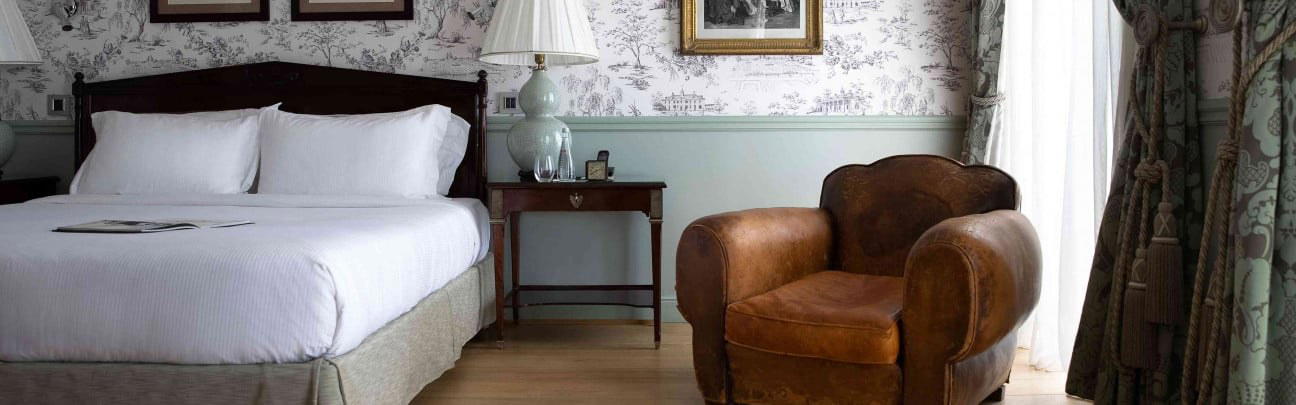
Bars in Ile De Re
Browse all →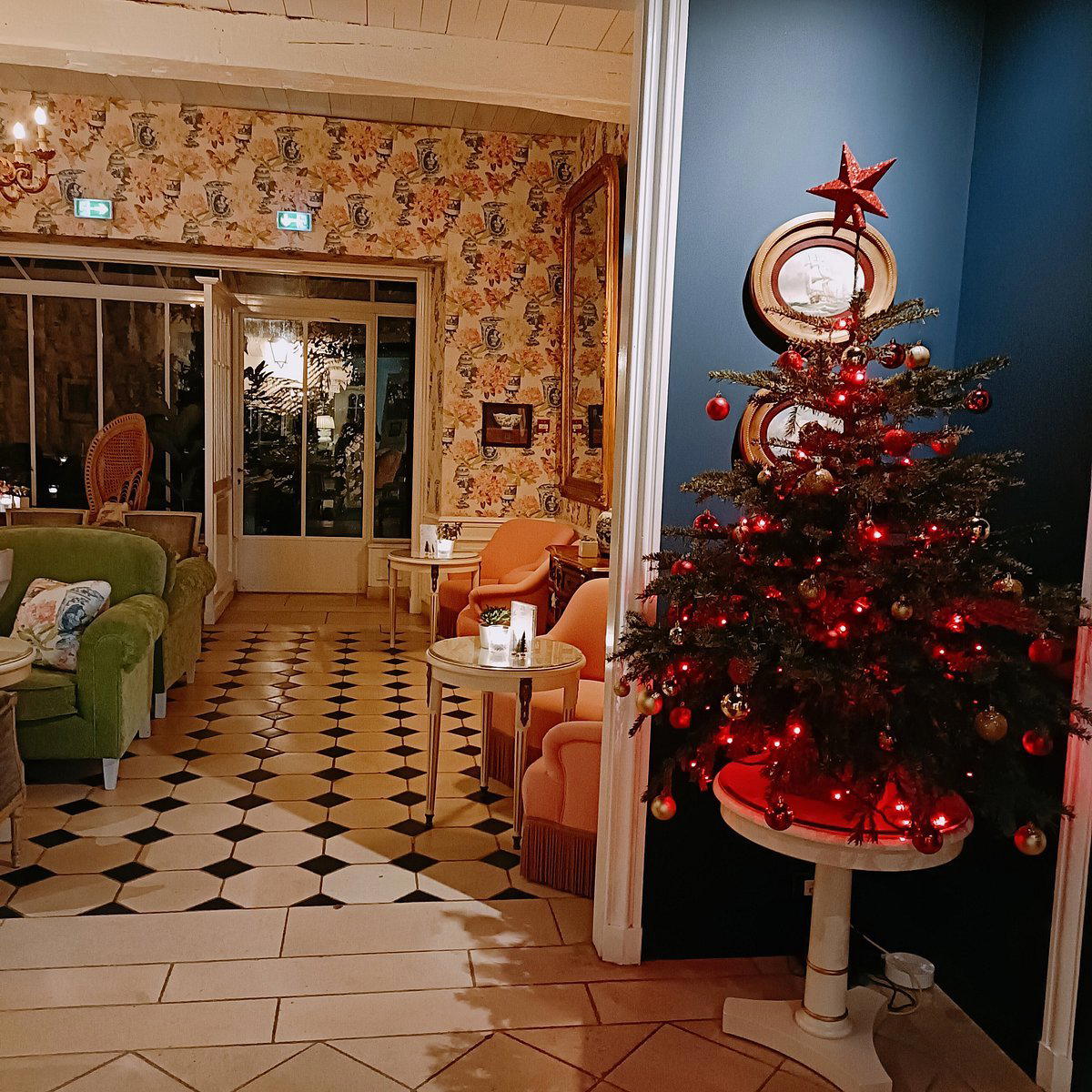
Restaurants in Ile De Re
Browse all →
Wineries in Ile De Re
Browse all →
Details
- Romantic
- Quiet
- Elegant
- Classic
- Cozy
- Sophisticated
- Romantic Getaway
- Wellness Retreat
- Weekend Escape
- Historic Building
- Garden
- Terrace
- Pool
- Spa
- Sauna
- Wi Fi
- Concierge
- Room Service
- Garden
- Wheelchair Accessible
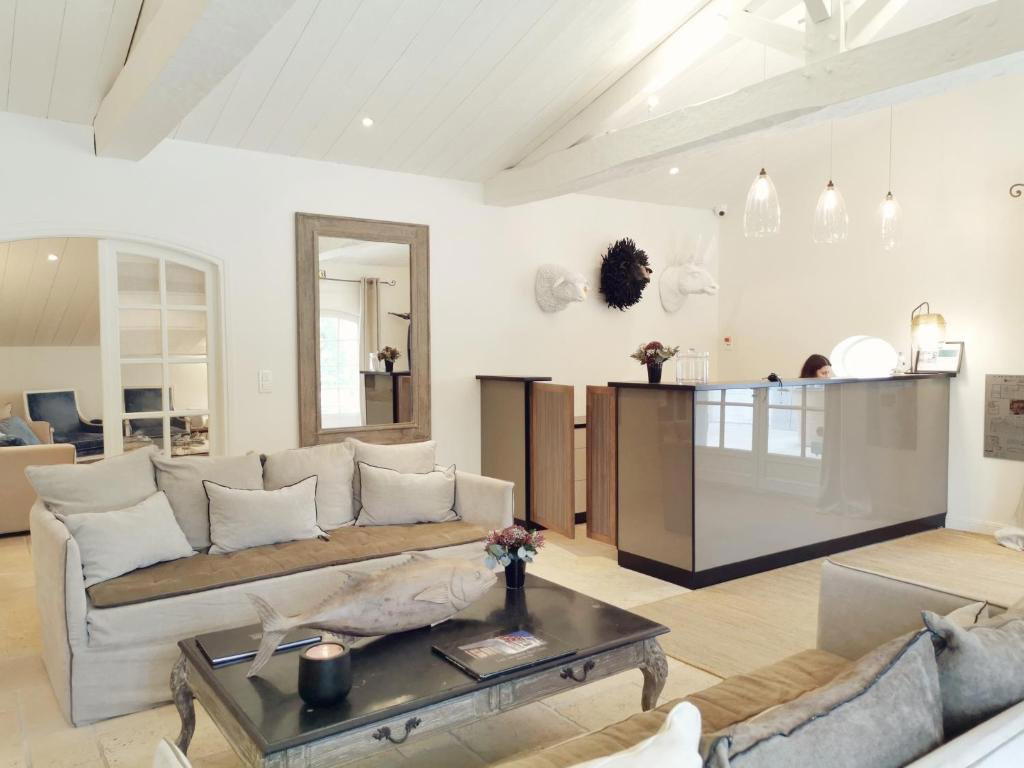
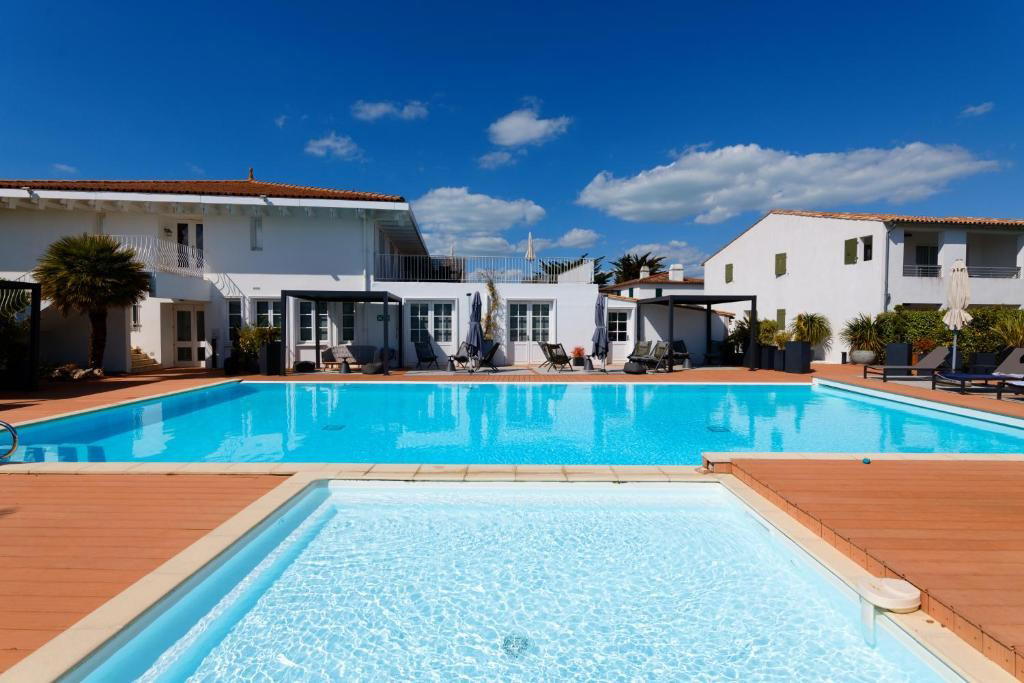
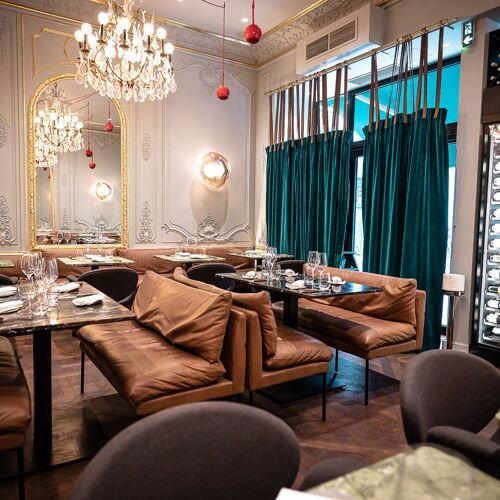
Serene and sophisticated with historic charm, featuring wood-beamed ceilings, antique furnishings, and peaceful garden surroundings.