La Casita Gastown serves authentic Mexican taqueria fare at 101 W Cordova St, with Chipotle Prawns and Quesabirria fitting lunch, dinner, or brunch.
Pearl is the En Primeur Club membership app — saves, bookings, and concierge access live there. Same editors, same standards.
- Address
- 101 W Cordova St, Vancouver, BC V6B 1E1, Canada
- Phone
- +16046462444
- Website
- lacasita.ca
- Directions
- Get directions
 Saves & bookings on Pearl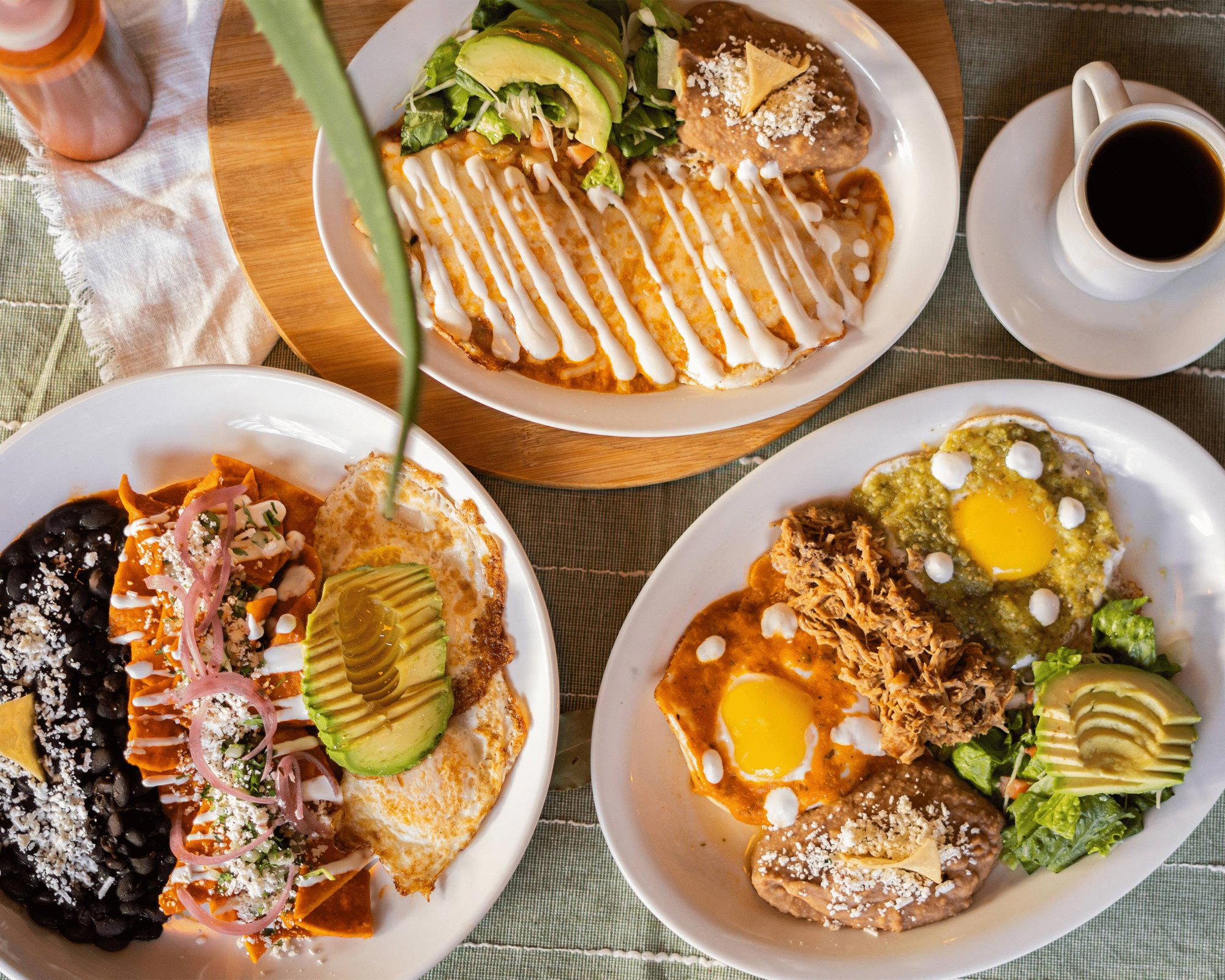
West Cordova and the Architecture of Gastown Dining
Gastown's dining scene has always drawn its character from the neighbourhood's physical fabric: cast-iron columns, exposed brick, warehouse-scale ceilings repurposed into intimate rooms. The block around West Cordova Street, where La Casita Gastown sits at 101, concentrates that industrial-heritage aesthetic in Vancouver's dining core. In a neighbourhood where the container is often as deliberate as the menu, how a room is arranged and how it makes a first impression carries genuine editorial weight.
Mexican cooking in Vancouver occupies a specific tier. The city's higher-end dining conversation tends to cluster around contemporary Canadian tasting menus at places like AnnaLena or Barbara, Japanese counter formats at Masayoshi, or fusion-forward rooms like Kissa Tanto. Mexican dining occupies a different register, one that depends less on formal tasting architecture and more on the quality of sourcing and the discipline of regional technique. La Casita Gastown operates in that register, positioned inside Gastown's increasingly curated dining corridor.
The Room as Editorial Statement
In Gastown, the physical space is rarely incidental. The neighbourhood's building stock dates primarily from the late nineteenth and early twentieth centuries, and the leading operators here treat heritage bones as an asset rather than a constraint. High ceilings create acoustic separation at volume; exposed brick absorbs noise at the edges; original structural elements give a sense of permanence that newer construction cannot replicate.
La Casita Gastown's address on West Cordova places it at one of the neighbourhood's more transited corners, where foot traffic from Waterfront Station and the tourist-facing stretches of Water Street gives way to a more settled, residential and local-facing dining crowd by evening. The transition matters: rooms that work for both the daytime passing trade and the intentional dinner visit require a spatial intelligence that many operators underestimate. Seating arrangements in this context tend to privilege the bar or pass as a focal point, drawing walk-ins to a more animated zone while protecting table-bound guests from the churn.
That dual-mode spatial logic has become a defining feature of Gastown dining more broadly. Rooms with a visible kitchen or open-pass format signal transparency and energy; enclosed kitchens read quieter and more formal. The neighbourhood trend has moved decisively toward visibility, and small Mexican operations, with their inherently theatrical prep work, translate well to that format. Tortilla pressing, open-flame work, and taco assembly are all visually engaging and create a rhythm that benefits from sight lines.
Mexican Cooking in Vancouver's Context
Vancouver's Mexican dining tier is smaller and less stratified than its counterparts in Toronto or Montreal, where immigrant communities and culinary investment have created more distinct market segments. In Vancouver, the reference points are scattered: a handful of taco-format operations, a few regional Mexican rooms, and almost no formal representation of the refined coastal or Oaxacan traditions that have become mainstream in New York or Los Angeles. That gap creates an opening for operators willing to work with regional specificity rather than a generalized Tex-Mex or street-food shorthand.
The distinction matters because it shapes what a room like La Casita Gastown signals to a returning diner. If the kitchen is operating with regional Mexican logic, the menu will show discipline: fewer items, more emphasis on masa quality, proteins sourced with attention to preparation method, and salsas made in-house to a consistent standard. The alternative, a broad menu designed to maximize covers, tends to show in both consistency and sourcing. Gastown's dining crowd, which skews local and repeat-visit, reads those signals.
For comparable investment in Canadian fine dining, the reference points are geographically broad. Tanière³ in Quebec City and Alo in Toronto represent the formal tasting-menu end of the national conversation, while Jérôme Ferrer - Europea in Montreal anchors the Quebec fine-dining tradition. Vancouver's comparable set, including iDen and QuanJuDe Beijing Duck House at the higher end of Chinese dining, demonstrates that the city's premium appetite is real and increasingly category-specific. Mexican dining in that context has room to grow in credibility and price point if the execution supports it.
Gastown as a Dining Destination
Gastown has completed a long arc from tourist-facing novelty to genuine dining destination. The neighbourhood now holds enough critically regarded rooms to support a serious dinner itinerary without leaving its borders. The physical concentration of good restaurants on a few walkable blocks also means that competitive pressure is high: operators who do not maintain consistency lose return visits to neighbours, not to distant parts of the city.
The West Cordova corridor specifically has attracted operators who read the neighbourhood's character carefully. Rooms here tend to be smaller, more personality-driven, and less dependent on the high-volume model that works on Robson Street or in Yaletown. That smaller-scale, personality-driven format suits Mexican cooking well: the cuisine has a strong craft identity, responds well to intimate formats, and does not require the production infrastructure of a large modern kitchen.
For visitors building a Vancouver dining itinerary, Gastown works well for back-to-back dining. The area is accessible by SkyTrain from Waterfront Station and walkable from most downtown hotels. Evening service at most Gastown rooms runs into the late hours more reliably than elsewhere in the city, making it a practical anchor for later bookings.
Restaurant Pearl Morissette in Lincoln, The Pine in Creemore, Eigensinn Farm in Singhampton, Aux Anciens Canadiens in Quebec, Barra Fion in Burlington, and Narval in Rimouski for a sense of how regional Canadian cooking is developing outside the major urban centres. Internationally, Le Bernardin in New York City
Know Before You Go
- Address: 101 W Cordova St, Vancouver, BC V6B 1E1, Canada
- Neighbourhood: Gastown, downtown Vancouver
- Access: Walking distance from Waterfront SkyTrain Station
- Booking: Reservations are recommended.
- Price range: About $25 per person.
- Hours: Mon: 12-10 PM; Tue: 12-10 PM; Wed: 12-11 PM; Thu: 12-11 PM; Fri: 12 PM-1 AM; Sat: 12 PM-1 AM; Sun: 12-10 PM
Comparable Options
Comparable venues nearby, for context on price, style, and recognition.
| Venue | Cuisine | Price | Notes |
|---|---|---|---|
| La Casita GastownThis venue — the venue you are viewing | Authentic Mexican Taqueria | $$ | Not listed |
| Tacofino Commissary | Baja-Inspired Mexican Tacos | $$ | Grandview-Woodland |
| Sabina Mexican Food | Authentic Guadalajara Mexican | $$ | Gastown |
| Tacofino Taco Bar | West Coast Mexican Taqueria | $$ | Gastown |
| La Taqueria Pinche Taco | Authentic Mexican Taqueria | $ | Downtown |
| Monarca | Modern Mexican | $$ | Downtown |
Continue exploring
More in Vancouver
Restaurants in Vancouver
Browse all →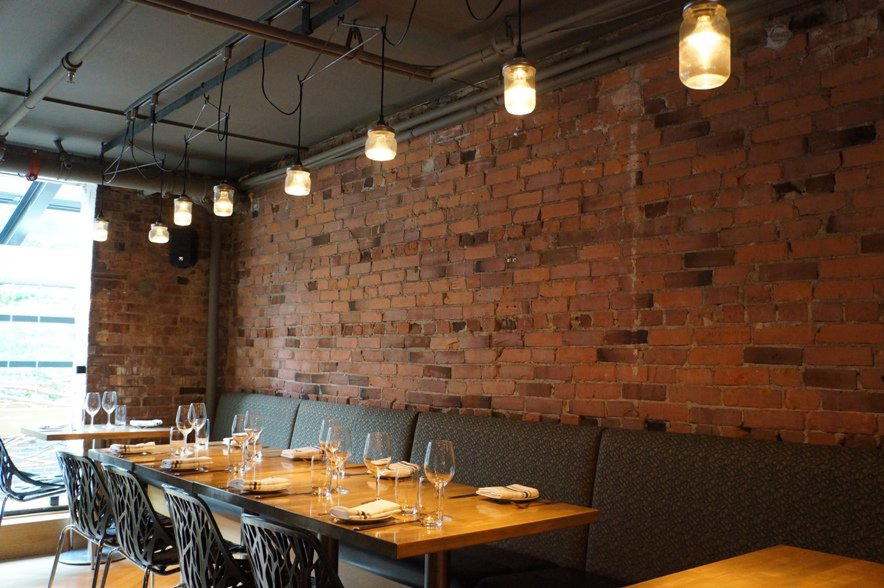
Bars in Vancouver
Browse all →
At a Glance
- Lively
- Cozy
- Casual Hangout
- Family
- Late Night
- Open Kitchen
Current opening hours
- Monday
- 12–10 PM
- Tuesday
- 12–10 PM
- Wednesday
- 12–11 PM
- Thursday
- 12–11 PM
- Friday
- 12 PM–1 AM
- Saturday
- 12 PM–1 AM
- Sunday
- 12–10 PM
Hours can change for holidays and private events. Last verified .
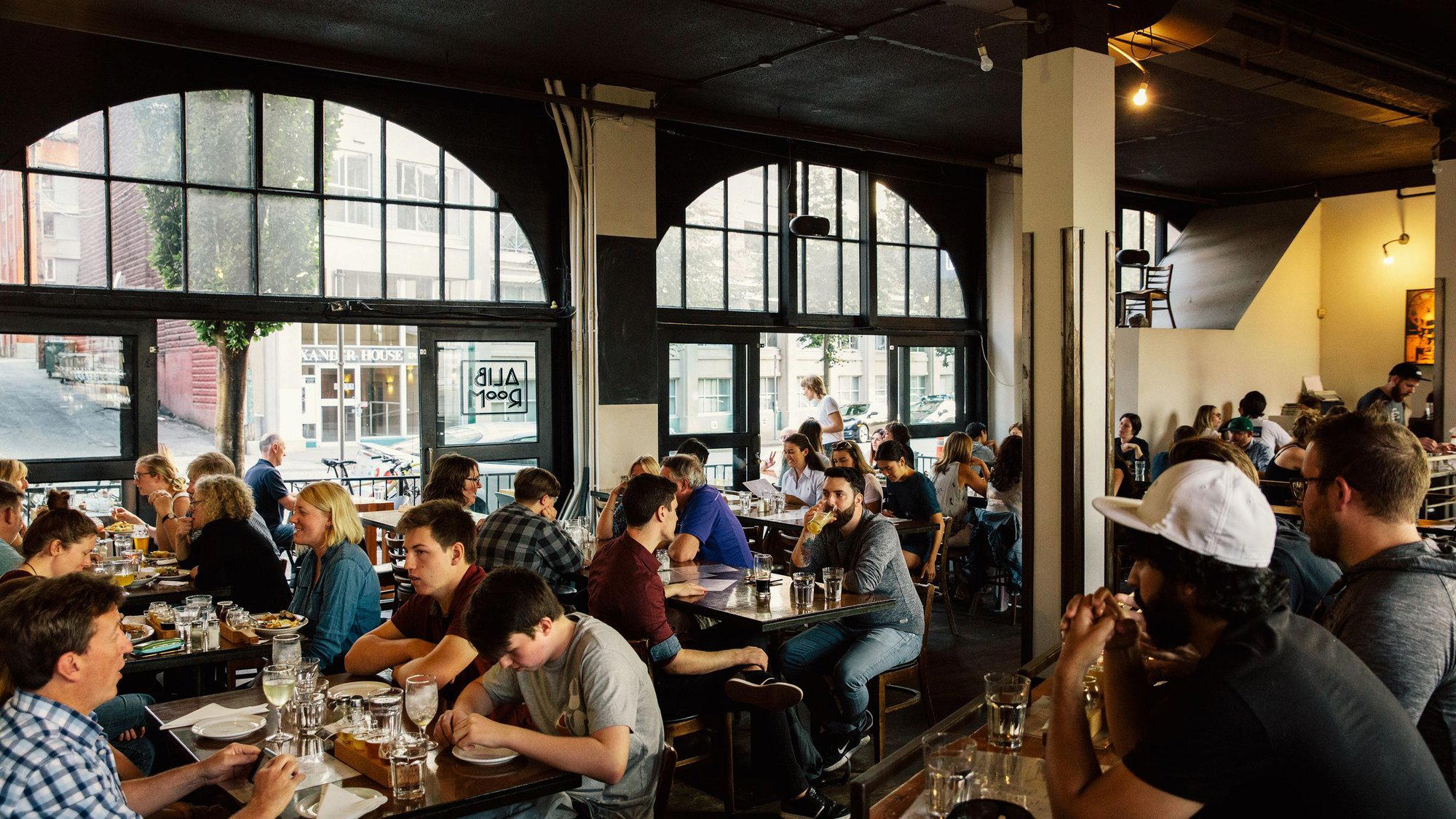
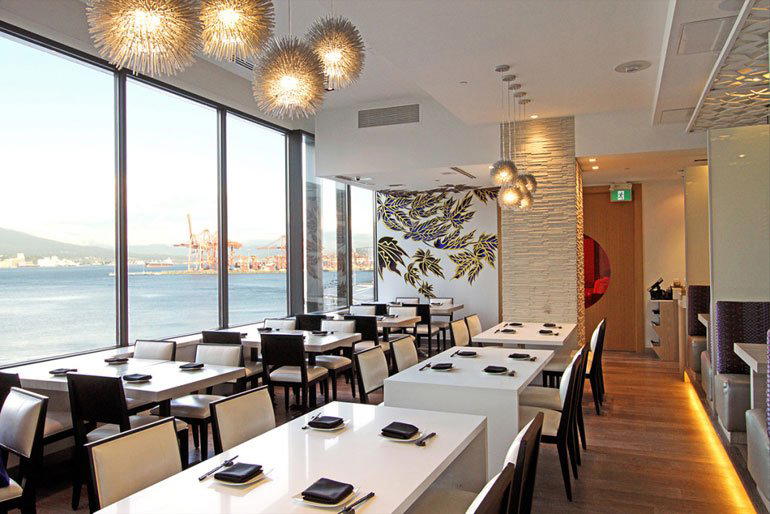
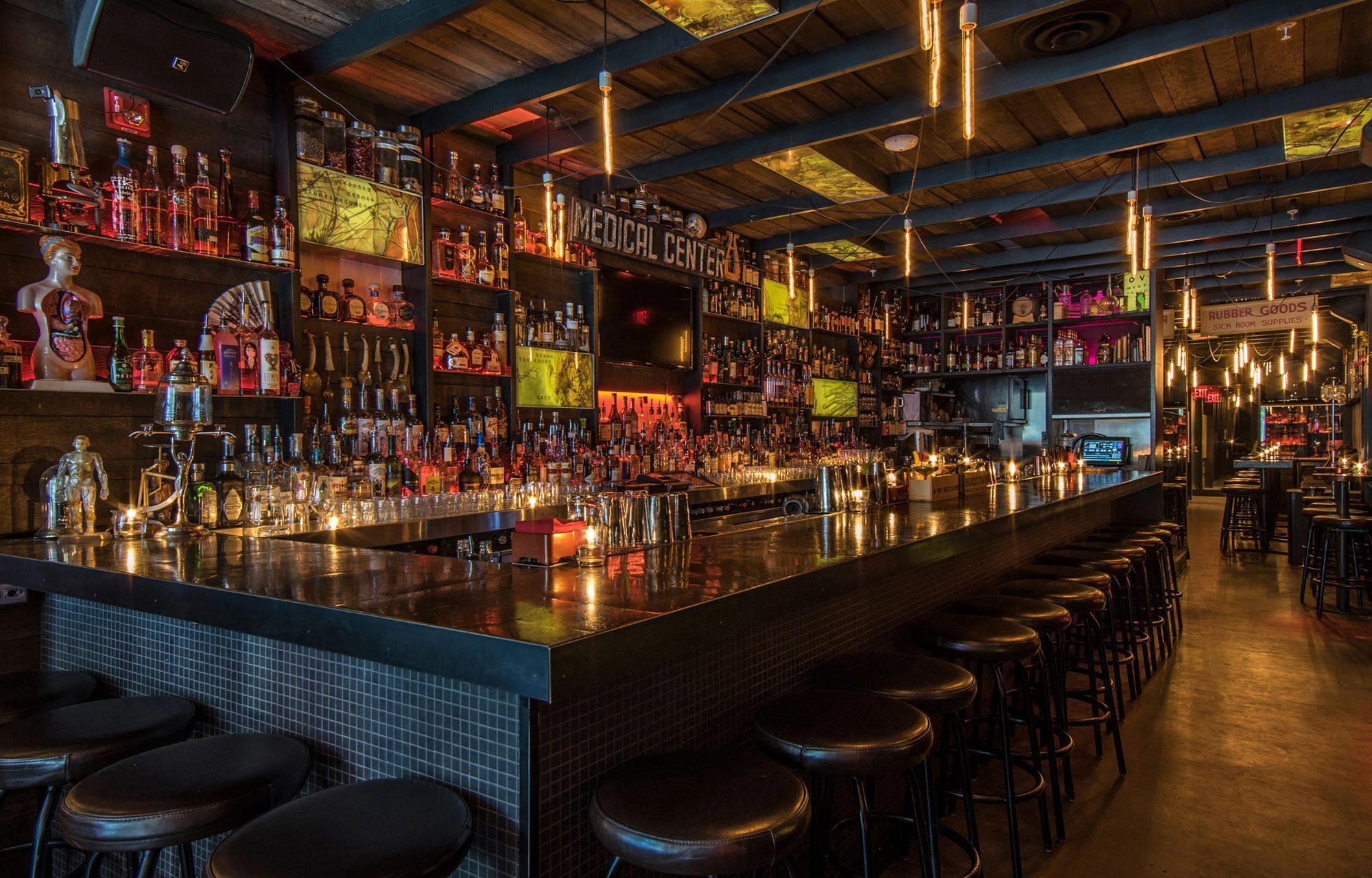
Bright and festive atmosphere with a casual, unpretentious vibe and closely spaced tables.