La Casa de los Lechoncitos al Horno
In Narvarte Poniente, La Casa de los Lechoncitos al Horno represents a focused tradition in Mexico City's neighbourhood dining scene: oven-roasted suckling pig served in a residential pocket far removed from the capital's fine-dining corridor. The format is disciplined, the subject singular, and the address — Pedro Romero de Terreros 1153-A — puts it squarely in one of the city's most quietly serious eating districts.
Pearl is the En Primeur Club membership app — saves, bookings, and concierge access live there. Same editors, same standards.
- Address
- Pedro Romero de Terreros 1153-A, Narvarte Poniente, Benito Juárez, 03020 Ciudad de México, CDMX, Mexico
- Phone
- +52 55 5639 4192
- Directions
- Get directions
 Saves & bookings on Pearl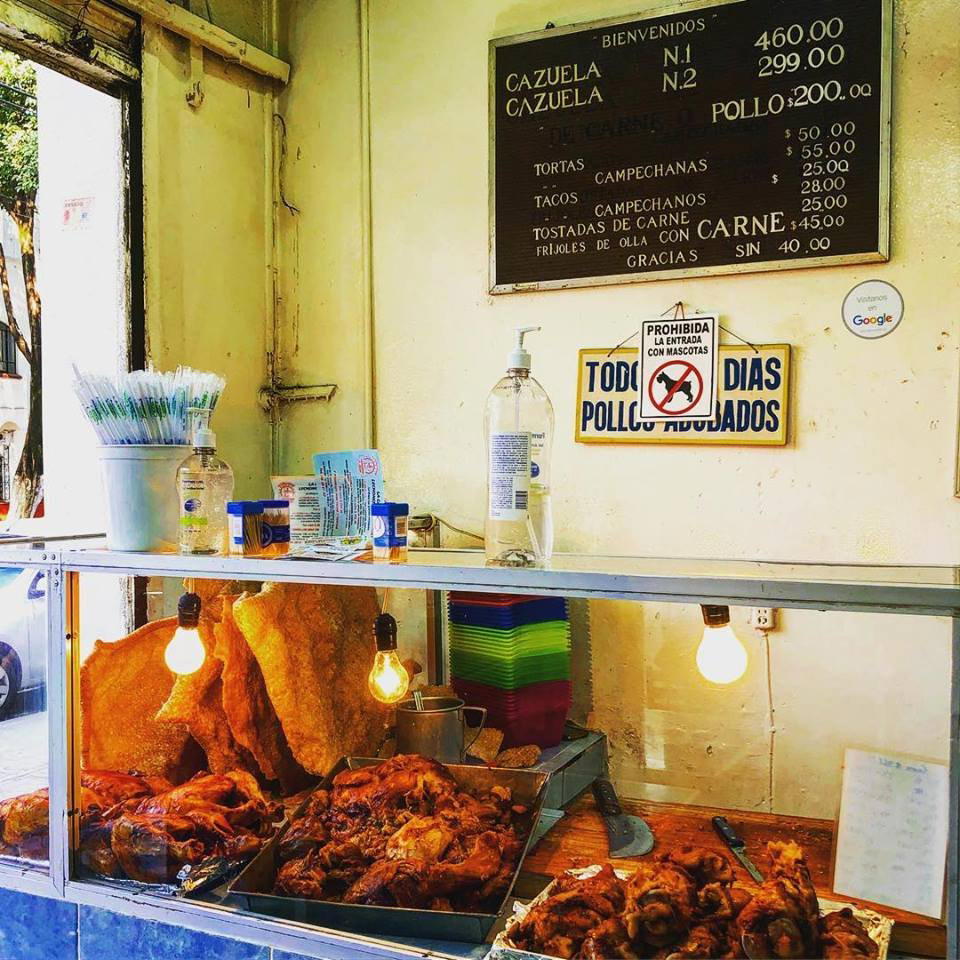
A Neighbourhood, a Technique, a Single Subject
Mexico City's dining scene divides more clearly than most between its internationally cited fine-dining tier — Pujol, Quintonil, Em — and the neighbourhood specialists that sustain the city's actual eating culture day to day. La Casa de los Lechoncitos al Horno belongs firmly to the second category. It sits on Pedro Romero de Terreros in Narvarte Poniente, a district that has quietly accumulated a serious roster of destination-worthy tables over the past decade without developing the media noise of Roma or Condesa. Coming here, you are not arriving at a scene. You are arriving at a purpose.
That purpose is lechón al horno: oven-roasted suckling pig, a preparation with deep roots across the Spanish-speaking world and a particularly devoted following in Mexico City, where the technique tends toward slow, even heat rather than the spit-roasted versions more common in Cuba or the Philippines. The name alone, the little oven-roasted pigs, signals the kind of institutional confidence that comes from having one thing and doing it consistently. In a city where ambitious tasting menus at Rosetta or Sud 777 demand advance planning and occasion-dressing, this address occupies a different register entirely.
The Logic of the Oven
Oven roasting as a primary technique produces a different animal than open-flame cooking. The heat is enclosed, moisture is retained longer before the skin crisps, and the fat renders more gradually. For suckling pig specifically, animals typically weighing between four and six kilograms, slaughtered young enough that the meat has never taken on the tougher texture of a mature pig, this method amplifies tenderness rather than simply achieving it. The skin, when properly managed, arrives at a lacquered brittleness that collapses under minimal pressure. The fat layer beneath should be translucent, barely there, having basted the meat from within rather than pooling on the surface.
This tradition draws on techniques that travelled from Spain through colonial Mexico and took on regional character across centuries. It is not a recent reinvention or a contemporary chef's project. In Mexico City, establishments built around lechón al horno tend to operate with a generational consistency that places technique over novelty, the opposite logic from the tasting-menu format that has driven the capital's international recognition. Venues like this one exist in the same city as Le Chique in Puerto Morelos or Animalón in Valle de Guadalupe, but the food philosophies could not be further apart.
The Arc of a Meal Here
Eating at a lechón specialist follows a different narrative arc than a multi-course tasting menu, but it has its own progression. The beginning is typically lighter: you work around the animal's exterior, where the skin delivers its most concentrated flavour, rendered, salted, sometimes spiced, before the meat beneath pulls away in soft sheets. The middle of the meal is the meat itself in its various cuts, where location on the carcass changes the experience: shoulder yields differently from loin, loin from leg. The final notes are often the richest, where accumulated fat and connective tissue have broken down furthest and the contrast between crisped exterior and yielding interior is most pronounced.
Accompaniments at this type of specialist tend toward the functional and the complementary rather than the decorative. Pickled vegetables, fresh salsas, tortillas, and acidic condiments exist to cut the fat and reset the palate between bites rather than to compete with the centrepiece. This is a meal built on restraint in everything except the primary ingredient, and that economy of means is part of what makes the format legible and repeatable. You come back not to be surprised but to return to something you already understand and want again.
For readers who have followed Mexico's broader restaurant evolution through venues like Alcalde in Guadalajara, KOLI Cocina de Origen in Monterrey, or Levadura de Olla in Oaxaca, the interest here is precisely in the contrast: what happens when a kitchen commits to one subject without the architecture of a tasting menu to support it.
Narvarte Poniente as Context
The neighbourhood matters. Narvarte Poniente sits southeast of Roma Norte, across the Insurgentes corridor, and operates at a different pitch. It is residential in character, with fewer of the converted-mansion dining rooms and rooftop bar openings that have defined Roma's last several years. Tables here tend to attract locals with local regularity rather than tourists working through a curated shortlist. That pattern generally produces a more consistent kitchen, operators who depend on repeat business rather than first-impression reviews have a different relationship with quality control.
For visitors building a Mexico City itinerary that goes beyond the obvious, Narvarte Poniente offers a counterweight to the more trafficked neighbourhoods. Our full Mexico City restaurants guide maps the city's eating geography more completely, including how the outer colonias compare to the Roma-Condesa axis for both quality and value.
Where This Fits in the Wider Mexican Picture
Mexico's restaurant culture at the serious end of the spectrum has earned increasing international attention, anchored by the tasting-menu operators that appear on global rankings and draw destination diners from abroad. But the country's most durable eating traditions are not found in that tier. They exist in the specialists: the mole houses, the taco counters, the birria stands, the lechón kitchens. These places do not compete with HA' in Playa del Carmen or Pangea in San Pedro Garza García or Huniik in Mérida for the same audience. They operate in a parallel economy of value where the measure of excellence is disciplined repetition rather than creative ambition.
La Casa de los Lechoncitos al Horno sits in that parallel economy. Compared to the precision-service counters of cities like New York, where Le Bernardin or Atomix set expectations for choreographed dining, or the multi-course architecture of Lunario in El Porvenir or Olivea Farm to Table in Ensenada, this is a different proposition entirely. The case for coming here is not novelty or technical complexity. It is the case for a tradition that has survived precisely because it requires no justification beyond the quality of what comes out of the oven.
Know Before You Go
Address: Pedro Romero de Terreros 1153-A, Narvarte Poniente, Benito Juárez, 03020, Mexico City
Neighbourhood: Narvarte Poniente, southeast of Roma Norte across Insurgentes
Cuisine focus: Lechón al horno (oven-roasted suckling pig)
Booking: No verified online booking method on record; walk-in availability is unconfirmed, contact directly before visiting
Phone / Website: Not publicly listed in current records; verify via Google Maps or local directories before travel
Awards: None on record at time of writing
Leading approach: Arrive at off-peak lunch hours; lechón specialists often sell through earlier in the day
How La Casa de los Lechoncitos al Horno Mexico City compares with similar nearby venues.
| Venue | Cuisine | Price |
|---|---|---|
| Tacos el Vilsito | Mexican | $ |
Continue exploring
More in Mexico City
Restaurants in Mexico City
Browse all →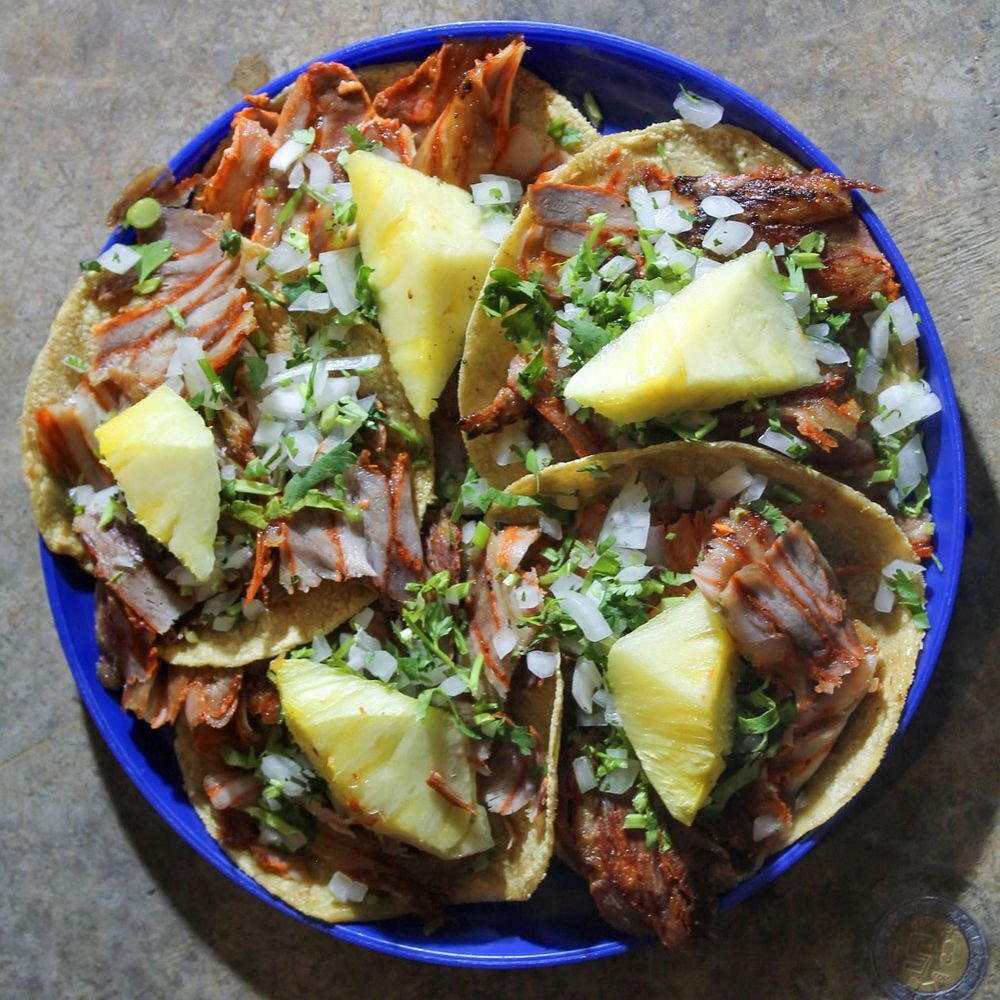
Bars in Mexico City
Browse all →


At a Glance
- Rustic
- Classic
- Casual Hangout
- Group Dining
- Family
- Standalone
- Local Sourcing
Current opening hours
- Monday
- 10:30 AM–5:30 PM
- Tuesday
- Closed
- Wednesday
- 10:30 AM–5:30 PM
- Thursday
- 10:30 AM–5:30 PM
- Friday
- 10:30 AM–5:30 PM
- Saturday
- 10:30 AM–5:30 PM
- Sunday
- 10:30 AM–5:30 PM
Hours can change for holidays and private events. Last verified .
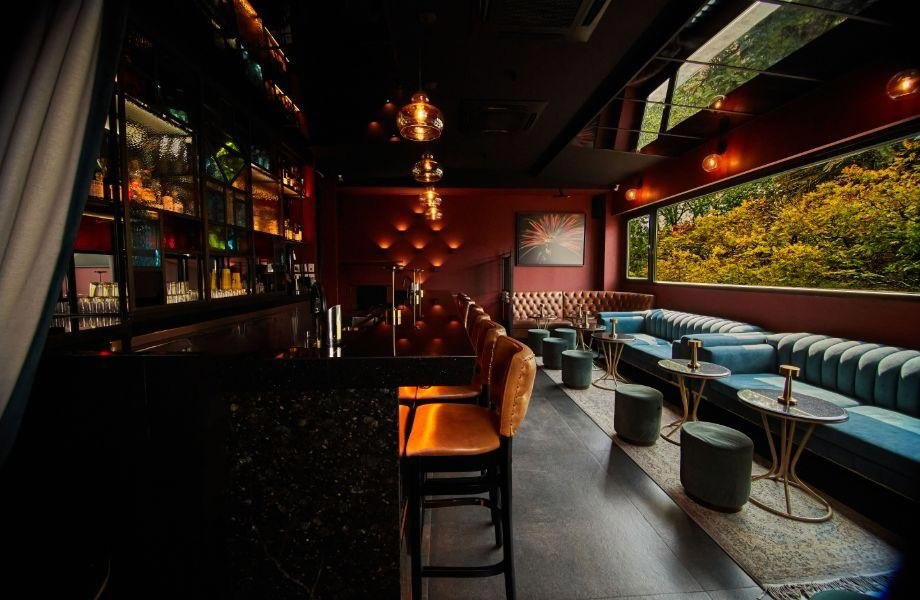
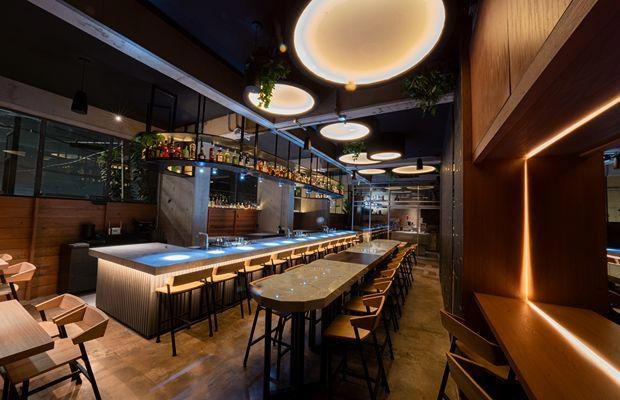
Small, humble, and unpretentious space with minimal décor; clean and welcoming with a neighborhood feel; intimate setting with only 5 tables, emphasizing takeout-focused operations.
Know Before You Go
- Getting there
- Pedro Romero de Terreros 1153-A, Narvarte Poniente, Benito Juárez, 03020 Ciudad de México, CDMX, Mexico