
La Casa gives Munakata’s yoshoku tradition a coastal reading rather than a city-diner one, with fish-led cooking, wine, and a small house-restaurant scale near Munakata Taisha. Its Tabelog 100 Yoshoku WEST 2025 selection places it in a serious regional conversation, but the appeal is quieter: a compact room, counter and table seating, and a format that suits families as well as solo diners.
Pearl is the En Primeur Club membership app — saves, bookings, and concierge access live there. Same editors, same standards.
- Address
- 62-6 Fukata, Munakata, Fukuoka 811-3504, Japan
- Phone
- +81 70-7585-2861
- Website
- tabelog.com
 Saves & bookings on Pearl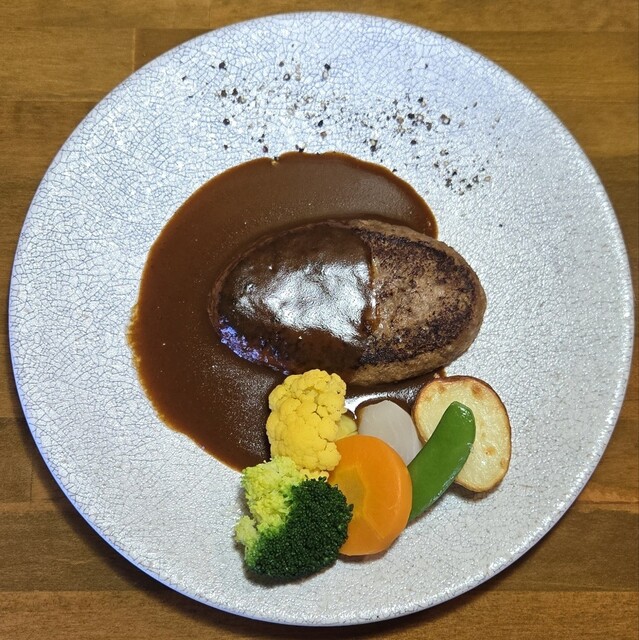
Approaching a house restaurant in Munakata changes the expectations around yoshoku. This is not the department-store lunch counter version of Japanese-style Western cooking, nor the polished hotel grill room version. The setting pulls the category back toward the coast and the shrine-town rhythm: smaller scale, fewer distractions, and a clearer sense that the cooking is being judged by what lands on the plate rather than by theatrical service.
Yoshoku has always been a translation cuisine. In Japan, cutlets, stews, omelet rice, gratins, hamburg steak, and seafood preparations became domestic forms rather than replicas of Europe. In Fukuoka’s outer dining orbit, that translation often becomes more ingredient-led. Munakata sits between religious tourism, commuter life, and fishing culture, so the local reading of yoshoku can feel less nostalgic than practical: Western technique used to frame Japanese produce and seafood with enough familiarity for a family table.
Fish-led yoshoku, read through Munakata rather than the city center
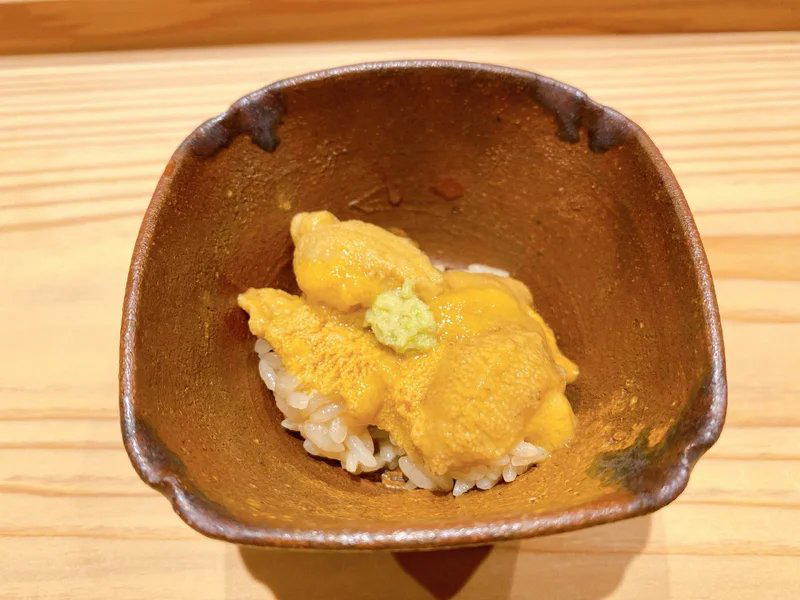
La Casa’s clearest editorial signal is its fish focus inside a yoshoku category that can otherwise lean heavily on beef, demi-glace, and fried standards. That matters in Munakata, where proximity to the Genkai Sea gives seafood a stronger cultural claim than imported ideas of Western dining. The restaurant’s selection for Tabelog 100 Yoshoku WEST 2025, with earlier Tabelog 100 recognition in 2023, is useful not as decoration but as context: this is a rural-edge yoshoku address being evaluated within a broader western-Japan field, not only as a local convenience.
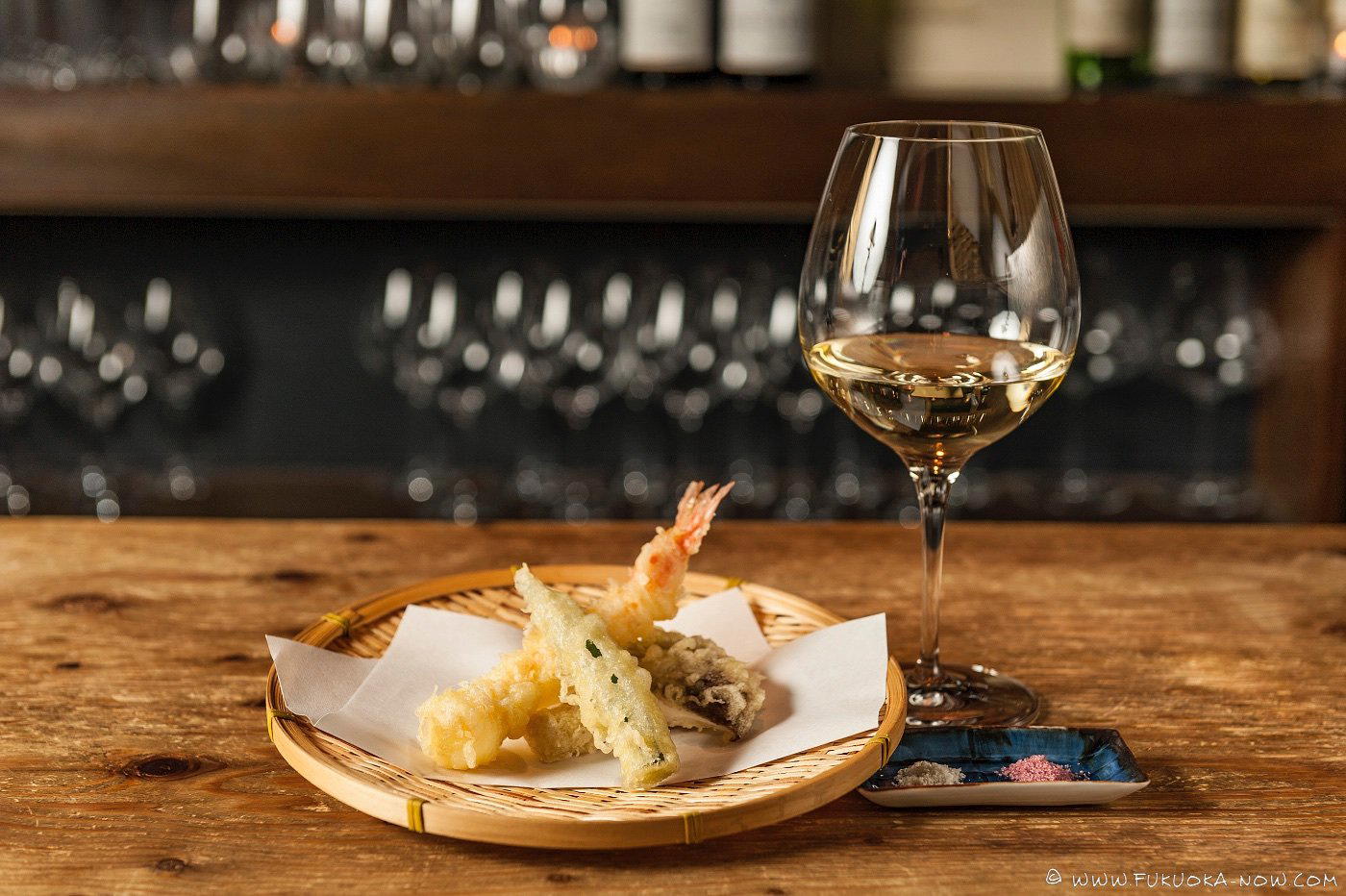
The wine note also places the room in a narrower lane than a casual set-meal shop. Yoshoku and wine can be awkward when the cooking is too sweet, too heavy, or too dependent on nostalgia. A fish-forward kitchen changes that equation. It allows the genre to behave more like coastal bistro cooking while keeping the Japanese structure of rice, sauce, and set-course pacing. That is the value of this kind of place: it does not need to reject yoshoku’s comfort grammar to make it feel current.
Munakata’s restaurant map is not dense in the way Fukuoka City’s is, so individual addresses carry more weight. A dessert specialist such as Ice Kobo Raku Nouka answers a different local craving, while La Casa sits in the meal proper: a compact, seated, ingredient-conscious stop rather than a quick snack detour. For a wider read on the city’s dining options, our full Munakata restaurants guide gives the better overview.
A house-restaurant scale with counter discipline
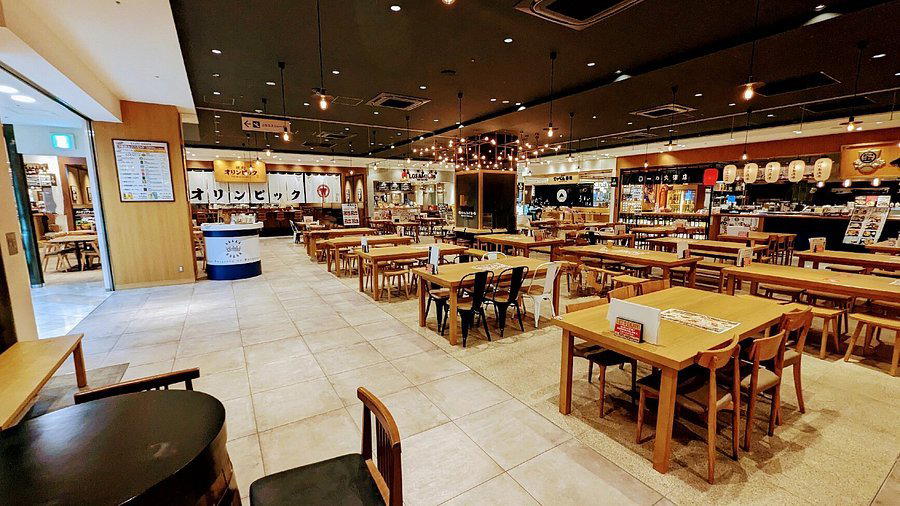
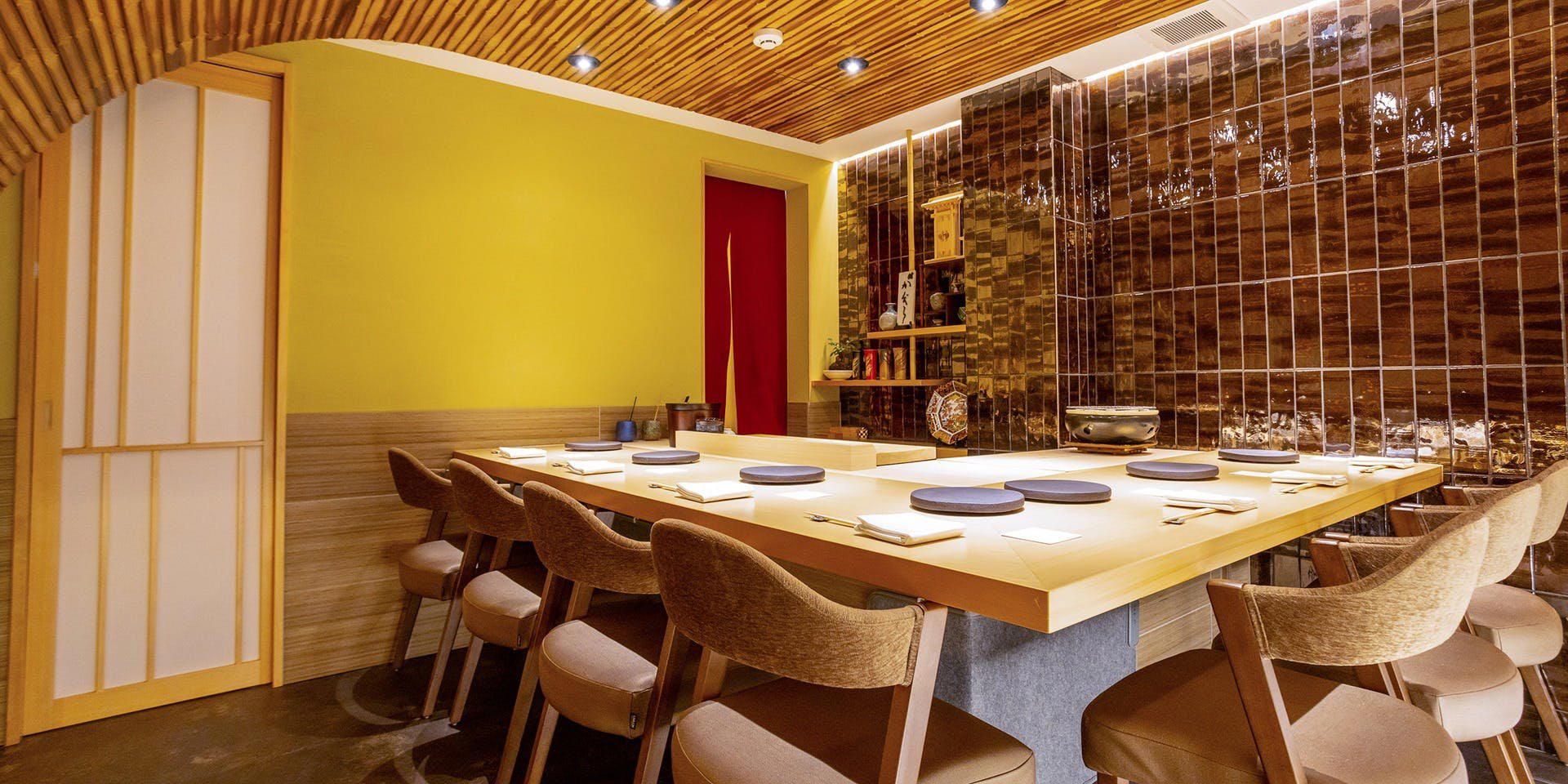
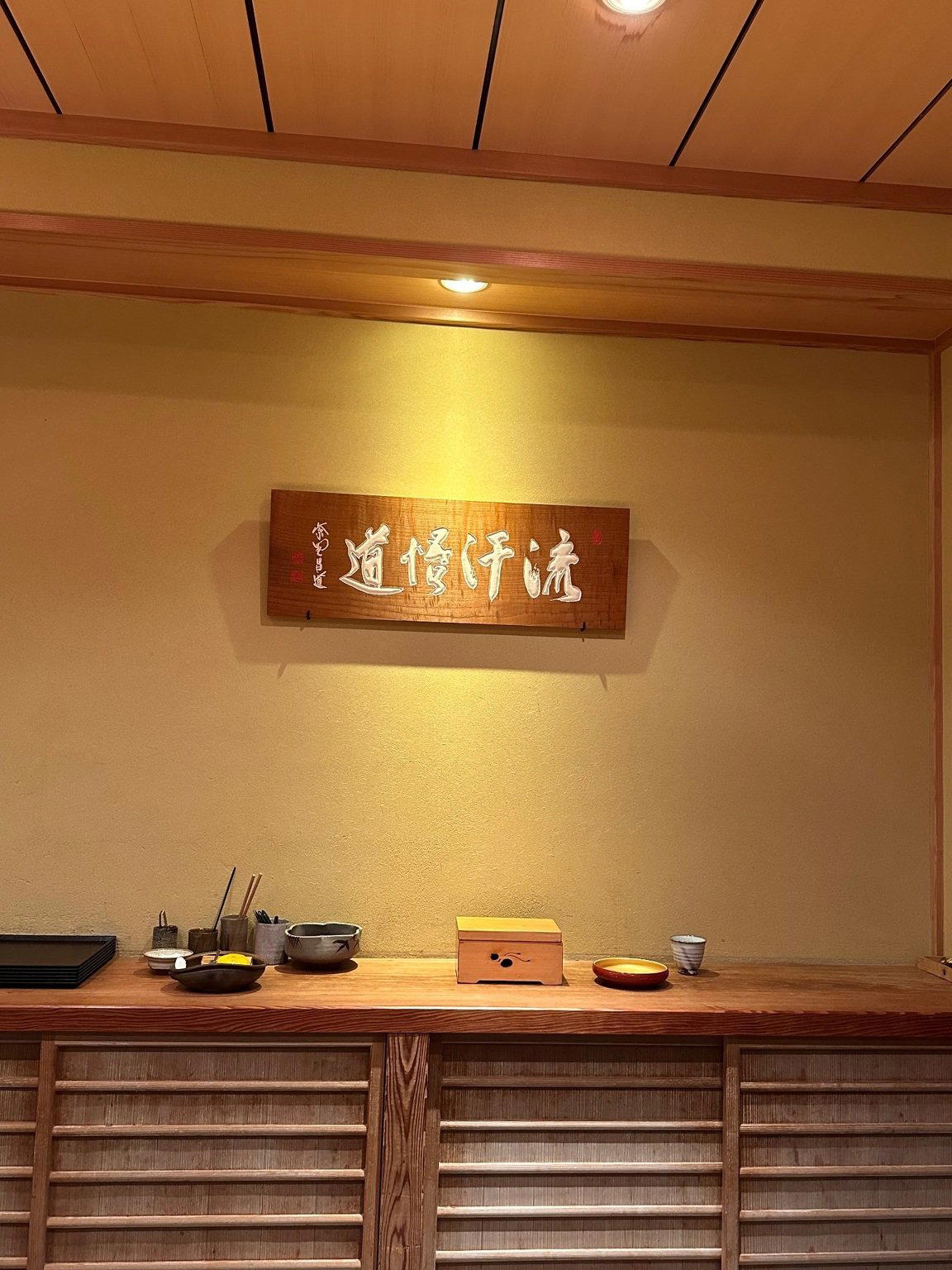
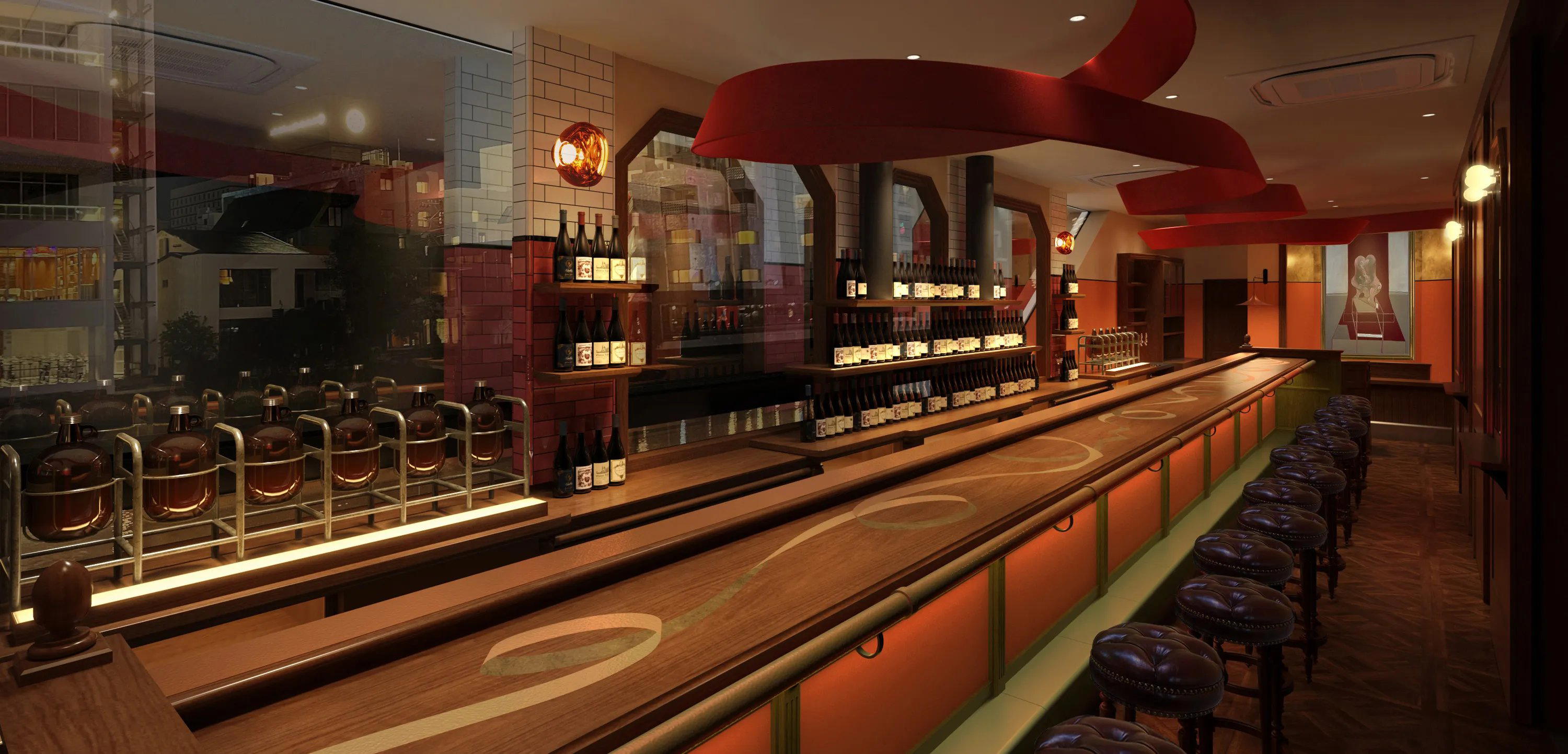
The room’s format is part of the argument. With 23 seats split between a five-seat counter and table seating, the experience belongs to the small-house-restaurant tier rather than the anonymous café tier. That scale affects the cooking. Counter seating lets a yoshoku kitchen show timing and assembly; tables keep the meal accessible for groups and families. The presence of a private room for six also matters in a city where shrine visits and family meals often overlap.
For travelers, the location near Munakata Taisha gives the meal a natural cultural frame without turning it into a tourist-only stop. Shrine districts in Japan often produce a familiar pattern: sweets, noodles, souvenir food, and quick lunches near the main approach. A fish-conscious yoshoku restaurant shifts that pattern into a slower register. It is better understood as a meal to anchor a Munakata outing than as an incidental bite between sightseeing stops.
The audience signals are broad without becoming generic. Children are welcome, solo dining is explicitly suitable, and the room offers both counter and table formats. That combination is valuable in regional Japan, where many serious small restaurants can feel socially narrow even when the cooking is accessible. Here, the category itself helps: yoshoku is familiar enough for mixed-age dining, but the sourcing emphasis gives adults something more specific to pay attention to.
How it fits into a Munakata itinerary
Munakata rewards travelers who do not treat it as a single-stop shrine excursion. The city’s appeal is cumulative: coastal food culture, sacred geography, and a slower hospitality rhythm than central Fukuoka. Pairing a meal here with the broader city guides makes sense, especially for visitors building a full day rather than a single lunch. For stays, see our full Munakata hotels guide; for drinking, our full Munakata bars guide; for producers and bottles, our full Munakata wineries guide; and for cultural planning, our full Munakata experiences guide.
In national context, La Casa belongs to a Japan-wide category of small, specific restaurants that are more useful than their modest packaging suggests. The comparison is not with luxury counters in Tokyo or Kyoto, but with focused regional addresses that give one cuisine a local accent. Readers mapping that broader spread can look at -Grilled beef Sukiyaki- KAMAKURA TANUKIAN 鎌倉 たぬき庵 in Kamakura, . 鮪と炭火焼き うお炭 秋葉原店 in Tokyo, .cafe in Osaka.know in Kumamoto, (Shoku) Vietnam in Kawasaki, [Curry Senmon Ten] Maruyama Kyoju. in Sapporo, [ki:] in Kyoto, #肉といえば松田 奈良本店 in Kashihara, 1/3 HAMBURGER FACTORY in Kanazawa, and 1000 in Yokohama. For Japanese food culture viewed from abroad, Jōdo Saké Bar in Los Angeles and Onigiri Time in Pasadena show how different the conversation becomes once context changes.
The editorial case is clear: choose this address when Munakata itself is part of the reason for eating. The cooking sits at the intersection of yoshoku familiarity, fish sourcing, wine, and small-room hospitality. That combination gives the city a more grounded dining identity than a checklist meal ever could.
In Context: Similar Options
Comparable venues by cuisine and price in the same metro.
| Venue | Cuisine | Price | Notes |
|---|---|---|---|
| La CasaThis venue — the venue you are viewing | Japanese-style Western (Yoshoku) house restaurant | $$ | Not listed |
| Ice Kobo Raku Nouka | Gelato & Ice Cream Shop | $ | Munakata |
| Ikkaku | Kagawa Honetsukidori Grilled Chicken | $$ | Takamatsu |
| 和風レストラン 青葉の庄 | Traditional Japanese Washoku Set Meals | $$ | 宇陀市 |
| かねかつ | Traditional Shoyu Ramen & Abura Soba | $$ | 北浦和 (Kita-Urawa) |
| Kappa | Tonkatsu with Demi-Glace Sauce | $$ | Achi |
Recognition history
Dated appearances from independent guides and award organizations, with the underlying list record or original source where available.
Tabelog 100 #72 · No. 72
Tabelog · Tabelog 100 - Yoshoku - WEST - 2025
At a Glance
- Cozy
- Classic
- Family
- Solo
- Casual Hangout
- Date Night
- Standalone
- Terrace
- Private Dining
Current opening hours
- Monday
- Closed
- Tuesday
- Closed
- Wednesday
- Closed
- Thursday
- Closed
- Friday
- Closed
- Saturday
- 11 AM–2:30 PM
- Sunday
- 11 AM–2:30 PM
Hours can change for holidays and private events. Last verified .
A small house-restaurant with about twenty seats, non-smoking and family-friendly, combining a stylish yet homey interior, counter and table seating, and a relaxed lunchtime atmosphere that suits both solo diners and families.