
Ice Kobo Raku Nouka puts Munakata’s dairy-and-coast food culture into a low-cost, take-out gelato format rather than a formal dessert room. Its Tabelog 100 Ice cream / Gelato 2023 selection, sub-JPY 999 spend, and long run since 2000 make it a useful marker for how serious Japanese frozen-dessert shops can sit far outside major-city dining circuits.
Pearl is the En Primeur Club membership app — saves, bookings, and concierge access live there. Same editors, same standards.
- Address
- 福岡県宗像市神湊44-2
- Website
- tabelog.com
 Saves & bookings on Pearl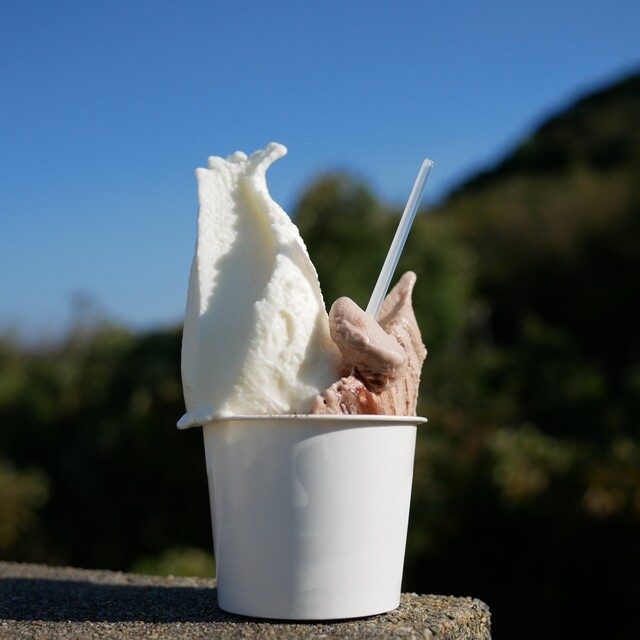
Approaching Konominato, Munakata’s food rhythm feels closer to farm roads and coastal errands than Fukuoka city dessert counters. That setting matters: ice cream and gelato in Japan often read as urban treats, but stronger rural shops argue that dairy, fruit, and small-batch service can carry local identity like a seafood lunch or roadside vegetable stand. Ice Kobo Raku Nouka fits that quieter category, with a take-out format that keeps attention on the product rather than ceremony.
The recognition is not decorative. Selection for Tabelog 100 Ice cream / Gelato 2023 places the shop in a national frozen-dessert conversation, a category that rewards consistency as much as novelty. Its Tabelog score of 3.56 is modest if read like a luxury-restaurant number, but Japanese dessert shops operate differently: short visits, repeat local traffic, and weather-dependent cravings shape ratings more than tasting-menu theatre. For Munakata, the selection signals a reputation travelling beyond the immediate neighbourhood without turning the experience into a destination-restaurant performance.
Munakata's dessert culture works better when it stays close to the source
Ingredient sourcing is the main lens, even when the format stays simple. Japanese gelato and ice cream shops outside major commercial districts often succeed by shortening the distance between agricultural identity and the counter. Munakata, between Fukuoka’s urban pull and the Genkai Sea, has the geography for that argument: produce routes, dairy associations, and day-trip traffic converge around casual food stops. The result is not a grand dessert salon, but a local sweets stop where agricultural context does part of the work.
That separates it from a higher-spend sit-down meal in the same city. La Casa, for example, sits in a different budget bracket, with lunch and dinner pricing that makes the decision a meal plan rather than a quick detour. Ice Kobo Raku Nouka works at the other end: low spend, take-out service, no reservation mechanism, and a visit measured in minutes rather than courses. The comparison shows Munakata’s range. Its food appeal is not confined to restaurants with tables, wine lists, or full-service pacing.
The Tabelog 100 category also matters because ice cream and gelato are unusually transparent forms. There is little room to hide behind plating. Texture, temperature discipline, and ingredient definition carry the experience, and rural or farm-adjacent shops are judged on whether sourcing translates into clarity at the counter. Without naming flavours not publicly specified, the safer reading is structural: this is a dairy-and-ice cream specialist, not a café treating frozen dessert as an add-on.
A take-out counter, not a dessert lounge
The format is part of the editorial value. Reservations, private rooms, and private use are unavailable, placing the shop firmly in the democratic end of Japan’s dessert scene. That does not make it careless; it compresses craft into a quick exchange: choose, pay, leave with the product. For travellers used to premium dining being expressed through scarcity, this is a useful corrective. Some stronger Japanese food experiences ask for timing and patience, not formal access.
Opening in 2000 gives the shop a long operating horizon, important in a category vulnerable to trend cycles. Gelato booms come and go in Japan, often pushed by seasonal fruit, dairy branding, or social-media colour. A shop still relevant enough for a 2023 national selection has done more than catch one fashion. It has held a local position while dessert culture became more competitive and more visually driven.
The practical read is simple. This is a low-ticket stop, with spending listed below JPY 999, and the service model is take-out. Parking is available, fitting the Munakata context: easier to fold into a regional drive than treat as a public-transport dining appointment. The posted rhythm runs from late morning into early evening, with closure on Wednesday and sales ending once product is gone. That last point is common among small Japanese food shops and should shape expectations, especially in warm weather or during holiday movement.
Payment also signals scale. Credit cards, electronic money, and QR code payments are not accepted, so assume cash. Non-smoking status is listed, though the experience is take-out rather than indoor lingering. For families or groups, the category is naturally friendly, but this is not a long seated break with table service. Think of it as a focused stop between coastal sightseeing, a roadside rest, or a meal elsewhere in Munakata.
Where it fits in a Munakata itinerary
Munakata rewards travellers who plan by geography rather than star-chasing. Its appeal spreads across coast, shrines, local produce, and low-key food addresses, so a dessert stop can be more useful than another full booking. Ice Kobo Raku Nouka works because it does not demand a long slot. It gives a compact reading of local dessert culture, then releases the day back to the road.
For a broader food plan, start with our full Munakata restaurants guide, then layer the day by pace: our full Munakata hotels guide for overnight positioning, our full Munakata bars guide for evening options, our full Munakata wineries guide for drinks-led planning, and our full Munakata experiences guide for non-restaurant time. The point is not to overbuild the stop, but to understand why a small frozen-dessert counter can say something precise about the city’s food culture.
Travellers building a wider Japan itinerary can read it alongside different formats: -Grilled beef Sukiyaki- KAMAKURA TANUKIAN 鎌倉 たぬき庵 in Kamakura for beef-driven dining, . 鮪と炭火焼き うお炭 秋葉原店 in Tokyo for urban seafood-and-grill energy, .cafe in Osaka for café culture.know in Kumamoto, (Shoku) Vietnam in Kawasaki, [Curry Senmon Ten] Maruyama Kyoju. in Sapporo, [ki:] in Kyoto, #肉といえば松田 奈良本店 in Kashihara, 1/3 HAMBURGER FACTORY in Kanazawa, and 1000 in Yokohama. For readers tracking Japanese food culture abroad, Jōdo Saké Bar in Los Angeles and Onigiri Time in Pasadena show how different Japanese formats translate outside Japan. Munakata’s lesson is smaller and grounded: dessert can be serious without becoming formal.
At-a-Glance Comparison
Comparable venues by cuisine and price in the same metro.
| Venue | Cuisine | Price | Notes |
|---|---|---|---|
| Ice Kobo Raku NoukaThis venue — the venue you are viewing | Gelato & Ice Cream Shop | $ | Not listed |
| La Casa | Japanese-style Western (Yoshoku) house restaurant | $$ | Munakata City |
| Sri Lanka Kumamoto | Sri Lankan Curry & Home-Style Dishes | $ | Chuo-ku |
| Mongolian restaurant Sukhe | Authentic Mongolian | $$ | Chūō |
| I’m donut? Fukuoka ten | Modern Japanese donut & bakery café | $ | Chūō |
| Coffee Bimi | Traditional Japanese kissaten & specialty coffee | $ | Chūō |
Recognition history
Dated appearances from independent guides and award organizations, with the underlying list record or original source where available.
Tabelog 100 #62 · No. 62
Tabelog · Tabelog 100 - Ice cream / Gelato - 2023
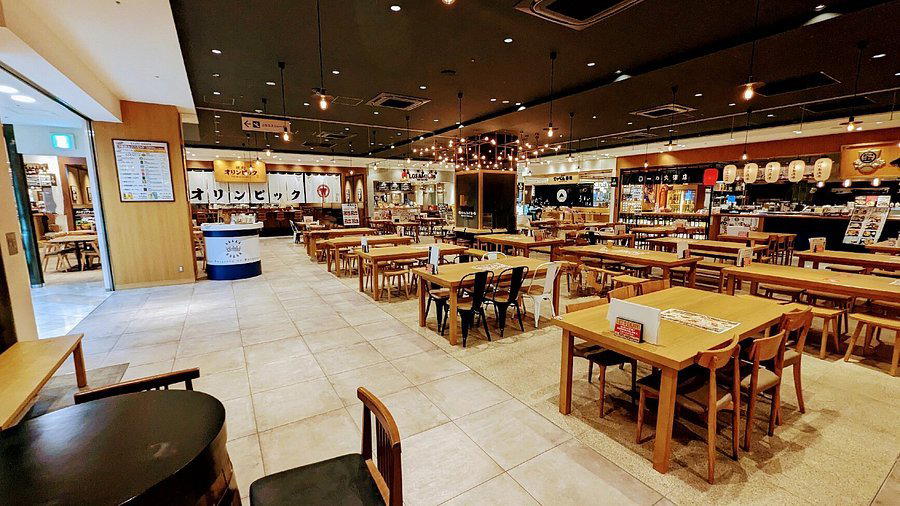
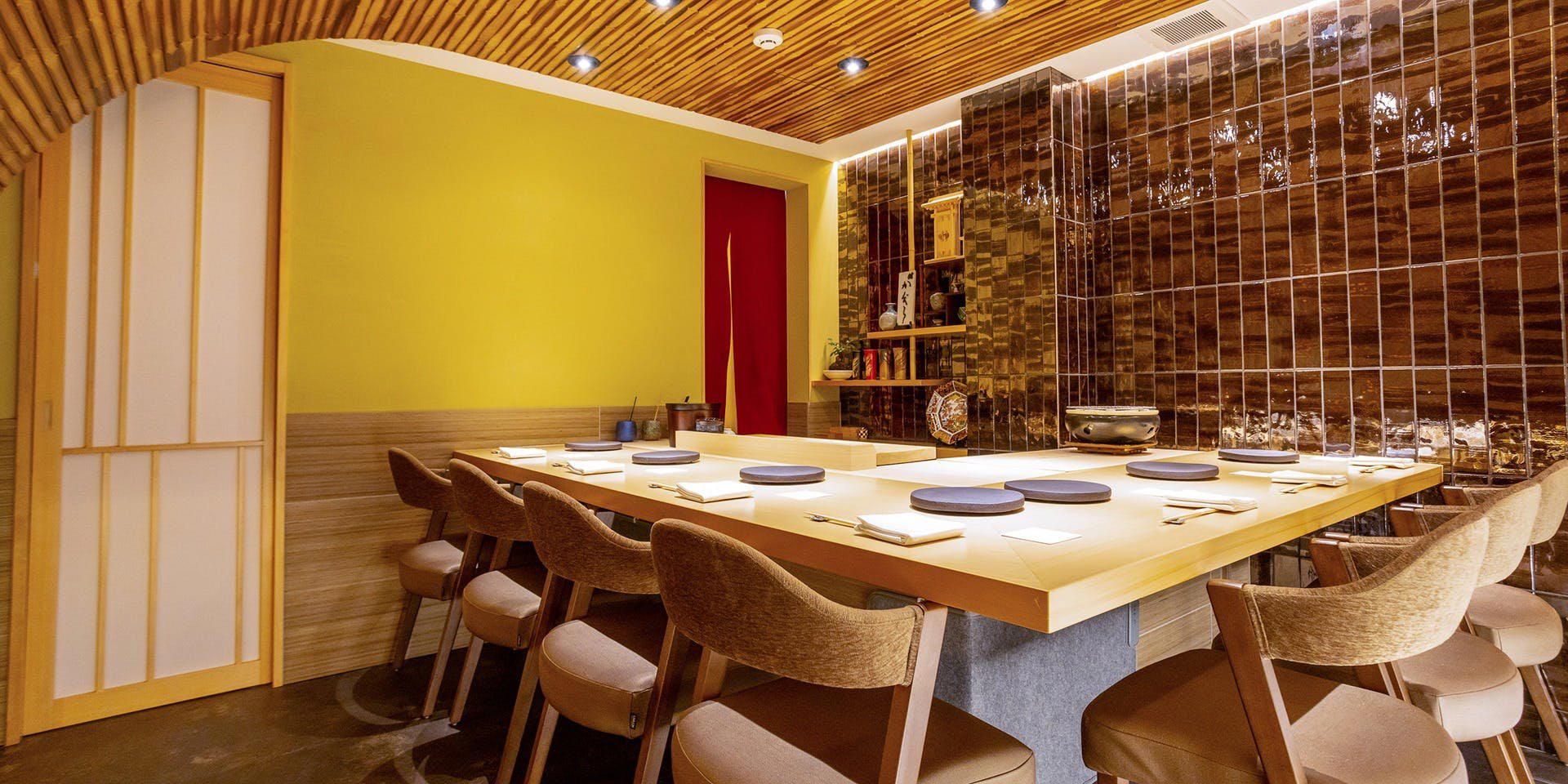
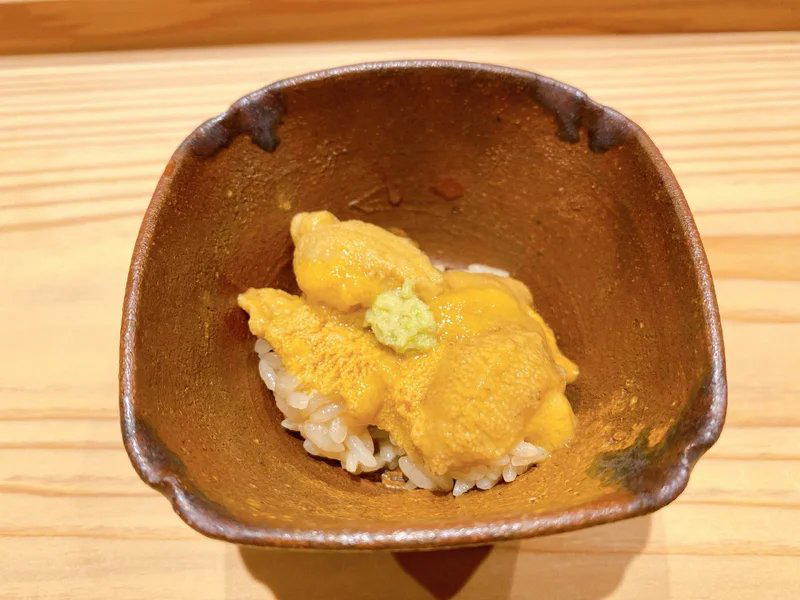
At a Glance
- Lively
- Cozy
- Rustic
- Casual Hangout
- Family
- Solo
- After Work
- Standalone
- Farm To Table
- Local Sourcing
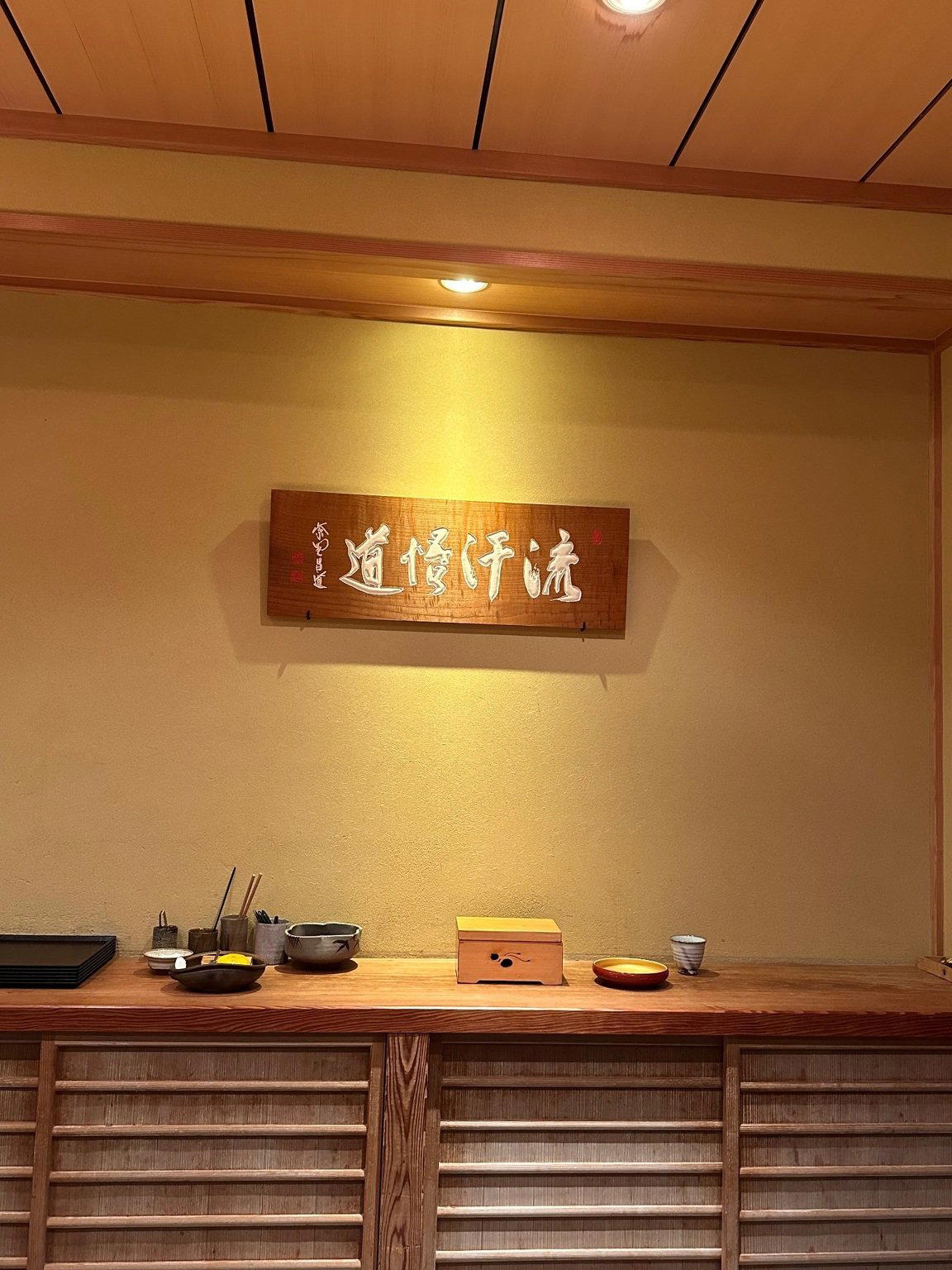
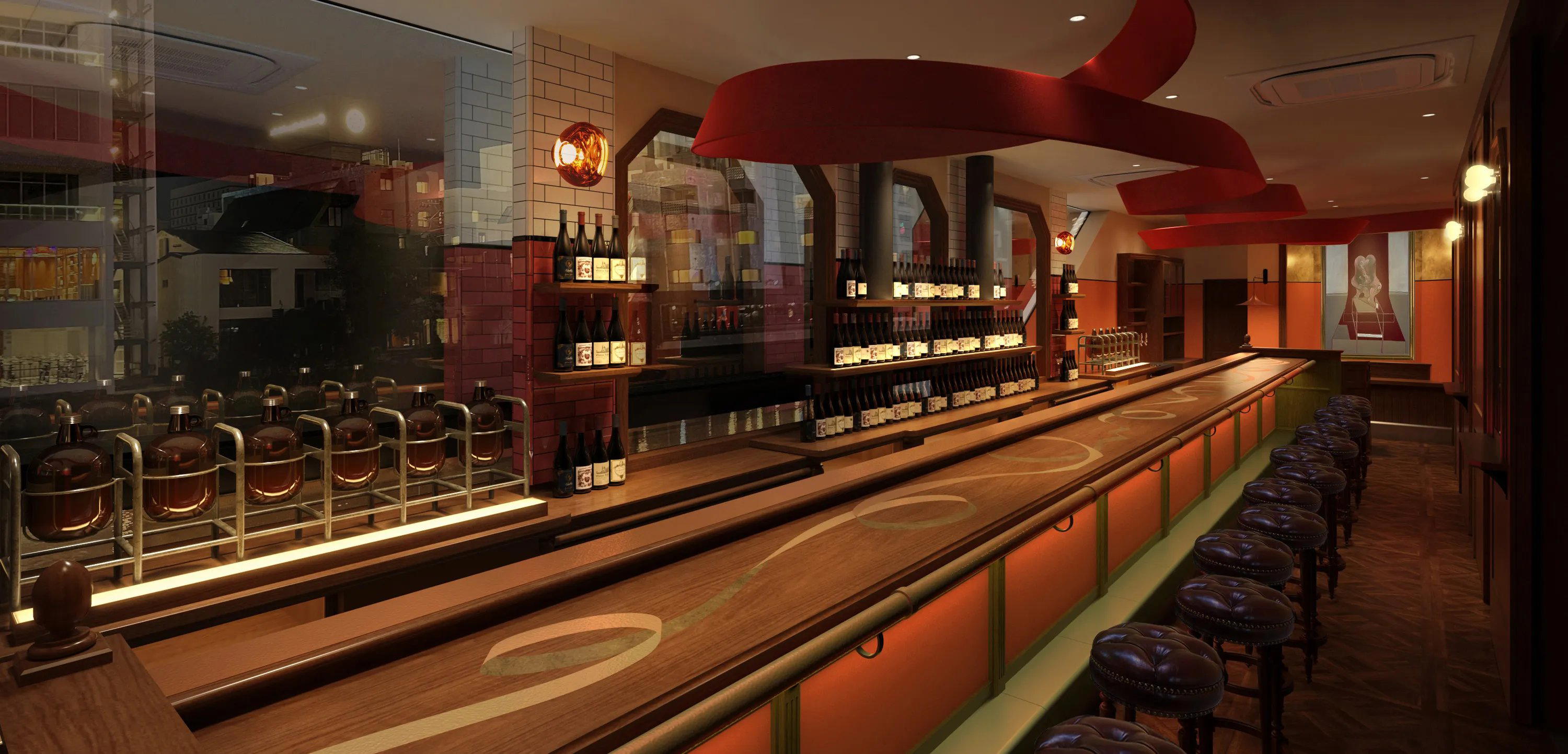
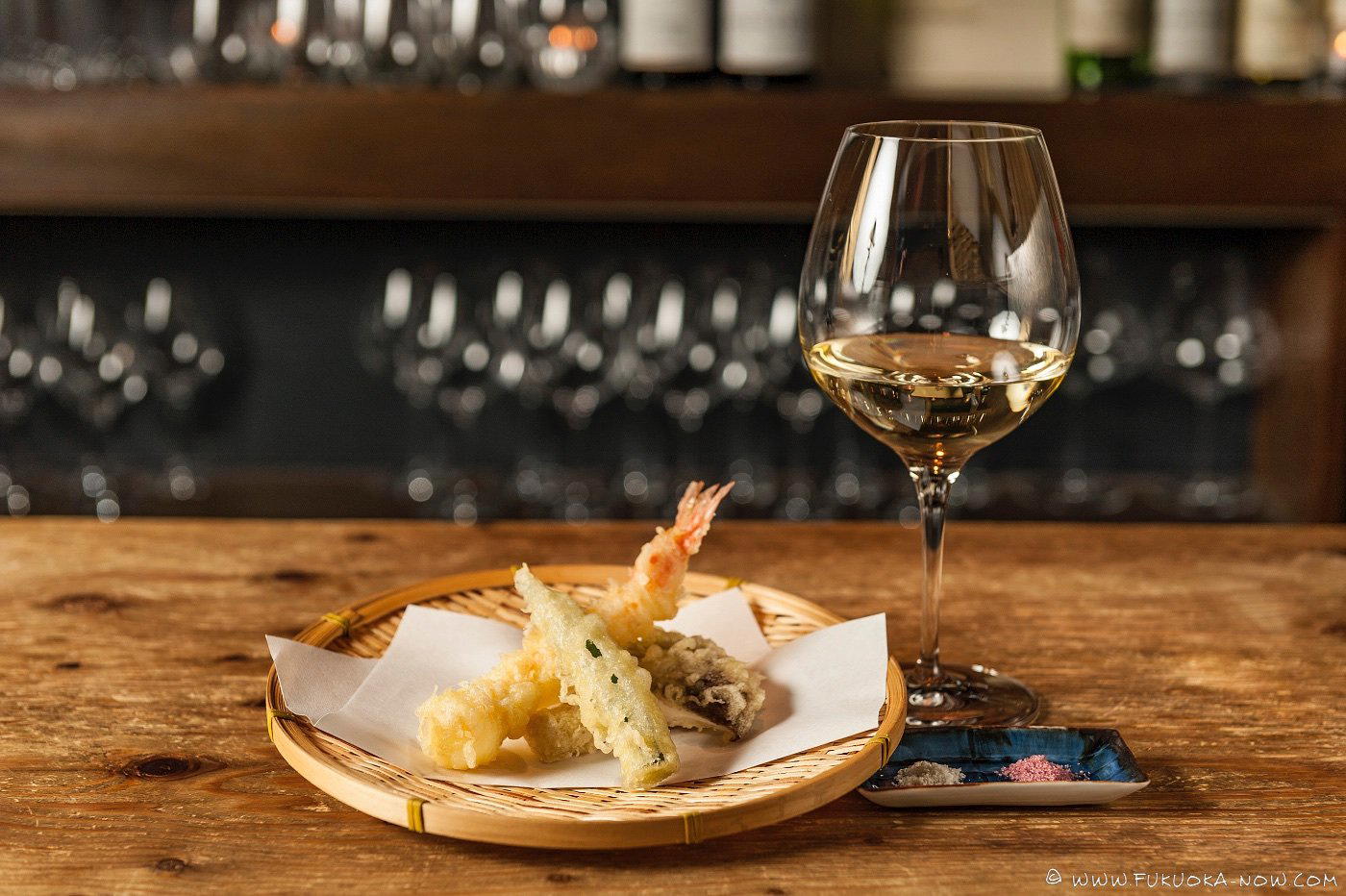
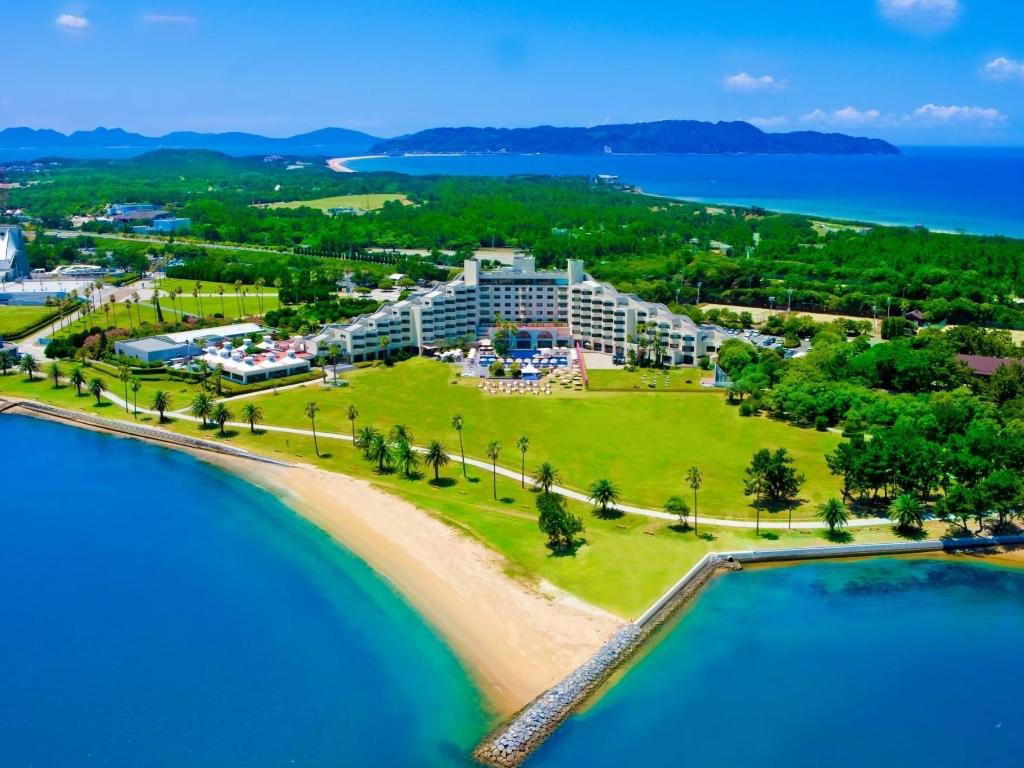
Casual and family-friendly with a simple, rustic feel typical of a countryside gelato stand, focused on quick take-out service rather than full-service dining.